

The MTG Strategy Hub
Your directory for playing Magic: The Gathering smart — the color pie, the formats, the archetypes, and budget-first guides that prove you don't need the deepest wallet to win.
Magic: The Gathering is the oldest and deepest trading card game in the world, and that depth is both its appeal and its intimidation factor. Decades of cards, a handful of competitive formats, and a famously vast secondary market can make it hard to know where to begin — or how to keep playing without spending a fortune.
This hub is Geeky Domain's master directory for doing exactly that: understanding the fundamentals that never change, choosing where and how you want to play, and building competitive decks on a sensible budget. Magic rewards smart deckbuilding and tight play far more than raw spending, and our guides are built around that truth.
Below, we cover the durable framework — the five colors, the formats, and the archetype types — then point you to our full library of budget strategy guides. One honest note: Magic's competitive meta and prices shift constantly, so this hub focuses on the fundamentals that stay true, and points you to live resources for the current snapshot.
The Short Version
Magic is built on five colors (White, Blue, Black, Red, Green), each with a distinct identity, and played across several formats — from rotating Standard to the eternal Modern and Legacy, the commons-only Pauper, and the wildly popular 100-card Commander. Most decks fall into one of a few archetypes: aggro, midrange, control, or combo. You don't need expensive cards to compete: skill, smart building, and a clean budget mana base carry you a long way. Use this hub to learn the fundamentals, then dive into our budget deck and mana-base guides below.
In This Hub
The Color Pie: MTG's Five Colors
Everything in Magic starts with the color pie — the five colors of mana, each with a distinct philosophy and toolkit. Understanding them is the foundation of reading any deck, your own or your opponent's:
- White (W) — order, protection, and efficient small creatures. The color of going wide, lifegain, and answers that keep the board in check.
- Blue (U) — knowledge and control: card draw, countermagic, and bounce. The color that manipulates the game and wins the long, grindy battles.
- Black (B) — power at a price. The best removal in the game, reanimation, and card advantage paid for with life or resources.
- Red (R) — aggression, speed, and direct damage. The color that wants to end the game quickly through burn and fast creatures.

- Green (G) — nature and growth: mana ramp, the biggest creatures, and raw size. The color that goes over the top of everyone else.
Most decks combine one, two, or three colors to blend these strengths — pairing Blue's control with Black's removal, say, or Red's speed with White's efficiency. The colors you choose define your deck's personality before you pick a single spell.
The Formats: Where You'll Play
Magic isn't one game but many, each defined by which cards are legal. Picking a format is as important as picking a deck — and it has a huge effect on cost:
- Standard — the rotating format using only the most recent sets. The card pool stays fresh and the buy-in is moderate, since old expensive cards rotate out. A great competitive on-ramp.
- Pioneer & Modern — non-rotating ("eternal") formats with progressively larger card pools. They're more powerful and more expensive than Standard, but cards you buy stay legal long-term, and many strong budget decks exist in both.
- Legacy & Vintage — the deepest, highest-powered eternal formats, drawing on nearly Magic's entire history. They're the priciest to buy into and aimed at dedicated enthusiasts.
- Pauper — commons only. The cheapest competitive format by far, and a fantastic way to play powerful, refined decks for a tiny fraction of the cost.
- Commander (EDH) — the wildly popular casual format: 100-card singleton decks led by a legendary commander, usually played in multiplayer pods. Endlessly customizable and extremely budget-flexible, which is why it's the most-played way to enjoy Magic.
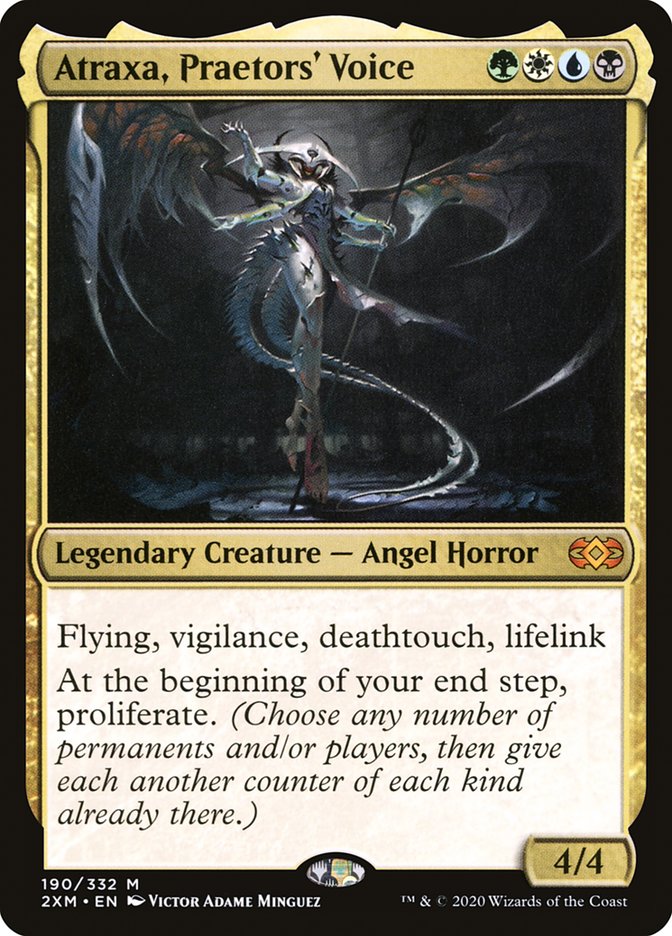
- Limited (Draft & Sealed) — build a deck on the spot from freshly opened packs. The most level playing field in the game: no collection required, everyone works from the same kind of pool.
If you're cost-conscious, Pauper, Commander, and Standard are the friendliest entry points; the older eternal formats reward deeper investment. For a full walkthrough of the three you'll meet most, see our guide to Standard vs Modern vs Commander, and our primer on what Pioneer is. Pick the one that matches both your wallet and the kind of games you enjoy.
The Four Deck Archetypes
Across every format, decks tend to fall into one of four broad archetypes. Knowing which you're playing — and facing — is the heart of strategy:
- Aggro — fast, proactive decks that deploy cheap threats and race to end the game before the opponent stabilizes. Often Red- or White-based. Cheap to build and beginner-friendly.
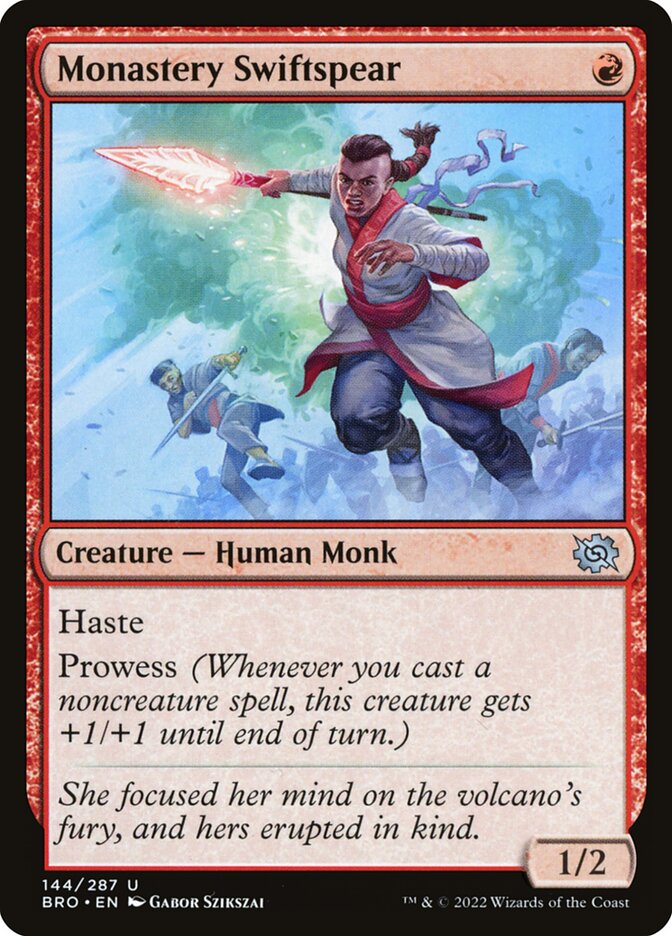
- Midrange — flexible decks of efficient, value-generating cards that beat aggro with bigger bodies and beat control with persistent threats. The most adaptable archetype.
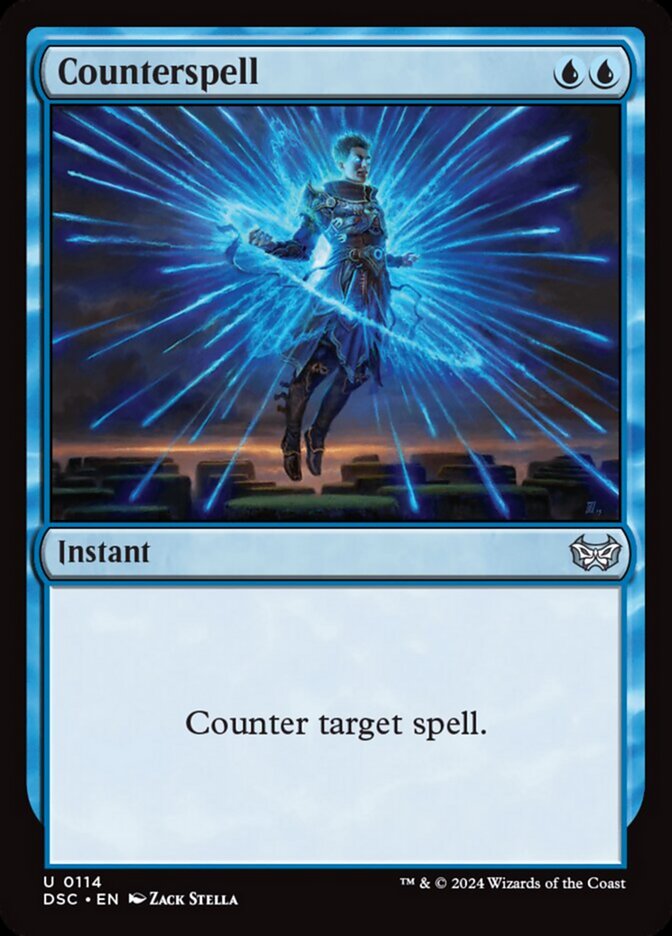
- Control — reactive decks that answer everything — countering, removing, and drawing cards — until they take over the late game. Usually Blue-based and rewarding to master. (Our control in Commander guide goes deep here.)
- Combo — decks built to assemble a specific game-winning interaction of cards. The most explosive and the most demanding to pilot, since they ignore the normal flow of the game. (See our budget combo win conditions guide.)
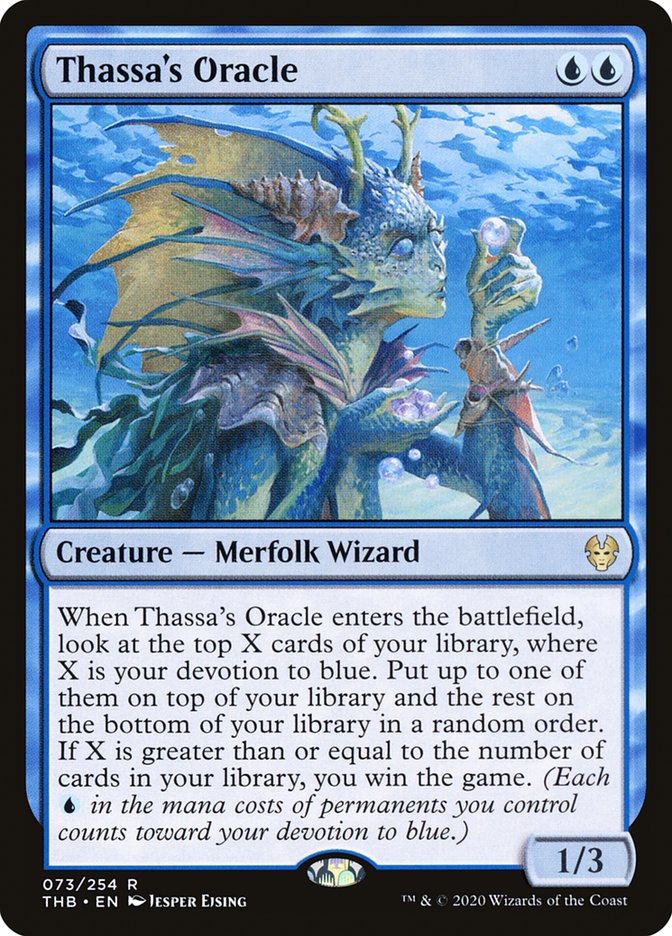
You'll also hear hybrids — tempo (aggro that uses cheap interaction to protect its clock) and ramp (accelerating into huge threats early) — but those four pillars cover the landscape. As with any game, the archetype you enjoy piloting matters more than its current ranking.
How to Pick Your Format & Deck
With five colors, several formats, and four archetypes, the choices can feel paralyzing. Here's a simple path from "interested" to "playing":
- Start with the format your friends or local store play. Magic is best with regular opponents. If your group plays Commander, build Commander; if your store runs Standard nights, start there. A deck you can actually play beats a "better" deck with no table.
- If you're solo, start cheap. No regular group yet? Pauper and Commander are the most welcoming and affordable entry points, and a budget Standard deck keeps the buy-in low while you learn.
- Pick an archetype that matches your temperament. Like ending games fast? Play aggro. Enjoy reacting and out-thinking opponents? Control. Want flexibility? Midrange. You'll improve faster with a style that genuinely clicks for you.
- Choose colors you enjoy. The color pie is as much flavor as function. Playing the colors whose style you like makes practice — and the inevitable early losses — far more fun, which is how you actually stick with the game.
Once you've made those four choices, the rest is deckbuilding — and that's exactly what our guides below are for. A great first stop is the $50 Commander blueprint, which walks the whole process end to end.
The Budget Philosophy
Magic has a reputation for being expensive, and at the top end it certainly can be. But that reputation hides a more important truth: skill and smart building beat spending. A well-piloted budget deck regularly defeats an expensive one in clumsy hands, and the gap between a $50 deck and a $500 deck is far smaller than the price difference suggests.
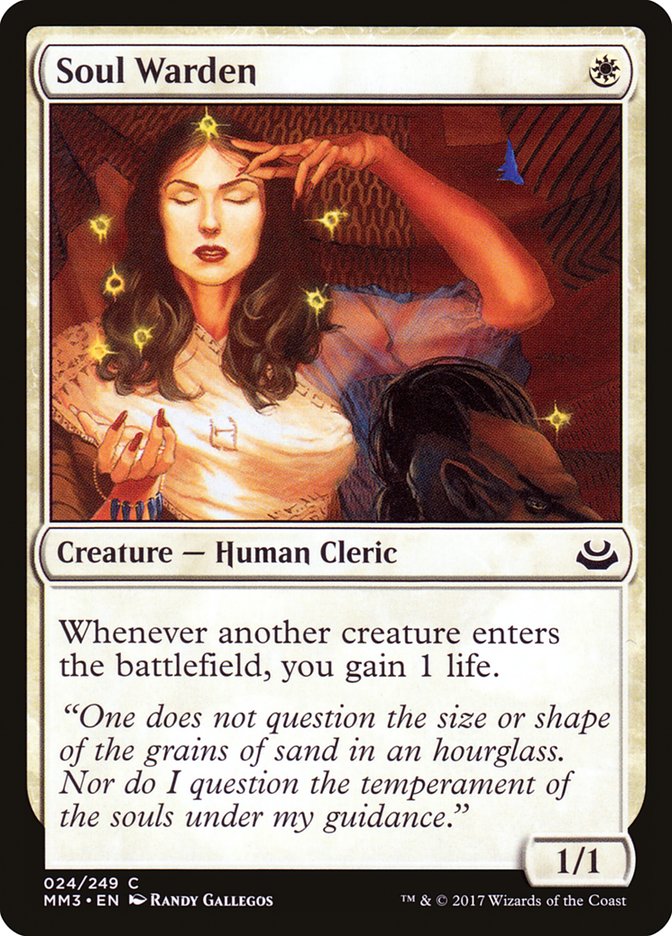
Our approach at Geeky Domain is to find the strategies that deliver the most game for the least money — cheap, resilient archetypes like lifegain and aggro, mana bases built from affordable dual lands rather than premium ones, and formats like Pauper and Commander that reward creativity over cost. You'll take a small power concession here and there, but you'll play real, competitive Magic without emptying your wallet.
The guides below put that philosophy into practice.
Magic Vocabulary
A few core terms come up constantly. Knowing them makes every guide — and every game — easier to follow:
- Mana value — the total mana a card costs to cast; the main measure of how "expensive" a spell is in-game.
- The stack — where spells and abilities wait to resolve, allowing players to respond before they take effect.
- Instant vs. sorcery speed — instants can be cast any time, even on the opponent's turn; sorceries only on your own turn with an empty stack.
- Permanents — cards that stay on the battlefield: creatures, artifacts, enchantments, planeswalkers, and lands.
- Removal — spells that destroy, exile, or neutralize an opponent's permanents.
- The mana base — the lands (and other mana sources) that produce the colors your deck needs.
- The meta — the popular, successful decks at a given time; what you should expect to play against.
Common Beginner Mistakes
Most early stumbles in Magic come down to a handful of deckbuilding habits. Avoid these and your decks will improve immediately:
- Too few lands. The most common error of all. A deck needs enough lands to reliably hit its mana every turn — skimping on lands to cram in more spells just means you sit there unable to cast them. A clean mana base is the backbone of every deck. (See our budget mana base guide.)

- Too many colors, too soon. Splashing four or five colors looks exciting but wrecks your consistency. Start with one or two colors; the tighter your colors, the more reliably your deck does what it's built to do.
- No interaction. A deck with no way to deal with the opponent's threats loses to anything it can't outrace. Include removal and answers — you can't only have a game plan for yourself. (Our interaction guide covers what to run.)
- A pile of "good cards" with no plan. Powerful individual cards don't make a deck — a coherent strategy does. Decide how your deck wins first, then include only the cards that advance that plan.
- Ignoring the mana curve. If all your spells cost five-plus mana, your early turns are dead. Spread your costs out so you have something meaningful to do on every turn, especially the cheap ones. (More in our mana curve basics.)
The Full MTG Library
Everything we've published on Magic, organized by what you're trying to do. Start wherever your interest lies:
Deckbuilding Fundamentals
- → Building a $50 Commander Deck — The Blueprint
- → Building a Budget Mana Base That Works
- → Best Budget Dual Lands for Any Deck
- → Commander Mana Curve Basics
- → Ramp vs Card Advantage — What to Prioritize
- → Commander Mulligan Guide
Strategy & Concepts
- → The Commander Interaction Guide — Removal & Counters
- → Best Budget Removal by Color
- → Control in Commander
- → Voltron — Building Around One Big Threat
- → Spellslinger — Winning With Instants & Sorceries
- → Lifegain Strategies Beyond Gaining Life
- → Budget Combo Win Conditions
Commander Staples by Color
- → Best Commander Staples Under $5 (Hub)
- → White · Blue · Black · Red · Green
- → Guild pairs: Gruul · Golgari · Orzhov
Budget Deck Techs (Under $100)
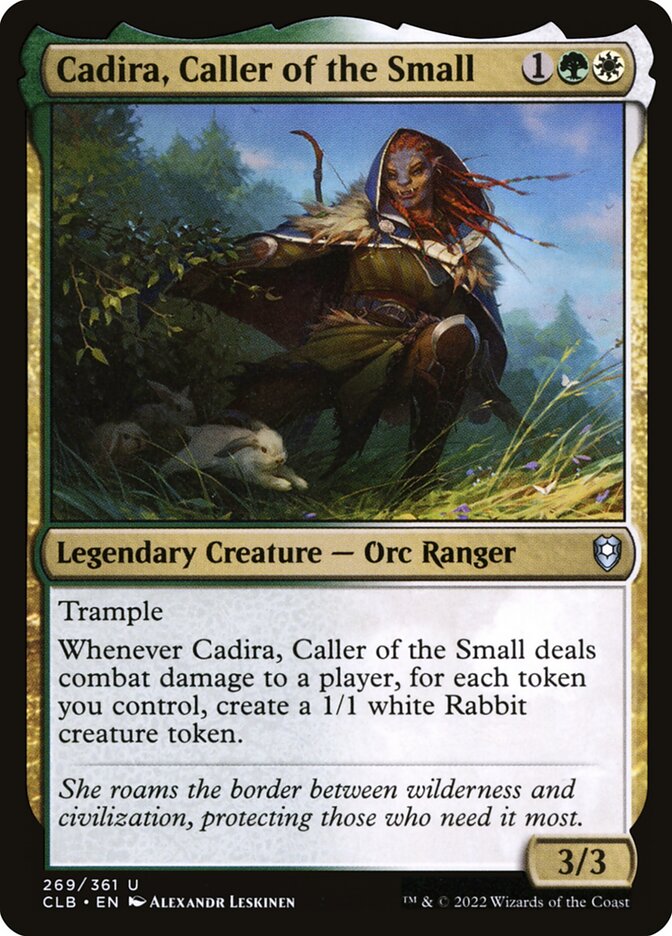
- → Aristocrats (Teysa) · Voltron (Wyleth) · Spellslinger (Veyran)
- → +1/+1 Counters · Goblins · Dragons
- → Enchantress · Blink/Flicker · Temur Roar Precon Upgrade
Formats & Rules
- → Standard vs Modern vs Commander
- → What Is Pioneer?
- → The Commander Game Changers List & Brackets
- → Play Booster vs Collector Booster
- → Proxy Guide & Commander Etiquette
Collecting, Grading & Gear
The Geeky Domain Verdict
Learn the Fundamentals, Then Build Smart.
Magic's depth can be overwhelming, but it rests on a simple foundation: five colors, a handful of formats, and four archetypes. Master that framework and you can read any deck, choose where you want to play, and build something competitive without the premium price tag. The cards at the top of the market come and go; the fundamentals — and good decisions — win games at every budget.
Pick a color and a format you love, learn an archetype deeply, and let our budget guides do the rest. Let the big spenders chase their dual lands; you'll build the smarter deck.
Get Started:
© GEEKYDOMAIN.COM | Strategy Powered by Data