

What Is Pioneer? Magic's Most Overlooked Format
A non-rotating format with a deep card pool, sane mana bases, and a diverse metagame — and a reputation for being skipped that says more about its history than its quality.
If you've spent any time around Magic: The Gathering, you've heard plenty about Standard, Commander, and Modern — and comparatively little about Pioneer. That quiet reputation is a shame, because Pioneer is one of the most newcomer-friendly competitive formats Magic has: a big, stable card pool that never rotates, mana bases that won't bankrupt you, and a metagame that's genuinely diverse right now.
The "format most players skip" framing is real, but it's worth understanding why — because the reasons are largely historical accidents, not a verdict on how the format actually plays. Once you know the backstory, Pioneer starts to look less like a format to avoid and more like an underrated entry point worth a serious look.
This guide explains what Pioneer is, how it differs from the formats around it, why it got its overlooked reputation, and who should consider picking it up. If you're newer to constructed Magic generally, our mana curve basics and ramp vs card advantage guides pair well with this one.
The Short Version
Pioneer is a non-rotating constructed format using cards from Return to Ravnica (2012) forward. It sits between Standard (small, rotating pool) and Modern (huge, older, faster, pricier pool): bigger and more permanent than Standard, but more accessible and less turbocharged than Modern. A defining choice at its creation — banning the original fetch lands — keeps mana bases affordable and games a touch slower, which is great for newer players. Its reputation for being "skipped" comes mostly from pandemic-era history and a late arrival on Magic Arena, not from how it plays. Today its metagame is diverse and healthy, making it one of the better-value competitive formats to learn.
→ More MTG Reading
In This Guide
What Pioneer Actually Is
Pioneer is a constructed, non-rotating format introduced in October 2019. Its card pool is defined by a single clean rule: every standard expansion and core set from Return to Ravnica (October 2012) onward is legal. That cutoff isn't arbitrary — Return to Ravnica is roughly when the modern era of dual lands ("shock lands" and friends) began, giving the format a consistent, well-understood mana foundation.

"Non-rotating" is the key phrase. In Standard, sets cycle out every year or so, meaning a deck you build today may be partly illegal in twelve months. In Pioneer, once a card is legal it stays legal (unless specifically banned). Build a Pioneer deck and it remains your deck — you add to it over time rather than rebuilding from scratch each rotation. For anyone who's felt the sting of a Standard deck rotating out, that permanence is a big part of the appeal.
The format launched with no banned cards and has since developed a banlist through periodic health updates, the normal way Wizards maintains a constructed format. The card pool keeps growing with every new set, so Pioneer steadily deepens rather than churning.
How It Compares to Standard & Modern
The easiest way to understand Pioneer is to place it between the two formats most players already know:
Standard
Small pool, rotates regularly. Cheapest to keep current but impermanent — decks expire as sets cycle out.
Pioneer
Mid-size pool (2012–now), never rotates. More permanent than Standard, more affordable and less frantic than Modern.
Modern
Huge pool back to 2003, never rotates. Faster, more powerful, and generally more expensive to buy into.
In short: Pioneer gives you Modern's permanence without Modern's price tag or breakneck speed, and Standard's relative accessibility without Standard's expiration date. Games tend to be a little slower and more interactive than Modern's, which many players — especially those coming from Standard — find more comfortable to learn on.
The Fetch-Land Decision
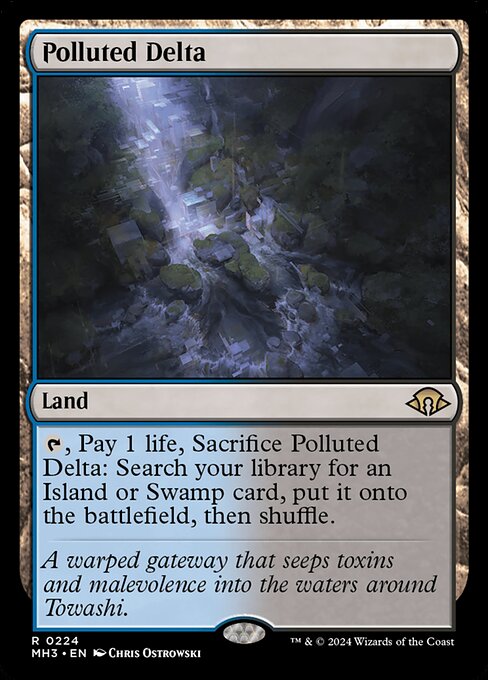
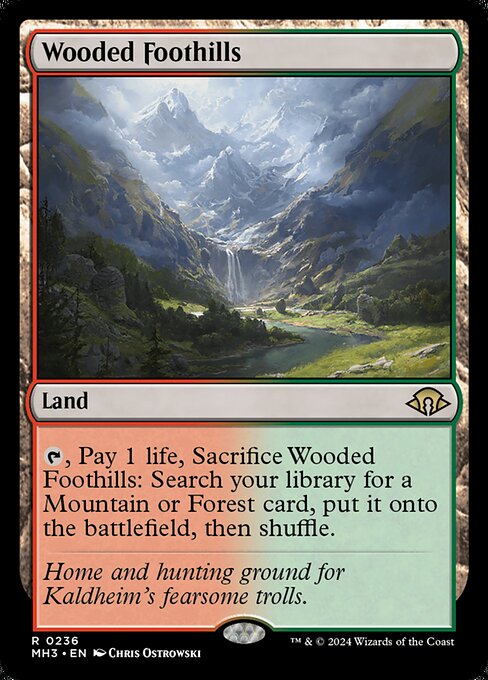
One design choice defines Pioneer's character more than any other: at the format's creation, Wizards banned the original fetch lands (the cards that let you search your library for a land and shuffle). This was deliberate, and it accomplishes two things worth understanding.
Why It Matters
First, it distinguishes Pioneer from Modern, where fetch lands are a defining staple — keeping the two formats from feeling like the same thing. Second, and more importantly for newcomers, fetch lands are among the most expensive cards in Magic and contribute heavily to the cost of a Modern mana base. Banning them keeps Pioneer's lands centered on the more affordable dual lands from 2012 onward, which meaningfully lowers the cost of entry.
The practical upshot: Pioneer mana bases are cheaper and a touch slower than Modern's, which both reduces the buy-in and gives games a little more breathing room. If you want to understand the lands that do anchor the format, our budget dual lands guide is a useful companion.
Why It Got Skipped
Here's the honest backstory behind the "format players skip" reputation — and the key point is that it's about timing and circumstance, not gameplay. Pioneer launched in late 2019 with real momentum and tabletop tournament support lined up. Then the pandemic arrived.
With paper events shut down, a format built around in-person play lost much of its purpose almost overnight. Players online gravitated to Modern and Legacy, which had established communities and supplemental products. Magic Arena — the obvious home for a newer format — wasn't built to absorb twenty-plus sets of cards on short notice, so it leaned on Historic (and later Explorer, an Arena format that mirrors Pioneer's card pool) instead. Pioneer ended up under-supported during the exact window when it should have been growing, and the "dead format" perception set in.
That perception has outlived its causes. Paper play returned, organized play eventually featured Pioneer prominently, and the format found its footing — but first impressions are sticky, and a lot of players still mentally file Pioneer under "the one nobody plays." Knowing the history lets you judge the format on its current merits instead.
Where Pioneer Stands Today
By 2026, Pioneer's actual state is far healthier than its reputation suggests. Wizards' own format updates describe a diverse metagame with a good spread of strategies — and that variety is exactly what you want from a format you're considering investing in, because it means many different decks are viable rather than one oppressive best deck.
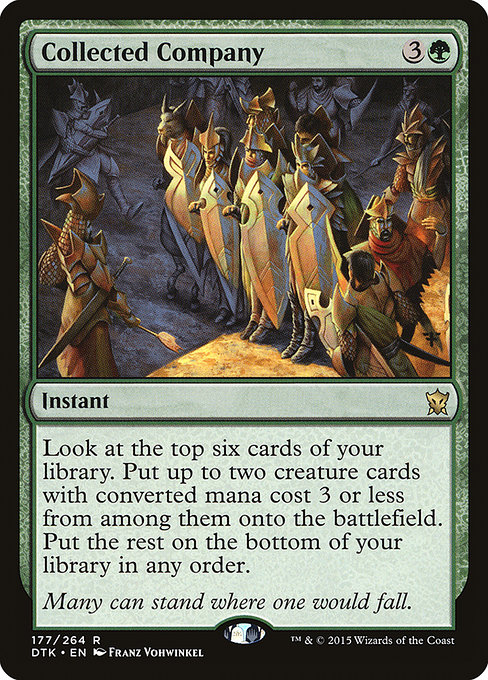
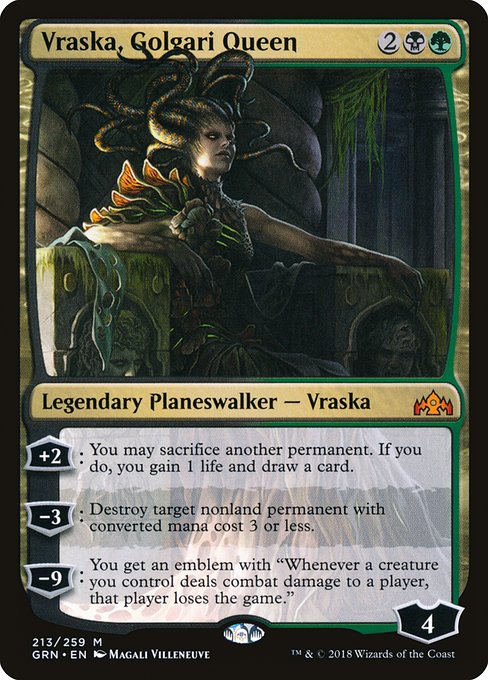
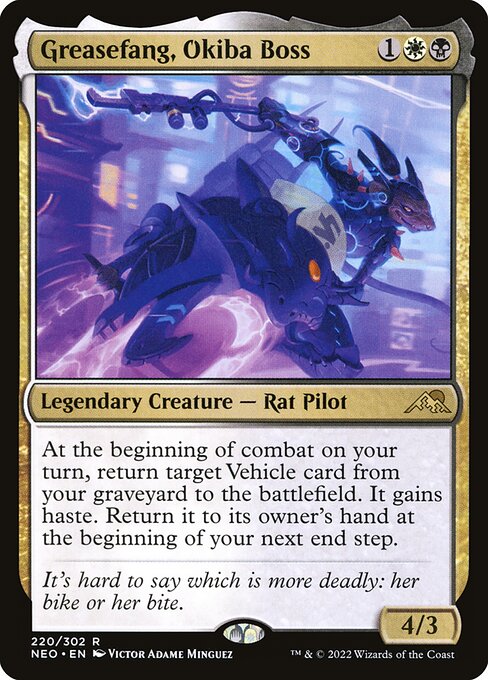
Fair, interactive midrange decks have been doing well — archetypes built around efficient creatures and value, like Selesnya Company and Golgari Midrange — alongside more specialized strategies such as the Greasefang reanimator combo decks that reward learning a trickier game plan. The point isn't to memorize a specific decklist (the metagame shifts with every ban update and new set), but to note the shape: a healthy mix of aggro, midrange, control, and combo, rather than a stale field.
Like every constructed format, Pioneer gets periodic banlist maintenance — the occasional card is removed when it warps the metagame. That's a sign of an actively tended format, not a troubled one. As always, check the current official banned list before committing to a deck, since it does change.
Why You Might Consider It
Pioneer makes a lot of sense for several kinds of player:
- Standard players tired of rotation. If you've watched a deck you loved rotate out, Pioneer offers a familiar-feeling pool (much of it overlaps with recent Standard) that you never have to dismantle.
- Modern-curious players watching the price. Pioneer delivers a deep, permanent format at a gentler buy-in, largely thanks to the fetch-land ban keeping mana bases affordable.
- Newer competitive players. The slightly slower, more interactive games make it a more forgiving place to learn competitive Magic than the fastest formats.
- Arena players who want a paper format. If you've played Explorer on Arena, you've effectively already been playing into Pioneer's pool — the transition to paper Pioneer is short.
None of this means Pioneer is the right format for everyone — if you love the cutting-edge novelty of Standard or the raw power of Modern, those preferences are valid. But if "overlooked" had been quietly steering you away from Pioneer, it's worth setting that aside and judging it on what it actually offers: permanence, accessibility, and a diverse field.
FAQ & Quick Reference
- What sets are legal in Pioneer? Every standard expansion and core set from Return to Ravnica (October 2012) onward, minus a short banned list. The pool grows with each new release and never rotates out.
- Why are fetch lands banned? They were banned at the format's creation to keep Pioneer distinct from Modern and to hold mana-base costs down — which is a big reason Pioneer is more affordable to buy into.
- Is Pioneer actually dead? No — that reputation comes from pandemic-era disruption and a late Arena home, not current play. Today the metagame is diverse and the format is actively maintained.
- Is it the same as Explorer on Arena? Explorer is the Arena format that mirrors Pioneer's card pool as Arena catches up to it. They're closely related, so Explorer experience translates directly to paper Pioneer.
- Format: non-rotating constructed, launched October 2019.
- Card pool: Return to Ravnica (2012) forward, minus a short banlist.
- Identity: fetch lands banned → affordable mana, distinct from Modern.
- Position: between Standard (rotates) and Modern (older, faster, pricier).
- Reputation: "skipped" for pandemic-era / Arena reasons, not gameplay.
- Today: diverse, healthy metagame; actively maintained.
Don't Skip It on Reputation Alone.
Pioneer's quiet reputation is a quirk of history, not a reflection of how it plays. It offers a deep, permanent card pool that never rotates, mana bases kept affordable by the fetch-land ban, games that are a little slower and more interactive than Modern's, and a diverse, actively maintained metagame. For Standard players tired of rotation, Modern-curious players watching their budget, and newer competitive players alike, it's one of the best-value formats to learn — and far more alive than its "format nobody plays" label suggests. Judge it on its merits, and Pioneer might be exactly the format you've been overlooking.
Keep Exploring:
© GEEKYDOMAIN.COM | Strategy Powered by Data