

Grading MTG Cards: Is It Ever Worth It?
Magic has a complicated relationship with grading — because unlike most collectibles, its cards are meant to be played. Here's when a slab makes sense, and when it doesn't.
Some links below are affiliate links. If you buy through them, we may earn a small commission at no extra cost to you. We only recommend products we'd use ourselves.
Grading is everywhere in the collectibles world — Pokemon, sports cards, comics — and Magic is no exception. But MTG has a genuinely different relationship with the slab than its neighbors, and that difference is the whole story. For Pokemon and sports cards, display is the point; a graded card in a case is the collectible. For Magic, the primary function of most cards is to be played — and a card sealed in plastic can never touch a battlefield again.
That single fact reshapes the entire grading question for Magic. It's why a meaningful slice of the MTG community is skeptical of grading altogether, and why the honest answer to "should I grade this?" is "no" far more often in Magic than in other games. But there's also a specific, well-defined set of cards where grading is not just reasonable but clearly correct — and knowing which is which saves you real money.
This guide is about grading as it applies to Magic specifically — the cultural quirk, the categories that are worth it, the ones that aren't, and the traps in between. For the universal cost-versus-benefit math of grading any card, see our general guide on whether TCG grading is worth it; for choosing a grader, our PSA vs BGS vs CGC comparison. Here, we're asking the Magic-specific question.
The Short Version
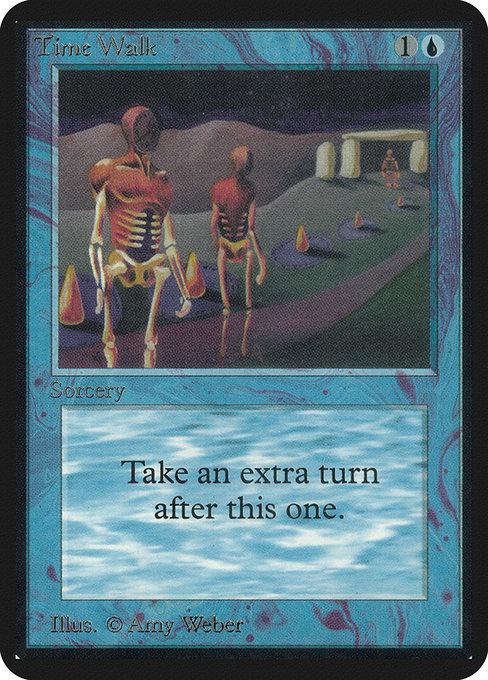
Magic is a played game, so grading removes a card from its primary use — which is why most MTG cards shouldn't be graded and why much of the community is skeptical. Grading makes sense for a narrow set: Power Nine, Reserved List dual lands, Alpha/Beta rares, high-value sealed promos, and early-printing chase cards — cards valued for scarcity and history rather than play, where a PSA 10 can fetch a large multiple of the raw price and, crucially, authentication protects buyers from the sophisticated counterfeits that plague the high end. It's not worth it for modern rares, played staples, or most cards in the low-triple-digit range, where grading fees eat thin premiums. And Magic is genuinely hard to grade well — old cards have centering and print-line issues that sink grades. When in doubt, sleeve it and play it.
→ Related Guides
In This Guide
Why Magic Is Different
Start with the fact that drives everything: for most Magic cards, the primary function is play, not display. A dual land's "job" is to be in a deck. The moment you seal it in a slab, it can never do that job again — you've converted a playable card into a display piece. For Pokemon and sports cards, where display was always the point, grading loses you nothing. For Magic, it can cost you the card's whole reason to exist.
That's why a substantial part of the MTG community is openly skeptical of grading, and the arguments aren't just snobbery — they're legitimate. Grading incentivizes hoarding over playing, takes cards out of the format they were made for, and (to many players' eyes) a stack of slabs is simply less beautiful than a well-built Commander deck full of the same cards. Magic culture prizes the playing of cards in a way slab culture doesn't.
So the Magic grading question isn't the generic "will a 10 be worth more than the raw card?" It's a two-part question: is this a card whose value comes from play or from collectibility — and if it's collectible enough to grade, is it actually worth more to you slabbed than it is sleeved in a deck? For the vast majority of cards, the answer points to "keep it raw."
When Grading IS Worth It
There's a clear category where grading is not just defensible but usually correct: cards whose value already comes from scarcity and history rather than play. These are Magic's "vintage collectible" cards, and they behave like graded sports cards:
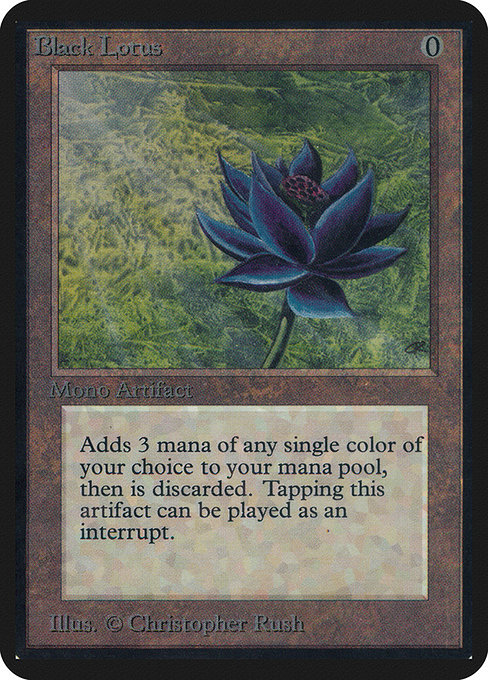
- The Power Nine. The nine most iconic cards from Magic's earliest sets — Black Lotus, the Moxen, and friends, all on the Reserved List. In top grades these command some of the highest grading multiples in any trading card game, several times their raw value. If you own one in genuine Mint condition, grading is almost always right.
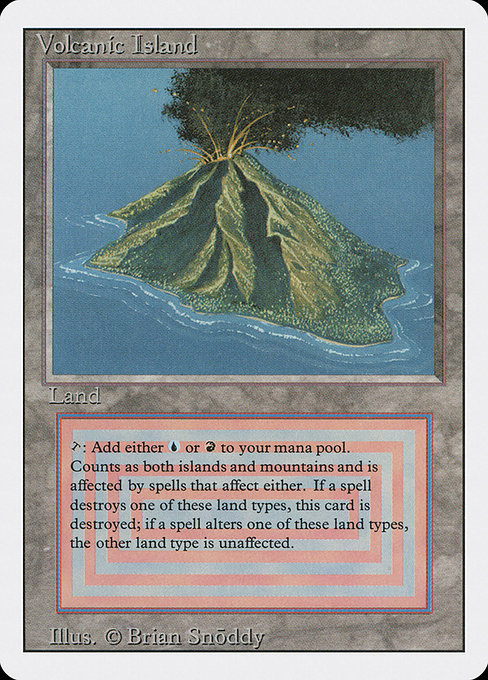
- Reserved List dual lands and staples. The original dual lands and other Reserved List cards derive their value from a fixed, never-growing supply — Wizards has pledged never to reprint them. That makes them historical artifacts whose worth is tied to condition and authenticity, exactly the conditions under which grading pays. A high-grade slab can carry a substantial premium over a raw copy.
- Alpha and Beta rares. The 1993 originals — with Alpha's distinctive rounded corners — are prized by collectors, and clean copies show strong graded premiums. Age and scarcity make them collectible first, playable second, so the slab fits.
- High-value sealed promos & serialized chases. Premium collector pieces — serialized cards, high-end promos, and similar limited treatments above a serious value threshold — are bought to be collected, not played, so grading them sacrifices nothing and adds authentication and condition certainty.
The Authentication Argument
For Magic's high-end cards, there's a reason to grade that has little to do with the grade itself: authentication. Sophisticated counterfeits of expensive cards — especially Reserved List dual lands and Power Nine — genuinely circulate, and they're good enough to fool the naked eye. A slab from a major grader certifies the card is real.
That changes the math even when the grade is modest. A buyer paying a large sum for a dual land is paying partly for the certainty that it's authentic — so graded copies of high-end cards sell faster, more easily, and to a wider (international) market than raw ones, where the buyer has to trust the seller or pay for their own authentication. On a four- or five-figure card, eliminating fake risk is worth real money on resale.
This is the strongest grading case in Magic, and it applies even to played-condition vintage: a slabbed, authenticated, lightly-played dual land can be an easier sale than a flawless raw one, precisely because the plastic answers the question every high-end buyer asks first — "is it real?"
When It Isn't Worth It
For the overwhelming majority of Magic cards, grading is a money-loser. The clearest "don't" cases:
- Anything you might want to play. If a card has a home in one of your decks, grading it removes it from play permanently. For a playable staple, the raw, sleeved copy is almost always more valuable to you than a slab.
- Modern rares and mythics at standard rarity. Recently printed cards have large supply and only modest top-grade premiums — the multiplier on a perfect modern card is small, often not enough to clear the grading fee and shipping. Bulk rares and mythics are a flat no.
- Low- and mid-value cards generally. As a rule of thumb, once a card's raw value is only in the low triple digits or below, the grading math usually says keep it raw and sleeved. The fee, the wait, and the risk of a disappointing grade rarely pay off at that level.
- Modern foils with any curl. Foils warp, and any curl tanks the grade. Unless a modern foil is genuinely flat and high-value, it's a poor candidate — you're likely paying to be told it's a 8 or 9.
The "Almost Worth It" Trap
The most expensive mistakes happen in the middle — cards that look like grading candidates but usually aren't. This is where collectors get burned most often.
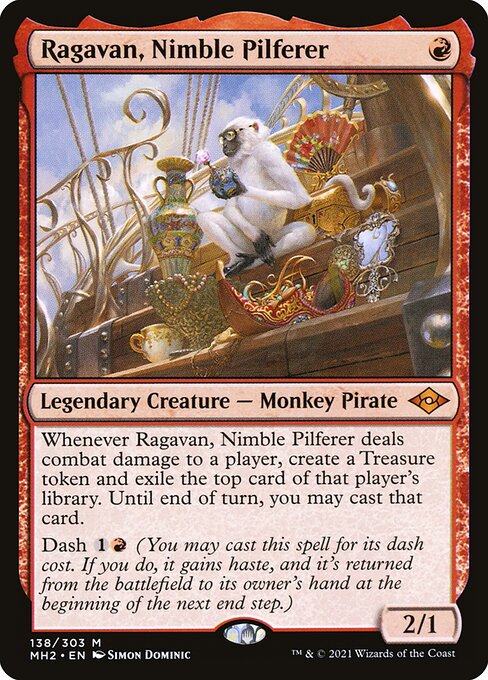
The danger zone is the band of "nice but not extraordinary" singles: recent chase mythics, foil Commander staples, popular alternate-art and showcase cards. They're valuable enough that the fee feels justified, but their top-grade premium is thin — a perfect grade might only add a fraction to a modern card's value, not the multiples you see on vintage. You're playing for narrow margins, and a single missed flaw flips the whole thing negative.
A Cautionary Tale
A common story: a collector sends in a beloved dual land they're sure is a high grade — they've examined it under a loupe and can't find a flaw. It comes back several grades lower because of a faint print line on the back they'd missed for years, and the slabbed card sells for less than they paid for it raw. Magic cards hide flaws well, and grading is unforgiving. Assume the grade will be lower than you hope, and only send cards where even a middling grade still profits.
Why MTG Is Hard to Grade Well
Part of why grading disappoints so often in Magic is that the cards most worth grading — the old ones — are also the hardest to get a high grade on:
- Centering. Alpha and Beta cards in particular often have poor centering straight from the pack — a 30-year-old print run wasn't held to modern tolerances. Off-center borders cap the grade no matter how clean the card is otherwise.
- Print lines and surface flaws. Faint print lines, especially on card backs, are easy to miss and common on older stock — and graders catch them. They're the classic "came back lower than expected" culprit.
- Corners and edges. Alpha's rounded corners and decades of handling mean whitening and wear are everywhere. Inspect corners, edges, and surface under good light and magnification before you ever pay a fee.
A Simple Decision Process
Run a candidate card through these questions in order. The first "no" usually means keep it raw:
- 1. Will I ever want to play it? If yes, lean strongly toward keeping it raw and sleeved — you lose the card's main purpose by slabbing it.
- 2. Is it vintage, Reserved List, or a genuine high-end collectible? If no, the premium almost certainly won't justify the fee. If yes, continue.
- 3. Is it valuable enough that authentication matters? For four- and five-figure cards, the slab's fake-protection alone can justify grading regardless of the grade.
- 4. Is the condition genuinely high — under magnification? Inspect centering, corners, edges, and surface honestly. Assume a grade lower than your gut says.
- 5. Does it still profit at a middling grade? If the card only makes sense at a perfect 10, the risk is too high. Grade cards that win even at a 9 or 8.
Common Mistakes
Grading cards you'll want to play.
The most Magic-specific error. Slabbing a playable staple trades its primary use for a premium that often isn't even there. If it belongs in a deck, sleeve it.
Overrating your card's condition.
Magic cards hide flaws — print lines, off-centering, micro-whitening. Assume the grade will come back lower than you hope, and only submit cards that still profit at that lower grade.
Chasing thin modern premiums.
Modern chase mythics and foil staples rarely carry a big enough top-grade premium to clear the fee. The "almost worth it" band is where people lose money — be honest about the margin.
Ignoring authentication value on the high end.
The flip side: for genuine Reserved List and Power Nine cards, not grading can cost you on resale, since buyers pay a premium for certified-authentic copies. On the very high end, the slab is doing real work.
FAQ
- Is it ever worth grading a card I want to play? Rarely. If a card is genuinely a high-end collectible and you own a separate playable copy, sure — grade the pristine one, play the other. But grading your only copy of a card you'd actually use trades its main purpose for an often-thin premium. In Magic, playability is value.
- Does a graded card sell for more than raw? For vintage and Reserved List cards in high grades, yes — often a substantial multiple, plus easier sales thanks to authentication. For modern and mid-value cards, usually not enough to justify the fee. The premium scales with age, scarcity, and grade, not with the card being "good."
- Which grader should I use for Magic? That's its own decision — brand recognition affects resale, and the companies differ on turnaround, cost, and slab style. Our PSA vs BGS vs CGC guide breaks it down.
- If I'm not grading, how should I protect a valuable raw card? Double-sleeve it and store it properly — that preserves both its condition and its playability, keeping the option to grade later open. Our storage and protection guide covers it.
Quick Reference
- The MTG difference: it's a played game — slabbing removes a card from its main use.
- Grade: Power Nine, Reserved List duals, Alpha/Beta rares, high-end sealed promos & serialized chases.
- Best reason on the high end: authentication — slabs kill counterfeit risk and sell easier.
- Don't grade: playable staples, modern rares, low/mid-value cards, curled foils.
- The trap: "almost worth it" modern chases with thin top-grade premiums.
- Reality check: assume a lower grade than you expect; old cards hide flaws.
- Default: when unsure, sleeve it and play it.
Buying & Selling Graded Magic
If you're buying or selling graded MTG — or hunting raw vintage and Reserved List cards to grade — eBay has by far the deepest pool of both slabbed and raw high-end Magic, with sold-price history to value against. For genuine vintage, graded copies offer authentication peace of mind; for raw, check recent sold listings and inspect condition closely. Prices move, so compare before you commit.
Grade the Few, Play the Many.
Magic's answer to "is grading worth it?" is narrower than other hobbies', and that's a feature, not a flaw — it reflects a game that's meant to be played. Grade the genuine vintage collectibles where scarcity, condition, and authentication carry real premiums; keep everything else raw, sleeved, and in your decks where it belongs. Know which bucket a card falls in before you pay a fee, assume the grade will be lower than you hope, and you'll never lose money to a slab.
For the cards that earn it, the slab is worth it. For the rest, the battlefield is.
© GEEKYDOMAIN.COM | Strategy Powered by Data