

Combo 101: Budget Win Conditions in Commander
How combos actually work, how to close a game without an expensive deck — and the one conversation to have before you try.
Plenty of Commander games end the same anticlimactic way: everyone runs out of gas and someone slowly grinds out the last few points of damage. Combos are the antidote. A good win condition gives your deck a plan — a way to actually end the game on your terms — and the best news for newer players is that many of the most reliable combos cost very little. You don't need a wallet full of dual lands to assemble a clean kill.
This is a concept-first guide. Rather than handing you a brittle list of "play card A, then card B" lines (which shift as cards get printed and banned), we'll teach you how combos are built — the parts, the patterns, and how to protect them — so you can recognize and assemble win conditions in any deck. We'll point to a few stable, well-known examples along the way to make the ideas concrete.
One thing up front, because it matters more than any card list: whether combos belong in your deck at all depends on the table you're playing at. We'll cover Commander's Brackets system and the Rule 0 conversation early, because using a combo at the wrong table is the fastest way to a bad game night. For the wider context, our Brackets & Game Changers guide goes deeper.
The Short Version
A combo is two or more cards that together produce a game-winning result. Most break into the same parts: pieces (the cards that loop), an enabler/engine (what powers them), a payoff (how the loop actually wins), and ideally protection (so it resolves). Budget combos are everywhere because the pattern matters more than card price. But combos aren't always welcome: Commander's Brackets system means low-bracket/casual tables generally avoid two-card infinite combos, while higher brackets embrace them — so have the Rule 0 conversation first. Build a clear win condition, learn to protect it, and match it to your table.
→ More Commander Reading
In This Guide
What a Combo Actually Is
A combo is simply two or more cards that, together, produce a result neither could alone — usually one powerful enough to win or near-win the game. The classic image is the "infinite" combo (infinite mana, infinite damage, infinite draw), but a combo doesn't have to loop forever to be a win condition. A two-card interaction that deals 40 damage once, or mills out the table in a single turn, is just as much a combo.
The key mental shift for a newer player is to stop thinking of your deck as 99 good cards and start thinking of it as 99 cards that build toward something. A win condition is the "something." Combos are the most compact, reliable version of that — a small number of cards that, once assembled, reliably end the game.
Brackets & the Rule 0 Talk
Before we build anything, the most important rule in casual Commander: match your win condition to your table. Wizards introduced a five-tier Brackets system to help players describe the kind of game they want, and combos sit very differently across it:
- Brackets 1–2 (Exhibition / Core). Precon-level, casual tables. These generally avoid two-card infinite combos — wins are meant to be telegraphed and incremental. Dropping a turn-four infinite here will land badly.
- Bracket 3 (Upgraded). Tuned decks where games can end out of nowhere with a late combo — but early-game combos are still generally kept out. This is where many "I built a real win condition" decks live.
- Brackets 4–5 (Optimized / cEDH). Combos are expected, fast, and central. Everyone's playing to win and ready for it.
The Rule 0 conversation:
Before a casual game, the table briefly talks about the kind of game they want — power level, bracket, and whether fast or infinite combos are on the table. A combo deck is a great thing to own; springing it on a pod that wanted a chill game is not. Naming your bracket up front means everyone has fun, including you.
The Anatomy of a Combo
Almost every combo, budget or expensive, breaks into the same four roles. Learn to spot them and you can read — and build — combos anywhere:
- The pieces. The two-or-three cards whose interaction creates the loop or the big effect. These are what you're assembling — and on a budget, they're usually unremarkable-looking cards whose combination is the magic.
- The enabler / engine. What powers the pieces — often mana, an untap effect, or a sacrifice outlet. Many loops produce a resource (like infinite mana) that does nothing until you point it at a payoff.
- The payoff. The card that converts the loop into an actual win — a way to spend infinite mana, deal the damage, or empty everyone's library. A loop with no payoff just spins; you need the finisher.
- The protection. Optional but ideal: a way to make sure the combo resolves — a counterspell held up, a way to give a piece protection, or simply doing it when opponents are tapped out.
Common Budget Combo Patterns
Rather than memorize specific lines, learn the recurring shapes. These patterns recur across hundreds of cards, and the budget versions work the same as the expensive ones:
The untap loop
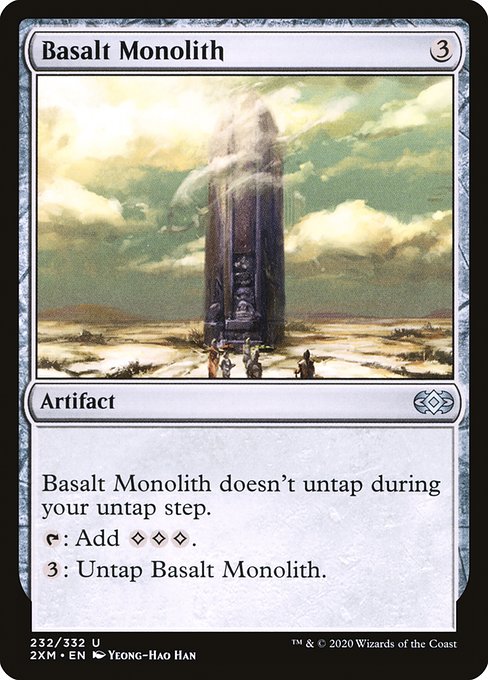
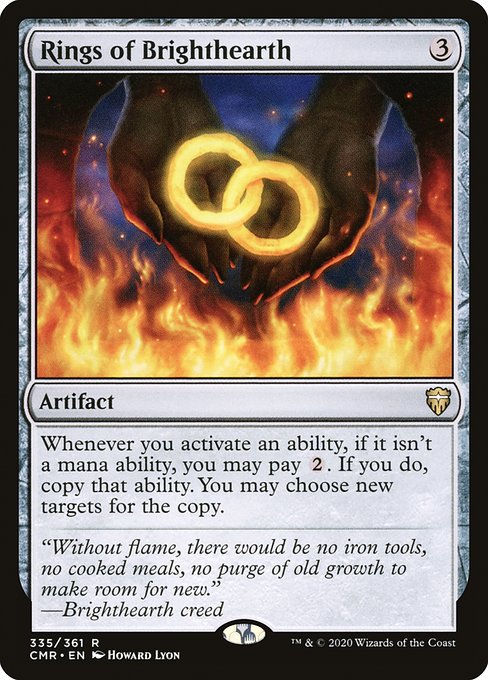
A permanent that produces a resource, plus a way to untap it repeatedly for less than it makes. The simplest infinite-mana engines are a mana-producing creature or rock and an effect that untaps it — point the resulting mana at a payoff and you win. Cheap, common, and the backbone of countless budget decks.
The sacrifice + recursion loop
A free sacrifice outlet, a creature that keeps coming back, and a payoff that triggers each time something dies or returns (drain life, ping damage, etc.). Loop the creature through death and rebirth and the payoff fires endlessly. Many of the pieces are inexpensive role-players.


The "big rock" two-card finisher
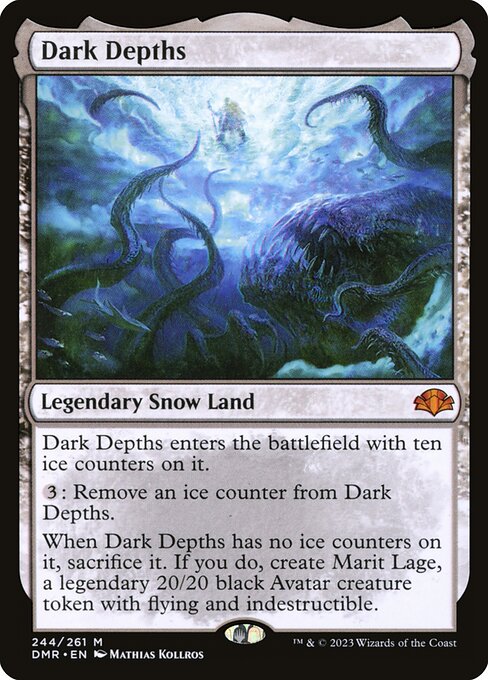
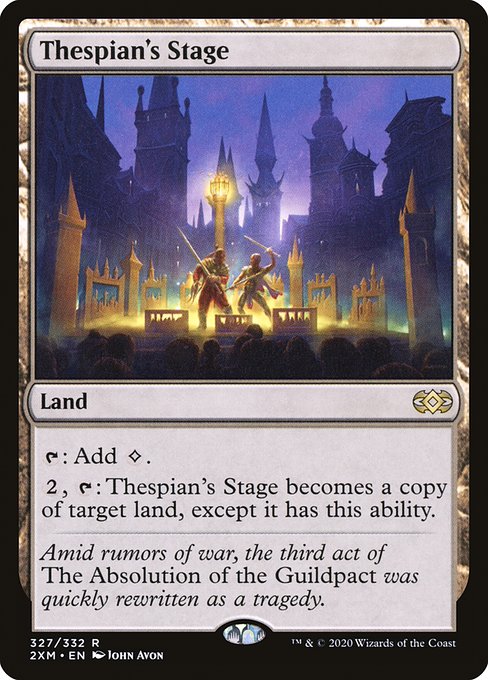
Not every combo loops — some are just two cards that together make something game-ending once. A well-known durable example is Dark Depths + Thespian's Stage, which produces a 20/20 flying indestructible token for a modest investment. These "do a huge thing once" combos are often the most budget-friendly because they don't need a payoff piece on top.
The overrun / go-wide finish
If your deck makes lots of creatures or tokens, a single "all your creatures get huge / gain trample" effect can be a win condition by itself. It's not a loop at all — just a payoff that converts a board you already have into lethal damage. Some of the cheapest, most reliable win conditions in the format live here.
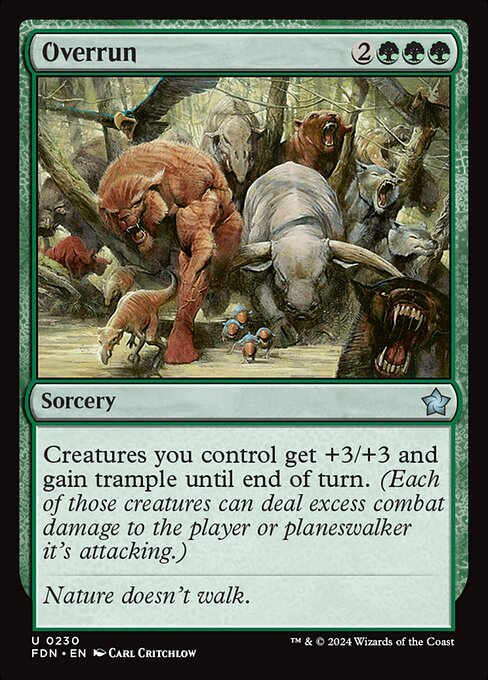
Notice the through-line: in every pattern, the expensive-looking part is rarely required. What wins is the structure — and structure is free to learn.
Turning a Loop Into a Win
A mistake new combo players make is assembling an infinite loop and then realizing they can't actually win with it. Infinite mana is not a win condition — it's a resource. You still need the card that spends it lethally.
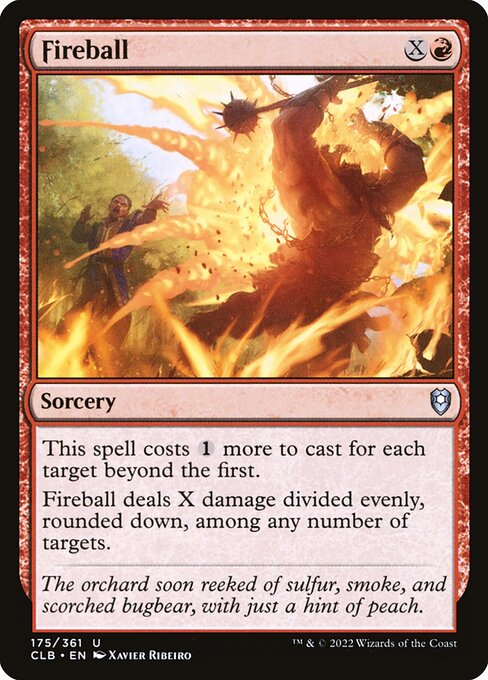
So when you build around a loop, always include the payoff in your plan: an X-spell that deals damage equal to the mana you poured in, a draw engine that lets you find the rest of your deck, or a creature you can make arbitrarily large. Budget payoffs are plentiful — a single cheap "deal X damage" or "draw X cards" card often does the job. The discipline is simply to name your payoff before you commit to a loop, not after.
Protecting the Combo
In a four-player game, three opponents can interact with you, so a naked combo often gets stopped. You don't need expensive protection — you need timing and a little insurance:
- Go when they're tapped out. The cheapest protection is patience — assemble and fire on a turn when opponents can't respond, often at the end of the turn before yours.
- Hold up one answer. A single cheap counterspell or protection spell to clear the one piece of interaction you expect is usually enough — you don't need a wall of them.
- Don't telegraph. Assemble pieces across several turns so your combo isn't obvious, and try not to be the visible threat that draws everyone's removal before you're ready.
Common Mistakes
Comboing at the wrong table.
The biggest one. A fast or infinite combo at a Bracket 1–2 casual pod ruins the game for everyone. Have the Rule 0 talk and match your deck to the table.
Building a loop with no payoff.
Infinite mana that can't be spent to win is just a party trick. Always include the finisher that converts the loop into a victory.
Too many fragile pieces.
A three-card combo where each piece is easily removed will rarely come together. Favor combos with fewer pieces, or pieces that do something useful on their own.
Forgetting the banned list.
Commander's banned list changes periodically, and some famous combo pieces are banned. Check the current official list before locking in a combo you read about somewhere.
FAQ & Quick Reference
- Do I need expensive cards to run a combo? No. Most combo patterns have budget-friendly versions — the structure matters far more than card price. The expensive cards in cEDH mostly buy speed and consistency, not the combos themselves.
- Are combos allowed in casual Commander? It depends on the bracket. Bracket 1–2 tables generally avoid two-card infinites; Bracket 3 allows later-game combos; Brackets 4–5 embrace them. Always confirm with a Rule 0 conversation.
- What's the difference between a combo and a win condition? A win condition is anything that ends the game; a combo is a compact, reliable kind of win condition built from interacting cards. A go-wide overrun is a win condition that isn't really a "combo," for instance.
- My loop goes infinite — now what? Make sure you have the payoff to convert it. Infinite mana needs an X-spell or sink; an infinite death loop needs a drain effect. Name the finisher when you build the loop, not when you're mid-combo.
- Combo: 2+ cards that together produce a game-winning result.
- Parts: pieces → enabler/engine → payoff → (protection).
- Patterns: untap loop, sac + recursion, two-card finisher, go-wide.
- Budget: the structure wins, not the price — cheap versions abound.
- Brackets: 1–2 avoid infinites; 3 allows late ones; 4–5 embrace them.
- Always: name your payoff, protect the combo, and have the Rule 0 talk.
A Plan Beats a Pile.
The single biggest upgrade a newer Commander deck can make isn't an expensive card — it's a clear win condition. Learn the anatomy of a combo (pieces, enabler, payoff, protection), recognize the handful of recurring patterns, and you'll be able to build a reliable finish into almost any deck for very little money. Just remember that a combo is a tool for a specific kind of game: match it to your bracket, have the Rule 0 conversation, name your payoff before you build the loop, and hold a little protection for the moment it counts. Do that, and you'll stop grinding out anticlimactic wins and start closing games on your terms.
Keep Building:
© GEEKYDOMAIN.COM | Strategy Powered by Data