

Lifegain is one of Magic's most resilient, beginner-friendly, and budget-loving archetypes. Here's how it wins — and how to build it under $100, whether you play 60-card Constructed or Commander.
Some links below are affiliate links. If you buy through them, Geeky Domain may earn a small commission at no extra cost to you.
Lifegain has a reputation as a "do-nothing" strategy — gain a bunch of life, then lose anyway. That reputation is wrong, and the decks that prove it are some of the most accessible in all of Magic: The Gathering. Built correctly, lifegain doesn't just pad your life total; it converts every point gained into pressure — bigger creatures, more cards, extra damage — while keeping you comfortably out of burn and aggro range.
Better still, it's cheap. The cards that make lifegain hum are mostly commons and uncommons, which means you can build a genuinely competitive version for under $100 in more than one format. This guide explains the engine that powers every lifegain deck, then gives you two complete budget builds: a 60-card Soul Sisters deck for Pioneer or Modern, and a 100-card Commander deck for the kitchen table.
One important note up front: Magic's card pool, prices, and format legality shift constantly. So rather than hand you a fixed list that may be off-price or off-legal by the time you read this, we'll give you the verified core to build around and tell you exactly where to validate the details before you buy.
The Short Version
Lifegain wins by gaining life many times — not by gaining the most — so that cheap enablers (the "Soul Sisters") repeatedly trigger payoffs that grow into a lethal threat. In 60-card Constructed, build mono-white Soul Sisters: Soul Warden and Soul's Attendant feeding Ajani's Pridemate, Voice of the Blessed, Essence Channeler, and Heliod, Sun-Crowned — a deck that genuinely comes in around $100. In Commander, pick a budget lifegain commander like Trelasarra, Moon Dancer or Karlov of the Ghost Council and load up on enablers and payoffs. Pauper is the ultra-cheap on-ramp. Whatever you build, validate the exact list, legality, and prices on a deckbuilder before buying.
→ Useful Resources
- Browse Magic: The Gathering singles on TCGplayer
- Build & price-check on a deckbuilder like Moxfield or Archidekt
- For Commander ideas and budgets, EDHREC is the standard reference
In This Guide
- → How Lifegain Actually Wins
- → Build #1: Soul Sisters (Pioneer / Modern)
- → Build #2: Budget Commander Lifegain
- → The Ultra-Budget Option: Pauper
- → Constructed vs Commander: Which to Build?
- → Building It Under $100
- → How to Pilot Lifegain
- → What Lifegain Beats — and Struggles Against
- → Quick FAQ
- → Upgrade Path & Verdict
How Lifegain Actually Wins


Here's the single most important concept, and it's the same in every format: the goal isn't to gain the most life — it's to gain life the most times. A deck that gains 40 life once has done almost nothing. A deck that gains 1 life eight times in a turn has triggered its payoffs eight times, and that is where the power comes from.
Every lifegain deck is built from two halves that feed each other:
- Enablers — cheap, repeatable lifegain triggers. The archetype's namesakes, Soul Warden and Soul's Attendant, each gain you 1 life every time a creature enters the battlefield — yours or your opponent's. Cards like these turn an ordinary board-building turn into a flurry of lifegain triggers.
- Payoffs — cards that convert each trigger into value. These reward you every time you gain life: growing larger (Ajani's Pridemate, Voice of the Blessed, Essence Channeler), drawing cards, making counters or tokens, or even dealing damage. Stack a few enablers under one payoff and it balloons out of control fast.
The life you gain along the way is almost a bonus — but a crucial one. It buys you a commanding cushion against aggressive and burn decks, letting you stabilize and race at the same time. That dual role, offense and defense from the same cards, is why lifegain punches so far above its price.
Build #1: Soul Sisters (Pioneer / Modern)
The classic 60-card budget lifegain deck is Soul Sisters — also called Heliod White Devotion or Mono-White Midrange. It's a mostly mono-white aggro-midrange deck that floods the board with cheap creatures, triggers lifegain over and over, and grows a single payoff into a game-ending threat while staying safe behind a mountain of life.
Enablers (the lifegain triggers)
Soul Warden & Soul's Attendant (the originals) · Lunarch Veteran · Guide of Souls · Speaker of the Heavens · Ajani's Welcome. Cheap white one-drops that gain you life whenever creatures enter.
Payoffs (grow with each trigger)
Ajani's Pridemate (the classic — +1/+1 per lifegain) · Voice of the Blessed (grows and gains keywords) · Essence Channeler · Righteous Valkyrie (anthem + lifegain payoff) · Resplendent Angel.
The Premium Engine
Heliod, Sun-Crowned ties everything together, adding +1/+1 counters whenever you gain life — and it's the bridge to an optional infinite combo (see upgrades). Usually the priciest card in the deck.

The game plan: deploy enablers on turns one and two, start chaining lifegain triggers as you build a board, and drop a payoff that snowballs into a threat too big to ignore. Your opponent either trades unfavorably trying to kill it or dies to it — and either way, your life total keeps you safe from the decks trying to race you.
Budget & Format Notes
A Modern Soul Sisters list genuinely comes in around or just under $100, with most of the cost concentrated in Heliod, Sun-Crowned. The deck also has a strong mono-white home in Pioneer using the same payoffs. Card legality differs between formats, though — some staples are Modern-legal but not Pioneer-legal — so confirm every card against your intended format before buying.
A Sample Creature Core
To make it concrete, a verified budget Modern build runs a creature base along these lines:
- Enablers: 4 Soul Warden, 4 Soul's Attendant, 4 Lunarch Veteran, 3 Speaker of the Heavens, plus Guide of Souls.
- Payoffs: 4 Voice of the Blessed, 4 Essence Channeler, 3 Righteous Valkyrie, and Heliod, Sun-Crowned.
Add Ajani's Pridemate as additional payoff redundancy, a clean white mana base, and a handful of flexible spells. This is a verified example, not a locked list — confirm counts and legality for your format.

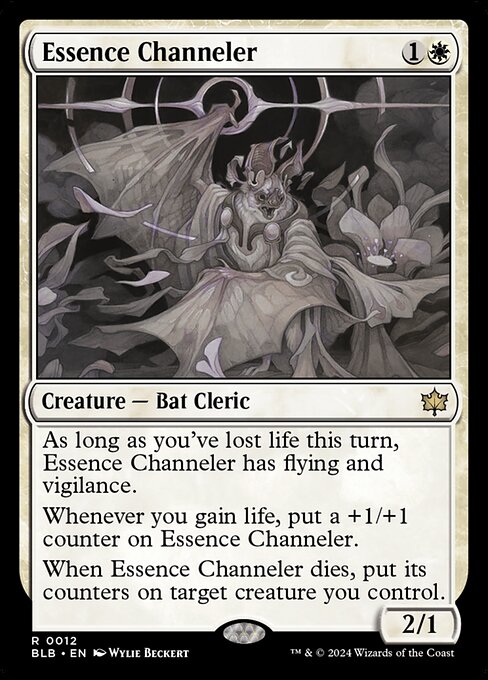
Treat the lists above as the verified core, not a locked 60. Round it out with a clean white mana base and a few flexible removal or protection spells, then validate the exact build for your format and budget.
Build #2: Budget Commander Lifegain
In Commander — the 100-card singleton format — lifegain is hugely popular and extremely budget-friendly, since the format's casual nature means you don't need a stack of expensive staples to have a great time. The shell is the same in spirit (enablers feeding payoffs), but it's built as singletons around a lifegain commander that acts as your engine.
Three excellent budget commanders to anchor the deck:
- Trelasarra, Moon Dancer (White/Green): A cheap two-mana commander that gets a +1/+1 counter and scries whenever you gain life. Low to the ground, aggressive, and great for a creature-based budget build that still draws into gas.
- Karlov of the Ghost Council (White/Black): A two-mana Orzhov commander that grows with counters as you gain life and can exile opposing creatures — a popular, well-supported budget lifegain engine.
- Heliod, Sun-Crowned (Mono-White): The same powerhouse from the Constructed build, here as a commander — single-color (so the easiest mana base) and capable of game-ending lifegain combos if you want to lean that way.
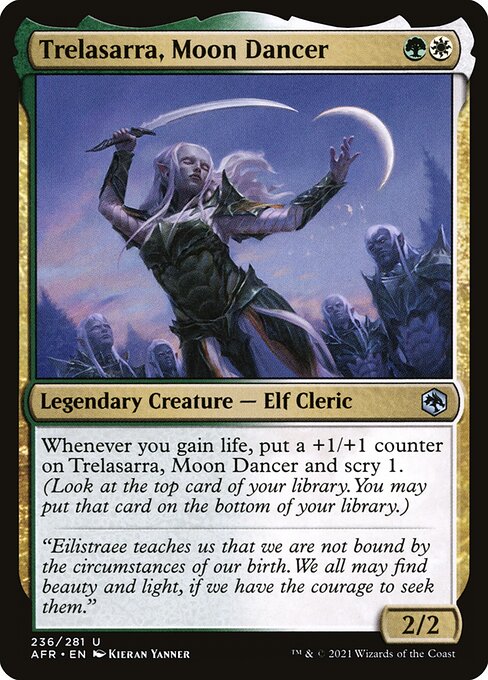
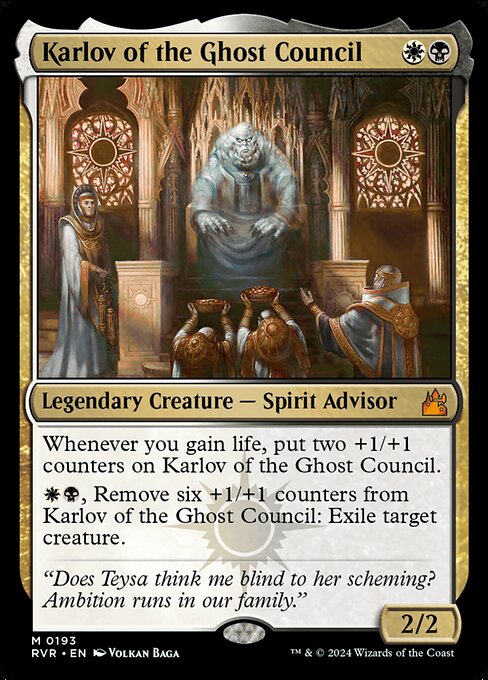
Around your commander, run a generous mix of enablers (cheap repeatable lifegain) and payoffs. Verified budget-friendly payoffs include Exemplar of Light (turn lifegain into card draw), Pristine Talisman (gain life as you ramp), Lathiel, the Bounteous Dawn and Nykthos Paragon (turn lifegain into a wide, growing board), and Heliod, Sun-Crowned itself. The plan is to gain life repeatedly, snowball your board and card advantage, and grind the table down — closing with an overwhelming board or a dedicated lifegain payoff.
Budget Note
Budget Commander lifegain decks are very achievable under $100 — Trelasarra and Karlov are inexpensive commanders ideal for lower-power, wallet-friendly tables. As always, the right list depends on your local power level, so build it on a deckbuilder, sanity-check it against EDHREC's budget pages, and price it before buying.
The Ultra-Budget Option: Pauper
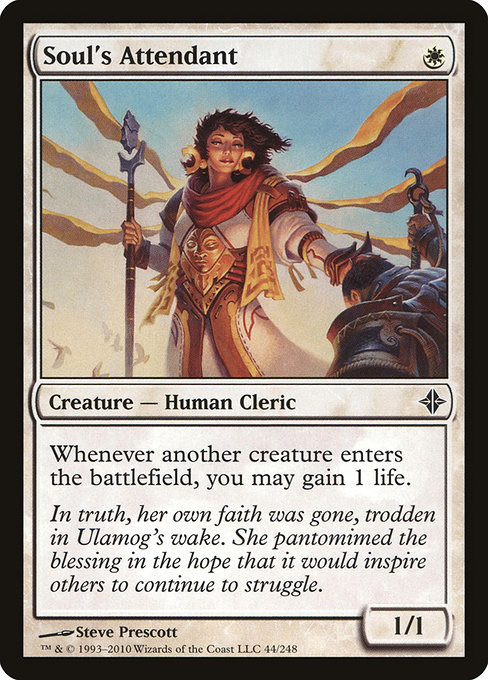
If even $100 is more than you want to spend, Pauper — the commons-only format — is the cheapest possible way to play lifegain. The core pieces are remarkably accessible: the original Soul Sisters and the classic Ajani's Pridemate payoff have all seen common printings, so a functional lifegain shell can be assembled for a tiny fraction of the Constructed cost.
It's a fantastic on-ramp for a brand-new player or anyone testing whether they enjoy the archetype before investing. Because Pauper's legal commons can change as cards get reprinted, confirm the current commons-only build on a deckbuilder before you buy.
Constructed vs Commander: Which to Build?
If you're torn between the two main builds, let your goals decide — they offer genuinely different experiences:
- Build Soul Sisters (Constructed) if you want to play at your local game store's Pioneer or Modern events, you enjoy a focused, repeatable 60-card deck, and you like a faster, more aggressive game where you grow one threat and close quickly. It's the more competitive, tournament-ready option.
- Build Commander lifegain if your scene is casual multiplayer pods, you prefer longer, grindier games with bigger swings, and you like the variety of a 100-card singleton deck. It's more forgiving, more social, and easier to keep tweaking over time.
Both fit comfortably under $100, and the core knowledge transfers between them — so whichever you start with, you'll understand the other immediately. Many players eventually build both.
Soul Warden effects and Ajani's Pridemate payoffs are bulk-priced singles — the playmat and sleeves are the part worth buying new.
As an Amazon Associate, Geeky Domain earns from qualifying purchases. eBay links are affiliate links; Geeky Domain may earn a commission at no extra cost to you.
Building It Under $100
Lifegain stays cheap for a structural reason: its engine runs on commons and uncommons. The enablers are nearly all bulk-priced, and many of the best payoffs are too. The money concentrates in a small handful of cards — chiefly Heliod, Sun-Crowned in the Constructed build, and a few premium payoffs or mana-fixing pieces in Commander.
- Keep the engine, trim the luxuries. Run the full set of cheap enablers and the budget payoffs at full strength, and limit the expensive cards. One copy of a pricey payoff often does the job a playset of bulk creatures already supports.
- Mind the mana base. Sticking to one or two colors (mono-white is ideal) keeps your lands cheap and your draws consistent — a big, quiet source of savings.
Validate Before You Sleeve
Magic prices move daily, and format legality (especially in Standard and Pioneer) changes with each rotation and banlist update. Before buying anything, build your list on a deckbuilder such as Moxfield or Archidekt, confirm every card is legal in your chosen format, and price it against current market data. Treat any figure — including "under $100" — as a target to verify, not a guarantee.
How to Pilot Lifegain
The archetype rewards smart sequencing far more than raw power. A few habits make the difference:
- Lead with enablers. Get your Soul Warden effects down early so that every creature you (or your opponent) play afterward is a lifegain trigger. Enablers first, payoffs second.
- Sequence within the turn. Play your payoff before a big multi-creature turn, not after, so all those creatures entering each trigger it. Order matters enormously to how large your threats get.
- Respect board wipes. Your grown payoff is a must-kill threat, which makes it a magnet for removal and sweepers. Don't commit your entire hand to the board at once — keep a follow-up so one wipe doesn't end the game.
- Use your life as a resource. A huge life cushion lets you take hits, race aggressive decks, and pay life for effects without fear. Lifegain isn't a wall to hide behind — it's fuel to play aggressively.
What Lifegain Beats — and Struggles Against
Knowing your good and bad matchups tells you when to be confident and when to play carefully:
- Strong against aggro and burn. This is lifegain's home turf. Your repeated lifegain races right past their damage, your cheap blockers trade with their threats, and a burn deck simply can't burn through a life total that keeps climbing. These are your best matchups.
- Even against midrange. It comes down to whether you can grow a payoff faster than they can remove it. Sequencing and protecting your key threat decide these games.
- Weaker against control, sweepers, and combo. Board wipes punish you for committing too many creatures, and dedicated combo decks ignore your life total entirely — they win in a way damage prevention can't stop. Against these, hold back a follow-up threat and apply pressure before they set up.
The throughline: lifegain dominates the decks trying to deal you damage, and has to play smarter against the decks that don't care how much life you have.
Quick FAQ
Is budget lifegain actually competitive? At the local and casual level, very much so — Soul Sisters has a long history of beating decks that cost far more, especially in aggro-heavy metas. It's not a top-tier tournament deck, but it's a real, winnable budget choice.
Mono-white or splash a second color? Mono-white is the cheapest and most consistent, and it's the recommended starting point. A black splash adds removal and extra payoffs, but costs you mana-base money and consistency — upgrade to it later if you want.
Will it stay legal? Modern and Commander are non-rotating, so a deck built there stays legal long-term. Standard rotates and Pioneer is more stable but can see bans — check current legality before building for those.
Can I upgrade it over time? Absolutely — that's the appeal. The budget core stays in the deck while you add premium payoffs, more Heliod copies, or the optional infinite combo as your collection grows.
Upgrade Path & Verdict
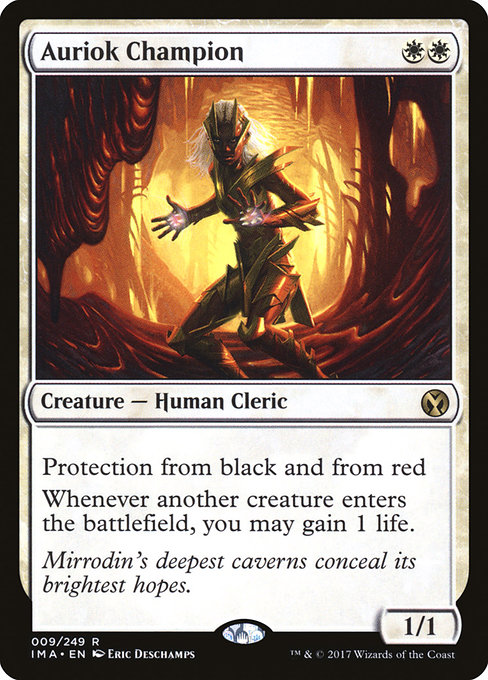
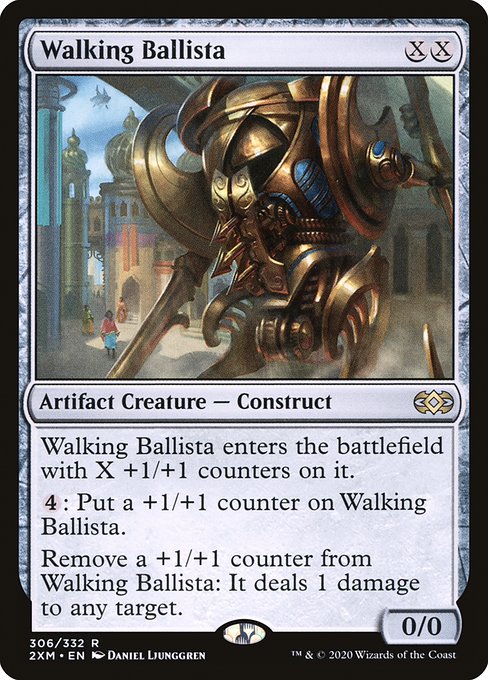
As your budget grows, the upgrades are clear. In Constructed, add more copies of Heliod, Sun-Crowned — which unlocks the famous infinite combo with Walking Ballista or Spike Feeder for an instant win — and consider a premium enabler like Auriok Champion, whose protection makes it nearly unkillable. In Commander, improve your mana base and add stronger lifegain payoffs and a backup win condition. None of these are required; they raise the ceiling on a deck that's already complete.
The Best Budget Archetype in Magic.
Lifegain earns the "best budget deck" title because it does so much with so little: cheap enablers, cheap payoffs, a resilient game plan, and a price tag that lands under $100 in multiple formats. It punishes aggressive decks, scales smoothly as you invest, and teaches the sequencing fundamentals that make you a better Magic player everywhere. Whether you want a tuned 60-card Soul Sisters deck or a grindy Commander build, the engine is the same — and it's one of the most satisfying in the game.
Pick your format, build around the verified core, validate the list and prices, and start turning every point of life into a win.
Keep Learning
- → Magic: The Gathering Strategy Hub
- → Lifegain Strategies Beyond Just Gaining Life
- → Best MTG White Commander Staples Under $5
- → Building a $50 Commander Deck: The Ultimate Budget Blueprint
- → Building a Budget Mana Base That Works
- → Best Budget Commander Removal by Color
- → MTG Commander Combo 101 — Budget Win Conditions
- → Best Budget Lands Under $1 for Any Commander Deck
© GEEKYDOMAIN.COM | Strategy Powered by Data