

Best Budget Blink/Flicker Deck Under $100 (MTG)
Exile your own creatures, bring them right back, and cash in their enter-the-battlefield abilities again and again. Blink is one of Magic's most satisfying value engines — and one of its cheapest.
Some links below are affiliate links. If you buy through them, Geeky Domain may earn a small commission at no extra cost to you.
Some decks win by attacking. Blink decks win by value — quietly generating so much card advantage that the opponent simply runs out of resources. The trick is deceptively simple: take a creature with a useful "when this enters" ability, exile it, and immediately return it to the battlefield so that ability triggers all over again. Do that every turn, and a humble card-drawing creature becomes an engine that buries your opponent.
Better still, blink is genuinely cheap to build. The enablers and payoffs that make it tick are overwhelmingly commons and uncommons — a few dollars at most — so a powerful blink deck fits comfortably under $100 in more than one format. It's one of the best value-per-dollar archetypes in all of Magic.
This guide explains the engine that powers every blink deck, then gives you two complete budget builds: a 60-card Azorius deck for Modern or Pioneer, and a Commander deck built around the archetype's beloved value loops. As always with deck techs, prices and legality shift — so we'll give you the verified core and tell you exactly where to validate the details before you buy.
The Short Version
Blink decks pair enter-the-battlefield (ETB) value creatures with cheap blink enablers (Ephemerate, Cloudshift, Soulherder, Conjurer's Closet) that exile and return them to re-trigger those abilities. The same trick dodges removal — blink a creature in response to a kill spell and the spell fizzles. A 60-card Azorius (white-blue) Soulherder deck comes together for a budget price, and a UW or Bant Commander deck led by Brago, Roon, or Thassa is equally affordable; both land under $100. Pauper is the ultra-cheap floor, home to the famous Ghostly Flicker value engine. Build around the verified cores below and validate the list before buying.
→ More MTG Guides
In This Guide
What Makes Blink Tick
First, a quick terminology note. "Flicker" exiles a permanent and returns it immediately within the same effect; "blink" exiles it and returns it a little later, usually at end of turn. In practice players use the words interchangeably, and for deckbuilding the distinction rarely matters. Either way, the returned creature is a brand-new object — which is the source of all the magic.
Every blink deck runs on two ingredients working together:
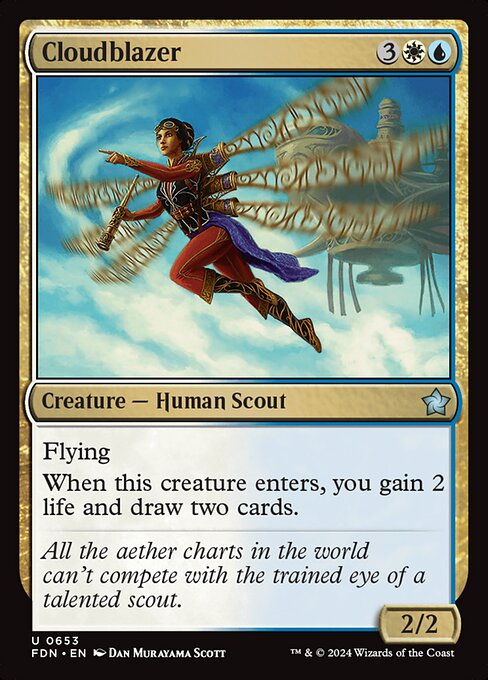
- ETB value creatures (the payoffs). Creatures whose "when this enters the battlefield" ability is worth repeating — drawing cards (Mulldrifter, Cloudblazer), ramping (Solemn Simulacrum), removing threats (Reflector Mage, Skyclave Apparition), or recurring cards (Eternal Witness). Each of these is a one-time effect stapled to a body — until you blink it.
- Blink enablers (the engine). Cheap spells and permanents that exile and return your creatures. Ephemerate is the gold-standard one-shot — one mana, and its rebound triggers it a second time next turn. Cloudshift is a near-free backup. Soulherder is the premier repeatable engine: it blinks a creature at the end of each of your turns and grows every time anything is exiled.
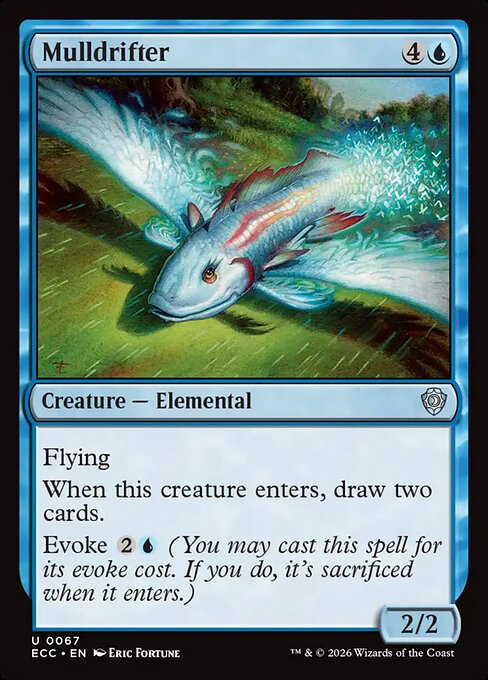
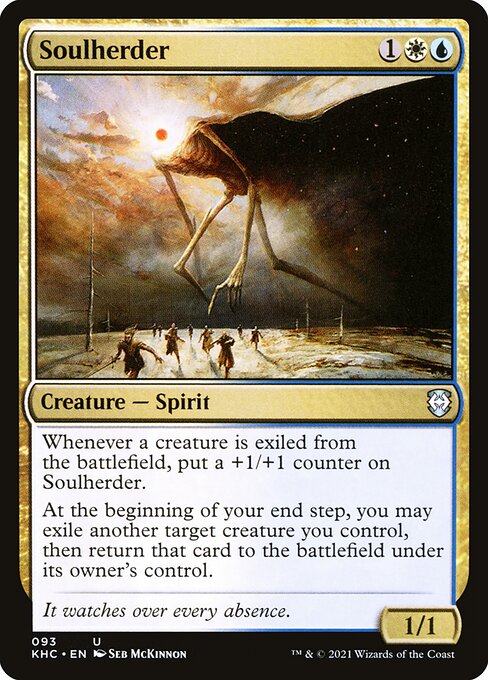
Put them together and a single Mulldrifter becomes "draw two cards every turn." That's the core loop. But blink has two more tricks that make it deceptively powerful:
- It dodges removal. When an opponent aims a kill spell at your creature, blink it in response. The creature is exiled and returns as a new object, the removal spell loses its target, and it fizzles — you've protected your creature and re-triggered its ETB. A two-for-one against their removal.
- It resets and locks. Some ETB effects are punishing on repeat. Blinking Stonehorn Dignitary every turn can stop an opponent from ever having a combat step; blinking a removal creature like Reflector Mage keeps bouncing their threats. Blink turns one-shot effects into soft locks.
Build #1: 60-Card Azorius Blink
The classic 60-card blink deck is an Azorius (white-blue) control-tempo deck built around Soulherder. It plays cheap ETB creatures, blinks them for relentless value, uses bounce and removal creatures to keep the board clear, and grinds the opponent into the ground. It has homes in Modern and Pioneer.
The Verified Core
Blink engines: Soulherder (the centerpiece), Ephemerate, Cloudshift, Restoration Angel.
ETB value: Watcher for Tomorrow and Elite Guardmage for card advantage; a draw creature like Mulldrifter on the top end.
ETB removal & disruption: Reflector Mage and Skyclave Apparition to clear threats; Stonehorn Dignitary to lock out attackers; Venser, Shaper Savant for flexible bounce.
Mana: a clean white-blue base, smoothed by budget Azorius dual lands.
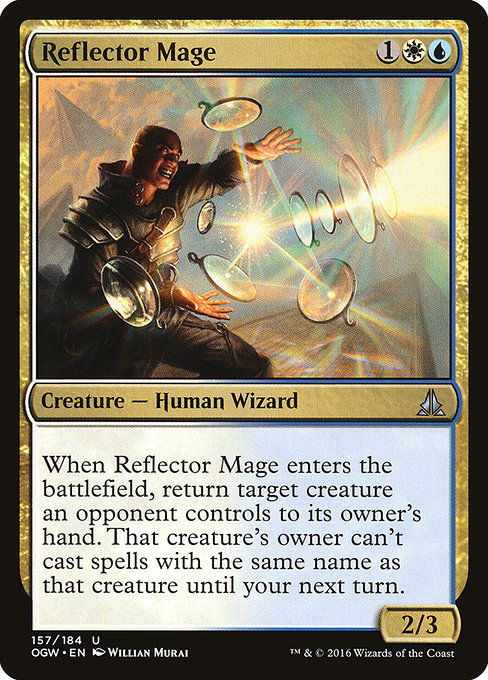

The game plan: survive the early turns with cheap blockers and ETB removal, land Soulherder, and start blinking a value creature every end step. Each turn you draw extra cards, bounce or exile their best threat, and slowly pull so far ahead that the game becomes unwinnable for them. Ephemerate protects your key creatures and doubles your value.
Budget & Format Notes
The engine is inexpensive — Soulherder and the blink spells are a few dollars at most — so a budget Azorius blink deck sits comfortably under our cap. Modern and Pioneer are its sturdiest homes; confirm current legality for your chosen format before buying, since card legality differs between them.
Build #2: Commander Blink
Blink may be the single most beloved value archetype in Commander, and it's wonderfully budget-friendly. You pick a commander that enables or rewards blinking, fill the deck with cheap ETB creatures and blink effects, and generate an avalanche of value across a long multiplayer game. Three excellent budget-friendly commanders:
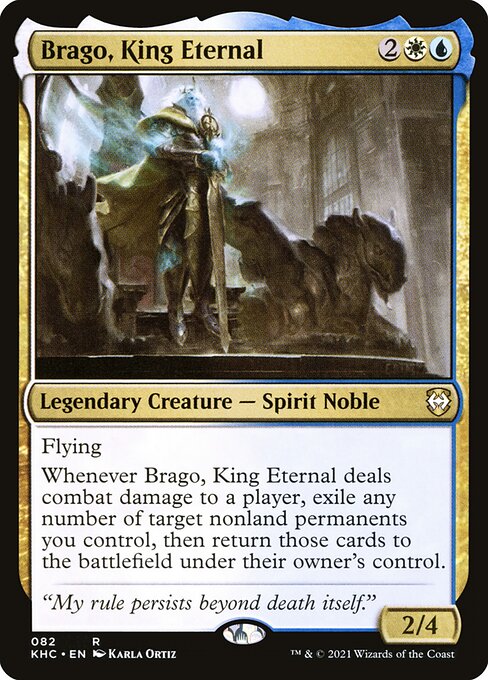
- Brago, King Eternal (Azorius): whenever he deals combat damage, blink your nonland permanents — a powerful repeatable mass-blink.
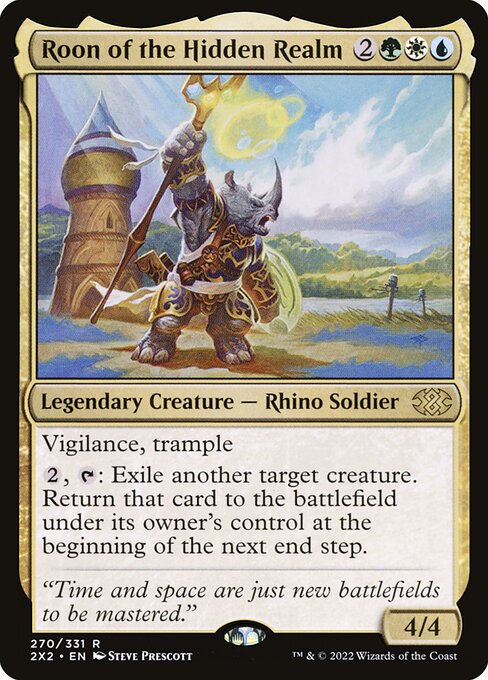
- Roon of the Hidden Realm (Bant): a repeatable {3} blink ability he brings to the battlefield, with green added for ramp and bigger ETB creatures.
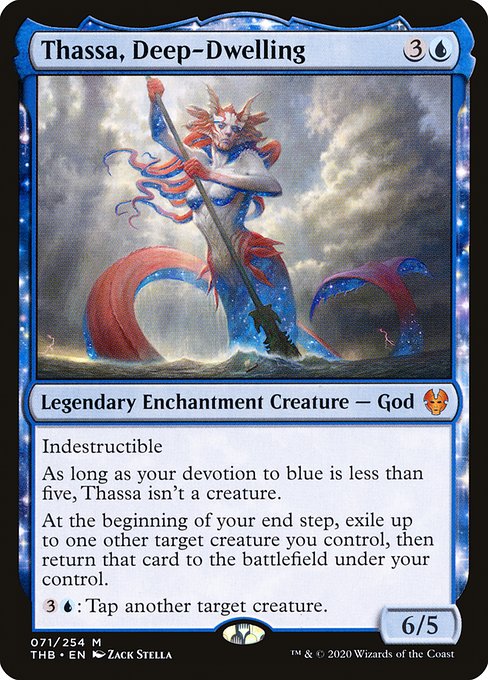
- Thassa, Deep-Dwelling (mono-blue): blinks a creature each end step and taps down a threat — a cheap, resilient engine on a god-enchantment.
The Verified Shell
Blink engines: Soulherder, Ephemerate, Cloudshift, Charming Prince, Conjurer's Closet, Teleportation Circle.
ETB ramp & draw: Solemn Simulacrum, Kor Cartographer, Mulldrifter, Cloudblazer.
ETB value & control: Eternal Witness (in Bant), Reflector Mage, Acidic Slime, Stonehorn Dignitary.
Mana: a value-light land base with budget duals and a few mana rocks like Arcane Signet.
The game plan: establish a blink engine (your commander, Soulherder, or a closet), then loop ETB creatures for ramp, cards, and removal until the table can't keep up. Protect the engine, and the deck simply does more every turn than anyone else at the table.
Budget Note
Because the engine runs on cheap commons and uncommons, a strong budget blink Commander deck comes together for well under $100 — and ultra-budget versions exist for far less. Spend on a couple of repeatable enablers and your best ETB creatures, and fill the rest inexpensively. Validate the current list and price it on a deckbuilder before buying.
The Ultra-Budget Option: Pauper
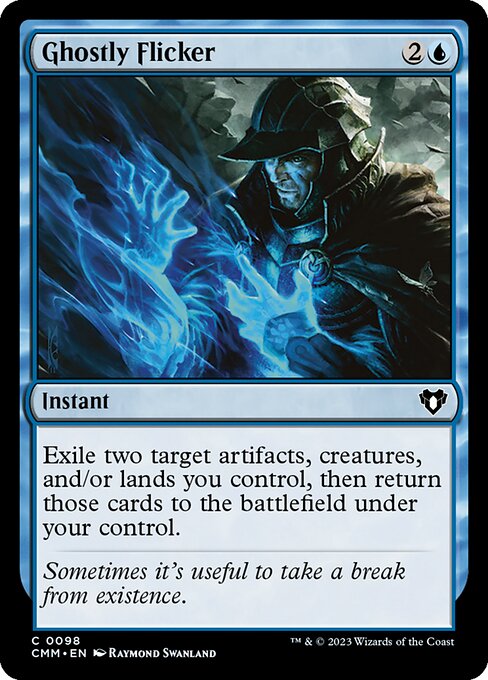
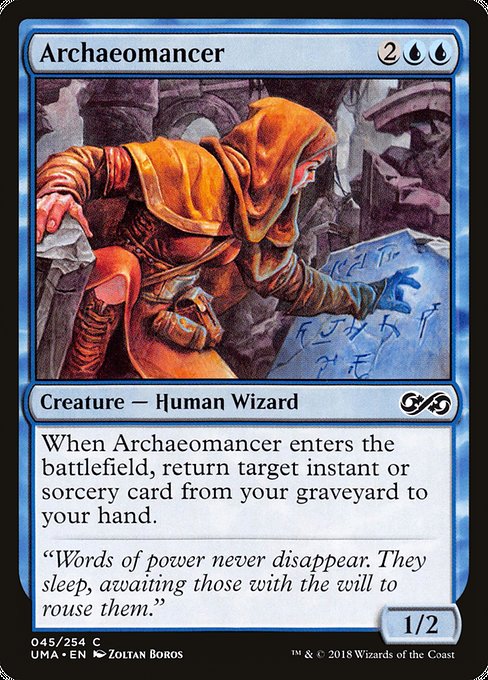
If you want the cheapest possible entry, Pauper — the commons-only format — is a famous home for blink. The archetype's signature engine lives here: Ghostly Flicker (which exiles and returns two permanents at once) combined with a spell-recurring creature like Archaeomancer or Mnemonic Wall lets you loop a key instant and re-trigger your ETB effects turn after turn.
One important note for accuracy: the old infinite-mana versions of this combo are gone. Pauper banned the enablers that powered them — Cloud of Faeries and Peregrine Drake — so today's commons-only flicker isn't an infinite combo but a grinding value-and-lock deck. Ghostly Flicker itself is still legal and still excellent, and the engine remains one of the strongest in the format; it just wins by burying you in repeated ETB value rather than by going off in one turn.
A commons-only blink deck — built around Ghostly Flicker, Ephemerate, Mulldrifter, Sea Gate Oracle, and the recursion walls — delivers the same value-engine experience for a tiny fraction of the cost. It's the perfect place to learn the archetype. As always, confirm the current commons-legal build on a deckbuilder before buying.
Constructed vs Commander: Which to Build?
Both builds share the same engine but offer different experiences:
- Build 60-card Azorius if you want to play your local store's Modern or Pioneer events, you enjoy tight, controlling one-on-one games, and you like grinding an opponent out of resources over a focused match.
- Build Commander blink if your group plays casual multiplayer, you love long games where your value engine snowballs into something overwhelming, and you enjoy the variety of a 100-card singleton deck. It's the archetype's most popular and forgiving home.
Both come in under $100, and the core skill — sequencing ETBs and protecting your engine — transfers directly between them.
Building It Under $100
Blink stays cheap because the value is in the interaction, not in expensive individual cards. The money concentrates in just a couple of spots:
- Prioritize a repeatable engine. Soulherder is the single best purchase — a few dollars for a free blink every turn. A Conjurer's Closet or Teleportation Circle adds redundancy in Commander. With one or two repeatable engines, the rest of the deck can be cheap ETB creatures.
- Fill out with common ETB value. Mulldrifter, Cloudblazer, Solemn Simulacrum, Reflector Mage, and the recursion walls are inexpensive and do exactly what the deck wants. You rarely need a pricey card to make blink work.

Validate Before You Sleeve
Prices move with reprints, and format legality (especially in Modern and Pioneer) changes with banlist updates. Before buying, build your list on a deckbuilder such as Moxfield or Archidekt, confirm every card is legal in your chosen format, and price it against current data. Treat any figure here — including "under $100" — as a target to verify, not a guarantee.
Blink decks shuffle constantly and often travel between formats. A durable mat and a fresh sleeve set are low-cost upgrades that protect the cards without blowing the deck budget.
As an Amazon Associate, Geeky Domain earns from qualifying purchases.
How to Pilot Blink
Blink rewards patient, precise play. A few habits separate good blink pilots from great ones:
- Protect your engine. Soulherder or your commander is a removal magnet — losing it sets you back multiple turns of value. Hold up a counterspell or protection, and don't over-rely on a single engine piece when you can deploy a backup.
- Blink in response to removal. When they target your creature, flicker it — the spell fizzles and you re-trigger the ETB. It's the single most satisfying play the deck makes, and it turns their removal into your card advantage.
- Sequence your ETBs. Cast ramp and draw creatures first so the value compounds, and hold your removal creatures for when blinking them answers a real threat. The order you deploy and blink things in is where most of the skill lives.
- Respect board wipes. A wide blink board folds to a single sweeper, so don't overcommit. Because you generate so much card advantage, you can afford to play one threat at a time and rebuild faster than the opponent.
Matchups & FAQ
A sense of your matchups tells you when to race and when to grind:
- Strong against midrange and other value decks. Blink simply out-values fair decks — every turn you draw more, remove more, and rebuild faster, until they have nothing left.
- Even against aggro. Your ETB blockers, removal creatures, and the Stonehorn Dignitary lock can stabilize — but you have to survive the early turns, so prioritize defense before value.
- Weaker against fast combo and heavy disruption. Pure combo decks can win before your grind comes online, and graveyard or stax hate can slow your engine. Lean on counterspells and your fastest value to keep pace.
- Is budget blink competitive? At the local and casual level, very much so — it's one of the best value engines in budget Commander and a real grindy contender in 60-card formats. It rewards skilled sequencing more than raw budget.
- What's the difference between blink and flicker? Almost nothing in practice. Flicker returns the creature immediately; blink returns it at end of turn. The cards work the same way for deckbuilding, and players use the terms interchangeably.
- What colors should I play? White and blue (Azorius) is the heart of the archetype — the best enablers and ETB payoffs live there. Adding green (Bant) gives you ramp and Eternal Witness; both are excellent budget directions.
Upgrade Path & Verdict
As your budget grows, the upgrades are natural. In 60-card, add premium ETB creatures and stronger countermagic. In Commander, improve your mana base, add more repeatable blink effects, and reach for splashier ETB payoffs. None of it is required — the budget cores are complete decks that generate overwhelming value on their own.
Value That Never Stops.
Blink is one of Magic's most rewarding budget archetypes: cheap to build, endlessly satisfying to pilot, and deceptively powerful once the engine is humming. It turns humble ETB creatures into an unstoppable value machine, protects itself from removal, and grinds opponents into dust — all for well under $100. Whether you want a tuned Azorius shell or a sprawling Commander value engine, the loop is the same, and few things in Magic feel as good as blinking a creature in response to a kill spell and watching your opponent's removal evaporate.
Pick your format, build around the verified core, validate the list and prices, and start flickering.
Build Your Blink Deck:
© GEEKYDOMAIN.COM | Strategy Powered by Data