

A collector's guide to the Pokémon TCG's HeartGold SoulSilver era: what each set holds, how Primes and two-card LEGENDs work, what the headline cards cost now, and where the reachable middle of the era still sits.
Some links below are affiliate links. If you buy through them, Geeky Domain may earn a small commission at no extra cost to you.
The Short Version
The HeartGold SoulSilver era ran from February 2010 to February 2011: four main sets (HeartGold & SoulSilver, Unleashed, Undaunted and Triumphant) plus the Call of Legends finale. It introduced Pokémon Prime cards and two-card LEGENDs, standard-size top and bottom halves that only work together, and it closed with the SL1 to SL11 shiny legendaries in Call of Legends. The headline cards are no longer cheap: as of September 2026, Umbreon Prime, Gengar Prime and Lugia SL7 sell raw for roughly $430 to $650 each, two to three times what they fetched a year earlier. The reachable part of the era is the middle, where the starter Primes, most LEGEND halves and the four Unown-script Alph Lithographs sit around $35 to $180 raw. One new wrinkle: the 30th Celebration set reprinted Gengar Prime and Darkrai & Cresselia LEGEND in September 2026, so check the border before you buy.
In This Guide
- → The Era at a Glance: Five Sets in Twelve Months
- → Pokémon Prime: The Era's Chase Tier
- → LEGEND Cards: Two Halves, One Pokémon
- → The 30th Celebration Reprints
- → Call of Legends and the SL Shiny Legendaries
- → Side Quests: Alph Lithographs and the Red Gyarados
- → How to Buy Into the Era Now
- → Common Mistakes HGSS Buyers Make
- → FAQ & Quick Reference
The HeartGold SoulSilver era is easy to treat as the Pokémon TCG's in-between chapter. It arrived after the sets covered in our Diamond, Pearl & Platinum collecting guide and before the Black & White reset of April 2011, it lasted about a year, and if Johto nostalgia is what drives you, it's easy to skip straight past it to the Neo sets. Yet those twelve months produced two card types that never came back in this form, Pokémon Prime and the two-card LEGEND, and closed with a run of shiny legendaries that still anchors the era's price list.
The old case for this era was that nobody had noticed it. That case is out of date. Over the 12 months to September 2026, the headline cards were found and repriced: Umbreon Prime went from about $158 to about $433 raw, Gengar Prime from about $234 to about $561, and Lugia SL7 from about $228 to about $650, according to PriceCharting's sales history. Several of them kept climbing after July. What hasn't moved the same way is the middle of the era: the starter Primes, most LEGEND halves and the Unown-script Alph Lithographs, which still sit in a range a normal collecting budget can reach.
This guide covers every set, every Prime and all nine LEGENDs, the September 2026 reprints that put two HGSS cards back into packs, and the mistakes that cost HGSS buyers money. Unless we say otherwise, prices are ungraded figures from PriceCharting as of late September 2026, and PSA population counts come from PokeInvest's pop reports, refreshed in September 2026. Treat them as a snapshot, not a forecast; pop counts rise as more cards are graded.
The Era at a Glance: Five Sets in Twelve Months
The HeartGold & SoulSilver expansion launched in English on February 10, 2010, to tie in with the Nintendo DS remakes of the same name. Japan had the games from September 2009, and North America got them on March 14, 2010, about a month after the cards. Three more main sets followed at roughly three-month intervals, then Call of Legends closed the era on February 9, 2011. Black & White arrived on April 25, 2011 and reset the card design, which is a big part of why this era feels so self-contained. In Japan the same stretch is known as the LEGEND era. Our Black & White era collecting guide picks up exactly where this one ends.
| Set | English release | Card count | Signature chase cards |
|---|---|---|---|
| HeartGold & SoulSilver | February 10, 2010 | 123 + Alph Lithograph ONE (124) | Typhlosion, Feraligatr, Meganium and Ampharos Primes; Ho-Oh LEGEND and Lugia LEGEND; red shiny Gyarados 123/123 |
| HS Unleashed | May 12, 2010 | 95 + Alph Lithograph TWO (96) | Tyranitar Prime; all three legendary-dog LEGENDs (Entei & Raikou, Raikou & Suicune, Suicune & Entei) |
| HS Undaunted | August 18, 2010 | 90 + Alph Lithograph THREE (91) | Umbreon Prime and Espeon Prime; Rayquaza & Deoxys LEGEND and Kyogre & Groudon LEGEND |
| HS Triumphant | November 3, 2010 | 102 + Alph Lithograph FOUR (103) | Gengar, Mew and Celebi Primes; Darkrai & Cresselia LEGEND and Palkia & Dialga LEGEND |
| Call of Legends | February 9, 2011 | 95 + SL1 to SL11 (106) | Lugia SL7, Rayquaza SL10, Groudon SL4, Deoxys SL1; no Primes or LEGENDs |
| HGSS Black Star Promos | Throughout the era | HGSS01 to HGSS25 | Promo Feraligatr, Meganium and Typhlosion Primes (HGSS07 to HGSS09); Raikou, Entei and Suicune promos |
One correction to a common assumption: this is not a purely Johto era. The base set leans hard on Gold and Silver, with the Johto starters, Ho-Oh and Lugia front and centre, but the later sets carry Hoenn and Sinnoh legendaries in their LEGENDs and plenty of non-Johto Pokémon in their Primes. Several of the era's most valuable cards, including Gengar Prime, Mew Prime, Rayquaza & Deoxys LEGEND and the Rayquaza, Groudon and Deoxys SL shinies, have nothing to do with Johto. If the region is what draws you in, its original card run is covered in our Neo Genesis & Neo Discovery guide, and HGSS is best understood as a second pass at the same region with a much wider cast.
Pokémon Prime: The Era's Chase Tier
Pokémon Prime was the era's answer to Pokémon-ex and Lv.X, the premium tiers of the sets before it. The difference is that a Prime carries no special rule at all. It evolves normally and plays exactly like a regular card of the same stage. What marks it out is the treatment: the border is holofoil, the name is printed in gold foil, the artwork window has a spiked frame around a tight close-up, and the Pokédex line and entry are gone. Checklists give them their own rarity, Rare Prime.
Two things often repeated about Primes are wrong. They are not full-art cards; the artwork sits inside a frame like any other card of the period. And they are not all fully evolved. Absol, Celebi and Mew Prime are Basic Pokémon, and Blissey, Donphan, Espeon, Umbreon and several others are Stage 1. If you assume Prime means final evolution, the Triumphant checklist will confuse you.
Every Prime, set by set
There are 26 Primes across the four main sets, plus three promo versions. HeartGold & SoulSilver has Ampharos, Blissey, Donphan, Feraligatr, Meganium and Typhlosion. Unleashed has Crobat, Kingdra, Lanturn, Steelix, Tyranitar and Ursaring. Undaunted has Espeon, Houndoom, Raichu, Scizor, Slowking and Umbreon. Triumphant, the biggest run, has Absol, Celebi, Electrode, Gengar, Machamp, Magnezone, Mew and Yanmega. The HGSS Black Star Promos add Feraligatr, Meganium and Typhlosion Primes as HGSS07, HGSS08 and HGSS09. Serebii keeps a full Prime checklist if you're ticking them off.
Umbreon and Espeon: the Undaunted pair
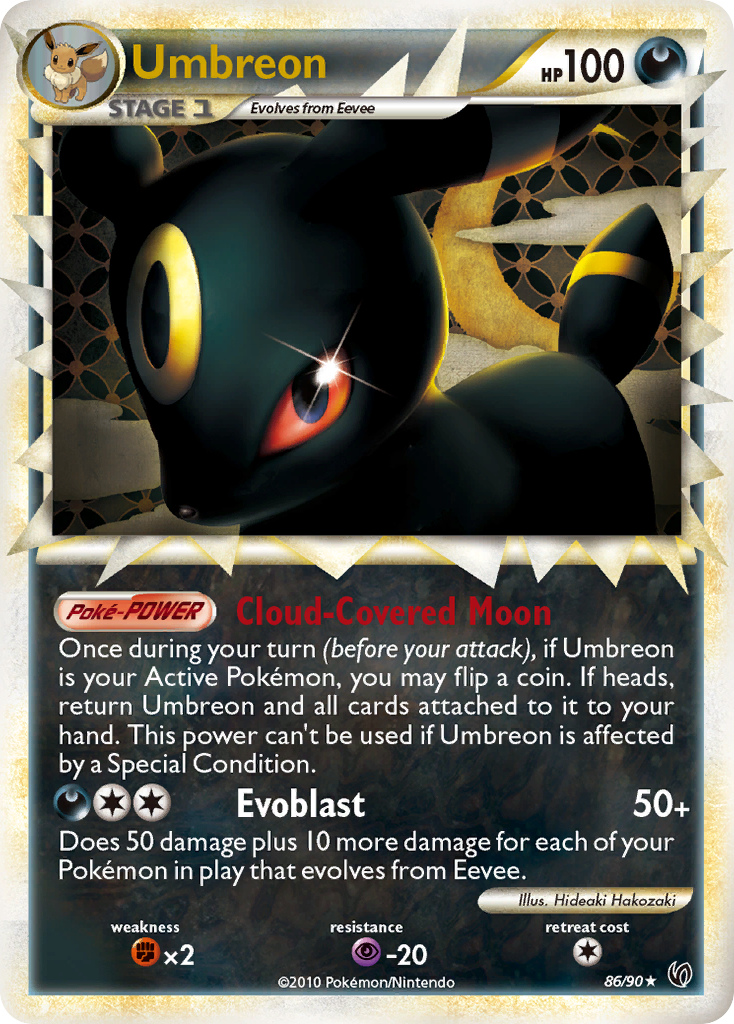
Umbreon Prime (Undaunted 86/90) is the card most people picture when they think of this era, and its price shows it. As of September 2026 it sells for about $433 raw, up from about $158 a year earlier, and copies graded 9 trade around $4,300. PSA 10 is a different market altogether: only 83 of the roughly 5,200 Umbreon Primes PSA has graded earned the top grade, which is under 2 percent.
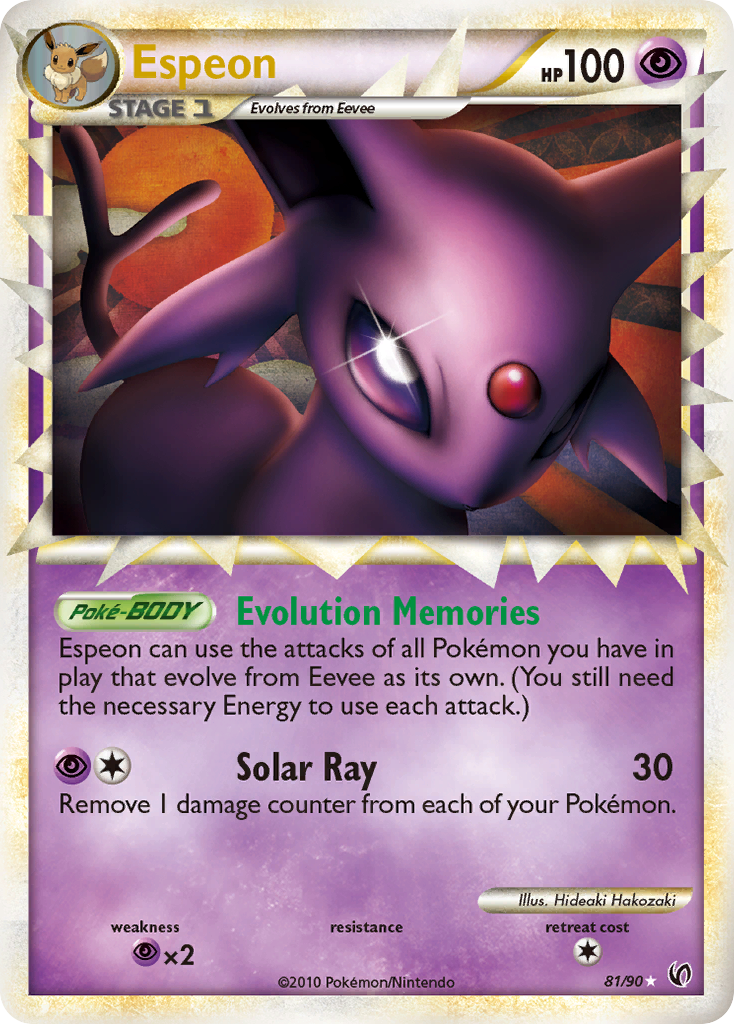
Espeon Prime (Undaunted 81/90) is its natural partner in a binder, but the market treats it as the junior of the two at about $167 raw and about $2,300 graded 9. Its PSA 10 rate is just as thin, 54 out of about 3,400 graded. If you want the Eeveelution pair and can only stretch to one card right now, Espeon is the one that leaves room in the budget.
Triumphant's heavyweights: Gengar, Mew and Celebi
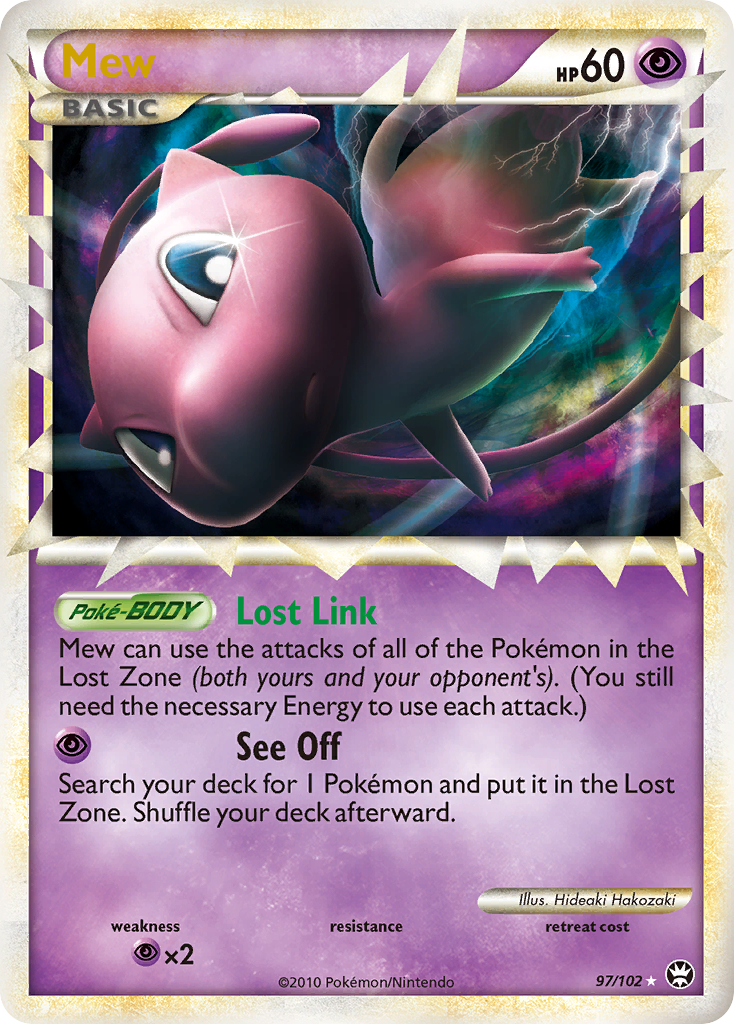
Triumphant holds the most expensive Prime of all. Gengar Prime (94/102) sells for about $561 raw as of September 2026, up from about $234 a year earlier. It's now also the subject of a reprint, so we picture the 2010 original in the reprint section below. Mew Prime (97/102) rose from about $127 to about $346 raw over the same year, which puts it well clear of Espeon, with copies graded 9 around $2,030 and 154 PSA 10s out of about 2,500 graded.
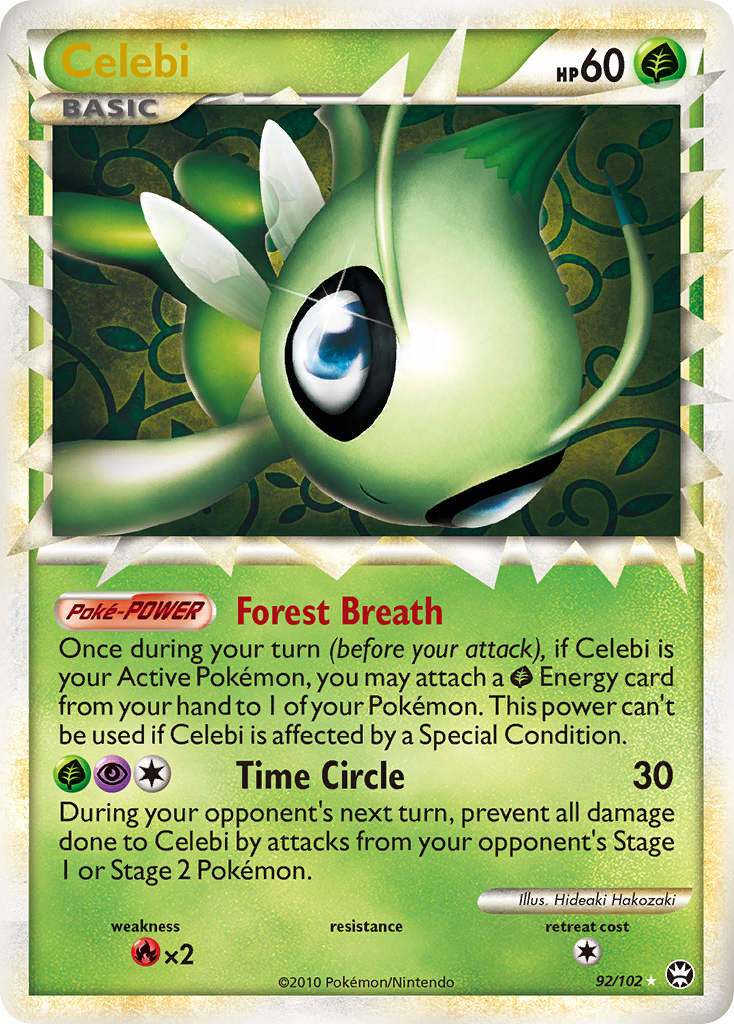
Celebi Prime (92/102) is the set's accessible Johto mythical at about $90 raw, with copies graded 9 near $800 and 123 PSA 10s out of about 2,180 graded. It's a good illustration of how uneven this era's pricing is: same set, same rarity, same frame treatment as Gengar, and a fraction of the price.
The affordable end: the Johto starters
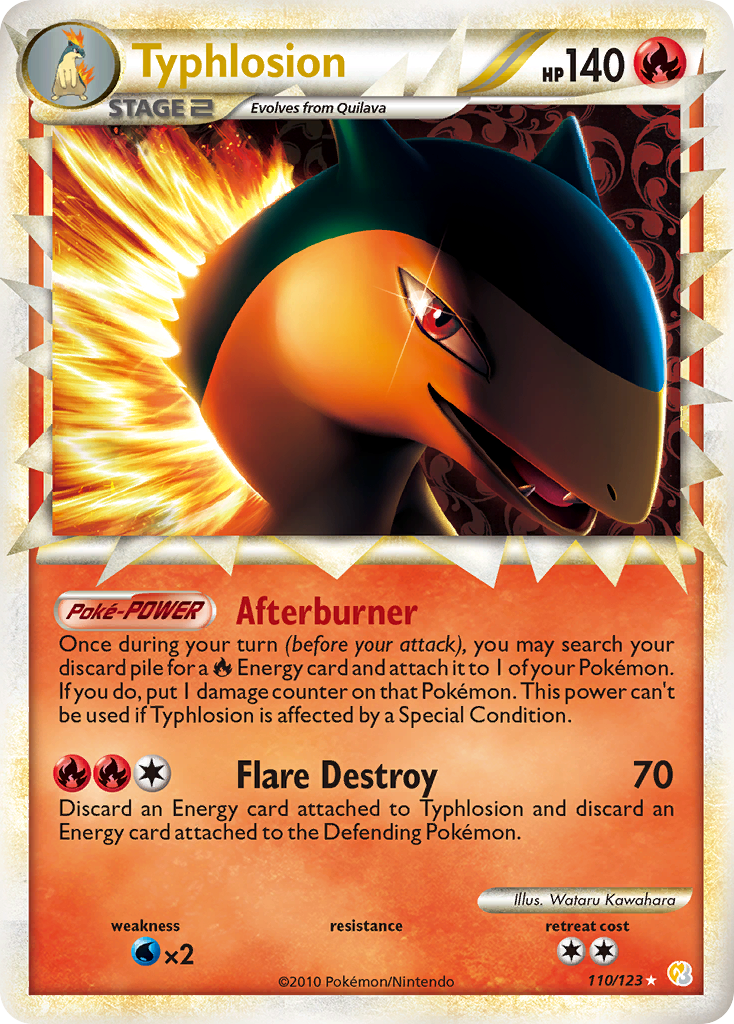
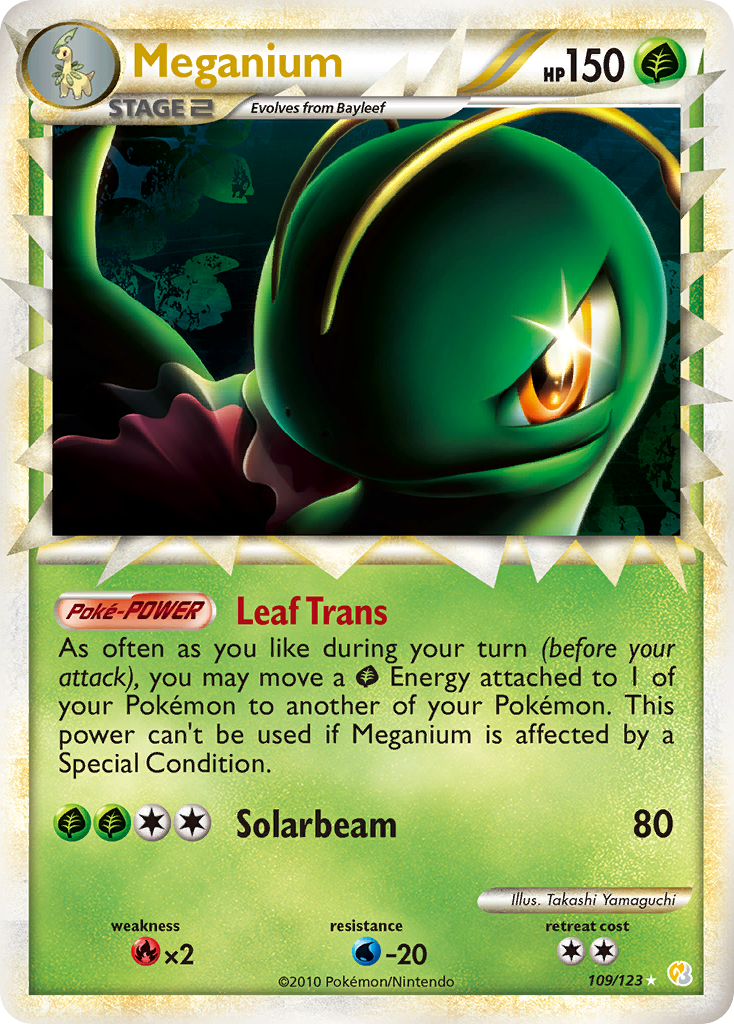
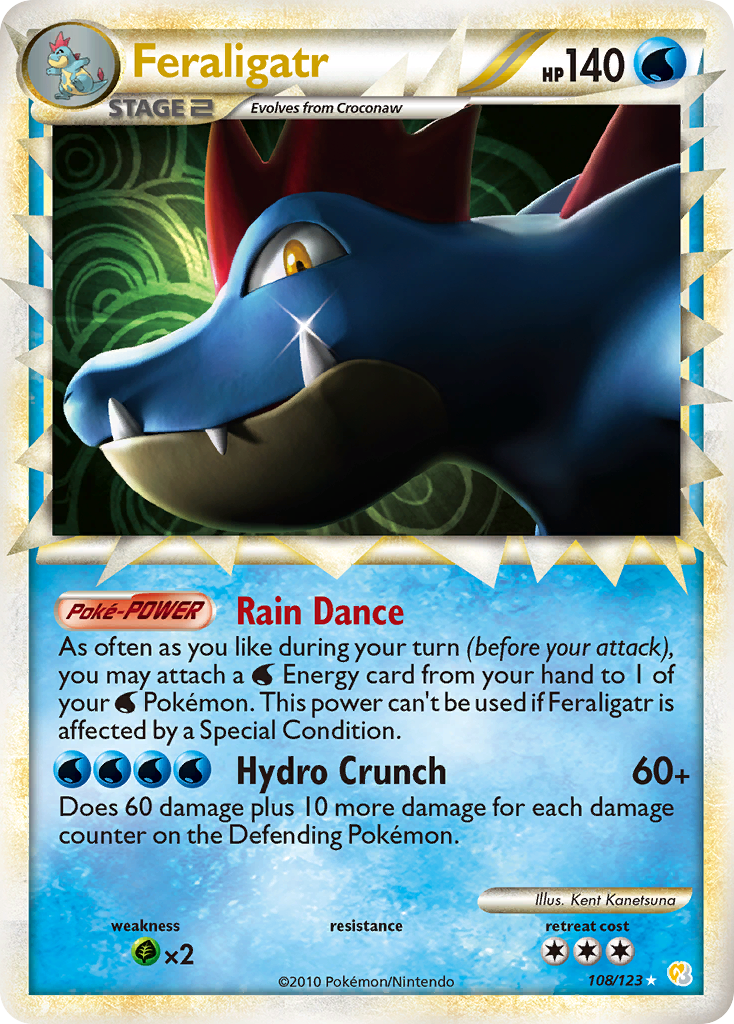
The base set's starter Primes are where the Prime tier becomes reachable. As of September 2026, Meganium Prime (109/123) sells for about $36 raw, Ampharos Prime about $43, Typhlosion Prime (110/123) about $50 and Feraligatr Prime (108/123) about $64. Put the three starters side by side and you have about as Johto-flavoured a binder page as this era offers, for roughly $150.
Unleashed's Tyranitar, and the Jirachi that isn't a Prime
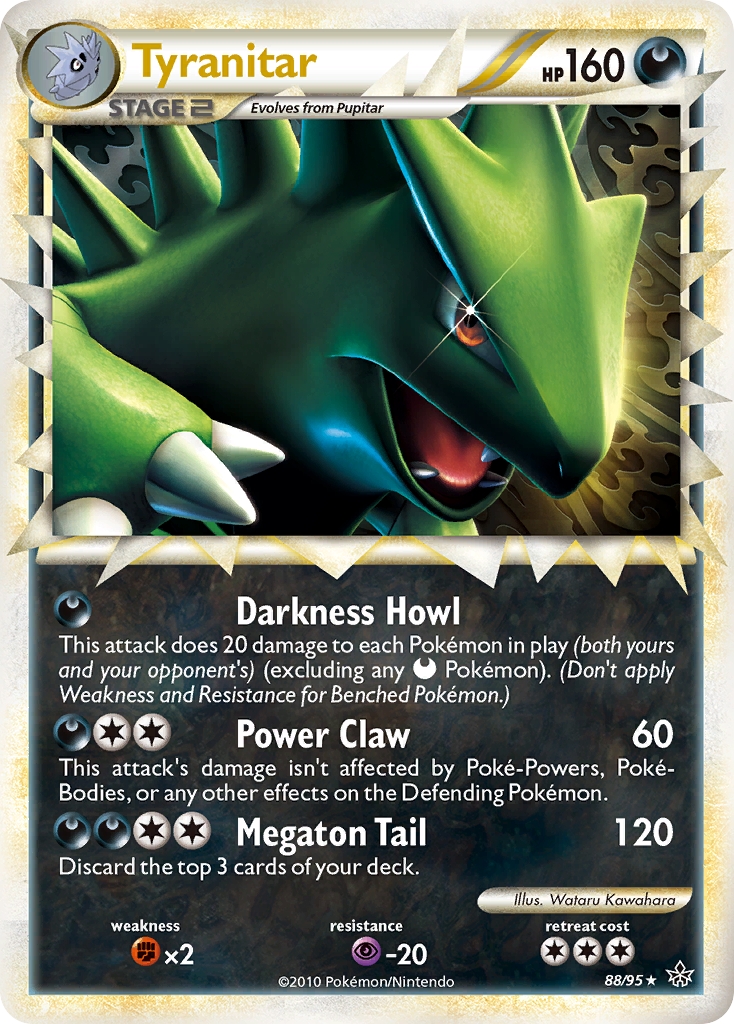
Unleashed's best Prime is Tyranitar (88/95) at about $171 raw as of September 2026, and it's the set's headline card. Worth knowing if you've seen older write-ups of this era: Unleashed has no Jirachi Prime. The set's Jirachi (1/95) is a regular holo, so a listing or guide that calls it a Prime is simply wrong.
LEGEND Cards: Two Halves, One Pokémon
LEGEND cards are the era's strangest and best idea. Each LEGEND is two separate, standard-size cards, a top half and a bottom half, that share one name and carry their own collector numbers. Placed together, they form one double-size card. They are not oversized cards, which is why each half fits a normal sleeve, toploader or binder pocket. In play, you can only put a LEGEND onto your Bench from your hand with both halves together. It isn't a Basic Pokémon, so you can't play it during setup, and once it's down the two halves count as a single Pokémon. The PokéGym rulings compendium covers the edge cases if you ever play with them.
The Prize rule is where the LEGENDs split. Seven of the nine show two Pokémon, and each of those carries a rule that your opponent takes 2 Prize cards when it's Knocked Out. Ho-Oh LEGEND and Lugia LEGEND each show a single Pokémon and give up the usual 1 Prize. The multi-card idea came back in 2021 as four-piece Pokémon V-UNION cards, but the two-card LEGEND format itself was never repeated.
All nine LEGENDs
Every LEGEND was released in 2010, and Call of Legends, despite its name, has none. HeartGold & SoulSilver has Ho-Oh LEGEND (cards 111 and 112) and Lugia LEGEND (113 and 114). Unleashed has all three legendary-dog LEGENDs: Entei & Raikou (90 and 91), Raikou & Suicune (92 and 93) and Suicune & Entei (94 and 95). Undaunted has Kyogre & Groudon (87 and 88) and Rayquaza & Deoxys (89 and 90). Triumphant has Darkrai & Cresselia (99 and 100) and Palkia & Dialga (101 and 102). The dogs are not spread across later sets, whatever you may have read; if you want the trio, Unleashed is the only place to look. Nine LEGENDs at two halves each makes 18 cards for the complete run.
The mascot pairs: Lugia and Ho-Oh
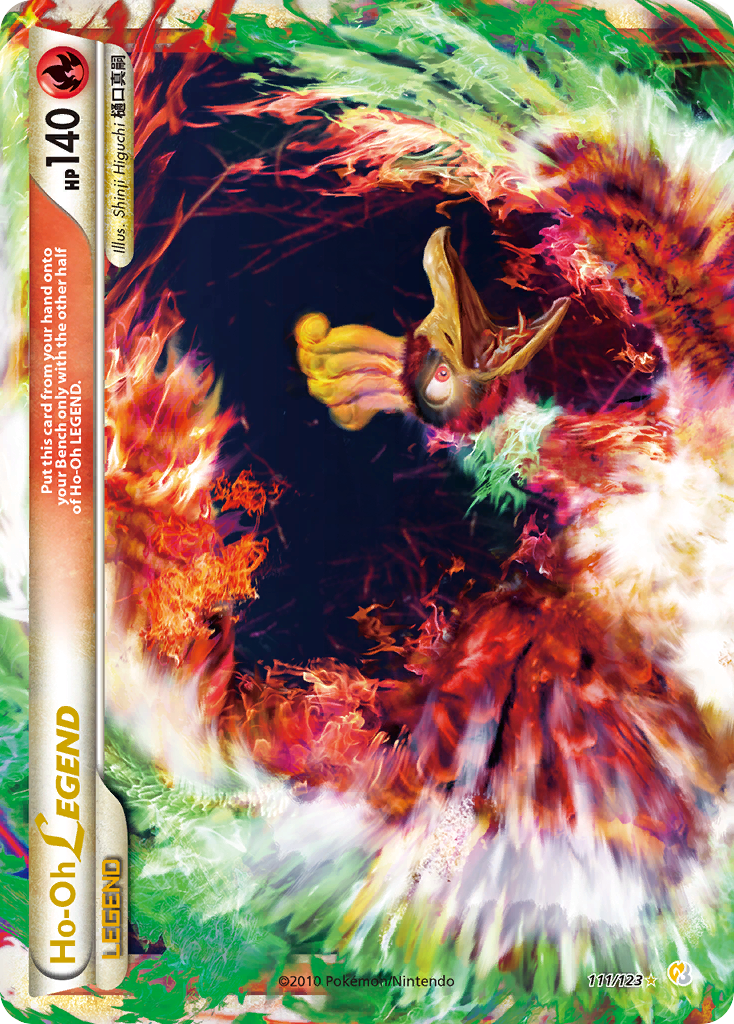
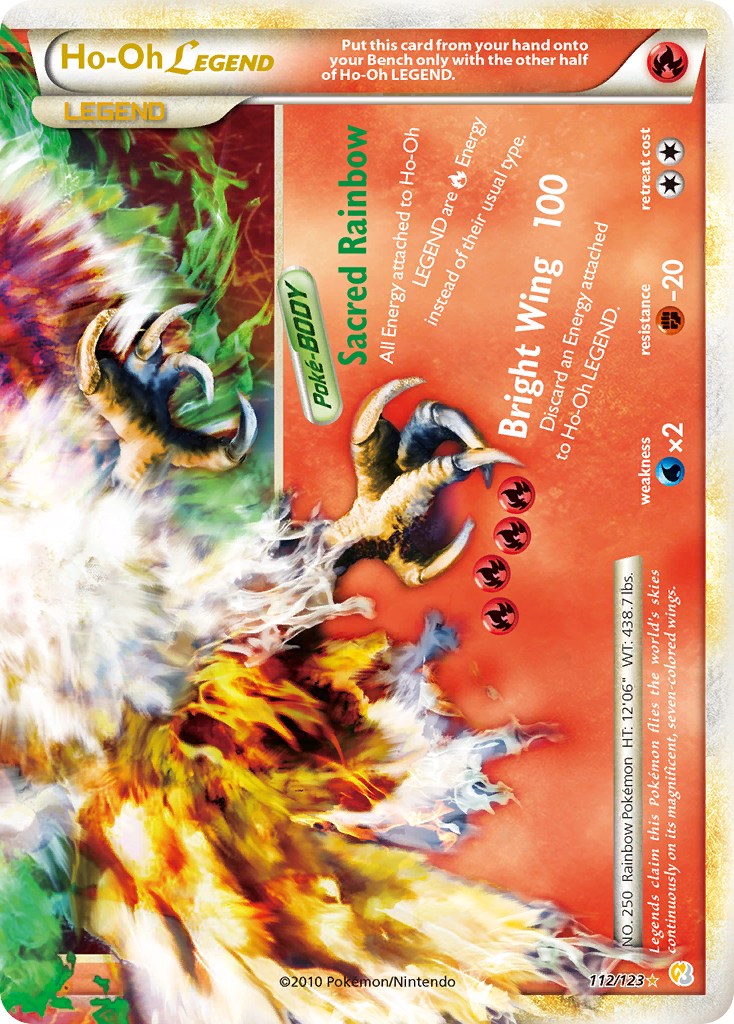
The two base-set mascots are the LEGENDs most collectors start with. As of September 2026, the Lugia LEGEND top half (113/123) sells for about $130 raw and the bottom half (114/123) for about $179, so a complete pair runs roughly $310. Ho-Oh LEGEND is the cheapest complete mascot pair in the era at about $90 for the top (111/123) and about $80 for the bottom (112/123), roughly $170 together.
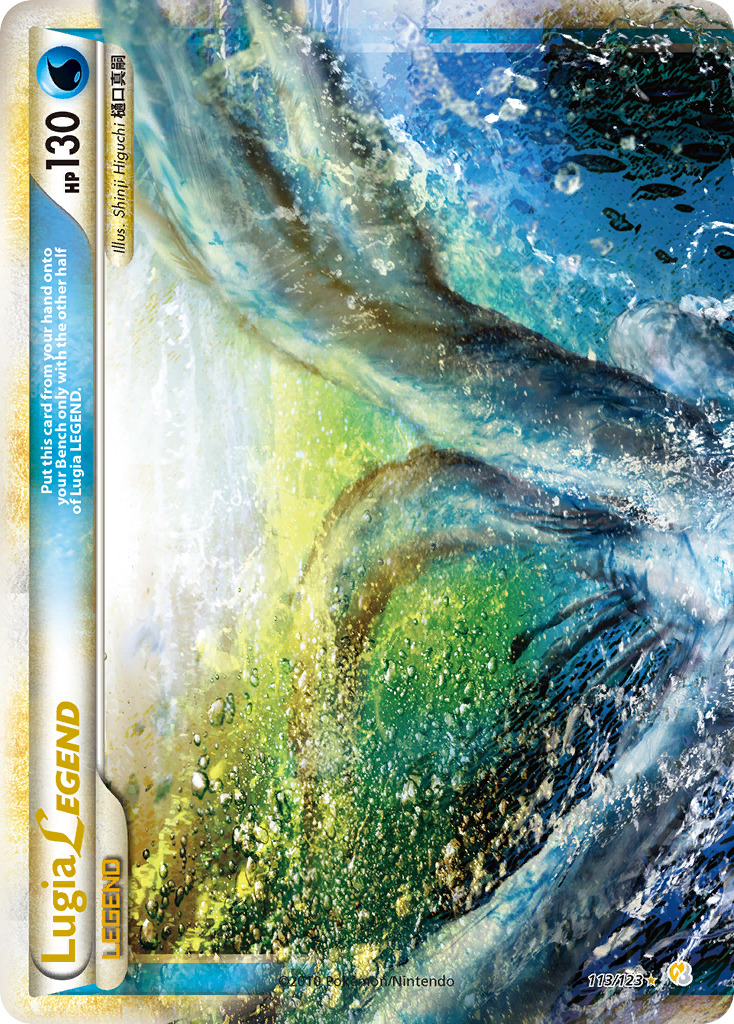
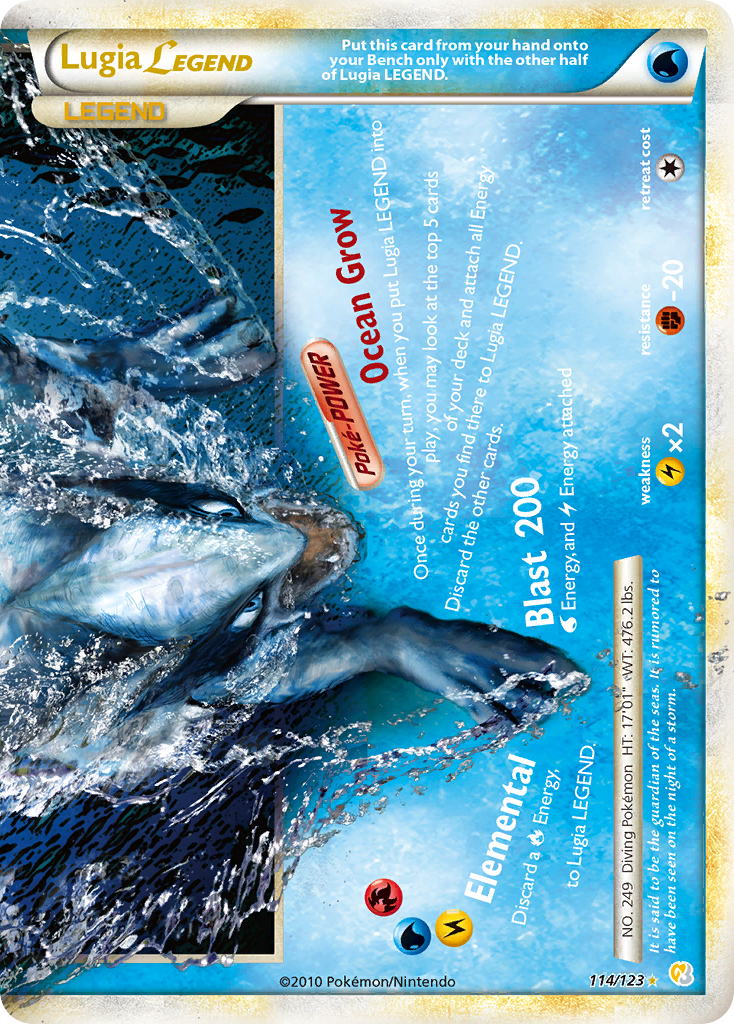
Lugia LEGEND, top half (113/123) and bottom half (114/123). Each half is a standard-size card.
High-grade matched pairs are genuinely scarce. PSA has given a 10 to 34 Ho-Oh tops and 32 Ho-Oh bottoms, and to 38 Lugia tops but only 14 Lugia bottoms, each out of roughly 1,100 to 1,470 copies graded. The scarcer half sets the ceiling on any graded pair you try to build, so if you're chasing a slabbed Lugia, find the bottom first.
The dual LEGENDs: Rayquaza & Deoxys and the dogs
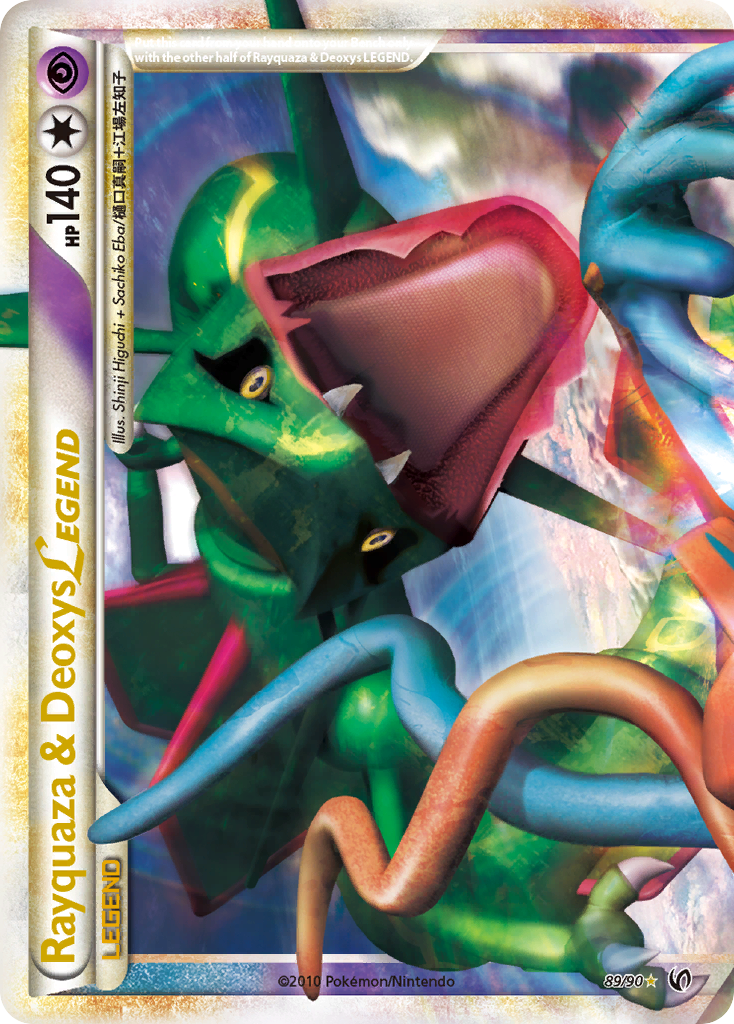
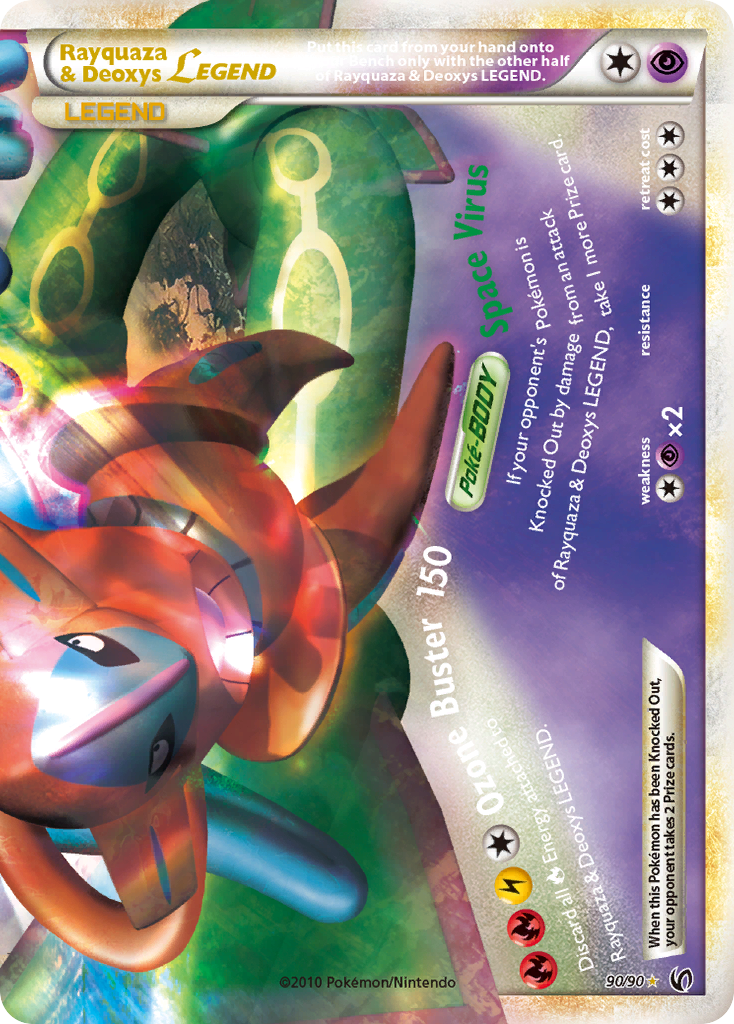
Rayquaza & Deoxys LEGEND is the most valuable LEGEND in the era. Its top half (89/90) has climbed to about $345 raw as of September 2026, up from about $189 in July. The bottom half (90/90) now sells for around that same $189, so the top half has pulled well clear of its partner. Kyogre & Groudon, its Undaunted sibling, is far gentler at about $132 and $100 for its two halves, and Triumphant's Palkia & Dialga halves sit around $110 to $115 each.
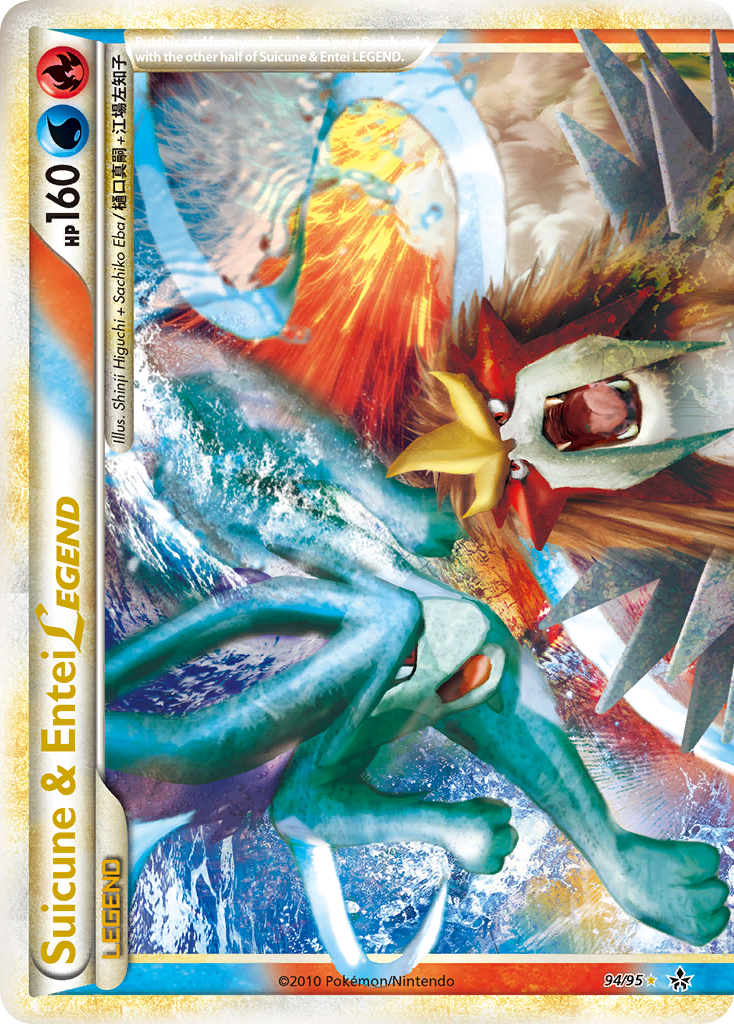
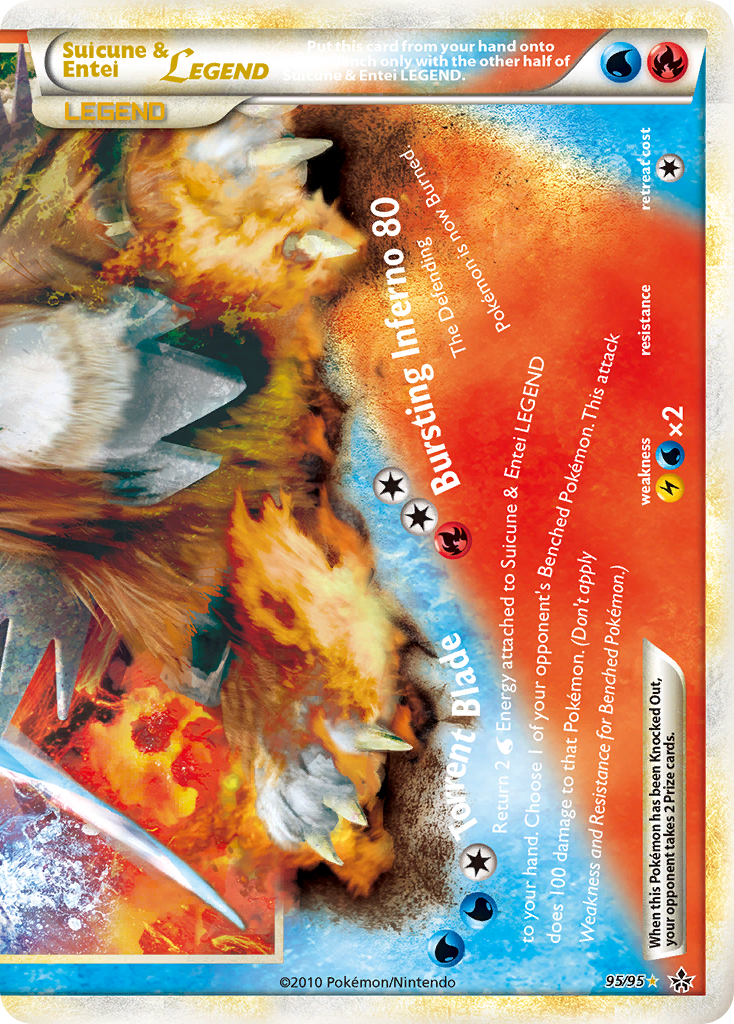
The Unleashed dog LEGENDs are the best-value way to own a dual LEGEND, with individual halves around $73 to $121 each as of September 2026. Suicune & Entei (94/95 and 95/95) is pictured below; Entei & Raikou and Raikou & Suicune follow the same format, and all three pairs together make a satisfying six-card page. A complete pair sits side by side in one row of a nine-pocket page, and our guide to binders versus boxes for organizing TCG cards covers the storage side of keeping pairs together.
The 30th Celebration Reprints
The biggest news for this era in 2026 came on September 16, when the Pokémon TCG's 30th Celebration expansion released worldwide. It includes a 30-card Classic Collection of reprinted fan favourites, and it brings back two cards from this era: Gengar Prime (originally Triumphant 94/102) and both halves of Darkrai & Cresselia LEGEND (originally Triumphant 99/102 and 100/102). If you're buying 30th Celebration product for other reasons, our Pokémon 30th anniversary products buyer's guide covers what's in each box.
The reprints are easy to tell apart once you know what to look for. They have a gold border, a glitter-pattern holofoil and a 30th Anniversary logo, and the 2010 originals have none of those. The logo is the surest single check. Don't lean on the collector number: the English reprints keep their original numbers, 94/102 for Gengar and 99/102 and 100/102 for Darkrai & Cresselia, so a listing that quotes the number alone could be either version. (The Japanese-language 30th Celebration renumbers them, with Gengar at 150/103, which is why you'll see that figure in some checklists.) They're also not expected to be legal in the Standard format, which matters only if you planned to play them.
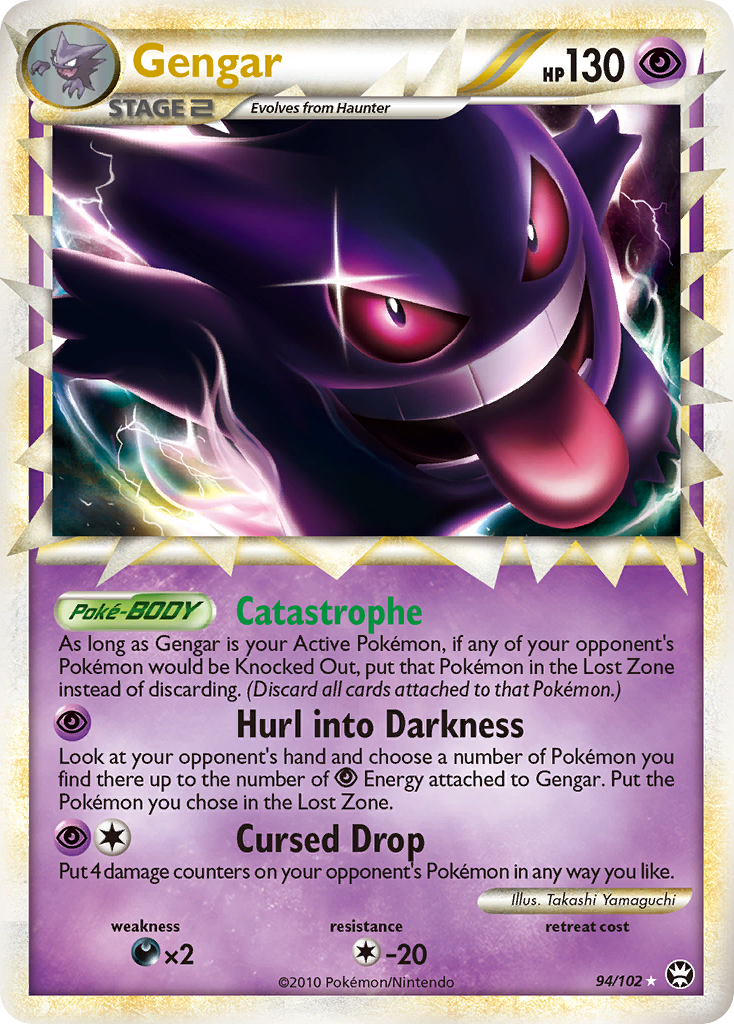
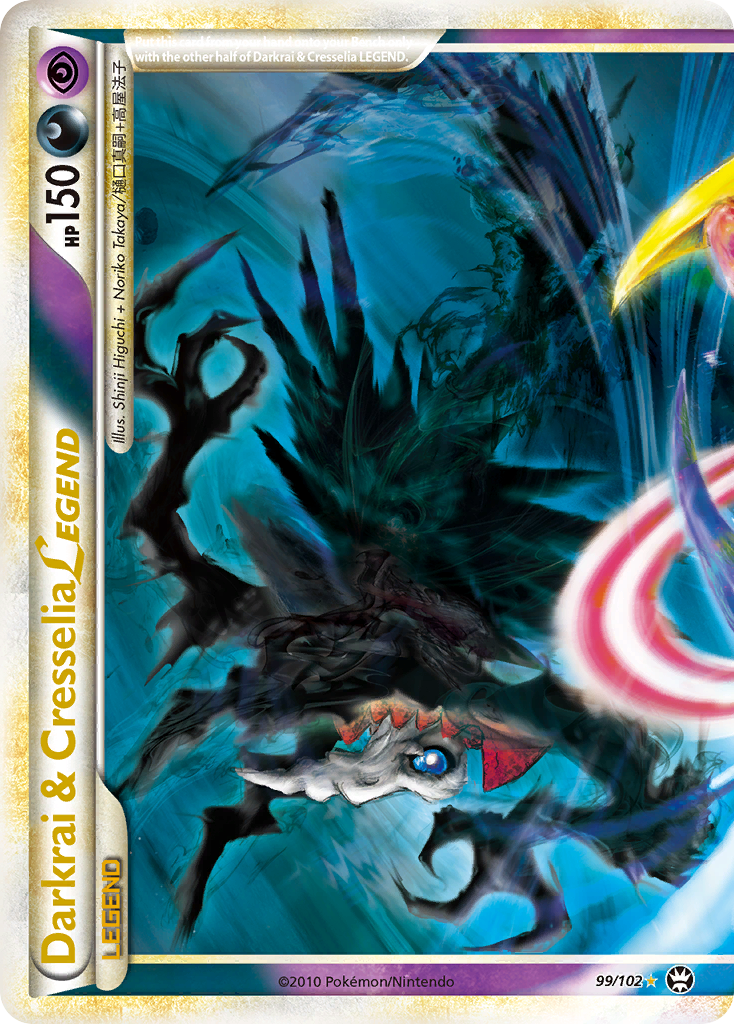
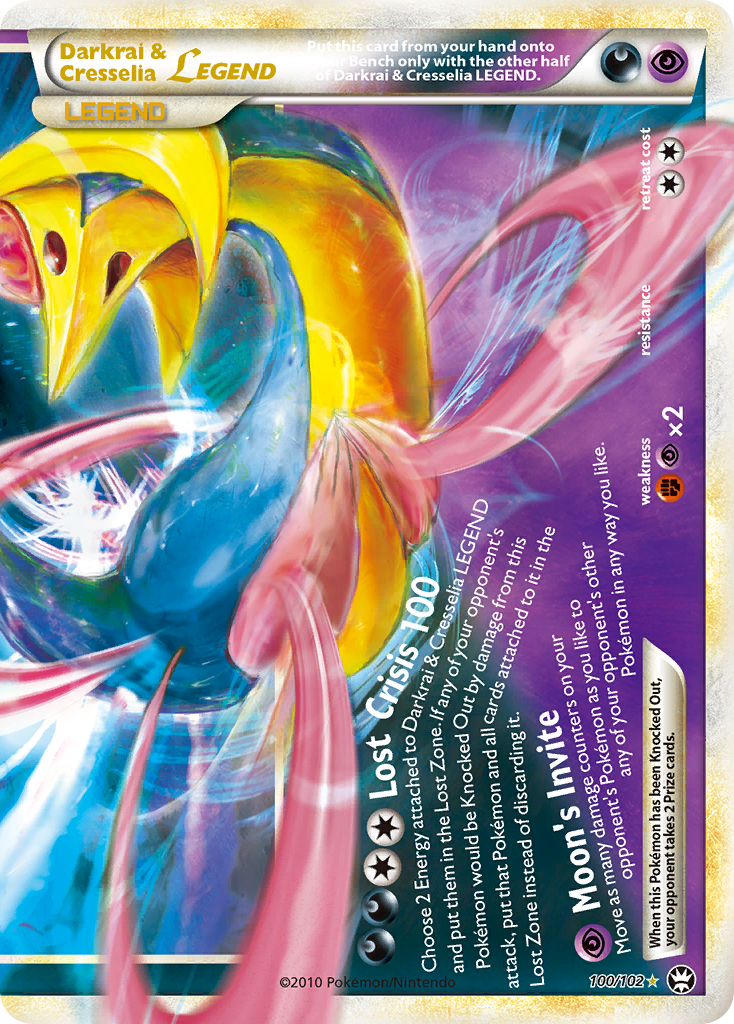
The 2010 Triumphant originals: Gengar Prime (94/102) and Darkrai & Cresselia LEGEND (99/102 and 100/102). The 30th Celebration versions add a gold border and a 30th Anniversary logo.
So far, the reprints haven't dragged the originals down. Original Gengar Prime was about $587 raw in July and about $561 in late September, a small dip rather than a collapse. The original Darkrai & Cresselia top half has ranged about $158 to $191 recently against about $186 in July, while the bottom half has softened from about $120 to about $100. Early price data for the reprints on CardRake, less than two weeks after release, puts the Gengar around $80 and each Darkrai & Cresselia half around $30, though figures that new can move quickly. That gap is the whole story for now: the reprint gets you the artwork cheaply, and the original is still treated as a separate collectible.
Reprints of older chase cards aren't new to the hobby, and they don't always play out the same way. Our guide to XY Evolutions and its modern reprints of vintage chase cards covers the last big round, and our breakdown of 30th Celebration's Base Set Charizard reprint versus the original works through the same question for the set's biggest name. Both are worth reading before you decide which version of Gengar belongs in your binder.
Call of Legends and the SL Shiny Legendaries
Call of Legends released on February 9, 2011 as the era's closing set: 95 cards plus an 11-card SL subset, 106 in all. Most of the main set is reprints from the earlier HeartGold SoulSilver expansions, combined with the remaining cards of the Japanese Lost Link set. It has no Primes and no LEGENDs. The SL cards, numbered SL1 to SL11, are what make it matter: shiny-coloured versions of eleven legendaries, namely Deoxys, Dialga, Entei, Groudon, Ho-Oh, Kyogre, Lugia, Palkia, Raikou, Rayquaza and Suicune.
There's no official pull-rate figure for the SL cards, and the odds that circulate online don't trace back to a reliable source. What is clear is that they were hard to pull, and high-grade copies are scarce: PSA 10 populations for all eleven sit between 17 and 31. The Call of Legends price list on PriceCharting is the quickest way to check where each one sits on the day you buy.
Lugia and Ho-Oh: the shiny mascots
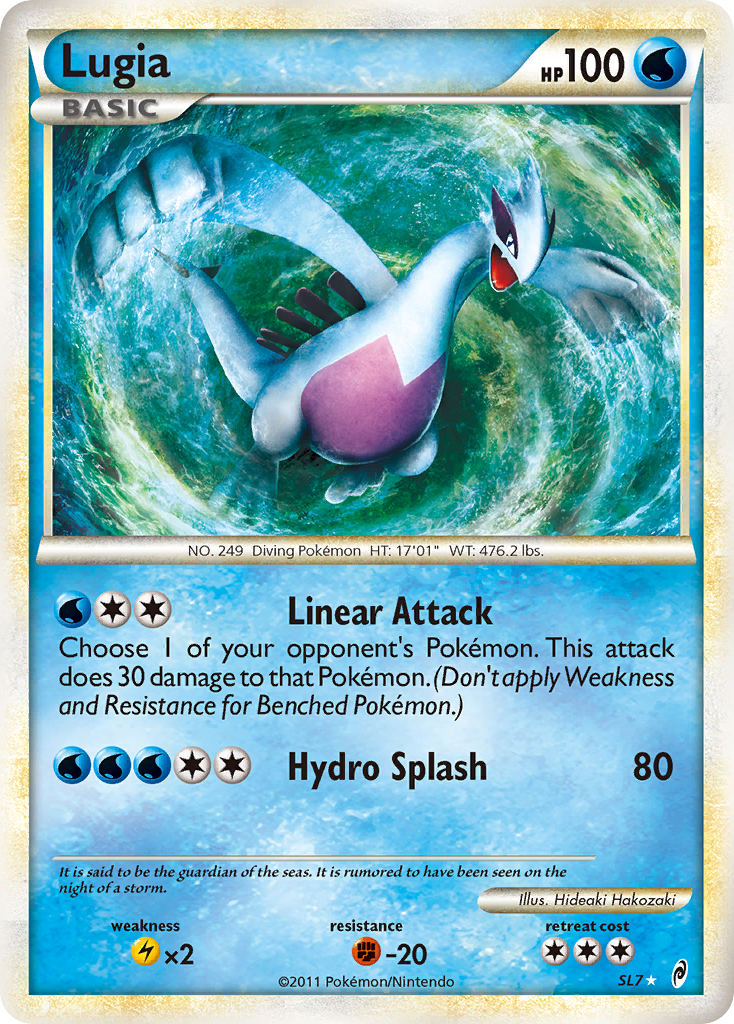
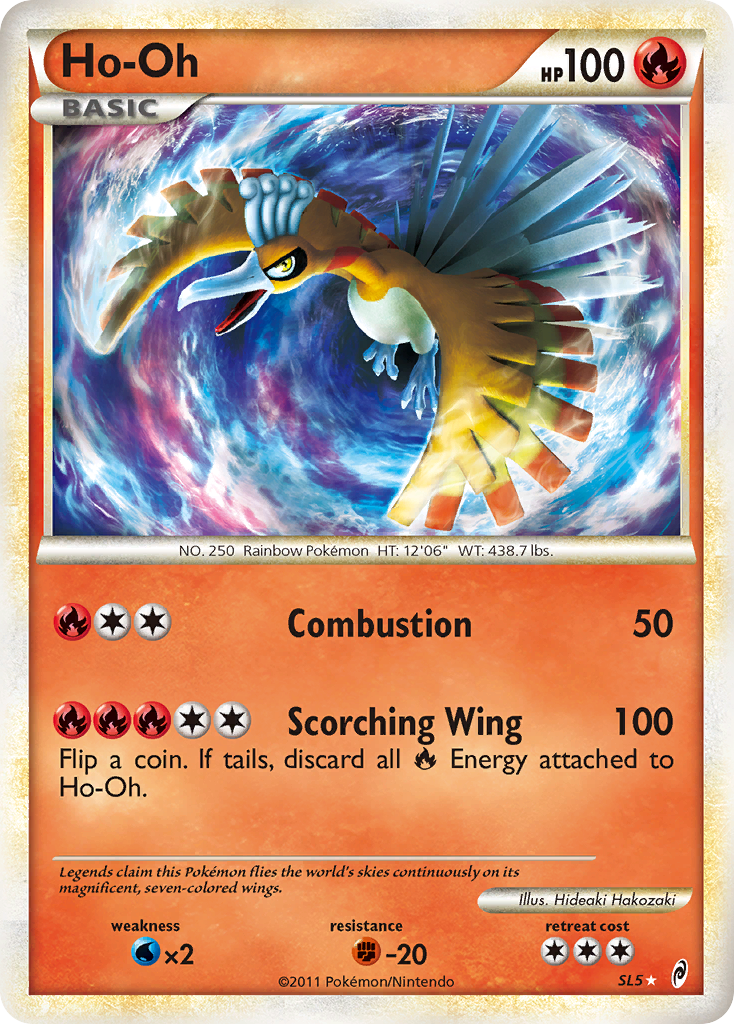
Lugia SL7 is the set's chase card. It sells for about $650 raw as of September 2026, up from about $350 in July, and only 19 of the roughly 1,390 copies PSA has graded have earned a 10. Ho-Oh SL5, its shiny counterpart, sits at about $276 raw. That makes the mascot pair a much more lopsided purchase in shiny form than in LEGEND form, where the two are within about $140 of each other.
The third-generation heavyweights: Rayquaza, Groudon and Deoxys
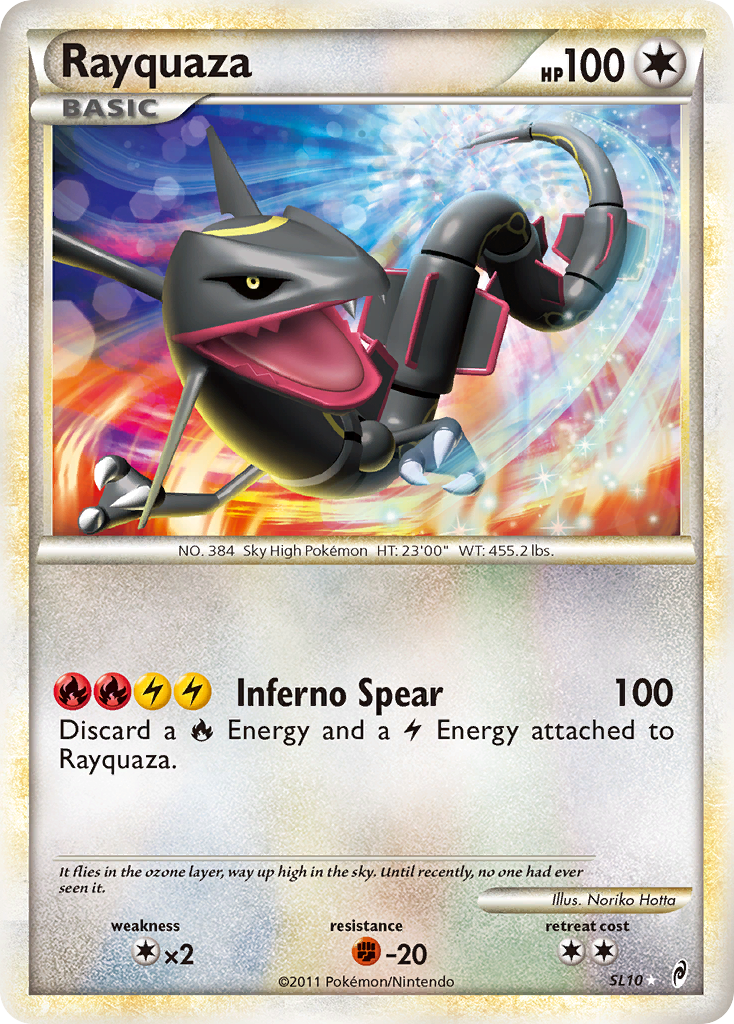
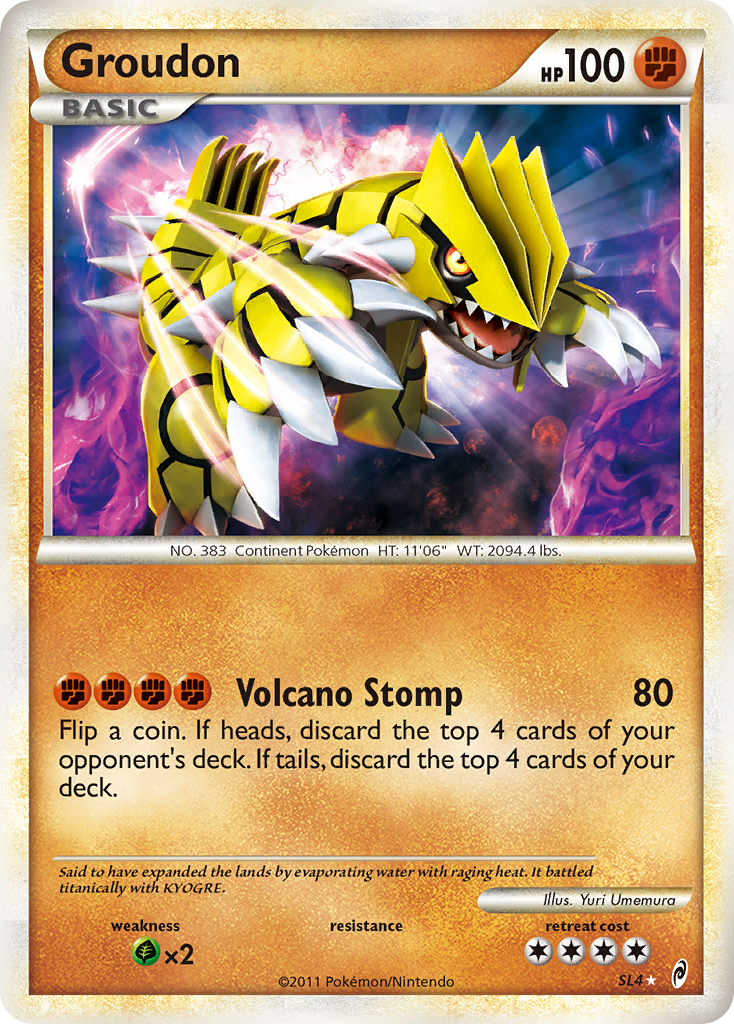
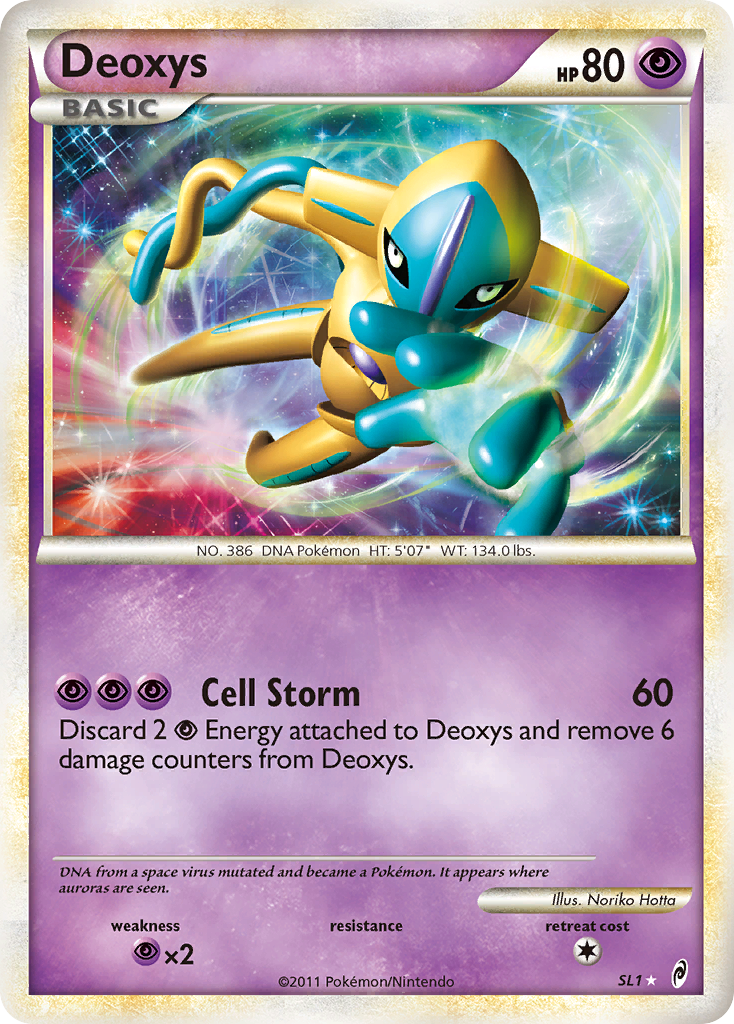
The next tier is all third-generation legendaries. Rayquaza SL10 sells for about $555 raw as of September 2026, with a PSA 10 population of 23 out of about 1,500 graded. Groudon SL4 is around $445, and Deoxys SL1 has roughly doubled since July, from about $203 to about $417. Kyogre SL6 trails its rival at about $284. We don't quote PSA 10 prices for any SL card: sales are so infrequent, often one or two a year, that the figures different price trackers show for the same card disagree wildly.
The shiny dogs and the Sinnoh pair
The legendary dogs are the gentlest way into the subset. As of September 2026, Suicune SL11 sells for about $268 raw, Entei SL3 about $190 and Raikou SL9 about $160, so the full shiny trio comes to around $620, roughly the price of one Lugia SL7. Palkia SL8 at about $216 and Dialga SL2 at about $190 complete the eleven.
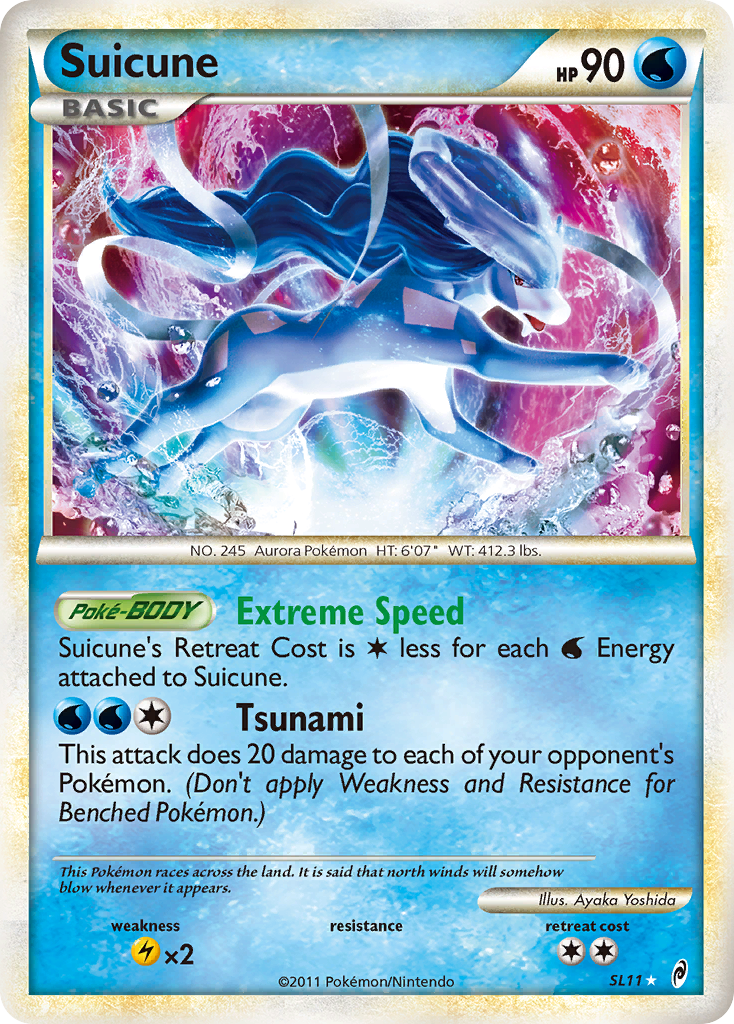
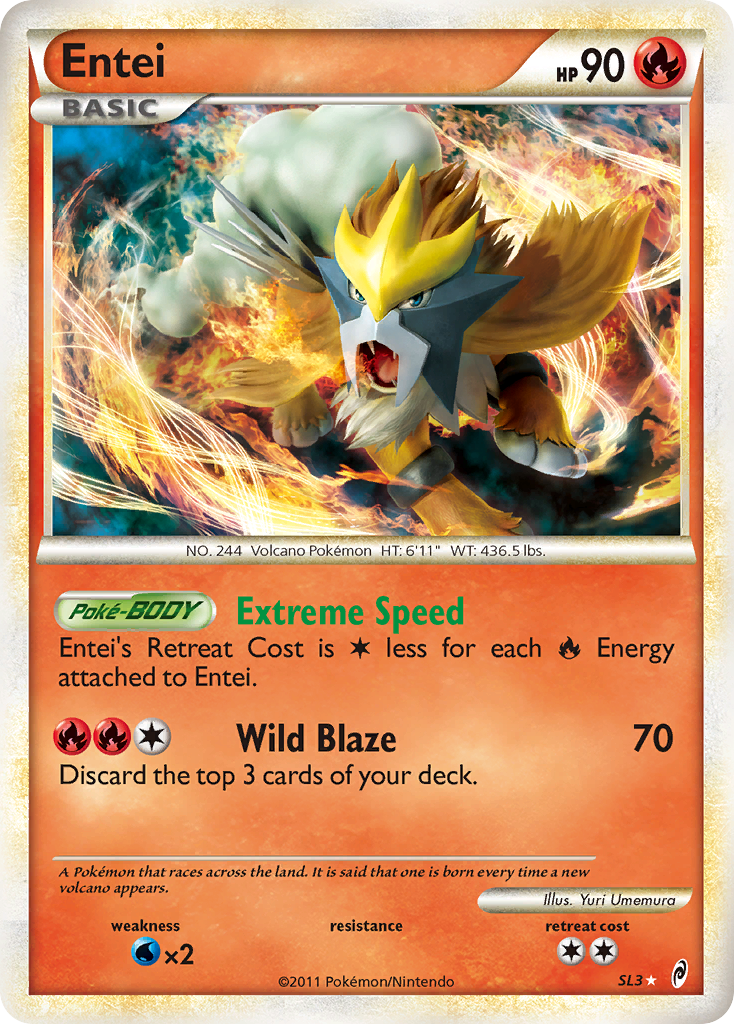
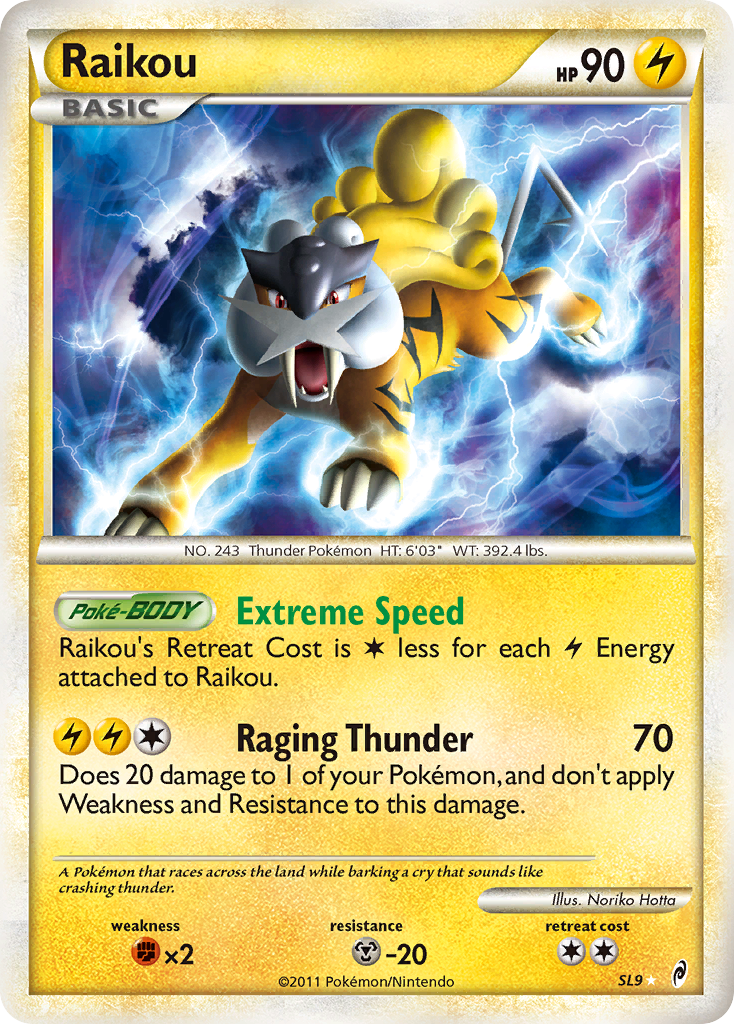
Shiny collecting has a long lineage in the TCG, from the Shining Pokémon covered in our Neo Destiny Light and Shining era guide to the Shiny Vault in our Sun & Moon era guide to Hidden Fates shinies. The SL run sits between the two in time, and at eleven cards it's a compact set to complete, if not a cheap one.
Sealed Call of Legends has climbed just as hard as the singles. Booster packs were going for about $818 as of September 2026, against about $285 a year earlier, and one sealed booster box sold on eBay in late September for about $19,500. That's a single sale, not a market price, so treat it as a data point rather than a benchmark. At those prices resealed and fake packs are a real risk, so read our red flags for fake sealed Pokémon product before you buy anything sealed from this era.
Side Quests: Alph Lithographs and the Red Gyarados
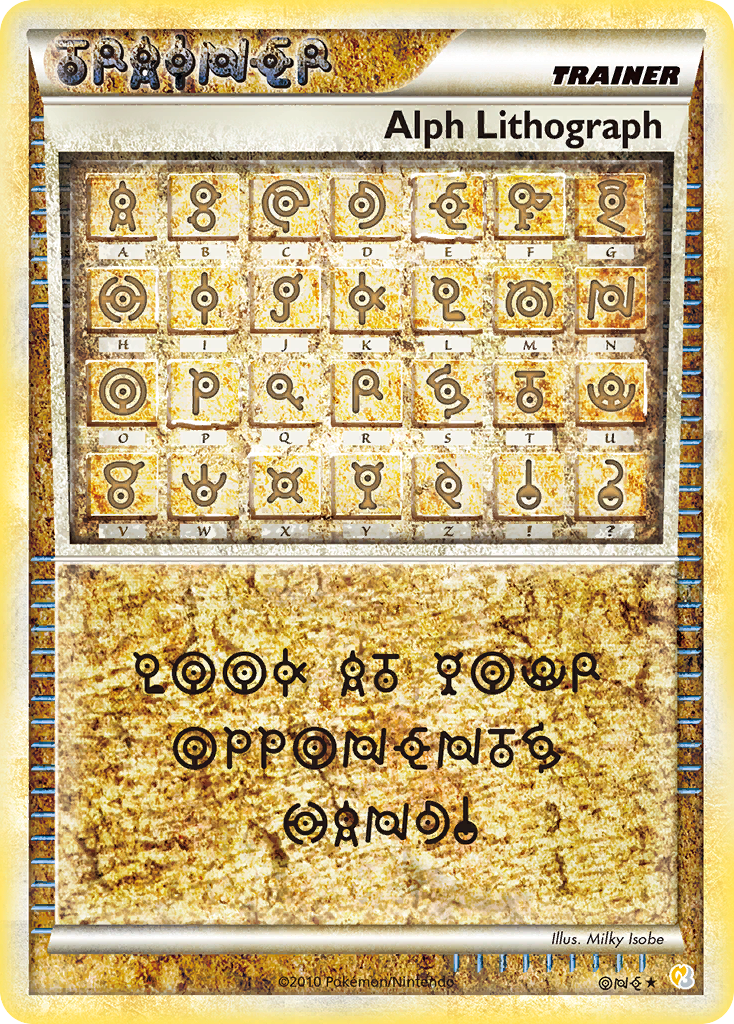
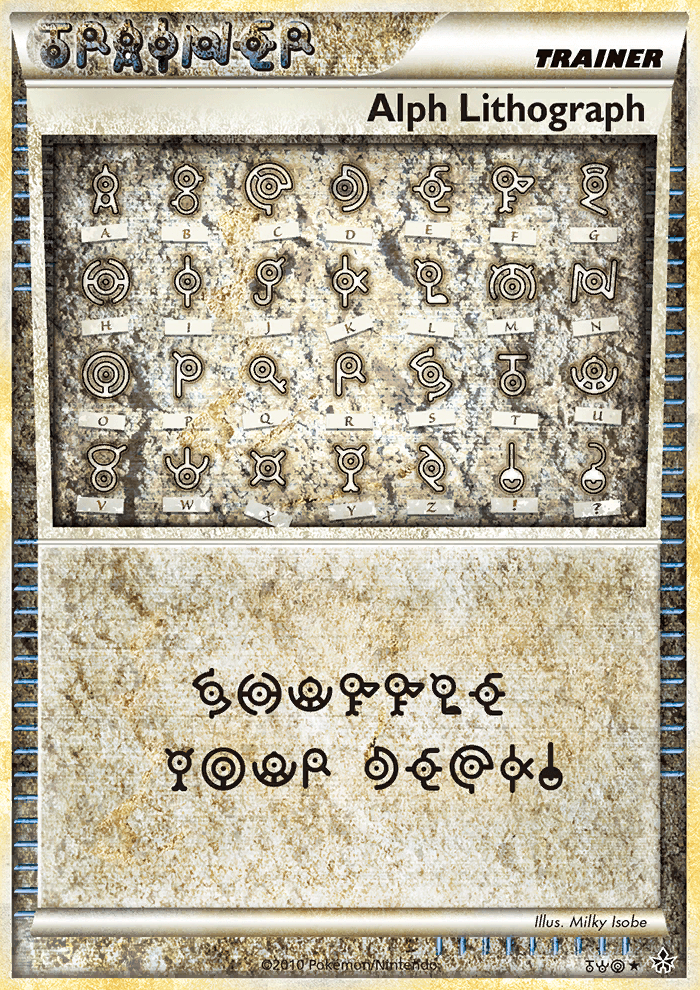
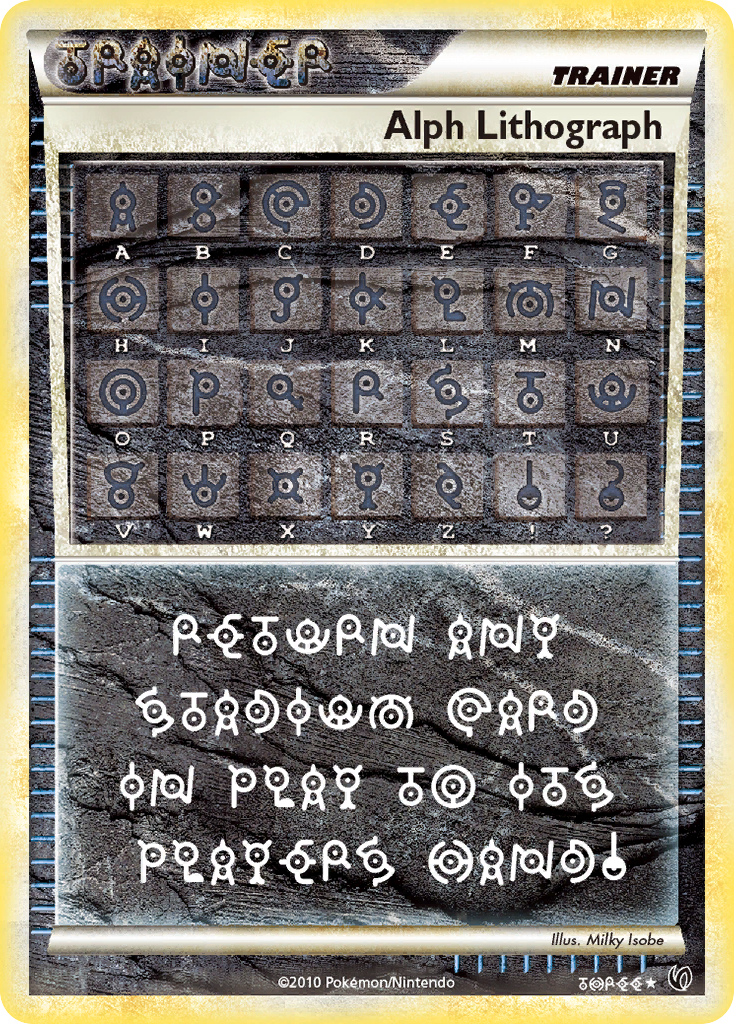
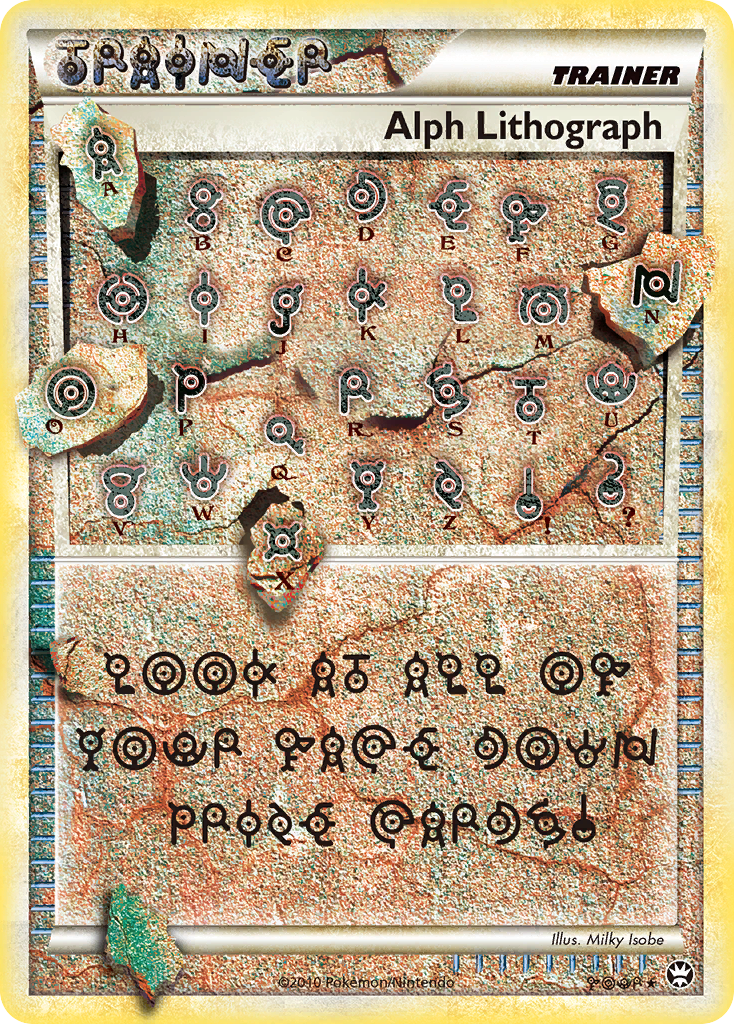
Every main HGSS set hides one extra card past its printed count: an Alph Lithograph, numbered with a word instead of a digit. ONE is in HeartGold & SoulSilver, TWO in Unleashed, THREE in Undaunted and FOUR in Triumphant. They're Trainer Items written entirely in Unown script, so reading one means decoding the alphabet by hand. Decoded, ONE lets you look at your opponent's hand, TWO has you shuffle your deck, THREE returns any Stadium card in play to its player's hand, and FOUR lets you look at all of your face-down Prize cards.
They make one of the tidiest side projects in the hobby. As of September 2026, ONE sells for about $84 raw, TWO about $91, THREE about $100 and FOUR about $89, so the full set of four comes to roughly $365. That's less than a single Umbreon Prime, for four secret rares with a puzzle built into them.
Gyarados 123/123: the base set's shiny
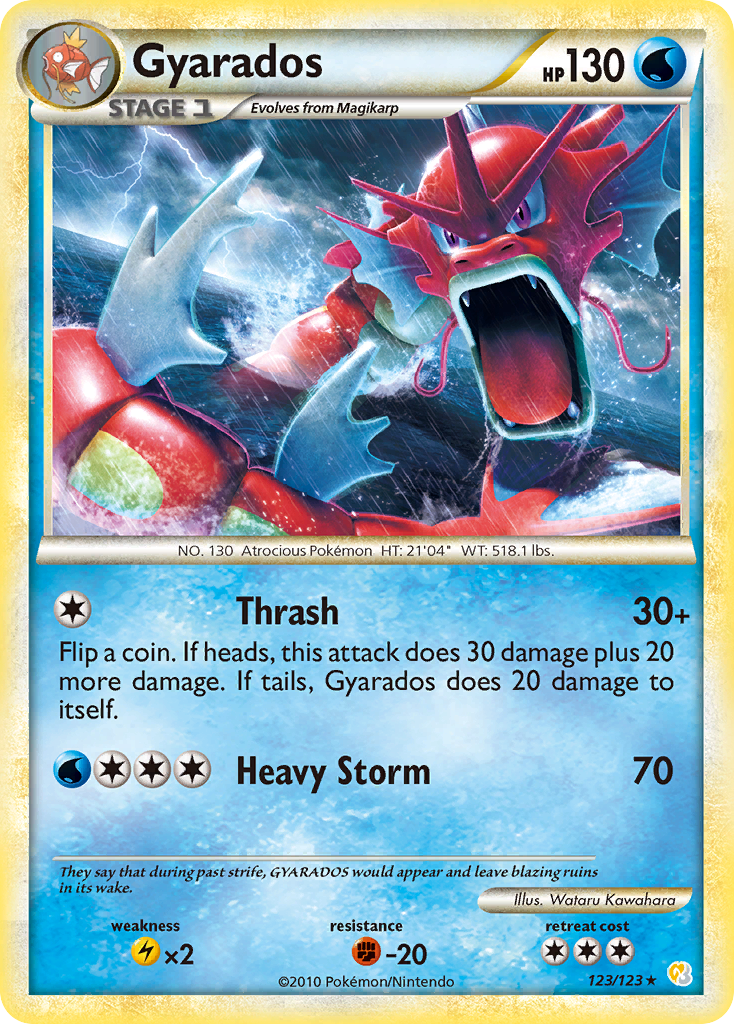
The SL cards weren't the era's only shiny pulls. The last card in HeartGold & SoulSilver's numbered run, Gyarados 123/123, is the red shiny Gyarados, and it's a quiet chase card in its own right at about $146 raw as of September 2026. It's also hard to find in top condition: only 12 of about 650 graded copies have earned a PSA 10. Don't confuse it with the set's regular holo Gyarados (4/123), which is a different card with the usual colouring.
How to Buy Into the Era Now
Decide what you're collecting before you start pricing, because this era rewards focus. The four natural lanes are a Prime run (26 cards, or 29 with the promos), the nine LEGEND pairs, the eleven SL shinies, and a themed page such as the Johto starters, the Eeveelutions, or the legendary dogs as LEGENDs, SL shinies and Black Star Promos (HGSS19 to HGSS21). The table below sorts the cards in this guide by raw price as of September 2026, so you can see which lane fits your budget.
| Raw price band (approx., September 2026) | Cards |
|---|---|
| Under about $100 | Meganium, Ampharos, Typhlosion, Feraligatr and Celebi Primes; all four Alph Lithographs; both Ho-Oh LEGEND halves; the cheaper Unleashed dog LEGEND halves |
| About $100 to $200 | Tyranitar and Espeon Primes; both Lugia LEGEND halves; Kyogre & Groudon and Palkia & Dialga halves; original Darkrai & Cresselia halves; Rayquaza & Deoxys bottom half; the pricier Unleashed dog LEGEND halves; Gyarados 123/123; Raikou SL9, Entei SL3 and Dialga SL2 |
| About $200 to $450 | Mew and Umbreon Primes; Rayquaza & Deoxys top half; Palkia SL8, Suicune SL11, Ho-Oh SL5, Kyogre SL6, Deoxys SL1 and Groudon SL4 |
| Over about $450 | Gengar Prime (original), Rayquaza SL10, Lugia SL7 |
Buying singles well
Buy LEGEND pairs as pairs when you can, from one seller, in matching condition. Two halves bought months apart from different sellers rarely match in centering or edge wear, and that mismatch shows every time you lay them side by side. When you have to buy halves separately, buy the pricier or scarcer half first, which for Lugia is the bottom.
Work from sold prices, not asking prices. The PriceCharting figures in this guide come from completed sales, and asks on HGSS singles can sit well above what cards actually sell for. Before you pay, ask for photos of the holo under angled light: on a Prime the border itself is holofoil, so scratches and scuffs show across more of the card than on an ordinary holo. Our guide to centering, print lines and whitening explains what to look for in those photos, and how to trade and sell Pokémon cards safely covers payment and shipping protection for the bigger buys.
Start broad on eBay, then narrow by set and collector number (Umbreon Prime 86/90, Lugia LEGEND 113 and 114) and check sold prices before you bid; toploaders and semi-rigid card savers keep a raw Prime's foil border safe in the post and in storage.
As an Amazon Associate, Geeky Domain earns from qualifying purchases. eBay links are affiliate links; Geeky Domain may earn a commission at no extra cost to you.
Grading is worth thinking about at the top of the era, but PSA 10 rates here are low: under 2 percent for Umbreon and Espeon Primes and roughly 1 to 3 percent for the Lugia LEGEND halves, and even Mew and Celebi Primes, the best rates quoted in this guide, only reach about 6 percent. Price your decision on a PSA 8 or 9 outcome, not a 10. Our explainer on the PSA grading scale and our comparison of PSA, BGS and CGC grading will help you decide whether a card is worth sending at all.
Common Mistakes HGSS Buyers Make
Most of the money lost on this era comes from a handful of repeat errors. These are the ones that cost the most.
Buying by name instead of collector number. Undaunted has a regular holo Umbreon (10/90) and a regular holo Espeon (2/90) alongside the Primes, Triumphant has a regular holo Celebi (3/102), and Call of Legends has regular holo Lugia, Ho-Oh, Rayquaza, Umbreon and Espeon cards next to its SL shinies. A listing titled "Umbreon Undaunted holo" could be either card. Why it costs you: the prices in this guide describe the Prime and SL versions, and the regular holo is a different card that those prices don't apply to. Check for 86/90, 81/90, 92/102 or the SL number before you pay.
Buying one LEGEND half and hoping the other turns up. The halves are priced separately, and not evenly. Why it costs you: the half you don't own yet is often the expensive one. The Lugia LEGEND bottom half sells for more than the top as of September 2026, and it's far scarcer in PSA 10, so a cheap top half can leave you paying a premium to finish the pair.
Mixing up the 30th Celebration reprints and the originals. Gengar Prime and Darkrai & Cresselia LEGEND now exist in two versions, and in English both versions carry the same collector numbers. Why it costs you: with early reprint prices around $80 for the Gengar against about $561 for the 2010 original, paying original money for a reprint loses you hundreds, and dumping an original because you assume the reprint killed its value can too. The gold border and 30th Anniversary logo settle it in seconds.
Sending a Prime to grading because it looks mint in a sleeve. A foil border hides light scratches until you tilt the card under a lamp. Why it costs you: fewer than 2 in 100 graded Umbreon and Espeon Primes have earned a PSA 10, and a card that comes back an 8 may not cover the fees and wait you paid to find out. Our guide to prepping your cards for grading walks through the inspection first.
Buying sealed packs on trust. Call of Legends packs sold for about $818 and Undaunted packs for about $752 as of September 2026. Why it costs you: at that price a resealed or fake pack costs you the full amount, and there's no getting it back once the wrapper is open. Buy sealed product only from sellers with a verifiable history, and read our guide to spotting counterfeit cards for the singles side of the same problem.
FAQ & Quick Reference
What sets are in the Pokémon HGSS era? Five: HeartGold & SoulSilver (February 2010), Unleashed (May 2010), Undaunted (August 2010), Triumphant (November 2010) and Call of Legends (February 2011), plus the HGSS Black Star Promos HGSS01 to HGSS25. Black & White followed in April 2011.
Are Pokémon Prime cards full art? No. Primes have a holofoil border, gold-foil name text and a spiked art frame, but the artwork is framed like a normal card. They're also not all fully evolved: Absol, Celebi and Mew Prime are Basic Pokémon.
Do you need both halves of a LEGEND card? To play it, yes: both halves go onto your Bench from your hand together, and they count as one Pokémon. To collect it, a single half still has value, but the halves are priced separately, and for Lugia LEGEND the bottom half is both pricier and scarcer in PSA 10.
How many LEGEND cards are there? Nine, all released in 2010, each made of two halves, so 18 cards for the full run. Call of Legends has none.
What is the most valuable Call of Legends card? Lugia SL7, at about $650 raw as of September 2026, followed by Rayquaza SL10 at about $555 and Groudon SL4 at about $445.
Did the 30th Celebration reprint hurt original Gengar Prime prices? Not so far. The original was about $587 raw in July 2026 and about $561 in late September, while the reprint trades far lower. That could change, so check recent sold listings before you buy either version.
How do you tell a 30th Celebration reprint from the original? The reprints have a gold border, glitter holofoil and a 30th Anniversary logo. The 2010 Triumphant originals have none of those. Don't go by the collector number: the English reprints keep the originals' numbers (94/102, 99/102 and 100/102).
Are the Call of Legends reprints worth less than the originals? No, and for the holos it's often the reverse. As of September 2026, Call of Legends' holo Umbreon (22/95) sells for about $135 raw against about $29 for the Undaunted Umbreon (10/90) it reprints, and the Call of Legends holo Espeon (4/95) is about $44 against about $13 for Undaunted's (2/90), according to PriceCharting. None of the era's Primes or LEGENDs were reprinted in Call of Legends, so this only affects the regular cards. Either way, price the exact printing by its set symbol and collector number rather than assuming the two versions sell for the same.
How does the HGSS era connect to the Neo sets? Neo Genesis and Neo Discovery were the Gold and Silver generation's original card run, and the HGSS base set revisits the same Johto starters and mascots. Past that shared cast, treat them as two separate collections with separate price stories.
Is the HGSS era a good place for a newer collector to start? It can be, if you start in the middle. The headline cards now take a serious budget: Umbreon Prime, Gengar Prime and Lugia SL7 run about $430 to $650 raw as of September 2026. The starter Primes, most LEGEND halves and the Alph Lithographs sit around $35 to $180 raw, and they teach you the era's two quirks, the Prime frame and the split LEGEND, without a costly mistake if you misjudge condition. Our guide to building a TCG collection on any budget helps you set a ceiling before you start.
The Middle of the HGSS Era Is Where Your Budget Works.
The HeartGold SoulSilver era is no longer a secret: its headline Primes, the Rayquaza & Deoxys LEGEND and the top SL shinies have been repriced, and chasing them now takes a serious budget. The case for collecting it rests on the cards around them, the starter Primes, the matched LEGEND pairs and the four Alph Lithographs, bought by collector number and in matching condition.
Keep Learning
- → Pokémon TCG Gameplay Hub: Rules, Deck Building & Strategy
- → Black & White Era Collecting Guide: Full Arts & Secret Rares
- → Diamond, Pearl & Platinum: Collecting the DPPt Era
- → Neo Genesis & Neo Discovery: The Post-WOTC Era
- → Pokémon 30th Anniversary Products: Buyer's Guide
- → The PSA Grading Scale, Explained
- → How to Trade and Sell Pokémon Cards Safely
© GEEKYDOMAIN.COM | Strategy Powered by Data