

How to Trade and Sell Pokemon Cards Safely
A practical, no-drama guide to protecting your cards and your money, whether you're moving a single card or an entire collection.
Some links below are affiliate links. If you buy through them, Geeky Domain may earn a small commission at no extra cost to you.
→ Short Version
Sell and trade through established marketplaces or your local game store rather than unverified direct-message deals on social media. Get condition and authenticity independently confirmed before any high-value trade, ship valuable cards tracked and insured, and slow down the moment a deal feels rushed, a price feels too good, or someone asks you to ship first. None of this is complicated — it just requires treating a $500 card transaction with the same care you'd give a $500 purchase anywhere else.
→ Related Reading
In This Guide
- → Why Trading and Selling Safely Actually Matters
- → Choosing the Right Marketplace for the Job
- → Confirm Condition and Authenticity Before Any High-Value Trade
- → Common Scam Patterns to Watch For
- → Shipping Valuable Cards the Right Way
- → Trading In Person: Local Game Stores and Meetups
- → Red Flags Checklist Before You Hit Send
Why Trading and Selling Safely Actually Matters
Pokemon cards occupy an odd space in the world of secondhand goods. A single graded slab can be worth more than a used car, but the transaction to move it often happens over a Discord DM, a Facebook group comment, or a subreddit thread with none of the buyer and seller protections you'd expect from an equivalent-value purchase anywhere else. That gap between "how much this is worth" and "how casually it changes hands" is exactly where problems show up. Most collectors will never deal with anything worse than a slightly slow shipment, but the collectors who do get burned usually get burned on their biggest, most valuable pieces — the graded Charizard, the sealed booster box, the binder someone inherited and is trying to sell all at once.
This matters even more if you're not a regular seller. Someone offloading a single modern chase pull knows the market and can spot a lowball instantly. Someone selling off a relative's old collection, or cashing out a box of cards that's been in a closet for a decade, often doesn't know what anything is worth yet — which makes them a much easier target. If that's your situation, it's worth pairing this guide with our guide to valuing an inherited Pokemon collection before you list or trade anything, so you at least know roughly what you're holding before you negotiate.
None of what follows requires becoming paranoid about every transaction. Most trades and sales in this hobby go completely fine. The goal here is simply to apply a bit more friction — a bit more verification, a bit more patience — in proportion to how much money is actually on the table.
Choosing the Right Marketplace for the Job
The single biggest factor in how safe a trade or sale is has nothing to do with the card and everything to do with where the transaction happens. Established general marketplaces and dedicated collectibles marketplaces exist specifically because they build in buyer and seller protections: escrow-style payment holds, dispute resolution, seller ratings and transaction histories, and in some cases in-house authentication for higher-value cards. None of that is glamorous, but it's the difference between having recourse when something goes wrong and having none at all.
Unverified direct deals — a stranger's DM, a comment on a trading post, a "cash app only" offer in a group chat — skip all of that infrastructure. That doesn't automatically make every direct deal a scam; plenty of collectors trade this way for years without incident, especially within communities where reputations are known and tracked over time. But it does mean you, personally, are the entire protection system. If a direct deal is going to happen, it should be with someone whose reputation you can actually verify, not just someone who seems friendly in a thread.
Before you even get to choosing a platform, it helps to know what you're selling. If your cards are still loose in a shoebox, spend twenty minutes with our guide to organizing your collection into binders or boxes before you photograph and list anything — buyers trust listings from sellers who clearly know what condition their cards are in. And if you're planning to sell regularly rather than as a one-off, our roundup of budget tools for TCG sellers covers the low-cost gear — scales, sleeves, a decent camera setup — that makes listings look trustworthy from the first photo. The safety principles here aren't Pokemon-specific either; if you also collect other trading card games, the same logic applies almost word for word in our guide to trading and selling One Piece cards safely.
Confirm Condition and Authenticity Before Any High-Value Trade
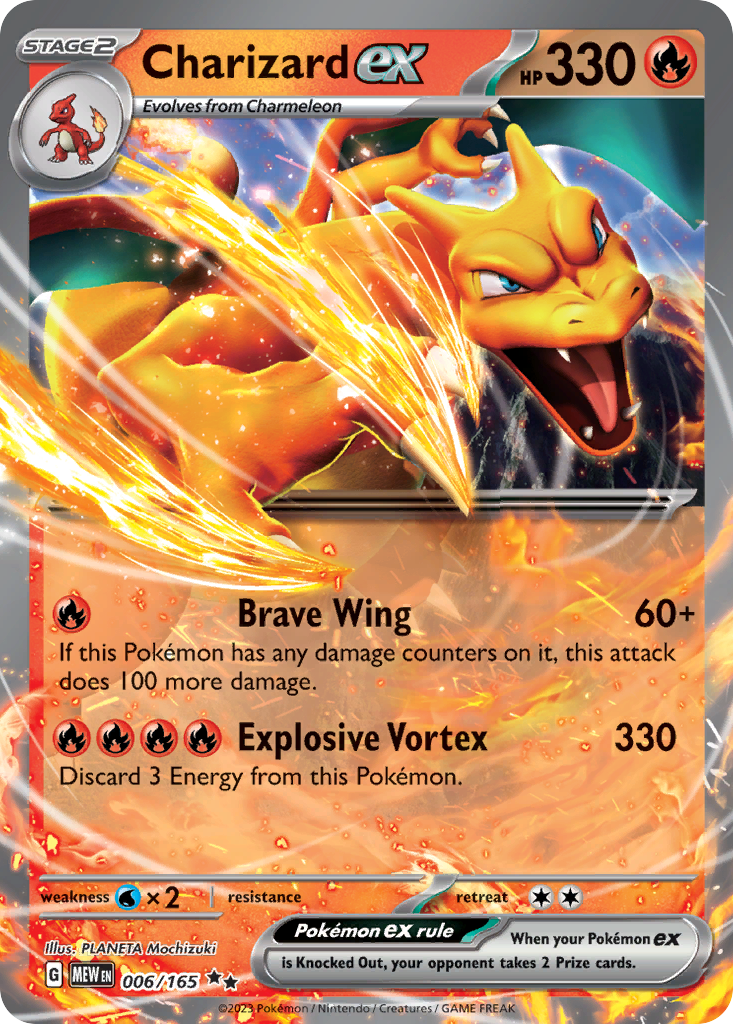
For anything above pocket-change value, condition and authenticity should never rest on a seller's word alone — including your own, if you're the one selling. "Near mint" means something different to every person who types it, and a raw card's centering, edges, corners, and surface can look completely different in a phone photo than they do under a loupe. If a card is already professionally graded, that's a huge trust signal, but it only works if the slab itself is real. Counterfeit slabs exist, and they're convincing enough at a glance that verifying the certification number directly with the grading company — rather than trusting a screenshot — is a non-negotiable step for anything expensive.
If a vintage card is being sold raw, independent authentication matters even more, because vintage cards are the most heavily counterfeited segment of the hobby. Our guide to authenticating vintage Pokemon slabs and packs walks through what to check before you commit real money, and if you're trying to decide whether a card is even worth grading in the first place — or which grading company makes sense for what you're holding — our CGC vs PSA comparison for vintage Pokemon is the right next stop. Neither of these steps needs to feel adversarial. A reputable seller expects a buyer to ask for extra photos, a certification lookup, or even a short video call before a high-value trade goes through, and will generally be happy to provide it. Reluctance to do any of that is itself useful information.
Common Scam Patterns to Watch For
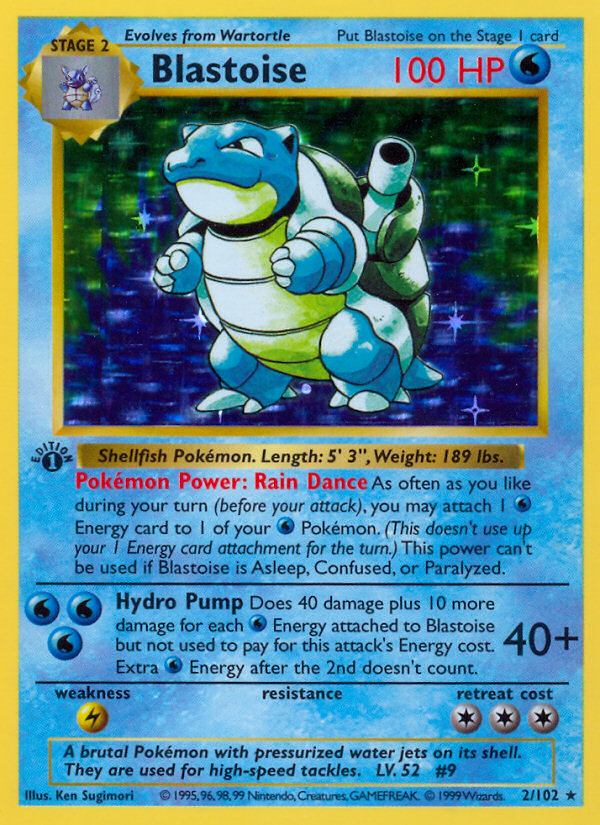
Most card scams aren't clever. They rely on a handful of pressure tactics that work because they short-circuit the normal pace of a careful transaction. Recognizing the pattern matters more than memorizing any specific scam, because the details change constantly while the underlying tactic stays the same.
The most common version is a buyer who asks you, the seller, to ship first "as a show of good faith," with payment to follow once the card arrives. This flips the entire risk of the transaction onto you and gives the other party every incentive to simply not pay once they have the card. A legitimate buyer using a platform with real buyer/seller protections has no reason to ask for this, because the protections already exist to make both sides comfortable. A close cousin is the deal that comes wrapped in urgency — "I need to sell tonight," "this offer expires in an hour," "someone else is about to buy it" — designed to get you to skip the verification steps you'd normally take. Genuine sellers of high-value cards are rarely in that much of a hurry, especially for anything that belongs in a conversation about vintage slabs as long-term holds rather than a quick flip.
Price is the other reliable tell. A price meaningfully below the going market rate for a card that's genuinely in demand — the kind of card that shows up on lists of the most valuable modern Pokemon cards — should raise a question before it raises your pulse. Sometimes a below-market price is a genuinely uninformed seller, and buying it is fine. But it's also the bait in a classic switch, where the buyer pays, and what arrives is a damaged card, a well-made counterfeit, or a fake slab with a real card's certification number copied onto it. Slow down, check the price against actual recent sales rather than optimistic listing prices, and treat "too good to be true" as a real signal rather than a lucky break.
Shipping Valuable Cards the Right Way
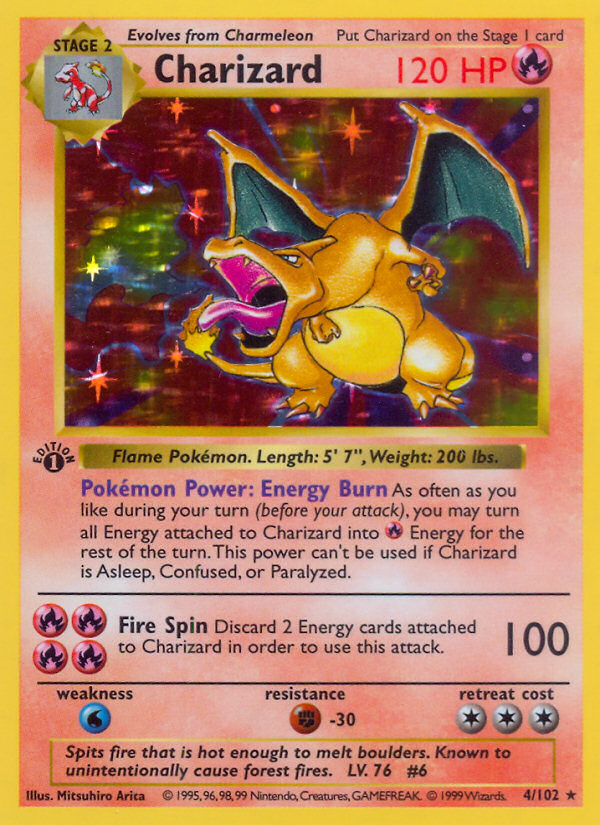
A card can survive a completely trustworthy transaction and still get damaged, lost, or stolen in transit if it's shipped carelessly. For anything with real value, tracked shipping with delivery confirmation isn't optional, and insuring the package for the card's actual value is cheap protection against a package that goes missing or arrives crushed. Skipping insurance to save a few dollars on a card worth hundreds is the kind of shortcut that only looks reasonable right up until the one time it doesn't work out.
Packaging matters just as much as the shipping method. A graded slab or a raw card in a rigid holder should be sandwiched between stiff cardboard, taped so it can't shift inside the envelope, and marked in a way that doesn't advertise the contents to anyone handling the package. Our guide to sleeves, binders, and toploaders covers the specific materials worth keeping on hand if you plan to ship cards more than once — a supply of toploaders and rigid mailers pays for itself the first time it prevents a bent corner claim. Photographing the card and its packaging before you seal the envelope, and keeping that photo along with the tracking number, gives you something concrete to point to if a dispute ever comes up on either end of the deal.
Trading In Person: Local Game Stores and Meetups
In-person trades solve the shipping problem entirely, and for a lot of collectors they're the most comfortable way to move cards, especially at a local game store where staff and regulars are around and the transaction happens in the open rather than in a parking lot. A store that runs regular trading nights or organized play events already has an informal reputation system built in — people who scam once tend not to be welcome back — which is a real form of protection even without a formal buyer/seller platform behind it. If you're new to the local scene and looking for that kind of community entry point, our Pokemon TCG gameplay hub is a good starting place for finding where organized play happens near you.
The same basic caution still applies to a meetup arranged with a stranger from an online post. Meeting in a public, well-lit place, bringing a second person if the trade is large, and doing the actual card inspection in person rather than trusting photos taken beforehand are all reasonable precautions for a high-value in-person trade, the same way they'd be reasonable for selling any other expensive item to someone you found online. For cash transactions, count it in front of the other person before you hand over the card, and don't be talked into rushing that step.
Red Flags Checklist Before You Hit Send
When a deal is moving fast and you don't have time to re-read a whole guide, it helps to have a short mental checklist instead. Before you send payment, ship a card, or hand something over in person, run through these:
Is the buyer asking you to ship before they pay? That's backwards from how a safe transaction works, and it's the single most common pattern behind seller-side scams. Is there pressure to move faster than feels comfortable? Real deals can almost always wait an extra hour for you to verify something. Is the price noticeably below what similar cards have actually sold for recently — not what someone is asking, but what has actually sold — especially for a card that regularly appears on lists like the most valuable modern Pokemon cards? Can a graded slab's certification number actually be looked up and does it match what's being described, rather than just trusting the label in a photo? Does the payment method offer any protection at all, or does it settle instantly and irreversibly the moment you send it?
None of these questions need to feel like an interrogation, and asking them doesn't make you a difficult trading partner — it makes you a normal one. The collectors and sellers who've been doing this for years ask these same questions as a matter of habit, not because they distrust everyone, but because it costs nothing to check and can save a lot when it turns out to matter.
Slow Down, Verify, Then Trade
Safe trading isn't about avoiding the hobby's informal, friendly side — it's about matching the amount of caution to the amount of money on the table. Use platforms with real protections when you can, get condition and authenticity verified independently before anything expensive changes hands, ship valuable cards tracked and insured, and treat urgency or a shipped-first request as the warning signs they usually are.