

A great TCG collection isn't about how much you spend — it's about how deliberately you spend it. Here's how to build one you'll be proud of at $20 a month, $200 a month, or anywhere in between.
Every successful collector you've ever met — the friend with the framed Charizard wall, the player with binder after binder of foils, the quiet collector with one immaculate slab on a shelf — has one thing in common, and it isn't money. It's that they decided what they were collecting, set a budget they could stick with, and held the discipline year after year. The rest is execution.
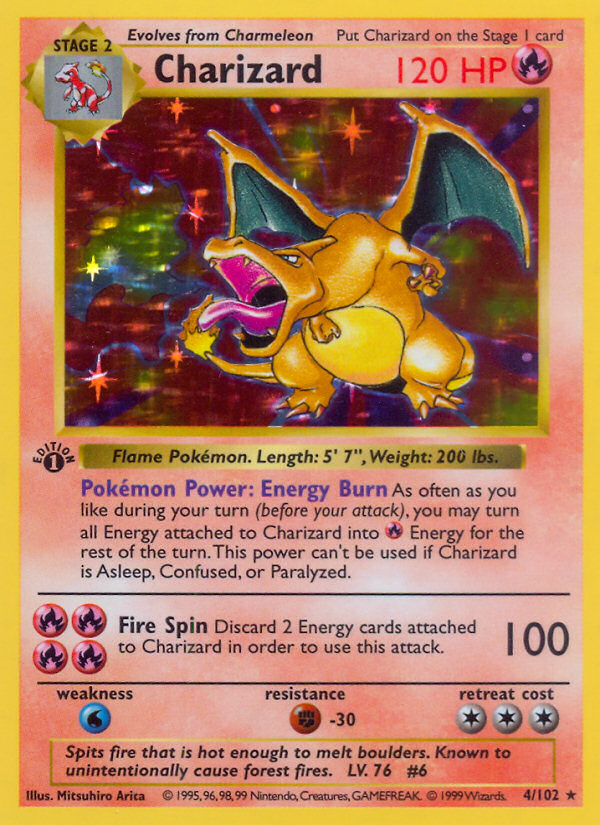
The good news is that the same framework works at every budget tier. The collector spending $20 a month and the collector spending $2,000 a month answer the same five questions: What am I collecting? Why? How much can I spend? Where do I draw the line? What's my exit plan? The difference is the scale of the answers, not the questions themselves.
This guide is for anyone building a TCG collection — Pokémon, Magic, Lorcana, Fusion World, Gundam, all of them. It covers how to set a budget that survives contact with reality, the four collection types and how to pick yours, the spending hierarchy that keeps you focused, the traps that quietly ruin good collections, and how to protect what you build. No specific card recommendations, just the habits that separate collectors who last from collectors who burn out.
The Short Version
Decide what you're collecting (a set, a character, a color, a deck, sealed) and why (love, completion, display, play, value) before you spend a dollar. Set a monthly budget you can sustain — consistency beats intensity every time. Spend in this order: protection & storage → singles you want → sealed for the experience → chase cards as you can afford them. Never speculate with money you need; never chase the meta; never pay the "mystery premium" of sealed for cards you could buy directly. A great collection at any budget is the one you're still proud of in five years.
→ More Collecting & Trust Guides
In This Guide
- → The Five Questions to Answer First
- → The Four Collection Types
- → Setting a Budget You'll Actually Keep
- → Budget Tiers, By What's Realistic
- → The Spending Hierarchy
- → Protect What You Build
- → How Collections Grow Over Time
- → On "Investing" Honestly
- → Where Collections Quietly Fail
- → FAQ
- → Quick Reference
The Five Questions to Answer First
Before you buy a single card, answer these. Most failed collections fail because the collector skipped this step and tried to figure out what they wanted while spending. That's expensive.
- 1. What am I collecting? A specific set, a character, a color or ink, every card from your favorite game, sealed product, graded cards only? Without a scope, you're just buying.
- 2. Why? Love of the IP, the satisfaction of completion, display pieces, playable cards, long-term value? Different "whys" lead to genuinely different collections.
- 3. How much per month, sustainably? Not the most you could spend in a great month — the amount you can spend every month for the next several years without resenting it.
- 4. Where do I draw the line? Will you chase Enchanted/Secret Rare tier? Graded high-end pieces? Sealed cases? Knowing your ceiling stops mission creep.
- 5. What's my exit plan? Is this a forever collection, a "until my kids leave" collection, or something you might liquidate? It changes what you buy and how you store it.
The clarifying test: Imagine your collection five years from now. Can you describe it in one sentence? If yes, you have a scope. If you can't — if you'd describe it as "lots of cool stuff" — you don't have a collection yet, you have a buying habit. Define the sentence first.
The Four Collection Types
Most collections fit into one of four broad shapes. None is better than another — but knowing which one yours is dictates almost every decision that follows.
| Type | What you're after | Spending shape |
|---|---|---|
| Completionist | Every card in a defined set or category | High volume, predictable, occasional big chase cards |
| Curator | A theme — favorite character, art style, color, era | Selective, condition-focused, often premium tier |
| Player-collector | Cards you also play with; competitive staples + favorites | Driven by the meta; deck-by-deck; rotating |
| Sealed / Display | Sealed boxes, graded slabs, framed grails | Few, large purchases; long holds; storage-heavy |
Many collectors are a blend — "Completionist for one set I love, Curator otherwise" — and that's fine. The point is being honest about which mode you're in for any given purchase. Mixing a Completionist's budget into Sealed Display purchases is how collections quietly run out of money before they're built.
Setting a Budget You'll Actually Keep
The budget rule almost no one wants to hear: the amount that builds the best collection is the amount you can spend every single month without ever resenting it. Not the maximum. The sustainable amount.
A collector spending $30 a month for ten years has put $3,600 into their collection — deliberately, in a state of mind to make good choices, with discipline that compounds. A collector who blows $1,500 in one euphoric month and then guilt-quits for two years has spent less in total and picked worse cards in the process. Boring and steady beats explosive every time in this hobby.
A practical budgeting framework:
- Pick a number you'd be comfortable saying out loud. If you wouldn't tell your partner or accountant what you spend on cards, the number is wrong.
- Treat it as a hard cap, not a target. Unspent budget rolls forward toward bigger chase pieces. Unspent budget does not become permission to overspend later.
- Build in a "grail fund." Set aside a portion (say 20%) of your monthly budget for the once-or-twice-a-year purchases that define a collection. That's how the big pieces happen without breaking discipline.
- Review annually, not monthly. Resist the urge to "adjust upward" after a great month. Once a year, look at what you spent, what you got, and whether your budget still fits your life. Adjust then.
Budget Tiers, By What's Realistic
Rough sketches of what each tier supports. These are starting points, not promises — every game and every collection focus shifts the math.
| Monthly budget | What it realistically supports |
|---|---|
| $20–40 | A focused budget collection — one game, one set or theme, mostly singles. A complete budget deck or a meaningful binder over time. |
| $50–100 | Comfortable mainstream collecting — competitive decks, mid-tier chase cards, occasional sealed product, slow grail acquisition. |
| $150–300 | Serious collecting — high-end singles, graded pieces, sealed buys at every set release, real grails over time. |
| $500+ | Premium or display collecting — vintage slabs, complete sealed runs, top-end graded cards. Discipline matters more here, not less. |
The big-money tier surprises people: with more budget, the temptation to spend impulsively gets worse, not better, because every individual card feels small relative to the budget. Discipline scales up; it doesn't relax.
The Spending Hierarchy
When new collectors ask what to buy first, the honest answer is almost always the same regardless of budget. Spend in this order:
- 1. Protection and storage. Penny sleeves, deck protectors, toploaders, binders, and deck boxes. Unprotected cards lose value every time they're handled. Cheap supplies are the single best ROI in the hobby. See our sleeves and toploaders buyer's guide and our binders vs boxes organizer.
-
2. Singles you actually want. For a defined card — a competitive staple, a card you love, a piece for a deck — buying the single is almost always cheaper and more efficient than pack-opening for it. Skip the lottery.
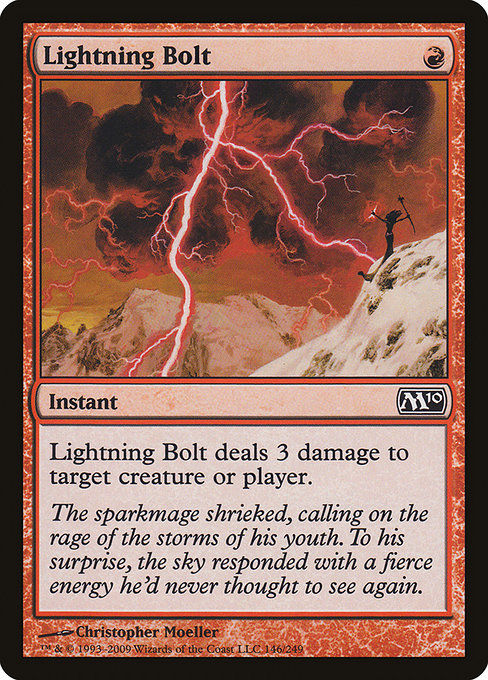
- 3. Sealed product for the experience. A box or two per release is plenty for the joy of opening, getting surprised, and having something to trade with. Beyond that you're paying a "mystery premium" for cards you could buy directly — and sealed-as-investment is a separate question (see below).
-
4. Chase pieces, deliberately. The expensive cards that define a collection — a graded grail, an Enchanted/Secret Rare, a vintage holo. Save for these; don't impulse them. The "grail fund" is where they come from.
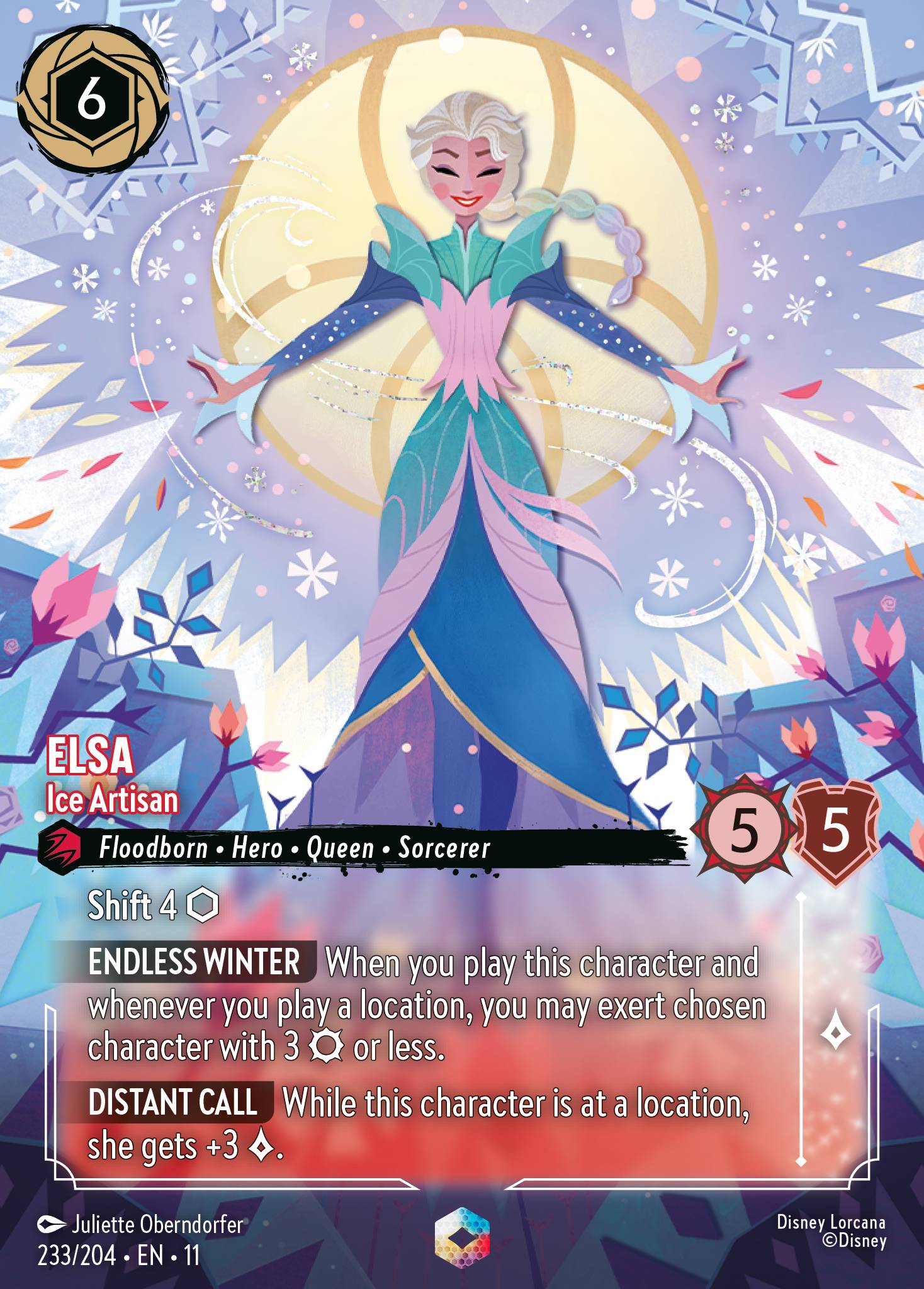
- 5. Grading and finishing touches. Once the collection is built, consider grading the genuinely high-value pieces, framing display cards, and upgrading storage. See our grading guide for whether grading is worth it on a given card.
The order matters because it puts certainty before variance. Protection and singles are deterministic — you know exactly what you're getting. Sealed and chase pieces are gambles in different forms. New collectors get this exactly backwards: they buy packs first, find a single card they love, then realize they should have just bought it directly.
Protect What You Build
A collection's value — emotional and financial — lives or dies on condition. The cheapest, most overlooked moves to protect what you own:
- Sleeve everything worth keeping. Penny sleeves are pennies. Bulk goes into boxes; the rest goes into penny sleeves before anything else. Cards lose grade in one careless handling session.
- Toploaders for anything you'd be upset to damage. Penny sleeve first, then a toploader. The combination stops bends, surface scratches, and the everyday wear that quietly drops a card from gem-mint to "fine."
- Side-load, archival-safe pages in binders. Cheap PVC pages off-gas and eat foil. Top-loading pages let cards fall out. Use side-loading, PVC-free pages — covered in detail in our binders vs boxes guide.
- Storage environment matters. Avoid attics (heat cycling), basements (humidity), and direct sunlight (fading). A closet or cabinet at room temperature with stable humidity is fine for almost any collection.
- Authenticate before high-value purchases. Vintage cards and high-value singles are the most counterfeited products in the hobby. Learn the tells before buying raw, or buy reputably graded — our counterfeit-spotting guide covers the basics.
The Step-One Supplies List
This is the cheapest purchase in the hierarchy and the one that comes first: penny sleeves for anything worth keeping, 3×4 toploaders for cards you would hate to bend, side-loading PVC-free pages for binders, and a storage box for bulk. Amazon is the sensible place to buy generic supplies in quantity for any game; the sleeves and binders guides linked above are where to work out which brands hold up.
As an Amazon Associate, Geeky Domain earns from qualifying purchases. eBay links are affiliate links; Geeky Domain may earn a commission at no extra cost to you.
How Collections Grow Over Time
A genuinely good collection isn't built in a buying spree. It accretes. The patterns of collectors who stay in the hobby for years:
- Year one is foundation. Storage, protection, learning the game and the market, building one focused thing — one set, one deck, one character. Don't try to build everywhere at once.
- Years two and three are expansion. You know what you actually like. Branch into adjacent areas, take on bigger completion targets, start the grail fund for real.
- Years four and beyond are refinement. Upgrading condition, replacing well-loved cards with mint copies, grading the keepers, selling off pieces that no longer fit. The collection becomes yours, distinctly.
- Pruning is part of growth. Most long-time collectors sell off ten percent or more of their collection each year — cards that no longer fit, duplicates, things they realized they don't love. A great collection is partly defined by what's not in it.
On "Investing" Honestly
A note that needs saying clearly, because the hobby's loudest voices often won't: TCG cards are not a reliable investment. Specific cards have appreciated dramatically over decades, and a small number of collectors have done very well. But for every Charizard that exploded in value, there are dozens of "this is the next Charizard" cards that didn't. Reprints crush prices. Games go out of style. Storage and grading costs eat returns. Selling has spreads, fees, and friction.
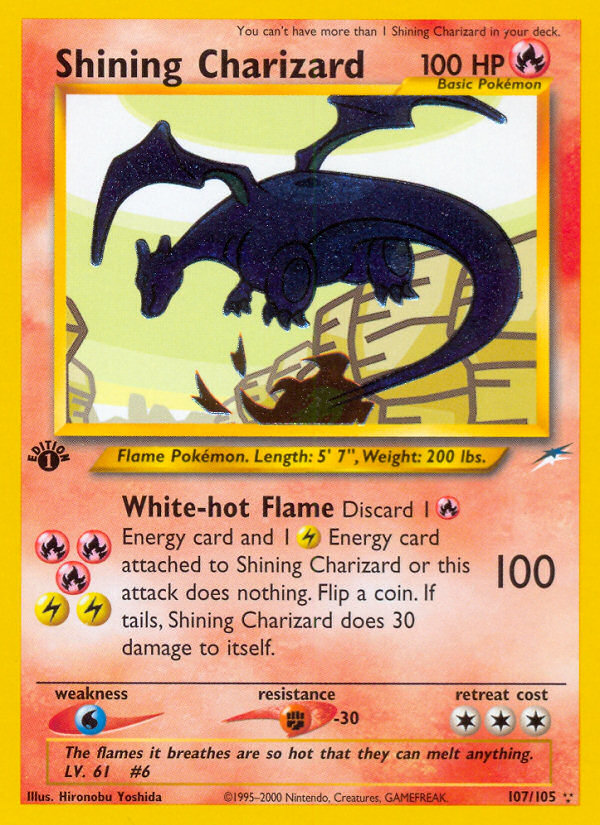
A healthier framing: collect for love and durability, and treat any appreciation as a bonus. Buy what you'd be happy to own even if its market value went to zero. If you wouldn't want it on your shelf for free, don't buy it for money.
If you do want some "value-aware" tilt in your collecting, focus on durable demand drivers — iconic characters, foundational sets, condition-sensitive grails — rather than chasing whatever the market is hot on this month. The cards collectors loved twenty years ago are still the most valuable today. That's not coincidence.
Where Collections Quietly Fail
Mistake #1: No scope.
"I collect everything from every game" sounds open and exciting, but it's almost always a recipe for a chaotic pile of stuff rather than a collection. Pick one or two scopes, get good at them, and branch from there only when you genuinely want to.
Mistake #2: Chasing the meta.
Buying every hot card the moment the internet declares it the new chase is how player-collectors lose the most money. Today's $200 staple is often next year's $40 reprint. If you're a player, buy what you need for the deck you're actually playing — not what's trending.
Mistake #3: Ripping packs in search of a single card.
Pack odds are stacked against you for any specific card. If you want one specific chase card, math out the expected cost — almost always, the single on the secondary market is dramatically cheaper than the packs you'd open trying to pull it.
Mistake #4: Treating it as an investment portfolio.
Cards are a hobby asset, not a financial instrument. People who buy primarily for "ROI" tend to overpay during hype cycles, sell during crashes, and quit the hobby having lost both money and joy. Buy what you love; let value be a side effect.
Mistake #5: Cutting corners on protection.
The single saddest thing in the hobby: a $300 card stored unsleeved in a binder with edge wear, surface scratches, and now-greasy fingerprints. A $0.02 penny sleeve and a $0.50 toploader would have kept it pristine. Always protect first.
FAQ
- What's the smallest realistic budget? $15–20 a month, consistently, builds a real collection if you stay focused on singles and one game. Below that you're not really collecting so much as occasionally buying — both totally fine, just different things.
- Is collecting one game smarter than multiple? For most people at most budget tiers, yes. Depth beats breadth in collecting — a focused single-game collection is almost always more interesting and more valuable than a sprawl across five games. Branch into a second only when you've genuinely outgrown the first.
- Should I buy sealed or singles? For specific cards, singles, every time. For the joy of opening and the surprise of pulls, sealed in moderation — a box or two per release. As an investment, sealed is its own argument with real risks (reprints, storage, illiquidity) and worth a separate think.
- When does it make sense to grade? For high-value cards in genuinely great condition where authentication and a locked-in grade meaningfully raise value. For most cards in most collections, grading costs exceed the benefit — our grading guide walks through the math.
- How do I keep from burning out? Set a sustainable budget and stick to it. Have a clear scope so every purchase feels meaningful, not random. Don't compare your collection to anyone else's online. And take breaks — missing a set release won't ruin a collection that's already five years old, and might save the next five.
Quick Reference
Discipline Beats Spend
The single most important truth in TCG collecting: a collector with $30 a month and discipline will build something better than a collector with $300 a month and none. Define your scope, set a sustainable budget, follow the spending hierarchy, and protect what you buy. The rest is time.
- First: answer the five questions — what, why, how much, ceiling, exit.
- Type: Completionist, Curator, Player-collector, or Sealed/Display.
- Budget: sustainable monthly, hard cap, with a grail fund. Annual review only.
- Spending order: protection → singles → sealed for fun → chase → grading.
- Always: sleeve, toploader, archival pages, stable storage.
- Never: chase the meta, rip packs for one card, invest money you need, skip protection.
- Test: would you still own it if its market value went to zero? If yes, buy.
Build the Collection You'll Be Proud Of.
A great collection isn't bought — it's built, one deliberate purchase at a time, over years. Pick a scope, set a budget you can sustain, protect everything, and trust the compounding. The best collection at any budget is the one you're still happy with in five years.
© GEEKYDOMAIN.COM | Strategy Powered by Data