

Fake Sealed Product: Red Flags to Know
A product-line-wide field guide to spotting counterfeit and resealed Pokemon boxes, ETBs, collection boxes, and packs before you pay for them.
Some links below are affiliate links. If you buy through them, Geeky Domain may earn a small commission at no extra cost to you.
The Short Version
Shrink wrap alone proves nothing — genuine factory film follows specific, checkable patterns, and counterfeiters consistently get those patterns wrong even when the printed box art looks perfect. This guide goes deeper than a basic booster-box buying checklist and covers booster boxes, Elite Trainer Boxes, collection boxes, and single packs as separate cases, not one generic "check the wrap" tip. You'll learn Pokemon's own official light test for suspect cards, why PSA is currently the only major third-party grader offering sealed-pack authentication (CGC does not, as of this research), how to read the printed product code on a box, and why a weight check is a supporting clue rather than standalone proof. Two real, documented cases — the 2020 Hidden Fates reseal scandal and two 2020 U.S. Customs seizures totaling over 206,000 counterfeit Pokemon items — show what this actually looks like when it happens to real buyers.
In This Guide
- → Why Fake Sealed Product Is a Real Problem Right Now
- → Your Backup Check: The Official Card Light Test
- → Shrink-Wrap Forensics: What Genuine Factory Wrap Actually Looks Like
- → Printed Security Features: Product Codes, Set Codes, and Regional Anti-Counterfeit Marks
- → The Weight-Check Method (And Why It's a Clue, Not Proof)
- → Red Flags by Product Type: Booster Boxes, ETBs, Collection Boxes, and Packs
- → Two Real Cases: The Hidden Fates Reseal and a Six-Figure Customs Seizure
- → Third-Party Authentication: What PSA (and Not CGC) Currently Offers
- → FAQ & Quick Reference
Why Fake Sealed Product Is a Real Problem Right Now
It is worth saying plainly: this is not a rare, paranoid concern. Creatures Inc. — one of the companies behind The Pokémon Company and developer of the physical Pokémon Trading Card Game — has pursued legal action in recent years against sellers and manufacturers of counterfeit Pokemon cards, and rights holders routinely work with auction platforms to get counterfeit listings suspended. That kind of enforcement doesn't happen over a handful of isolated incidents — it happens because the volume of fake product moving through online marketplaces has become large enough to warrant a coordinated response. If you have already read our guide to buying sealed Pokemon booster boxes, you know the basics: buy from reputable sellers, check the seals, be wary of prices that look too good. This guide picks up where that one leaves off. Instead of a general checklist, it walks through the specific forensic details — shrink-wrap seam geometry, printed security codes, crimp patterns on individual packs, and the actual documented cases where things went wrong — across every major sealed product type, not just booster boxes.
Pokemon's own official support site is a useful starting point, and it makes one claim that should reshape how you think about risk: reports of counterfeit card sales originate from flea markets more than from any other type of seller. That does not mean online marketplaces are safe by comparison — plenty of counterfeit and resealed product moves through auction sites and social media resale groups too — but it does mean that a folding table at a swap meet, a booth with no return policy, and a seller who cannot tell you where the product came from deserve at least as much scrutiny as a listing on eBay. For a broader look at how counterfeiters fake individual cards (as opposed to entire sealed units), our companion piece on how to spot counterfeit cards covers the card-level basics this article builds on.
Your Backup Check: The Official Card Light Test
Every red flag in this guide is meant to help you avoid buying fake or resealed product in the first place. But sometimes you have already opened the box, and something about a pull feels off. For that situation, Pokemon's own support article describes a simple physical test you can run on any card: hold it up to a bright light source. Genuine Pokemon cards have an opaque black layer sandwiched between the front and back cardstock, and that layer blocks most light from passing through. A counterfeit card is typically built from thinner or different stock without that same light-blocking layer, so noticeably more light comes through — in bad cases, enough that you can actually read the text printed on the back of the card by shining a light through the front. This is the single most accessible authentication test available to an ordinary buyer, because it requires no special equipment and no expertise, just a light source and a card to compare it against.
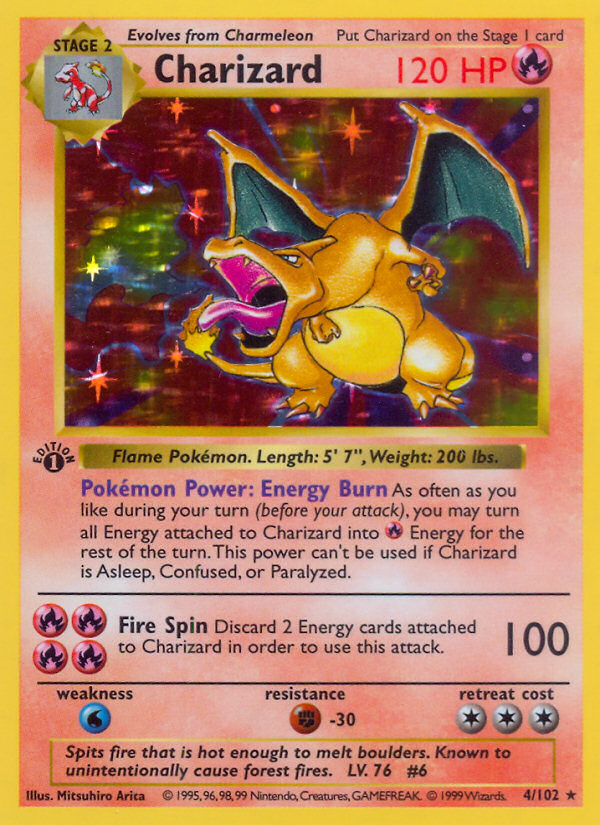
The light test matters for sealed-product buyers specifically because it is your last line of defense after a purchase, not a substitute for pre-purchase inspection. A resealed box full of commons will still open into cards that pass the light test, because the cards themselves might be genuine — they were simply pulled out and swapped for other genuine cards before the box was reglued. That is a different problem than an outright counterfeit card, and it is why this guide treats shrink-wrap inspection, weight checks, and printed security features as the primary defense, with the light test as a secondary check for the specific scenario of a suspicious individual card. If a card you pulled from sealed product fails the light test, our deeper walkthrough on cards long known for heavy counterfeiting — like the classic how to spot a fake Base Set Charizard guide — walks through additional card-specific tells.
A pocket UV flashlight and a jeweler's loupe let you inspect crimp edges, printed security marks, and card stock up close instead of squinting under a store's overhead lights.
As an Amazon Associate, Geeky Domain earns from qualifying purchases. eBay links are affiliate links; Geeky Domain may earn a commission at no extra cost to you.
Shrink-Wrap Forensics: What Genuine Factory Wrap Actually Looks Like
Most buyers glance at shrink wrap, confirm it is present and not obviously torn, and call it good. That is not enough, because a competent counterfeiter or resealer can source shrink film and a heat gun just as easily as you can. What is much harder to fake is the specific geometry that factory shrink-wrapping machines produce. According to an authentication guide from SNKRDUNK, genuine factory shrink wrap on Pokemon booster boxes forms a distinct T-shaped seam where the film overlaps, and the resulting creases and small protrusions cluster near the middle of the top and bottom panels rather than running evenly along the whole edge of the box. That same guide notes two additional details worth checking closely: genuine wrap has a small white Pokemon Company logo embedded directly in the film itself, not printed on a sticker, and it has microscopic air-release holes punched through it, which industrial shrink-wrap machines use to let trapped air escape during the sealing process.
Region matters here too. A Japan-focused authentication guide points to the shrink-wrap cut line as a key tell on Japanese-market booster boxes specifically: on genuine boxes, the side cut line follows a natural curve and the wrap overall sits slightly loose, while on fakes the cut line runs perfectly straight and taut — sometimes with visible heat-gun burn spots where someone tried to shrink the film down tightly by hand. That "slightly loose" quality is not a flaw; it is actually a tell in your favor. Published guides disagree about that, though, so don't lean on it. SNKRDUNK says the plastic on a real booster box ought to be tight around the box and feel similar to cling wrap, and PokeFolio's shrink-wrap guide lists loose or baggy corners as a fake tell rather than a sign of authenticity. Tightness on its own settles nothing in either direction; the seam shape, the embedded logo, and the air-release holes are the checks that actually do the work on a genuine box. A hand-reseal job, by contrast, tends to go wrong in one of two predictable directions: either the wrap ends up loose and crooked because the resealer couldn't replicate the machine's tension, or they overheat it with a generic heat gun trying to compensate, which produces a rounded, "pillowy" look bunching up at the corners instead of the flat factory finish. If you are choosing between a booster box and an Elite Trainer Box for your next purchase, our ETB vs. booster box comparison is worth reading alongside this section, since the wrap-inspection principles here apply to both formats.
Printed Security Features: Product Codes, Set Codes, and Regional Anti-Counterfeit Marks
Beyond the shrink wrap itself, the printed box carries its own set of checkable details. One booster-box authentication guide points to a numeric product or stock code printed directly above the barcode on the bottom of the box — their own example was formatted as "155-81155" — and treats the complete absence of any such code above the barcode as a strong indicator of a counterfeit box. That specific number is just one guide's own illustrative example, not a universal constant; the actual code varies by product, set, and region, so what you are checking for is the presence and placement of a code in that position, not a specific digit string. If the space above the barcode is blank where a code should be, that is worth treating as a real warning sign rather than a cosmetic printing difference.
For Japanese product specifically, collector guides recommend cross-checking the printed set code on the box — formats like SV2a or S12a — against official set listings to confirm it matches the product you think you're buying. The same guides flag something more specific to organized resale scams: identical printed lot or serial codes appearing across multiple boxes that a single seller is listing as separately "sealed." Since there is no public database where an ordinary buyer can look up a lot number directly, this comparison is necessarily informal — you're checking a seller's own listing photos against each other, or against photos from other confirmed-authentic units you've found online — but if one seller has five "sealed" boxes with the exact same lot code visible in every listing photo, that is a meaningful signal that all five may have come from a single case that was opened and repackaged rather than five untouched factory units.
Region-exclusive products sometimes carry their own dedicated anti-counterfeit printing. On the Chinese-market-exclusive Pokemon 151 slim booster boxes, the printed anti-counterfeit QR-style code uses a mix of bold and fine line weights for contrast on genuine units, while counterfeits reproduce only uniformly thin, faint lines across the whole code. These boxes also carry a separate anti-counterfeit sticker with a metallic sheen that visibly flashes when you tilt it under light on a genuine box, but looks flat and matte on a fake. It's worth being precise about what this actually is: this is not confirmed to be an official Pokemon Company-run verification system with a public lookup database. It functions as a regional printer or distributor-level security feature specific to that product run, and you should treat it as one more physical detail to inspect rather than something you can scan and check against an official database. Readers researching this specific chase-heavy set may also want our breakdown of why the Pokemon 151 set hit so hard, which covers why this particular release attracted so much counterfeit attention in the first place.
The Weight-Check Method (And Why It's a Clue, Not Proof)
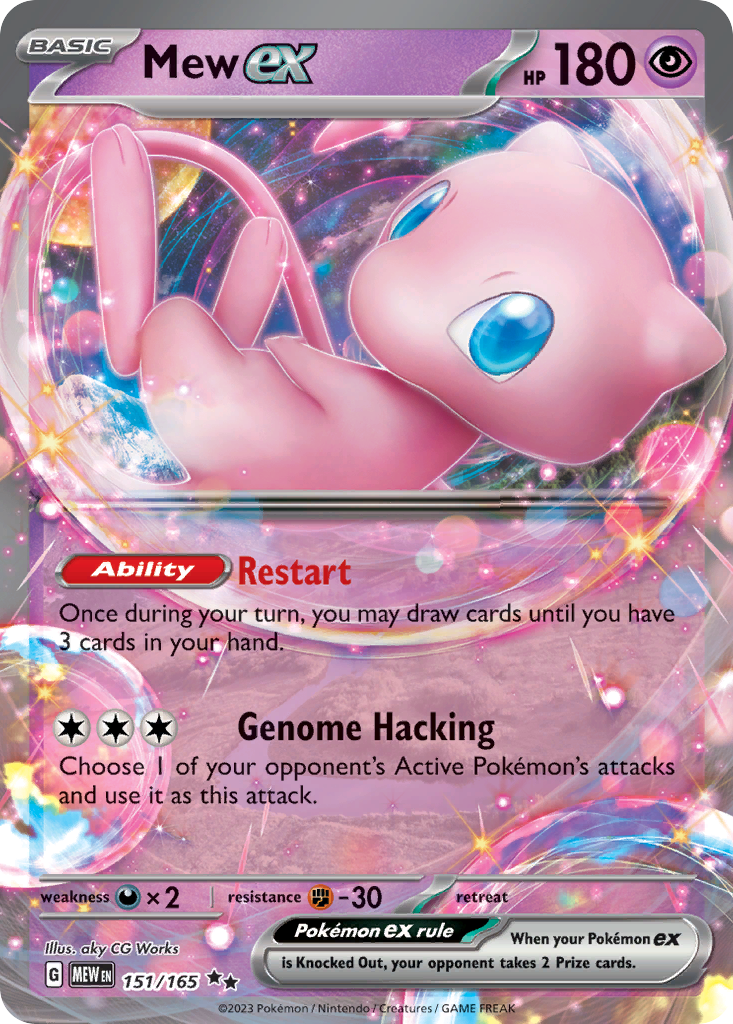
Weighing a sealed box is a popular tip in collector communities, and it can be genuinely useful — but only if you use it the way authentication guides actually intend, which is as a supporting signal rather than a standalone test. The logic is straightforward: if someone opened a box, pulled a handful of packs, and resealed it with lighter filler or fewer packs, the box will weigh less than an untouched one. SNKRDUNK's own authentication team makes the opposite point — resealers often swap in filler of similar weight, so a scale alone settles nothing. Used carefully, though, weight still helps: a box that comes in significantly lighter than a verified-authentic reference of the same specific product is a red flag for pack-swapping, but it's meant to be cross-checked against shrink-wrap and crimp inspection rather than relied on by itself.
That "verified-authentic reference of the same specific product" phrase matters more than it might seem. You cannot meaningfully weigh a modern Scarlet & Violet-era box on a kitchen scale and compare it against a number you saw in a forum post for a completely different set and call that proof of anything. What is actually documented is narrower: collectors using precision digital scales have weighed individual Scarlet & Violet-era booster packs at roughly 22 to 22.8 grams each. That gives you a per-pack building block — if you know a box should contain 36 packs, you have a rough basis for estimating what the packed contents should weigh, though the box, inner packaging, and any included promo materials add to that total in ways that vary by product. Our Scarlet & Violet-era collector's buying guide covers per-set specifics if you want more context on that generation of product specifically.
Be skeptical of any guide — including ones you might see elsewhere — that gives you a fixed gram threshold and tells you a box is fake below that number. Some blogs cite specific weight thresholds for vintage boxes, and a commonly repeated claim states that modern counterfeit boxes run "15 to 40 grams lighter" than authentic ones. Both of those figures trace back to informal collector sources without a published methodology, sample size, or controlled testing behind them, and real-world weight also varies with the specific scale's calibration and the packaging print run. Treat weight thresholds you find online as rough, community-repeated heuristics rather than lab-verified constants, and whenever possible, weigh your item against a specific known-authentic unit of the same product rather than trusting a number from a blog post.
Red Flags by Product Type: Booster Boxes, ETBs, Collection Boxes, and Packs
Every product type shares the underlying shrink-wrap and weight principles above, but each one also has its own specific weak points that counterfeiters and resellers tend to miss. The table below organizes the highest-value checks by product type, drawing only on the specific details documented in the sections above.
| Product Type | Key Red Flag | What Genuine Looks Like |
|---|---|---|
| Booster Box | No product code printed above the barcode on the bottom panel; shrink wrap lacks the T-shaped seam or embedded logo | Numeric code present above the barcode; wrap seam clusters near the middle of the top/bottom panels with a small embedded Pokemon Company logo and tiny air-release holes |
| Elite Trainer Box | Mismatched accessory kit — wrong dice color or style, wrong sleeve art, missing or incorrect condition markers versus official product photos | Exact official accessory set (sleeves, dice, Energy cards, condition markers, and a promo card on Scarlet & Violet-era and special-expansion boxes) matching the manufacturer's own product photos |
| Collection Box | No published product-specific forensic guide exists yet for this format, so apply the same shrink-wrap seam/cut-line checks and a weight comparison against a known-authentic unit of the same specific box | Same wrap and weight behavior as booster boxes and ETBs of the same print run |
| Single Pack | Uneven crimp width, melted or overly glossy foil edges, or a crimp pattern that doesn't match the other packs in the same box | Even, consistent crimp width and clean foil edges that match the sibling packs from the same box |
Elite Trainer Boxes deserve extra attention because they are structurally different from a straightforward box of packs. Counterfeit checks for ETBs commonly focus on the fixed accessory kit — the specific set of card sleeves, dice, Energy cards, and condition markers that ship with every official unit, plus a promo card on Scarlet & Violet-era boxes and special expansions — because that bundle is comparatively hard for a counterfeiter to fully replicate down to the exact art and materials. Mismatched sleeve art, the wrong dice color or style, or condition markers that are missing or don't match the official product photos are all cited as tells specific to this format. If you're shopping for sleeves, binders, or toploaders to protect whatever you pull, our accessories buying guide covers what to look for there, and once cards are out of the box, knowing how to grade their condition accurately — covered in our card condition guide — matters just as much as verifying the box was genuine.
At the individual pack level, community authentication guides describe genuine heat seals and crimps as showing even, consistent crimp width and clean foil edges that match the other packs pulled from the same box. The reseal indicators are the mirror image of that: uneven crimp pressure, melted or unusually glossy edges, or a crimp pattern that simply doesn't match its sibling packs. This check works best when you have more than one pack from the same box to compare side by side, which is one more reason buying a full box from a trusted source, rather than loose packs from an unknown seller, reduces your exposure to this specific kind of tampering.
Two Real Cases: The Hidden Fates Reseal and a Seven-Figure Customs Seizure
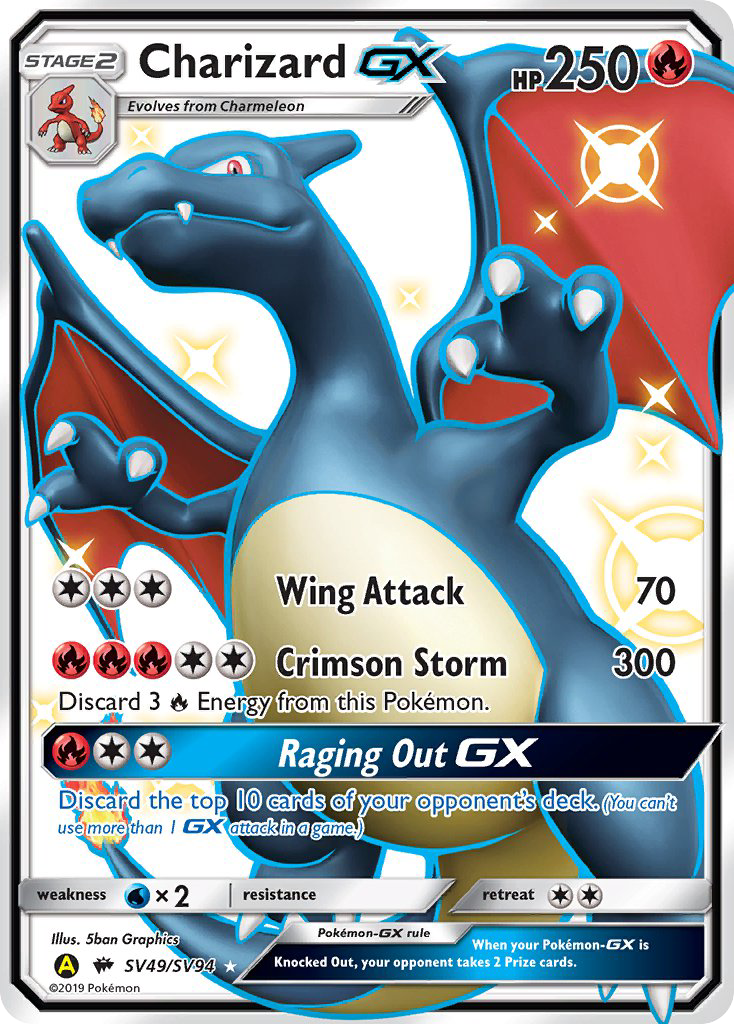
Abstract red flags are useful, but it helps to see what this actually looks like when it happens. The 2020 Hidden Fates incident is one of the most widely documented real cases in the collecting community. Hidden Fates product reappeared on store shelves at retailers including Walmart roughly a year after the set's initial nationwide sellout — a set that had sold out fast largely because of its Shiny Charizard GX chase card. Collectors who bought and inspected these later-arriving units documented on video that the packaging showed clear signs of having been opened before: chase cards had been pulled, and the boxes had been reglued and resealed rather than being genuine, untouched factory-sealed retail stock. The lesson here isn't "never trust Walmart" — it's that shelf placement at a major retailer is not, by itself, proof that a box hasn't been tampered with somewhere between the manufacturer and the shelf. The same wrap and seam checks covered earlier in this guide are exactly what would have caught this before purchase.
The second case shows the scale of the counterfeit supply chain itself, even though it involves figures rather than cards. According to U.S. Customs and Border Protection's own published seizure announcements, the agency seized more than 206,000 counterfeit Pokemon action figures at the Harrisburg, Pennsylvania port of entry across two separate 2020 seizures originating from Hong Kong — roughly 86,400 units in a May seizure and another 120,480 units in a June seizure — with a combined estimated genuine retail value of roughly $1.4 million. That is not a small side operation; it's an industrial-scale counterfeiting pipeline large enough to warrant federal seizure action twice in two months at a single port. It is reasonable to assume that a supply chain capable of producing and shipping that volume of counterfeit figures is also capable of producing convincing counterfeit sealed card product, which is part of why the specific, checkable physical details in this guide matter more than a general sense that "it looks fine."
Third-Party Authentication: What PSA (and Not CGC) Currently Offers
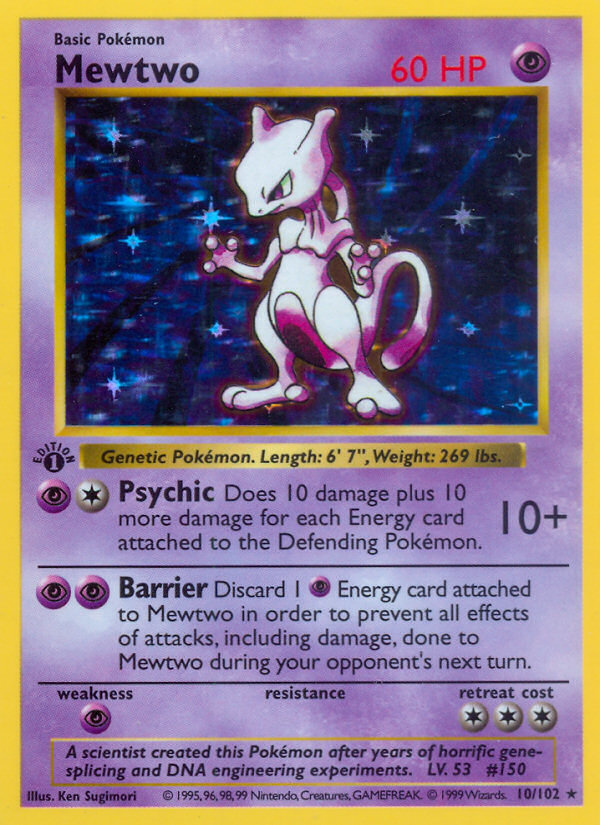
If you'd rather not rely entirely on your own inspection, professional authentication does exist for sealed product — but only from one major grading company at the moment. PSA operates a dedicated Unopened Pack Grading service, in which a specialized team of sealed-product authenticators inspects seal integrity on individual sealed packs and checks for evidence of resealing, repair, or restoration before assigning a grade. Every unit PSA authenticates gets encapsulated in a tamper-evident, sonically sealed holder, and PSA has added an embedded security hologram to the insert labels used in those holders specifically as an anti-counterfeiting measure — meaning the authentication process itself is designed to resist the exact kind of tampering this guide is about.
CGC, by contrast, does not currently offer a sealed booster-box or pack grading service — its trading-card grading covers individual cards only. Collectors asking about it on CGC's own community forums get the same answer, which leaves PSA as the main third-party grader assigning numeric grades to sealed Pokemon packs. It is not the only sealed-product authentication option, though: Baseball Card Exchange (BBCE) has authenticated sealed boxes for years, verifying that the factory wrap is original and untampered rather than assigning a condition grade. That status could change; grading companies do expand their service lines, so it's worth checking each company's current offerings directly before assuming this is permanent. For now, though, if professional sealed-product authentication matters to your purchase, PSA is the practical option. If you're weighing grading services more broadly — for loose cards rather than sealed boxes — our comparisons of PSA vs. BGS vs. CGC grading and CGC vs. PSA for vintage Pokemon cover the card-grading landscape in more depth, and our guide to authenticating vintage slabs and packs is a useful next read if you're buying older sealed product specifically.
Whether third-party grading is worth the cost and turnaround time for your specific situation is its own question — one we cover in general terms in is TCG card grading worth it. For most buyers, the physical inspection techniques covered earlier in this guide will do most of the work; PSA's sealed-pack service is most valuable for high-dollar vintage purchases where the cost of professional authentication is small relative to what's at stake.
FAQ & Quick Reference
Is it actually illegal to sell counterfeit Pokemon cards? Yes. Counterfeit cards infringe the intellectual property that Nintendo, Creatures Inc., and Game Freak hold jointly through The Pokémon Company, and Creatures Inc. — the TCG's developer — has pursued legal action in recent years against counterfeit sellers and manufacturers, with rights holders routinely working with auction platforms to suspend counterfeit listings.
Where do most fake Pokemon cards actually come from? According to Pokemon's own official support site, reports of counterfeit card sales originate from flea markets more than from any other type of seller, though online marketplaces carry real risk too.
Can PSA grade a sealed, unopened booster box? No — PSA grades individual sealed packs, not whole boxes. PSA's Unopened Pack Grading service inspects seal integrity and checks for signs of resealing, repair, or restoration before assigning a grade, and encapsulates authenticated units in a tamper-evident, sonically sealed holder with an embedded security hologram.
Does CGC grade sealed Pokemon product? As of this research, no. CGC's trading-card grading covers individual cards only, and collectors on CGC's own forums confirm PSA is currently the only major third-party authenticator offering a sealed-product service. Check each company's current service list directly, since this could change.
If a box is lighter than I expected, does that prove it's fake? No. Authentication guides consistently frame weight as a supporting signal, not standalone proof. A significantly lighter box is a red flag worth investigating further, but it should be cross-checked against shrink-wrap seam inspection and crimp checks rather than relied on alone.
What's the fastest check I can do while standing in a store? Look at the shrink wrap's seam and cut line first. Genuine wrap forms a T-shaped seam clustered near the middle of the top and bottom panels, has smooth shrink lines without folds, creases, or pillowy corners, and (on Japanese product) has a side cut line that curves naturally rather than running perfectly straight.
Is product bought from a big-box retailer like Walmart or Target automatically safe? Not automatically. The 2020 Hidden Fates incident showed genuine-looking product reappearing on major retail shelves weeks after a sellout, with packaging that had actually been opened, had chase cards pulled, and been resealed before it went back on the shelf.
Do the QR codes and anti-counterfeit stickers on some boxes come from an official Pokemon Company verification system? That isn't confirmed. Region-specific features like the anti-counterfeit code and holographic sticker on Chinese-exclusive 151 slim boxes function as printer- or distributor-level security measures, not a scannable database run directly by the Pokemon Company, so treat them as physical details to inspect rather than something you can look up online.
Verdict: Check the Physical Details, Not Just the Price.
A good price and a confident seller are not authentication. The seam geometry of the shrink wrap, the presence of a product code above the barcode, the crimp consistency across packs from the same box, and a weight comparison against a known-authentic reference are all things you can check yourself in a few minutes, and together they catch the overwhelming majority of counterfeit and resealed sealed product before you pay for it. Save PSA's sealed-pack authentication for the high-dollar vintage purchases where professional certification is worth the cost, and treat every other purchase to the checks in this guide first.
© GEEKYDOMAIN.COM | Strategy Powered by Data