

PSA vs BGS vs CGC: A Cross-Game Comparison
Three companies dominate trading card grading — and the right one depends on your card, your game, and your goal. Here's how PSA, BGS, and CGC stack up across every major hobby.
Getting a card professionally graded does three things: it authenticates the card, assigns a numeric condition grade, and seals it in a tamper-evident slab. For the right cards, that can meaningfully increase value and make them far easier to sell. But which company you choose matters as much as the grade itself — the name on the slab affects resale value, the pool of buyers who trust it, and how long you'll wait.
Three names lead the field: PSA, BGS (Beckett), and CGC. Each has a distinct personality — one rules resale, one specializes in detail, one is the fast-rising challenger — and each is stronger in some games than others. There's no single "best" grader, only the best grader for a specific card and purpose.
This guide compares all three across scales, subgrades, resale value, and turnaround, then breaks down which to use for each game. One honest caveat: grading prices, turnaround times, and market premiums shift constantly — and the industry has just been through a wave of consolidation — so treat the specifics here as a current snapshot and confirm details on each company's site before submitting.
The Short Version
PSA is the recognition and resale leader — its grade is the most liquid in the hobby, and it dominates sports and English Pokémon, though it's weak in Magic. BGS is the detail specialist, with four subgrades and the prestigious Black Label perfect 10, and it shines for vintage and presentation. CGC is the fast, competitively priced independent that's strongest in TCG — Magic, Yu-Gi-Oh, and especially Japanese Pokémon. Notably, in December 2025 PSA's parent company (Collectors) acquired Beckett, having already bought the sports grader SGC — leaving CGC as the only major grader outside that family. Match the grader to your card, your game, and whether you're chasing resale value, detail, or budget.
Should You Grade This Card?
Answer seven quick questions and get a practical recommendation: PSA, BGS, CGC, or keep it raw for now. Because not every card needs a plastic tomb. Some do. Many absolutely do not.
1. What kind of card are you thinking about grading?
2. What is the main reason you want to grade it?
3. Roughly what is the card worth raw?
4. How confident are you in the condition?
5. How do you feel about fees and turnaround?
6. Who is the likely buyer or audience?
7. Which special case fits best?
PSA
Why this fits
Your grading score
Grading prices, turnaround times, and resale premiums change constantly. Before submitting, check current fees and recent sold comps for your exact card. The slab is not magic. It is plastic with consequences.
→ More Collector Reading
In This Guide
What Grading Actually Does
A grading company evaluates a card on a scale topping out at 10, judging centering, corners, edges, and surface. It then encapsulates the card in a sealed case with a label showing the grade and a unique certification number you can verify online. The result is a card that's authenticated, condition-locked, and protected.
For high-value or condition-sensitive cards, that does two valuable things. It removes the buyer's uncertainty about authenticity and condition, and it standardizes value — a graded card trades on a known, comparable grade rather than a seller's subjective "near mint." That's why a clean copy of a sought-after card is often worth substantially more graded than raw.
Crucially, the grader is part of the value. The same card in a PSA, BGS, or CGC slab can sell for different amounts to different buyers, because each company has its own reputation, buyer pool, and pricing data. Choosing the right one is a real decision, not just a formality.
The 2026 Landscape
Before comparing the three, one big structural change is worth knowing. In December 2025, PSA's parent company, Collectors, acquired Beckett — having already bought the sports-focused grader SGC in early 2024. Collectors has said Beckett will continue to operate as an independent brand with its own standards and no immediate pricing changes, but it now sits under the same corporate umbrella as PSA, a family of brands that together accounts for the large majority of all cards graded.
The practical upshot is that CGC is now the only major grader outside the Collectors family — a position that has only accelerated its growth among trading card collectors. The consolidation has also drawn scrutiny: calls for a federal antitrust review followed within days of the announcement, and litigation over the roll-up was underway by spring 2026. It's a fast-moving situation, which is one more reason to verify current pricing and turnaround directly before you commit to a submission.
PSA: The Recognition Leader
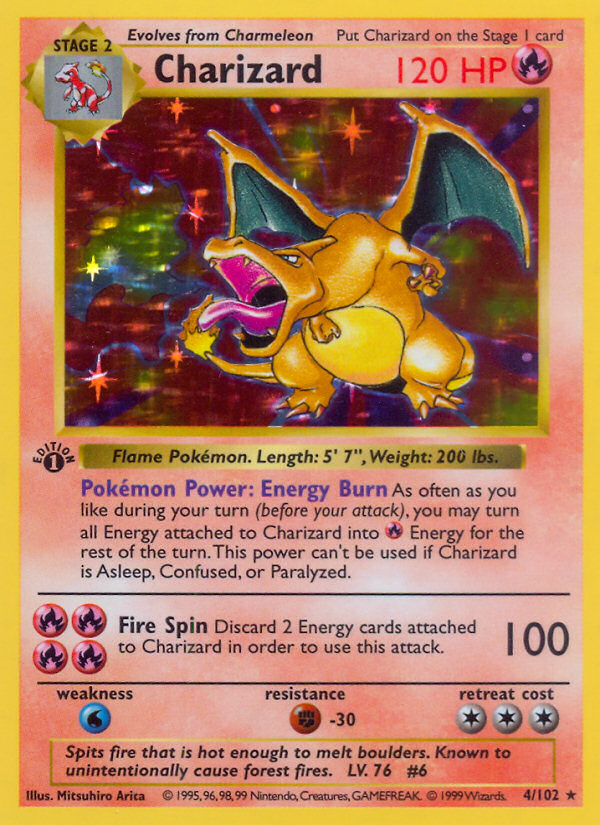
PSA (Professional Sports Authenticator) is the biggest and most recognized grader in the hobby, holding the dominant share of overall card submissions and near-universal name recognition. Its 1–10 scale, topped by the coveted PSA 10 Gem Mint, is the standard everyone knows.
Strengths
The highest resale premiums and most liquid grade in the hobby; the deepest buyer pool; the best population reports and market data; and dominance in vintage sports and English Pokémon. If maximum resale value is the goal, PSA is usually the answer.
Weaknesses
It's typically the priciest option (the so-called "PSA tax"), turnaround at the cheaper tiers can be slow, and it has never really cracked the Magic: The Gathering market — PSA 10s simply don't command the same premiums there.
Best for: anything you plan to sell, vintage sports cards, English Pokémon across all eras, and any card where universal recognition and maximum liquidity are the priority.
BGS: The Subgrade Specialist

Beckett Grading Services (BGS) distinguishes itself with four subgrades — centering, corners, edges, and surface — printed prominently on the label. Instead of a single number, you see exactly why a card earned its grade, which serious collectors prize. Its crown jewel is the Black Label: a perfect 10 across all four subgrades, widely considered the most prestigious grade in the hobby.
Strengths
Unmatched transparency through subgrades; a Black Label premium that's real and documented and can exceed a PSA 10 for certain cards; strong resale in vintage sports and recognition for modern chrome and Prizm products; and historically consistent turnaround at comparable tiers.
Weaknesses
For straight resale, a standard BGS 9.5 generally trades below a PSA 10, so the gap to PSA is real on many cards. The cases are bulkier, and in the TCG space CGC has been steadily taking ground.
Best for: collectors who want subgrade detail and transparency, anyone chasing the prestige of a Black Label, vintage sports where subgrades justify premium prices, and personal collections where presentation matters.
CGC: The Independent Challenger
CGC (Certified Guaranty Company) entered card grading in 2020, backed by more than two decades of collectibles-authentication heritage through its sister companies. It has grown fast on competitive pricing, quicker turnaround, and strong appeal among TCG collectors — and it's now the leading independent alternative. Its top grade, the Pristine 10, is genuinely harder to earn than a PSA 10.
Strengths
Lower entry pricing and faster turnaround than PSA at comparable tiers; display-friendly slabs with strong UV protection and visibility; and real strength in TCG — particularly Magic, Yu-Gi-Oh, and especially Japanese and non-English Pokémon, where its expertise is most respected. The resale gap to PSA has narrowed considerably on many modern cards.
Weaknesses
Sports-card resale still trails PSA and BGS, and on high-value English Pokémon a PSA 10 generally still commands more. Like the others, its cheapest bulk tiers can take months.
Best for: modern TCG submissions, Magic: The Gathering, Japanese Pokémon, Yu-Gi-Oh, budget-conscious grading, personal collections, and collectors who value its TCG expertise.
By Game: Which Should You Use?
Here's the cross-game payoff — the grader that tends to serve each hobby best:
- Sports cards → PSA for maximum resale and liquidity, especially vintage; BGS for subgrade detail, Black Labels, and discerning vintage buyers. CGC trails both for sports resale.
- English Pokémon → PSA is the default and holds the strongest resale, particularly for valuable and vintage cards; CGC is an excellent, often smarter choice for modern and lower-value cards where its pricing and speed shine.
- Japanese Pokémon → CGC has built the strongest expertise and recognition for Japanese and non-English sets among serious collectors.
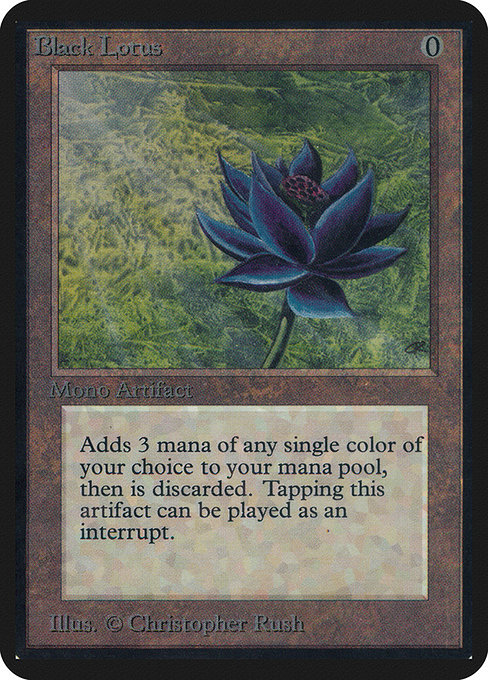
- Magic: The Gathering → CGC is generally your best bet — competitive pricing, fast turnaround, and solid recognition. PSA has never gained much traction in Magic, so its 10s don't carry the usual premium here. (Whether to grade Magic at all is its own question — see our guide to grading MTG cards.)
- Yu-Gi-Oh → CGC has solid acceptance and a growing collector base in the Yu-Gi-Oh space.
- Newer TCGs (Lorcana, One Piece, Gundam) → Both PSA and CGC grade modern TCG. CGC's lower entry cost makes it appealing for cards with modest resale potential, while PSA may edge out on the genuine chase cards — check recent sales for your specific card before deciding. For Lorcana specifically, we've covered which grader suits Enchanted cards and whether your pull is worth a PSA 10 in dedicated guides.

Cost, Turnaround & When to Grade
In broad strokes: PSA is the most expensive but delivers the highest resale; BGS offers an inexpensive base tier good for simple authentication; and CGC tends to be competitively priced with faster turnaround. All three offer a spectrum of service levels, from quick express tiers to budget bulk tiers that can take several months — so price and speed move together, and the cheapest option is rarely the fastest.
The bigger question is whether to grade at all. Grading fees, shipping, and insurance add up, so a card needs enough value (or personal meaning) to justify the cost. A useful rule of thumb: very cheap raw cards generally aren't worth grading unless they're for your personal collection, while higher-value or condition-sensitive cards are where grading pays off. Many collectors split submissions — sending vintage to PSA and modern to CGC to optimize both cost and resale. (For the full cost-benefit framework, see our guide on whether grading is worth it.)
Check current details first.
Grading fees, turnaround windows, and resale premiums change frequently, and the recent consolidation is still settling. Before submitting, confirm current pricing and turnaround directly with the company, and check recent graded sales of your specific card to see whether grading — and which grader — actually adds value. Treat every figure here as a 2026 snapshot, not a fixed rule.
Every major grader wants semi-rigid holders — toploaders add handling risk and can hold up your submission. And if you'd rather skip the wait, buying already-slabbed is often cheaper than grading raw.
As an Amazon Associate, Geeky Domain earns from qualifying purchases. eBay links are affiliate links; Geeky Domain may earn a commission at no extra cost to you.
Common Grading Mistakes
A few avoidable errors cost collectors money and time:
Defaulting every card to one grader.
Different cards suit different graders. Split submissions strategically — vintage to PSA, modern TCG to CGC — to optimize both cost and resale.
Assuming any slab adds the same value.
The grader and the game both matter. A CGC slab is ideal for Magic but trails PSA for sports resale; picking the wrong one for the category leaves money on the table.
Grading cheap cards.
Fees, shipping, and insurance can easily exceed what a low-value card gains from a grade. Unless it's for your personal collection, those cards are usually better left raw.
Expecting a perfect 10.
Top grades are demanding — a PSA 10 alone requires very tight centering. Plenty of beautiful-looking cards come back as 8s or 9s, so budget your expectations (and money) around a realistic grade.
Grading FAQ
- Does grading guarantee a profit? No. Between fees and the risk of a lower-than-hoped grade, it's entirely possible to spend more than the grade adds. Grade for genuine value-add or personal reasons, and check recent graded sales of your exact card first.
- Is a cheaper grader just lower quality? Not at all. CGC's lower fees don't mean looser grading — its Pristine 10 is actually harder to earn than a PSA 10. The difference is mostly market recognition and resale by game, not grading rigor.
- Can I crack a slab and regrade? Yes — collectors do this to chase a higher grade or switch companies, but it means paying fees again and risking damage. With the PSA-to-CGC resale gap narrowing on modern cards, the math for regrading is tighter than it used to be, so run the numbers first.
- Which grades actually hold value? The top grades carry the premiums — a PSA 10, a BGS 9.5 or Black Label, or a CGC 10 / Pristine 10 in the right game. Mid grades on common cards add little, another reason to grade selectively.
Quick Reference
- PSA: recognition & resale king; best for sports and English Pokémon; priciest; weak in Magic.
- BGS: four subgrades + the prestigious Black Label; great for vintage and presentation.
- CGC: the independent; fast, affordable; best for Magic, Yu-Gi-Oh, and Japanese Pokémon.
- Ownership: PSA's parent (Collectors) bought SGC in 2024 and Beckett in late 2025; CGC is the last major independent.
- Resale gap: PSA 10 still leads, but CGC's gap has narrowed on many modern cards.
- When to grade: high-value or condition-sensitive cards, or personal grails — rarely cheap bulk.
Match the Grader to the Card.
There's no universally best grading company — only the best fit for a given card, game, and goal. Reach for PSA when resale value and recognition lead, especially in sports and English Pokémon. Choose BGS when you want subgrade detail or the prestige of a Black Label. Pick CGC for Magic, Yu-Gi-Oh, Japanese Pokémon, and modern TCG, or whenever speed and price matter most. Make that choice deliberately and your graded cards will hold their value with the right audience.
Decide what your card needs, confirm current fees and recent sales, and submit with confidence.
Build & Protect Your Collection:
© GEEKYDOMAIN.COM | Strategy Powered by Data