

Some skills carry over cleanly from one card game to the next. Others actively mislead you. Here's the general pattern behind which is which.
Every trading card game has its own specific rules, but experienced players moving between games consistently report the same experience: some instincts transfer almost immediately, while others need to be actively unlearned before they stop causing mistakes. That pattern isn't random — it follows from what kind of skill it actually is underneath the specific rules.
Understanding this general pattern is useful whether you're picking up a second TCG for the first time or trying to figure out why your experienced instincts in one game are occasionally working against you in another.
This guide covers the categories of skill that transfer cleanly, the categories that don't, and how to tell the difference as you're learning a new game.
→ Short Version
Resource-management thinking transfers almost universally — card advantage, tempo, and curve concepts apply across nearly every TCG despite different specific mechanics. Meta-game reading skills transfer directly — recognizing archetypes, understanding matchup theory, and adapting a deck to a known field are transferable regardless of the specific game. Exact rules interactions do not transfer — assuming a keyword or mechanic works like its nearest equivalent in a game you already know is a reliable source of early mistakes. Win-condition assumptions are the most dangerous non-transfer — different games measure victory differently, and importing the wrong mental model here costs the most games.
→ Related Reading
In This Guide
The General Pattern
Skills that transfer well tend to be conceptual — they describe a category of decision-making that shows up in some form across nearly every competitive card game. Skills that don't transfer well tend to be specific — they describe exactly how one game's particular rules resolve a particular interaction, which has no reason to match a different game's rules just because the vocabulary sounds similar.
The practical danger isn't in skills that obviously don't transfer — nobody expects Magic's stack to appear unchanged in a completely different game. The danger is in skills that sound like they should transfer because the surface vocabulary is similar, when the underlying mechanic is actually different.
| Skill Category | MTG → Lorcana | MTG → Fusion World | Pokémon → Gundam | Any → Any |
|---|---|---|---|---|
| Resource / Curve Management | ✓ Transfers | ✓ Transfers | ✓ Transfers | ✓ Universal |
| Card Advantage Evaluation | ✓ Transfers | ✓ Transfers | ✓ Transfers | ✓ Universal |
| Meta-Game Reading | ✓ Transfers | ✓ Transfers | ✓ Transfers | ✓ Universal |
| Deckbuilding Theory | ✓ Transfers | ✓ Transfers | ~ Partial | ✓ Mostly |
| Combat / Interaction Rules | × Misleading | × Misleading | × Misleading | × Relearn |
| Keyword / Mechanic Details | × Misleading | × Misleading | × Misleading | × Relearn |
| Win-Condition Assumptions | × Dangerous | ~ Partial | × Dangerous | × Verify |
✓ = transfers cleanly | ~ = partially transfers | × = needs fresh learning or actively misleads
Resource Management Transfers Almost Universally
Nearly every competitive TCG has some version of a resource curve — a currency you spend to play cards, gated by a growing pool available each turn. The underlying skill of building a smooth curve, avoiding both resource-flood and resource-drought, and sequencing plays to make efficient use of available resources each turn transfers cleanly regardless of what the specific resource is called or how it's generated.
Card advantage as a concept — getting more value out of a card than it cost you, or trading evenly rather than at a loss — is similarly universal. The specific tools that generate card advantage differ by game, but the underlying evaluation of whether a given exchange is favorable transfers directly.
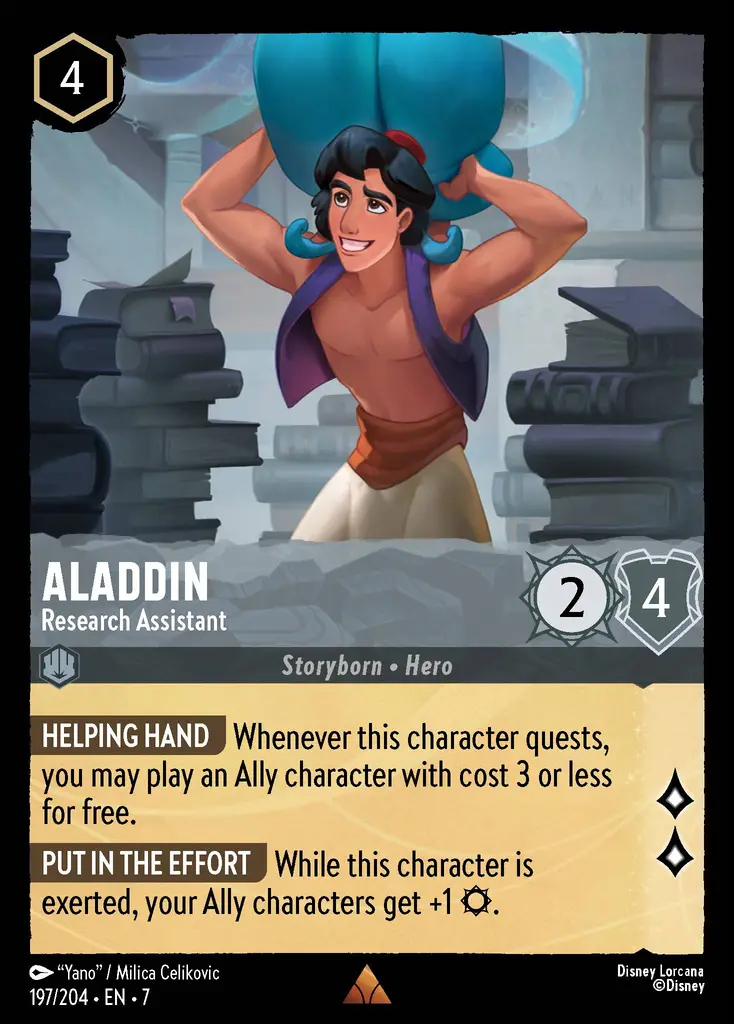
What makes this transfer so reliable is that the math underneath is the same even when the surface looks completely different. A Magic player who understands that a four-mana card needs to do more than a three-mana card to justify the extra investment already knows how to evaluate Lorcana's ink curve, Fusion World's energy costs, and Gundam's resource sequencing — the numbers change but the principle that every resource point spent needs to earn its keep does not. This is also why experienced players tend to build cleaner curves in a new game almost immediately: they are not learning the concept from scratch, just applying a known framework to new specifics. The gap between a veteran player and a true beginner is most visible in exactly this kind of decision, where the underlying logic is identical even though the cards and keywords are entirely unfamiliar.
Meta-Game Reading Transfers Directly
The skill of recognizing that a competitive format has identifiable archetypes, that those archetypes have known strengths and weaknesses against each other, and that deckbuilding and sideboarding decisions should account for the expected field rather than just raw power level — this is a genuinely universal competitive skill. An experienced player picking up a new game usually adapts to its specific meta faster than a total beginner, purely because they already know how to think about a meta-game as a concept.
This extends to practical habits too: testing against the field's actual top decks rather than just theorizing, tracking how a format shifts after a new set or ban, and building with specific matchups in mind rather than a vacuum — all of this transfers regardless of the specific game.
The less obvious part of this transfer is the emotional discipline that comes with it. An experienced meta-reader already knows that a format dominated by one archetype is temporary, that counter-strategies emerge and get countered in turn, and that the worst time to panic-buy into a deck is when it is at peak dominance and peak price. That patience and pattern recognition — knowing that today's unbeatable deck is next month's known quantity — is something you can only learn through experience, and it applies identically whether you are navigating a Magic Standard format, a Fusion World release cycle, or a Lorcana championship season.

Exact Rules Interactions Don't Transfer
This is where experienced players from one game most reliably trip up in a new one. A keyword that sounds like something from a game you already know — evasion, blocking, a two-for-one removal mechanic — frequently works differently in the specifics, even when the flavor text and general purpose are similar.
The fix is simple but requires discipline: read the exact rules text of an unfamiliar game's mechanics rather than assuming they work like the nearest equivalent from a game you already know. This is especially important for combat and interaction systems, which tend to have the most game-specific variation even when the surface vocabulary looks familiar.
Concrete examples: a Magic player's instinct to hold up mana for a counterspell has no equivalent in Lorcana — there's no stack and no instant-speed interaction. A Pokémon player used to attaching one Energy per turn may misunderstand Fusion World's energy system entirely, since it works on a fundamentally different economy. And a Gundam player coming from Magic may try to apply creature combat logic to a system where combat math and targeting rules work by different principles. In each case, the vocabulary sounds close enough to mislead.
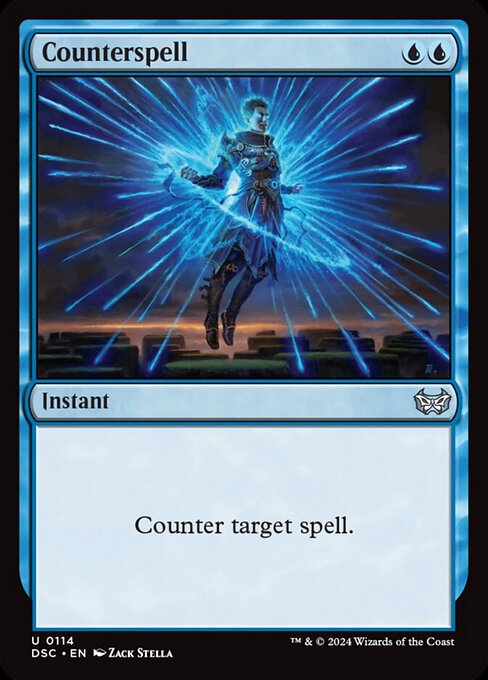

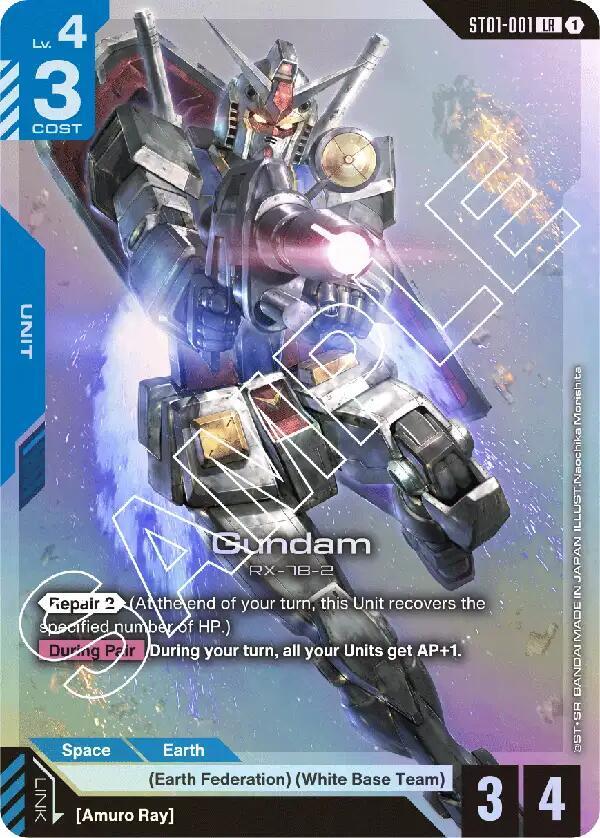
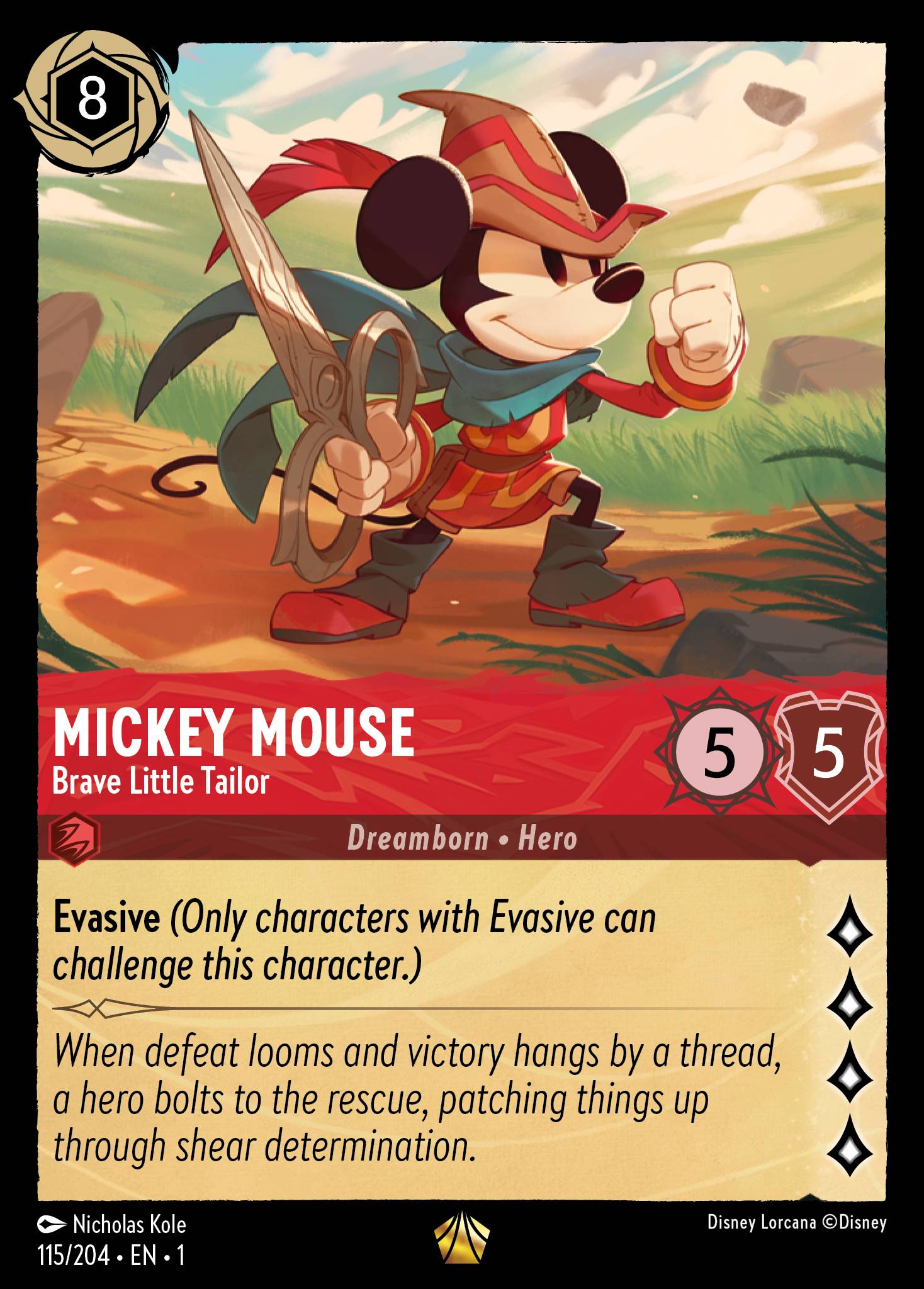
These are the "false friends" of the TCG world — instincts that feel like they should carry over because the words match, right up until they cost you a game. A few of the most common, and where to learn the real rule:
| The Instinct (From) | What You Assume | What's Actually True |
|---|---|---|
| Hold up mana to react (MTG) | You can respond on your opponent's turn | Lorcana has no stack; it's a tempo & lore race, not an instant-speed game |
| One energy per turn (Pokémon) | Fusion World energy works the same way | A different economy entirely — see Fusion World energy & curving |
| Creature combat math (MTG) | Gundam combat resolves like Magic | Different math & targeting — see Gundam combat math |
| "Evasion" / blocking (any) | Evasive keywords work identically everywhere | Each game defines its own — compare Lorcana Evasive vs. Gundam Blocker |
| Reduce life to zero (MTG/Pokémon) | Damage is how you win in Lorcana too | You win at 20 lore by questing; combat only slows them — see quest vs. challenge |
The pattern: the closer the vocabulary sounds, the more important it is to read the actual rules text before you rely on the instinct.
Win-Condition Assumptions Are the Most Dangerous
Different TCGs measure victory in genuinely different ways — reducing an opponent's life total to zero, accumulating a specific resource to a threshold, decking out an opponent, or completing some other win condition entirely. Bringing the wrong mental model of "what actually wins the game" from a previous TCG is the single most costly non-transfer, because it can lead you to optimize for the wrong outcome across an entire game rather than just misplaying one specific interaction.
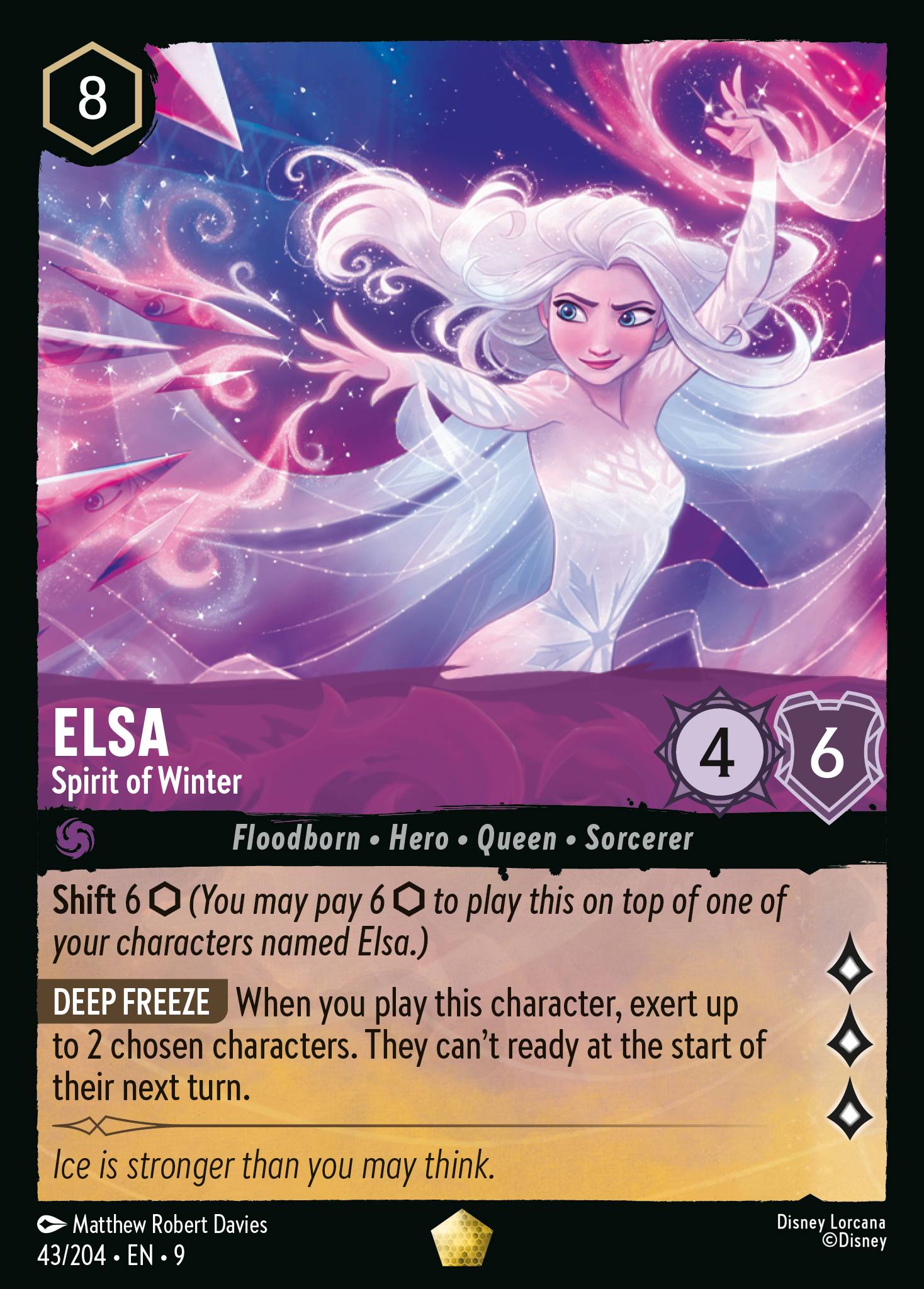
A Magic player who treats Lorcana like a combat game will lose to opponents who quest past them — Lorcana's win condition is accumulating 20 lore, not reducing a life total, and combat exists to slow the opponent's questing rather than as the victory path itself — the tempo and lore race that defines the game. Before you play a new game seriously, make sure you understand its actual win condition precisely, even if you're confident you already grasp everything else. This is the single highest-value thing to verify explicitly rather than assume.
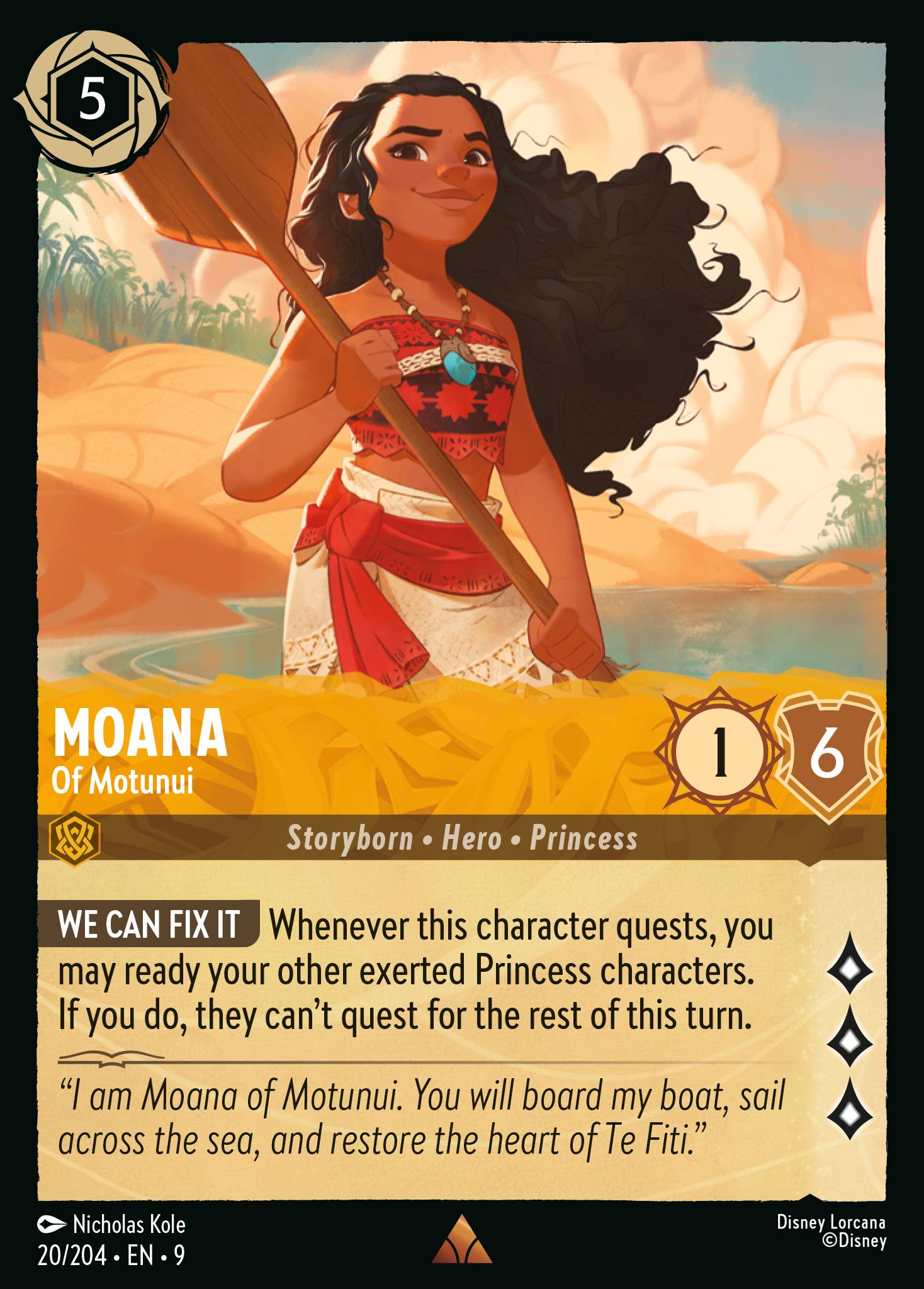
The subtlety here is that win-condition misunderstanding does not just cost you one game — it warps your entire evaluation framework. If you think the goal is to reduce a life total when the actual goal is to accumulate a resource, every card in the game gets evaluated against the wrong criteria. You will overvalue aggressive combat cards that delay the opponent but do not advance your own win condition, and undervalue efficient quest or resource generators that look unexciting but actually win games. This cascading error is why win-condition verification is the single most important step when entering a new game: getting it wrong does not produce a single misplay, it produces a systematically wrong approach to deckbuilding, mulliganing, and in-game sequencing that can persist for weeks before you identify the root cause.
A Practical Approach to Learning a New Game
Lean confidently on your resource-management and meta-reading instincts from games you already know — those are doing real work and will accelerate your learning curve. At the same time, treat every specific rules interaction as something to verify rather than assume, especially anything involving combat, targeting, or the exact win condition.
If you're moving between two specific games and want a detailed breakdown rather than this general framework, our game-specific transfer guides — like our piece on Lorcana for Magic players — go deeper on the exact differences between particular game pairs.
Do This
- Trust your resource-management instincts — they carry real value
- Apply meta-reading and matchup thinking from day one
- Verify the exact win condition before your first real game
- Read the rules text of every unfamiliar keyword, even if it sounds familiar
- Use game-specific transfer guides when switching between two particular TCGs
Avoid This
- Assuming a keyword works like its nearest equivalent in another game
- Importing combat or interaction assumptions from a different rules system
- Optimizing for the wrong win condition because it worked in your main game
- Skipping the rulebook because you're "already an experienced card game player"
- Dismissing a new game's complexity because it looks simpler on the surface
FAQ
- Does experience in one TCG make learning a second one faster overall? Generally yes — the conceptual skills (resource management, meta-reading, deckbuilding fundamentals) genuinely accelerate learning a new game, even though the specific rules still need to be learned from scratch.
- What's the single biggest mistake experienced players make in a new TCG? Assuming a keyword or mechanic that sounds familiar works exactly like its equivalent in a game they already know, rather than checking the specific rules text.
- Should I read the full rulebook of a new game before playing? At minimum, make sure you understand the exact win condition and core combat/interaction rules precisely. A full rulebook read isn't always necessary, but skipping verification on those specific points is a common source of early mistakes.
- Is deckbuilding theory universal across TCGs? The high-level theory — curve, card advantage, consistency versus power tradeoffs — transfers well. The specific tools and numbers that implement that theory vary meaningfully by game.
Trust the Concepts, Verify the Specifics.
Resource management and meta-game reading are genuinely universal skills that carry real value from one competitive card game to the next. Exact rules interactions and win-condition assumptions are exactly the opposite — they need to be verified fresh for every new game, no matter how experienced you are elsewhere.
Bring your instincts. Just don't bring your assumptions about the specifics.
© GEEKYDOMAIN.COM | Strategy Powered by Data