

Lorcana for MTG Players: What Transfers, What Doesn't
Your resource management instincts will serve you well. Your combat math and stack intuitions won't. Here's exactly what carries over from Magic and what you'll need to unlearn.
If you've spent years playing Magic: The Gathering and you're picking up Disney Lorcana for the first time, you're going to have a strange experience: some of your instincts will make you look like an expert on turn one, and others will actively lose you games until you notice what's different. Lorcana borrows real structural bones from Magic — mana-equivalent resources, a race for a win condition, deckbuilding around a two-color identity — but the actual rules underneath diverge in ways that matter a lot at the table.
This isn't a beginner's guide to Lorcana from scratch. It's a translation layer specifically for players coming from Magic, built around the assumption that you already understand card advantage, tempo, and color identity — you just need to know which of those concepts map directly and which ones will actively mislead you.
Here's what actually transfers, what doesn't, and where the two games most sharply diverge.
| Concept | Magic: The Gathering | Disney Lorcana | Transfers? |
|---|---|---|---|
| Resources | Land cards (separate from spells) | Ink (any inkable card placed face-down) | ⚠ Partial |
| Win condition | Reduce opponent to 0 life via combat damage | Accumulate 20 lore via questing (not combat) | ✘ No |
| Combat | Attackers/blockers with the stack for interaction | Challenging (a tool to remove threats, not the win path) | ⚠ Partial |
| Interaction / stack | Full priority system with response windows | No stack — effects resolve directly, far simpler | ✘ No |
| Color identity | 5 colors, multi-color decks common | 6 ink colors, max 2 per deck | ✔ Yes |
| Card advantage | Draw more cards, get 2-for-1 value | Same concept, same importance | ✔ Yes |
| Curve / tempo | Smooth mana curve, board development | Same principle — ink curve matters just as much | ✔ Yes |
| Mulligan skill | Evaluate for curve, color, early plan | Same mental exercise, different specific rules | ✔ Yes |
| Summoning sickness | Can't attack the turn a creature enters | "Drying" — similar restriction, different name | ✔ Yes |
→ Short Version
Ink works like mana but is built from your own deck — there's no separate land base, which changes deckbuilding math substantially. The win condition is lore, not life total — questing to accumulate lore replaces combat damage as the primary path to victory, and combat (challenging) is a tool in service of that race, not the race itself. There's no stack — Lorcana's rules resolve far more simply than Magic's priority system, which removes a lot of the interaction Magic players expect. Two-color deckbuilding and card advantage principles transfer almost directly — your Magic deckbuilding instincts are a real head start.
→ Related Reading
In This Guide
Ink vs Mana: Similar Function, Different Math
Lorcana's ink system does the same job Magic's mana does — it's the resource you spend to play cards — but the mechanics of generating it are fundamentally different. There's no separate land base. Instead, cards in your deck are individually marked as "inkable" or "uninkable," and you build your ink supply by placing inkable cards from your hand face-down into your inkwell, one per turn, permanently removing them from your hand as playable cards.
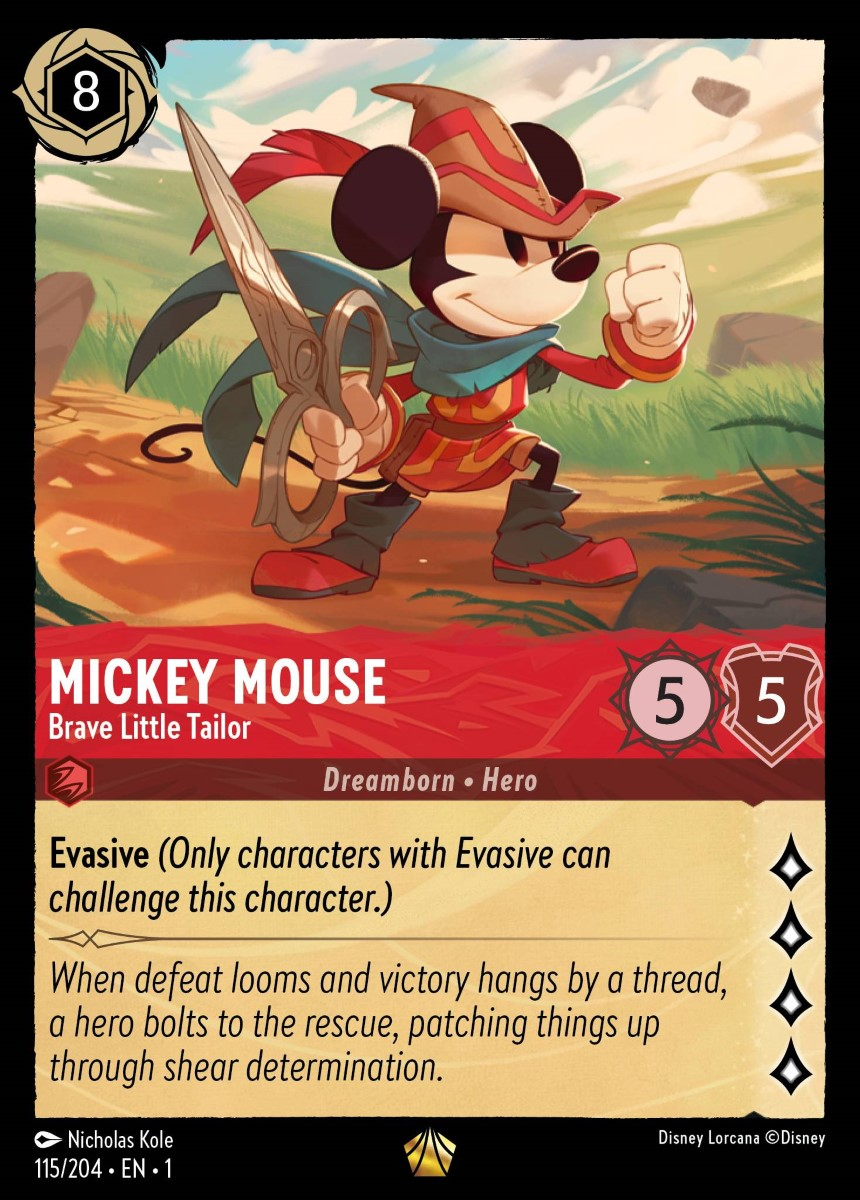
This changes deckbuilding math in a way that trips up a lot of Magic players early: every inkable card in your deck is simultaneously a spell and a potential resource, and every uninkable card is a spell only — meaning a deck top-heavy on uninkable bombs can genuinely struggle to hit its ink curve. In Magic, your land count is a separate deckbuilding decision from your spell choices. In Lorcana, that decision is baked into every individual card choice you make.
The instinct to think in terms of "curve" transfers directly — you still want a smooth distribution of costs. What doesn't transfer is treating your whole deck as spells; a meaningful chunk of your deck's job is functioning as your mana base, and ignoring that when building will cost you games.
The Win Condition Is Lore, Not Life
This is the single biggest conceptual shift for a Magic player. In Magic, combat damage to your opponent's life total is the primary win condition, and most of a game's tension revolves around that race. In Lorcana, the primary win condition is accumulating 20 lore, which you gain by questing — tapping (exerting) your characters for their listed lore value rather than attacking with them.
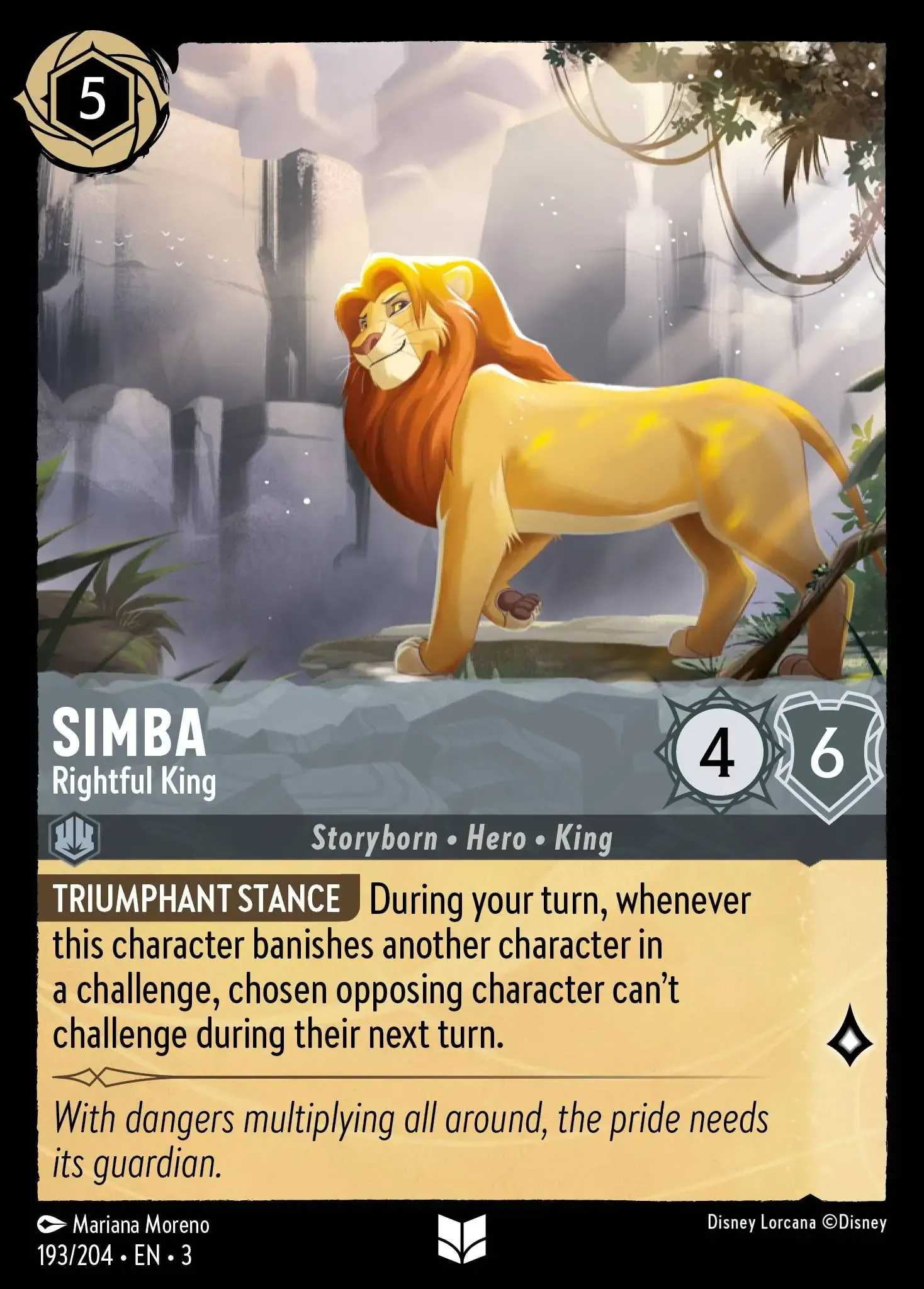
Challenging — Lorcana's version of combat — exists, but it's a tool used to remove or damage an opponent's characters so they can't block your questers, not the direct path to victory itself. A Magic player's instinct to always attack when profitable can actively cost you the game in Lorcana, because every turn spent challenging instead of questing is a turn you didn't advance your actual win condition.
Reframe your mental model: think of Lorcana less like a fight to zero and more like a race to a finish line, where combat is something you do to slow your opponent down or clear your path, not the finish line itself.
⚠ The #1 MTG Trap in Lorcana
Challenging when you should be questing. Every experienced Magic player's instinct says "attack when profitable" — but in Lorcana, every challenge that doesn't directly enable more lore is a turn you didn't advance your actual win condition. Quest first, challenge only to clear a threat that's blocking your lore race. This single adjustment wins more games for transitioning MTG players than any other.
There's No Stack
Magic's stack and priority system is one of the most intricate parts of the game — responses, counter-responses, holding priority, and resolving effects in last-in-first-out order are core to how experienced Magic players think about every interaction. Lorcana doesn't have an equivalent system. Its rules resolve far more directly, without the layered interaction windows Magic players are used to reading.
This means a lot of the "when do I respond" instincts that are second nature in Magic simply don't have an equivalent decision point in Lorcana. It's not that Lorcana lacks interaction entirely — action cards, abilities, and keywords like Ward and Bodyguard create real decision points — but the framework for thinking about them is much simpler, and trying to import stack-based thinking will mostly just create confusion rather than an edge.
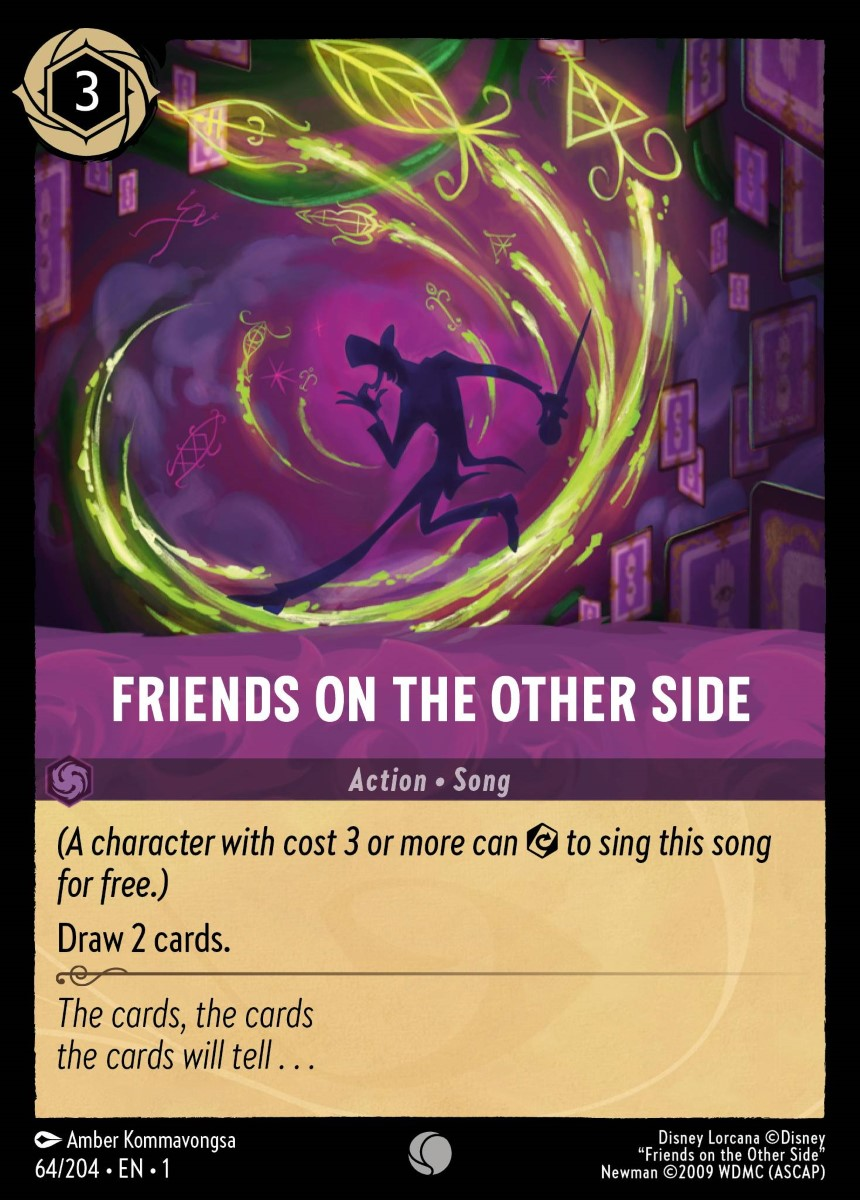
The upshot for a Magic player: Lorcana's interaction is real but shallower in mechanical complexity. Don't go looking for stack tricks that aren't there — focus instead on sequencing your quests and challenges within your own turn, which is where most of the actual decision-making lives.
What Actually Transfers Cleanly
Not everything is different, and the overlap is real. Two-color (or "two-ink") deckbuilding in Lorcana maps almost directly onto Magic's two-color archetypes — you're still choosing an identity, leaning into its strengths, and shoring up its weaknesses with your color pairing. If you've built a Magic deck around a color-pair game plan, that instinct transfers with very little translation needed.
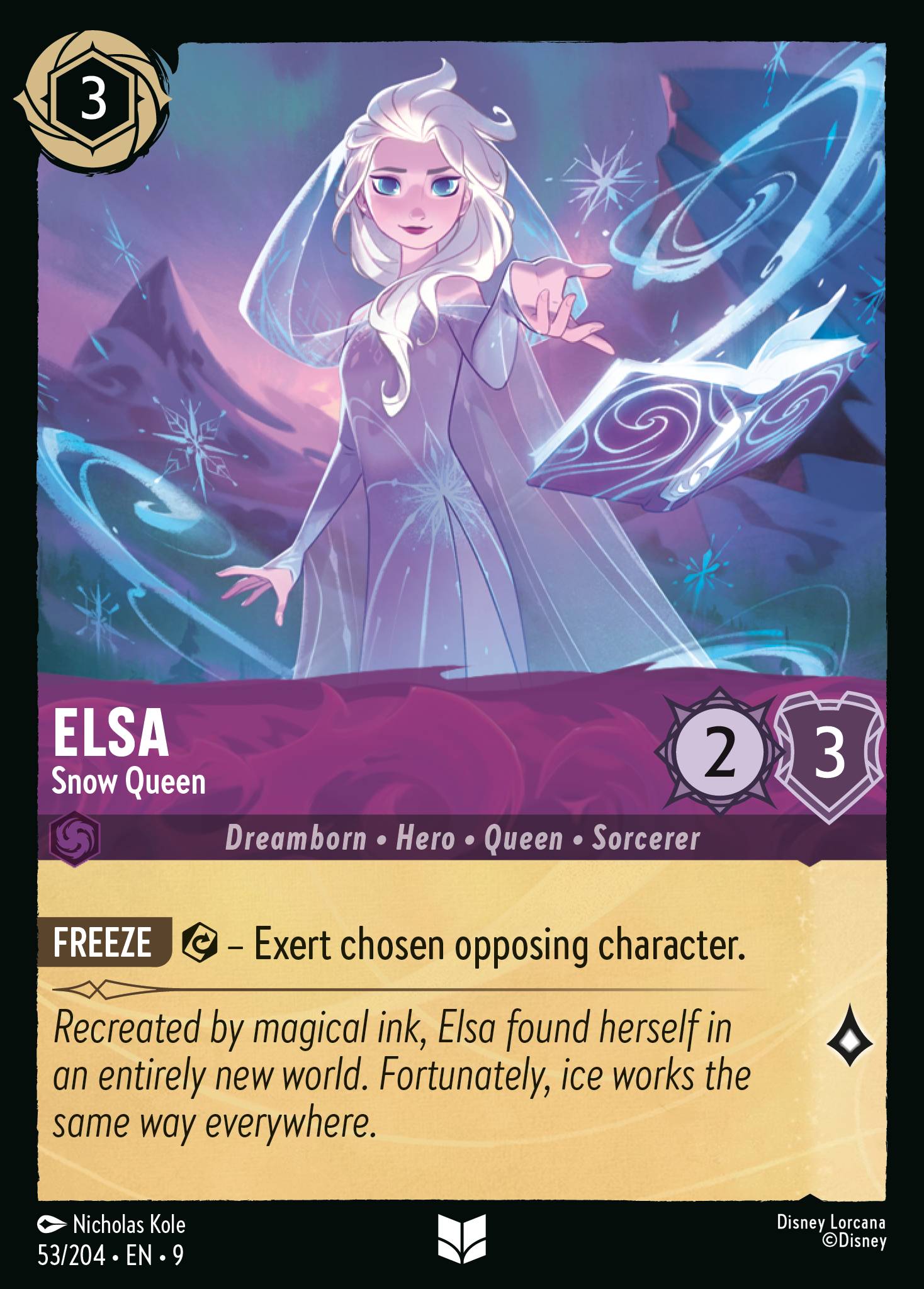
Card advantage as a concept transfers directly too — drawing more cards than your opponent, getting two-for-one value out of a single card, and not overcommitting into a board wipe are all exactly as relevant in Lorcana as they are in Magic. So does the basic tempo concept of "am I ahead or behind on board," even though the specific mechanics of combat differ.
Mulligan discipline is another clean transfer: evaluating a hand for curve, color balance, and a workable early plan is the same mental exercise in both games, even though Lorcana's mulligan mechanics differ in the specifics.
Combat: Similar Vocabulary, Different Rules
Lorcana's challenge mechanic looks like Magic combat on the surface — one character can challenge another, dealing damage based on strength — but the surrounding rules are meaningfully different. Characters generally need to have been in play since the start of your most recent turn before they can quest or challenge (a "drying" restriction similar in spirit to summoning sickness), and specific keywords change the shape of combat significantly: Evasive characters can generally only be challenged by other Evasive characters, Bodyguard characters can absorb challenges meant for others, and Resist reduces the damage a character takes in a fight.
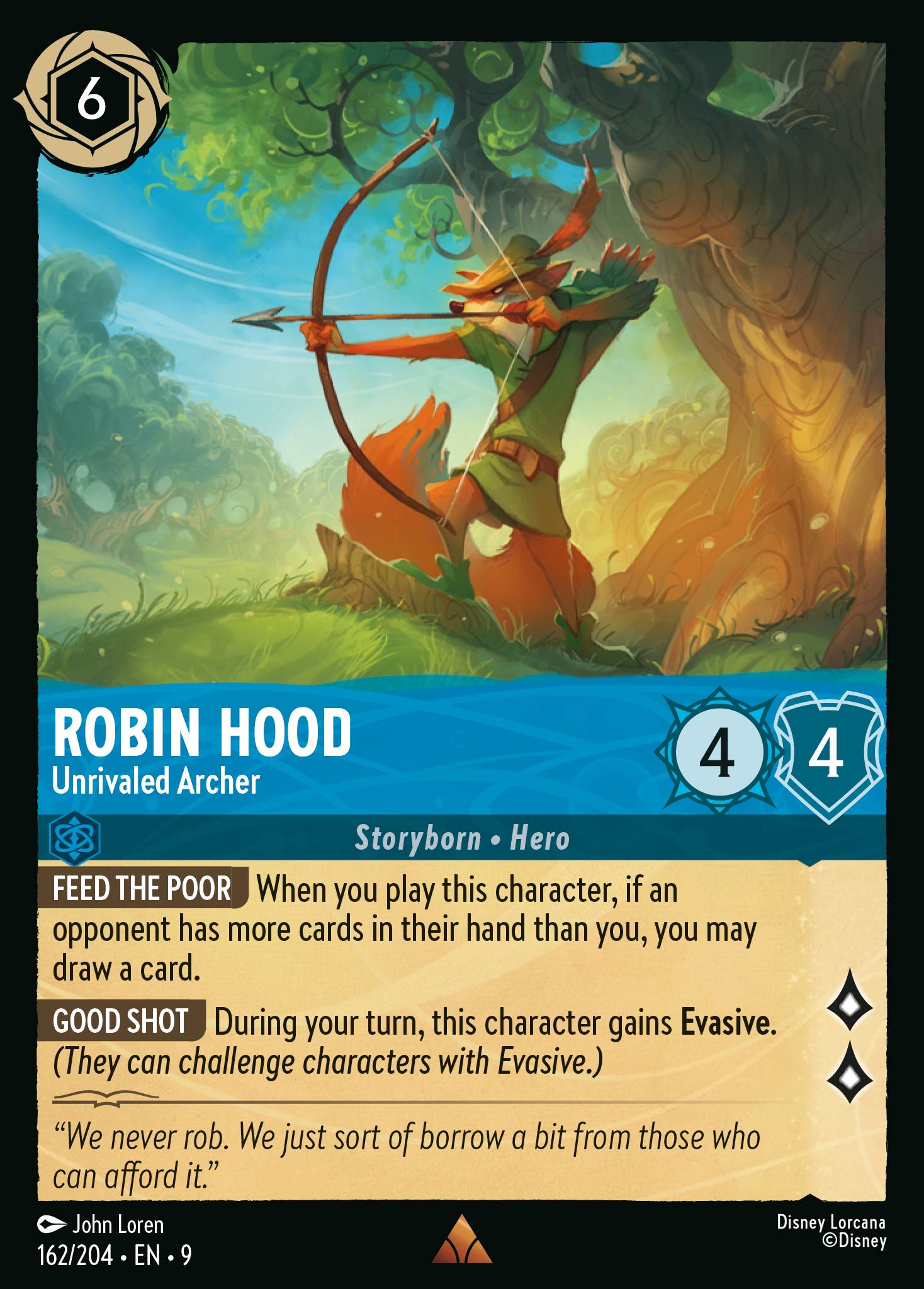
The vocabulary will feel familiar, but resist the urge to assume Magic's combat math carries over one-to-one. Read the specific keyword text on each card rather than assuming it works like the nearest Magic equivalent — the differences are exactly the kind of detail that costs a confident Magic player a game or two while they're still calibrating.
Format & Collection Differences
Lorcana currently runs a rotating Core Constructed format built around a defined set of legal sets, which is a more Standard-like experience than Magic's sprawling format ecosystem — there's no direct equivalent to Commander as the dominant casual format, though multiplayer variants exist. If you're used to Magic's format diversity, Lorcana's competitive scene is comparatively more focused around one or two primary constructed formats.
The rotation model also means that collection management works differently than in Magic's eternal formats. Cards rotate out of Core Constructed as the legal set window advances, so building a competitive collection is an ongoing investment rather than a one-time buy-in. For a Magic player used to Standard, this will feel familiar. For a Commander-primary player, the idea that your deck might become partially illegal in six months is a mindset shift worth internalizing early — our rotation guide covers the specifics.
The secondary market for Lorcana operates on similar principles to Magic's but at a smaller scale. High-demand Enchanted-rarity cards can command premium prices comparable to Magic mythics or serialized variants, while competitive staples generally settle into more modest price points. One important difference: Lorcana's smaller card pool means individual meta shifts can move prices more dramatically than in Magic, where a larger card pool absorbs format changes more gradually.
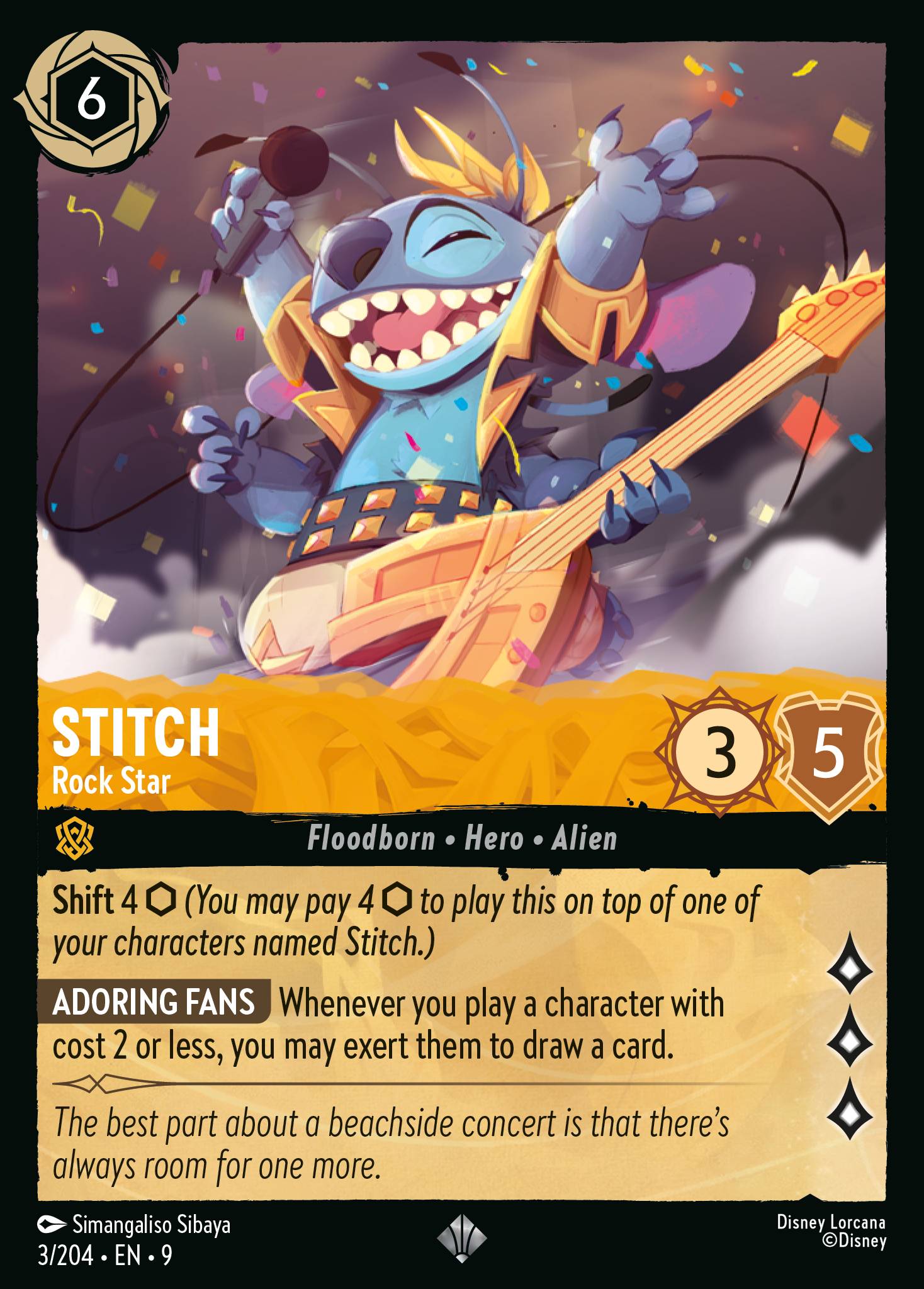
On the collecting side, Lorcana's card frame and rarity structure (including foil and Enchanted-rarity chase cards) will feel intuitively familiar to any Magic collector, even though the specific rarity names and structures differ. The instinct to evaluate a card's power level separately from its rarity or foil status transfers directly.
FAQ
- Is Lorcana easier to learn than Magic for an experienced player? The core rules are simpler to learn mechanically, but "easier" is misleading — the strategic depth is real, and a lot of your Magic instincts will need active correction rather than just extension, which can make the first several games feel harder than the rules complexity alone would suggest.
- What's the single biggest mistake Magic players make in their first Lorcana games? Challenging when they should be questing. The instinct to always attack when profitable is deeply ingrained from Magic, and it directly costs lore — Lorcana's actual win condition — every time it's applied without adjustment.
- Do Magic deckbuilding principles like curve and card advantage still apply? Yes, almost directly. The concepts of a smooth mana curve, avoiding overcommitment, and valuing card advantage all map cleanly onto Lorcana deckbuilding, even though the specific mechanics differ.
- Is there a Lorcana equivalent to Commander? Not a direct one. Lorcana's primary competitive format is closer to Magic's Standard in structure, and while casual multiplayer variants exist, there isn't a single dominant casual format with Commander's scale and infrastructure.
Bring Your Instincts, Not Your Assumptions.
A Magic background gives you a real head start on Lorcana's deckbuilding fundamentals — curve thinking, card advantage, color identity all transfer cleanly. What doesn't transfer is the specific mechanical framework: no stack, no separate land base, and a win condition built around questing rather than combat damage. Treat those as things to actively unlearn rather than edge cases to work around.
The players who make the fastest transition are the ones who bring their strategic instincts and leave their mechanical assumptions at the door.
© GEEKYDOMAIN.COM | Strategy Powered by Data