

Every game of Lorcana is a race to 20 lore. Tempo is the art of winning that race by making your turns count for more than your opponent's. Here's how to apply the pressure.
Strip Lorcana down to its core and it's a race. The first player to 20 lore wins, full stop — and you gain lore by questing, by sending your characters off on adventures instead of into battle. Everything else in the game, every challenge, every removal spell, every clever combo, ultimately serves that one goal: getting to 20 before the other player does.
Once you see the game as a race, a whole layer of strategy opens up. The best Lorcana players aren't just playing good cards — they're managing a clock, counting turns to 20 for both sides, and constantly asking whether each action advances their race or stalls their opponent's. That mindset is called tempo, and it's the difference between a player who reacts to the game and one who controls it.
This guide explains the lore race, what tempo really means, the tools that generate it, and how to pressure your opponent into losing a race they didn't even realize they were in. These are durable strategic concepts — they hold true across every set and every meta, so the fundamentals here won't go stale.
The Short Version
Lorcana is a race to 20 lore, and the central tension is that questing gains lore but leaves your character exerted and vulnerable, while challenging removes a threat but gains no lore. Tempo is the art of advancing your own race while stalling your opponent's — questing efficiently, using Evasive characters to quest unblocked, and using Rush, Challenger, and cheap removal to clear the path. The core skill is the quest-or-challenge decision: quest to advance your race, and challenge only when removing a threat advances your race more than questing would. Count the turns to 20 for both players, and make every turn count for more than theirs.
→ More Lorcana Strategy
In This Guide
The Lore Race: Lorcana's Core
Lorcana gives you exactly one way to win: be the first to 20 lore. You gain lore almost entirely by questing — exerting a character to add its lore value (the diamond number) to your total. That single rule creates the defining tension of the entire game.
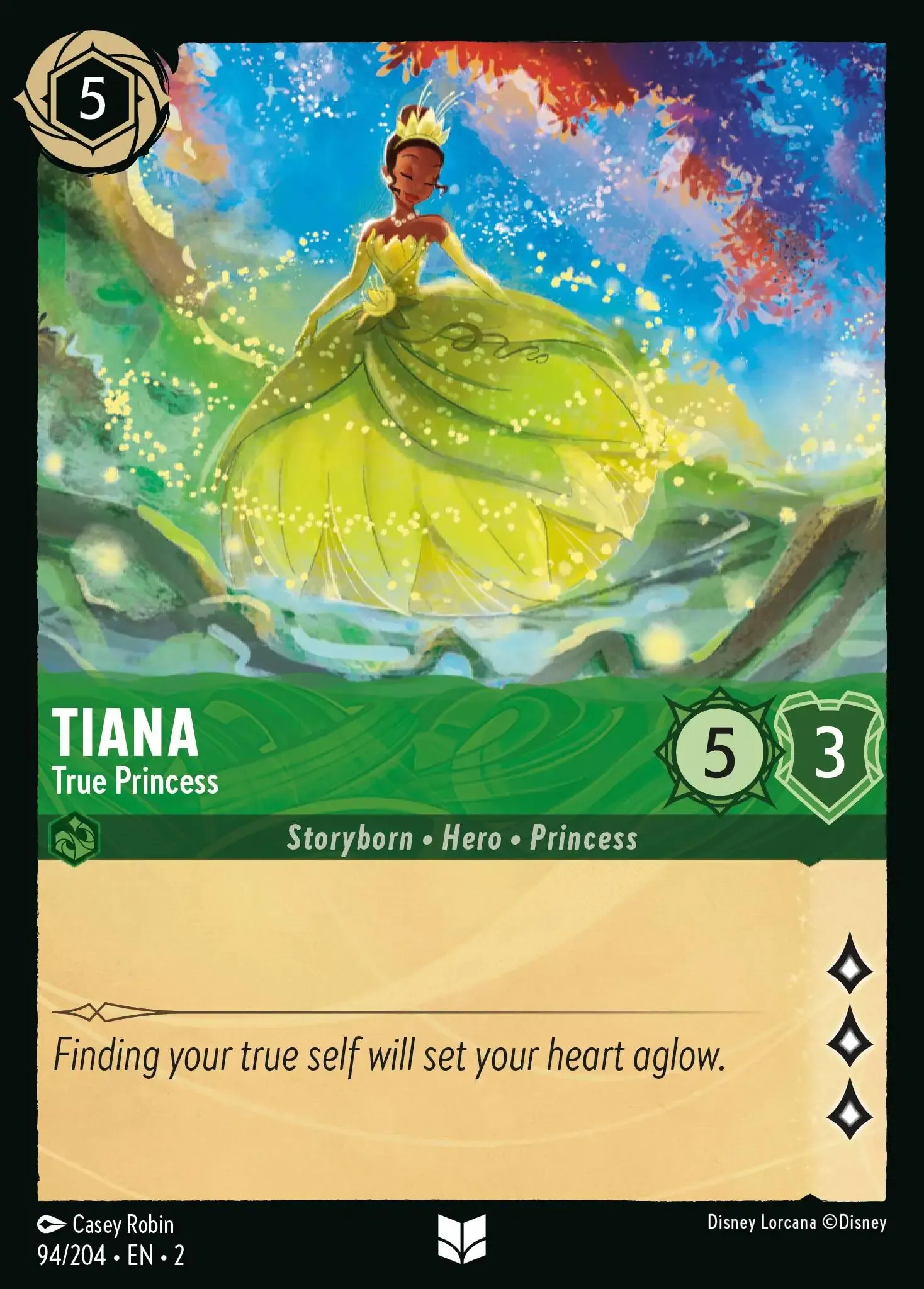
When you quest, you gain lore, but the character exerts and becomes vulnerable to being challenged. When you challenge — sending a character into an opponent's exerted character to deal damage — you remove a threat or clear a blocker, but you gain no lore that turn. Every turn, with every character, you're choosing between advancing your race and policing the board. You can rarely do both at once.
This is why Lorcana is fundamentally a race and not a brawl. The player who generates more lore per turn, over the course of the game, wins — even if they "lose" most of the combat. Understanding that reframes everything: your board isn't there to dominate, it's there to quest, and combat is a tool you use only in service of the race.
What Tempo Actually Means
Tempo is one of those words that gets used a lot and explained rarely. In Lorcana, tempo is simply this: making your turns count for more than your opponent's. A tempo advantage means you're getting further ahead in the race per turn than they are — either because you're questing for more lore, or because you're forcing them to spend their turns on things that don't generate lore.
That second half is the key insight. Every turn your opponent spends challenging your characters, holding back to defend, or rebuilding after you removed something is a turn they aren't questing — and a turn they aren't questing is a turn they fall behind in the race. Good tempo play isn't only about your own lore; it's about taxing theirs.
There's a classic question that frames every tempo decision: "Who's the beatdown?" In any given matchup, one player is the aggressor (racing to close the game) and the other is the controller (trying to stabilize and grind). Knowing which role you're in tells you whether to press the race or slow it down — and misidentifying it is one of the most common ways skilled players lose.
The Tempo Toolkit
Certain tools are tailor-made for winning the race. If you want to play tempo, these are the effects to prioritize:
-
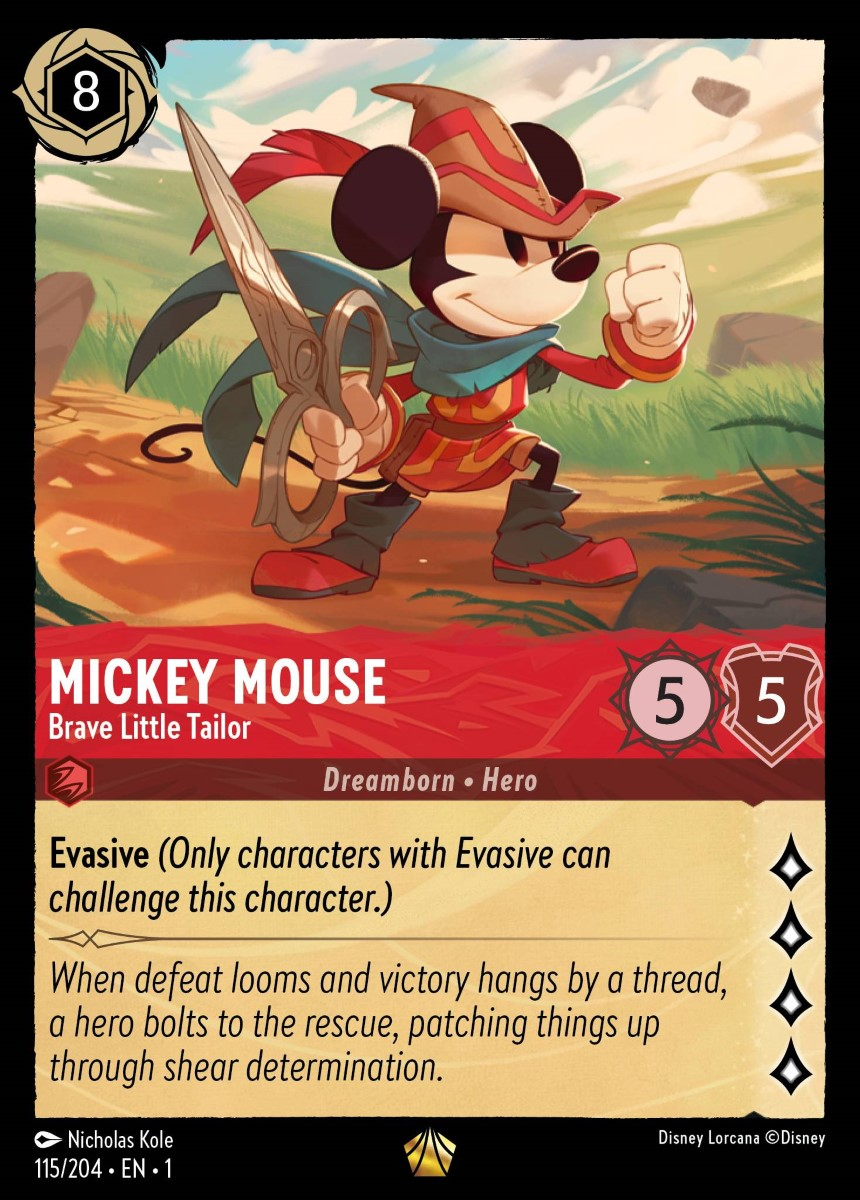
Evasive — the purest tempo keyword. An Evasive character can only be challenged by other Evasive characters, so against most boards it quests turn after turn completely unopposed. It's lore the opponent simply can't stop, and a strong evasive quester (like Mickey Mouse - Brave Little Tailor) is the backbone of many tempo decks.
-
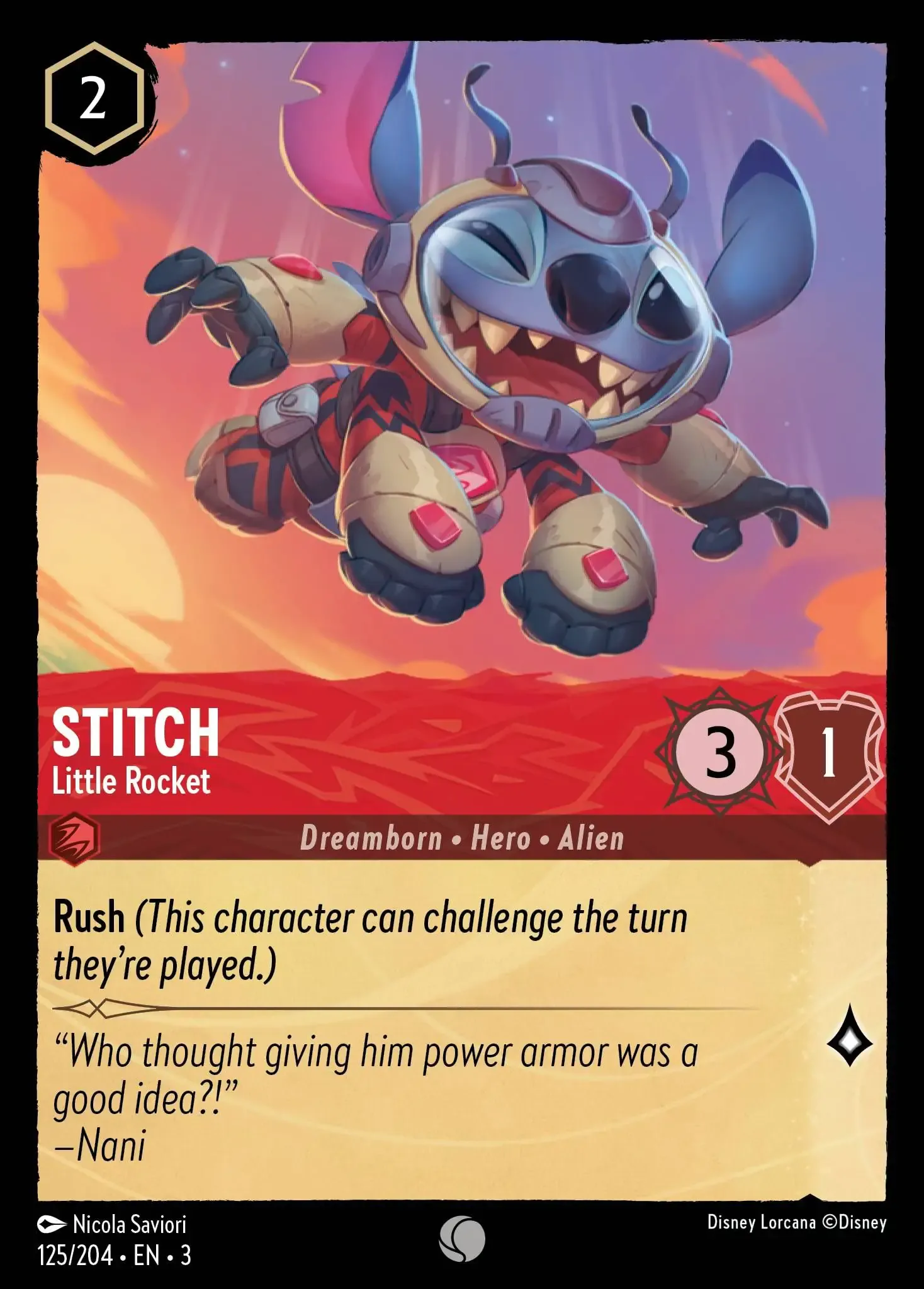
Rush — clearing the path on your terms. Rush lets a character challenge the turn it's played, so you can remove a blocker or a key quester exactly when it matters, then keep your own race moving. It's surprise tempo.
-
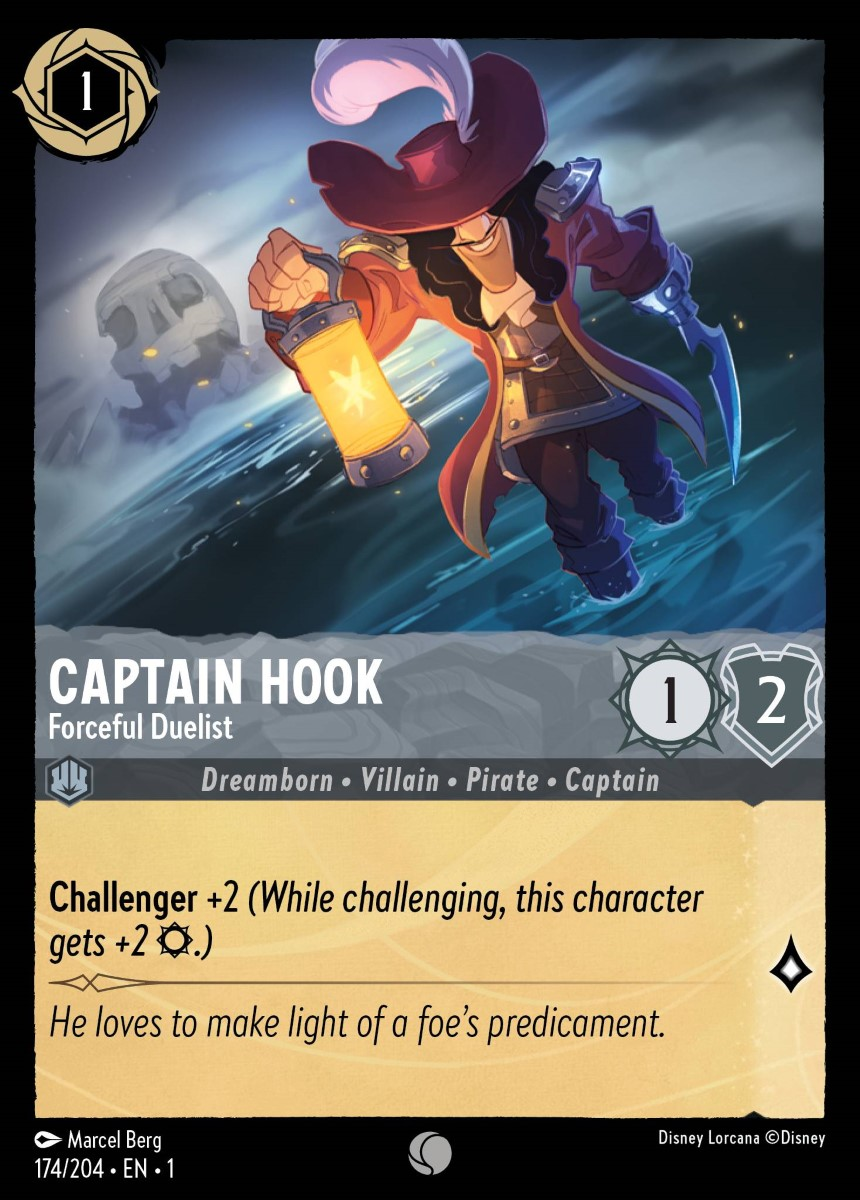
Challenger — winning the fights you pick. Challenger gives bonus Strength while challenging, letting a small character punch up and remove a bigger blocker. It converts your combat into favorable trades that keep the lane clear for your questers.
-
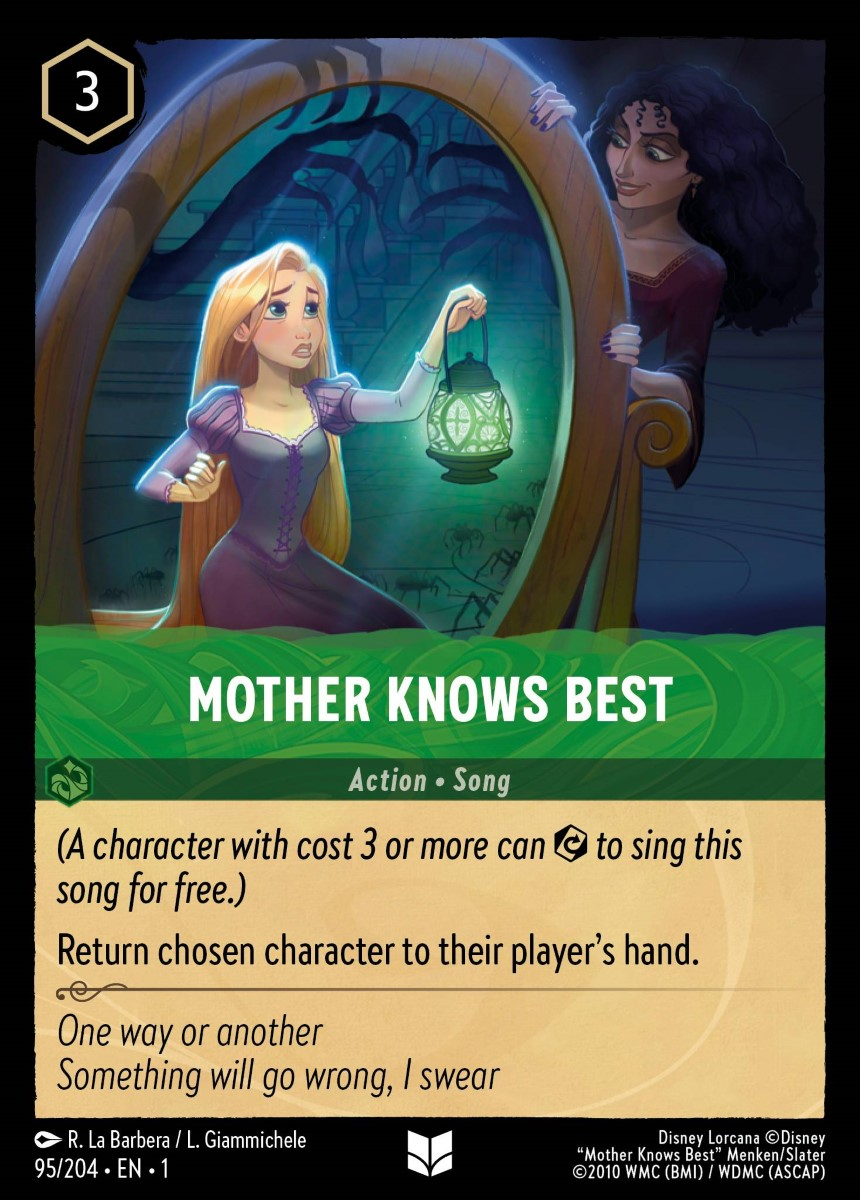
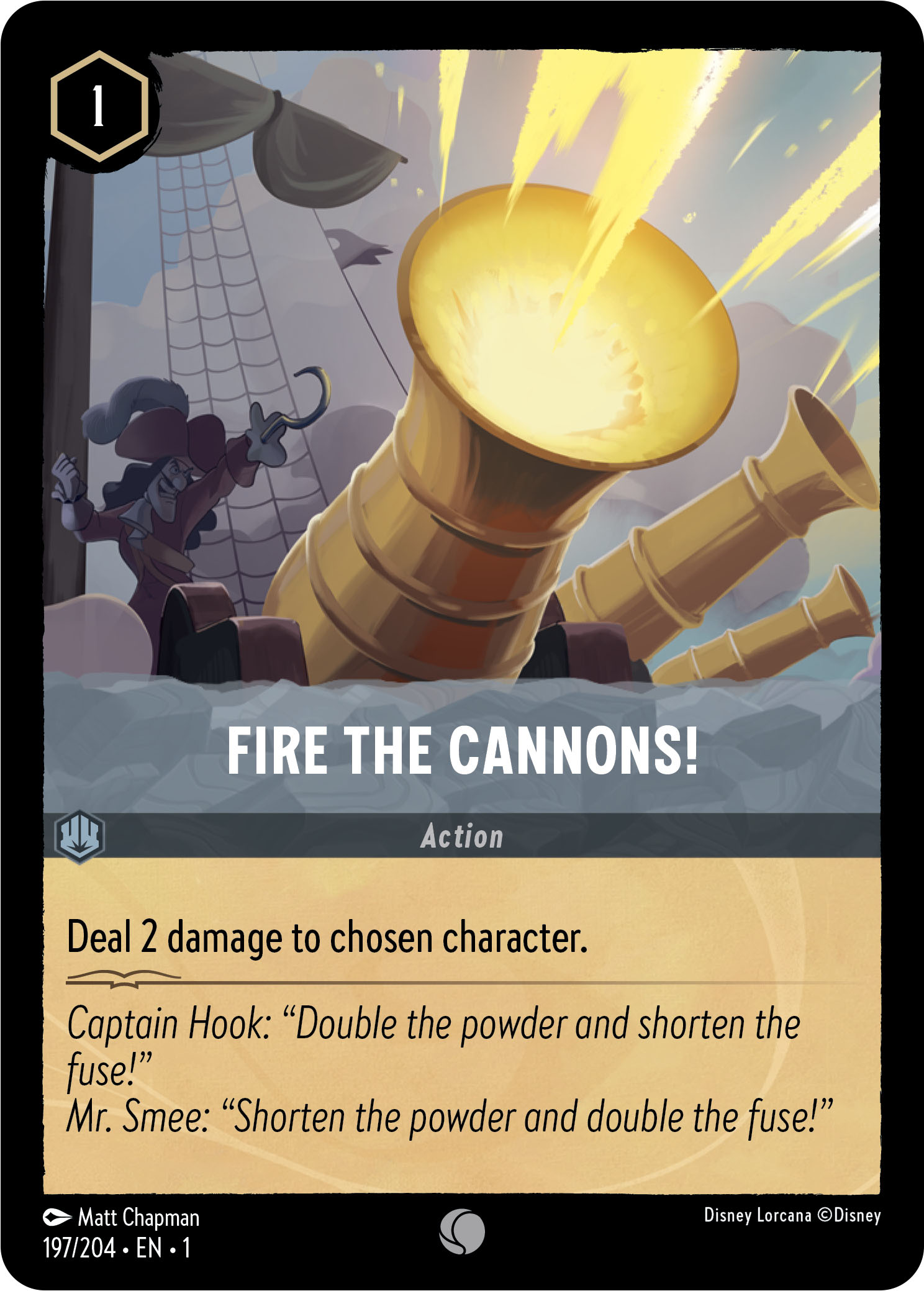
Bounce and cheap removal — keeping the race open. Effects that return or banish an opponent's blocker for little cost let you keep questing without committing your own board to combat. Cheap interaction that clears the way is pure tempo.
Doing the Race Math
Strong tempo players are quietly doing arithmetic every turn. The math is simple but powerful: figure out how many turns it takes each player to reach 20 lore at their current rate, and steer the game so your number is smaller.
If you're questing for, say, 6 lore a turn and your opponent is managing 3, you're winning the race by a wide margin — and the correct play is almost always to keep questing, even if it means taking some damage or losing a character in combat. Conversely, if they're out-questing you, board dominance is irrelevant; you need to change the math, either by adding lore-generation of your own or by stalling theirs.
This is why "I won the combat" is often a trap. Trading your turn to challenge down a single character feels productive, but if it didn't change the race math in your favor — if you could have simply quested and gotten closer to 20 — it was a tempo loss dressed up as a win. Always measure your plays against the clock, not against the board.
The Quest-or-Challenge Decision
This is the single most important skill in tempo play, made every single turn: with each ready character, do you quest or challenge? The default answer is quest — that's how you win. Challenge only when removing a threat advances your race more than the lore you'd give up by not questing.
A few situations where challenging is the right tempo play: removing an opponent's evasive quester that's racing you (their lore engine is worth more than one turn of yours); clearing a blocker so that next turn your bigger character can quest safely; or taking out a character whose ability is generating runaway value. In each case, the challenge protects or accelerates your race — it's not combat for its own sake.
And the situations where challenging is a mistake: trading evenly with a character that wasn't threatening your race, challenging "because you can" while your lore total stalls, or chasing a satisfying combat play while the opponent quietly quests toward 20. If the challenge doesn't change the race math, quest instead.
Pressuring the Opponent
The aggressive heart of tempo is forcing your opponent to do things that don't gain them lore. Every turn you can make them react is a turn they fall behind. Some ways to apply that pressure:
-
Present threats they must answer. A character racing them toward 20 forces a choice: challenge it (spending their turn on defense, not lore) or let it quest (falling further behind). Either way, you've taxed them.
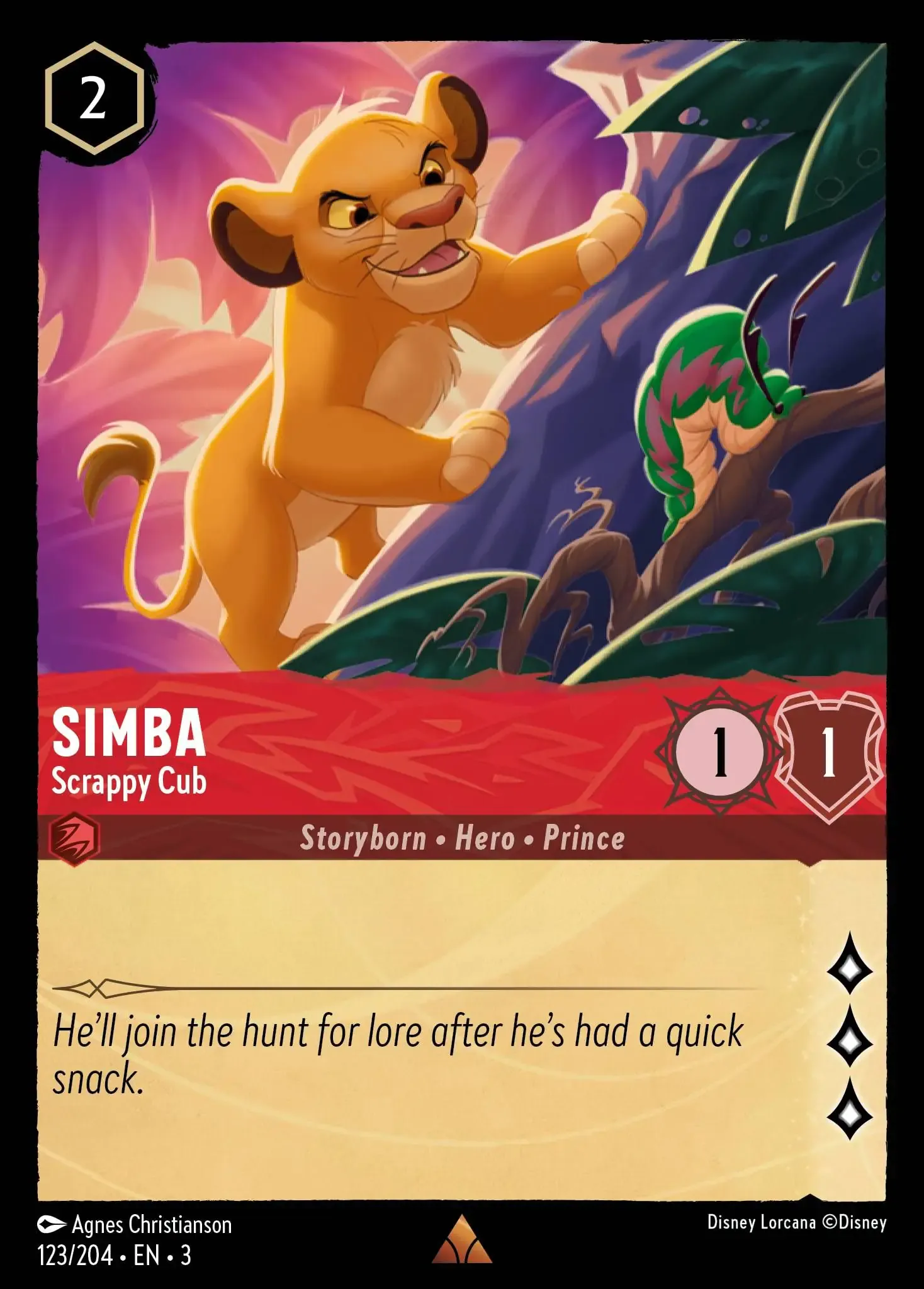
- Make them defend instead of quest. If your board threatens to challenge down their questers, they have to keep characters back to block or trade — characters that are no longer questing. You've converted their offense into defense.
- Threaten a fast finish. When you're close to 20 and questing hard, the opponent is forced into desperate, suboptimal lines to keep up — exactly the panicked, lore-light turns that lose the race. A credible clock is its own pressure.
Common Tempo Mistakes
Even players who understand the race in theory lose it in practice through a handful of recurring errors:
- Over-challenging. The most common one: challenging whenever you can, because removing the opponent's stuff feels productive. If the challenge didn't advance your race, you just spent a turn not gaining lore — and handed them tempo.
- Playing reactively. Letting the opponent dictate the game — always answering their last play instead of pushing your own clock — cedes tempo by default. When you're the aggressor, take the initiative and make them react.
- Ignoring the clock. If you're not counting turns to 20 for both players, you're playing blind. Many games are lost by a player who was "winning" the board but never noticed the opponent was two turns from 20.
- Questing into bad challenges. Tempo cuts both ways — exerting a fragile character to quest can hand the opponent an easy, favorable challenge. Weigh the lore you gain against the character you might lose.
When Not to Race
Tempo isn't always the right plan, and forcing it is how aggressive players lose. The "who's the beatdown" question matters: if you're up against a deck that races faster than you — or you've fallen behind and can't win a straight sprint — then trying to out-quest them is suicide.
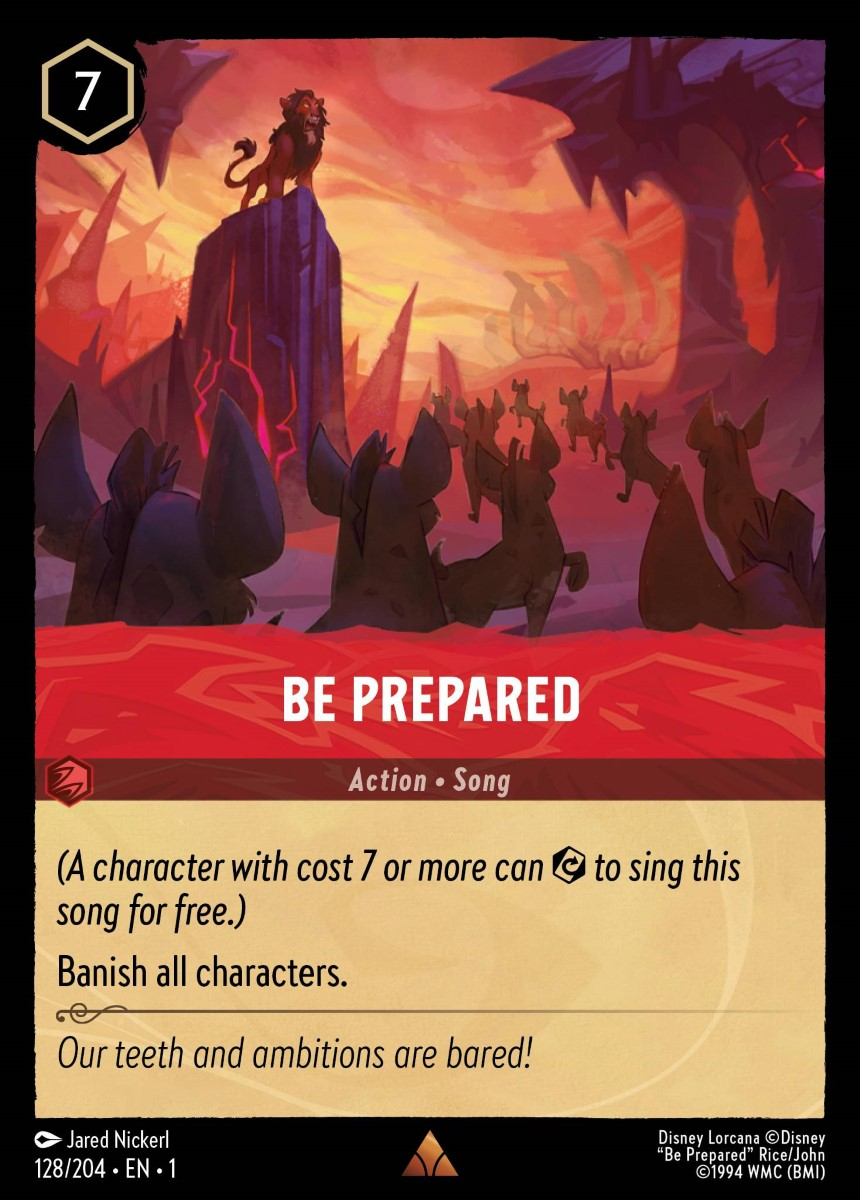
In those games you become the controller: challenge to remove their questers, slow the game down, blunt their clock, and win the long game on card advantage and board control instead. The skill isn't always pressing the race — it's correctly reading whether you're the one who should be racing in the first place, and committing fully to that role.
Tempo FAQ
- Is tempo the same thing as aggro? Related, but not identical. Aggro describes a fast, low-curve deck; tempo describes a way of playing — getting ahead in the race and staying ahead. Aggro decks lean on tempo hard, but a midrange deck can play tempo too. Tempo is a mindset, not a deck speed.
- Do I need an aggressive deck to use this? No. Every deck benefits from race-first thinking and the quest-or-challenge discipline. Even control decks rely on tempo concepts once they've stabilized and it's their turn to start racing.
- How do I know if I'm winning the race? Compare turns-to-20. If your current lore-per-turn rate gets you to 20 before theirs does, you're ahead — regardless of who controls the board. The board only matters insofar as it changes those two numbers.
Tempo Cheat Sheet
- The goal: be first to 20 lore — quest to win, challenge only in service of the race.
- Tempo = making your turns count for more than the opponent's.
- Default: quest. Challenge only when it advances your race more than questing.
- Toolkit: Evasive (unblocked lore), Rush, Challenger, cheap removal/bounce.
- Do the math: count turns to 20 for both players; steer for the smaller number.
- Know your role: press the race as the beatdown; slow it down as the control.
Win the Race, Win the Game.
Once you start seeing Lorcana as a race rather than a battle, your decisions get sharper and your wins get more frequent. Quest relentlessly, challenge only when it protects or accelerates your clock, count the turns to 20 for both players, and constantly ask whether you're the one who should be racing. Tempo isn't a deck — it's a way of thinking about every turn, and it's the fastest path from playing Lorcana to mastering it.
Next game, count the clock from turn one — and make every quest count.
Sharpen Your Game:
© GEEKYDOMAIN.COM | Strategy Powered by Data