

When to Quest vs Challenge: The Core Tempo Decision
It's the single most-misplayed decision in Disney Lorcana. Here's a repeatable framework for knowing, every turn, whether to push lore or remove a threat.
Every turn, your characters with dry ink ask you the same question: do I quest for lore, or do I challenge something? It sounds simple — it isn't. New players quest on autopilot and get run over; nervous players challenge everything and lose the race they were supposed to win.
The truth is that questing and challenging are two halves of the same resource: your characters' exertions. Each turn you have a limited number, and every exert spent gaining lore is one you didn't spend removing a threat — and vice versa. Mastering Lorcana is really just learning, turn after turn, which one the board actually wants.
This isn't a decision you make once per game — it's a decision you make per character, per turn. A well-played turn often splits your board: some characters quest, others hold back to threaten a challenge, and one or two might do nothing at all because neither option is good yet. Treating your whole board as a single choice ("quest turn" vs. "challenge turn") is itself a common beginner habit worth unlearning early.
→ Short Version
Quest by default — the game is a race to 20 lore, so push your total unless the board demands an answer. Challenge to protect the race, not for its own sake: kill the things that out-quest you or wreck your plan. Remember you can only challenge exerted characters (and locations) — a ready character is untouchable. And only challenge when the trade is profitable. Drying ink means a character can't quest or challenge the turn it's played — unless it has Rush, which lets it challenge (never quest) immediately.
→ Sharpen Your Fundamentals
In This Guide
First, the Rules That Govern the Choice
Before strategy, the three rules that constrain you:
- Questing exerts a ready character to gain lore equal to its ◇ lore value. That's how you race to 20.
- Challenging exerts one of your characters to attack an exerted opposing character or a location. Both deal damage equal to their Strength; that damage stays on the cards.
- You cannot challenge a ready character. Your opponent's untapped board is off-limits — you can only punish what has already exerted (usually by questing).
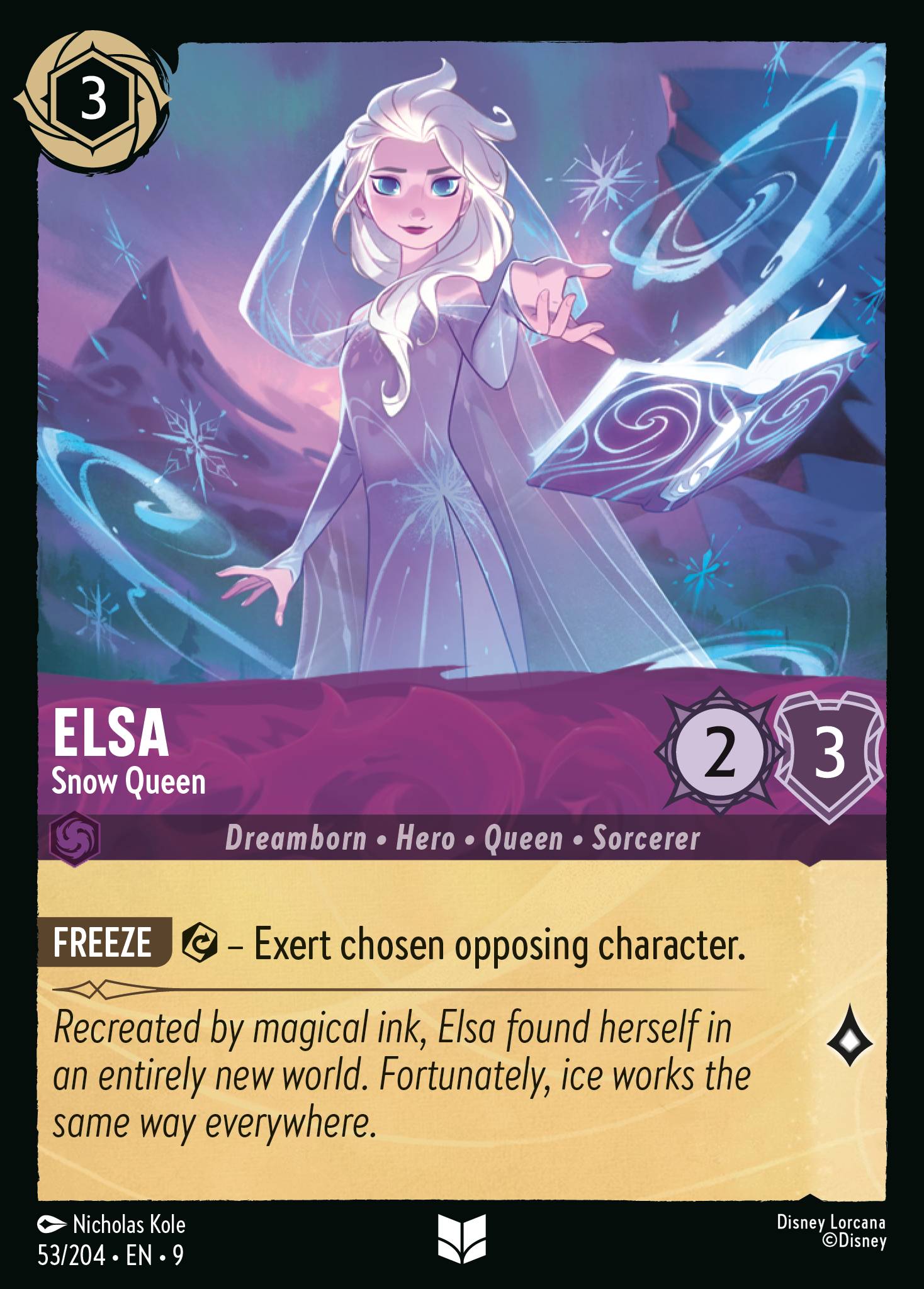
That last rule is the engine of all Lorcana tempo: questing is how you score, but it's also how you become vulnerable. A character that quests is exerted, and an exerted character can be challenged. The whole dance is about who exposes themselves first — which is why so much of high-level Lorcana play is about sequencing: deciding whether to commit your exerts before or after seeing what your opponent does with theirs. (New to the keyword layer on top of this? Start with Keywords Explained.)
The Quest-or-Challenge Decision Flow
Run each of your dry characters through this every turn:
The default destination is QUEST. You only divert to CHALLENGE when a real threat is both exposed (exerted) and worth trading for.
When to Quest
What it does: Exert a dry character to add its ◇ value to your lore total. First to 20 wins.
How it plays: Quest when the board is empty or stable, when you're ahead and want to close, or when you're behind and must generate lore to keep pace. Questing is the proactive, game-winning action — challenging never gets you to 20 by itself. Reach for it by default and make the board prove you should do something else.
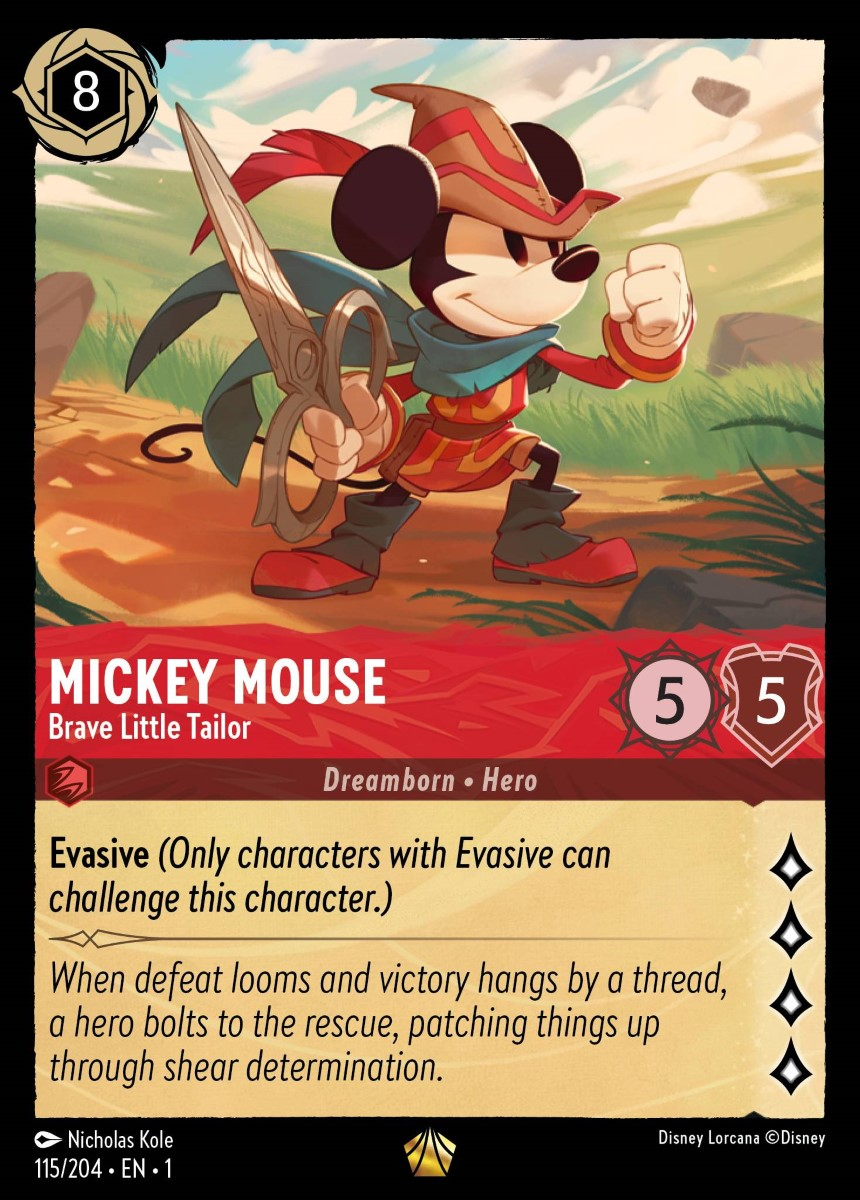
Common mistake: Refusing to quest because you're scared of being challenged back. If you never quest, you simply lose the race. Often the right line is to quest with your cheap, expendable characters and hold back the ones you can't afford to lose.
When to Challenge
What it does: Exert a character to deal its Strength to an exerted enemy character (or location). The defender deals its Strength back. Damage sticks.
How it plays: Challenge to protect your race — remove a high-lore quester out-scoring you, kill an engine character (draw, ramp, repeatable value), or clear a Bodyguard walling your attacks. The best challenges are profitable: yours survives and theirs doesn't, or you trade a cheap body for a key piece.
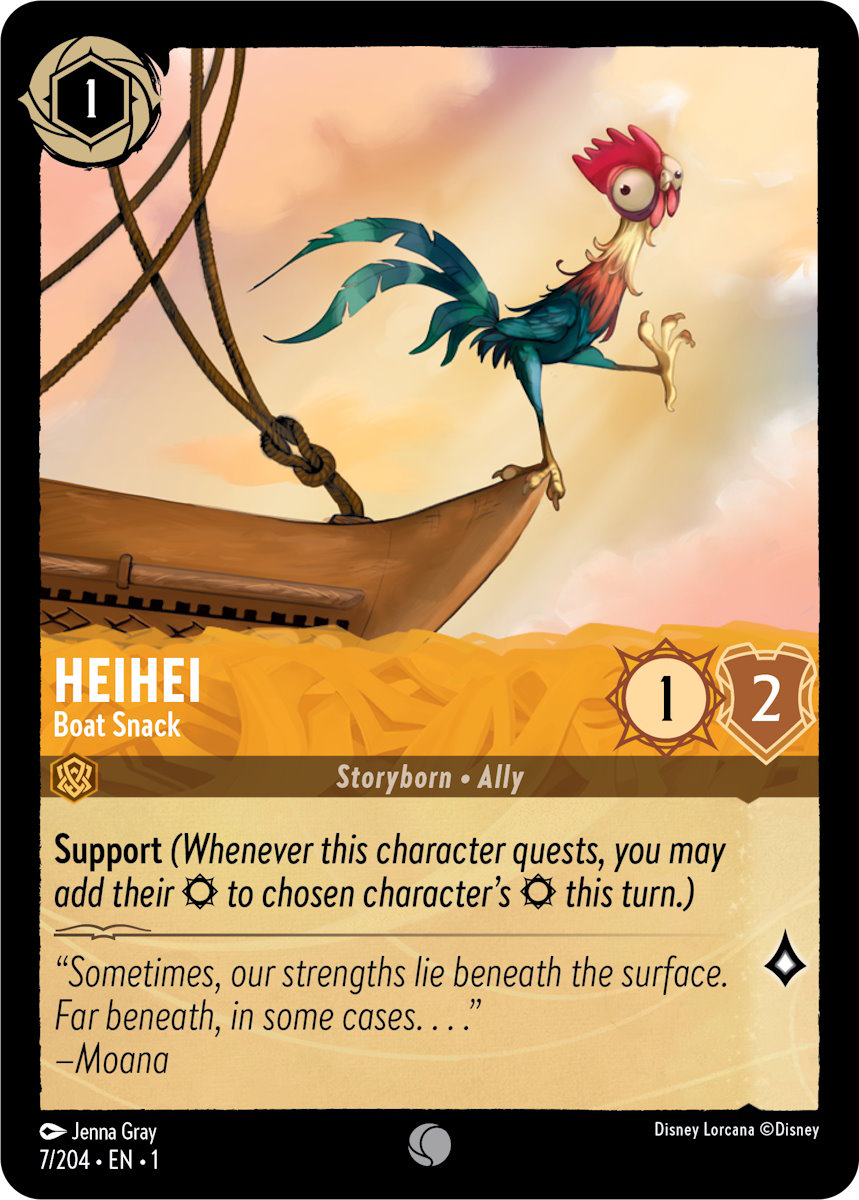
Common mistake: Challenging into a bad trade because removal "feels" productive. Sending your 3-Strength character to chip a 7-Willpower body that lives anyway just exerts you for nothing and leaves you open.
Rush & Drying Ink
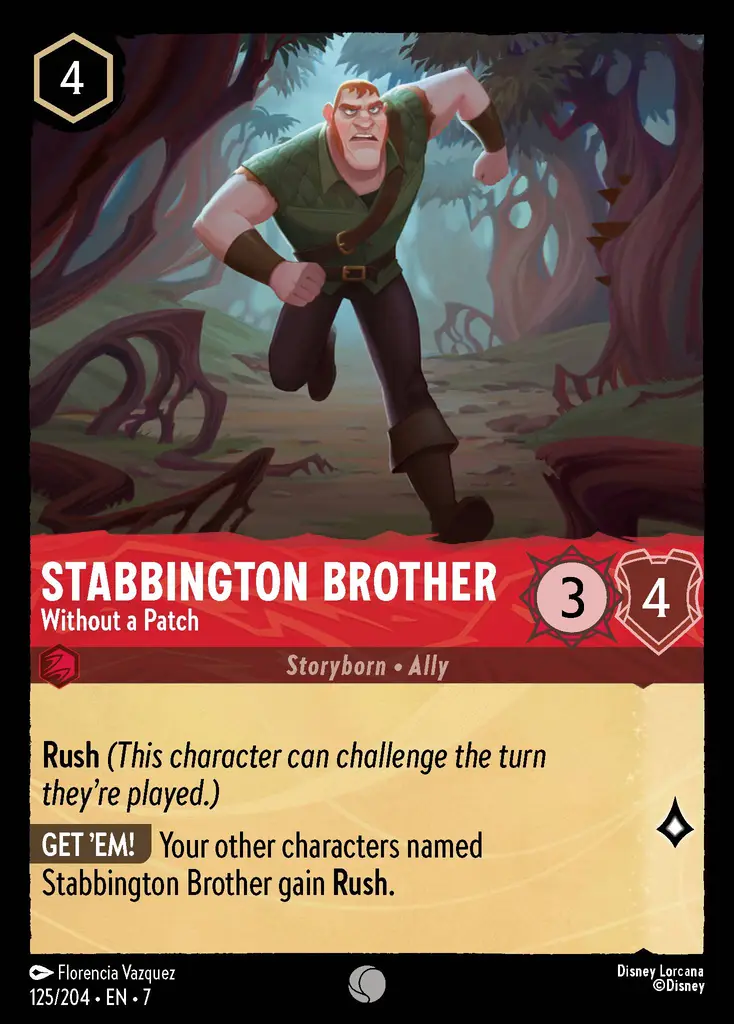
A character can't quest or challenge the turn it's played. Rush is the exception — it lets a character challenge the turn it enters (great for surprise removal), but it still can't quest until your next turn.
Quest vs Challenge — At a Glance
| Quest | Challenge | |
|---|---|---|
| What it does | Exert your character to gain lore equal to its ◇ value | Exert your character to deal its Strength to an exerted enemy (it hits back) |
| What it costs | Your character exerts — now vulnerable to being challenged next turn | Your character exerts + takes return damage; no lore gained |
| When it's correct | Board is stable, you're ahead, or you need lore to stay in the race | A threat is exerted, the trade is profitable, and removing it protects your lore race |
| The risk | Opponent challenges your exposed character on their turn | You lose tempo — exerted, possibly damaged, and gained zero lore |
| Default? | Yes — this wins the game | No — only when the board demands it |
Two Worked Examples
Example 1 — the straightforward case. It's your turn. You're at 8 lore, opponent at 11. They have an exerted 2◇ engine character that drew them a card last turn, plus a ready 6-Willpower blocker. You have two dry characters: a 3/3 with 1◇ and a 4/4 with 2◇.
- The threat that matters is the 2◇ engine — it's out-questing you and generating cards. It's exerted, so it's legal to challenge.
- Challenge it with your 3/3 (3 Strength kills it): you remove their engine and only risk a character that isn't your best quester.
- Quest with your 4/4 (2◇) to move to 10 lore.
- Leave the 6-Willpower blocker alone — it's ready (can't be challenged) and trading into it is unprofitable anyway.
Example 2 — the harder edge case. Now imagine the same board, except your opponent has 17 lore and you're at 9. Their 2◇ engine is still exerted, but you only have one dry character left: the 3/3. Questing with it gets you to 10; challenging kills their engine but leaves you at 9, one turn closer to losing the race outright.
- Run the actual math. At 17 lore, your opponent likely wins next turn regardless of what their engine draws them — a single 2◇ engine character isn't closing an 8-point gap, but a board they can quest with freely next turn might.
- Challenge anyway. When you're this far behind on lore, one extra point from questing doesn't change your outcome, but removing a character that could quest and draw cards next turn might buy you the turn you need elsewhere.
- The lesson. "Quest by default" assumes the extra lore matters. When you're already losing the race outright, shift the calculus toward removing your opponent's next turn's options instead of padding a total that won't save you anyway.
Common Mistakes
- Auto-questing into a board you should be controlling. If an opponent's engine is snowballing, lore now is worthless if you lose later.
- Trying to challenge ready characters. You can't. Bait the exert (let them quest) and punish next turn.
- Over-challenging. Removal that doesn't protect or advance your race is just you exerting your own board for free.
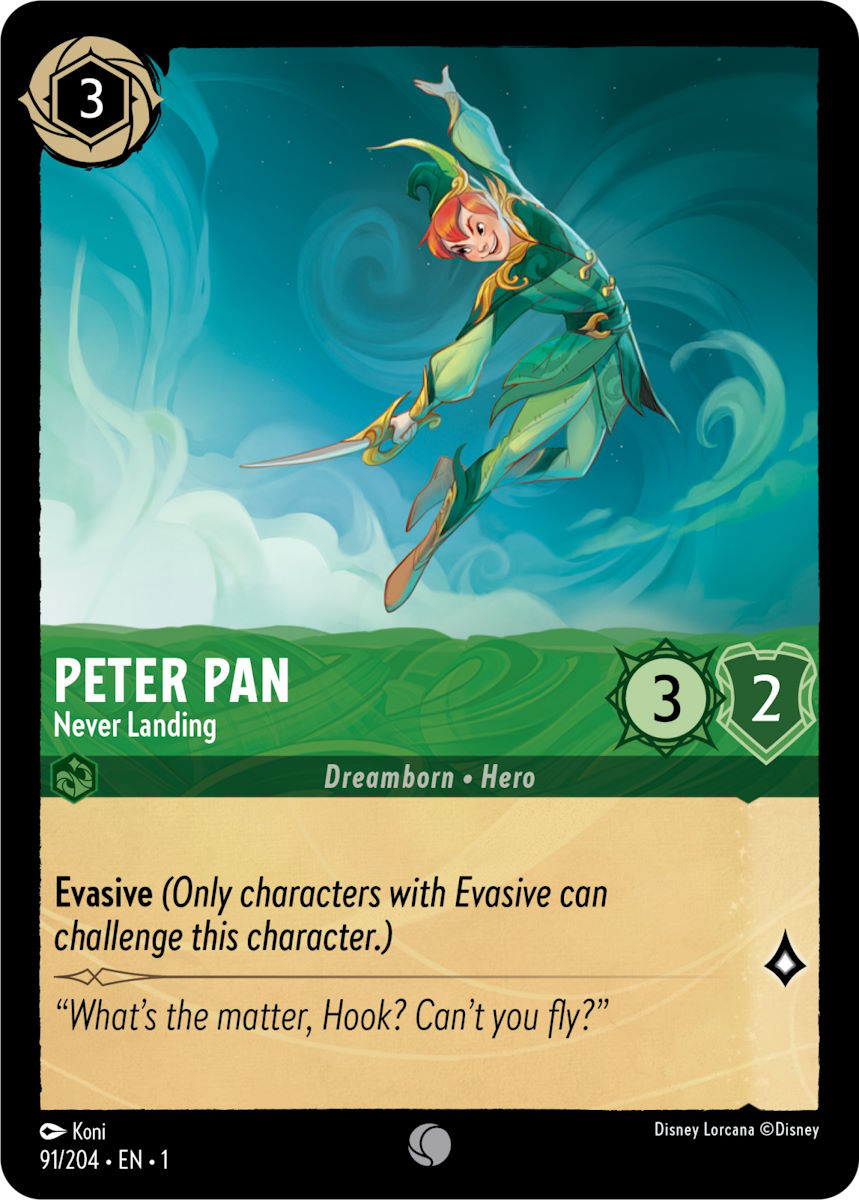
- Forgetting Evasive. Characters with Evasive can only be challenged by other Evasive characters — plan removal accordingly.
Quest vs Challenge FAQ
- Can I challenge a character that hasn't exerted? No. You can only challenge exerted characters and locations. A ready character is safe until it taps out.
- Can a character quest the turn I play it? No — drying ink. Even with Rush it can only challenge that turn, not quest.
- Do I take damage when I challenge? Yes. The character you challenge deals its Strength back to your challenger, and that damage stays on it. Profitable challenges account for the return damage.
- Should I ever challenge a location? Yes — locations can't fight back, so challenging them is "free" damage. A fine use of an attacker when there are no character threats and you don't need the lore that turn.
- What if neither option is good? Sometimes the right play is to do nothing with a character — leave it ready as a deterrent. A ready attacker discourages your opponent from leaving their own board exposed, even if you never actually use it that turn.
- I'm new — what's the safest default? Quest. Win the race unless the board gives you a concrete reason not to, then deepen the instinct with our tempo guide.
Quest by Default, Challenge with Purpose.
Quest by default, challenge with purpose. Lore wins games; removal only protects the path to it. Run every dry character through the flowchart — threat? exposed? profitable? — and you'll stop auto-piloting into losses and start making the call a strong player makes without thinking. And when the race itself is already lost, remember the math can flip the whole framework: removing your opponent's next turn sometimes matters more than padding a total that won't save you.
Keep Learning:
© GEEKYDOMAIN.COM | Strategy Powered by Data