

A Beginner's Guide to the Gundam Meta
"The meta" sounds intimidating, but it's really just the set of decks you'll face — organized by color and series. Here's how to read it, navigate it, and pick a deck that fits you.
Walk into a Gundam Card Game event for the first time and you'll hear players throw around terms like "Red-Green Zeon Rush" or "Green-White Wing" as if everyone's supposed to know what they mean. That shared vocabulary is "the metagame" — the landscape of popular, successful decks at any given moment. It can feel like a wall of jargon, but underneath it is a simple, learnable structure.
Once you understand that decks are defined by their colors and their Gundam-series theme, and that each falls into one of a few broad strategy types, the whole meta snaps into focus. You'll know what you're facing across the table, how to play against it, and — most importantly — how to pick a deck that suits the way you want to play.
One honest note before we dive in: the exact "best deck" rankings shift with every set release, so this guide focuses on the durable framework — the colors, archetypes, and strategy types that stay relevant — rather than a tier list that'll be outdated in a month. For the current snapshot, we'll point you to live resources.
The Short Version
Gundam decks are named by their one or two colors plus a series archetype (e.g., "Red-Green Zeon Rush"). The five colors each have a role — Blue tempo/draw, Green ramp, Red aggression, White defense, Purple newer synergies — and most decks fall into one of three strategy types: aggro, midrange, or control. The established archetype families include Zeon Rush, Wing, Unicorn, SEED Freedom/Justice, the Purple synergies (Barbatos, Minerva Squad, Destiny), Academy, and Celestial Being. The aggressive Zeon decks and the Green-White / Blue-White control decks have been long-standing pillars, but exact rankings move each set — so check a live tier list for the current snapshot. As a beginner, pick a strategy type you enjoy and a deck you can learn deeply, not just whatever's #1 this week.
→ Build Your Gundam Knowledge
In This Guide
What "The Meta" Actually Means
"Metagame" — meta for short — refers to the collection of decks that are popular and successful in competitive play at a given time. It's the answer to the question "what am I likely to face if I show up to a tournament?" Knowing the meta lets you prepare: you can build a deck that beats what's common, and you can recognize an opponent's plan from their first few cards.
In Gundam, decks are named with a simple shorthand: their color (or color pair) plus a series archetype. "Red-Green Zeon Rush" is a Red and Green deck built around Principality of Zeon units that attacks aggressively. "Green-White Wing" is a Green and White control deck themed on Gundam Wing. Once you learn that naming convention, every deck name tells you both what colors it plays and roughly how it wins.
The crucial thing for a beginner to internalize: the meta is not fixed. It shifts every time a new set releases, as fresh cards push some decks up and others down. That's a feature, not a bug — it keeps the game fresh — but it means you should treat any "best decks" list as a snapshot in time, not gospel.
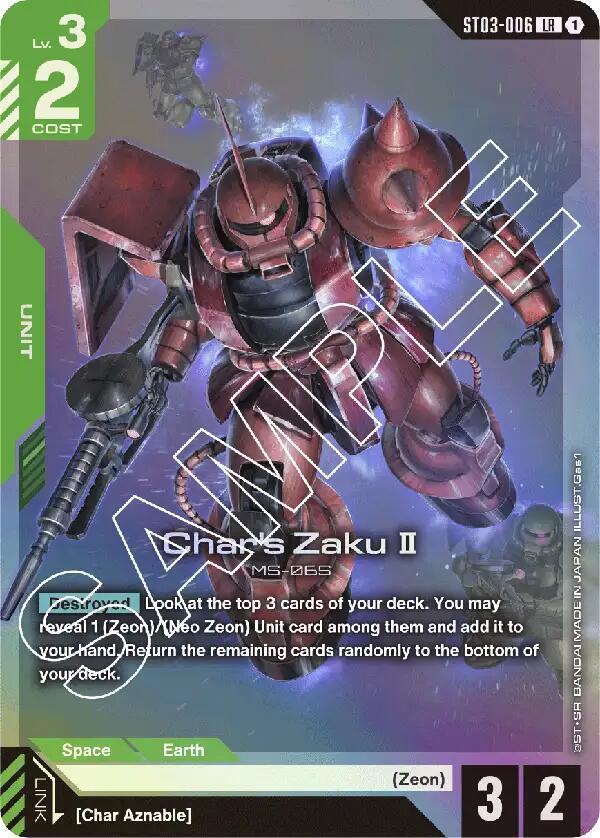
The Building Blocks: Colors
Every deck is built from one or two of the game's five colors, and each color has a defined role. Learning these is the foundation of reading the meta, because a deck's colors largely tell you what it's trying to do:
- Blue — tempo and resilience, with card draw and recovery. The Earth Federation and Universal Century backbone of many top decks.
- Green — acceleration: resource ramp and search effects to get ahead and find your key cards.
- Red — offense: aggressive units and direct damage that pressure the opponent early.
- White — defense and control: blockers, attack-power reduction, and Commands that grind opponents down.
- Purple — the newest color, home to series-specific synergy packages (Iron-Blooded Orphans' Barbatos, SEED Destiny's Minerva Squad, and more).
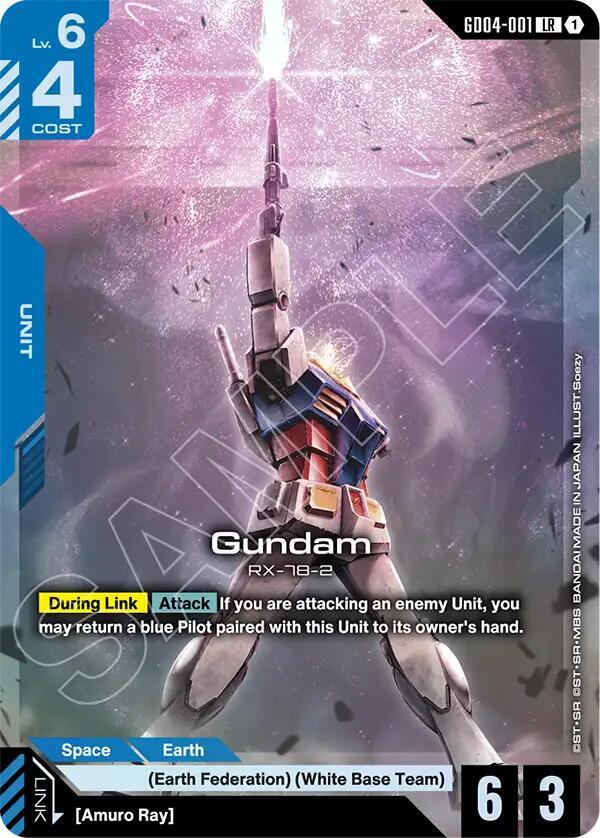
Because most competitive decks pair two colors, the combination tells the story: Blue-Green marries tempo with ramp, Green-White marries acceleration with defense, Red-White pairs aggression with control tools, and so on. When you see a color pair, you can already guess the game plan — and when you're ready to go deeper, our color-pair strategy primer breaks down every pairing.
The Three Strategy Types
Above the color pairs sits a simpler classification that every card game shares. Nearly every deck is one of three types, and knowing which you're facing tells you how to play the matchup:
- Aggro — fast, proactive decks that try to overwhelm you before you set up, racing to destroy your Shields and base. Zeon Rush and the Red-based aggressive decks live here. Against aggro, you need to stabilize quickly.
- Midrange — flexible decks of efficient units that can attack or defend as needed, bending to beat both faster and slower opponents. Many color pairs build midrange shells, and they're often the most forgiving to pilot.
- Control — reactive decks that defend, remove threats, and out-resource you over a long game, winning once the opponent is exhausted. The Green-White Wing and Blue-White Unicorn decks are classic control. Against control, you must apply steady pressure.
There's no "best" type — each beats some and loses to others, which is what keeps the meta in motion. The type you enjoy piloting matters more than its current ranking.
The Archetype Families You'll Face
Here are the established archetype families that have defined the meta, each tied to a Gundam series and a color pairing. These are the names you'll hear most often:
- Zeon Rush (Red-Green): A steady, aggressive Principality of Zeon deck that's been one of the most consistent picks in the game — predictable, powerful, and beginner-friendly — the spiritual successor to the Zeon's Rush starter. Our budget Zeon Rush build is a ready-made entry point.
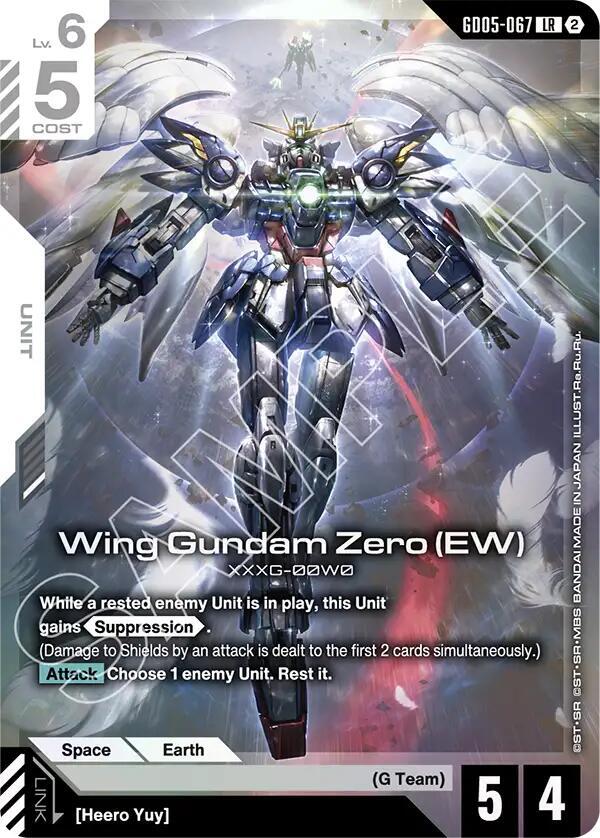
- Wing / Wing Zero (Green-White): A control deck built on Gundam Wing units, a long-standing top-tier "safe pick" that grinds opponents out with defense and efficiency.
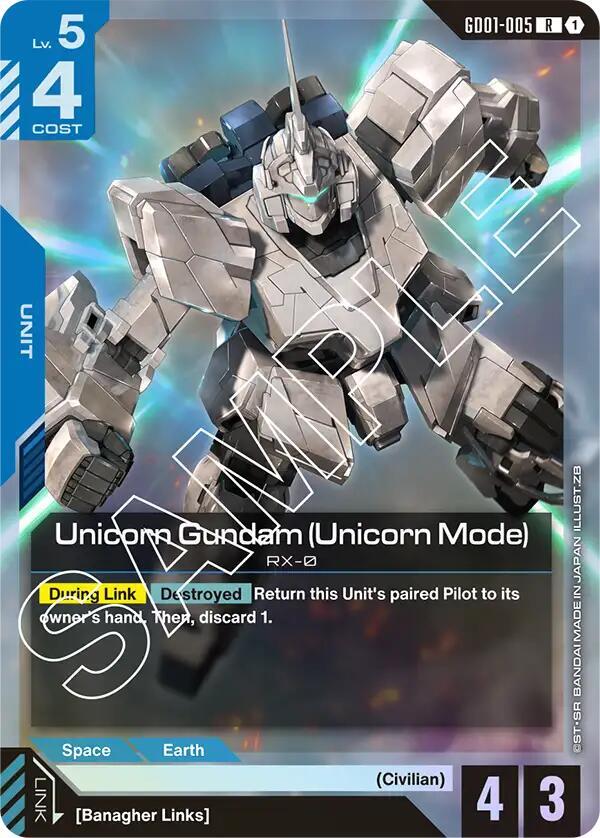
- Unicorn (Blue-White): A Universal Century control deck centered on the Unicorn Gundam, another defensive pillar of the format — see our budget Blue-White control build for the archetype on a budget.
- SEED Freedom / Justice (Red-White): Gundam SEED decks pairing aggression with control tools, built around the Freedom and Justice Gundams.
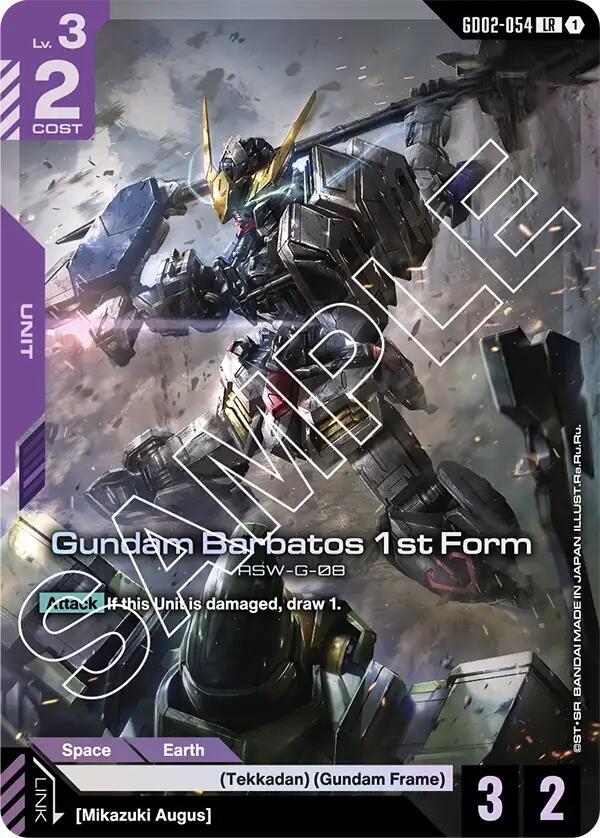
- Purple Synergies — Barbatos, Minerva Squad, Destiny: The newest color's series packages: Iron-Blooded Orphans' Barbatos, plus SEED Destiny's Minerva Squad and Destiny Gundam builds that have grown with recent sets.
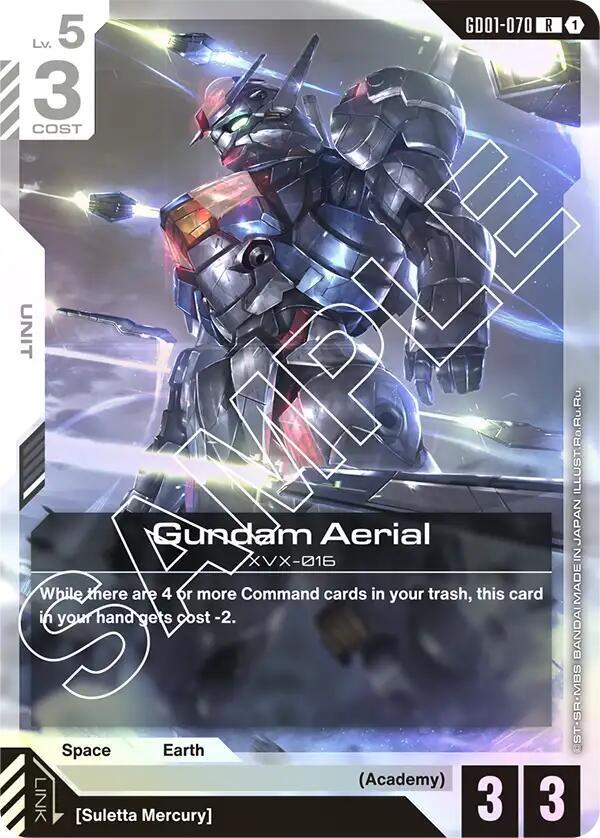
- Academy (Suletta / Witch from Mercury): The Witch from Mercury archetype, which gained new flexibility as recent sets added second-color pilots like Suletta Mercury.
- Celestial Being (Gundam 00): A Gundam 00 archetype built around the Celestial Being meisters and their high-performance suits — a newer family whose best color pairing is still being explored set to set.
What's Been Strong (and the Caveat)
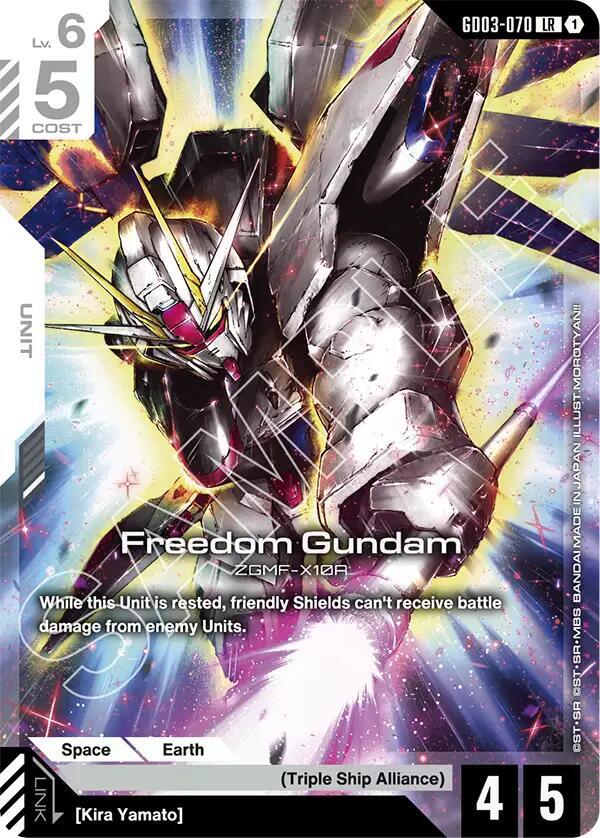
Across the game's history, two pillars have been remarkably durable: the aggressive Zeon decks (Red-Green Zeon Rush in particular), prized for their consistency and safety, and the control decks in Green-White (Wing) and Blue-White (Unicorn), which reward patient, skilled play. If you want a deck that's reliably been a strong, safe choice, those have historically been the places to look — though the ceiling of the format has belonged to Blue: a Blue/Purple tempo deck took the game's first World Championship.
Check a Live Tier List
Here's the honest caveat: exact tier rankings change with every booster. The current set as of this writing is Phantom Aria (GD04), and the first-anniversary set Freedom Ascension (GD05) lands July 24, 2026 — and each release reshuffles the standings. Treat the "strong picks" above as durable tendencies, not a current ranking — and for the up-to-the-minute snapshot, check our regularly updated Gundam meta tier list before you commit to a competitive build.
How to Pick a Deck as a Beginner
The most common beginner mistake is to net-deck whatever's ranked #1 this week, pilot it poorly, and bounce off the game. Here's a better approach:
- Pick a strategy type you enjoy. If you like dictating the pace, play aggro. If you like reacting and grinding, play control. If you want flexibility, play midrange. You'll learn faster and play better with a style that clicks for you.
- Start from a starter or a safe pick. A starter deck is a complete, tuned entry point (the Assemble Starter Sets bundle the same decks with Gunpla minis), and a consistent archetype like Zeon Rush or a Green-White control shell is forgiving while you learn. Our starter comparison and first-deck guide walk through this.
- Play a series you love. Gundam's archetypes are tied to the anime. Piloting the suits and pilots you're a fan of makes practicing — and losing while you learn — far more fun.
- Learn one deck deeply. Mastery beats chasing the meta. A deck you know inside out will win more games in your hands than a "better" deck you've played twice. Stick with something and get good at it.
Playing Against the Field
Once you can identify a deck's strategy type from its colors and opening plays, you know the broad game plan for beating it. A few quick guidelines:
- Against aggro (Zeon Rush, Red decks): Survival is priority one. Trade your units efficiently, lean on blockers and high-HP bodies to absorb attacks, and don't waste resources on slow value plays while they're racing your Shields. Once their early pressure runs out, your bigger threats take over. (Full matchup plan: how to beat aggro rush.)
- Against control (Wing, Unicorn): Apply steady, sustainable pressure — but don't overextend into their removal and Commands. Commit just enough to keep the clock running while holding a follow-up, so a single defensive turn from them doesn't reset you. Patience loses to control; relentless-but-careful pressure beats it.
- Against midrange: These games come down to efficient trades and card advantage. Win the small exchanges, use your Pilots and Links to get more value from each unit, and don't fall behind on the board — whoever's ahead when the dust settles usually wins.
You won't always guess right, and that's fine — recognizing the type even a turn or two in is enough to steer your decisions. This read-and-adapt skill is the single most transferable thing you can learn from studying the meta.
How the Meta Evolves
New booster sets release on a regular cadence — roughly every few months — and each one reshapes the meta. A set might hand an existing archetype a powerful new tool, introduce a brand-new package, or quietly elevate a previously fringe color pair. The first set established the early pillars; subsequent sets like Dual Impact, Steel Requiem, and Phantom Aria have each added new options, with the anniversary set Freedom Ascension arriving July 24, 2026.
Because the game is still young, its card pool grows by addition — new sets expand the options rather than removing old ones, so the decks you learn stay relevant as the meta builds on itself. That makes now a great time to learn the fundamentals: the framework in this guide will keep serving you set after set, even as the specific top decks rotate through the spotlight.
Beginner Meta FAQ
- Do I need the newest set to compete? Not at the local level. A solid, well-piloted archetype from earlier sets wins plenty of store events. New sets add tools, but core decks built from previous releases remain viable, since the pool grows by addition.
- Is one color simply the best? No — each color has strong decks, and the meta rewards good color pairs over any single color. Blue appears in many top decks for its tempo and recovery, but it's the combination and the pilot that matter most.
- Single-color or two-color? Most competitive decks run two colors for the extra tools, but a focused single-color deck is more consistent and a great place to learn. Start mono-color if you're new, then add a second color once you understand your deck.
- How often does the meta change? Meaningfully with each booster (roughly quarterly), plus smaller shifts as players refine lists between sets. Checking a live tier list every set or two is enough to stay current.
Quick Reference
- Deck names: color pair + series archetype (e.g., "Red-Green Zeon Rush").
- Colors: Blue (tempo/draw), Green (ramp), Red (aggro), White (defense), Purple (newest synergies).
- Strategy types: aggro (race), midrange (flexible), control (grind).
- Durable strong picks: Zeon Rush (aggro), Green-White Wing & Blue-White Unicorn (control).
- Current set: Phantom Aria (GD04); anniversary set Freedom Ascension (GD05) releases July 24, 2026.
- For the current snapshot: check a live, tournament-tracking tier list.
- Beginner rule: pick a style you like and learn one deck deeply.
Read the Meta, Don't Chase It.
The Gundam meta looks complicated from the outside, but it's just colors, archetypes, and three strategy types arranged in shifting combinations. Learn that framework and you'll understand any deck you face, recognize what it's trying to do, and make smart choices about what to play yourself. The specific top decks will come and go with each set — but the way you read the board stays the same.
Pick a style you love, learn one deck until it's second nature, and check a live tier list when you're ready to compete. That's how a beginner becomes a regular.
© GEEKYDOMAIN.COM | Strategy Powered by Data