

One Piece TCG: Booster Box vs. Buying Singles
A sealed box is a bet on luck. A singles order is a bet on certainty. Here's how to tell which one actually fits what you're trying to do.
Some links below are affiliate links. If you buy through them, Geeky Domain may earn a small commission at no extra cost to you.
→ Short Version
A booster box gives you a fixed number of packs and a guaranteed-but-random shot at rare and secret rare cards, plus a pile of commons and uncommons you probably didn't want. Buying singles gives you exact, known cards for a price you agree to up front, with none of the gambling. Boxes can beat singles prices if you get lucky on a big pull; singles are the more reliable path when you already know the one or two cards you actually need. Neither is objectively "better" — it depends on whether you're chasing a specific card or chasing the experience of opening packs, and on how much the leftover bulk is actually worth to you.
In This Guide
Every One Piece TCG player runs into this decision eventually, usually right after a new set drops and the group chat starts arguing about it. You want a specific card — maybe a leader for a deck you've been theorycrafting, maybe just a cool alt-art version of a character you like — and you have to decide whether to crack open sealed booster boxes and hope it shows up, or just go buy that exact card from a marketplace. It's the same question whether you're two weeks into the game or two years in, and it comes back with every release, from early sets all the way through the current one. If you want the general version of this math across trading card games as a whole, our booster box vs. singles budget math guide covers the underlying logic. This piece is about applying that logic specifically to One Piece.
Neither option is wrong. Booster boxes and singles solve different problems, and a lot of the frustration people feel after a box break comes from using a box to solve a singles problem — or vice versa. Before getting into when to use which, it helps to be precise about what each purchase actually gives you, because the two are not really comparable on price alone.
What a Booster Box Actually Gives You
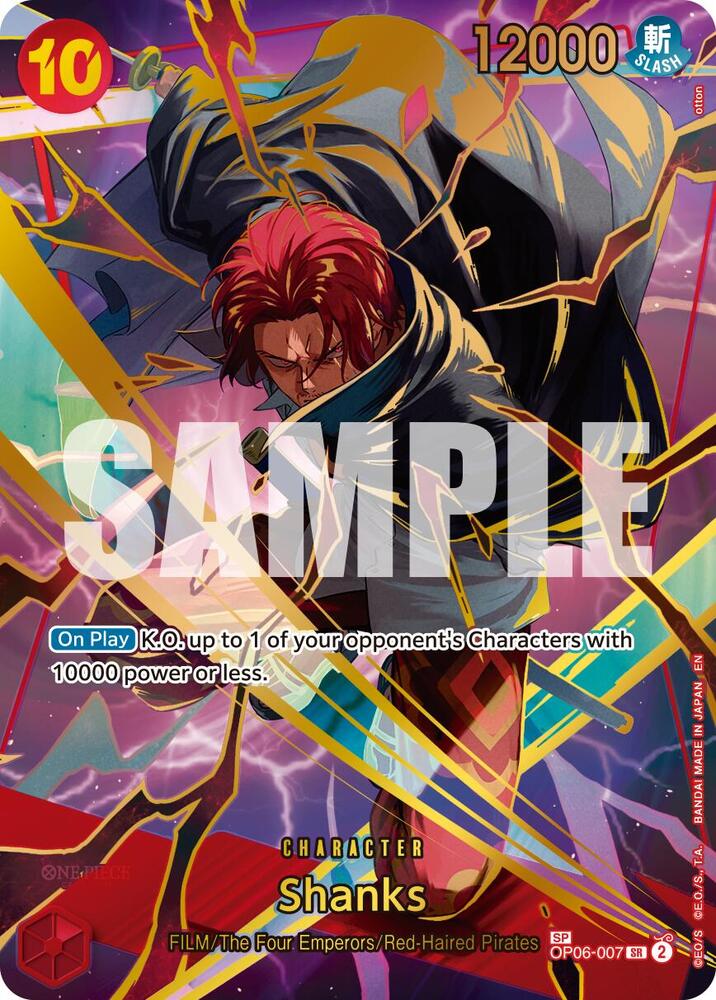
A booster box is a fixed, sealed quantity of packs from a specific set. You know going in exactly how many packs you're getting and exactly how many cards are in each pack, because that part is printed on the box and doesn't vary. What you don't know — and can't know — is which specific cards land in your hands. The manufacturer builds in a rarity distribution: a certain number of slots per box are guaranteed to be rare or higher, a certain (much smaller) number of packs across a case tend to contain the secret rares and special parallels everyone actually wants. That distribution is real and it's not a scam, but it's also not a promise that your particular box contains the card you're after. Our rarity guide breaks down how those tiers actually work if you want the full picture.
This is the core trade you're making with a box: you're paying for a guaranteed number of chances at the full pool of cards in a set, rarity odds included, rather than paying for one specific outcome. Some of what you open will be genuinely valuable. Most of it, statistically, will be commons and uncommons you already own multiples of, or cards for colors and archetypes you have no interest in playing. That's normal box math, not bad luck — it's built into how the product is designed.
What Buying Singles Actually Gives You
Buying a single card flips the entire transaction. Instead of paying for a chance at an outcome, you're paying for the outcome directly. You see the exact card, the exact condition (or at least a stated condition and photos, if you're buying from a reputable marketplace or seller), and the exact price before you commit to anything. There's no randomness in the purchase itself — the only variables left are whether the price is fair and whether the seller is trustworthy, which is a very different kind of risk than pack odds.
That second variable matters more than people expect. Buying singles means dealing with individual sellers, marketplaces, or local game stores rather than a sealed product straight from a distributor, and that introduces the possibility of miscounted condition, inflated grading claims, or outright counterfeits on the highest-demand cards. If you're spending real money on a single chase card, it's worth knowing the warning signs before you commit — our guide to spotting fake cards walks through what to check. The randomness is gone, but a different kind of diligence takes its place.
The Case for Buying the Box
The classic argument for booster boxes is that they're a gamble that can beat the singles market — and sometimes it's true. If a box happens to contain one of the set's biggest chase pulls, the value of that single card alone can exceed what the whole box cost, with everything else in the box counted as pure upside. This is the scenario box-breakers talk about, and it's real. It's also not the average outcome, which is why sealed product pricing tends to track the overall expected value of a box across many openings rather than the value of any one lucky result.
Boxes also make the most sense when you're not chasing one specific card at all — when what you actually want is a broad base of playable cards across multiple colors and archetypes, enough to build out more than one deck, or when you're new to the set and want a wide first look at what's actually in it before deciding what you like. If you're deciding whether a fresh release is even worth opening in the first place, checking a set-specific buying guide like our OP-17 products guide before you buy is a good habit regardless of which set is currently out, since those breakdowns usually flag whether box math looks favorable for that particular release.
There's also a straightforward fun-factor argument that doesn't show up in any spreadsheet. Opening packs is enjoyable in a way that clicking "buy" on a marketplace listing simply isn't, and if part of what you're paying for is the experience of the pull itself, that's a legitimate thing to value — as long as you're honest with yourself that you're paying for entertainment as much as for cardboard.
The Case for Buying Singles Instead
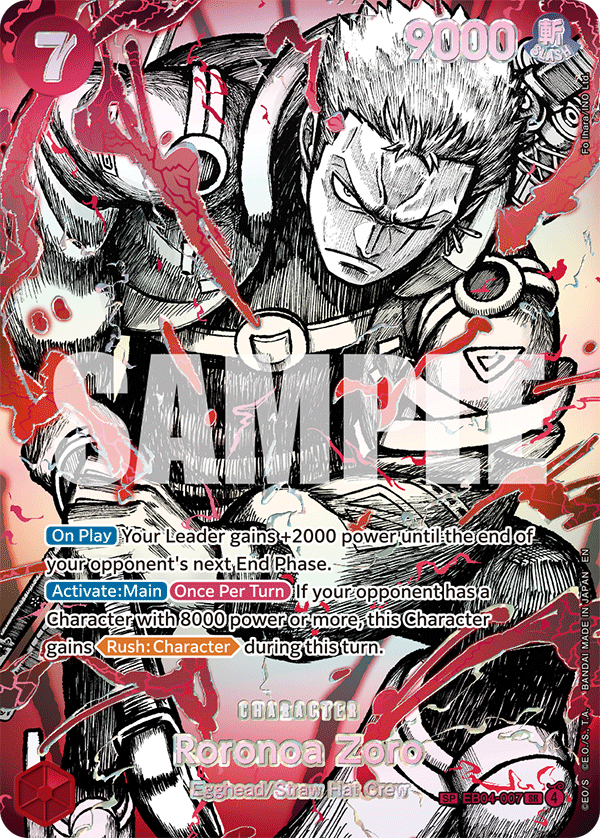
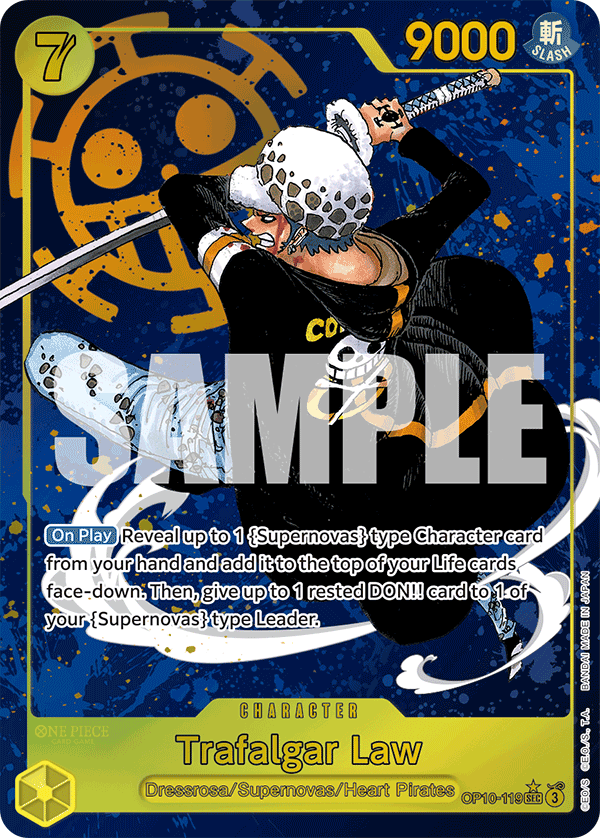
Singles win, decisively, when you already know exactly which one or two cards you need. This is by far the most common real-world scenario for competitive players: you've settled on a deck, you've read a strategy breakdown or a guide like our first competitive deck guide, and you know you're missing three or four specific cards to finish the list. Buying those cards directly is almost always cheaper and always faster than opening boxes and hoping they show up, because you're not paying for all the unrelated cards you'd pull along the way. Checking a current meta tier list before you shop is a good way to confirm the card you're chasing is actually worth the spend before you commit to it.
Singles are also the better call for collectors targeting a specific alt art, manga rare, or parallel rather than a whole set. If your goal is one particular version of one particular character, opening boxes to find it is genuinely one of the least efficient ways to get there, because you're relying on a low-probability pull for a card that's sitting on a marketplace right now with a known price attached to it. Our most valuable cards list is a useful starting point for figuring out roughly what a target card is worth before you go looking for it, so you have a sense of what a fair asking price looks like.
The Hidden Cost (and Hidden Upside) of Bulk
There's a piece of this decision that rarely gets talked about directly: the bulk. Every booster box you open produces a large number of commons, uncommons, and duplicate cards that aren't the reason you bought the box in the first place. That bulk is a real cost — it's cardboard you paid for that isn't going toward the card you wanted — but it's also not worthless, and treating it as pure loss overstates how bad box math actually is.
Bulk has a few legitimate uses. It fills out lower-power decks and lets you experiment with archetypes you wouldn't otherwise build, it's useful for teaching new players since nobody minds handing over a stack of commons, and small quantities of it can be sold or traded off in batches to recover a little bit of the box's cost, even if the per-card return is modest. If you do go the box route and end up with a pile of extras, our guide on how to trade and sell One Piece cards safely covers the practical side of moving that bulk without getting lowballed or scammed in the process.
The honest way to think about bulk is as a small, uncertain rebate on the box price rather than as inventory with real standalone value. It brings the effective cost of the box down a little, but rarely by enough to change the underlying decision on its own. If you're buying singles instead, you skip this entirely — there's no bulk to store, sort, sleeve, or eventually try to offload, which is itself worth something if you don't already have a system in place. Our binders vs. boxes organization guide is worth a look either way, since even a small singles purchase adds up over time.
A Simple Framework for Deciding
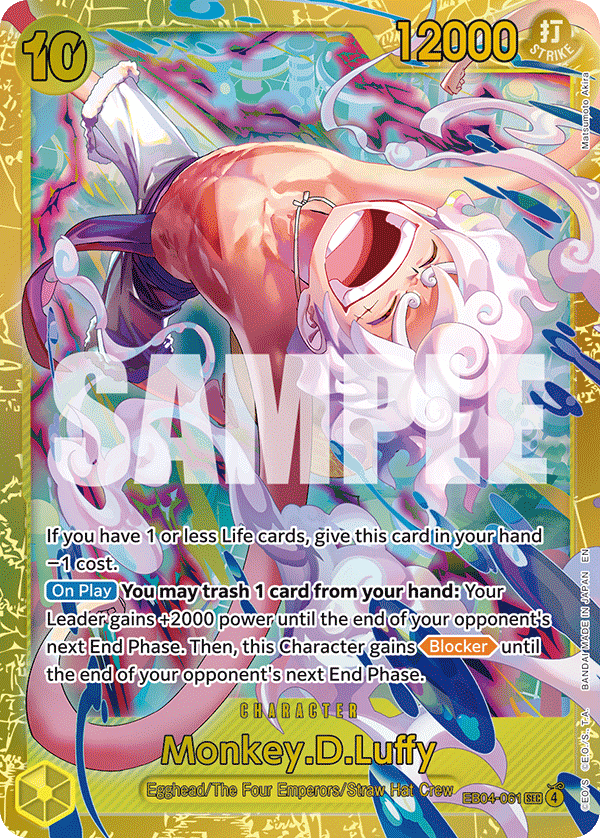
Strip away the excitement of pack-opening and the anxiety of marketplace shopping, and the decision really comes down to a small handful of honest questions. First: do you know exactly which card, or cards, you want? If the answer is yes and the list is short, buying singles is almost always the more reliable and usually cheaper route. If the answer is "I'm not sure yet, I just want to see what's in this set," a box is doing a job singles can't — giving you a broad, unbiased first look.
Second: how much do you value the process itself? If part of the appeal is the pack-opening experience, factor that in honestly as entertainment spending rather than pretending it's a pure investment decision. Third: what's your actual price tolerance for the specific chase card versus the box? Before buying either, it's worth checking current listings yourself — prices on both sealed boxes and individual singles move with the market and with each new set's release, and neither this guide nor any other should be treated as a fixed price reference. If you're weighing whether a card is worth grading once you have it, whether pulled from a box or bought as a raw single, our grading guide covers when that's actually worth the cost. And if you're building out a collection over time rather than chasing one card, our collection value guide is a better long-term reference than any single box-versus-singles comparison.
A useful middle-ground approach that a lot of experienced players land on: buy one or two boxes for the experience and the broad card pool if you enjoy opening packs, then fill in the specific gaps — the exact chase card, the exact deck piece, the exact alt art — with targeted singles purchases afterward. That way the box isn't carrying the full weight of getting you the one card you actually wanted, and the singles budget isn't paying for a full deck's worth of cards you didn't need.
Mistakes to Avoid Either Way
The most common mistake on the box side is treating a single box as if it should reliably contain a specific card. It shouldn't, and it usually won't — that's not how a randomized product works, and getting a box specifically to chase one card is the least efficient way to try to get it. If a particular pull is the whole goal, singles are almost always the better tool for that specific job, even if boxes remain worth buying for other reasons.
The most common mistake on the singles side is skipping due diligence because the price looked good. A deal that's noticeably below what similar listings are asking is worth a second look before you buy, not after. Sticking to sellers with verifiable reputations, asking for clear photos of the actual card rather than stock images, and keeping the card protected the moment it arrives all matter more than people expect until something goes wrong. A decent pair of sleeves and a deck box cost very little next to the price of the card you just bought, and there's no good reason to skip that step.
And a mistake that applies to both paths equally: budgeting emotionally instead of in advance. Decide what you're willing to spend before you start opening packs or browsing listings, not while you're mid-way through either one. Box openings especially have a way of turning into "just one more" the moment a pack disappoints, and that's exactly the moment a fixed budget set beforehand earns its keep.
→ Related Reading
There isn't a universal right answer here, and anyone telling you there is one is usually selling something. Both paths are legitimate ways to grow a collection or finish a deck, and plenty of experienced players use both depending on what a given set, and a given moment, calls for. For a broader look at how these choices fit into the game overall, our One Piece TCG strategy hub is a good next stop.
Know what you're chasing before you buy
If you can name the exact card you want, buy the single. If you want to explore a set, meet new archetypes, and enjoy the pull, buy the box — and check current listings for both before you commit, since prices shift with every new release.