

How to Spot a Fake One Piece Card
Six checks you can run in under a minute, before you ever swipe a card.
Some links below are affiliate links. If you buy through them, Geeky Domain may earn a small commission at no extra cost to you. We only recommend cards and products we believe offer real value to players.
→ Short Version
Genuine Bandai cards have a specific weight and finish that's noticeably different from most counterfeits. To check a suspicious card: bend-test it gently for flimsiness, hold it up to a bright light next to a card you know is genuine and compare how much light passes through each one, zoom in on the small print for blurry text or a wrong-looking font, check that foil rarities actually have the correct holo pattern, and cross-reference the set code and card number against a real card database. There's no reliable public data on how common fakes actually are, so don't take any specific percentage you see online at face value — just buy from known retailers or established marketplace sellers with clear return policies, and you'll avoid almost all of the risk.
→ Related Reading
In This Guide
- → Why Counterfeit Cards Are Worth Worrying About
- → The Bend Test: Check the Card Stock
- → The Light Test: Compare Light Transmission
- → Check the Print Quality and Fonts
- → Check the Holo Pattern on Foil Cards
- → Verify the Set Code and Card Number
- → Where to Buy to Avoid Fakes in the First Place
- → What to Do If You Think You Bought a Fake
- → Quick Pre-Purchase Checklist
Every trading card game with real secondary-market value eventually attracts counterfeiters, and One Piece is no exception. The good news is that spotting a fake doesn't require special equipment or an expert eye — it requires knowing what to look for and taking thirty extra seconds before you hand over your money. This guide walks through the checks that actually work, in the order you'd realistically do them, from the moment a card lands in your hand. If you're brand new to the game and still getting your bearings on what a "real" card is even supposed to look like in play, it's worth skimming our rules guide first — recognizing genuine cards gets a lot easier once you've handled a stack of them.
One thing to get out of the way up front: nobody has solid public data on what percentage of One Piece cards sold online are counterfeit. You'll see numbers thrown around in forums and video titles, but there's no reliable source behind most of them, so treat any specific statistic you encounter with skepticism. What we do have is a consistent set of physical tells that separate genuine Bandai cardstock from the copies, and those are worth learning regardless of how common or rare fakes actually turn out to be.
Why Counterfeit Cards Are Worth Worrying About
The risk isn't evenly spread across the game. A common uncommon-rarity card from a recent set is rarely worth anyone's time to fake — there's no profit in it. The cards worth checking carefully are the ones with real secondary-market value: alternate art leaders, secret rares, and anything that shows up on a most valuable cards list. If you're not sure which rarities those are or what the symbols on the bottom of a card actually mean, our rarity guide breaks down the full ladder from common through secret rare.
It's also worth being clear about what this guide is not saying: there's no evidence that any particular card, card number, or specific set is disproportionately targeted by counterfeiters more than any other. Anything expensive enough to be worth faking is a candidate, full stop, whether it's from the very first booster set or the newest one on shelves. Treat every high-value purchase with the same level of scrutiny rather than assuming certain sets are "safe."
The Bend Test: Check the Card Stock
Genuine One Piece cards are printed on a specific card stock with a particular weight and finish, and that's usually the first thing that feels off about a counterfeit before you even look closely. Hold the card between your thumb and forefinger and apply gentle, light pressure — not enough to actually damage it, just enough to feel how it responds. Real Bandai cardstock has a certain rigidity and snap to it. Fakes very often feel thinner, flimsier, or oddly plastic-y, almost like a laminated photo rather than a printed card. It's a subtle difference the first few times, but once you've felt a genuine card next to a fake, it becomes obvious fast.
The best way to calibrate your hands for this is to have a known-real card on hand for comparison — ideally something you bought sealed, straight from a booster pack. If you don't have one yet, this is a good reason to pick up a small amount of sealed product from a reliable source before you start buying loose singles. Whatever you're comparing, do the bend test gently — you're feeling for stiffness and weight, not stress-testing the card, and once you've confirmed a card is real, it's worth getting it into a proper sleeve right away using our sleeves and deck box recommendations so it doesn't take unnecessary wear while you're double-checking it.
The Light Test: Compare Light Transmission
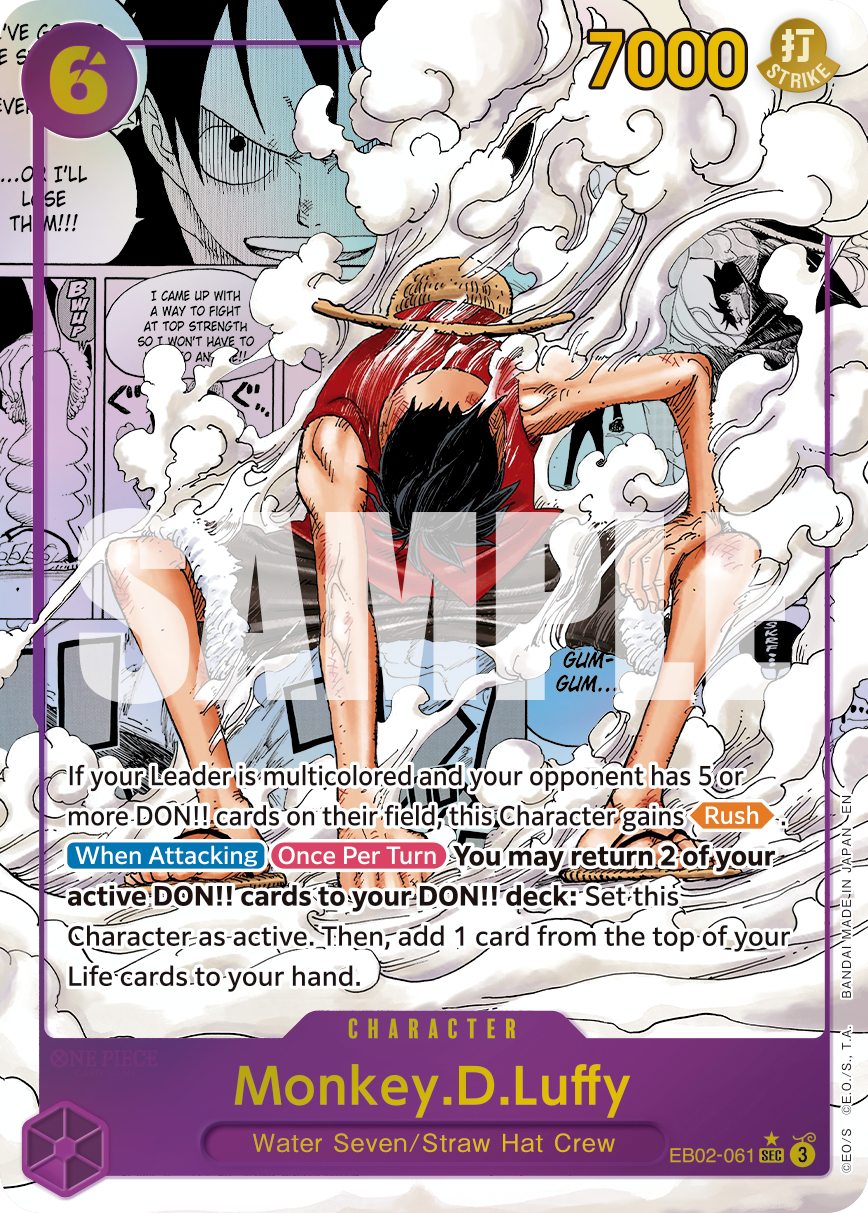
This is one of the most useful tests you can do at home with no equipment beyond a phone flashlight and a card you already know is genuine. Hold the suspect card up to a bright light — your phone's built-in flashlight works fine — right alongside the known-real card, and compare how much light passes through each one. Genuine Bandai cardstock tends to be noticeably denser than most counterfeit stock, so a real card should visibly block more light than a fake held the same way.
Most counterfeits are made from a cheaper card stock that simply doesn't block light as well, so a fake will typically let noticeably more light through when you hold it up next to a genuine card under the same light. This side-by-side comparison works regardless of which set the card is from; if you want the full rundown of what's released so far, our set history guide covers every booster from OP01 onward. The light test is quick, doesn't require touching or bending the card at all, and — done side by side with a known-real card — is one of the harder tells for a counterfeiter to fake convincingly.
Check the Print Quality and Fonts
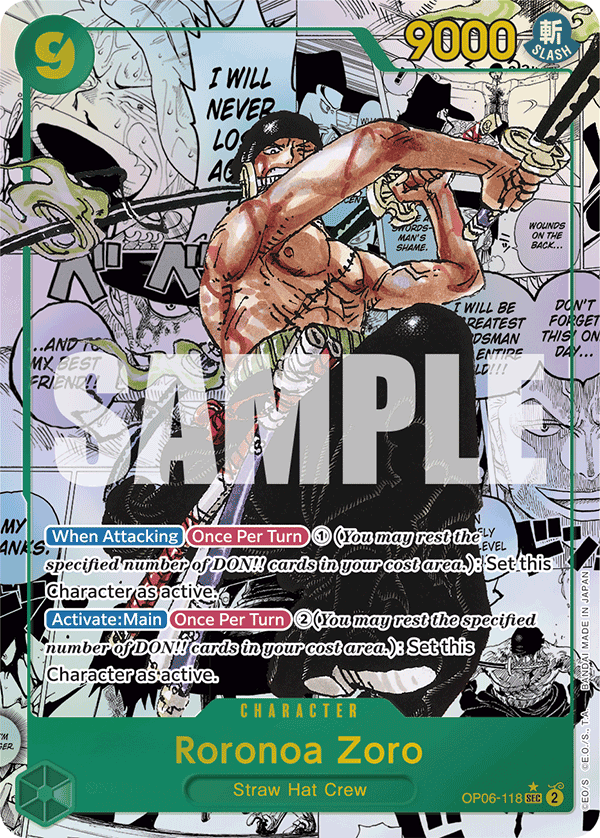
Zoom in. Literally — take a photo of the card with your phone and pinch to zoom on the small text: the flavor text, the effect text, the tiny copyright line near the bottom edge. Official cards print this text crisply even at small sizes. Counterfeits are frequently produced from scanned or re-photographed source images, and that process introduces blur, pixelation, or slightly muddy edges on fine print that a genuine card simply doesn't have. If the small text looks like it was printed from a JPEG rather than an original print file, that's a strong red flag.
Font is the other giveaway, and it's one people tend to miss because it's subtle at a glance. Compare the card name and the set code lettering against a card you know is genuine, or against official images from a set review — our OP17 set review has clean reference shots of current cards if you need something recent to compare against. Counterfeiters recreating a card layout from scratch often get the font just slightly wrong — a different weight, a different letter spacing, sometimes an entirely different typeface standing in for the real one. It won't look wildly off. It'll look almost right, which is exactly what should make you pause.
Check the Holo Pattern on Foil Cards
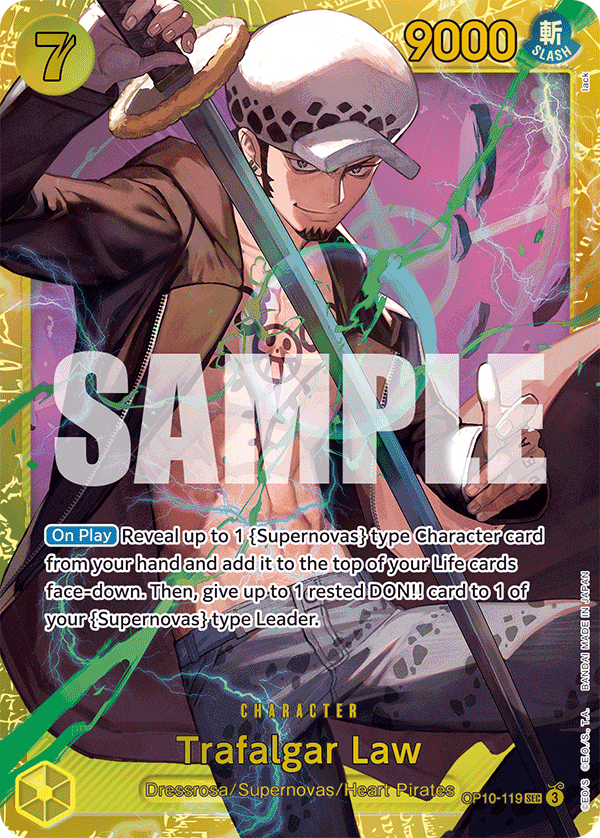
If a card's rarity should include foil — a super rare, secret rare, or a parallel version of a leader or character card — the holo pattern is worth examining under a light before anything else. Tilt the card slowly and watch how the foil catches the light. A genuine card's holo effect should be even, consistent, and match the pattern you'd expect for that rarity tier. A missing holo effect entirely, or one that looks patchy, uneven, or applied in the wrong place on the card, is one of the clearest signs of a fake — foiling is genuinely difficult and expensive to replicate accurately, so counterfeiters frequently cut corners here even when they've nailed other details.
This matters most on exactly the cards you'd want to double-check anyway: the expensive ones. If you're eyeing a secret rare or an alternate art chase card and you're planning to eventually get it professionally graded, it's worth knowing upfront that a grading company will flag a counterfeit rather than slab it — our grading guide walks through what PSA, CGC, and BGS actually check for before they'll accept a submission. Running the holo check yourself before you buy saves you the wait, and the fee, of finding out the hard way.
Verify the Set Code and Card Number
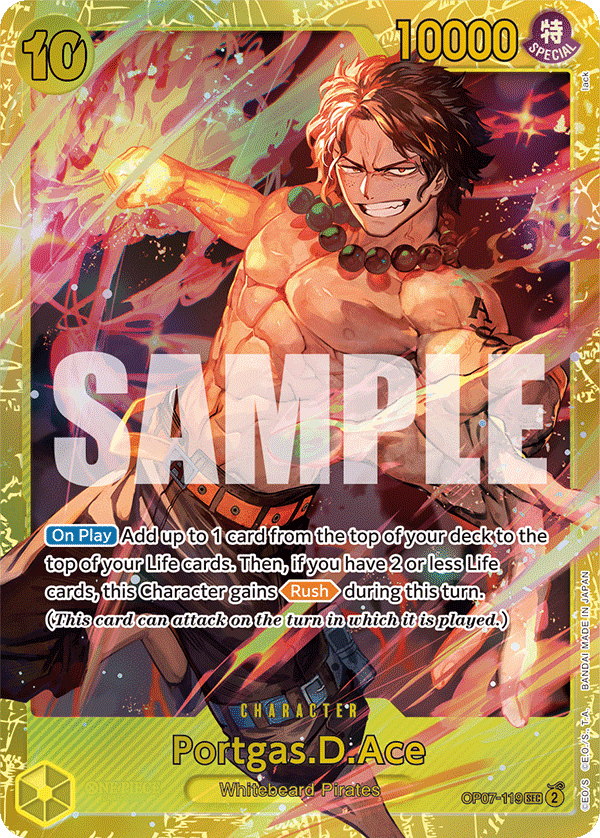
Every genuine One Piece card carries a set code and card number printed near the bottom edge — something like a set abbreviation followed by a number, indicating exactly which booster or starter deck it came from and where it sits in that set's numbering. Before buying a card you're unsure about, especially online where you can't handle it first, look up that exact set code and card number against a real card database or the official card list and confirm the name, rarity, and color actually match what should exist at that number. A mismatch — the wrong character showing up at a code that should belong to someone else, or a rarity symbol that doesn't line up with what that number is supposed to be — is an immediate disqualifier.
This check is especially useful for online purchases where you're working from a photo rather than the card in hand, since it doesn't rely on texture or light at all — just careful comparison. It also doubles as a good habit generally: knowing how to read a card's set code and number helps you keep track of your own collection over time, which is exactly the kind of thing our collection value guide gets into if you're trying to get a handle on what you actually own.
Where to Buy to Avoid Fakes in the First Place
Every check above is a backstop. The actual best defense against ending up with a counterfeit card is never needing to run these tests in the first place, and that comes down almost entirely to who you buy from. Stick to known retailers, your local game store, or established marketplace sellers with real transaction history, clear photos of the actual item, and — critically — a working return policy. A seller who won't take a card back if it turns out to be fake, or who gets cagey when you ask specific questions about a listing, is telling you something.
Sealed product carries the lowest risk of all, since it's much harder and less profitable to counterfeit an entire booster box than a single high-value chase card, though it's not a zero-risk category either — buy sealed product from the same category of trustworthy sources. If you're deciding what to actually buy from the newest release, our OP17 buying guide covers current product options, and if you're entirely new to the hobby and still working out where trustworthy sellers even are, our beginner's guide to starting any TCG covers that groundwork too.
What to Do If You Think You Bought a Fake
If you run the checks above and come away suspicious, don't play the card, don't sleeve it into your main collection, and don't try to resell it — set it aside. Go back to the seller first. If you bought from a marketplace with buyer protection, or a retailer with a stated return policy, that's your fastest path to a refund or exchange, and most legitimate sellers would rather take a card back quietly than have a dispute filed against them. Keep your photos of the bend test, the light test, and any print or holo issues you spotted — they make the case for you if you do need to escalate to a formal dispute.
If it turns out you were right and the card is fake, resist the temptation to just fold it into a casual playset "since it still works for gameplay." Aside from the fairness issue if you ever trade or sell it later without disclosing it, a fake card sitting next to real ones in a binder is exactly the kind of thing that causes confusion down the line — for you or for whoever owns the collection next.
Quick Pre-Purchase Checklist
If you only remember one thing from this guide, make it this sequence. It takes less than a minute per card and covers nearly everything:
→ The Checklist
- Bend test — does the card feel appropriately stiff and weighted, not flimsy or plastic-y?
- Light test — held up to a bright light next to a card you know is genuine, does it block noticeably more light than the comparison card?
- Print check — under zoom, is the small text crisp, and does the font on the name and set code match a known-real reference?
- Holo check — if the rarity should be foil, does the holo pattern look even and correctly placed?
- Set code check — does the printed set code and card number actually correspond to this exact card in a real card database?
- Seller check — is this a known retailer or an established seller with a real return policy?
None of these checks require you to be an expert, and you won't need all six every single time — a cheap common from a trusted local store doesn't need the full workup. Save the full checklist for the purchases that actually matter: alternate arts, secret rares, and anything expensive enough that a mistake would sting.
Trust your hands, your flashlight, and your seller's return policy
Spotting a fake One Piece card doesn't take special tools or expert-level knowledge — it takes a bend test, a flashlight, a close look at the print and holo, and a habit of buying from sellers who'll stand behind what they sell. Run through the checklist on anything valuable before you buy, and the risk drops to nearly nothing.