

How to Trade and Sell One Piece Cards Safely
A practical, no-drama guide to moving cards for real money without getting burned.
Some links below are affiliate links. If you buy through them, Geeky Domain may earn a small commission at no extra cost to you.
→ Short Version
Trade and sell through established TCG marketplaces or your local game store, not unverified direct deals over social media. Get condition and authenticity independently confirmed before any high-value trade. Ship valuable cards tracked and insured, never just first-class in an envelope. And learn the common scam scripts — "ship first," artificial urgency, prices way under market — so you recognize them before you're the one explaining what happened.
→ Related Reading
In This Guide
- → Why Card Trading Has Real Money At Stake Now
- → Where to Trade and Sell: Picking a Platform With Real Protection
- → Confirm Condition and Authenticity Before Any High-Value Deal
- → Getting Paid and Shipping Valuable Cards the Right Way
- → Scam Patterns Every Trader Should Recognize
- → Trading and Selling In Person: Locals, Events, and Tournaments
- → Building a Trustworthy Track Record Over Time
Why Card Trading Has Real Money At Stake Now
One Piece TCG stopped being a niche curiosity a while ago. Chase cards from early sets regularly change hands for serious money, box prices swing with tournament results and reprint announcements, and casual traders who used to just swap doubles at a kitchen table are now moving cards worth hundreds of dollars through the mail to people they've never met. That shift is exciting, but it's also exactly the environment where scams thrive — high-value items, motivated buyers, and a lot of first-time sellers who don't yet know what "normal" looks like.
If you're not sure how much a given card is actually worth before you list it or agree to a trade, that's step zero. Our Collection Value Guide walks through how to price a binder realistically, and our Most Valuable One Piece Cards guide covers which chase pulls are commanding the biggest premiums right now. Rarity alone doesn't tell the whole story either — condition, print run, and which set a card came from all factor in, which is why it's worth understanding how One Piece rarity actually works before you assume a card is worth what a quick search suggests.


The other reason this matters more now than it used to: the card pool keeps growing. Every new release adds fresh chase cards and shifts which older cards are in demand, so a card that felt like a safe reference point six months ago might be priced very differently today. If you want the bigger picture of how the game got here, our set history from OP01 through OP17 is a good primer. None of this changes the fundamentals of safe trading, but it does mean the stakes of getting a deal wrong keep going up, not down.
Where to Trade and Sell: Picking a Platform With Real Protection
The single biggest safety decision you make isn't who you trade with — it's where. Established, well-known TCG marketplaces exist specifically because trading cards are small, high-value, and easy to misrepresent, and they build in protections for exactly that: buyer and seller dispute resolution, payment holds until delivery is confirmed, seller ratings and transaction history, and a paper trail if something goes wrong. Your local game store is the other reliable option — a physical business with a reputation to protect and a face you can actually talk to if a deal goes sideways.
Direct deals arranged purely through social media, group chats, or forum DMs sit at the opposite end of the spectrum. There's nothing wrong with using those channels to find a trade partner or advertise that you have cards available — but the actual transaction, especially for anything above pocket-change value, should move to a platform with buyer/seller protection rather than staying as a private message thread with no recourse if either side doesn't hold up their end. A platform with protections isn't a guarantee nothing will go wrong, but it means there's a process, a record, and often a real person you can escalate to.
This matters just as much on the buying side. If you're building out a deck or chasing a specific card, it's tempting to jump on the first "great deal" you see posted in a Discord server. Take the extra step of moving the actual payment and shipment through a protected channel. It costs you nothing but a little friction, and that friction is the whole point — scammers rely on speed and convenience to keep you from thinking twice.
Confirm Condition and Authenticity Before Any High-Value Deal
"Near mint" means different things to different people, and a photo taken at a flattering angle can hide whitening, edge wear, or a print line that would change the price meaningfully in person. Before you commit to a high-value trade or sale, ask for clear, well-lit photos from multiple angles — front, back, and close-ups of the corners and edges — and don't be shy about asking follow-up questions if something looks off. A seller who's dealing in good faith won't mind the extra scrutiny.
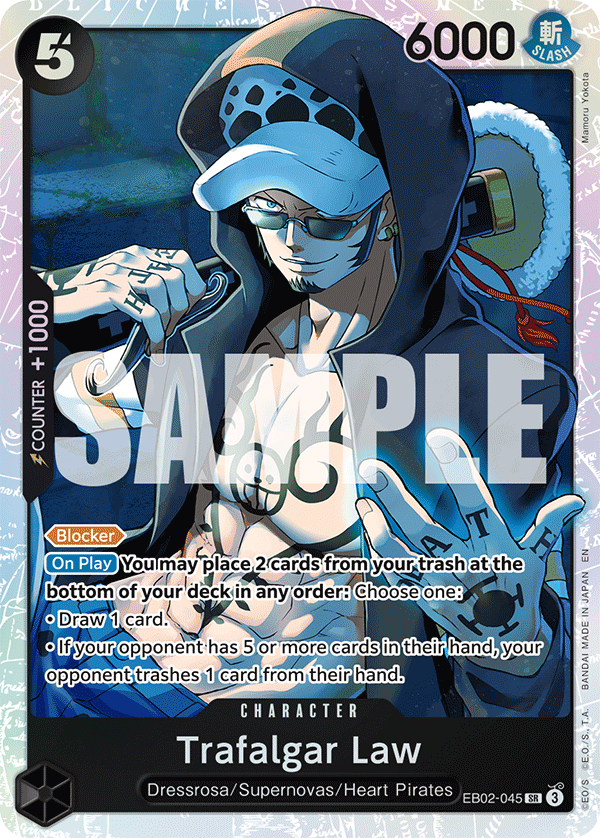
Authenticity is the bigger concern once a card's value climbs into serious territory. Counterfeits and proxies have gotten harder to spot on a quick glance, especially through a phone screen, so treat "trust me, it's real" as a starting point rather than a conclusion. Our guide to spotting fake One Piece cards covers the physical tells worth checking — card stock, print quality, and the details counterfeiters tend to get wrong. For anything expensive enough that authenticity really matters, independent third-party grading is the strongest confirmation you can get, since a graded card has already been examined and encapsulated by a company with no stake in the sale either way. Our grading guide covering PSA, CGC, and BGS explains how that process works and what the different grading companies actually check for.
If a card isn't graded and the deal is big enough to matter, it's reasonable to ask for a video showing the card being handled, or to request it be sent for grading before the sale finalizes if both sides are willing to structure the deal that way. None of this is about assuming bad faith — it's about building in the kind of verification that protects both a careful buyer and an honest seller from disputes later.
Getting Paid and Shipping Valuable Cards the Right Way
Once condition and authenticity are settled, how the money and the card actually move is where a lot of deals quietly fall apart. Use payment methods that come with buyer and seller protection built in — the kind offered through established marketplace checkout flows — rather than "friends and family" transfers or methods with no dispute process, even if the other person asks for it because it's "easier" or has "lower fees." That request alone is worth treating as a small warning sign, covered in more detail below.

On the shipping side, anything with real value deserves tracked and insured shipping, full stop. Tracking gives both sides proof of where the package is and when it arrived; insurance means an honest mistake in transit — a lost package, damage from careless handling — doesn't turn into an argument about who eats the loss. Pair that with proper protection for the card itself: a rigid card saver or top-loader inside a bend-resistant mailer, not a bare card in a regular envelope. Our accessories guide covering sleeves, deck boxes, and playmats is a good reference if you're not sure what to stock up on before you start shipping cards regularly.
If you're selling often enough that this becomes a routine part of your hobby rather than a once-a-year event, it's worth setting up a simple, repeatable shipping process — the same mailer size, the same protective sleeve, the same tracking habit every time — so nothing gets rushed on the one sale that happens to be your most valuable. Our budget tools for TCG sellers guide covers some inexpensive ways to make that process more consistent without overspending on gear you don't need.
Scam Patterns Every Trader Should Recognize
Most card-trading scams aren't especially clever — they rely on a handful of patterns that repeat constantly because they keep working on people who haven't seen them before. Learning to recognize the shape of these attempts is often more useful than any single piece of technical advice, because the tactic shows up in slightly different costumes every time.
The most common one is a buyer asking the seller to ship the card first, with payment to follow "right after" — sometimes with a sympathetic story attached about why they can't pay upfront. Once the card ships, the payment often never arrives, and there's little recourse if the deal happened outside a protected platform. The safe default, on either side of a trade, is payment and shipment moving through a system where both are verified before the transaction is considered complete — not a sequence based on trust alone.
Watch for artificial urgency too — "I need to sell today," "someone else is about to buy it," pressure to skip your usual verification steps because the window is closing. Legitimate sellers with legitimate cards are rarely in that much of a hurry, and a deal that can't survive you taking twenty extra minutes to check condition or confirm a payment cleared usually isn't a deal worth rushing into. The same goes for prices that sit far below what a card is actually worth: it's flattering to think you just found a great deal nobody else noticed, but a price that's dramatically under market is much more often a sign that something about the card, the payment, or the seller isn't what it appears to be. Cross-checking against a current price reference before you get excited about a "steal" is a small habit that saves a lot of regret.
Trading and Selling In Person: Locals, Events, and Tournaments
In-person trading is, in a lot of ways, the safest format there is — you can examine the actual card, hand over cash or complete a marketplace transaction on the spot, and there's no shipping risk to manage at all. Local game stores are the natural hub for this: a consistent location, a community of regulars, and often a store policy or bulletin board specifically for buying, selling, and trading singles. If you don't already have a local spot you trust, showing up to an organized play night is a good way to start meeting other players and building the kind of reputation that makes future trades easier.
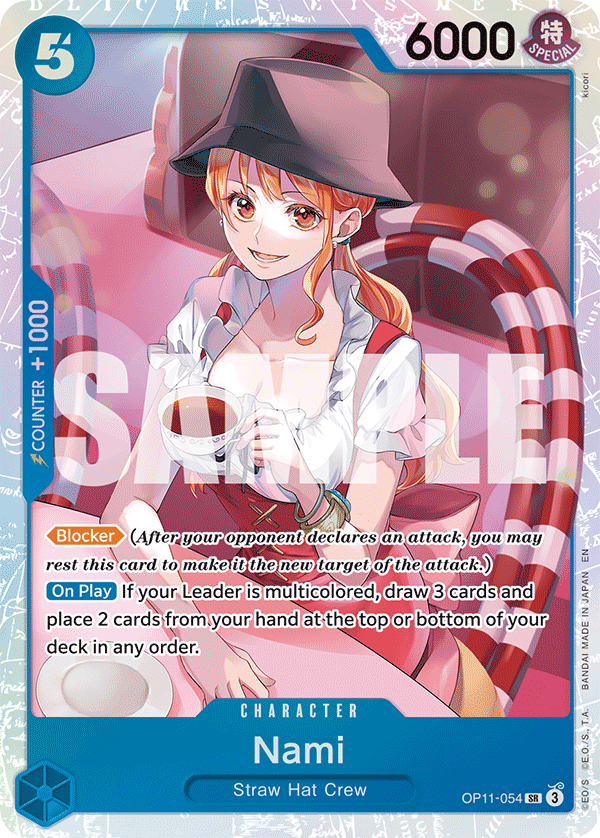
Tournaments and larger events add another layer of built-in trust, since organizers and venues generally have some baseline standards, and there are more witnesses around if a dispute comes up. That said, "in person" doesn't automatically mean "no scrutiny needed" — the same condition and authenticity checks from earlier in this guide still apply. Look the card over yourself before money changes hands rather than taking a quick glance and trusting it's fine; a five-minute check at a table costs you nothing and catches most problems before they become your problem. If you're newer to organized play generally and want a sense of what tournament environments look like, our organized play and championship guide is a useful starting point.
For higher-value in-person trades — the kind involving a genuinely expensive chase card rather than a stack of playables — it's still reasonable to suggest meeting somewhere public and well-lit, like the store itself during open hours, rather than a private arrangement. Most experienced traders won't think twice about that request; it's normal, not an insult.
Building a Trustworthy Track Record Over Time
Safety in this hobby compounds. Every clean transaction — accurate condition descriptions, on-time shipping, honest communication when something's out of stock or a card turned out lower-grade than expected — builds a track record that makes your future deals easier and faster to close, whether that's marketplace feedback, a reputation at your local store, or just being the person in your playgroup that everyone knows deals straight.
The flip side is worth keeping in mind too: new accounts with no history, on either side of a deal, deserve a little extra caution regardless of how the conversation feels. That's not an accusation — everyone starts with zero trades at some point — it just means leaning a bit more on platform protections and verification steps until a track record exists to lean on instead.
Keeping your own collection organized also pays off here, since it's a lot easier to spot when something's missing, mispriced, or worth verifying if you actually know what you have. Our guide to organizing cards in binders versus boxes is a solid place to start if your collection has outgrown the shoebox stage, and if you're building toward bigger trades or a more serious collection over time, our building a collection on any budget guide lays out a sensible way to grow it without overextending. None of the individual steps in this guide are complicated on their own — the value comes from doing them consistently, every time, especially on the trades that feel too easy to double-check.
Slow Down, Verify, Then Trade
Safe trading isn't complicated — it's a handful of habits repeated consistently: protected platforms over private deals, independent verification before big-money trades, tracked and insured shipping, and a healthy skepticism toward anything urgent or too-good-to-be-true. Build those habits early and they'll protect you on every deal that follows.