

Booster Box vs Singles: The Budget Math
The single most common buying question in any TCG — and the answer is more interesting than "just buy singles." Here's the actual logic.
Some links below are affiliate links. If you buy through them, we may earn a small commission at no extra cost to you. We only recommend products we'd use ourselves.
You're staring at the checkout screen. A sealed booster box, or the specific cards you actually want as singles? It's the most common spending decision in every trading card game, and the internet's stock answer — "always buy singles" — is right often enough to be repeated forever, but wrong often enough to be worth understanding why. The real answer depends on what you're trying to accomplish, and the math behind it is genuinely worth knowing.
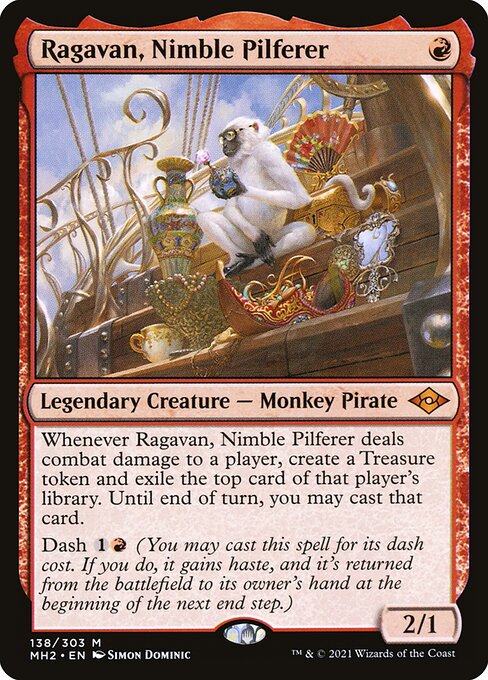
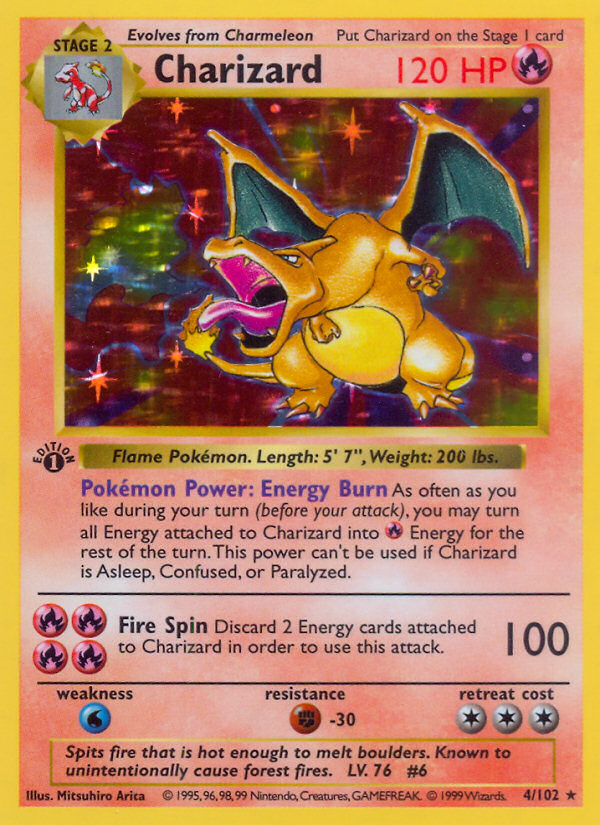
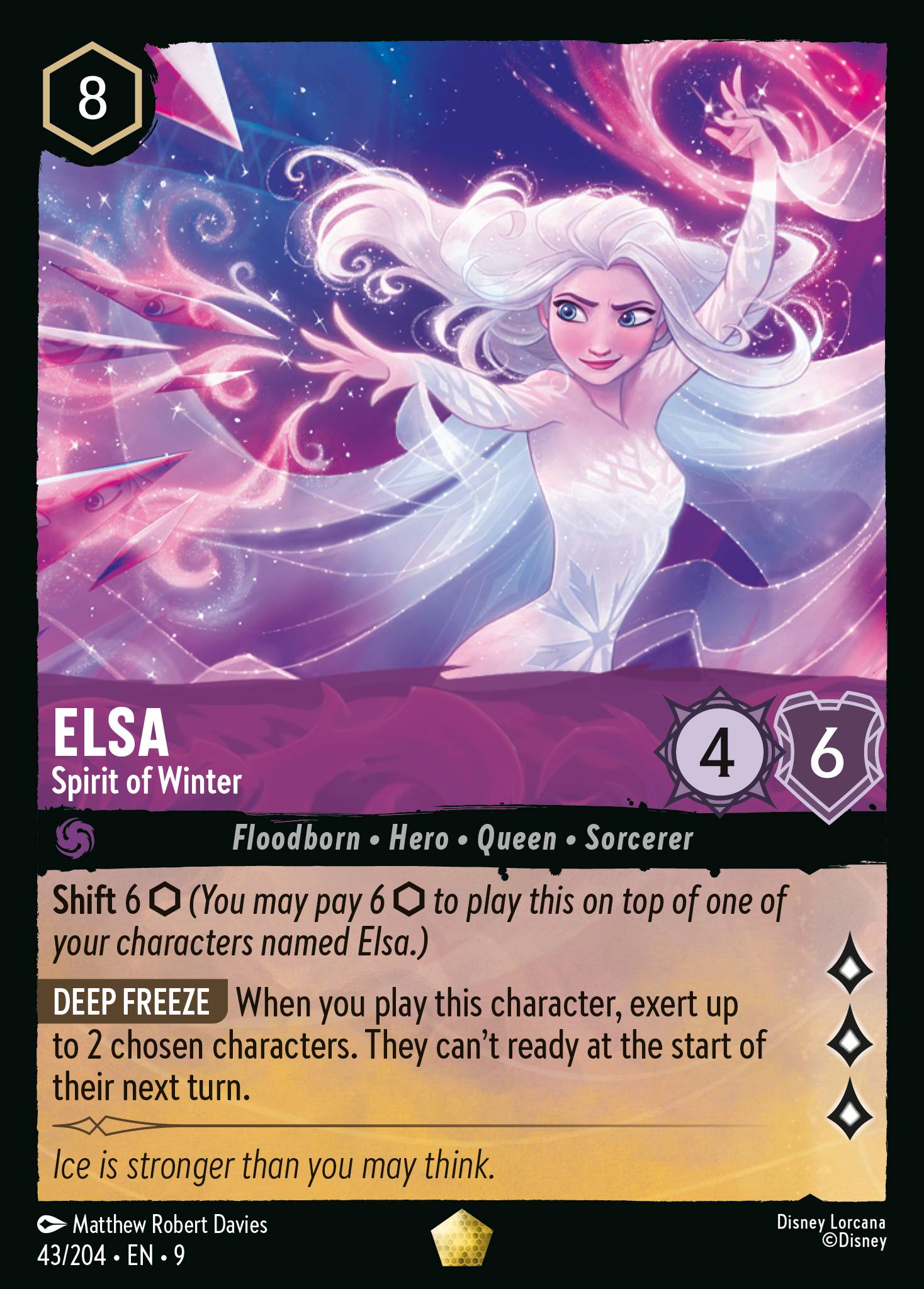
This is a cross-game framework, not a game-specific buying guide. The logic of box-versus-singles works the same whether you play Magic, Pokemon, Lorcana, or anything else — only the specific prices change. So we'll talk about the reasoning: the expected-value math (conceptually, not in dollars that'd be stale by next set), the structural reason boxes cost what they do, and a clean decision process for which to buy when.
For game-specific buying advice, our targeted guides — like how to buy Lorcana singles or whether sealed product is a good investment — go deeper on individual games. This one teaches the framework you'll apply to all of them.
The Short Version
A sealed box is a lottery ticket over a portfolio of cards — and on average, most boxes are worth a little less than they cost, because the only way to "punish" an overpriced box is to not buy it (you can't re-seal singles into packs), so sealed product can hold a premium above its contents' value indefinitely. That means: if you want specific cards — for a deck, for competitive play, to complete a set — buy singles. It's cheaper and certain, and it isn't close. Buy a box when the value isn't the point: you want the experience of opening, you're chasing collection breadth, you're running a sealed/draft event, or you want a shot at expensive cards at "pack cost." And singles get cheaper after launch hype fades, so patience pays. The smart money usually does both, matched to the goal.
→ Related Guides
In This Guide
The Core Math: Expected Value
A booster box is two things at once. It's a sealed object with a market price — what you pay at the store. And it's a container of cards, each of which has its own secondary-market value. The useful way to think about a box is its expected value: if you opened it and sold every card at market price, what would you collect on average, across all the possible things you might pull?
The gap between those two numbers — the box's price versus the average value of its contents — is the whole ballgame. And the uncomfortable truth, true across essentially every game most of the time, is that the expected value of a box is usually a bit lower than its retail price. On average, the cards inside are worth slightly less than you paid for the sealed product. You're not getting robbed — you're buying a lottery ticket over a portfolio of cards, and like any lottery, the house edge is baked in.
That's the foundation of the "just buy singles" advice. If a specific card is what you want, you can buy exactly that card for a known price, with zero variance — versus paying a box price for an average outcome that's usually a touch worse than break-even, plus a pile of cards you didn't want. For pure efficiency, targeted singles win. But "usually a bit below EV" is not the same as "always a rip-off," and the reasons why are where it gets interesting.
Why Boxes Cost What They Do
Here's the structural insight most buyers never hear, and it explains the whole market. The relationship between a box's price and its contents' value is policed by arbitrage — but that arbitrage only runs in one direction.
When a box is priced below the value of its expected contents, traders pounce: buy sealed, crack the packs, sell the singles, pocket the difference. They keep doing it until the buying pressure bids the sealed price back up to match. So a box can't stay cheap relative to its cards for long — the market corrects it.
But when a box is priced above its contents' value, there's no equivalent force to push it down. Why? You can't re-seal a booster. You can't buy fifteen singles and shrink-wrap them into a factory-sealed pack. The only way to "punish" an overpriced box is to decline to buy it — which is far weaker than active arbitrage. The result: sealed product can sustain a premium above its expected value indefinitely.
This one-directional arbitrage is the single most important fact about sealed pricing. It means the deck is structurally tilted: boxes rarely sit below their card value, and often sit a little above it. That's not a conspiracy — it's just what happens when a product can be destroyed into its parts but not assembled back from them. Understanding it tells you to stop expecting a box to be a "deal" and start asking what else it's giving you for that premium.
When Singles Win
For a large set of goals, singles are the clear, often overwhelming, winner:
- Building a specific deck. This isn't close. If you need particular cards for a particular deck, buy those cards. A box gives you a random assortment that almost certainly won't include the four-of you need, while costing more than just buying it. For deckbuilding, singles win every time.
- Competitive play. Competitive players need exact lists, optimized to the card. Singles deliver precision; sealed delivers noise. No serious tournament player builds their deck by cracking boxes.
- Completing a collection efficiently. If you're filling specific holes — the last few cards of a set, particular chase cards — singles let you buy exactly what's missing. Boxes hand you duplicates of what you already have and miss the cards you still need.
- Value certainty & lower stress. Singles are a known quantity: you see the price, you get the card. No variance, no disappointment from a flat box. Many collectors find targeted single-buying simply less stressful than gambling on pulls — you always get what you paid for.

When the Box Wins
The mistake is judging a box purely on EV, because for several real goals, value efficiency isn't what you're buying. A box is the right call when:
- You want the experience of opening. Cracking packs is genuinely fun — the anticipation, the reveal, the lucky hit. That's a real thing you're paying for, and it has value, just not financial value. If the opening is the point, a box is exactly the right product, and there's nothing wrong with that.
- You're chasing breadth, not a specific card. If your goal is a wide swath of a set — lots of commons and uncommons, a broad base to build casual decks from — a box delivers volume in one purchase. And across multiple boxes you'll naturally fill out a collection, hitting some expensive cards at "pack cost" when luck lands instead of paying full single price.
- You're running a sealed or draft event. This is the box's killer app. A draft or sealed night requires sealed packs — you literally can't do it with singles. One box typically supplies a full pod, making it the most efficient possible purchase for that goal. (See our draft night guide for the format.)
- You want to sample a set. Curious about a set's cards, art, or feel before committing? A few packs (not a whole box) are a sensible, low-cost trial run — you learn whether you like it before you invest in singles or a full box.
Variance & the Singles Floor
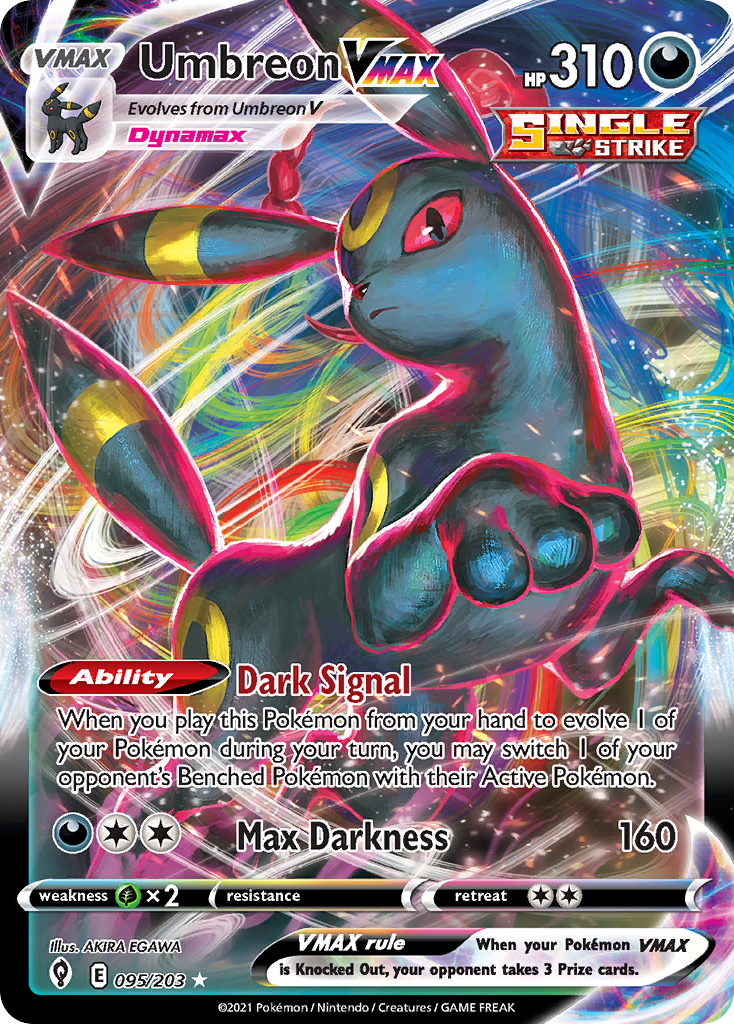
Two more concepts sharpen the decision. The first is variance. A box's "expected value" is an average — any individual box swings above or below it, sometimes wildly, since the big value is concentrated in a few rare hits. Buy one box and you might hit the jackpot card or open a dud; the average only shows up over many boxes. The fewer you buy, the more you're gambling on variance rather than collecting the average. That's fine if you're after the thrill; it's a poor plan if you're after a specific outcome.
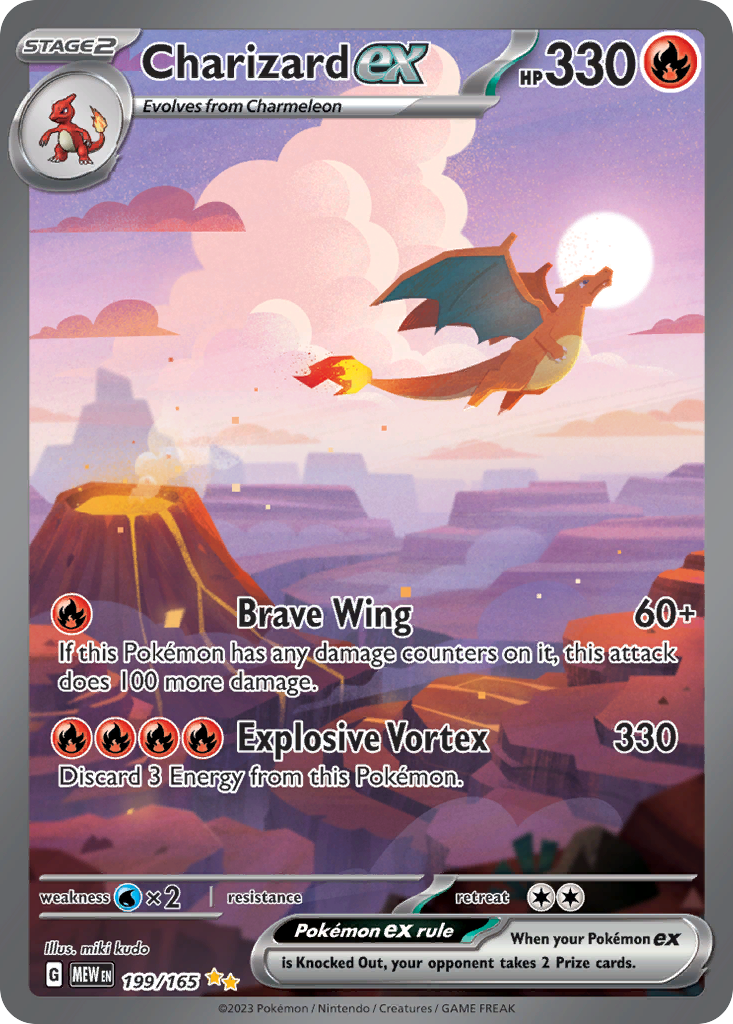
The second is the singles floor, and it's the budget buyer's best friend. At a set's launch, single prices reflect hype and thin supply — they're inflated. As more product gets opened over the following weeks, supply rises and prices settle toward a real, market-discovered floor. So the patient move on most cards is to wait: let the launch frenzy pass, then buy your singles once prices have repriced downward. You trade a little time for a meaningfully better price.
The Combined Rule of Thumb
If you want certainty — specific cards, best price — buy singles, and buy them after the launch hype fades. If you want experience or breadth — the fun of opening, a sealed event, a wide casual collection — buy the box and accept you're paying a small premium for those things. Trouble only comes from confusing the two: buying a box expecting efficient value, or buying singles when what you actually wanted was the joy of cracking packs.
A Simple Decision Process
Run your purchase through these in order:
- 1. Do I want specific cards? Yes → buy singles. For a deck, for competition, or to complete a set, targeted singles are cheaper and certain. Stop here.
- 2. Do I want to run a draft or sealed event? Yes → buy a box (or several). This is the one goal singles literally can't serve.
- 3. Is the fun of opening part of why I'm buying? Yes → a box (or a few packs) is legitimate — just budget it as entertainment, not investment.
- 4. Am I chasing broad collection volume? Yes → a box gives breadth and the odd hit at pack cost. No → back to singles.
- 5. Is there any rush? If you're buying singles and the set is new, waiting a few weeks for the price floor usually saves money. Patience is a budget tool.
Common Mistakes
Buying a box to get specific cards.
The classic budget error. Cracking a box hoping for the four-of you need almost always costs more and delivers less than just buying those singles. If you want the card, buy the card.

Expecting a box to be a "deal."
Because of one-directional arbitrage, boxes rarely sit below their card value and often sit above it. Buy a box for what it gives you — experience, breadth, events — not because you think you're beating the market.
Buying singles at launch hype prices.
First-week single prices are inflated by hype and thin supply. Unless you need the card immediately, waiting for the post-launch floor saves real money — patience is free.
Judging a fun purchase by EV (or vice versa).
If you bought a box for the joy of opening, don't be upset it wasn't "worth it" — that wasn't the point. And if you wanted value, don't buy the box for fun and call it an investment. Match the purchase to the goal.
FAQ
- So is "always buy singles" wrong? It's right for value and specific cards — which is most serious buying — so it's good default advice. But it's wrong as an absolute: it ignores the experience, events, and breadth that boxes uniquely provide. The honest answer is "buy singles for cards, buy boxes for everything else a box does."
- Can't I buy a box, keep what I want, and sell the rest? You can, and people do — but you'll usually net less than the box cost after selling the bulk at a discount and eating fees and effort. It works best when you'd enjoy the opening anyway and treat any recouped value as a bonus, not when you're counting on it to break even.
- Are boxes ever a good investment sealed? Sometimes, long-term, as sealed product — but that's a different question from box-vs-singles for using the cards, and it carries real risk (reprints, print-run size, your capital tied up). We cover that separately; for play and collection purposes, don't conflate "fun box" with "investment."
- Does this differ by game? The framework is identical everywhere; only the numbers move. Games and sets vary in pull rates and chase-card concentration, which shifts a box's EV, but the logic — singles for certainty, boxes for experience, mind the one-directional premium, wait for the floor — holds across all of them.
Quick Reference
- The math: a box is a lottery ticket over a portfolio; its EV is usually a bit below retail.
- Why: one-directional arbitrage — you can crack a cheap box but can't re-seal singles, so premiums persist.
- Buy singles for: specific cards, decks, competitive play, completing a set, value certainty.
- Buy a box for: the opening experience, draft/sealed events, collection breadth, sampling a set.
- Variance: fewer boxes = more gamble; the "average" only shows up over many.
- Singles floor: wait out launch hype; prices settle lower as product opens.
- Golden rule: match the purchase to the goal — certainty vs. experience.
Where to Buy
Once you've decided: for sealed boxes, Amazon and eBay carry product across most games; for singles, TCGplayer and Card Kingdom have the deepest searchable inventory and clearer market pricing. Whichever way you go, compare recent prices before buying — and on singles, remember the post-launch floor is usually the better entry point.
Buy for the Right Reason.
Booster box versus singles isn't really a math problem with one answer — it's a goals problem. The math just tells you the box usually costs a little more than its cards are worth, for structural reasons that won't change. So buy singles when you want certainty and specific cards, buy a box when you want the experience, an event, or breadth, and wait out the launch hype when you can. Get the goal straight first, and the right purchase is obvious.
Know what you're really buying — and you'll never overpay for the wrong thing again.
© GEEKYDOMAIN.COM | Strategy Powered by Data