

One Piece TCG Grading Guide: PSA vs CGC vs BGS
What PSA, CGC, and BGS actually do to a card's value, and which One Piece pulls are worth the wait to find out.
Some links below are affiliate links. If you buy through them, Geeky Domain may earn a small commission at no extra cost to you.
→ Short Version
Grading only pays off for One Piece TCG chase pulls -- Secret Rares, Special/Alternate Art cards, and Manga art cards -- where a high numeric grade meaningfully changes what a buyer will pay. PSA is still the most widely recognized name and generally the deepest, most liquid resale market for TCG cards overall, with PSA 10 carrying the biggest premium. CGC and BGS both print subgrades (centering, corners, edges, surface) directly on the label, which some collectors value for transparency, and BGS's Black Label 10 is the rarest grade tier in the entire grading industry, though it's exceptionally rare on modern print runs like One Piece. For bulk commons, uncommons, or anything you couldn't sell raw for real money anyway, grading fees and turnaround time will almost always outweigh whatever bump a slab might add. Choose a company based on what you're actually holding and how that specific card resells, not on brand loyalty alone.
Every set that ships pulls a fresh wave of "should I grade this?" questions, and One Piece is no exception. Once you've cracked a box and separated the real hits from the filler, the next decision is whether to send anything off to a third-party grader at all -- and if so, which one. This guide walks through what PSA, CGC, and BGS actually do differently, which One Piece cards are realistically worth the cost and wait, and which ones you should just sleeve and forget about. If you're still getting a handle on why certain pulls matter more than others in the first place, our rarity guide is the right starting point before this one.
In This Guide
- → What Grading Actually Does to a One Piece Card
- → Meet the Three Companies: PSA, CGC, and BGS
- → PSA: The Gem Mint Standard
- → CGC: Subgrades and the Black-Label Pristine 10
- → BGS: Subgrades and the Black Label Chase
- → Which One Piece Cards Are Actually Worth Grading
- → When Grading Isn't Worth It
- → Population Reports: Why One Piece Is Still a Thin Category
- → Cost and Turnaround: What to Actually Expect
- → How to Choose a Grading Company for Your Card
→ Related Reading
What Grading Actually Does to a One Piece Card
A raw card is whatever you've got in your hand: a sleeve, maybe a top-loader, and your own eyes as the only judge of condition. Sending a card to a third-party grader replaces that with a trained examiner who inspects it under controlled lighting, assigns a numeric grade against a fixed standard, and seals it inside a tamper-evident plastic case, or "slab," along with a certification label and a unique serial number. That case is the whole point: once a card is slabbed, its condition is no longer a matter of opinion between a buyer and a seller.
That matters for two separate reasons. The first is authentication -- a slab is a third party's word that the card inside is genuine, which is a bigger deal than it sounds like given how much counterfeit product circulates in secondary markets. If you've ever had a doubt about a card you bought loose, our guide on how to spot fake One Piece cards covers what to check before you ever get to the grading question. The second reason is standardization: a PSA 10 means the same thing whether the seller is in Tokyo or Toronto, which removes a huge amount of the back-and-forth that comes with buying condition-sensitive cards sight unseen.
None of that changes what the card actually is, though. Grading doesn't make a common more desirable or a starter-deck card scarce -- it just puts a verified, universally understood number on cards that already have real demand. That distinction is the whole reason this guide exists.
Meet the Three Companies: PSA, CGC, and BGS
Three companies dominate third-party grading for One Piece TCG cards right now. PSA (Professional Sports Authenticator) is the name most collectors recognize first, largely because of its long history grading sports cards before TCGs became a major part of its business. CGC (Certified Guaranty Company) grades trading cards under its CGC Cards brand, building on decades of experience grading comic books. BGS (Beckett Grading Services) built its reputation on detailed subgrading and has been a fixture in high-end sports and Pokémon grading for years.
All three use a 1-to-10 scale, but they don't present that scale the same way, and those differences actually matter when you're deciding where to send a genuine chase pull -- something like the kind of secret rare that headlines a set review such as our OP17 set review. The next three sections break down what each company's grade actually tells you.
PSA: The Gem Mint Standard
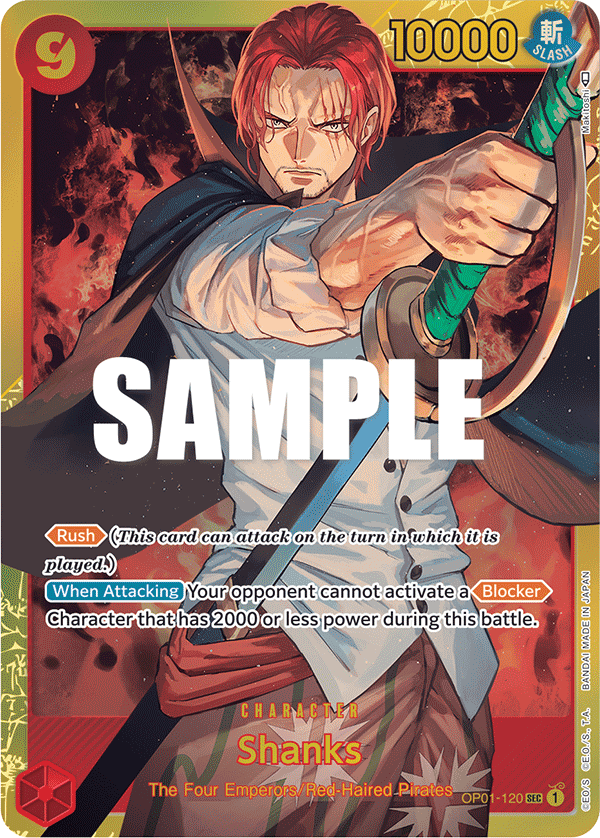
PSA grades on a simple 1-to-10 scale where 10 means Gem Mint. There are no plus grades, no half points, and no subgrades printed on the label -- just the number, the card's identity, and PSA's own encapsulation. That simplicity is a big part of why PSA has become the default reference point across the hobby: a "PSA 10" is a phrase that carries meaning to a buyer who has never touched a One Piece card in their life, the same way it does to a sports card collector.
What that recognition buys you is liquidity. Of the three companies, PSA generally has the largest and most active resale market for TCG cards, and PSA 10s in particular tend to carry the biggest premium over a raw copy of the same card. If you're weighing whether a specific pull is worth that kind of attention at all, it's worth cross-referencing it against our running list of the most valuable One Piece cards before you submit anything.
The tradeoff is that a single number gives you less information than a label with subgrades. Two PSA 9s can look meaningfully different card to card -- one might have missed 10 on a barely-visible corner ding, another on centering -- and you won't know which from the label alone. For collectors who want that level of detail, that's exactly what pushes some people toward CGC or BGS instead.
CGC: Subgrades and the Black-Label Pristine 10
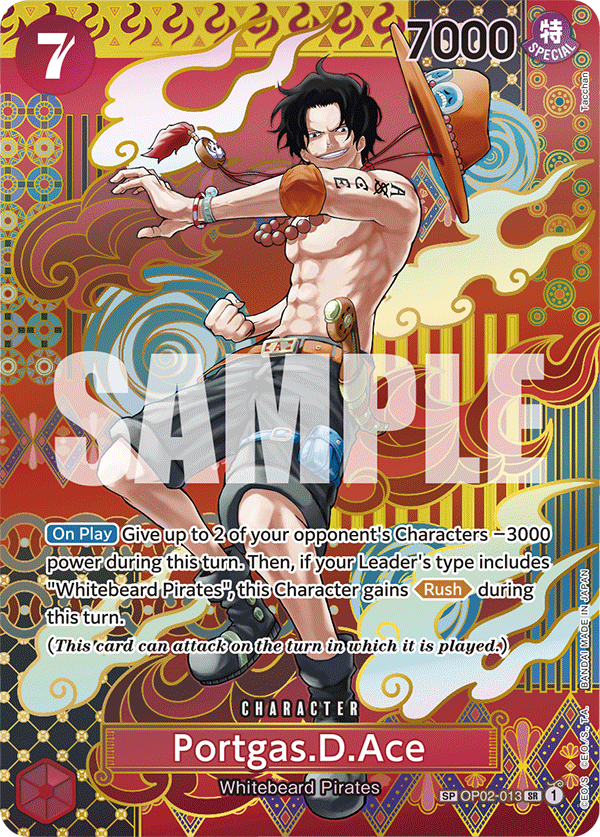
CGC also grades on a 1-to-10 scale, but it allows half-point grades like 9.5, which gives it more granularity out of the gate than PSA's whole-number scale. The bigger differentiator, though, is what's printed on the label itself: CGC's gold-label cards show individual subgrades for centering, corners, edges, and surface, so a buyer can see exactly why a card landed at 9.5 instead of 10 without ever taking it out of the case.
At the top of CGC's scale sits the Pristine 10, presented on a distinctive black label that visually separates it from every other grade CGC issues. It's meant to signal a card that is essentially flawless across every subgrade category, and the black label makes it instantly identifiable on a shelf or in a listing photo, which matters if you're building a display piece rather than just a portfolio -- something we get into more in our guide to building a TCG display.
One practical note before you submit anything to any grader: how you handle the card between now and the day it ships matters. A card that gets a fresh scuff from a cheap sleeve on the way to the grader can lose points it never needed to lose. Our roundup of sleeves, deck boxes, and playmats is worth a look if you're prepping a submission batch rather than just protecting a binder.
BGS: Subgrades and the Black Label Chase
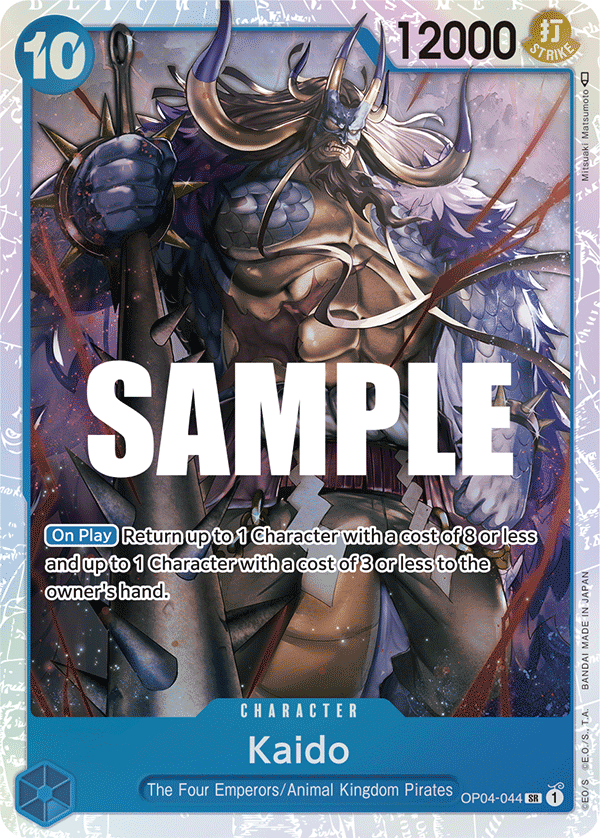
BGS was doing subgraded labels before it was common practice elsewhere in the hobby, and its 1-to-10 scale with centering, corners, edges, and surface subgrades is the format CGC's gold label clearly draws from. A BGS card's overall grade is derived from those four component scores, and the label lays all of it out for the buyer to see.
The grade every collector has heard of, even outside TCGs, is the BGS Black Label 10 -- a perfect 10 across all four subgrades simultaneously. It's widely considered the single rarest and most valuable grade tier in the entire grading industry, sports cards included, precisely because hitting a flawless score in every category at once is so unlikely. On a modern, mass-printed card like anything from a current One Piece set, a Black Label 10 is an extreme long shot rather than something to plan around -- worth knowing about, not worth expecting.
Where BGS tends to get chosen deliberately is on cards where a buyer specifically wants that subgrade transparency and already has a preference for BGS's label aesthetic, often carried over from Pokémon or sports collecting. If you're new to One Piece and trying to understand how today's sets connect to the sets before them, our set history guide covers how the print runs have evolved from OP01 through OP17.
Which One Piece Cards Are Actually Worth Grading
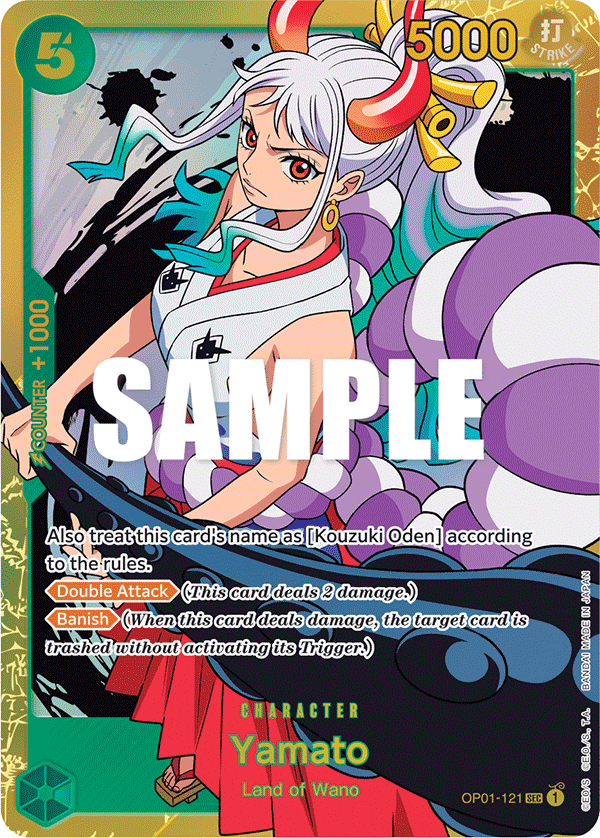
Grading makes sense when a card already commands real demand raw, and a certified high grade would meaningfully change what a buyer is willing to pay for it. In practice, that means Secret Rares (SEC), Special or Alternate Art cards (SP), and Manga art cards -- the tiers our rarity guide covers in detail. These are the cards people are already actively hunting for on the secondary market, so a slab and a high number give a buyer confidence to pay a premium without inspecting the card themselves.
Leader alt-arts and set-defining secret rares -- the kind of pull that ends up on a price-guide list, like the chase cards covered in our OP17 chase card price guide -- are the clearest candidates. These cards already trade for enough raw that the grading fee is a small fraction of the card's value either way, which means even a mid-range grade doesn't leave you underwater, and a high grade can add a genuinely meaningful premium.
The honest test before submitting anything is simple: would this specific card, in this specific condition, sell for real money raw? If the answer is a confident yes, grading is at least worth considering. If you're not sure, it's worth pricing it out first rather than guessing.
When Grading Isn't Worth It
On the other end, commons, uncommons, and most low-rarity rares almost never clear the bar. Grading fees are a fixed cost regardless of what the card is worth, so submitting a card that sells for a few dollars raw means the grading cost alone can dwarf whatever the card would fetch afterward -- and that's before you factor in shipping both directions and the time your card spends locked up in transit and processing. The math here is the same logic we walk through in booster box vs. singles budget math: know the real numbers before you commit spend to something that might not return it.
Starter deck exclusives and playset staples fall into the same category for a different reason -- they're common enough that supply alone keeps prices low no matter how clean the copy is. If your goal is protecting and organizing a collection of cards like that rather than certifying them, a good binder does more for you per dollar than a slab does. Our guide to binders vs. boxes covers how to think about storage for the cards that don't need a certification number attached to them.
There's also a middle tier worth flagging honestly: mid-value rares that aren't chase-tier but aren't bulk either. These are judgment calls, and the right call depends on the specific card's raw resale price relative to grading costs -- there's no universal rule that covers every card in that band.
Population Reports: Why One Piece Is Still a Thin Category
A population report is a grading company's public record of how many copies of a given card have received each grade. For long-established categories like Pokémon or Magic: The Gathering, those reports run deep -- years of submission history that let buyers gauge exactly how scarce a particular grade genuinely is. One Piece TCG is a much newer category for all three grading companies, which means population data for these cards is comparatively thin right now.
That's worth factoring into your decision honestly rather than ignoring it. A "low population" grade on a One Piece card right now may simply reflect that not many collectors have submitted that card yet, not that the grade itself is unusually hard to achieve. As more of the community grades cards from each set, those numbers will fill in and become more meaningful as a scarcity signal -- but treat any current population count on a One Piece card as a snapshot of submission activity so far, not a settled fact about long-term rarity. We don't have specific population figures to cite here, and neither should you take an early snapshot as the final word.
This is also part of the broader financial picture around the game -- print runs, box allocation, and how often certain rarities actually surface in the wild all feed into how population reports will eventually shape up. Our breakdown of Bandai TCG finance and pull rates is a useful companion read if you want the fuller context behind why certain cards are scarcer than others in the first place.
Cost and Turnaround: What to Actually Expect
We're not going to hand you a specific dollar figure or a specific number of weeks here, and you should be skeptical of any article that does -- grading fees and turnaround times shift with service tier, submission volume, and time of year, and all three companies adjust their pricing and processing speed more often than most collecting content gets updated. The only reliable source for current numbers is each company's own site at the moment you're ready to submit.
What is consistent across all three companies is the general shape of the choice: cheaper "economy" or standard tiers take longer, while paying more for an expedited or "express" tier gets your cards back faster. Bulk submissions can sometimes bring the per-card cost down, which is part of why some collectors wait to build up a batch of chase pulls across several sets rather than submitting one card at a time. Whichever tier you pick, plan around your cards being unavailable to sell or trade for the full stretch of that window -- and store the rest of your collection properly while you wait, which is where our binders vs. boxes guide comes in handy again.
Because those numbers move, this guide is deliberately not the place to check them. Bookmark the grading company's submission page instead, and check it fresh right before you actually send anything in.
How to Choose a Grading Company for Your Card
Once you've decided a card is actually worth grading, the company you pick should follow from what you actually want out of the slab. If your priority is resale liquidity and the widest possible buyer pool, PSA's brand recognition and generally deeper resale market make it the default choice for most One Piece chase cards. If you specifically want subgrade transparency printed on the label -- so a buyer can see exactly why a card landed where it did -- CGC or BGS are the better fit, and the choice between those two often comes down to label aesthetics and which company you already trust from other collecting categories.
Before you commit to any of the three, look up recent sold listings for that exact card at that exact grade from each company. Resale behavior can genuinely differ card by card and grade by grade, and a company that commands a premium on one card isn't guaranteed to command the same premium on another. This is also a good moment to zoom out and think about grading as one piece of a larger collecting strategy rather than a decision in isolation -- our One Piece TCG strategy hub and collection value guide both cover how grading fits alongside singles buying, set collecting, and long-term portfolio decisions.
And if you're still building toward your first genuinely gradeable pull rather than deciding between companies today, that's a completely normal place to be. Getting there is mostly a matter of understanding which sets and rarities actually produce chase cards in the first place, which is exactly what the rest of our One Piece coverage is for.
Grade the chase cards, sleeve the rest
PSA, CGC, and BGS all do the same core job -- authenticate a card and put a trusted number on its condition -- but they differ enough in recognition, subgrade detail, and market behavior that the right choice depends on the specific card in your hand. Save grading for the Secret Rares, Special/Alternate Art, and Manga art cards that already have real demand, and let a good binder handle everything else.