

How to Value Your One Piece Card Collection
A practical, no-nonsense method for figuring out what your binder is actually worth — not what a listing wishes it were worth.
Some links below are affiliate links. If you buy through them, Geeky Domain may earn a small commission at no extra cost to you.
→ Short Version
Every card carries its own answer key: the set code and card number printed on it tell you exactly what you're holding. From there, don't trust asking prices — check actual sold and completed listings on a marketplace, since that's the only reliable signal of what a card is trading for right now. Condition changes the math dramatically: a heavily played card can be worth a fraction of what a mint copy of the same card sells for. Bulk commons and chase rarities like Secret Rares, Special/Alternate Arts, Manga Arts, and Parallels are two separate valuation problems, not one — treat them differently. And for your genuine chase cards, grading through a service like PSA, CGC, or BGS is often what unlocks a card's real ceiling.
→ Related Reading
In This Guide
- → Start With the Card Itself: Set Codes and Card Numbers
- → Why Asking Prices Lie: Check Sold Listings Instead
- → Condition Is Everything: Played vs. Mint
- → Bulk Commons vs. Chase Rarities: Two Different Math Problems
- → When Grading Makes Sense (and When It Doesn't)
- → A Simple Valuation Workflow for Your Whole Binder
- → Common Mistakes That Skew Your Estimate
At some point almost every One Piece TCG collector ends up staring at a binder, a shoebox of bulk, or a decade's worth of pulled boosters and asking the same question: what is this actually worth? Maybe you're thinking about selling off some doubles, maybe you're insuring a collection, or maybe you just want an honest number instead of a hopeful one. Whatever the reason, valuing a card collection is a skill you can learn in an afternoon — it just isn't a single lookup. It's a short, repeatable process: identify exactly what you have, check what it's actually selling for, weigh in condition, and treat your bulk differently from your chase cards. This guide walks through that process end to end, using the same method serious collectors and sellers actually rely on, rather than guesswork or memory.
Start With the Card Itself: Set Codes and Card Numbers
Before you can value a card, you have to know exactly what it is — and the card itself already tells you. Every One Piece TCG card carries a set code and card number printed near the bottom, something like OP01, OP17, ST13, or EB01 followed by a three-digit number. That code identifies the exact set the card came from, and the number identifies its position within that set, which in turn points you to its rarity. If you're still getting comfortable reading these details, our how to play One Piece Card Game rules guide covers card anatomy alongside the basic rules, and it's worth a refresher even for players who've been at this a while.
This step matters because the same character can appear dozens of times across different sets and rarities, and each printing carries its own value entirely independent of the others. A Common-rarity Nami from an early set and a Special Art Rare Nami from a later set share a name and nothing else in terms of what they're worth. If you're trying to place a card within the game's overall timeline — which set introduced it, roughly what era it's from — our set history from OP01 through OP17 is a handy reference, since set codes aren't always intuitive if you didn't open the packs yourself when they released.

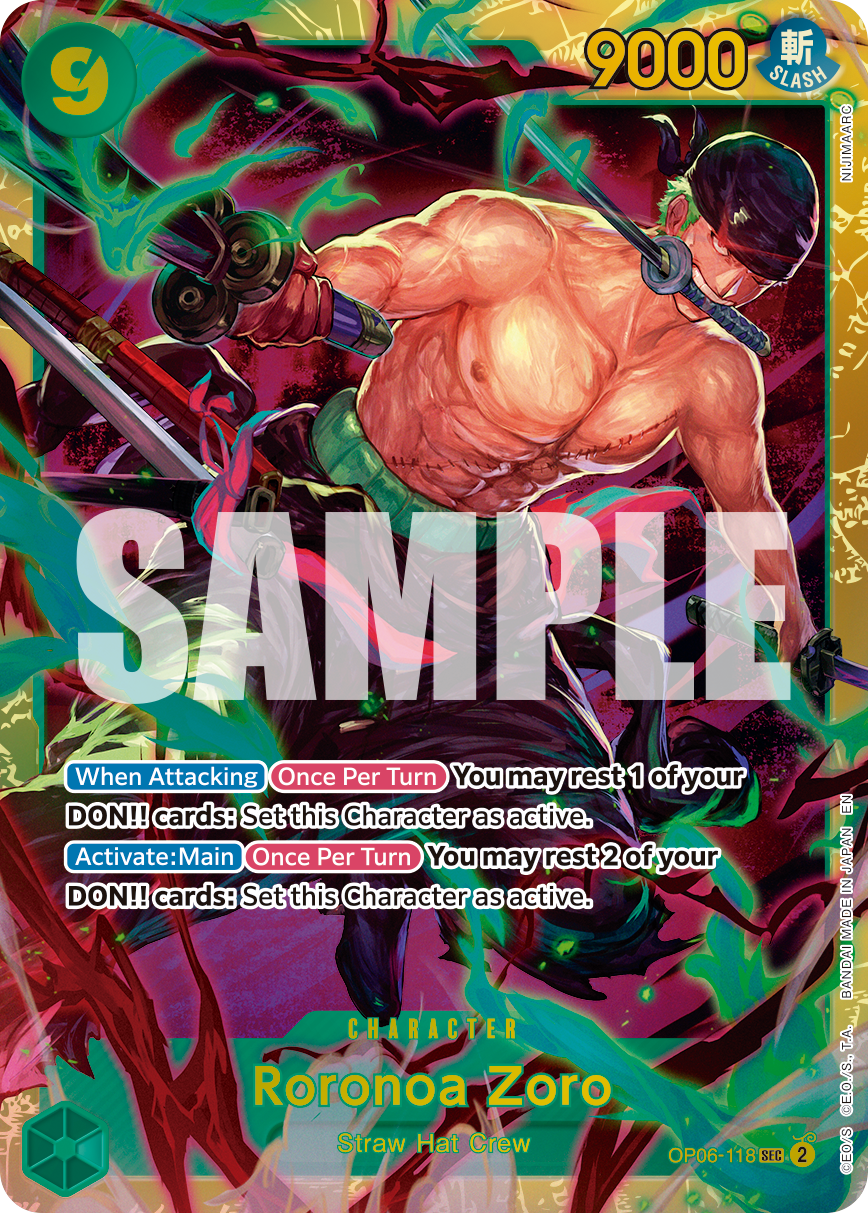
Alongside the set code and number, most cards also print a rarity abbreviation — C for Common, UC for Uncommon, R for Rare, SR for Super Rare, L for Leader, and SEC for Secret Rare — plus special print treatments like Alternate Art, Manga Art, and Parallel that don't always get their own letter but change a card's value substantially all the same. For the full breakdown of what each of these means and how to visually tell them apart, our rarity guide to chase cards walks through every tier with examples. Getting this identification step right is the whole foundation of an accurate valuation — everything that follows is just a matter of looking up the correct card.
Why Asking Prices Lie: Check Sold Listings Instead
Once you know exactly what card you're holding, the instinct is to search for it and note the first price that comes up. Don't. Active listing prices — what sellers are currently asking — are aspirational by nature. Anyone can list a card for whatever number they want, and plenty of sellers price high and simply wait, sometimes for months, sometimes indefinitely. An asking price on its own tells you almost nothing about what a card is actually trading for.
The number that matters is what buyers actually paid recently — sold and completed listings, not active ones. Most major marketplaces let you filter search results down to completed sales only, and that filtered view is the closest thing to a real market price you're going to find. Look at several recent sold listings rather than just one, since a single outlier sale — a rushed sale, a bidding war, a condition mismatch — can skew your read badly if it's the only data point you check. Averaging four or five recent sold prices for the same exact card in a similar condition gives you a far more honest number than any single asking price ever will.
This step is also where a lot of collectors overestimate their own collection without meaning to. It's natural to remember the best price you ever saw a card hit and anchor to that number going forward, but markets move, and a card that sold high a year or two ago may not be trading anywhere close to that today. Check current sold data every time you revalue — don't rely on memory, and don't rely on a screenshot you saved a long time ago. If you're also weighing whether to keep chasing individual singles or just buy sealed product and open your own, our booster box vs. singles budget math breakdown runs the actual numbers on that decision too.
Condition Is Everything: Played vs. Mint
Two copies of the exact same card, same set, same rarity, can be worth wildly different amounts depending on condition alone. A card with whitening on the edges, a bent corner, a crease, or visible surface scratching can be worth a fraction of what a crisp, mint copy of that same card sells for — and for genuine chase cards, that gap tends to widen rather than shrink as the raw price climbs. Condition isn't a minor adjustment to a card's value; for anything beyond bulk commons, it's frequently the single biggest factor in what a card is actually worth.
When you're assessing your own cards, check the corners and edges first, since that's where handling shows up fastest. Then look at the surface under good light for scratches or print lines, and finally check centering, since a card printed noticeably off-center will sell — and grade — lower even with zero handling damage on it at all. If you've never compared a heavily played card against a mint one side by side, it's worth doing once just to calibrate your eye; the difference is usually more obvious in person than people expect from photos alone.
How you've stored your cards up to this point matters here too. Cards that spent years loose in a shoebox tend to look noticeably different from cards that were sleeved in a binder or toploader from day one. If you're building or upgrading your storage setup going forward, our sleeves, deck boxes, and playmats guide and our broader binders vs. boxes comparison both cover what actually protects long-term condition versus what just looks nice on a shelf.
Condition also matters for a reason beyond resale price: it's the difference between a card being real, moveable trade stock and a card that's hard to sell at any price. And if you're ever unsure whether wear you're seeing on an older card is ordinary handling damage or something more concerning — including whether the card is genuine at all — our guide to spotting fake cards walks through what to check before you factor that card into your valuation in the first place.
Bulk Commons vs. Chase Rarities: Two Different Math Problems
Not every card in your collection should be valued the same way, because bulk commons and chase rarities behave like two entirely different markets. Individually, a Common or Uncommon from a mainline set is usually worth very little — often not enough to justify listing it on its own once you factor in fees and shipping. That doesn't mean a stack of bulk is worthless, though. Commons and Uncommons often carry more value as complete playsets — full sets of a card that's actually run in competitive decks right now — or as large lots sold together, than they ever would trying to sell them off one at a time. If you're not sure which commons and uncommons are actually seeing play, our meta tier list and strategy hub are good places to check what decks are actually running.
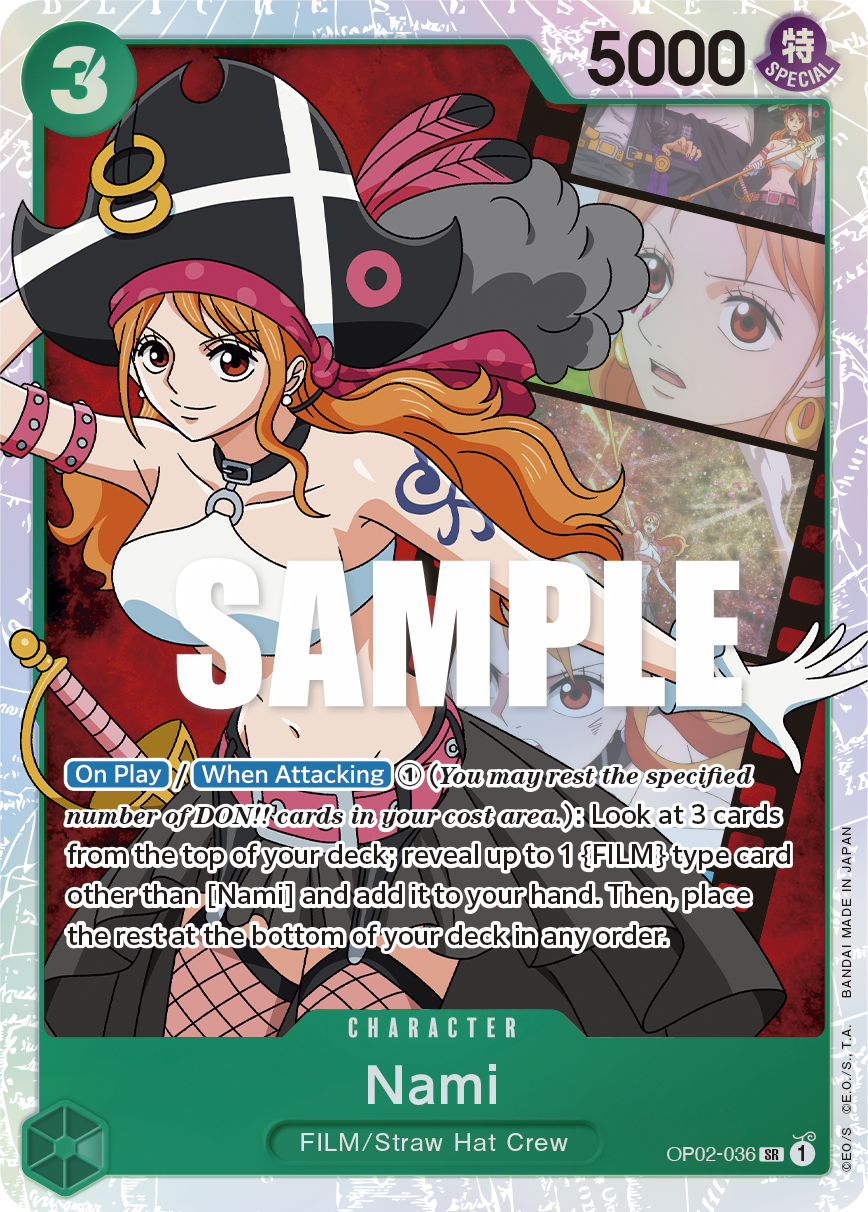
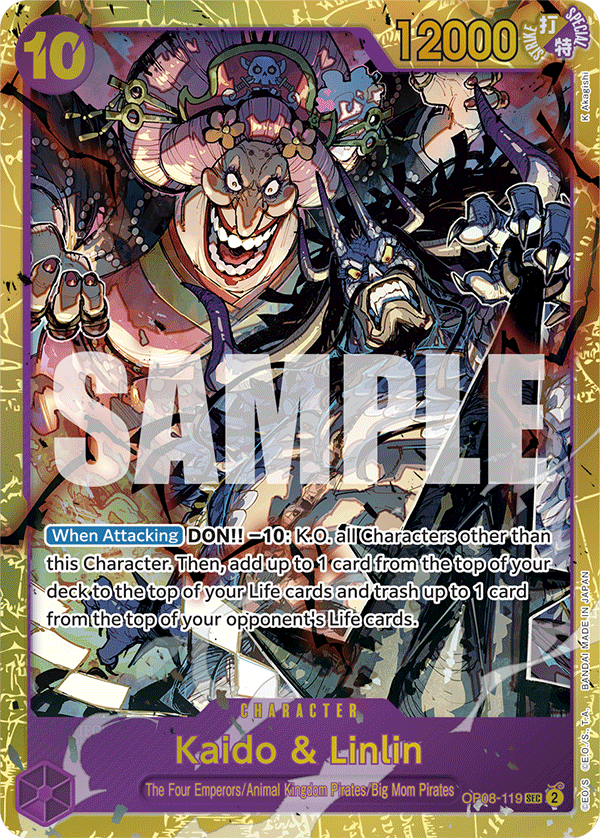
Chase rarities are the opposite problem. Secret Rares, Special Art Rares, Manga Art cards, and Parallel prints are produced in far smaller numbers relative to demand, and their value comes almost entirely from scarcity, character popularity, and how good the artwork is — not from whether the card is playable. These are the cards worth valuing individually and carefully, one at a time, using the sold-listing method described above rather than any kind of bulk estimate. For a sense of which specific cards across the game's history are considered the biggest chase targets right now, our most valuable One Piece cards roundup is a good starting point, and if you're focused on a specific recent set, guides like our OP17 Worlds Strongest Warriors chase card price guide show how that same method applies set by set.
The practical takeaway: sort your collection into these two buckets before you spend real time valuing anything. Bulk commons and uncommons get counted, batched, and roughly estimated as playsets or lots. Chase rarities get pulled out, identified precisely by set code and number, checked individually against recent sold listings, and assessed for condition one card at a time. Trying to value everything with the same amount of effort either wastes hours pricing cards worth pennies each, or rushes past the handful of cards that make up most of your collection's actual value.
When Grading Makes Sense (and When It Doesn't)
Grading — sending a card to a third-party service like PSA, CGC, or BGS to have its condition professionally assessed and encapsulated — is where a genuine chase card can unlock its highest possible value. A strong grade on a scarce Secret Rare or Alternate Art removes the guesswork buyers otherwise face when judging a raw card's condition from photos, and that certainty is something serious buyers are consistently willing to pay more for. For the right card, grading isn't a cosmetic upgrade — it's what separates a card's raw-market price from its real ceiling.
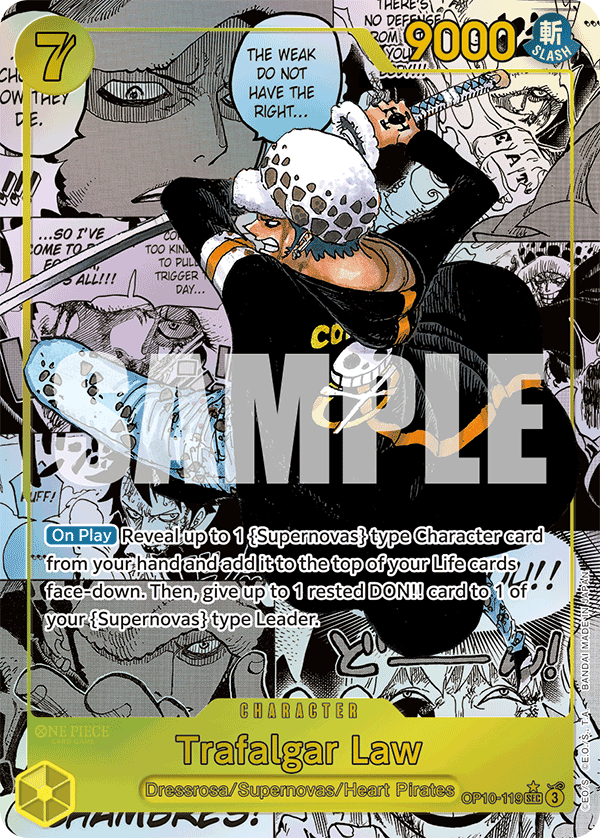
That said, grading isn't the right move for most of a collection. It costs money and time per card, and for anything that isn't already a scarce, in-demand chase rarity in strong condition, the grading fee alone can outweigh whatever bump the grade would add — sometimes by a wide margin. Bulk commons should essentially never be graded. Even mid-tier Rares and Super Rares usually aren't worth it unless a specific card has unusually high demand behind it. The math only works in your favor when you're already looking at a card that would command a serious price raw.
We cover the actual grading process — what each service evaluates, how submissions work, and how to decide whether a specific card clears the bar — in full in our grading guide to PSA, CGC, and BGS. If you've identified a handful of true chase cards in your collection using the steps above, that's the guide to read next before you send anything in.
A Simple Valuation Workflow for Your Whole Binder
Put all of the above together and valuing an entire collection stops feeling overwhelming — it becomes a repeatable pass you can run on any number of cards. Here's the order that actually works:
- Sort everything into two piles first: bulk (Commons, Uncommons, most Rares) and chase candidates (Secret Rares, Special/Alternate Arts, Manga Arts, Parallels, and any Rare or Super Rare with unusually high demand).
- For the bulk pile, note which commons and uncommons are actually played in current decks, and value the rest as loose lots rather than individual cards.
- For every chase candidate, read the set code and card number directly off the card to confirm exactly what it is.
- Look up several recent sold listings for that exact card in a condition close to yours — the completed sales, not the asking prices.
- Weigh condition honestly. If your copy has visible wear, adjust down from the mint sold price rather than assuming it applies as-is.
- Decide which chase cards clear the bar for grading based on the guidance above, and set those aside from the ones you'll keep raw.
- Total the two buckets separately rather than blending bulk estimates and chase-card prices into one number — that's where estimates tend to drift furthest from reality.
Run this pass once and you'll have a genuinely accurate picture of your collection rather than a guess. It's worth repeating periodically rather than treating it as a one-time exercise, too — sold prices for both bulk playsets and chase rarities shift as new sets release and the competitive meta changes, so a valuation from a year ago can be meaningfully out of date even if nothing about the physical cards has changed. If you're building out a broader collection strategy rather than just valuing what you already have, our guide to building a collection on any budget is a useful companion piece for the other side of that coin.

Common Mistakes That Skew Your Estimate
A few habits consistently push collectors toward inaccurate numbers, in both directions. The most common is valuing from memory or from a single remembered high sale instead of checking current sold listings — prices move, and anchoring to the best number you ever saw a card hit almost always overstates where the market actually sits today.
The second is misidentifying a card's printing. Because the same character can appear across many sets and rarities, it's easy to glance at a card, recognize the character, and price it as if it were the valuable version without actually confirming that the set code and number match. Always confirm the exact printing before you look anything up — this is probably the single most common source of collectors overvaluing what they own.
The third is ignoring condition entirely and pricing every copy as if it were mint. Since condition can change a card's value dramatically, especially for scarce chase cards, skipping this step tends to produce numbers that look great on paper and fall apart the moment you actually try to sell.
And the fourth is treating bulk and chase cards with the same method — either spending hours individually pricing commons that aren't worth the time, or worse, lumping a genuine chase rarity into a rough bulk estimate and badly underselling it. Keep the two buckets separate all the way through, from identification to final total, and your number will hold up whether you're just curious or actually about to sell.
Your Collection's Real Value Is a Process, Not a Number You Already Know
Identify each card precisely from its own set code and number, price it against real sold listings rather than asking prices, and weigh condition honestly — do that separately for your bulk and your chase cards, and you'll land on a number you can actually trust.