

Going Tall vs Going Wide in Lorcana
Every Lorcana deck eventually has to answer one question: do you want a few unstoppable characters, or a board full of them? The answer shapes every card choice you make.
"Tall" and "wide" are shorthand borrowed from board games and strategy games generally, but they map onto Lorcana cleanly. Going tall means investing resources into a small number of characters — buffs, items, and protection stacked onto your best threats until they're nearly unkillable. Going wide means filling the board with as many bodies as possible and overwhelming your opponent's removal and blocking capacity through sheer numbers.
Neither approach is universally correct. Both win games regularly at every level of play. But mixing them without a plan — a few buffed-up threats and a board full of small bodies, with no clear priority — is how decks end up doing neither well. This guide breaks down what each strategy actually requires, when to choose one over the other, and how to recognize which lane your deck is already in.
Understanding this distinction also makes you a better opponent. Once you can identify whether you're facing a tall deck or a wide deck, you know exactly which of your removal and bounce effects matter most.
→ Short Version
Going tall means concentrating resources (buffs, items, Bodyguard, Resist) onto a handful of characters until they're nearly unkillable threats. Going wide means flooding the board with bodies so no single removal spell or block can stop your overall pressure. Tall decks fear single-target removal less and board wipes more; wide decks fear the opposite. Pick a lane based on your ink colors — some color pairs naturally support one strategy far better than the other.
→ Related Reading
In This Guide
Going Tall: Concentrated Power
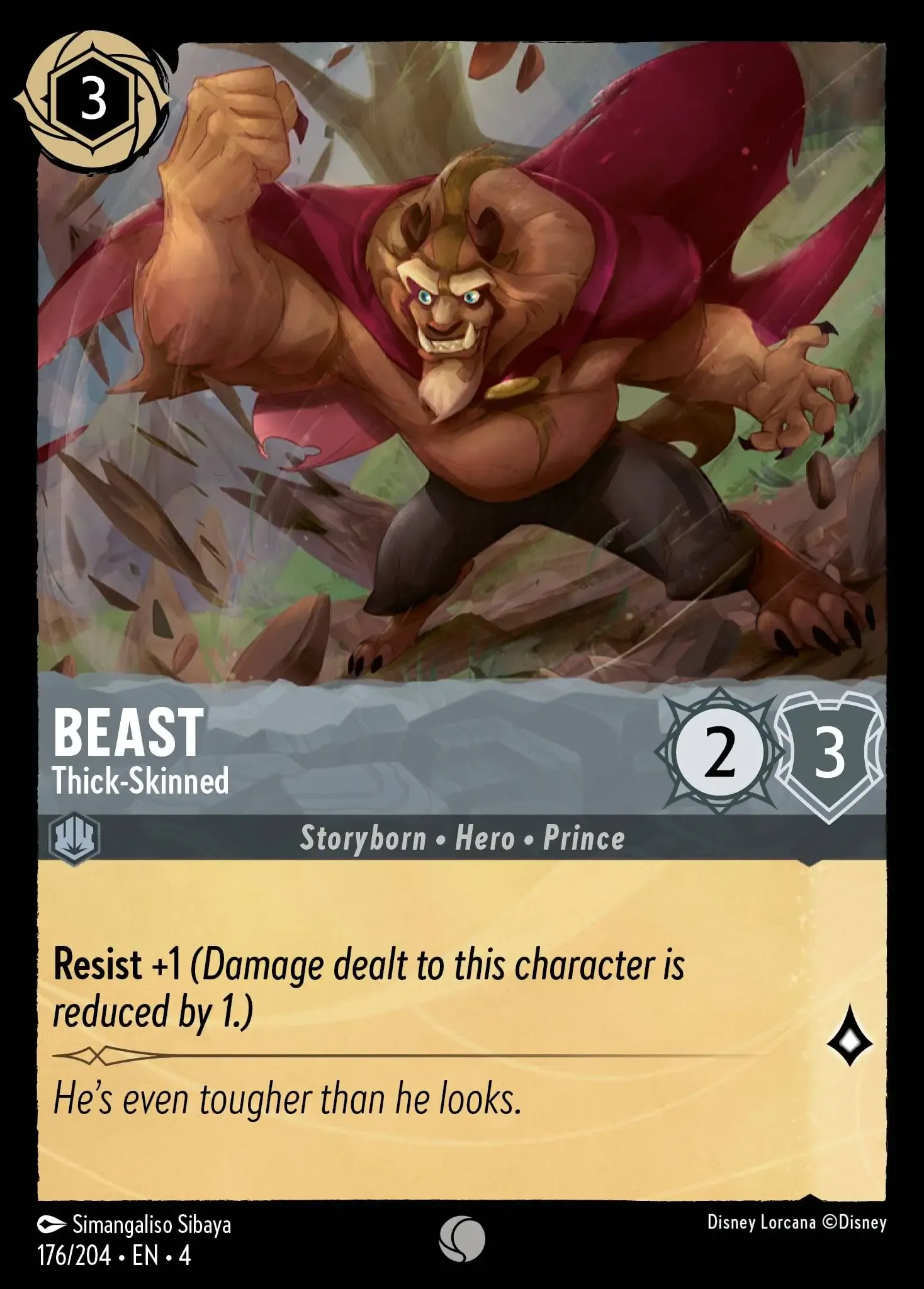
A tall strategy puts most of your deck's resources behind a small number of characters — often just one or two at a time. Items that grant +X/+X, songs that buff stats, and protective keywords like Resist or Ward all stack onto a single threat until it's strong enough to push through almost any individual blocker and survive almost any single piece of removal.
The appeal is efficiency: instead of spreading your ink across many separate bodies, every resource you commit makes your existing threat better. A 3-cost character with a Resist keyword and a stat-boosting item attached can shrug off challenges that would banish a vanilla character of the same cost — and every additional buff widens that gap further. You're converting ink spent on items and songs into a threat your opponent needs multiple cards to deal with.
Tall strategies also tend to pair naturally with Singer-based song decks, since songs are frequently buff effects that reward having a small number of high-value targets already on board rather than many cheap, replaceable ones.
The introduction of Location cards in Into the Inklands (Set 3) gave tall strategies another layer to consider: Locations stay in play and provide ongoing effects, but they can be challenged. A tall deck with one dominant character protecting a key Location creates a board state that's extremely difficult to dismantle without specific answers — your opponent has to get through your buffed-up threat before they can even touch the Location behind it.
Going Wide: Overwhelming Numbers
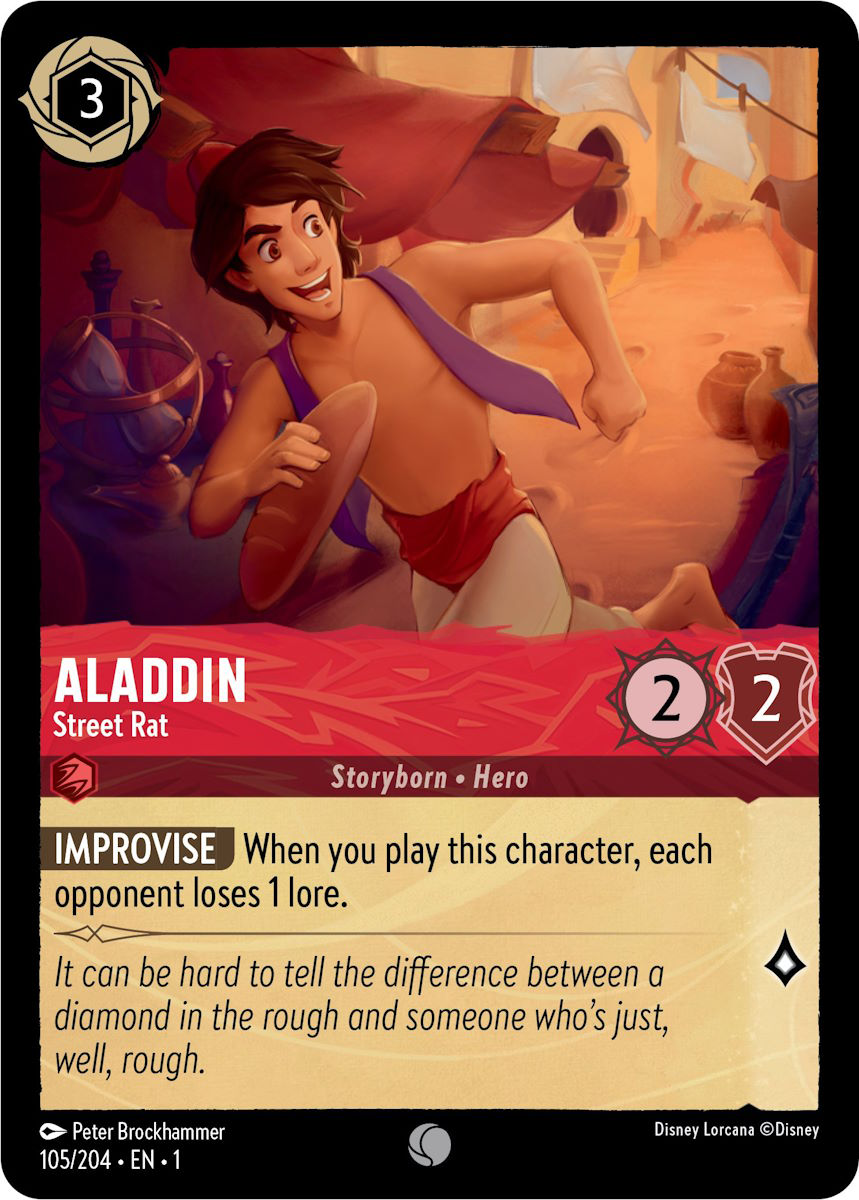
A wide strategy does the opposite: instead of investing in a few characters, it floods the board with as many bodies as possible. Cheap characters, token generation, and low-cost curve-fillers all serve the same purpose — making sure no single removal spell, challenge, or blocker can meaningfully slow you down.
The math behind wide strategies is straightforward: if your opponent has one removal spell and you have six characters on board, removing one of them barely dents your overall lore-gaining capacity. Wide decks are built to make individual losses irrelevant — the strategy is resilient specifically because it isn't concentrated anywhere.
Wide strategies generally want low average ink cost so you can deploy multiple characters per turn, and they benefit enormously from any effect that grants a small, broad buff to your whole board (anthem-style effects) rather than a large buff to one character.
Location cards work differently for wide strategies than for tall ones. A wide deck doesn't need one dominant character shielding a Location — it can afford to send expendable bodies to challenge an opponent's Location while the rest of the board keeps questing for lore. The numbers advantage means you can contest Locations without sacrificing your primary game plan, which is something a tall deck with only two characters in play can't easily replicate.
Wide Decks Quest Differently
A wide board changes your quest vs challenge decision on nearly every turn. With six characters available, you can quest with most of them for steady lore while keeping a couple back to challenge or block — a flexibility tall decks, with only one or two relevant bodies, simply don't have.
What Each Strategy Fears
The two strategies have almost perfectly inverted weaknesses, which is exactly why understanding the distinction matters so much for both deckbuilding and in-game decisions:
| Threat | Hurts Tall | Hurts Wide |
|---|---|---|
| Single-target removal | Severe | Minor |
| Board-wide removal | Minor | Severe |
| Bounce/return-to-hand | Severe | Minor |
| Slow starts / mana screw | Moderate | Severe |
A bounce effect that returns a character to hand is devastating against a tall deck — it strips off every item and buff that character had attached, and you have to recast and re-buff from scratch. Against a wide deck, the same bounce effect removes one body out of six and barely registers. Conversely, a board wipe wrecks a wide deck's entire game plan in one card, while a tall deck might only lose one or two characters to it (assuming it even has more than that in play).
Which Ink Colors Favor Which Approach
Lorcana's ink colors have leaned toward different strategies as the card pool has grown:
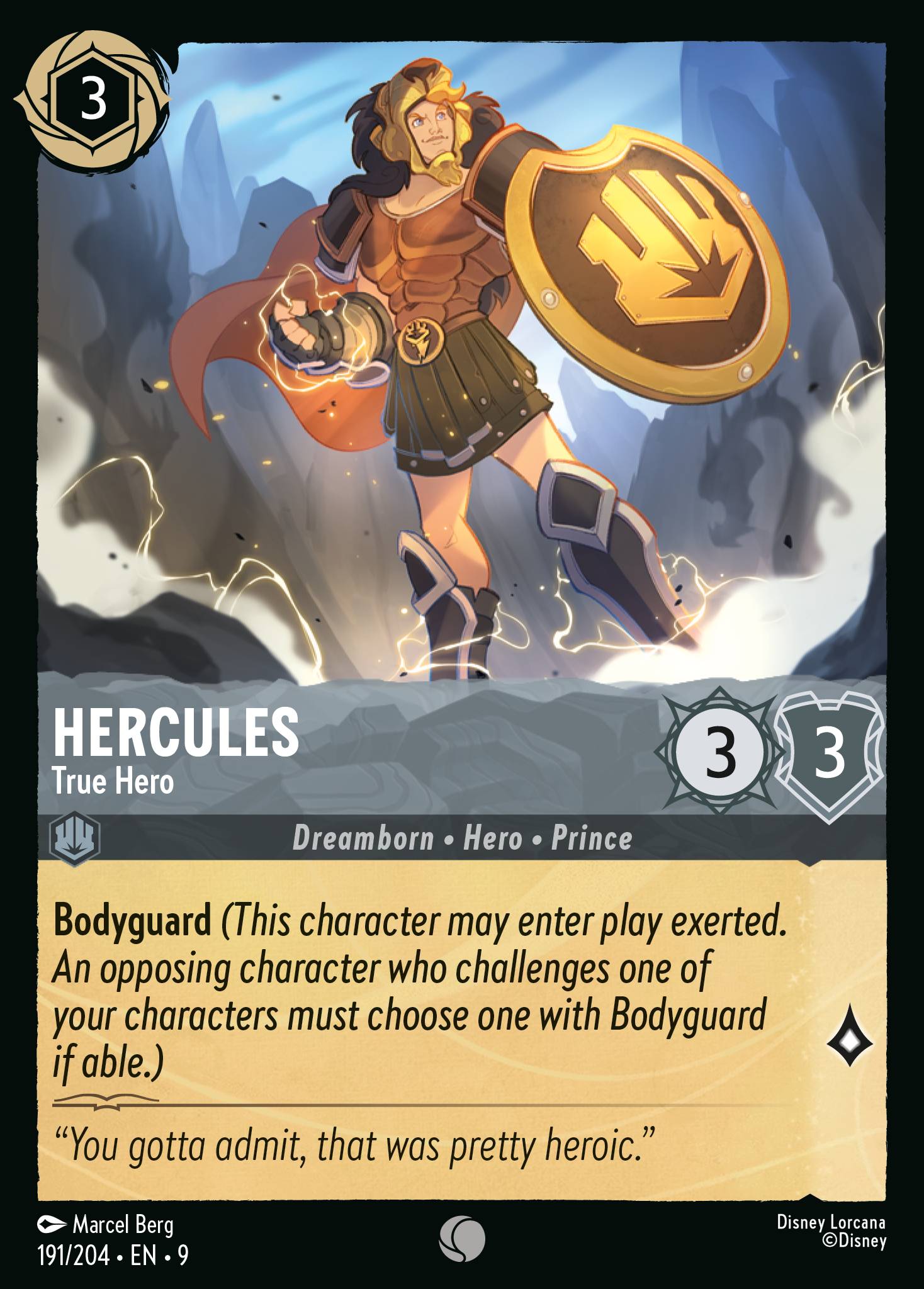
- Amber and Steel lean tall. Amber provides healing effects that keep a key character alive through challenges, plus characters with built-in Willpower buffs that make them harder to banish. Steel adds Bodyguard characters that absorb challenges aimed at your investment piece, Resist to reduce incoming damage, and stat-boosting items that stack onto a single threat. Together, these two colors give you the tools to build one or two characters into a near-unkillable anchor.
- Amber and Emerald lean wide. Amber contributes efficient low-ink characters with useful on-quest triggers; Emerald brings card draw, bounce effects, and cheap bodies with Evasive (can't be challenged except by other Evasive characters). The Amber/Emerald aggro shell floods the board and generates lore faster than an opponent can remove threats one at a time.
- Ruby leans aggressive-wide. Ruby's signature keyword is Rush — characters that can challenge the turn they're played — which lets you apply immediate board pressure with every new deploy. Pair that with direct-damage actions that clear blockers, and a wide Ruby board creates a tempo squeeze where your opponent never gets a clean turn to stabilise.
- Sapphire enables either, depending on the build. Sapphire's core tools — card draw, ink ramp, and action-based removal — are strategy-agnostic. Extra cards fuel a tall deck (drawing into more buffs and protection) just as well as a wide deck (drawing into more bodies). The color itself doesn't force a lane the way Steel or pure aggro Ruby tends to; it amplifies whichever strategy you pair it with.
Choosing Your Lane When Deckbuilding
If you're building a new deck, decide your lane before you start adding cards — it changes what you're looking for at every step:
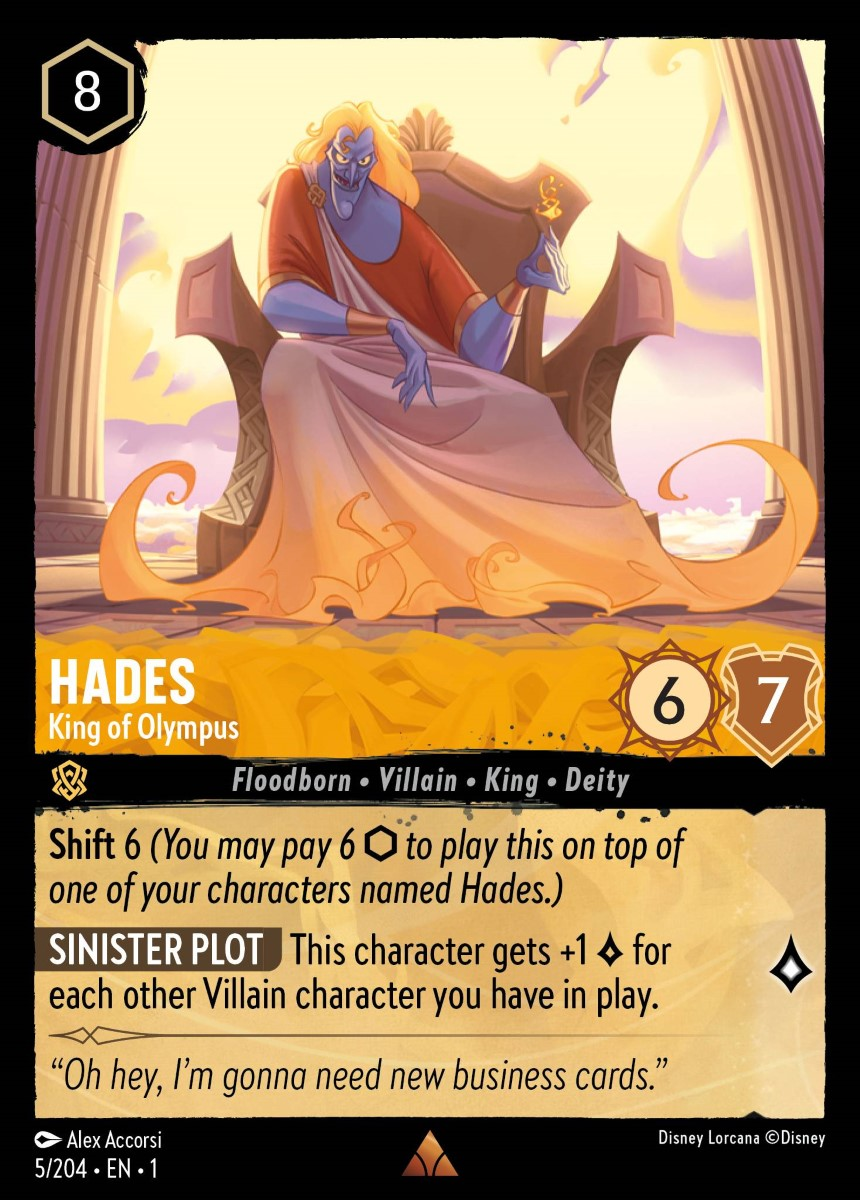
- For tall, prioritize: A small number of strong character bodies as your buff targets, efficient +X/+X items, protective keywords (Resist, Bodyguard, Ward), and removal/bounce protection. You want fewer, higher-impact card slots.
- For wide, prioritize: A low average ink cost, character density over item/action density, any broad board-wide buff effects, and resilience to losing any single card. You want consistency across many small pieces, not power concentrated in a few.
A common beginner mistake is building a deck with both a few expensive buff targets and a swarm of cheap characters, with no real plan for which one is the actual win condition. Pick one lane and let it inform every card choice — a half-tall, half-wide deck usually has neither the resilience of wide nor the explosive power of tall.
Playing Against Each Strategy
Once you identify which strategy your opponent is running — usually clear by turn 3 or 4 — adjust your interaction priorities accordingly:
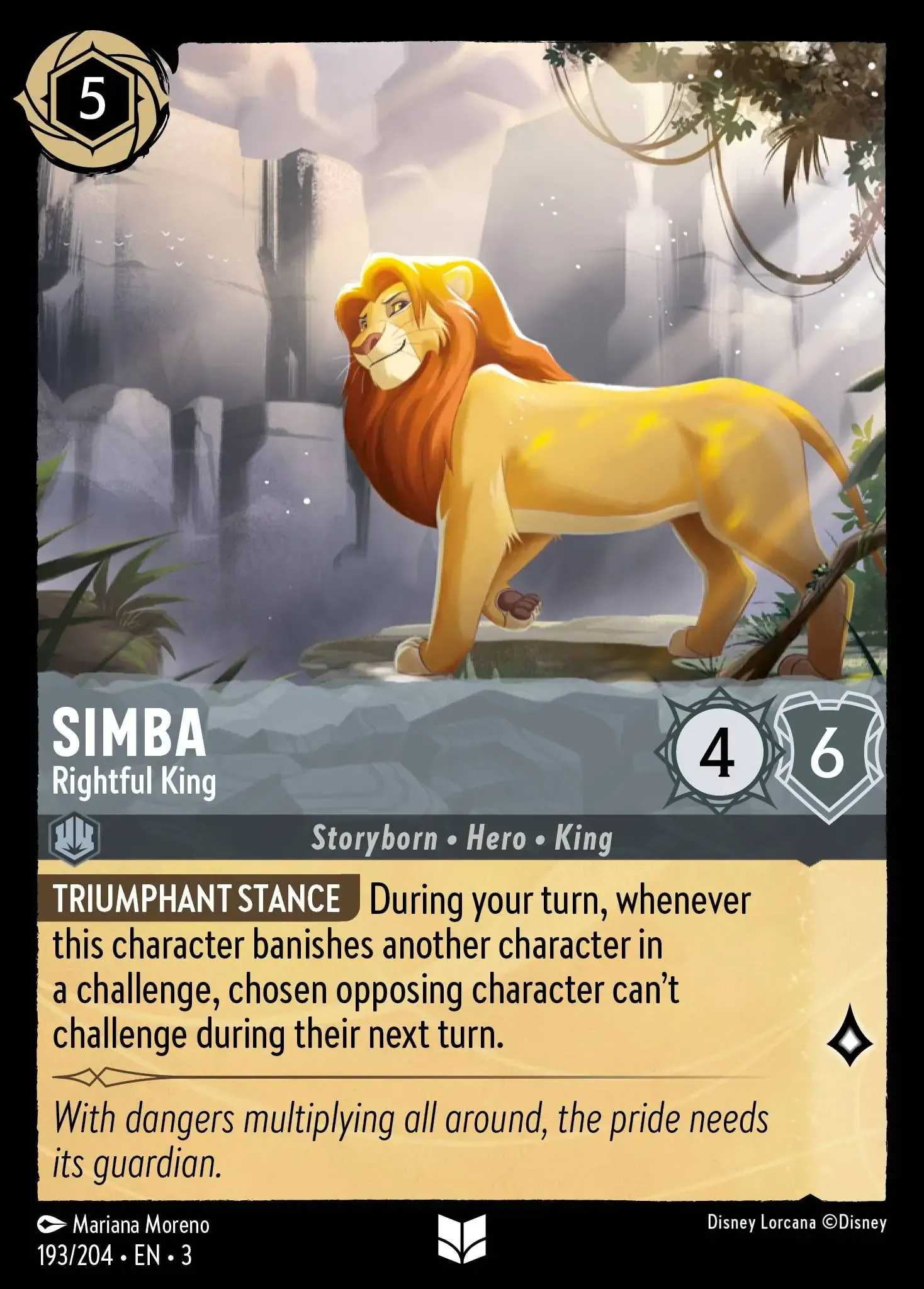
- Against tall: Save bounce and removal for their best-buffed threat rather than spending it early. Watch for Ward, which can make a key target untargetable by your removal — in that case, challenge it in combat instead, where Ward doesn't apply.
- Against wide: Hold any board-wide removal you have rather than trading one-for-one with single-target spells. If you don't have a sweeper, prioritize blocking efficiently and racing on lore rather than trying to remove your way out of a numbers disadvantage.
Common Mistakes
Over-investing in a target you can't protect.
Stacking three items onto a character with no Ward, Resist, or Bodyguard support is an invitation for your opponent to two-for-one or three-for-one you with a single removal spell. If you're going tall, protection isn't optional — it's the whole point.
Building wide without a payoff for going wide.
Six small characters with no board-wide buff or synergy isn't a real wide strategy — it's just a pile of small bodies that an opponent's board can out-stat individually. Wide decks need something that rewards having many characters, not just many characters.
Misreading the matchup mid-game.
Playing your removal as if you're against a tall deck when your opponent is actually wide (or vice versa) wastes resources. Reassess every few turns — some decks shift lanes based on what they draw, and your interaction priorities should shift with them.
FAQ
- Can a deck be both tall and wide? Some decks shift between the two depending on the draw, but trying to build explicitly for both at once usually dilutes your card slots. Most consistently strong decks commit clearly to one lane.
- Which strategy is better for new players? Wide decks are generally more forgiving — losing one character to removal doesn't usually lose you the game. Tall decks require more careful sequencing and protection planning, which can be punishing while you're still learning the format.
- How does this relate to tempo? Both strategies can be tempo-positive or tempo-negative depending on execution. Wide decks are usually faster out of the gate; tall decks often need a turn or two of setup before their threats become dangerous. See our tempo guide for how that interacts with the lore race.
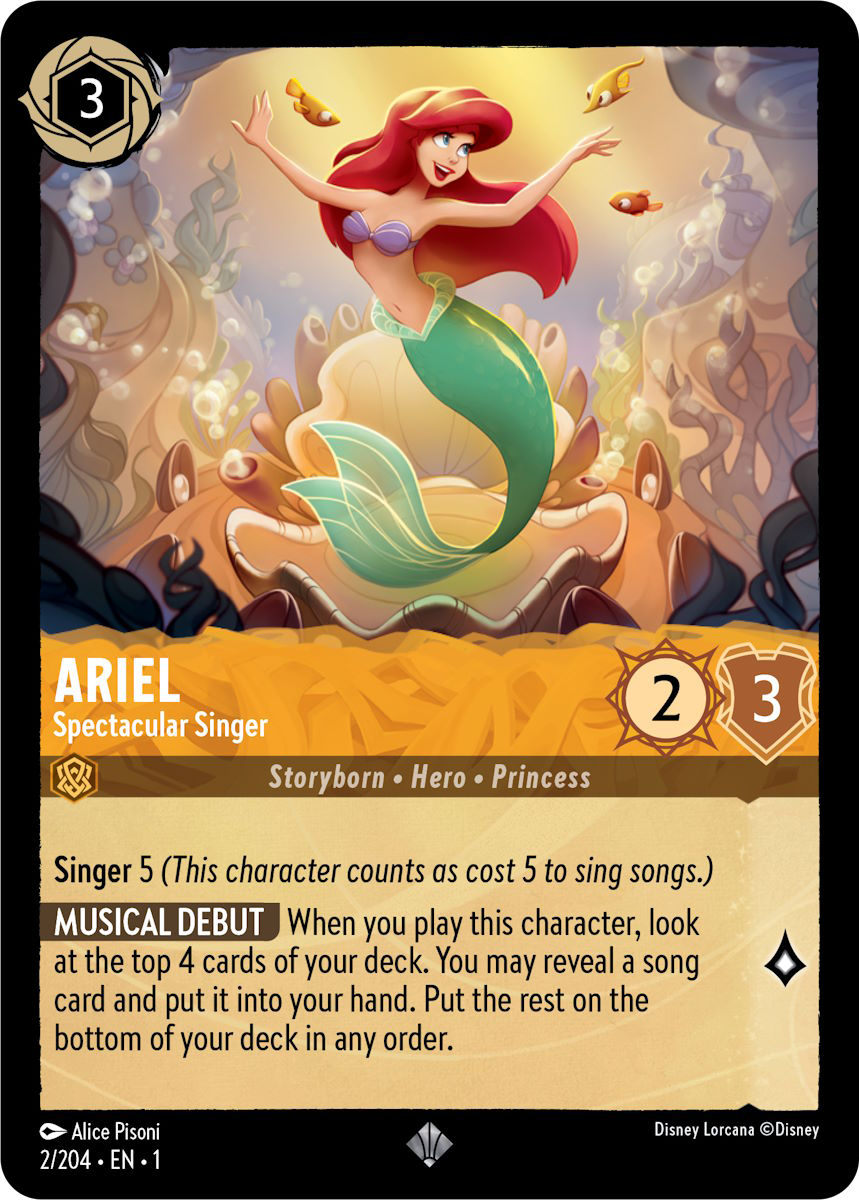
- Does Singer support tall or wide? Generally tall — most songs are single-target buffs or removal that reward having a small number of high-value characters already established. See our Singer & Songs guide for the full breakdown.
Pick a Lane, Then Commit.
Tall and wide aren't just deckbuilding flavors — they're two genuinely different answers to the question "how do I make my board resilient to removal?" One does it through protection and individual power, the other through redundancy and numbers. Both work. What doesn't work is trying to do both halfway.
Once you commit to a lane, every deckbuilding decision gets easier — you know exactly what you're looking for in a buff, an item, or a removal spell. And once you can spot your opponent's lane across the table, your in-game decisions get easier too.
© GEEKYDOMAIN.COM | Strategy Powered by Data