

Damage Control: Building Around Removal
Every opponent will try to banish your best characters. Here's how to build a Lorcana deck — and play it — so removal stops winning games against you.
You build a board, start racing toward 20 lore, and then your opponent banishes your best quester and the whole plan stalls. Removal is one of the most frustrating things to play against in Lorcana, and a deck that folds the moment its key character dies is a deck that loses a lot of close games. The fix isn't just running protection keywords — it's building and piloting your deck so that no single piece of removal can knock you out of the game.
This is "damage control" in the deckbuilding sense: structuring your deck for resilience. It's a step up from the individual protection keywords — Bodyguard and Ward protect a character, but resilience protects your game plan. It's the difference between a deck built around one fragile bomb and a deck that keeps presenting threats no matter how many your opponent answers.
The good news for Lorcana players: the format is unusually kind to resilient decks, because true board wipes are extremely rare. This guide covers the kinds of removal you'll face, how to build threat density and redundancy, how to use protection and card advantage as resilience, and how to play around removal at the table — including the single most important thing, not over-committing. It's the deckbuilding capstone to our keyword deep-dives on Ward and Bodyguard.
The Short Version
Resilience to removal comes from not depending on any single character. Build threat density (enough good characters that banishing one doesn't end your plan) and redundancy (multiple cards that do the same job). Lean on card advantage — draw engines and value-on-enter/leave characters — so you replace threats faster than they're removed. Use protection keywords (Ward vs targeted removal, Bodyguard/Evasive vs challenges) on your most important pieces. Lorcana's biggest gift to you: true board wipes barely exist (Be Prepared is essentially the only one), so most removal is one-for-one — meaning if you keep presenting threats, the opponent simply runs out of answers. At the table, the golden rule is don't over-commit: deploy enough to pressure them, but hold something back so a single removal spell doesn't wipe your turn. Bait their removal with a lesser threat, then land your real one.
→ More Lorcana Guides
In This Guide
The Removal You'll Face
You can't build against removal until you know its forms. In Lorcana, "removal" comes in a few distinct flavors, and they're spread across the ink colors:
| Type | What it does | Where it lives |
|---|---|---|
| Challenge removal | Banish your exerted characters in combat | Steel, Ruby (strong challengers) |
| Direct banish | Banish a chosen character without a challenge | Ruby (blunt-force actions/songs) |
| Damage removal | Deal damage to banish or soften, often board-wide | Steel (wide-board answers) |
| Bounce | Return a character to hand (tempo loss, not permanent) | Amethyst, Emerald |
| Discard | Strip cards from hand (attacks resources, not board) | Emerald (signature disruption) |
Two things stand out. First, most of these are one-for-one — one card to answer one of yours. Second, bounce isn't true removal; it costs you tempo (re-playing the character and its ink) but you get the card back, and if it has enter-play effects you may even gain value. Knowing which flavor an opponent's ink leans toward tells you what to play around.
Why Lorcana Rewards Resilience
Here's the structural fact that makes resilience so strong in Lorcana: true board wipes are extremely rare. Where a game like Magic has dozens of "destroy all creatures" effects, Lorcana has essentially one true board wipe in Be Prepared. The overwhelming majority of removal answers a single character at a time.
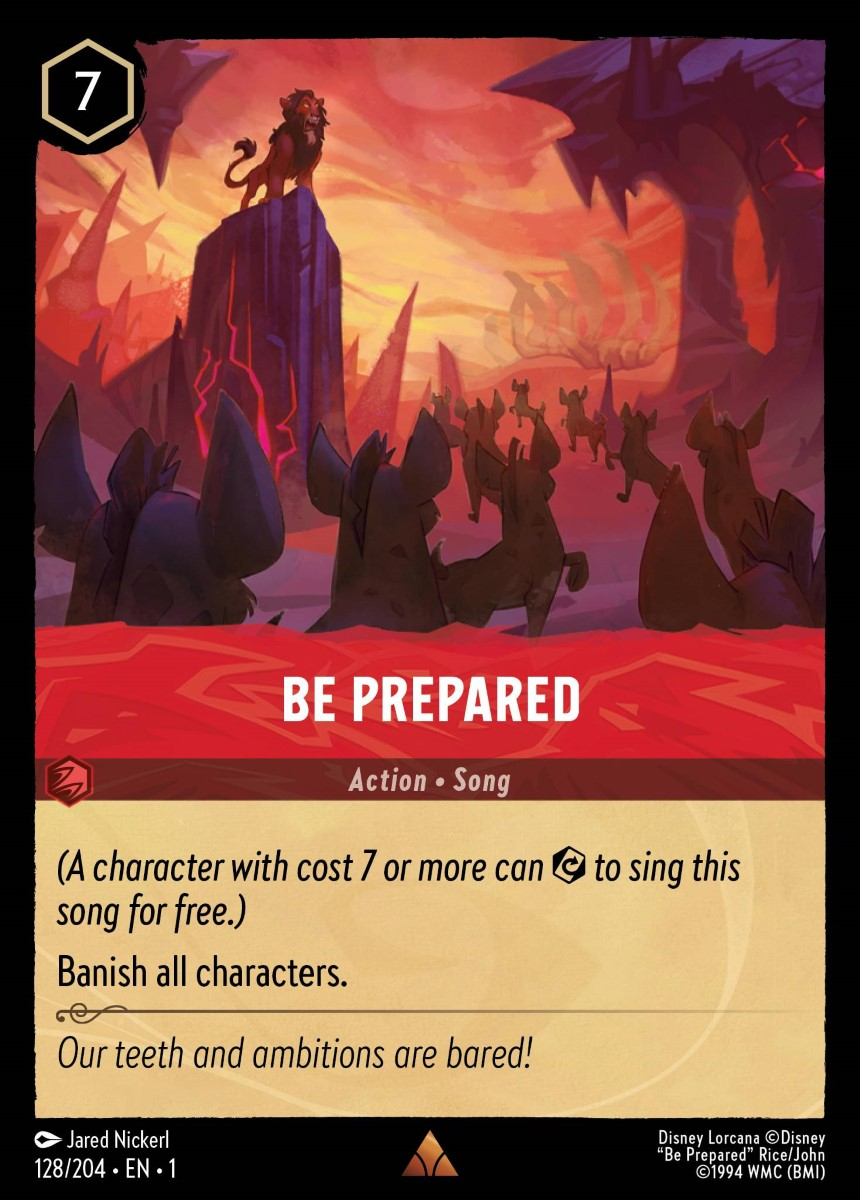
The key insight:
If almost all removal is one-for-one,
then a deck that keeps presenting threats simply outlasts the answers.
This changes the whole math of building against removal. You don't need to make any individual character un-killable — you need to have more threats than your opponent has answers. Every removal spell they spend on one of your characters is a card and a turn they didn't spend gaining lore. If you can keep deploying meaningful characters, you win the attrition war by default, because they'll run out of removal before you run out of board.
That's why the rest of this guide focuses on quantity and recovery as much as protection. In a format without sweepers, resilience is mostly about never putting all your eggs in one basket — and always having another egg.
Threat Density & Redundancy
The foundation of a removal-resilient deck is having enough threats that losing one doesn't matter. Two related ideas:
- Threat density. Run plenty of characters that can carry your game plan, not one or two irreplaceable bombs. If your deck wins by questing for lore, make sure many of your characters quest well — so banishing your best one still leaves you with a board full of lore-gainers.
- Redundancy. Run multiple cards that fill the same role. Because you can play up to four copies of a card, and many characters do similar jobs, you can build so that your strategy has three or four "copies" of each key effect. Lose one to removal, play the next.
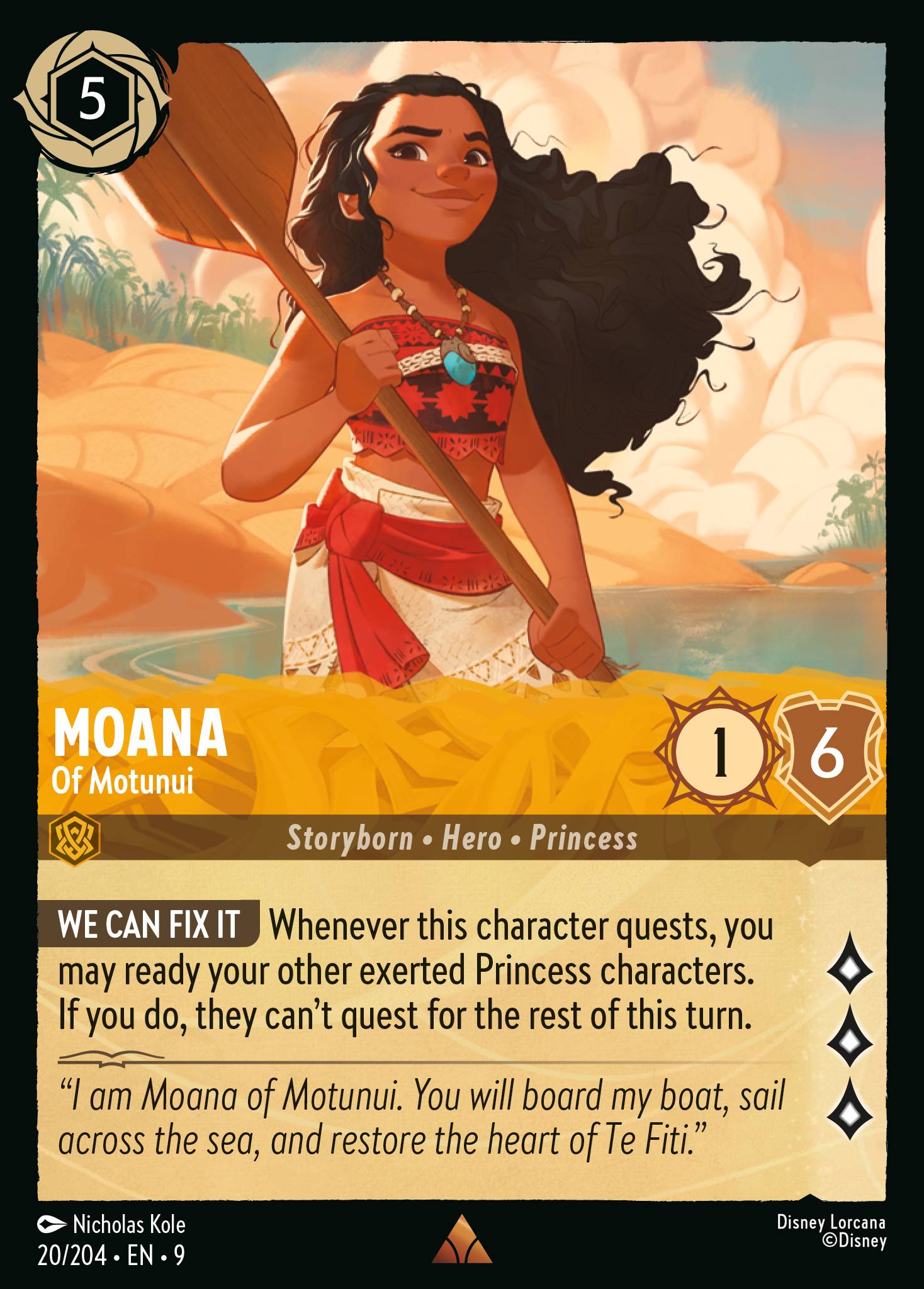
The deckbuilding tell of a fragile deck is the "win-more bomb" — a single expensive character the whole deck is built to protect and ride to victory. Against removal, that's a liability: the opponent holds their banish for exactly that card, and when it dies, you have no backup plan. Resilient decks spread their power across many cards instead.
A practical builder's trick here is inkable removal and threats. Cards that can go in your inkwell or be played give you flexibility: if you've drawn too many copies of a threat, ink the extras; if you need them, play them. That flexibility quietly improves resilience, because dead draws become ink instead of clutter.
Card Advantage as Armor
If removal is a war of attrition, card advantage is how you win it. Every time you draw extra cards or get value from a character beyond its body, you're refilling the threats removal is trying to deplete. The resilient deck out-draws the removal deck.
- Draw engines. Characters and actions that draw cards keep your hand stocked with replacement threats. A deck that draws extra cards each turn simply has more to deploy than the opponent has answers.
- Value on enter and leave. Characters that do something when they're played — or when they're banished — turn removal into a smaller setback. If your character drew you a card or gained lore when it entered, banishing it later didn't fully undo its value. Characters that reward you for leaving play are especially removal-proof.
- Trading up. When you do remove their characters, favor effects that answer more than one threat per card — getting two-for-one on the opponent flips the attrition math in your favor and is itself a form of resilience.
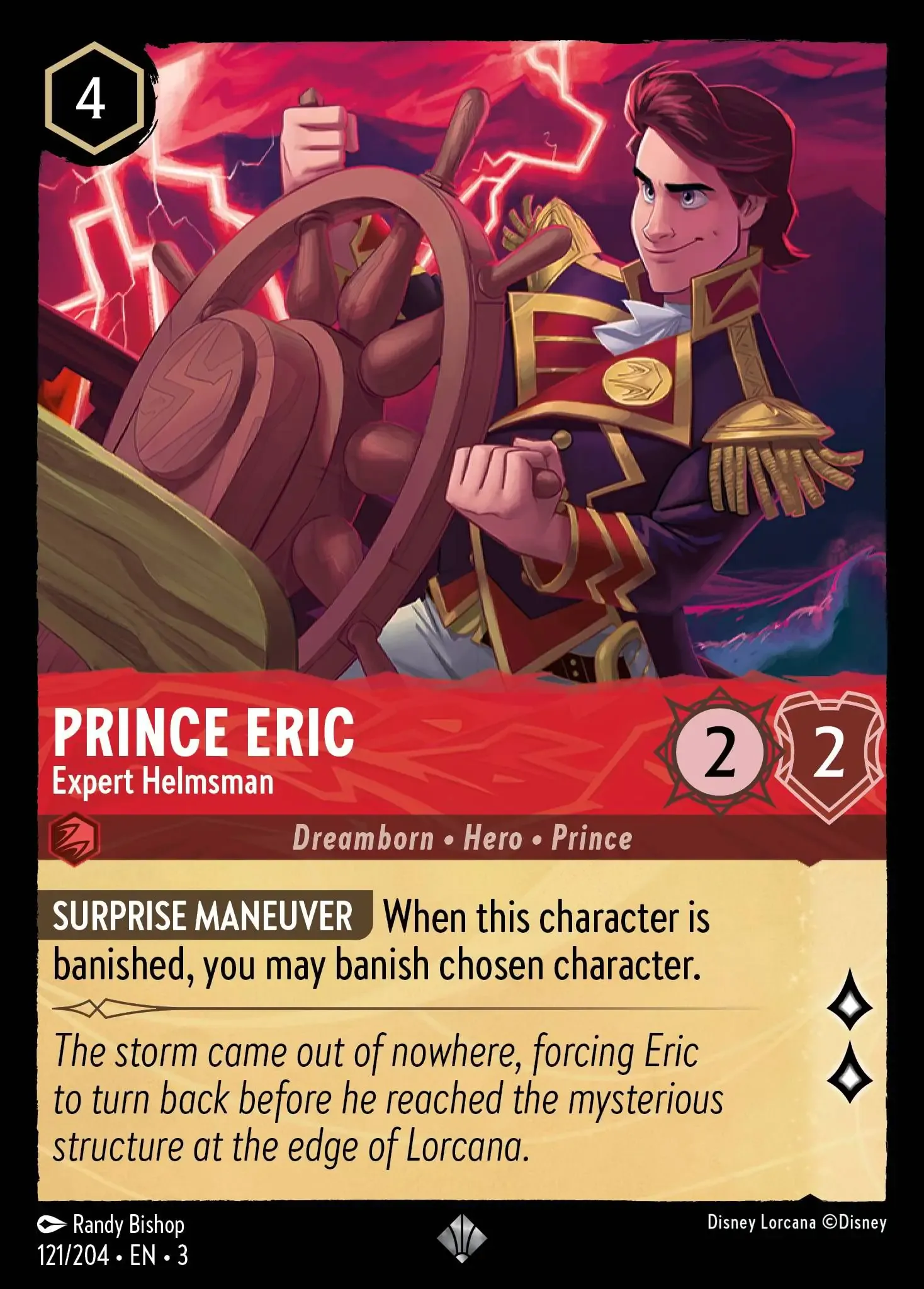
The mindset shift: stop thinking of your characters as permanent fixtures and start thinking of them as a stream. As long as the stream keeps flowing — new threats arriving faster than they're removed — removal can't stop you. Card advantage is what keeps the stream flowing.
Protection on the Right Pieces
Protection keywords are still valuable — the trick is using them on the characters that actually need them, matched to the removal they stop. A quick map (covered in depth in the individual keyword guides):
- Ward vs targeted removal. Ward stops anything that "chooses" your character — direct banish, bounce, targeted damage. Put it on the engine the opponent most wants to kill. (Remember: it doesn't stop challenges or the rare board wipe.)
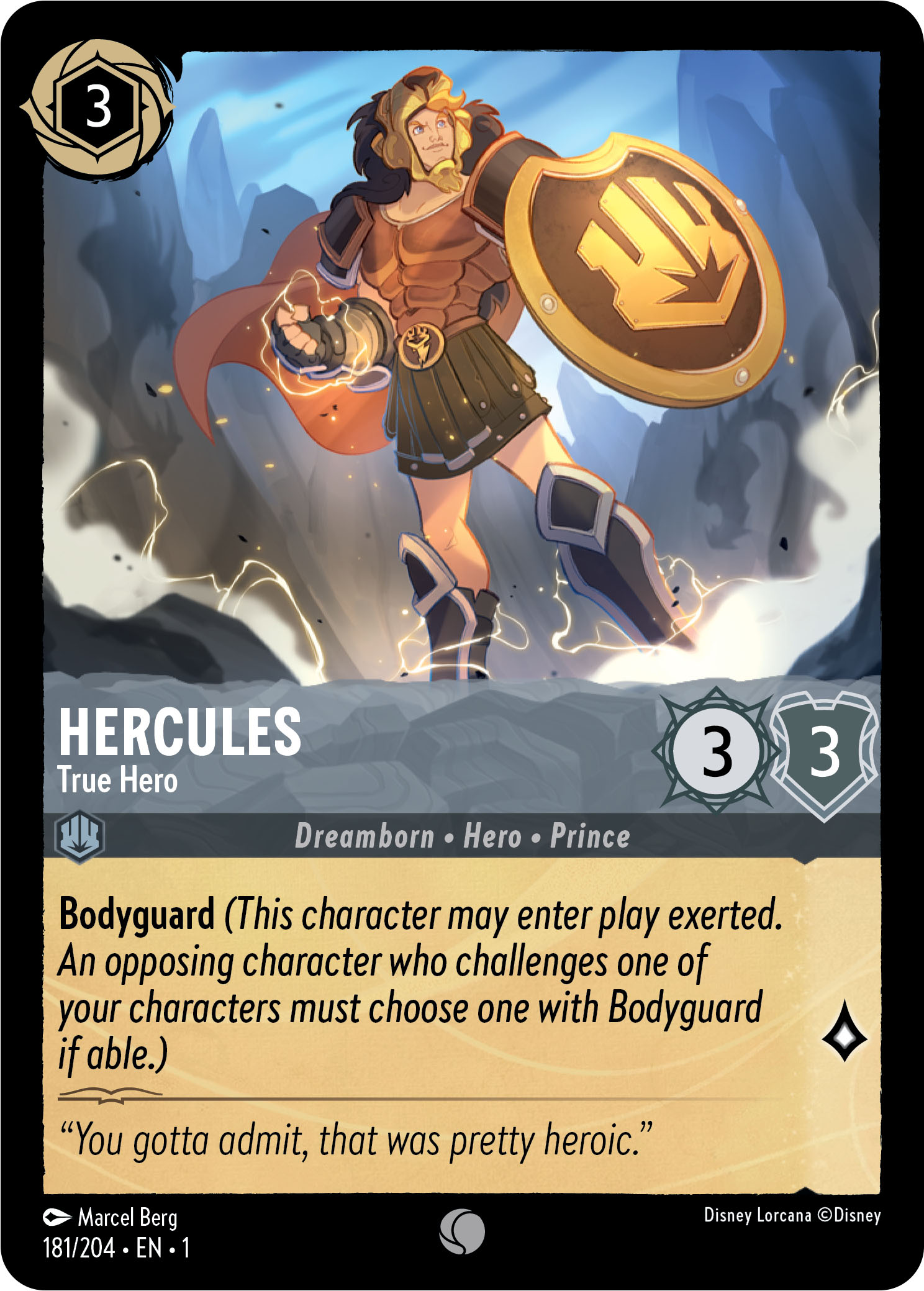
- Bodyguard vs challenges. Forces challenge-based removal onto a tanky wall, keeping your questers safe from combat. The answer to Steel/Ruby challenge decks.
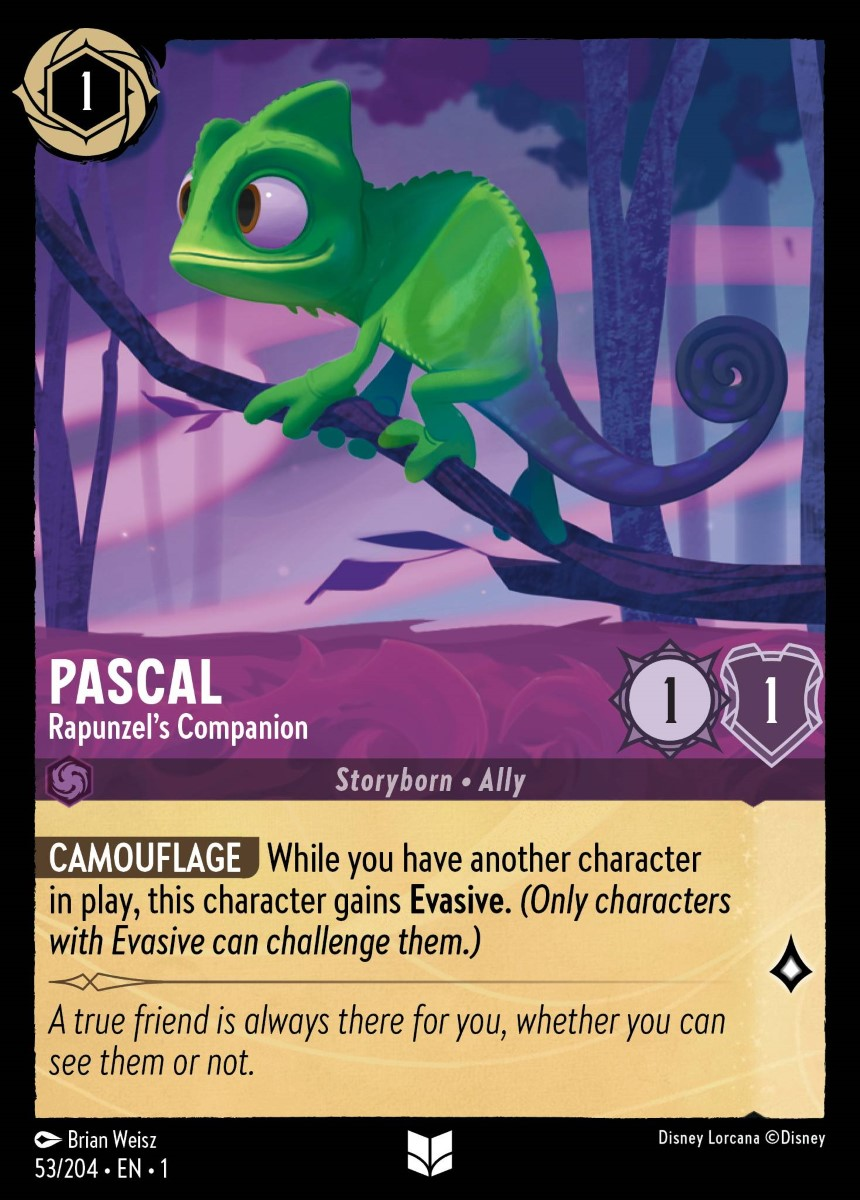
- Evasive vs challenges. Only Evasive characters can challenge it — so a quester with Evasive dodges most combat removal entirely. Pair with Ward for a near-untouchable lore engine.
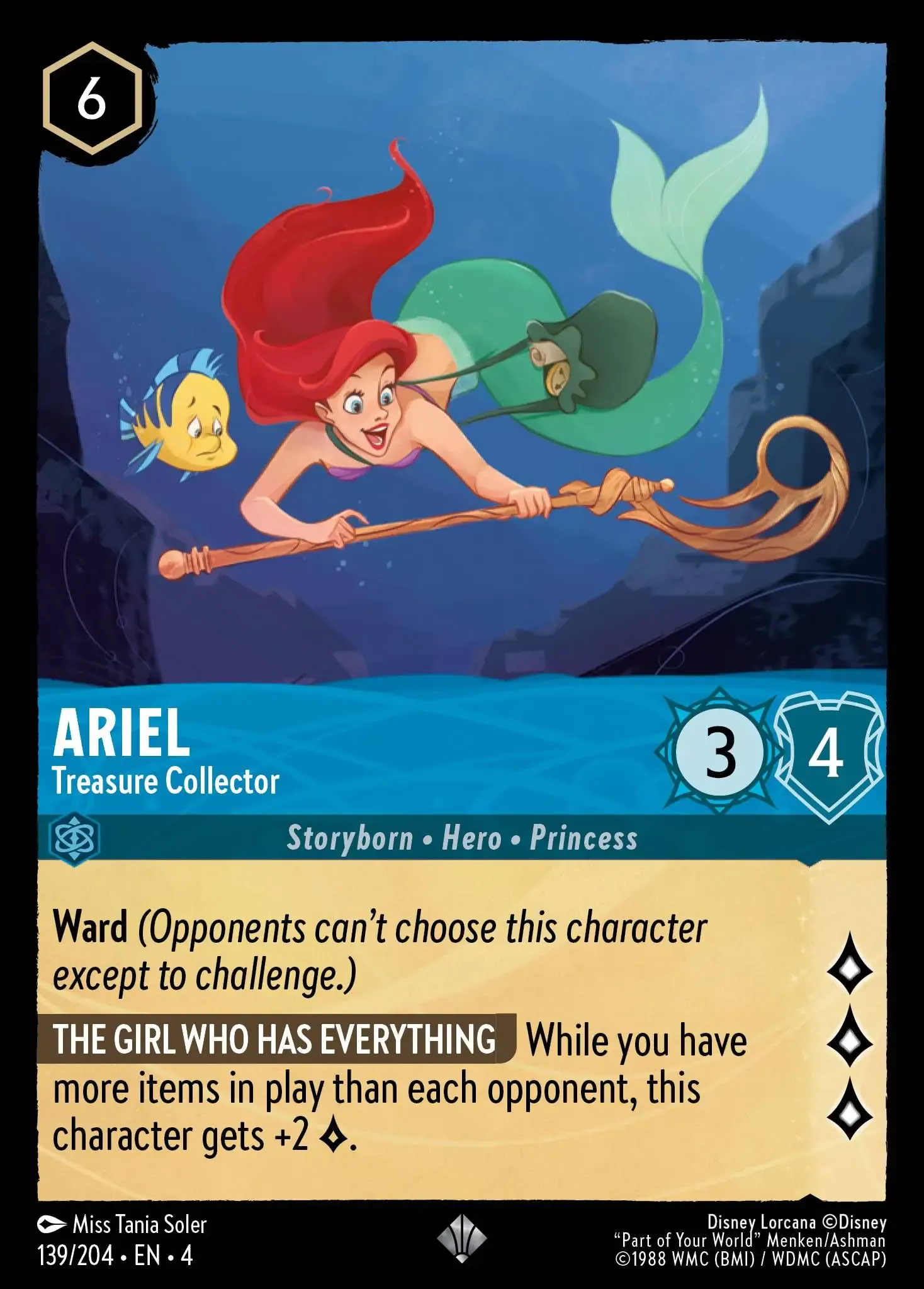
The discipline here is not to waste protection on disposable characters. Protection is best spent on the irreplaceable engine or the win condition — the character whose loss would actually set you back — not on a body you'd happily trade. And note the limit: protection guards a character, while threat density and card advantage guard your game plan. You want both.
Playing Around Removal
Deckbuilding is half the battle; the other half is how you pilot the deck. The single most important habit:
Don't Over-Commit
The classic mistake is dumping your whole hand onto the board to develop as fast as possible. Against removal — and especially against the rare board wipe like Be Prepared — that's how you get blown out, losing several characters to a single card. Instead, deploy enough to apply pressure while holding a threat or two in reserve. If they wipe or banish what's on the table, you simply rebuild from your hand and keep going. Present enough to make them act; keep enough to recover.
A few more table tactics that blunt removal:
- Bait the removal. Lead with a solid-but-expendable threat before your key one. If they spend their banish on the bait, your real engine lands safely. If they don't, you got value from the bait anyway.
- Read their ink. Their colors tell you what removal to expect — Ruby means direct banish, Steel means damage and challenges, Emerald means bounce and discard. Play around the answers their deck actually has, not every answer in the game.
- Respect the open mana for tricks. If an opponent leaves ink untapped, they may be holding an action-card answer. Sometimes it's right to play around it; sometimes it's right to force the issue. Knowing their deck tells you which.
- Value the bounce differently. If you're hit by bounce rather than banish, you haven't lost the card — just tempo. Often the right response is to re-deploy and keep pressing, especially if the bounced character has a useful enter-play effect you get to re-trigger.
Common Mistakes
Mistake #1: Building around one irreplaceable bomb.
If your whole deck is a delivery system for one character, removal is your auto-loss — the opponent just saves their banish for it. Spread your power across many threats so no single answer undoes your plan.
Mistake #2: Dumping your whole hand onto the board.
Over-committing to develop fast feels good until a single damage sweep or Be Prepared erases your turn. Hold a threat or two back so you can rebuild — the tempo you "lose" by playing slower is far less than the tempo you lose to a blowout.
Mistake #3: Wasting protection on disposable characters.
Ward or Bodyguard on a body you'd happily trade is a wasted slot. Spend protection on the engine or win condition whose loss actually hurts — the character you can't easily replace.
Mistake #4: Ignoring card advantage.
A deck with no draw and no enter/leave value runs out of gas the moment removal trades with its threats. Build in ways to refill — the deck that keeps drawing replacements wins the attrition war that removal is trying to start.
Mistake #5: Panicking over bounce.
Bounce isn't banish — you keep the card. Treating it like a catastrophe (or refusing to re-play the character) gives the opponent more value than the bounce was worth. Re-deploy, re-trigger any enter-play effects, and keep pressing.
FAQ & Quick Reference
- Does Lorcana have board wipes? Barely — Be Prepared is essentially the only true board wipe, and there's some board-wide damage removal in Steel. Because mass removal is so rare, the format heavily rewards decks that keep presenting threats; most removal is one character at a time.
- What's the single best way to beat removal? Threat density plus not over-committing. Run enough good characters that no one banish matters, and don't dump your whole hand — hold threats in reserve to rebuild. Protection keywords help, but out-threating the answers is the core of it.
- Is bounce as bad as banish? No. Bounce returns the character to your hand — you lose tempo (ink and a turn to re-play it), but not the card. If the character has an enter-play effect, you even get to use it again. Treat bounce as a delay, not a loss.
- Which protection keyword should I use? Match it to the removal: Ward against targeted effects (direct banish, bounce, targeted damage), Bodyguard or Evasive against challenge-based removal. Put protection on your most irreplaceable character, not a disposable one.
- How do I know what removal my opponent has? Their ink colors are the tell — Ruby leans on direct banish and aggressive challengers, Steel on damage and wide-board removal, Emerald on bounce and discard, Amethyst on bounce/tricks. Identify their colors early and play around the answers they actually run.
- Resilience > protection: protect the game plan, not just one character.
- Threat density: many good characters, no single irreplaceable bomb.
- Card advantage: draw + enter/leave value refills threats faster than removal depletes.
- Board wipes are rare: Be Prepared aside, removal is one-for-one — out-threat the answers.
- Protection by type: Ward vs targeting; Bodyguard/Evasive vs challenges.
- At the table: don't over-commit, bait removal, read their ink, shrug off bounce.
Outlast the Answers.
Removal only beats decks that depend on something. Build a Lorcana deck with real threat density and card advantage, put protection on the pieces that genuinely matter, and remember the format's gift: with true board wipes almost nonexistent, every answer your opponent spends is one-for-one — and a deck that keeps presenting threats will always outlast a deck that keeps answering them. Then pilot it with discipline: don't over-commit, bait their removal, read their ink, and treat bounce as a speed bump. Do that and "they banished my best character" stops being a loss and starts being just another turn.
© GEEKYDOMAIN.COM | Strategy Powered by Data