

Budget Amber/Emerald Aggro Under $50
Race to 20 lore before your opponent sets up. A real meta deck, built for a beginner's budget.
Some links below are affiliate links. If you buy through them, Geeky Domain may earn a small commission at no extra cost to you. We only recommend cards and products we believe offer real value to players.
The Short Version
Amber/Emerald Aggro wins by racing to 20 lore with cheap, evasive, high-lore characters, and the whole archetype builds for under $50. The budget build keeps the entire game plan—fast questers, a little protection, a little disruption—by swapping premium legendaries for common and uncommon workhorses. Tournament versions of the same deck run $90 to $120, and almost all of that money sits in a premium top-end legendary ($15–30) plus enchanted printings that play identically to the cheap ones. You lose a small amount of resilience in grindy matchups, but you keep roughly 85% of the deck's raw speed for under half the price.
In This Guide
Amber/Emerald Aggro is one of the most powerful and consistent decks in the current Disney Lorcana meta. It is built around a single, ruthless idea: flood the board with cheap, high-lore characters and reach 20 lore before your opponent has the chance to stabilize. While slower decks are still setting up their engines, you are already three or four lore swings into closing the game.
There is one catch. The versions of this deck winning large tournaments routinely cost between $90 and $120, because the top lists splurge on premium legendaries and the most expensive copies of staple cards. That price tag scares away exactly the players who would benefit most from a fast, simple, forgiving aggro deck: newcomers and budget builders.
Here is the good news. Because aggro's power comes from cheap one- and two-cost characters doing the heavy lifting, you can build a fully functional version of this exact archetype for under $50. This guide breaks down the engine, gives you a budget-first build, and shows you precisely what you are trading away versus the $100 meta list—and what to upgrade first when your budget grows.
The Game Plan: Why Amber/Emerald Wins
Every deck in Lorcana is racing to the same finish line: 20 lore. Most decks take a scenic route, building value engines and grinding card advantage. Aggro ignores all of that. The Amber/Emerald plan is to put a high-lore character on the table as early as turn one, start questing immediately, and never stop. If you can generate four to six lore per turn starting from turn three, you reach 20 lore around turn five or six—often before a control deck has assembled its defenses.
The two inks combine perfectly for this. Amber supplies cheap, efficient questers and a light healing/support package to keep your board alive. Emerald supplies evasion and disruption—ways to make your characters unblockable and to slow the opponent down just enough that your clock outruns theirs. The deck is "color-light" on rares by design: its strength is the sum of many cheap parts, not a few expensive bombs. That is exactly why it budgets down so well.
The Core Math
A one-cost character that quests for 2 lore pays for itself in a single turn. Stack three or four of those on the board, add a way to keep them unblocked, and you are generating 6+ lore a turn. The opponent has roughly three turns to find an answer to your entire board—and most decks simply cannot wipe a wide aggro board fast enough. That is the whole deck in one paragraph.
The Engine: Cheap Questers & Evasion
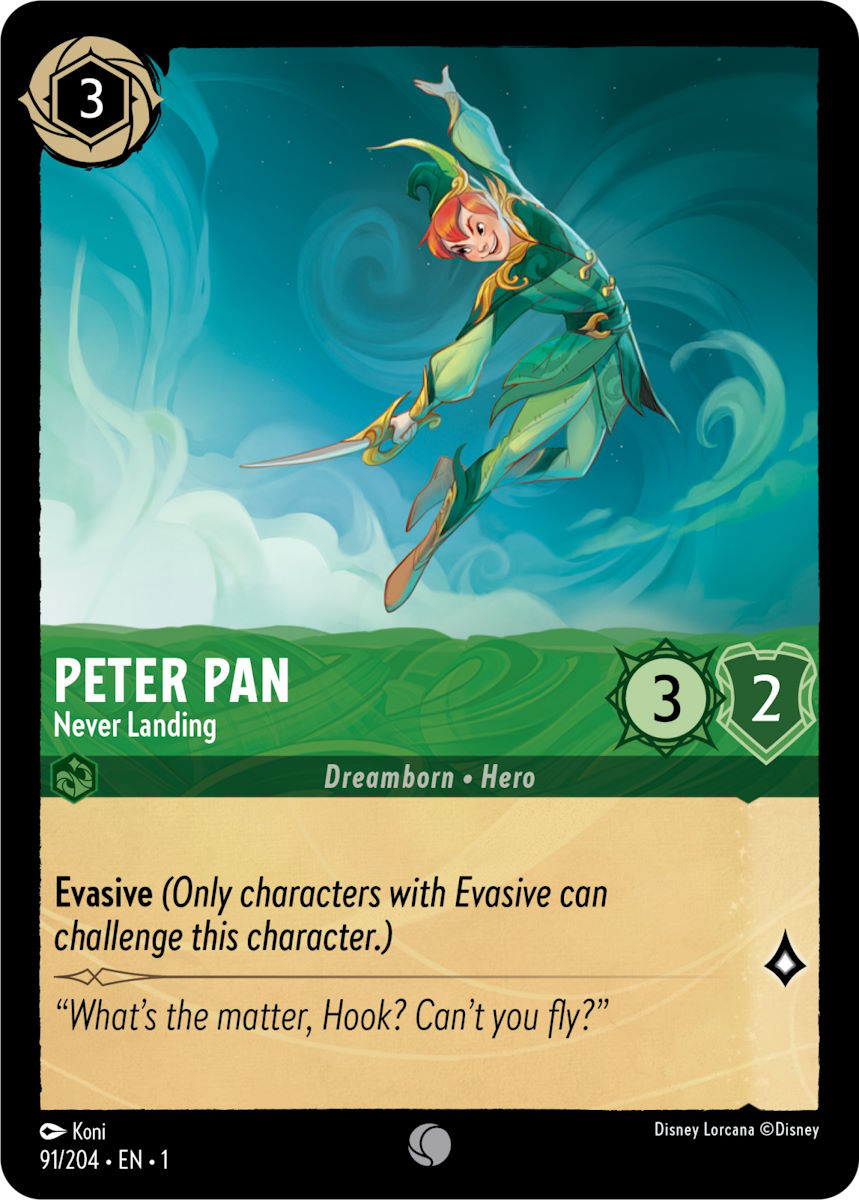
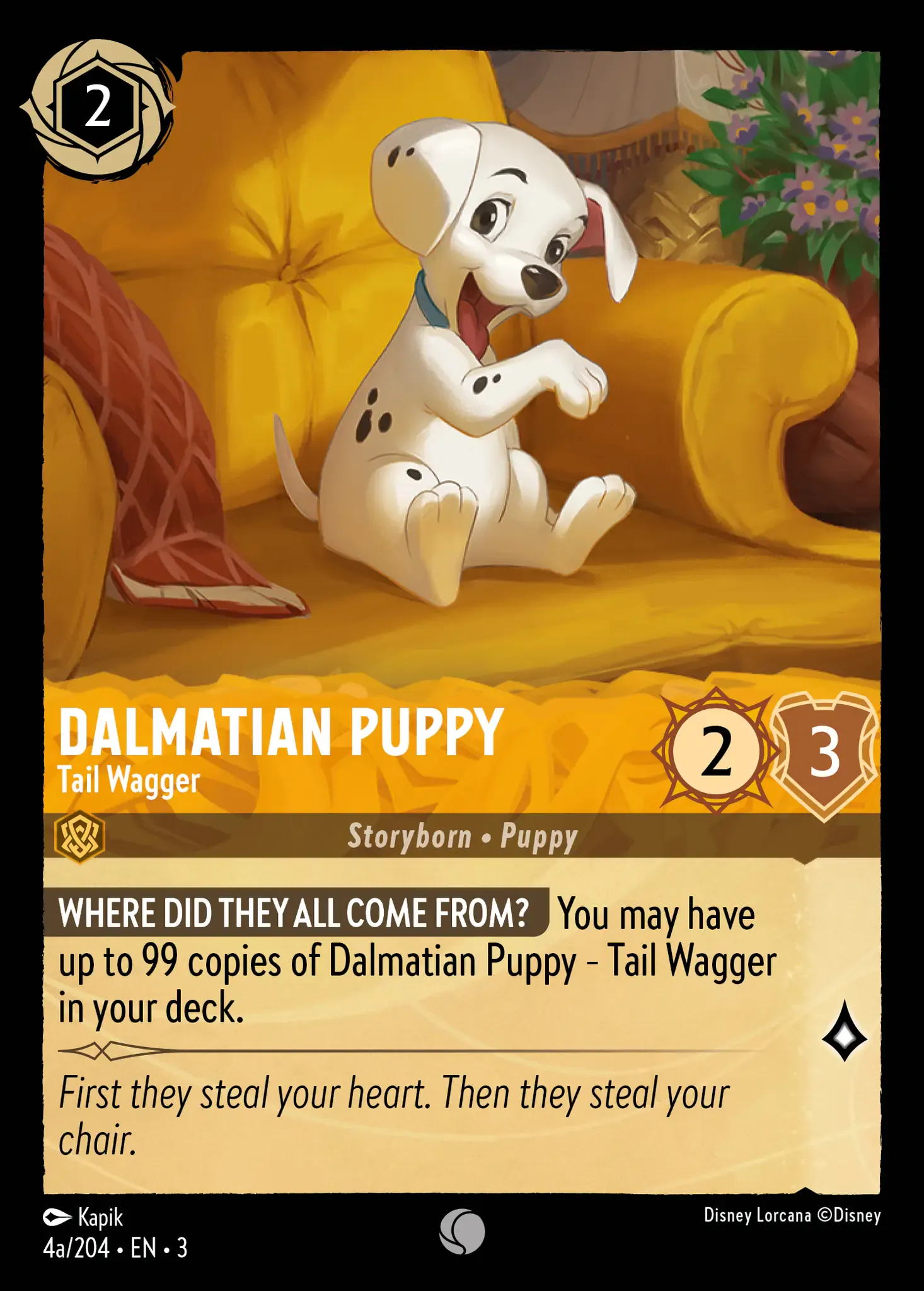
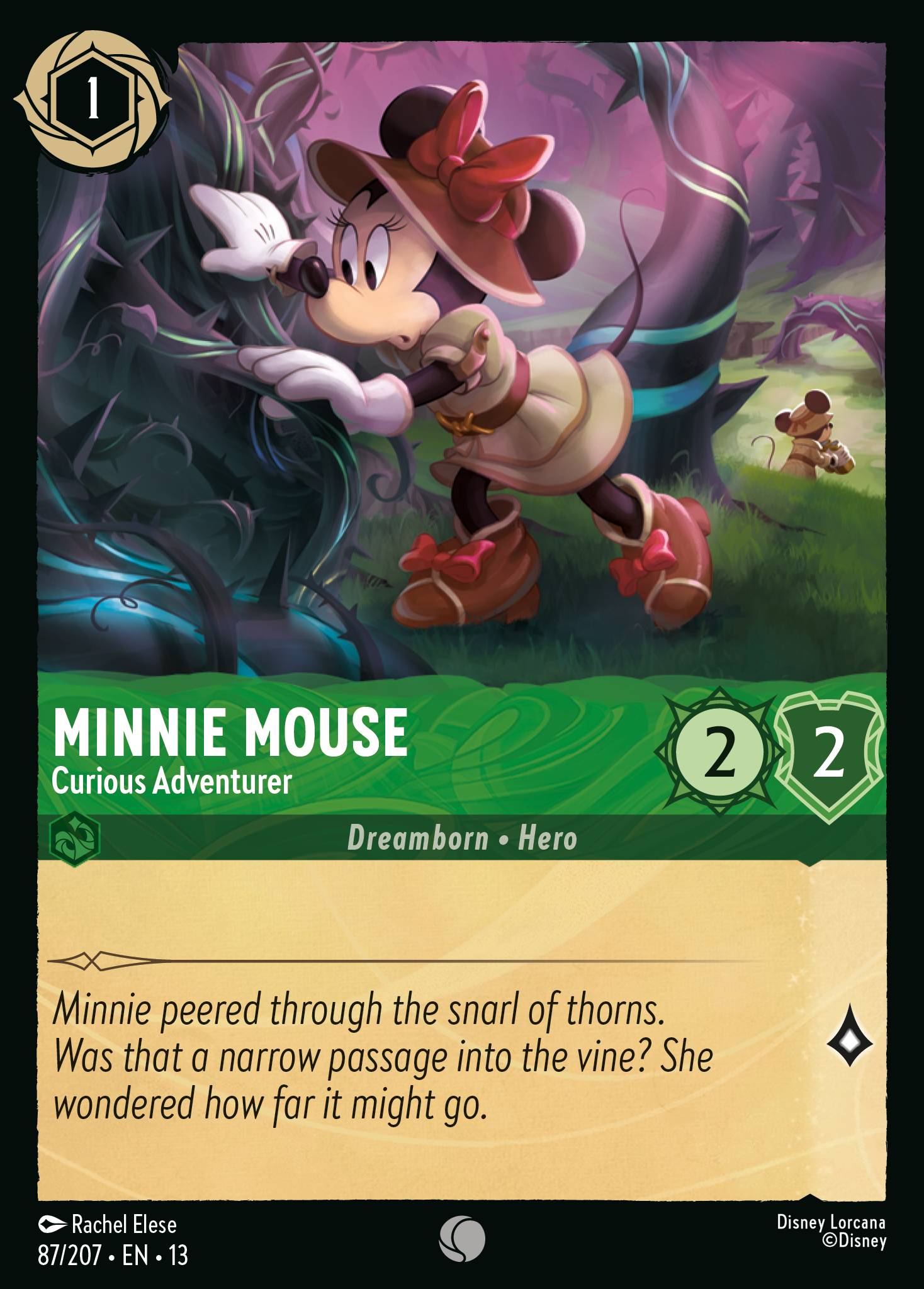
The heart of the deck is a dense curve of one- and two-cost characters with high lore values relative to their cost. These are the cards you are mulliganing to find, and the good news is that almost all of them sit at common or uncommon rarity—meaning they cost cents, not dollars.
You are looking for two profiles. First, raw questers: low-cost characters that put 2 lore on the board per quest, so even a single unanswered turn pays off. Second, evasive threats: characters with Evasive (they can only be challenged by other Evasive characters), which means a slower opponent often cannot stop them at all. An evasive 2-lore quester is, functionally, a guaranteed two lore every single turn it survives.
A budget aggro shell typically runs a heavy bias toward this one-and-two-drop range, with only a small number of three-cost "top end" characters to push extra lore or apply pressure the opponent must respect. If you are new to evaluating these cards, our breakdowns of the best budget singles in each ink are the fastest way to find the current cheap workhorses:
-
Amber's contribution
Cheap, reliable questers and a light support package—characters that quest for solid lore and a few cards that keep your board healthy against early trades. See our Best Amber Cards Under $10 guide for the current budget standouts. -
Emerald's contribution
Evasion and disruption—the unblockable threats that close games and the cheap interaction that buys you the tempo to win the race. See our Best Emerald Cards Under $10 guide for the budget picks.
Common Mistake: Curving Too High
The most common way new players ruin an aggro deck is by adding too many expensive "cool" cards. Every five- or six-cost card you add is a turn you are not questing. If a card does not either quest for good lore, protect a quester, or directly speed up your clock, it does not belong in a budget aggro list. Discipline on the curve is what makes the deck fast.
The Support: Protection & Disruption
A pile of cheap questers wins games on its own about half the time. The other half, you need a little support to push damage through or to survive the opponent's first big swing. This is the package that separates a functional budget deck from a pile of random cheap cards.
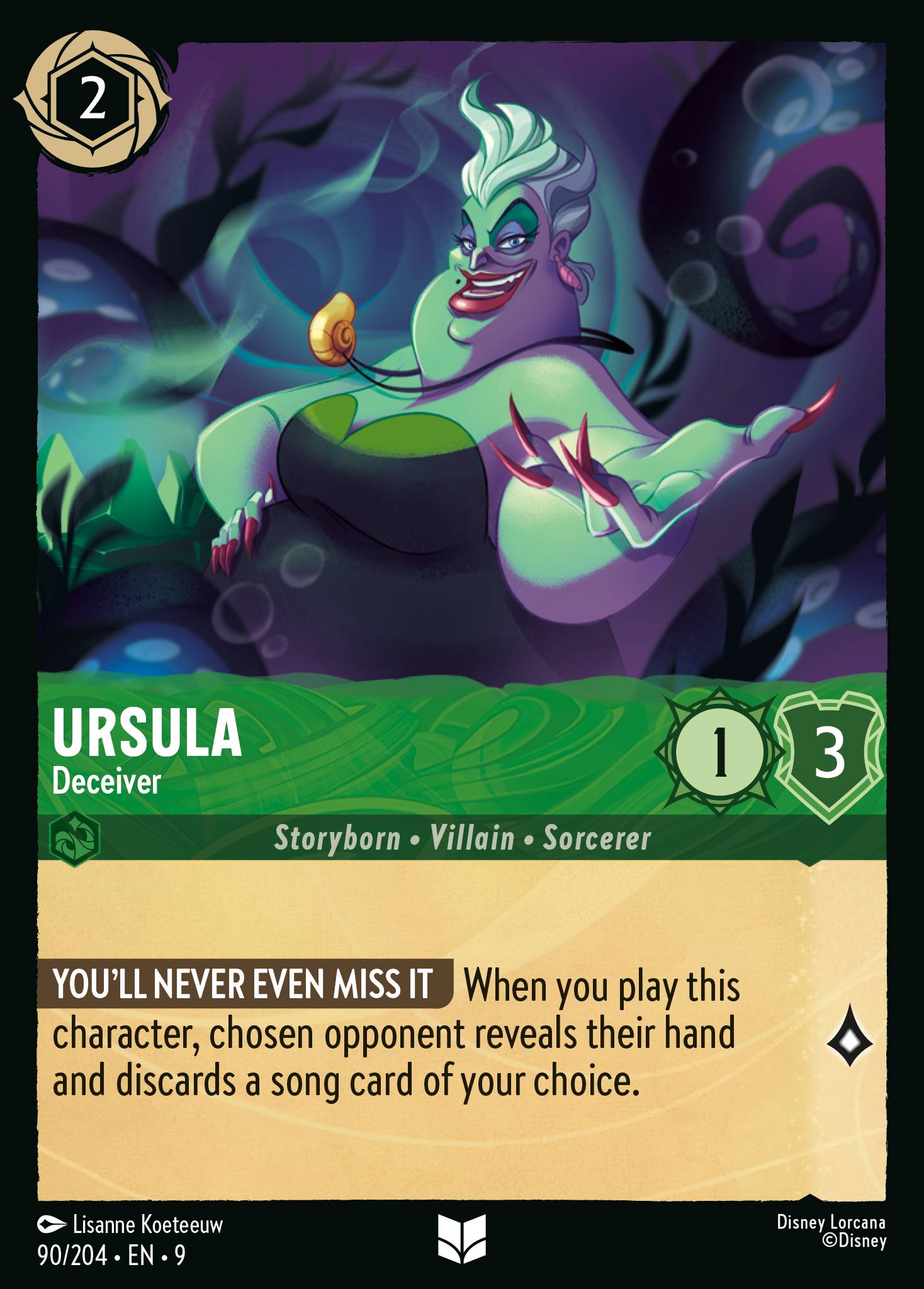
Two roles matter most. Protection keeps your key questers alive through removal and challenges—cheap actions or abilities that give a character resist, ward-like effects, or simply replace a fallen body. Disruption is Emerald's specialty: cards that slow the opponent's setup, force them to react, or remove a blocker so your evasive threats keep connecting. You do not need much—four to six support cards across the deck is plenty. The rest is questers.
For the exact keyword interactions—how Evasive, Rush, Ward, and Challenger actually work in combat—our keywords guide is the reference to keep open while you build. Understanding which of your threats can be blocked and which cannot is the single biggest skill jump in piloting aggro well.
Budget Build vs. The $100 Meta List
Here is the honest accounting, because a budget guide that pretends there is no difference is lying to you. The under-$50 build and the $100 tournament list run the same game plan and roughly the same curve. The difference is concentrated in a handful of premium slots.
| Slot | $100 Meta List | Budget Build (Under $50) |
|---|---|---|
| Cheap questers (1–2 cost) | Common/uncommon | Identical — no change |
| Evasive threats | Mostly uncommon | Mostly identical |
| Premium top-end legendary | $15–30 each | Cut or swapped for cheap 3-drop |
| "Best version" staple copies | Enchanted/foil premium | Standard printing, same text |
| Game plan & speed | Fast | ~85% as fast |
The key insight: an "enchanted" or premium-foil copy of a card plays exactly the same as the cheap standard printing. You are paying for art and scarcity, not power. The only real functional loss in the budget build is the premium top-end legendary—a card that adds resilience in long, grindy games. In an aggro deck designed to end the game by turn six, you often do not reach the turn where that card would matter anyway.
If you want to see how the two-color budget shell compares across different ink pairs, our sibling deck-techs for Amber/Steel Midrange and Emerald/Steel Discard show two completely different ways to spend the same budget.
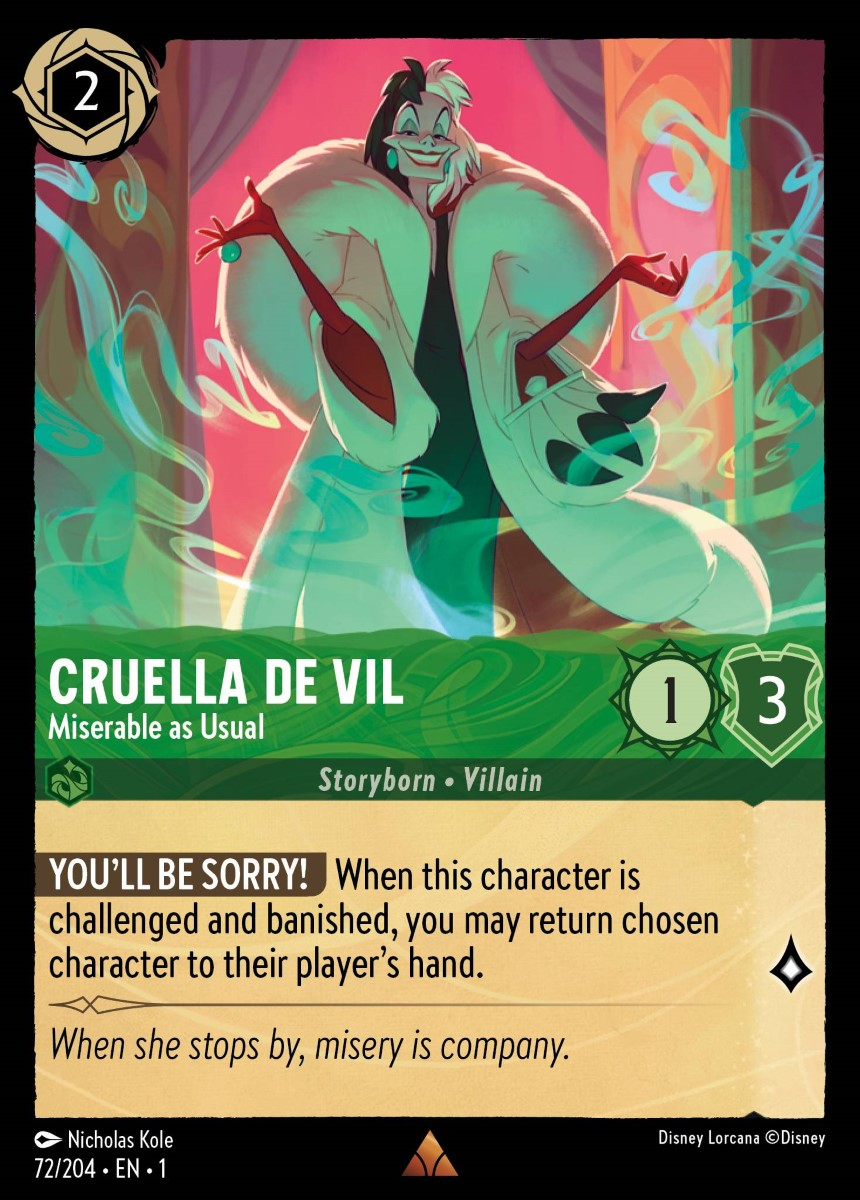
Aggro is almost entirely common and uncommon singles, so buying the exact playsets you need is the cheapest route — sealed is the better buy only if you would rather crack packs alongside the build.
As an Amazon Associate, Geeky Domain earns from qualifying purchases. eBay links are affiliate links; Geeky Domain may earn a commission at no extra cost to you.
Piloting: Mulligans & Sequencing
Aggro is the easiest archetype to pick up and one of the hardest to pilot perfectly, because every point of lore and every turn of tempo matters. A few rules will get you most of the way there.
-
Mulligan for your one-drops.
A hand without an early play is a losing hand for aggro. You want at least one or two cheap characters you can deploy on turns one and two. Keep hands that curve out; ship hands clogged with expensive cards, even if they look powerful. -
Quest, don't challenge—usually.
Your lore clock is your win condition. Default to questing every turn. Only challenge (attack a character) when removing a specific blocker lets the rest of your board quest freely, or when you must kill a threat that out-races you. -
Decide your inkwell early.
Knowing which cards are inkable and which you need to keep is a core aggro skill—you cannot afford to ink a key quester by mistake. If that concept is new, our first-deck guide walks through inkwell decisions step by step.
Knowing the opponent shapes your aggression. Against control and slower midrange decks, you are the favorite—commit to the board, race hard, and force them to find answers before they are ready. Against other aggro or evasive decks, the math flips: the mirror is often won by whoever respects defense at the right moment, trading a quest turn to challenge down a key threat or holding a removal action for their best evasive quester. The instinct to always quest is correct most of the time, but the games you lose to faster decks are usually the ones where you raced when you should have interacted. Reading which side of that line you are on, turn by turn, is what separates a 50% aggro pilot from a 65% one.
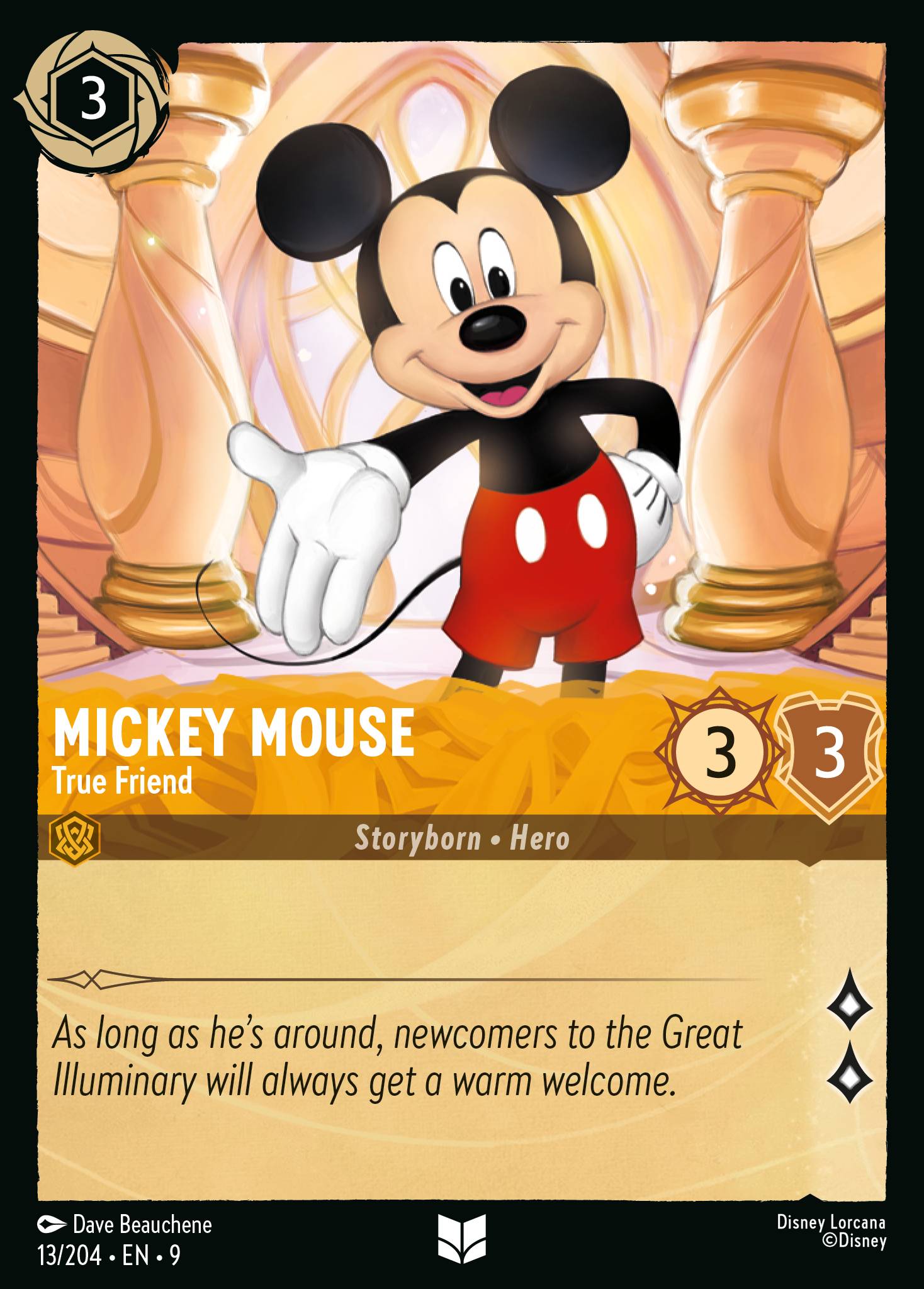
The Upgrade Path: Where to Spend Next
When your budget grows, you do not need to rebuild the deck—you upgrade it in priority order. Spend in this sequence for the most lore-per-dollar:
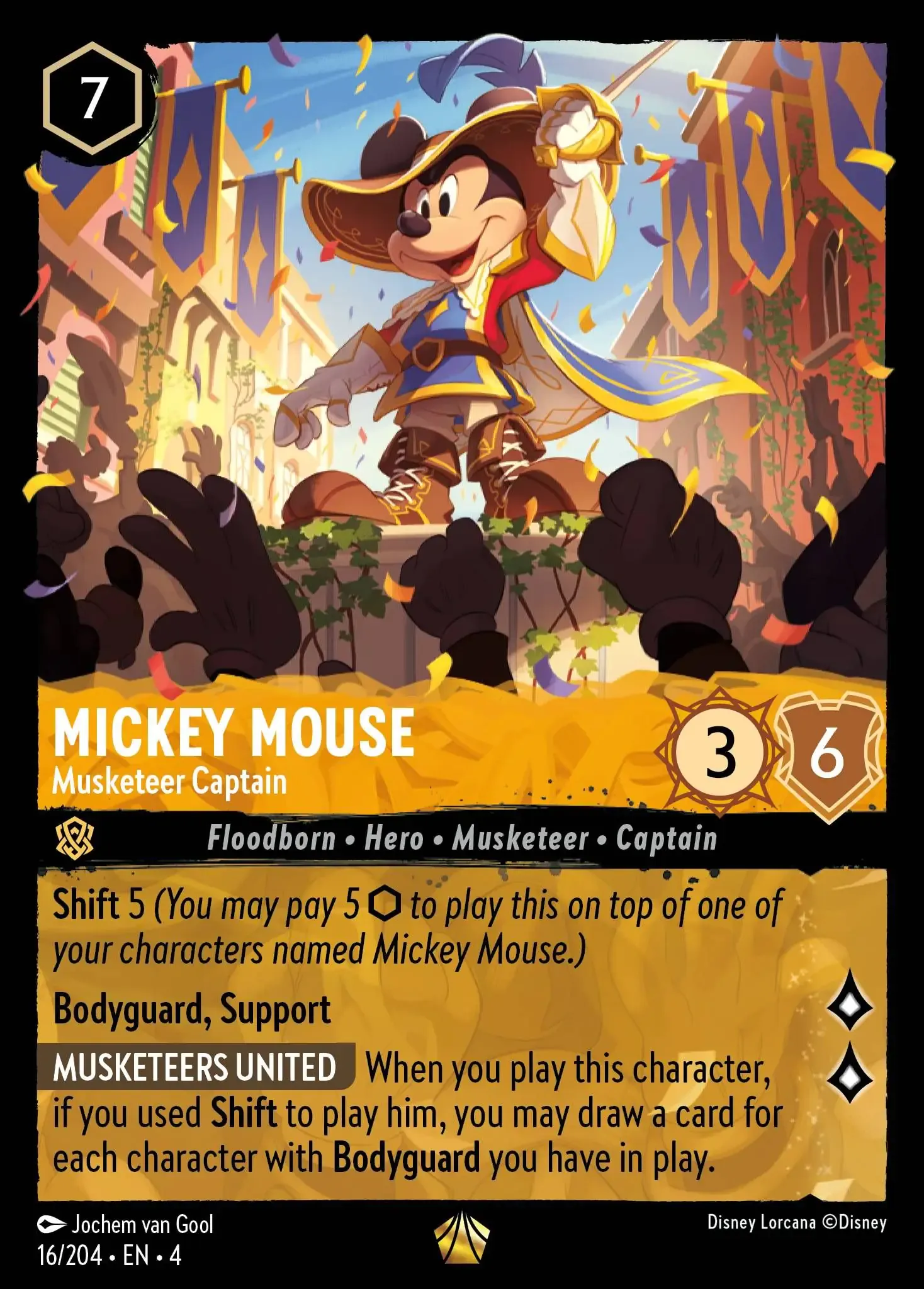
- 1. The premium top-end legendary. The single biggest power jump—it adds the resilience the budget list trades away. Buy this first.
- 2. The best evasive threats. If any of your evasive slots are running second-choice budget cards, upgrade to the meta's preferred questers next.
- 3. Consistency cards. Extra copies and card-draw/selection pieces that make the deck draw its nut hand more often. Last, because they refine rather than transform.
A Note on Rotation
Before investing, it is worth knowing which sets are currently legal in Core Constructed so you do not buy into cards about to rotate. Our rotation survival guide keeps the current legal-set list and the next rotation date in one place—a five-minute read that can save you real money.
FAQ & Quick Reference
How much does the budget build actually cost? Under $50, against the $90 to $120 that large-tournament versions of the same deck routinely run. The gap is concentrated in a handful of premium slots, not in the deck's engine.
How much power am I giving up? Roughly 15% — the budget list is about 85% as fast. The one genuine functional loss is the premium top-end legendary at $15–30, which adds resilience in long, grindy games you often never reach in an aggro deck built to end by turn six.
Do enchanted or foil copies play better? No. An enchanted or premium-foil copy has exactly the same text as the cheap standard printing — you are paying for art and scarcity, not power.
What do I mulligan for? One- and two-cost characters. A hand without an early play is a losing hand for aggro, so keep hands that curve out and ship hands clogged with expensive cards, even when they look powerful.
How fast is the clock? Four to six lore per turn from turn three puts you at 20 lore around turn five or six — usually before a control deck has assembled its defenses.
What should I upgrade first? In order: the premium top-end legendary, then the best evasive threats, then consistency cards. The first purchase is the biggest single power jump; the last one refines rather than transforms.
Race First. Upgrade Later.
Amber/Emerald Aggro is the rare meta deck that does not punish you for being on a budget. Its power lives in cheap, fast, high-lore characters—exactly the cards that cost cents at common and uncommon rarity. By building the engine first and treating the premium legendaries as upgrades rather than requirements, you get a genuinely competitive deck for under $50 and a clear path to the full meta list whenever you are ready.
Mulligan for your one-drops, quest relentlessly, and respect the curve. The deck that races to 20 lore the fastest wins—and at this price, that deck can be yours this week.
© GEEKYDOMAIN.COM | Strategy Powered by Data