

Pokemon 151 Set: Why It Hit So Hard
A set that was, on paper, just the original 151 Pokémon reprinted with new art became one of the biggest releases in modern TCG history. Here's why nostalgia turned out to be the most powerful mechanic of all.
When Scarlet & Violet—151 was announced, the pitch sounded almost too simple to generate hype: take the original 151 Pokémon, give them fresh art in the modern card frame, and ship it as a Scarlet & Violet-era expansion. No flashy new mechanics, no brand-new generation of creatures, no gimmick subset. Just the original lineup, reimagined.
It became one of the most explosively popular Pokémon TCG releases in years — shelves emptied within hours across multiple countries, secondary market prices on key chase cards spiked immediately, and the set is still discussed as a turning point for how the modern TCG approaches nostalgia. Understanding why is useful for any collector trying to predict the next set that's going to behave the same way.
This guide covers what made 151 different from a normal set release, which cards drove the demand, and what it taught the hobby about vintage-era nostalgia in a modern product.
→ Short Version
151 succeeded by being the original 151 Pokémon, full stop — no new generation, no complex new mechanic, just the most universally recognized roster in the franchise with modern-quality art. The chase cards were instantly recognizable (Charizard, Mew, Mewtwo) to anyone who grew up with the franchise, not just current players. Demand crossed generational lines — lapsed collectors who hadn't bought a pack in 20 years came back specifically for this set. It reset expectations for how big a "retro throwback" release could perform.
→ Related Reading
In This Guide
What the 151 Set Actually Is
Scarlet & Violet—151 is, structurally, a normal modern expansion in the Scarlet & Violet block — same card frame, same rarity tiers, same booster format collectors were already used to. What's different is the Pokédex it draws from: every card depicts one of the original 151 Pokémon, from Bulbasaur through Mew, with brand-new artwork rendered in the modern style.
The set includes the now-standard modern chase tiers — ex cards, full arts, and special illustration rares — applied to a roster that hadn't been the exclusive focus of an entire set since the original Base Set era over two decades earlier. It's the conceptual inverse of most modern sets, which introduce new Pokémon from the latest generation; 151 deliberately looked backward instead.
That backward-looking premise is exactly what separated it from every other Scarlet & Violet release before or since.
The Nostalgia Math
Most modern Pokémon sets are aimed primarily at current players and active collectors — people already plugged into the latest generation's roster. The original 151 are different: they're the Pokémon that an entire generation of now-adult collectors grew up with, whether or not they've touched a pack since childhood.
This is the same dynamic that drives demand for original Base Set cards decades after release — and for vintage Neo-block sets that share those original-era roots — except 151 packaged it into a brand-new, easily obtainable product instead of a decades-old scarce one. Anyone who wanted "the nostalgia of Base Set" without hunting vintage cardboard suddenly had a current-release option.
That's a much bigger addressable audience than a typical set release. 151 wasn't just competing for active collectors' wallets — it pulled in lapsed fans, parents buying for kids who'd inherited their own childhood enthusiasm, and casual buyers who saw "Charizard" trending and wanted in.
The Chase Cards That Drove Demand
A handful of cards from 151 became the public face of the set's hype, almost entirely cards depicting Pokémon with the strongest brand recognition outside the hobby itself:
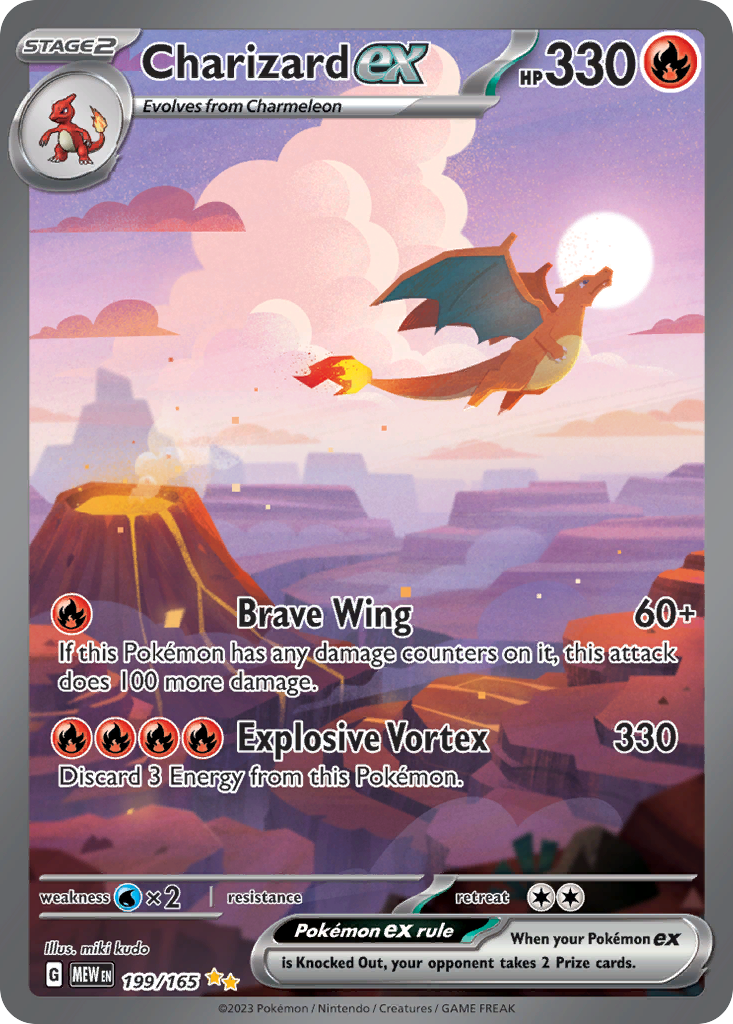
Charizard ex
As always, Charizard was the headline. Any set containing a new Charizard card sees outsized demand purely from the name — 151's version, in special illustration rare form, became one of the most searched and resold cards from the entire release.
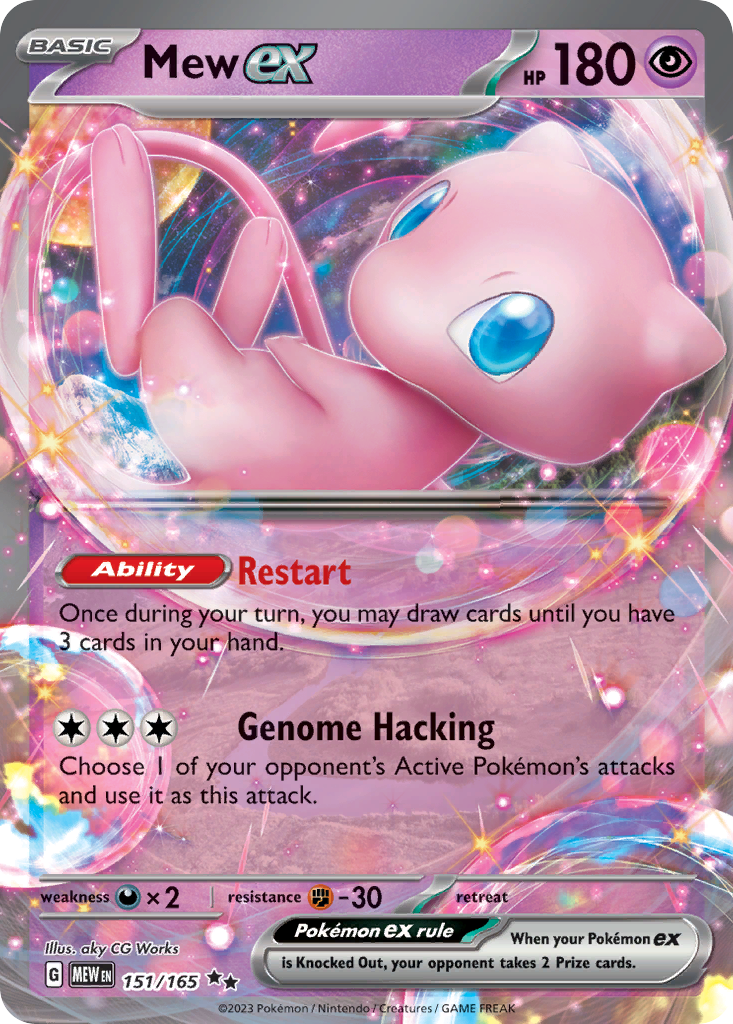
Mew ex
Mew anchors the set thematically — as the 151st and final original Pokémon, and a famously mysterious one in the games — and its art treatments leaned heavily into that mythic status, making it a natural second-tier chase alongside Charizard.
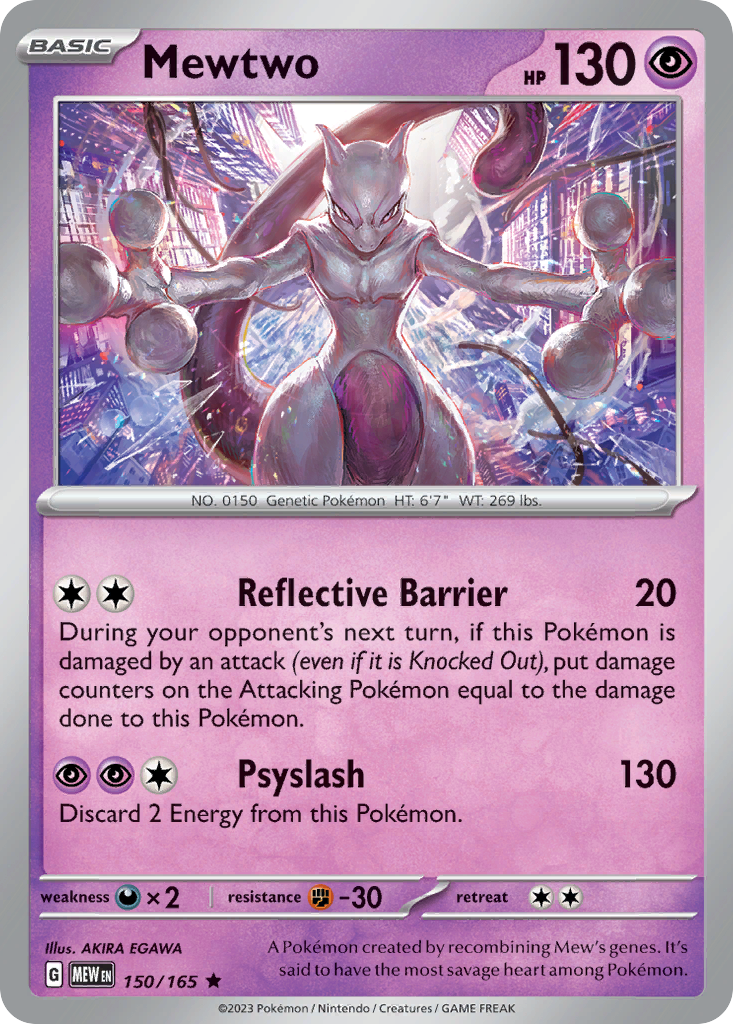
Mewtwo
Mewtwo's enduring popularity from the first Pokémon movie and games keeps steady demand on its 151 printing — though unlike Charizard and Mew, Mewtwo didn't get an ex treatment in this set, so it sits a tier below them as a chase.
Notice the pattern: all three are Pokémon with mainstream recognition extending well past the trading card hobby itself. That's not a coincidence — it's the entire reason the set performed the way it did.
Beyond the Chase Trio: The Deeper Nostalgia Hooks
The headline chase cards explain the surface-level hype, but a few deeper details are what made 151 feel like an event rather than just another expansion — and they're the reason lapsed collectors talked about it the way they talked about Base Set:
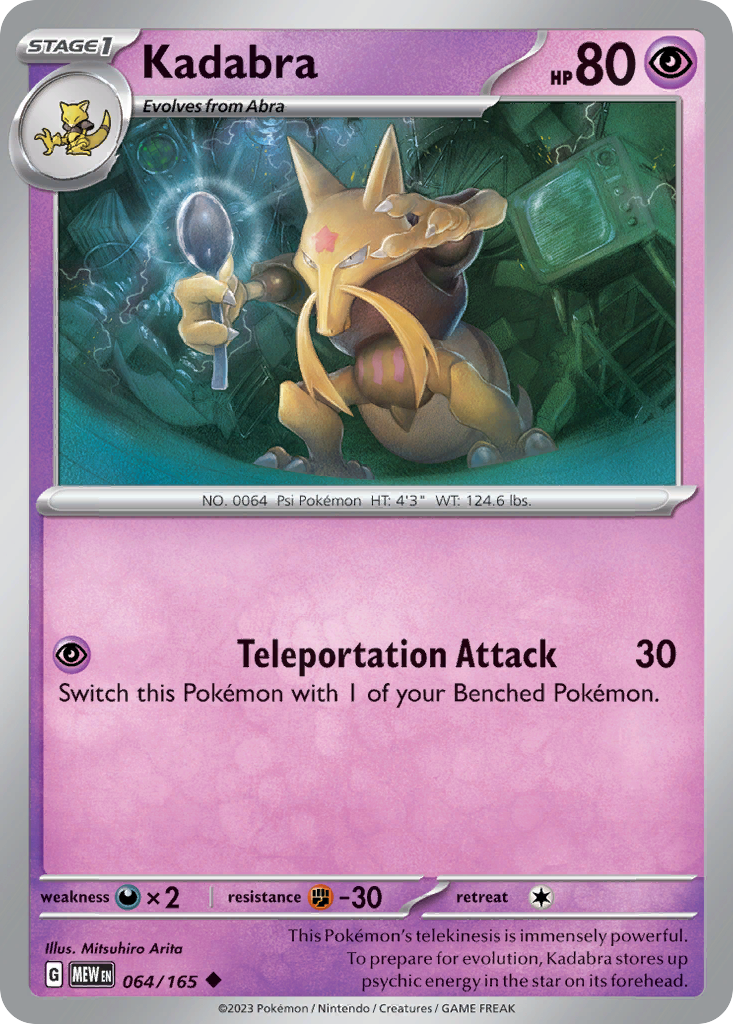
- Kadabra's return after two decades. 151 marked the first Kadabra card in the TCG since Skyridge in 2003 — roughly a twenty-year absence caused by a long-running legal dispute over the character. For collectors who grew up in the original era, seeing Kadabra printed again (completing the Alakazam line's full Kanto comeback) was a genuinely emotional detail that no new-generation set could replicate.
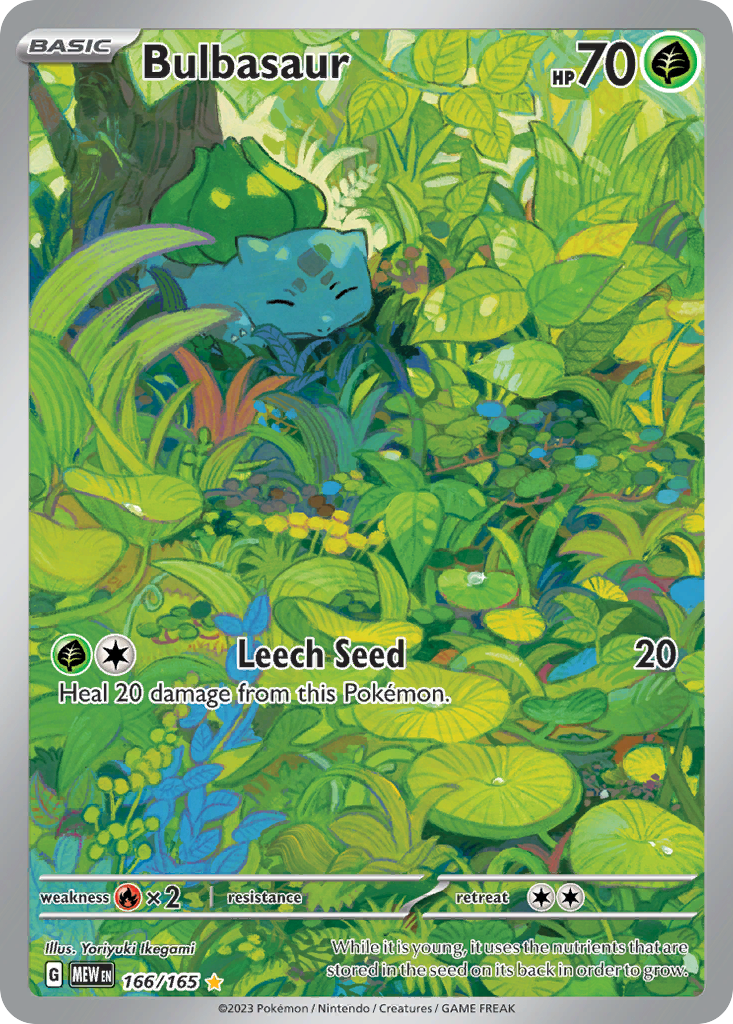
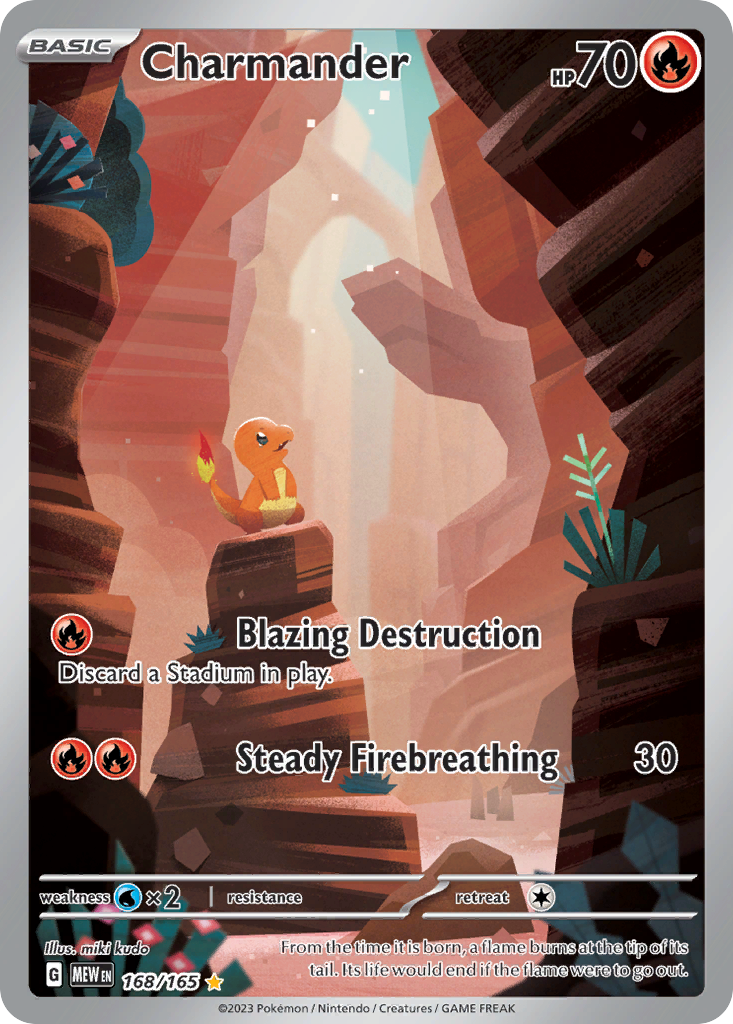
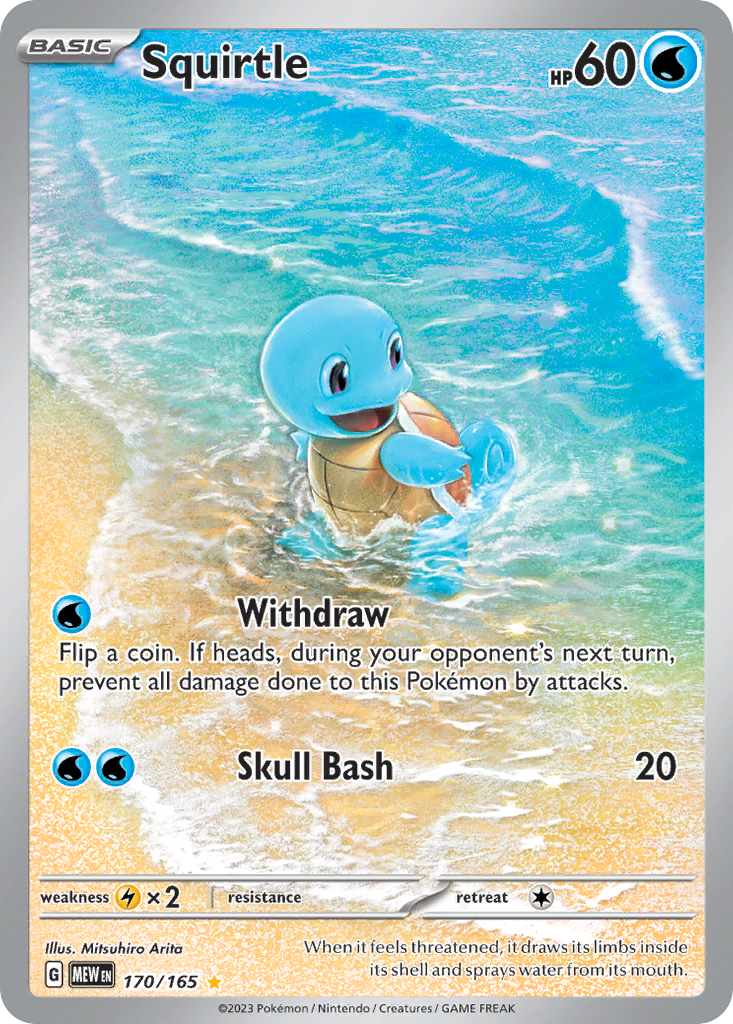
- "Demigod packs." A small percentage of booster packs replace their normal rare and reverse-holo slots with an entire evolutionary line of Bulbasaur, Charmander, or Squirtle as secret rares. Fans nicknamed these "demigod packs," and the tiny pull chance gave every pack opening a lottery-ticket tension that fueled sealed demand.
- Galaxy-holofoil energy cards. The set's basic Energy cards were printed on the original "galaxy" holographic paper used back in the Wizards-of-the-Coast era, rather than the modern Scarlet & Violet foil. It's a literal, physical piece of Base Set nostalgia baked into the product — the kind of detail longtime collectors notice instantly and newer players don't, which is exactly the audience 151 was built to reach.
Why Shelves Emptied So Fast
Retail shortages around 151's release were severe enough to draw mainstream media attention well outside hobby-focused outlets. A few factors compounded the shortage:
- Demand exceeded normal print planning. Set print runs are planned well in advance based on historical demand for a given release type. A set this far outside the normal pattern is genuinely hard to forecast for, and initial print quantities sold through unusually fast.
- Resellers moved quickly. Once it became clear the set was selling out everywhere, secondary-market resellers bought aggressively at retail to flip product, which accelerated the shortage and pushed prices higher even faster.
- Crossover media attention amplified it. Coverage of the shortage itself became a story, which drove even more casual buyers to seek out the set — a feedback loop that's common with genuinely scarce, high-demand collectibles.
For collectors trying to actually open packs rather than chase secondary-market prices, this meant 151 was one of the most frustrating sets in years to acquire at retail price during its launch window.
Watch for Reprints and Restocks
High-demand sets like 151 are exactly the kind The Pokémon Company will sometimes revisit with additional print runs once the initial hype cycle settles. If you're buying sealed product specifically as an investment, check whether a restock has happened recently before assuming current scarcity will hold.
The Demand Drivers, Side by Side
What separated 151 from a typical modern set wasn't one factor — it was five stacking on top of each other, most of which a normal new-generation release simply doesn't have access to:
| Demand Driver | Why It Mattered for 151 | Typical Modern Set? |
|---|---|---|
| Cross-generational nostalgia | The original 151 are recognized even by non-collectors | Rarely — new-gen Pokémon lack mainstream recognition |
| Lapsed collector re-entry | Adults who hadn't bought a pack in 20 years came back for it | Rarely — most sets target already-active players |
| Chase card brand power | Charizard, Mew, and Mewtwo are universally recognized | Variable — depends entirely on the new roster |
| Media feedback loop | Coverage of the shortage itself drove more demand | Rare — most sets don't generate mainstream news |
| Reseller amplification | Aggressive flipping accelerated the retail sellout | Sometimes — but rarely as acutely as 151 |
What 151 Changed Going Forward
151's success demonstrated, very visibly, that a "no new mechanics, just beloved old Pokémon with new art" release could outperform sets built around the latest generation's flashiest new creatures. That's a meaningful data point for a company planning years of future releases.
It also reinforced something collectors already suspected: in the Pokémon TCG specifically, character recognition often matters more to demand than raw card power or mechanical novelty. A set doesn't need a complicated new gimmick to become a phenomenon — it needs Pokémon people already love, presented well.
The clearest way to see why 151 behaved so differently is to line it up against what a standard new-generation expansion brings to the table:
| Factor | Scarlet & Violet—151 | Typical New-Gen Set |
|---|---|---|
| Roster | The original 151, universally recognized | Newest generation, familiar mainly to active fans |
| Audience | Current players plus lapsed & casual fans | Primarily the existing active collector base |
| Chase appeal | Charizard/Mew/Mewtwo — recognized outside the hobby | Depends on how the new roster lands |
| Hook | Nostalgia — a feeling buyers already had | Novelty — a new mechanic or generation to learn |
Buying Into 151 Today
- Singles are usually the more reliable path. If your goal is owning specific chase cards rather than the experience of opening packs, buying singles from the right platform avoids the markup that sealed product carries once a set's reputation is established.
- Compare sealed pricing to the original MSRP carefully. High-demand modern sets often carry a significant secondary-market premium over their original retail price. Decide what you're actually paying for — the cards inside, or the collectible status of unopened product — before committing.
- Check authentication on high-value singles. Any card with this level of demand attracts counterfeits. Apply the same counterfeit-detection diligence to a modern chase card that you would to a vintage one.
Buying Into 151: Sealed or Singles
If you want the pack-opening experience — demigod pack odds included — the Elite Trainer Box and the Booster Bundle are the 151 sealed configurations still reasonably easy to find. If you only want Charizard ex 199/165, Mew ex 151/165 or Mewtwo 150/165, buy them as singles instead: TCGplayer lists all three by condition in one cart, and eBay is worth a price check on the two ex cards.
As an Amazon Associate, Geeky Domain earns from qualifying purchases. eBay links are affiliate links; Geeky Domain may earn a commission at no extra cost to you.
151 FAQ
- Is 151 part of the Scarlet & Violet block? Yes. Mechanically and structurally it's a standard Scarlet & Violet-era expansion — the unique part is the Pokédex it focuses on, not the card frame or rules.
- Why did 151 outsell sets with brand-new Pokémon? It tapped a much larger audience than active current players — lapsed collectors, casual fans, and anyone with childhood nostalgia for the original generation. New-generation sets mostly compete for the existing collector base; 151 expanded it.
- Will The Pokémon Company do this again? 151's commercial performance makes another retro-focused, beloved-generation release a reasonable bet for the future, though nothing is officially guaranteed. Watch for the same pattern: a set built around a widely recognized, nostalgic roster rather than the newest generation.
- Why was Kadabra missing from the TCG for so long? Kadabra was absent from new Pokémon cards for roughly two decades because of a long-running legal dispute tied to the character's design. That was resolved when the party involved dropped their objection in 2020, and 151 became the set that finally brought Kadabra — and a complete Alakazam evolutionary line — back to Kanto. For longtime collectors, it was one of the set's most talked-about details.
- Is 151 a good long-term investment set? It has the right ingredients — strong nostalgia appeal, recognizable chase cards, and a demonstrated shortage at launch — but modern sets carry more uncertainty than established vintage. Treat any purchase as a collection decision first and a speculative investment second.
Recognition Beats Novelty.
151 didn't win on mechanical innovation — it won because Charizard, Mew, and Mewtwo are characters that mean something to people who haven't bought a pack in twenty years. That's a lesson worth remembering whenever a new set is announced: the roster and the nostalgia it carries can matter more to demand than any new keyword or rarity tier.
If you're collecting 151 today, decide whether you're chasing the experience, the specific chase cards, or the long-term hold — each calls for a different buying strategy. And whatever you buy, verify authenticity on anything carrying this much demand.
© GEEKYDOMAIN.COM | Strategy Powered by Data