

Pokemon ETB vs Booster Box: Which Is the Better Buy?
Two of Pokemon's most popular sealed products, built for completely different buyers. Here's how to tell which one is right for you.
Some links below are affiliate links. If you buy through them, we may earn a small commission at no extra cost to you. We only recommend products we'd use ourselves.
If you're buying sealed Pokemon, two products dominate the shelf: the Elite Trainer Box (ETB) and the Booster Box. They look like they're competing for the same purchase, but they're really built for different people with different goals — and picking the wrong one for your situation is how you end up disappointed with a perfectly good product.
This is a focused, product-to-product comparison: what each one actually contains, what each is good at, and a clean way to decide between them. It's a companion to our broader guide on booster box vs singles — that one covers the universal sealed-versus-singles math, while this one zooms in on the specific Pokemon choice between two sealed products.
One important note before we start: Pokemon's products change, and pack counts in particular vary by era and version — so always confirm what a specific box contains before buying, rather than assuming. We'll flag where that matters.
The Short Version
An Elite Trainer Box is Pokemon's mid-tier, all-in-one product: a smaller number of packs (most current retail ETBs have around 9; some versions differ) plus a generous bundle of accessories — 65 set-themed sleeves, energy cards, dice, condition markers, dividers, a rulebook, a storage box, and a set-specific promo card. A Booster Box is built for one thing: packs — typically 36 of them, no accessories. So the ETB wins on convenience, accessories, and a lower entry price, making it the better buy for newer players and casual openers. The booster box wins on pack volume, pull odds, and lowest cost-per-pack, making it better for collectors chasing cards, drafters, and anyone going deep on a set. Pick by goal, not by which "looks like more."
→ Related Guides
In This Guide
What's in an ETB
An Elite Trainer Box is Pokemon's mid-tier sealed product, designed as an all-in-one entry point — something you can buy and immediately start playing and collecting with, no extra purchases needed. A current Scarlet & Violet-era ETB typically contains:
- Booster packs — around 9. Most regular retail ETBs from the Scarlet & Violet series carry 9 packs (some sets and editions differ — Pokemon Center versions have run higher, and older ETBs had fewer). Always check the specific box.
- 65 card sleeves. Usually featuring the set's headline Pokemon — genuinely useful, tournament-legal sleeves that would cost a fair bit bought separately from a third-party maker.
- Energy cards, dice & condition markers. A stack of basic Energy plus the dice and markers you need to actually play — track damage, status conditions, and coin flips.
- A storage box, dividers & rulebook. A sturdy box with an inner tray and dividers for organizing cards, plus a player's guide to the set. The box itself is a legitimately handy storage piece.
- A set-specific promo card. An exclusive promo that ranges from a genuinely valuable collectible (in hyped sets) to a nice-to-have — part of the ETB's appeal and value.
The takeaway: an ETB is packs plus a complete toolkit. You're not just buying cards; you're buying everything a new player needs to start, bundled with a promo and a storage box.
What's in a Booster Box
A booster box is the opposite philosophy: maximize packs, skip everything else. A standard Pokemon booster box contains 36 booster packs — at ten cards per pack, that's around 360 cards from the set — and no accessories at all. Just packs.
That single-minded focus is the whole point. Four times the packs of a typical ETB means dramatically more cards, dramatically better odds of pulling the set's rare and ultra-rare chase cards, and the lowest cost-per-pack of any standard product. If your goal is volume and pull chances, nothing beats a box on a per-pack basis.
The trade-offs are the flip side of that focus: a much larger upfront cost, and none of the accessories, promo, or storage an ETB throws in. You're paying for raw pack count and nothing else — which is exactly right for some buyers and overkill for others.
Packs & Pull Odds
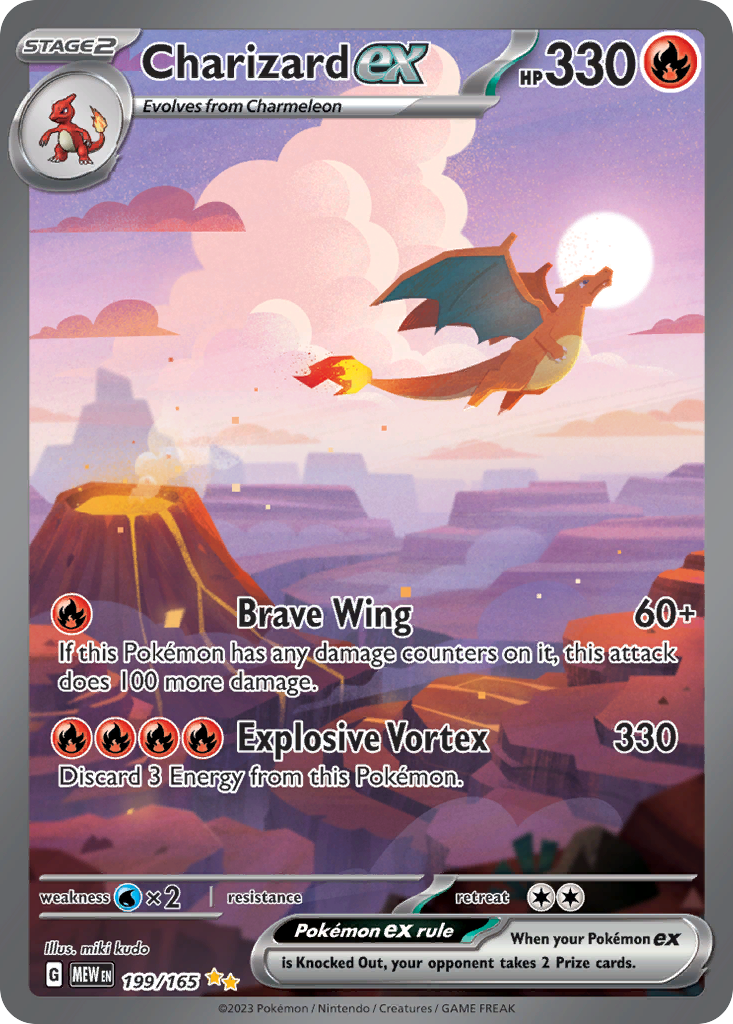
This is the heart of the comparison, and it's mostly about scale. A booster box has roughly four times the packs of a standard ETB, so on pure card-hunting it isn't close:
- Pull odds scale with packs. More packs means more chances at ex cards, Illustration Rares, and the top-end special rares. A box gives you enough openings that the set's chase cards become likely rather than a long shot, where an ETB's handful of packs leaves you firmly in lottery territory.
- Lowest cost-per-pack. Because you're not paying for accessories, a booster box has the cheapest per-pack rate of the two by a wide margin. If all you want is packs, the box delivers them most efficiently.
- Variance still applies. A box improves your odds, but it's still sealed product — any single box can run hot or cold. For how the broader sealed-value math works (and why even a box usually isn't a "deal" on pure value), see our box vs singles guide. If you want specific cards with certainty, singles still beat both products.
The Accessory Value
Here's where the ETB earns its keep, and where a naive "packs per dollar" comparison sells it short. The ETB costs more per pack — but a real chunk of that premium is the accessories, which have genuine standalone value:
- The sleeves alone are worth real money. A pack of 65 quality, set-themed sleeves would cost a meaningful amount bought separately from a third-party sleeve maker. For a player who'd buy sleeves anyway, that value comes right off the ETB's effective per-pack cost.
- The box and accessories are useful, not filler. The storage box is sturdy and genuinely handy for holding a binder's worth of supplies; the dice, markers, and energy are exactly what a player needs at the table. None of it appreciates on its own, but all of it has utility.
- The promo can carry value. The exclusive promo card ranges from "pleasant extra" to genuinely sought-after in hyped sets — occasionally enough to materially close the price gap with a box. It's a wildcard in the ETB's favor.
So the honest framing is that an ETB is a hybrid product: sealed packs (with their lottery value) bundled with accessories (with their utility value). Judge it on the whole bundle, not just the pack count — that's the mistake that makes people wrongly call it "overpriced."
Who Should Buy an ETB
The ETB is the better buy when convenience, a lower entry price, and the accessories matter to you:
- New and returning players. It's the ideal on-ramp — packs to open plus all the sleeves, dice, markers, and energy you need to actually start playing, in one purchase, without buying anything piecemeal.
- Casual openers on a budget. A lower upfront cost than a full box, with a satisfying number of packs and a guaranteed promo. Great when you want the opening experience without committing to 36 packs.
- Players who want the accessories. If you'd buy sleeves and a storage box anyway, the ETB bundles them with packs at a combined price that's often very fair.
- Collectors who want the promo & box. For sets with a desirable exclusive promo, the ETB is the only way to get it sealed — and the themed box and sleeves are collectibles in their own right.
Who Should Buy a Booster Box
The booster box is the better buy when packs and pull chances are the whole point:
- Collectors chasing the set. If you want broad coverage of a set and real odds at the chase cards, the box's pack count is what gets you there. It's the serious set-hunter's product.
- Value-per-pack maximizers. If you don't need accessories and just want the cheapest packs, the box's per-pack cost wins clearly. Every dollar goes to cards.
- Group openings & events. 36 packs is enough to split among friends or run a casual group opening — far more social mileage than a single ETB's handful.
- Anyone willing to spend more upfront. The box's higher total price buys proportionally more — if the budget's there and packs are the goal, it's the efficient choice.
A Simple Decision Process
Run your purchase through these:
- 1. Do I want specific cards? Then neither — buy singles. Both sealed products are a gamble; for targeted cards, singles win (see the box-vs-singles guide).
- 2. Am I new, or do I want the accessories? Yes → ETB. The toolkit, promo, and lower entry price make it the better all-in-one.
- 3. Is my goal pack volume and pull odds? Yes → Booster Box. Best per-pack cost and best chance at chase cards.
- 4. How much do I want to spend upfront? Tight budget → ETB's lower entry point. Comfortable budget and packs are the goal → box.
- 5. Did I check the specific product? Always confirm the actual pack count and contents of the exact ETB or box — they vary by set, era, and edition.
Common Mistakes
Judging the ETB on pack count alone.
"The box has way more packs per dollar" ignores the ETB's sleeves, promo, and storage. Compare the whole bundle — for someone who wants the accessories, the ETB's effective per-pack cost is much closer than it looks.
Buying a box to get one specific card.
Even with better odds, chasing one card through a box usually costs more than the single. If there's a specific card you want, buy it — neither sealed product is the efficient route to a known card.
Assuming pack count without checking.
ETB pack counts have varied by era and version, and Pokemon Center editions differ from standard retail. Confirm the exact contents of the product you're buying rather than assuming a number.
Overpaying at launch hype.
Sealed prices spike at release and on hyped sets. If you're buying to open (not to hold sealed), waiting for prices to settle after launch usually gets you the same product for less.
FAQ
- Which has better value, an ETB or a booster box? On pure cost-per-pack, the booster box — clearly. But "value" depends on whether you want the ETB's accessories and promo. For a player who'd buy sleeves and a storage box anyway, the ETB's effective value is much closer. For someone who only wants packs, the box wins.
- How many packs are in each? A standard booster box has 36 packs. A current Scarlet & Violet retail ETB usually has around 9, though this has varied by era and Pokemon Center versions differ — always check the specific box. The roughly four-to-one pack ratio is the core difference.
- I'm brand new to Pokemon — which should I start with? An ETB, almost always. It's purpose-built as an entry point: packs to open plus every accessory you need to play, in one box, at a lower price than committing to a full booster box. Start there, then graduate to boxes if you decide to go deep on a set.
- Are these good investments sealed? Both can appreciate sealed, but for different reasons — and it's a separate question from which to open. ETBs are a hybrid (packs plus non-appreciating accessories), boxes are pure pack value. Sealed investing carries real risk; don't conflate "fun to open" with "smart to hold."
Quick Reference
- ETB = ~9 packs + 65 sleeves, energy, dice, markers, dividers, rulebook, box, promo.
- Booster box = 36 packs (~360 cards), no accessories.
- ETB wins on: convenience, accessories, promo, lower entry price.
- Box wins on: pack volume, pull odds, lowest cost-per-pack.
- New players: ETB. Set hunters & value-per-pack: box.
- Specific card wanted: neither — buy the single.
- Always: check the exact pack count — it varies by set, era, and edition.
Where to Buy
Both products are widely available on Amazon and eBay across current and recent sets. ETBs are the easier grab for a single all-in-one purchase; boxes show up both at retail and on the secondary market. Whichever you choose, confirm the exact set and pack count in the listing, and compare prices — sealed pricing moves with hype and supply.
Right Product, Right Buyer.
ETB versus booster box isn't a question of which is "better" — it's which is better for you. The ETB is the all-in-one starter: fewer packs, but sleeves, dice, a promo, and a box that make it the perfect entry point and a fair bundle for anyone who wants the accessories. The booster box is the pack-maximizer: four times the packs, the best pull odds, the lowest per-pack cost, and nothing you don't need. Match the product to your goal — new player or set hunter, convenience or volume — and you'll buy right every time.
And if it's one specific card you're after? Skip both, and buy the single.
© GEEKYDOMAIN.COM | Strategy Powered by Data