

TCGplayer vs eBay vs Cardmarket: Where to Buy Singles
Three marketplaces, three very different buying experiences. Picking the wrong one for your situation costs you money — and sometimes the card itself.
Whether you're filling out the last few staples in an MTG Commander deck, hunting a specific Lorcana single, or tracking down a vintage Pokémon card, you'll eventually land on one of three major marketplaces: TCGplayer, eBay, or Cardmarket. Each one operates differently, serves a different region best, and has genuinely different strengths depending on what you're buying.
This isn't a "which one is best" question with a single answer — it's a "which one fits this specific purchase" question. A $2 staple, a graded vintage slab, and a European-exclusive promo all have a clearly correct marketplace, and it's not always the same one.
This guide breaks down how each platform actually works, where each one wins, and the buying habits that keep you from overpaying or getting burned on any of them.
→ Short Version
TCGplayer is the best default for North American buyers wanting individual TCG singles — deep seller competition keeps prices honest. eBay wins for graded cards, vintage sealed product, bulk lots, and anything outside the mainstream TCG marketplace ecosystem. Cardmarket is the default for European buyers — better shipping costs and seller availability within the EU, plus strong coverage of European-exclusive products. Always check seller ratings and shipping cost before comparing sticker price across platforms — the lowest listed price isn't always the lowest total cost.
→ Related Reading
In This Guide
TCGplayer: The Singles Marketplace
TCGplayer is purpose-built for trading card singles, and it shows. Every listing is organized by exact card name, set, and condition, with dozens (sometimes hundreds) of competing sellers visible side by side for popular cards. This structure makes price comparison nearly effortless — you can sort by price, shipping cost, or seller rating in seconds.

The platform's biggest strength is depth of selection for mainstream games: Magic, Pokémon, Lorcana, and most other major TCGs have enormous seller bases on TCGplayer, which keeps prices competitive and makes finding niche or older cards far easier than on a general marketplace.
The tradeoff is shipping cost on small orders. Many individual sellers charge a flat shipping fee regardless of order size, so buying one $1 card from a seller you're not otherwise ordering from can mean paying more in shipping than the card itself costs. TCGplayer's "Direct" program (cards shipped from TCGplayer's own fulfillment) and its "Pick Up Pack" cart-combining feature both help mitigate this if you plan your orders around them.
eBay: The Everything Marketplace
eBay isn't TCG-specific, and that's exactly its advantage in certain categories. Graded cards, vintage sealed product, bulk lots, and cross-game accessories all have a much deeper and more established market on eBay than on dedicated TCG platforms, simply because eBay has been the default marketplace for collectibles generally for decades longer.
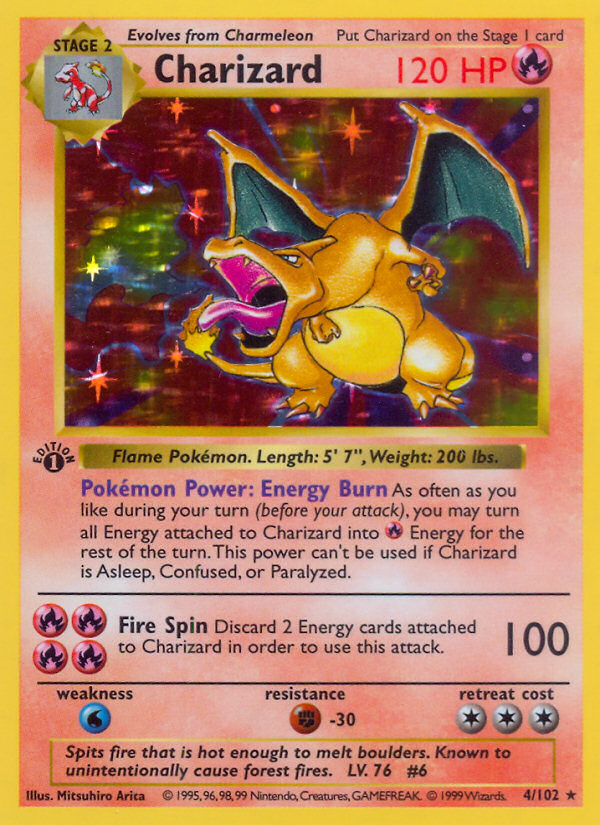
For single, ungraded staples of a current set, eBay is usually a worse experience than TCGplayer — listings are less standardized, condition reporting is inconsistent seller to seller, and price comparison takes more manual work. But for anything that falls outside the standard "current TCG single" category, eBay frequently has options the dedicated platforms simply don't.
eBay's auction format also creates genuine opportunities to buy below market on items with thin demand, though it requires more patience and bidding discipline than a fixed-price purchase.
Buyer protection on eBay is generally strong — disputes over item-not-as-described or non-delivery are well-handled through their resolution process, which matters more here than on smaller niche platforms given the higher-value items (graded slabs, sealed boxes) that tend to move through eBay.
Cardmarket: The European Standard
Cardmarket (formerly Magic Card Market) is Europe's dominant TCG marketplace, and it functions similarly to TCGplayer's singles-focused model — but with seller bases concentrated in European countries, EU-friendly shipping options, and pricing in euros rather than dollars.
If you're located in the EU or UK, Cardmarket is almost always the better default over TCGplayer: shipping from a European seller to a European address is dramatically cheaper and faster than an international shipment from a North American TCGplayer seller, and you avoid customs complications entirely.
Cardmarket also has strong coverage of European-exclusive promos and regional print variants that can be genuinely difficult to source through North American-centric platforms. For North American buyers, it's worth checking only when hunting something specifically tied to European distribution — otherwise the international shipping cost usually makes TCGplayer or eBay the more practical choice.
Check Region-Specific Card Pricing
Card prices can genuinely differ between regional markets due to local supply, demand, and reprint distribution. If you're flexible on which platform you use, comparing Cardmarket and TCGplayer prices side by side (accounting for currency conversion and shipping) occasionally reveals a meaningfully better deal on one side of the Atlantic.
Side-by-Side Comparison
| Factor | TCGplayer | eBay | Cardmarket |
|---|---|---|---|
| Best for | Current singles, NA buyers | Graded cards, vintage, bulk | Singles, EU buyers |
| Listing standardization | High | Low — varies by seller | High |
| Shipping cost on small orders | Can be high per-seller | Varies widely | Low within EU |
| Auction format available | No (fixed price) | Yes | No (fixed price) |
| Bulk lot availability | Limited | Extensive | Limited |
Which Platform for Which Purchase

- Filling out a Commander deck's staples (NA buyer). TCGplayer. Combine your order through one seller where possible to minimize shipping cost across multiple cheap cards.
- Buying a graded vintage slab. eBay. The graded card market is deepest here, and eBay's buyer protection is well-suited to higher-value purchases.
- Same deck-filling purchase, EU buyer. Cardmarket. Domestic and intra-EU shipping will almost always beat an international TCGplayer order on total cost and delivery time.
- Bulk commons/playset lots for a budget brew. eBay. Bulk lot sellers are far more common here than on singles-focused platforms.
- A specific hard-to-find foil or promo. Check all three. Rare or regional items can surface on any platform depending on where the original seller is located — this is the one case where it's worth the extra time to cross-check.
Jump to the Right Marketplace
Each link below matches one of the lanes above: TCGplayer for current Magic singles if you're buying in North America, eBay for graded slabs, vintage sealed boxes, and bulk commons lots. EU buyers are still better off starting on Cardmarket and searching it directly.
As an Amazon Associate, Geeky Domain earns from qualifying purchases. eBay links are affiliate links; Geeky Domain may earn a commission at no extra cost to you.
Buying Safely on Any Platform
- Check seller ratings and review count, not just star average. A 4.9-star seller with three reviews is a far bigger unknown than a 4.7-star seller with three thousand. Volume of completed transactions matters as much as the rating itself.
- Understand each platform's condition grading scale. "Near Mint," "Lightly Played," and similar terms aren't always applied consistently across sellers or platforms. See our card condition guide for what each tier should actually mean.
- Be extra cautious on high-value graded cards. Always verify a graded card's certification number through the grading company's own lookup tool before paying a significant premium — this applies on every platform equally.
- Watch for counterfeit risk on chase cards specifically. High-demand cards across every platform attract counterfeiters. Review our counterfeit detection guide before buying an expensive single from an unfamiliar seller.
Common Mistakes
Comparing sticker price without shipping.
A $1 card with $5 shipping is worse than a $4 card with free shipping. Always compare total landed cost, not the headline price — especially when buying a single card from a seller you won't order from again.
Ordering from too many sellers at once.
Spreading a 10-card order across 10 different TCGplayer sellers to chase the absolute lowest per-card price often costs more overall than consolidating with two or three sellers, once shipping is factored in.
Ignoring international shipping/customs on cross-border eBay buys.
A great price on an international eBay listing can disappear once customs fees and extended shipping times are factored in. Check whether a domestic alternative exists before committing to a cross-border purchase.
Buying a graded slab without verifying the cert number.
Every major grading company — PSA, BGS, CGC — has a free online lookup tool where you can verify a slab's certification number, grade, and card details. Counterfeit slabs exist on every platform, and a 30-second check is the single most effective defense against paying premium prices for a fake. This applies equally on TCGplayer, eBay, and Cardmarket.
Assuming "Near Mint" means the same thing everywhere.
Condition grading on marketplace listings is ultimately a seller's self-assessment, and standards drift between platforms, games, and individual sellers. A card listed as NM by a casual eBay seller may not match what a high-volume TCGplayer store considers NM. When condition matters to you — and it should for anything you plan to grade or resell — request photos of the actual card before purchasing, or buy from sellers whose condition standards you've verified through prior orders.
FAQ
- Is TCGplayer owned by the same company as Cardmarket? Both platforms operate under eBay's broader ownership umbrella, but they function as separate marketplaces with distinct seller bases, regional focuses, and listing systems.
- Which platform has the best buyer protection? All three offer meaningful buyer protection for items not received or significantly not as described. eBay's dispute resolution process is the most established given the platform's decades of general e-commerce history.
- Can I sell on these platforms too, or just buy? All three support selling. See our guide to selling singles for platform-specific selling considerations, which differ somewhat from the buying advice here.
- Should I always buy the cheapest listing? Not automatically. A slightly higher price from a highly-rated, high-volume seller is often the safer and ultimately cheaper choice once you factor in shipping reliability and condition accuracy.
- What about Card Kingdom or other smaller platforms? Card Kingdom, CoolStuffInc, and similar dedicated TCG retailers operate as single-seller storefronts rather than open marketplaces. Their prices tend to be slightly higher than the cheapest marketplace listing, but you get consistent grading standards, reliable shipping, and a streamlined checkout experience. They're worth comparing against marketplace options when you value convenience and condition certainty over absolute lowest price.
- Does it matter which platform I use for very cheap cards? For cards under a dollar or two, shipping cost dominates the total price. The best strategy is to batch cheap cards into a single order from one seller on whichever platform offers the best combined deal — rather than optimizing each individual card's listing price across platforms and paying shipping multiple times.
Match the Platform to the Purchase.
There's no single best marketplace for every purchase — there's a best marketplace for this specific purchase. TCGplayer wins on current singles for North American buyers thanks to its structured listing format and competitive seller base. eBay wins on graded cards, vintage sealed product, and bulk lots where its decades-deep collector ecosystem has no real competitor. Cardmarket wins for European buyers on almost everything because domestic shipping within the EU eliminates the cost and customs friction that makes cross-Atlantic orders impractical for everyday singles purchases.
The single most expensive mistake in TCG buying isn't overpaying for a single card — it's systematically using the wrong platform for your purchase type and losing money on shipping overhead, condition mismatches, or missed regional pricing differences that add up across dozens of transactions over a collecting season. Knowing which lane you're in before you start shopping saves both money and frustration.
Whichever platform you choose, the fundamentals stay the same: check seller history and transaction volume, compare total landed cost (not just the sticker price), verify any graded slab through the grading company's official database, and treat condition listings as a starting point for conversation rather than an ironclad guarantee — especially from individual sellers you haven't bought from before.
© GEEKYDOMAIN.COM | Strategy Powered by Data