

You don't need a high-dollar chase card to build a collection you love. Here's how to collect modern Pokémon beautifully — on bulk, reverse holos, and cheap singles.
Some links below are affiliate links. If you buy through them, we may earn a small commission at no extra cost to you. This is collector guidance, not financial advice — card values are uncertain and can fall as well as rise.
The headlines in modern Pokémon collecting go to the grails — the Special Illustration Rares that trade for hundreds of dollars. But that's a tiny slice of what's actually out there, and it's a terrible place for a budget collector to start. The truth is that the modern game is full of gorgeous, characterful cards you can own for a few dollars or less, and the smartest budget collectors barely touch the chase tier at all.
This guide is the opposite of a chase-card list. It's about the tactics that let you build a collection you genuinely enjoy without overspending: working bulk intelligently, leaning on reverse holos and Illustration Rares, choosing value sets, buying sealed only where it makes sense, and sidestepping the money traps that quietly drain budgets. These methods work across the whole modern era — they don't go stale when a new set drops.
If you do want the marquee chase cards and a set-by-set tour of the era's icons, that's a different article — see our Scarlet & Violet collector's guide. This one stays firmly in budget territory. Values are kept qualitative throughout, since modern prices move fast.
The Short Version
You can collect modern Pokémon beautifully on a small budget. Buy singles, not packs, for the specific cards you want — it's far cheaper than gambling on boosters. Learn to work bulk: most of it is worth pennies, but reverse holos (especially from popular sets like 151) and a handful of playable trainer cards are worth a few dollars and easy to find cheap. Lean on Illustration Rares and common-Pokémon art for stunning cards at low prices, pick value sets over the hyped ones, and buy sealed only when the opening is the fun. Skip grading on anything but a standout. Collect what you love and the budget takes care of itself.
→ More Pokémon Collecting Reading
In This Guide
The Budget Collector's Mindset
The single most freeing realization in this hobby is that a collection's worth to you has almost nothing to do with its dollar value. A binder full of your favorite Pokémon in clean reverse holos and Illustration Rares can be more satisfying than a single slabbed grail in a safe — and it costs a fraction as much.
Budget collecting also asks a useful question up front: what are you actually collecting? A favorite Pokémon across every set it appears in, the art of a particular illustrator, one set you want to "master," or just cards that make you smile. Pick a lane and your spending focuses naturally — the people who overspend are usually the ones buying a bit of everything with no through-line.
Singles Beat Packs
This is the foundational budget rule: if you want a specific card, buy that card. Opening packs feels like the "real" way to collect, but mathematically it's a slot machine — you'll spend far more on boosters chasing one card than it would cost to simply buy it as a single. The house edge is the whole point of sealed product.
Singles marketplaces let you buy exactly what you want at a known price, in the condition you choose. For a budget collector that's transformative: a few dollars spent deliberately beats the same money scattered across packs that mostly produce cards you already have. Save pack-opening for when the experience is what you're paying for — not as a route to a card you could just buy.
Working Bulk Intelligently
"Bulk" is the ocean of commons, uncommons, and ordinary holos that make up the vast majority of every set. Most of it is worth very little — bulk trades hands at roughly pennies per card in bulk quantities — but that's exactly why it's a budget collector's playground. You can acquire huge variety cheaply, and there are real gems hiding in it.
The Reverse-Holo Secret
Here's the trick most beginners miss: reverse holos are worth meaningfully more than their plain versions, often a few dollars each, while the identical non-holo is worth a fraction of that. This is strongest in popular "master-set" releases — reverse holos from the 151 set, for instance, are among the most in-demand low-rarity cards in the whole modern game, because completionists need them and they're harder to find in that foil. If you're digging bulk, the reverse holos are what you pull out first.

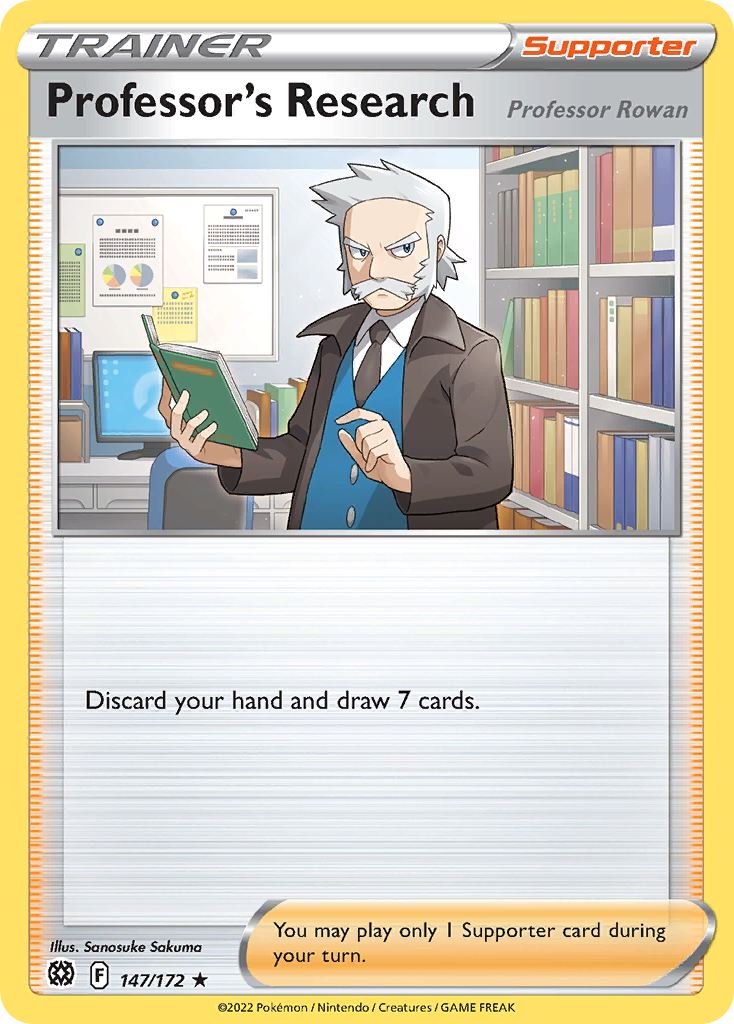
A second category worth knowing: playable trainer cards (the Item and Supporter cards competitive decks run in fours) hold value beyond their rarity, especially in reverse holo, because players want them. One caveat that doubles as a budget opportunity — when a card rotates out of tournament legality, its competitive demand evaporates and the price often drops, which is a good moment to pick up a card you wanted for collection rather than play.
The Affordable Rarity Tiers
Modern sets stack a tall rarity ladder, and the budget collector's job is to live in the lower-and-middle rungs where the art is gorgeous but the prices stay sane:
- Reverse holos & holo rares. Cheap, plentiful, and often beautiful. The backbone of a budget binder, and where the bulk-digging payoff lives.
-
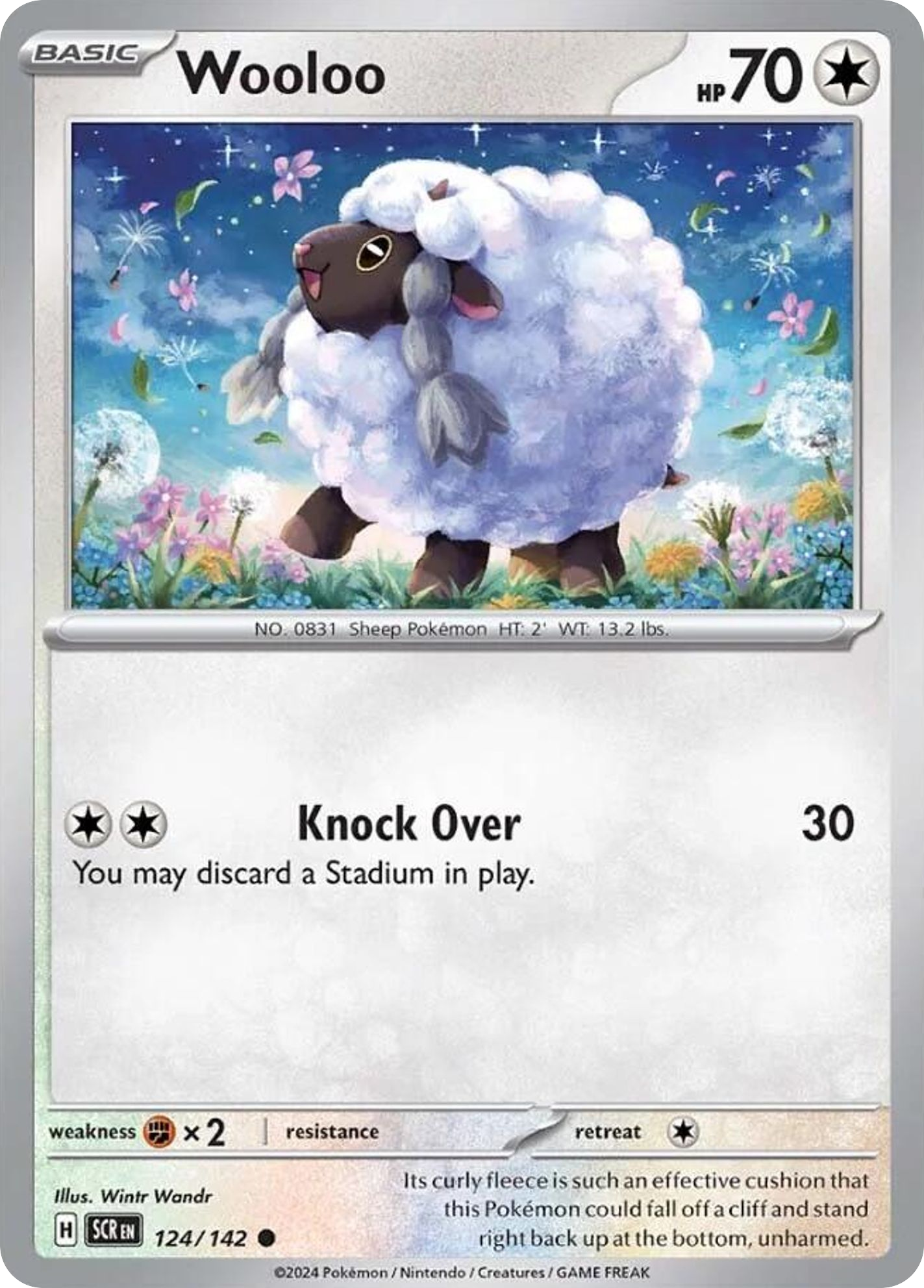
Common-Pokémon art. Some of the most charming cards in the game are commons — adorable, characterful illustrations of fan-favorite Pokémon that cost next to nothing. Don't overlook them just because they're low rarity.
-
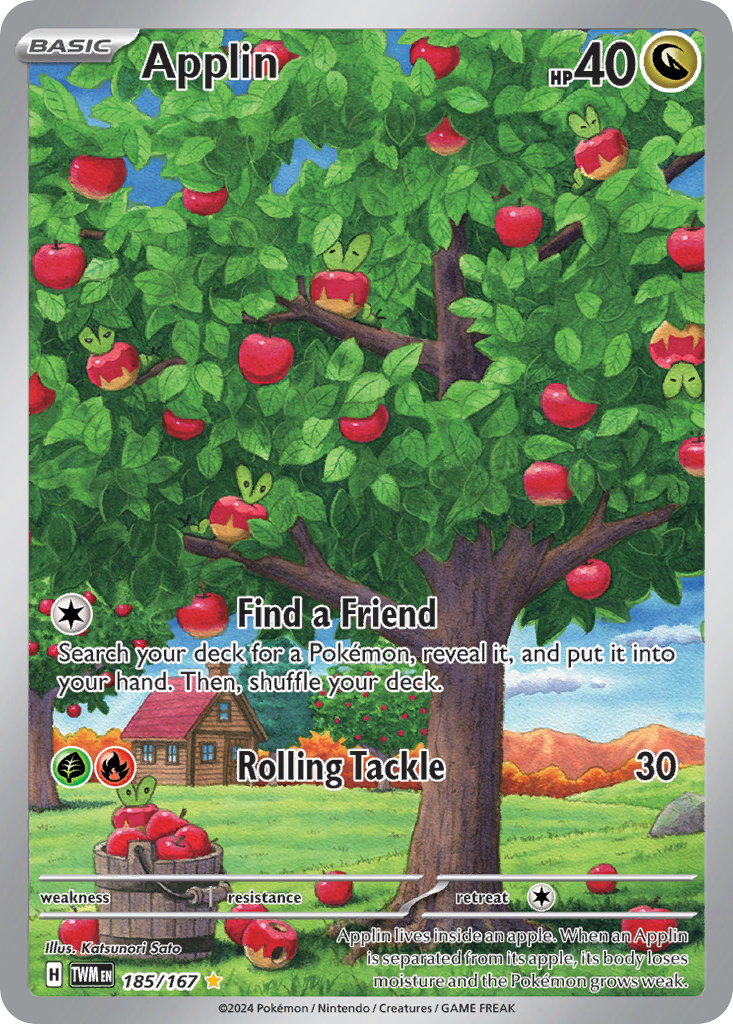
Illustration Rares (IRs). The budget collector's sweet spot for "wow" cards — full-art, scene-driven illustrations of non-ex Pokémon, frequently the artistic highlights of a set at a fraction of an SIR's price.
-
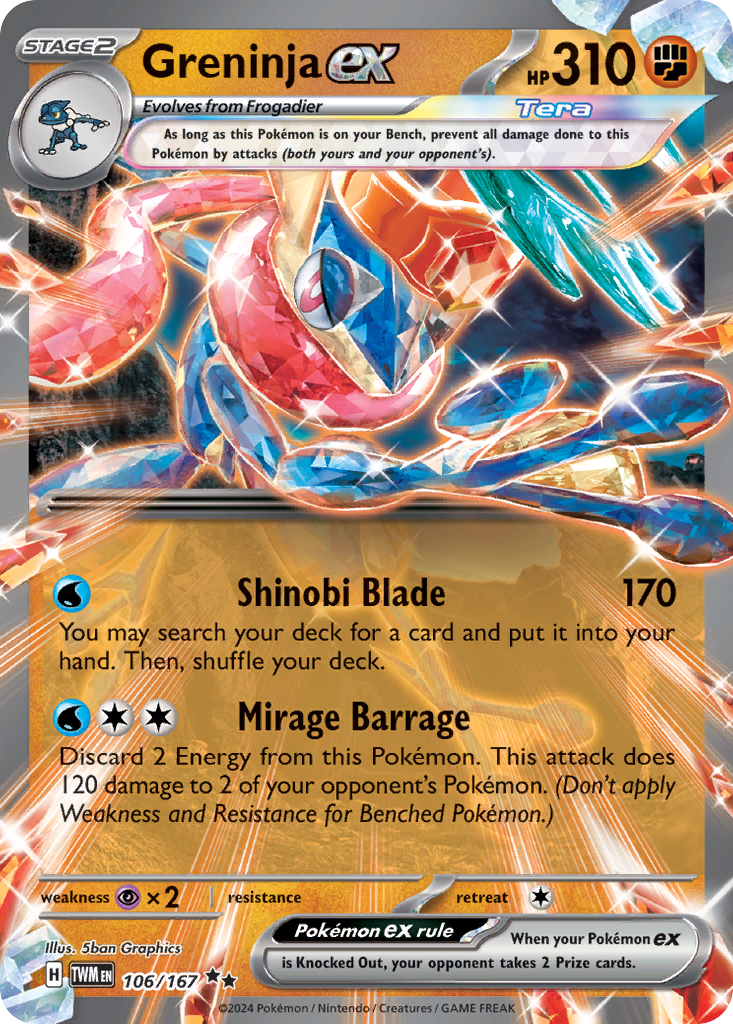
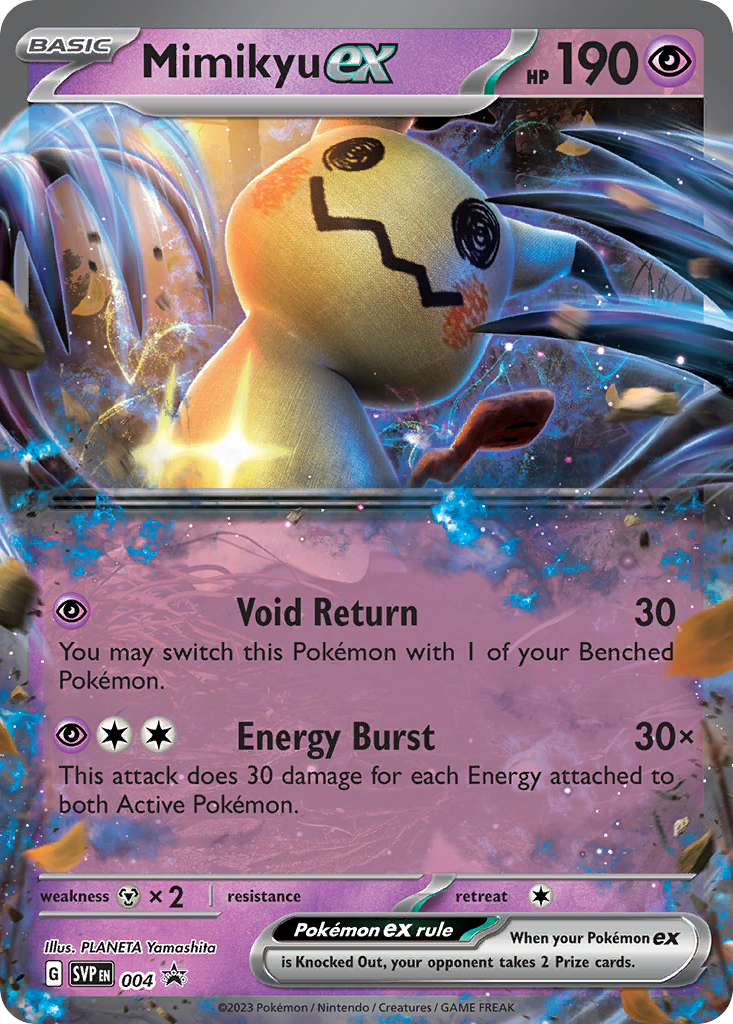
Base-rarity ex cards. The plain (non-special-art) versions of chase Pokémon are usually inexpensive, so you can still own the popular Pokémon — just not the priciest printing of it.
The tiers to admire from afar on a budget are the Special Illustration Rares and gold Hyper Rares — the genuinely expensive chase cards. There's no shame in skipping them entirely; a collection of IRs and great reverse holos holds together beautifully without a single grail.
Choosing Value Sets
Not every set costs the same to collect. The most hyped releases — the ones with a famous grail card — carry premium prices across the board, even on their commons. Quieter sets with strong art but no single mega-chase card are far gentler on a budget while still being lovely to collect.
A practical approach: if you want to "master" a set (collect one of everything), favor a mid-tier set with good artwork over a top-hyped one — your completion cost can be a small fraction, and the experience is just as rewarding. Save the hyped sets for cherry-picking the one or two singles you love from them rather than trying to complete them. And remember that older modern sets aren't automatically pricier — many recent-but-not-current sets have settled to very reasonable prices once the launch hype faded.
When Sealed Makes Sense
Sealed product isn't off-limits for budget collectors — it just has to be bought for the right reason. If the opening experience is the fun for you, that's a perfectly good reason to buy a pack or two; you're paying for entertainment, and any cards are a bonus. The mistake is buying sealed as an efficient way to get specific cards (it isn't) or as guaranteed appreciation (it isn't).
The Budget Sealed Picks
If you want some sealed in your budget, the better value is usually the smaller products — single blisters, a few loose packs, or a modestly-priced collection box with a guaranteed promo — rather than a full booster box. You get the opening fun and often a guaranteed card or two, without committing the cost of a whole box. Elite Trainer Boxes can be decent value too, since the sleeves, dividers, and accessories have real use even if the packs underwhelm.
Budget Money Traps
Cracking boxes to chase one card.
The fastest way to blow a budget. Buy the single you want; open packs only for the fun of opening.
Grading cheap cards.
Grading fees routinely exceed a budget card's value. Reserve it for a genuine standout, if ever — most budget collections are happier raw and well-sleeved. (Our grading guide covers when it's worth it.)
Chasing the hype set's commons.
Even ordinary cards from a hyped set carry a premium. If you only want one card from it, buy that single and collect a cheaper set in full instead.
Neglecting protection on cheap cards.
Budget doesn't mean disposable. Penny sleeves and a binder cost almost nothing and keep your collection looking great — and modern foils scratch easily, so protect them from day one.
FAQ & Quick Reference
- What's the cheapest way to start collecting modern Pokémon? Buy singles of the cards you actually want, and pick up some cheap bulk to dig through. A binder, penny sleeves, and a focused want-list will take you a long way for very little.
- Are reverse holos worth pulling from bulk? Yes — they're consistently worth more than their non-holo versions, often a few dollars, especially from popular master-set releases. They're the first thing to sort out of any bulk lot.
- Should I buy booster boxes to save money? Not if your goal is specific cards — singles are cheaper and certain. Buy sealed only if you enjoy opening it, and consider smaller products over full boxes for better budget value.
- Can a budget collection still look impressive? Absolutely. Illustration Rares, clean reverse holos, and charming common art make for a stunning binder at a fraction of chase-card prices. Value to you isn't the same as dollar value.
- Rule #1: buy singles for specific cards; never crack boxes to chase one.
- Bulk: mostly pennies, but pull the reverse holos & playable trainers.
- Live here: reverse holos, common art, Illustration Rares, base-rarity ex.
- Admire from afar: Special Illustration Rares & gold Hyper Rares.
- Sets: complete a value set; cherry-pick singles from hyped ones.
- Protect & skip grading: sleeve everything; grade only a true standout.
Where to Buy
For budget collecting, singles are where you'll spend most — TCGplayer and Card Kingdom are ideal for buying exactly the cheap cards you want, and eBay is great for bulk lots and reverse-holo bundles. Amazon is handy for sleeves, binders, and the occasional sealed product. Prices vary by retailer, so compare before buying.
Collect for Joy, Not for the Grail.
Modern Pokémon is one of the most beautiful eras the hobby has produced, and the overwhelming majority of it is affordable. Buy singles for the cards you want, dig the reverse holos out of cheap bulk, fill your binder with Illustration Rares and charming common art, pick value sets to complete, and treat sealed as entertainment rather than investment. Protect what you own, skip grading unless something's truly special, and let go of the idea that a collection has to be expensive to be worth having. The grails will always be there to admire — but the joy is in the binder you actually built.
© GEEKYDOMAIN.COM | Strategy Powered by Data