

Building a TCG Display: Showing Off Your Best Cards
A collection you never see isn't much fun. Here's how to display your best cards — raw or graded — so they look incredible and don't quietly fade while they sit on the shelf.
Disclosure: This article may contain affiliate links. If you buy through them, we may earn a small commission at no extra cost to you. We only point you toward gear that fits the advice above.
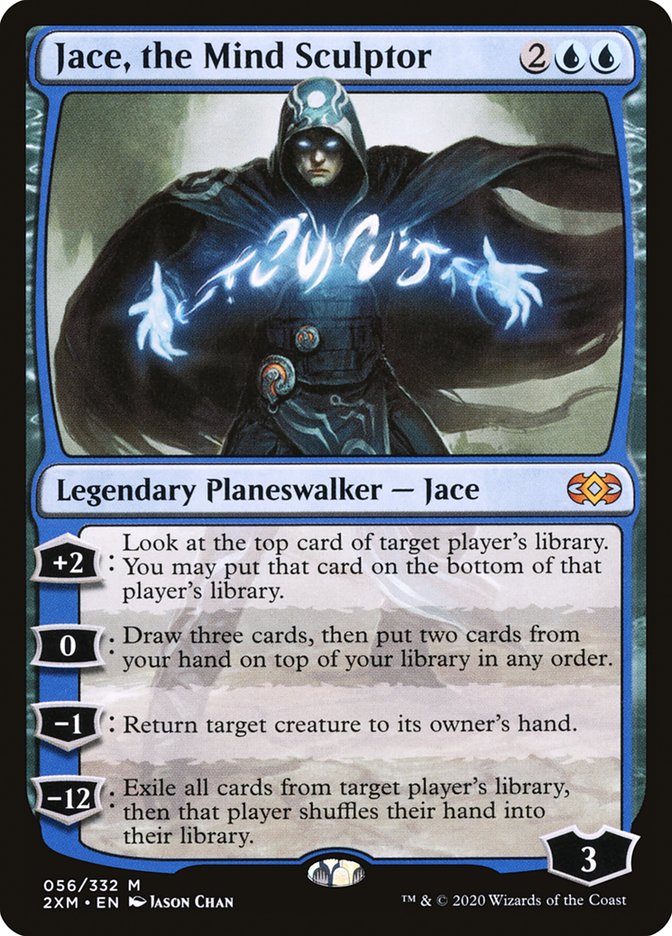
There's a strange tension in this hobby. We spend real money and care chasing a perfect Charizard, a clean Enchanted, a chase alt-art — and then we hide it in a binder in a closet where no one, including us, ever looks at it. Displaying your best cards is the payoff: it turns a collection into something you actually enjoy living with, and it's a great way to share the hobby with anyone who walks into the room.
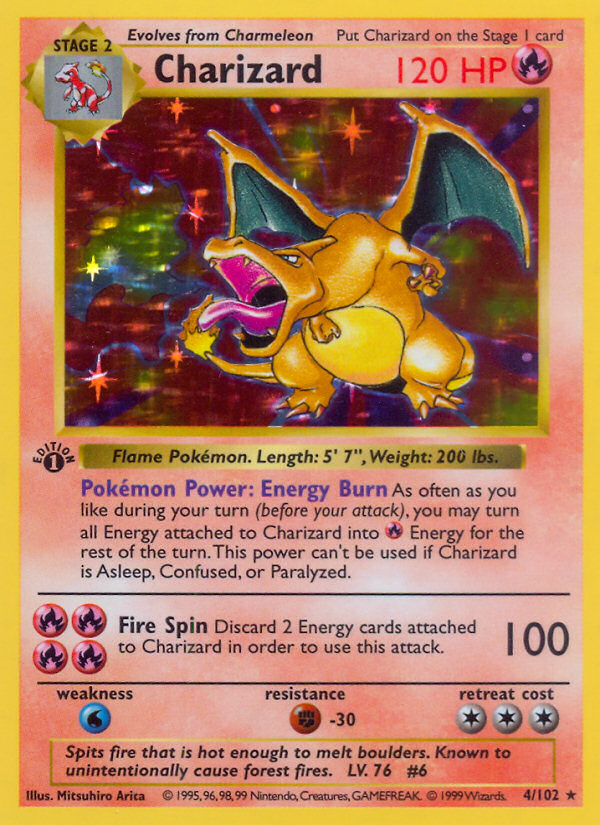
But display and storage are not the same job. Storage is about keeping cards safe in the dark; display is about keeping them safe in the light — and light is exactly what damages cards. The single biggest mistake collectors make is assuming a card is safe just because it's behind plastic, then watching their prized pull fade on a sunny shelf over a few months. A graded Charizard left on a windowsill will still fade, slab and all.
This guide covers how to build a display that's both beautiful and safe: the enemies you're protecting against, the difference between displaying raw and graded cards, the display formats worth considering, the environment that keeps a display from becoming slow damage, and the mistakes that turn a showcase into a regret. It's a companion to our storage and protection guides — where those keep cards safe in the box, this one keeps them safe on the wall.
The Short Version
Displaying cards means exposing them to light, which is the main thing that damages them — so the rule for any display is UV protection first. Use 99%+ UV-blocking acrylic (magnetic "one-touch" holders for raw cards, slab-fit display cases or wall mounts for graded), keep displays out of direct sunlight, lean on low-wattage LED lighting, and rotate what's on show to limit cumulative exposure. Critically: a grading slab is not meaningful UV protection — PSA, BGS, and CGC don't market their cases as UV-resistant, so a displayed slab still needs an outer UV layer. Raw cards want a sleeve under a UV holder; graded slabs want a snug, slab-specific case (PSA/CGC are thinner, BGS thicker — fit matters). Control temperature and humidity, keep it dust-free, and your best cards can be both seen and safe.
→ More Collecting Guides
In This Guide
What a Display Has to Protect Against
A card in a box faces almost no threats. A card on display faces several. Knowing them tells you exactly what a good display needs:
- Light (UV especially) — the big one. Ultraviolet light breaks down the chemical bonds in inks and card stock through photodegradation. Direct sun can cause visible fading in weeks; even indirect indoor light causes slow degradation over months and years. This is the threat a display exists to manage.
- Heat and humidity. Warmth and moisture warp raw cards and can encourage mold. A sunny window is a double threat — light and heat at once. Stable, moderate conditions matter as much as the case you choose.
- Dust and airborne grime. Open displays collect dust that scratches surfaces when wiped. A sealed enclosure keeps particles off the card and the slab.
- Physical knocks. Cards on shelves get bumped, slabs get scratched, frames fall. Secure mounting and shelf lips prevent the avoidable accident that undoes everything else.
Notice that every one of these is solved by the same short list: a quality UV-blocking enclosure, the right spot in the room, a controlled environment, and secure placement. Get those four right and a display is genuinely safe long-term.
The Slab Myth
This is the single most important thing in the guide, because it's the assumption that quietly ruins valuable cards: a grading slab is not meaningful UV protection.
Why "It's in a PSA Slab" Isn't Enough
Grading slabs from PSA, BGS, and CGC use clear plastic that blocks some UV — but none of those companies market their cases as UV-resistant, and all of them effectively recommend additional protection for display or long-term storage. Their job is authentication and handling protection, not light conservation. So a graded card on a lit shelf is fading on the same clock a raw card would be. If you're displaying a slab anywhere near a window or under bright light, it needs an outer UV-blocking acrylic case on top of the slab.
The practical upshot: treat a slab as a handling-and-authenticity shell, not a sunscreen. The display case is what provides the UV protection — the slab just rides inside it. This is also why slab sleeves (resealable bags sized for graded cards) are worth using: they keep the case itself scuff-free, which matters for resale and for how the display looks.
Displaying Raw vs Graded Cards
The two need different handling, mostly because of size, weight, and what's already protecting them.
Raw Cards
- Sleeve the card first, then seat it in a UV-blocking magnetic "one-touch" holder.
- More flexible to arrange and swap — great for rotating displays.
- Use acid-free sleeves so nothing reacts with the card over time.
- Lighter, so wall stands and small frames work easily.
Graded Slabs
- Heavier and thicker — need secure mounts so they don't fall or rattle.
- Fit matters: PSA/CGC slabs are thinner, BGS thicker — match the case.
- Add an outer UV case; the slab alone won't stop fading.
- Use slab sleeves to keep the case surface scratch-free.
A subtle fit warning for slabs: forcing a thick BGS slab into a case sized for a thin PSA slab can damage the slab's edges, while a slab rattling around in an oversized case will scuff. Buy the holder for the specific slab, not a generic "graded card" case, and don't overcrowd a multi-slab case — pressure damages edges.
Display Formats Compared
There's no single "best" display — it depends on how many cards, how valuable, and how much you want to swap them. Here's how the common formats stack up:
| Format | Best for | Watch for |
|---|---|---|
| Magnetic one-touch holders | Individual raw chase cards; easy swapping | Buy UV-blocking versions only |
| Wall-mounted frames / holder stands | Showpiece cards, raw or slabbed | Secure mounting; never near a window |
| Floating shelves with lips | Rows of slabs you rotate often | Lip stops slips; control room lighting |
| Glass display cabinet | Larger / high-value collections | Use UV glass; adds dust + security |
| Portable locking case | Taking a display to shows / meetups | Foam fit + impact resistance |
Whatever the format, the non-negotiable is the material: archival-grade acrylic that blocks 99%+ of UV. Cheaper acrylic may claim UV protection but uses additives that break down over years, yellowing and clouding while losing their blocking power — so a budget case can quietly become no protection at all. This is the one place in a display build worth spending on.
Getting the Environment Right
The case is only half the battle — where and how you light the display matters just as much. The conservation-minded setup:
- Keep it out of direct — and ideally indirect — sunlight. A windowsill or a wall that gets afternoon sun is the worst spot in the house. Pick an interior wall or a room without strong natural light.
- Use low-wattage LED lighting. LEDs emit minimal UV compared to sunlight or fluorescents, so they're the safest way to actually light a display. Even so, exposure accumulates — don't blast a display with bright light 24/7.
- Control temperature and humidity. Aim for stable, moderate conditions — roughly room temperature and middling humidity. Avoid basements and attics with big swings. Heat and damp warp cards; stability protects them.
- Rotate what's on display. For your most valuable pieces, swap the displayed cards every so often so no single card absorbs years of continuous light. Rotation spreads the cumulative exposure across the collection and keeps your headline cards pristine.

A simple habit that pays off: inspect your displayed cards every six to twelve months for any early signs of fading, warping, or case clouding. Damage from light is cumulative and invisible until it crosses a threshold, so catching a problem early — and moving the card — is how you avoid a nasty surprise.
Curating a Display Worth Looking At
Protection handled, the fun part: a display is a curation exercise, not just a shelf of expensive cards. A few principles that make a display feel intentional rather than cluttered:
- Pick a theme, not just value. A display reads better when it tells a story — a single set's chase cards, one character across games, a favorite artist, a "grail" wall. Theme beats a random assortment of pricey pulls.
- Leave breathing room. Crowding cards edge to edge makes everything fight for attention (and, with slabs, risks pressure damage). Space gives each piece presence and makes the display look deliberate.
- Mix sizes and orientations thoughtfully. A big centerpiece flanked by smaller cards, or a tidy grid of matched slabs — either works, but pick one logic and commit. Random mixing looks accidental.
- Let the rotation be part of the fun. Because rotating cards protects them anyway, treat the swap as a feature — a seasonal refresh, a "card of the month," or a new theme each set release keeps the display alive and the collection circulating.
Common Display Mistakes
Mistake #1: Trusting the slab to protect against light.
The most expensive mistake there is. PSA/BGS/CGC cases aren't UV-rated, so a displayed slab fades like a raw card. Always add an outer UV-blocking case for any slab on display — especially anything valuable.
Mistake #2: Putting the display where the light is best.
The sunny spot that makes cards look amazing is the spot that fades them fastest. Resist the bright window. Use a shadier wall and add your own controlled LED lighting instead — you get the glow without the damage.
Mistake #3: Buying the cheapest acrylic case.
Budget cases often claim UV protection but use additives that degrade, yellow, and stop blocking within a few years — sometimes while still looking clear. For display you actually trust, buy archival-grade 99%+ UV acrylic. This is the one component not to cut.
Mistake #4: Forcing or rattling a slab in the wrong-size case.
A thick BGS slab jammed into a thin-PSA case can chip its edges; a slab loose in an oversized case scuffs as it shifts. Match the holder to the specific slab thickness, and don't overcrowd multi-slab cases — pressure damages edges too.
Mistake #5: Setting it and forgetting it.
Light damage is cumulative and invisible until it isn't. A display left untouched for years can fade without you noticing. Inspect every 6–12 months and rotate your headline cards — a little attention keeps the showcase a showcase, not a slow-motion loss.
FAQ & Quick Reference
- Is it safe to display valuable cards at all? Yes — with UV-blocking cases, no direct sunlight, controlled lighting, and periodic rotation, you can safely display even high-value cards long-term. The risk comes from skipping those steps, not from display itself.
- Do I really need an outer case if the card is already graded? For display near any light, yes. The slab handles authentication and physical protection, but it isn't a reliable UV barrier. An outer UV-blocking acrylic case is what actually prevents fading on a displayed slab.
- How often should I rotate displayed cards? There's no hard rule, but rotating your most valuable pieces regularly — some collectors swap every week or two for true grails — spreads cumulative light exposure so no single card takes years of continuous hits. Less precious cards can stay up longer.
- Can I frame a raw card like artwork? You can, but use a frame with UV-protective glazing and acid-free backing, and keep it off sunny walls. A sleeved card in a UV holder inside the frame is safer than mounting the bare card directly. Treat it like framing a real piece of art — because for fading purposes, it is one.
- What's the difference between this and storage? Storage keeps cards safe in the dark (boxes, binders, sleeves) and prioritizes capacity and organization. Display keeps cards safe in the light and prioritizes UV protection and presentation. Use storage for the bulk of a collection and display for the showpieces — our storage and organization guides cover the other half.
- The #1 enemy: light/UV — it fades cards through cumulative photodegradation.
- The slab myth: PSA/BGS/CGC slabs are NOT reliable UV protection — add an outer case.
- Material rule: archival-grade 99%+ UV-blocking acrylic; skip cheap cases that degrade.
- Raw vs graded: raw = sleeve + UV one-touch; graded = slab-fit case + outer UV + slab sleeve.
- Environment: no direct sun, low-wattage LED, stable temp/humidity, rotate often.
- Curate & check: theme it, give it room, inspect every 6–12 months.
Where to Buy Display Supplies
When you're ready to set up a display, these searches pull up the gear discussed above. Prioritize listings that explicitly state 99%+ UV protection, and match any slab case to your slab's brand and thickness. (These are affiliate links — they support the site at no cost to you.)
Show It Off — Without Burning It Out.
A great display is the moment a collection stops being an asset in a box and starts being something you enjoy every day. The whole trick is remembering that the thing making your cards visible — light — is also the thing that damages them. Solve that with proper UV-blocking cases (yes, even over slabs), a shady spot with controlled LED lighting, a stable room, and a habit of rotating your best pieces, and you get the best of both worlds: a showcase that looks incredible and cards that stay exactly as pristine as the day you displayed them.
© GEEKYDOMAIN.COM | Strategy Powered by Data