

Bandai TCG Finance: Pull Rates, Case Hits & Box Mapping — What's Real, What's Myth
A lot of "factory box-mapping" and "dead box" lore floats around Dragon Ball Super Fusion World and the Gundam Card Game. Some of it is true. Most of it isn't. Here's how to tell the difference and spend smart.
Some links below are affiliate links. If you buy through them, we may earn a small commission at no extra cost to you. Card values are volatile and this is general collecting information, not financial advice — always check the live market before you buy or sell.
Bandai's trading card games — Dragon Ball Super Fusion World and the Gundam Card Game chief among them — have a reputation for a steep, top-heavy secondary market: a handful of chase cards carry most of a set's value while the rest settles to pocket change. That part is broadly true. What's not true is most of the pseudo-mathematical lore that's grown up around it.
You'll hear confident claims that every case is "mapped at the factory," that a box is guaranteed a precise number of hits, and that once those are pulled the rest of the case is "100% dead." These ideas sound rigorous, and they're repeated everywhere — but they don't hold up, and believing them leads to bad spending decisions.
This guide separates the verified reality from the myth: what pull rates actually mean, why "box mapping" is mostly folklore, how release-week prices behave, what genuinely moves a card's value, and where the real scarcity lives. We keep pricing qualitative throughout, because card prices move constantly.
The Short Version
There is no public factory map that tells you how many hits a sealed box or case contains, and no honest "100% certainty" that a box is spent. The rarity counts you see on a product listing (like "10 Super Rares") describe how many different cards exist at that rarity in the set — not a per-box pull guarantee. What is real: high rarities are genuinely scarce and pricey, base rarities are abundant and cheap, sealed product is entertainment rather than investment, and for specific cards you want, singles beat boxes. The genuinely capped, scarcity-driven categories are event promos, serialized cards, and top-grade slabs. Buy factory-sealed from reputable sellers, and don't pay a "factory math" premium that doesn't exist.
→ More Bandai TCG Guides
In This Guide
"Box Mapping" & "Dead Boxes": The Myth, Debunked
The single most repeated piece of Bandai-finance lore goes like this: a case is "mapped" at the factory, each case is guaranteed an exact number of chase cards, and once a seller pulls those, the rest of the case is "dead" with mathematical certainty. It sounds precise. It isn't real.
The root of the confusion is a misread of product listings. When a set lists its contents — say, a given Fusion World set has "10 Super Rares" and "3 Leaders" — those numbers describe how many distinct cards exist at each rarity in the set. They are a catalog of the set's composition, not a promise of how many you'll pull from a single box or case. There is no published per-case hit map, and no way to know from the outside that a sealed box is "spent."
Where the "Dead Box" Idea Comes From
There is a real problem the myth is built on: a dishonest seller can open a sealed box, pull the best cards, and resell the leftovers (or loose packs) as if they were fresh. That's a genuine scam — but it's a reason to buy factory-sealed product from reputable sellers, not evidence that the factory hands out a map. The defense is simple: insist on intact shrink-wrap from a trusted source, and treat heavily discounted "loose packs" from unverified sellers with suspicion. If you're worried about authenticity in general, our counterfeit guide covers what to check.
What's Actually True About Pull Rates
Strip away the false precision and the real picture is straightforward. Bandai sets are top-heavy: a small number of high rarities — Secret Rares, Alt-Arts, and the premium Super and Ultra Alt-Art tiers — are genuinely scarce and carry most of a set's collector value. Everything below them is printed in abundance and stays cheap.
Two honest consequences follow. First, a sealed box won't reliably "pay for itself." Most of what you open is common-to-rare filler; the value is concentrated in cards you're statistically unlikely to hit in any given box. Sealed product is entertainment — the fun of the rip and a broad starting pool — not an investment vehicle.
Second, and more cheerfully: Bandai games are cheap to actually play. Because the market floods with base-rarity cards from everyone chasing the expensive Alt-Arts, the standard playable versions of even powerful cards are inexpensive on the singles market. If you don't care about premium artwork, you can build competitively for a fraction of what the chase cards cost. For how the rarity tiers and Alt-Art system work, see our Fusion World rarity guide.
Release-Week Prices and How They Settle
Newly released sets follow a predictable pattern, though not the exact percentages the lore likes to quote. At launch, demand peaks while supply is thinnest, so prices — for both the chase cards and the staples everyone needs immediately — run high. As more product is opened and circulates over the following weeks, supply catches up and prices generally ease.
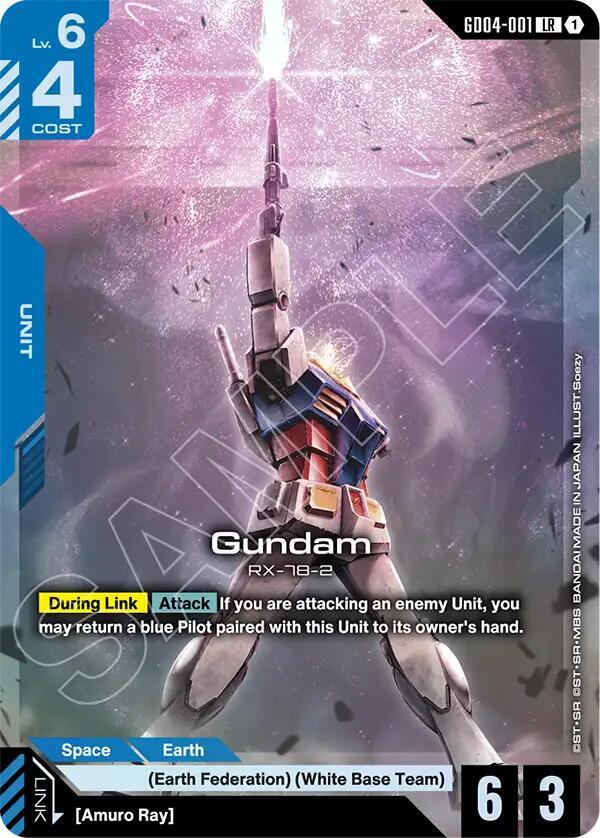
The practical takeaway is qualitative, not a formula: if you can wait out the launch rush, you'll usually pay less. Unless you need a card for a tournament right now, there's rarely a reason to buy singles in the first days of a set. There's no shame in paying up for something you need immediately — just recognize that release-week is typically a local price peak, not a floor.
Singles vs. Sealed: Buy What You Need
This is the most useful financial habit in any Bandai TCG, and it's the opposite of gambling on boxes. If your goal is a specific deck or specific cards, buy singles. You purchase exactly what you need, at a known price, with no randomness. For a particular build, that is almost always cheaper than chasing the cards through sealed product.
Sealed product earns its place for the experience or for a broad random pool to start from — and a sealed Starter Deck is the most efficient on-ramp of all, since it's a complete, ready-to-play deck out of the box. Our starter deck guide is a better first purchase than a fistful of boosters, and the Fusion World and Gundam strategy hubs point you toward what's worth building.
What Actually Moves a Card's Value
A card's price isn't set by its rarity letter alone. Several real factors interact, and understanding them beats any "factory math":
- Art tier & character: an Alt-Art or premium-tier version of a popular character (a Goku, a Vegeta, a marquee Gundam) commands a premium that a less-famous card at the same rarity won't.
- Competitive demand: a base-rarity staple that every top deck needs four of can outprice a flashier card nobody plays. Tournament results move prices as much as scarcity does — the synergy and deckbuilding guides are where playability gets decided.
- Banlist changes: restrictions and bans can shift a card's playability and therefore its value. Worth noting against the "constant ban-hammer" myth: the Gundam banlist, for example, is currently light — nothing fully banned and only a single restricted card, reviewed periodically — so this is a real but measured factor, not the chaos it's sometimes painted as.
- Reprints: Bandai does release reprint-heavy sets (Fusion World's Manga Boosters, for instance, bundle in large reprint counts). A reprint can soften the price of an older base-art card — though original chase versions and Alt-Arts tend to hold their distinct identity.
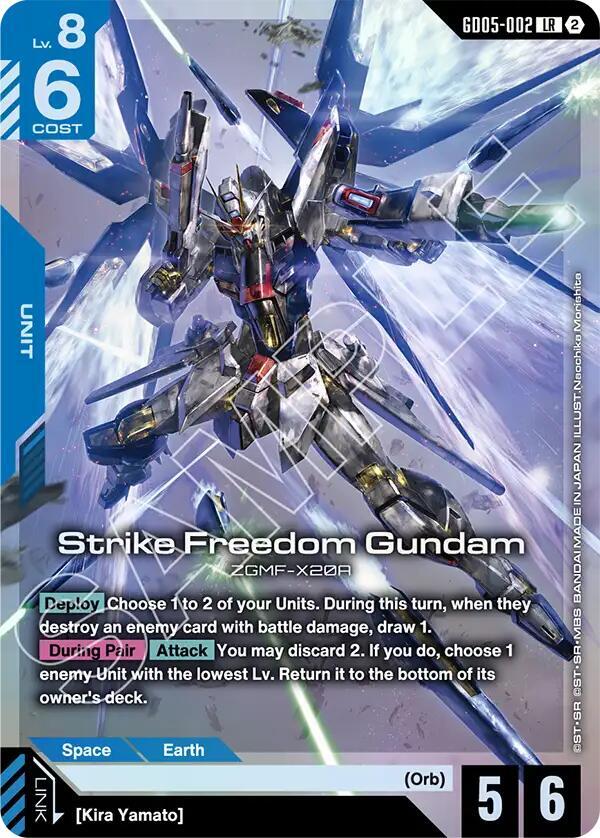
Power creep is real in fast-moving TCGs, and newer sets do tend to introduce strong new options — but be skeptical of anyone quoting an exact "your deck loses X% by Set 4" figure. Those numbers are invented. The honest framing is simpler: a competitive deck is best thought of as a hobby expense for the season you enjoy it, not a savings account.
Genuine Scarcity: Promos, Serialized Cards & Grading
If you're drawn to the high end, here's where genuine, verifiable scarcity actually lives — no folklore required:
- Event & tournament promos. Cards earned through organized play and event participation have small, fixed distributions tied to a moment in time. A promo that's also a playable staple can be genuinely sought-after, since it can't simply be opened from a booster.
- Serialized cards. Fusion World does print serialized cards — for example, a serial-numbered promo Son Goku, and a small set of "Serial Number" cards with a low inclusion rate in Saiyan's Pride. Their supply is permanently capped, which makes them the closest thing to a true scarcity asset in the ecosystem. (See our Saiyan's Pride set guide for that set's standouts.)
- Top-grade slabs. For a standout card, professional grading can add a premium — concentrated at the very top of the scale. Whether it's worth it depends on the card and the grade; our grading comparison and "is grading worth it?" guides lay out the math.
A reasonable note rather than a hype line: these categories tend to be more resilient because their supply is genuinely limited, but nothing in trading cards is guaranteed to appreciate. Treat any chase purchase as something you'd be happy to own regardless of its future price.
Bandai Finance FAQ
Is Bandai sealed product really "box mapped"?
No. There's no public per-case hit map, and no honest way to know a sealed box is "spent." The rarity counts on a product listing describe the set's composition, not a per-box pull guarantee.
So are "dead boxes" a real thing?
Only as a seller scam — someone opening a box and reselling the leftovers. The fix is to buy factory-sealed product from reputable sellers, not to rely on any "factory math."
Should I open boxes or buy singles?
Open boxes for the fun and a broad pool; buy singles when you want specific cards. For a particular deck, singles are almost always cheaper and surer.
When are singles cheapest?
Usually a while after a set's launch rush fades, once more product has circulated. Release week is typically a price peak, not a floor.
What holds value best?
Genuinely capped supply — event promos, serialized cards, and standout cards in top grades — tends to be most resilient. But card values are volatile; buy what you'd be glad to own regardless.
- Box mapping: a myth — no factory hit-map, no "100% dead" certainty.
- "Dead boxes": a seller scam — buy factory-sealed from reputable sources.
- Sealed: entertainment, not investment; a box won't reliably pay for itself.
- Singles: the smart route to specific cards — cheaper and surer.
- Value drivers: art tier, character, playability, banlist, reprints — not the rarity letter alone.
- Real scarcity: promos, serialized cards, top-grade slabs.
Where to Buy
For specific cards, shop singles. If you're opening sealed for the fun, buy factory-sealed from a reputable source. Check eBay for graded copies, serialized cards, and event promos. Compare the live market before you commit.
Spend on What You Want, Not on a Myth.
The Bandai market is top-heavy and the chase cards are genuinely scarce — but it isn't a factory-mapped lottery you can game with secret math. Ignore the "dead box" folklore, buy factory-sealed from reputable sellers, grab singles for the cards your deck actually needs, and recognize sealed product for the entertainment it is.
Do that, and you'll enjoy the game without the market quietly draining your wallet. Where to go next:
Build & Collect Smarter:
© GEEKYDOMAIN.COM | Strategy Powered by Data