

Pokemon TCG Pitch Black: Buying Guide
What to buy, what to skip, and where the real value hides in the newest Mega Evolution set.
Some links below are affiliate links. If you buy through them, Geeky Domain may earn a small commission at no extra cost to you.
→ Short Version
Pitch Black (printed set symbol PBL, digital code me5) is ME05 — the fifth main-line set in the Mega Evolution series — released July 17, 2026, with 84 cards in the base print run and 120 total once secret rares are counted. The headline chase is Mega Darkrai ex, which shows up across four separate rarity tiers, backed by a supporting cast of Mega ex Pokemon including Mega Excadrill, Mega Delphox, Mega Zeraora, Mega Slowbro, and Mega Chandelure. Booster boxes carry an MSRP of $161.64 for 36 packs, consistently listed at major retailers, and a community pull-rate sample of 753 packs (roughly 21 boxes) points to a Double Rare in about 1 of every 4 packs (~9 per box), an Illustration Rare in about 1 of every 9 packs (~4 per box), a Special Illustration Rare roughly once every 3-4 boxes, and a Mega Hyper Rare landing just once across the whole sample — treat those last two figures as directional rather than exact, since the sample behind them, while real, is still fairly limited. If you're playing, buy singles and a deck list. If you're collecting or investing, booster boxes beat loose packs on math, and Elite Trainer Box-style products are the safer entry point if you just want to open something without committing box money.
→ Related Reading
In This Guide
- → What Is Pitch Black, and Why Is Everyone Talking About It?
- → The Mega Evolution Chase Cards to Know
- → Booster Packs vs. Booster Boxes: The Budget Math
- → Elite Trainer Boxes and Other Specialty Products
- → Rarity Tiers Explained: Why Pull Odds Aren't the Whole Story
- → Buying to Play vs. Buying to Collect
- → Where Pitch Black Fits in the Bigger Picture
- → How Much Should You Actually Budget?
What Is Pitch Black, and Why Is Everyone Talking About It?
Pitch Black is officially ME05, the fifth main-line set in the Mega Evolution series — the block of sets built around bringing Mega Evolution back into the Pokemon TCG as a headline mechanic — and it released on July 17, 2026. The printed set runs 84 cards, and once you count the secret rares that print past the main numbering, the full checklist climbs to 120. Pokemon TCG Live and other digital catalogues list the set under the code me5, while PBL is the printed set symbol you'll see on physical packs and boxes — worth knowing whichever direction you're searching, digital deck-building tools or a stack of physical product.
If you've been collecting through the current era, Pitch Black will feel like a continuation rather than a hard reset. It follows the same broad rhythm the format has kept since the Scarlet & Violet era established itself: a set built around one core gimmick, a handful of alternate-art chase cards layered across multiple rarities, and a product lineup split between packs, boxes, and specialty boxes aimed at different kinds of buyers. What's different here is the mechanic itself. Mega Evolution hasn't anchored a main series set in years, and that alone is why Pitch Black has generated more pre-release buzz than a typical mid-year release. If you're brand new to the game and none of this rarity or mechanic talk means anything yet, it's worth backing up to our complete rules guide before you start spending money on packs.
This guide is strictly about buying decisions — what products make sense, in what order, for what kind of buyer. We'll get into the real pricing and pull-rate numbers later in this guide, in the budget section below, but the numbers alone don't tell you what to actually buy. Check current listings on a retailer or marketplace you trust before you commit, since even a settled MSRP can drift once a set has been on shelves a while, and treat this guide as the framework for deciding what to buy, not just the price tag.
The Mega Evolution Chase Cards to Know
Every set in this era has one card the whole release gets built around, and in Pitch Black that's Mega Darkrai ex. It's confirmed to appear across four distinct rarity treatments — Double Rare, Ultra Rare, Special Illustration Rare, and a Mega Hyper Rare — which means there isn't a single "the" Mega Darkrai ex to chase so much as a ladder of them, each one a different price point and a different flex depending on how deep your budget goes. If you want to actually play the card rather than just own a copy of it, we've written a dedicated Mega Darkrai ex deck guide that covers the build in depth — this article stays focused on what to buy, not how to play it.
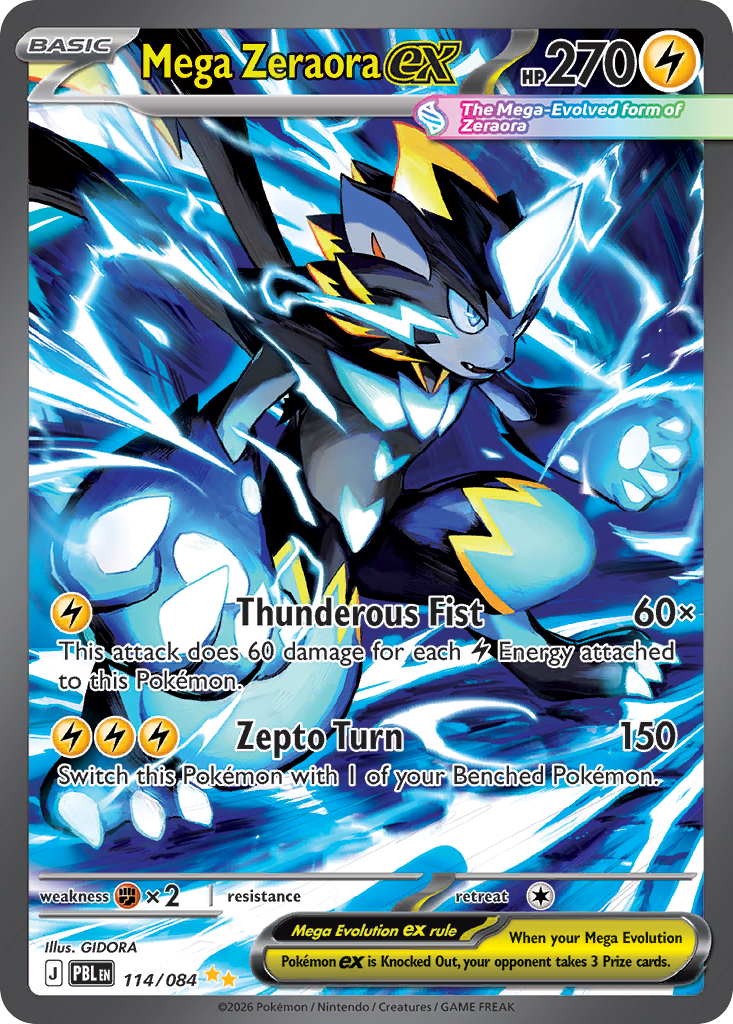
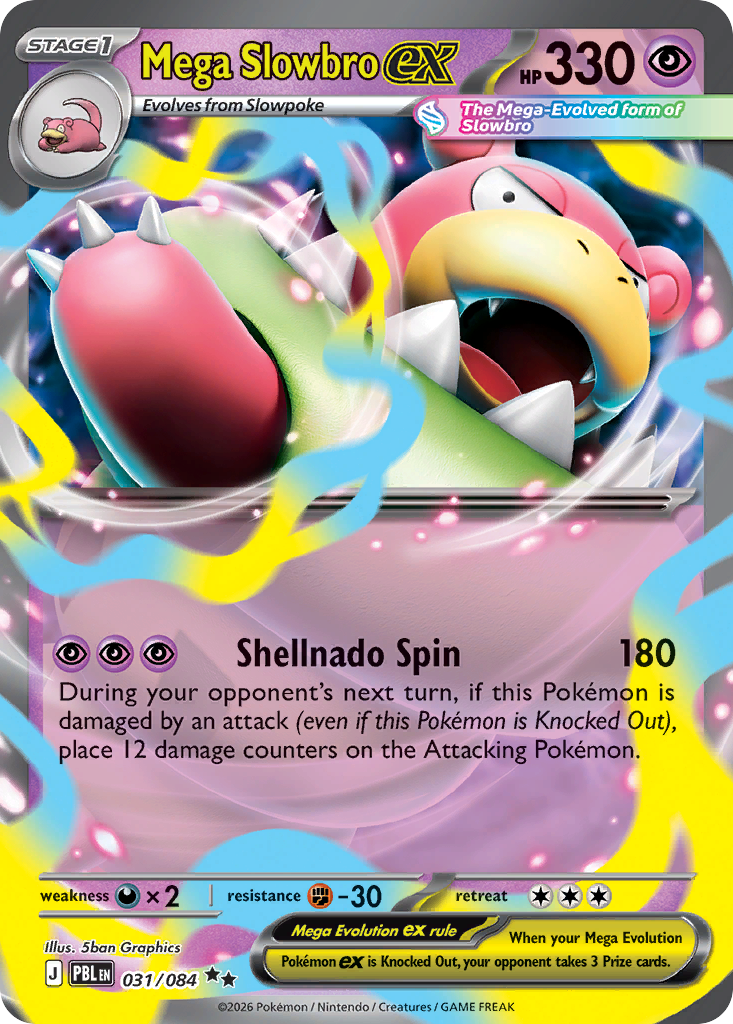
Darkrai isn't pulling all the weight, though. Pitch Black's supporting cast of Mega ex Pokemon includes Mega Excadrill ex, Mega Delphox ex, Mega Zeraora ex, Mega Slowbro ex, and Mega Chandelure ex, each printed as its own chase across the set's rarity spread. Of that group, Mega Excadrill ex is the one worth calling out specifically, because it's already established itself as a playable deck rather than just a shelf piece — we cover the full build in our separate Mega Excadrill ex deck guide. If you're buying Pitch Black product with an eye toward actually building something competitive out of the pulls, Darkrai and Excadrill are the two names to prioritize.
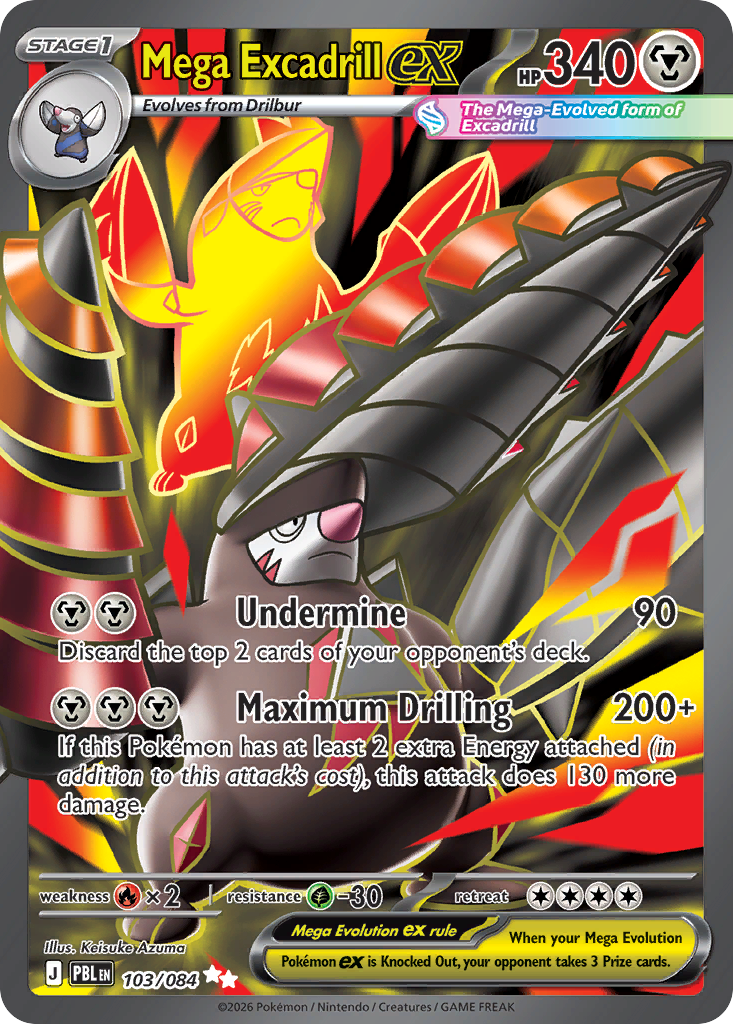
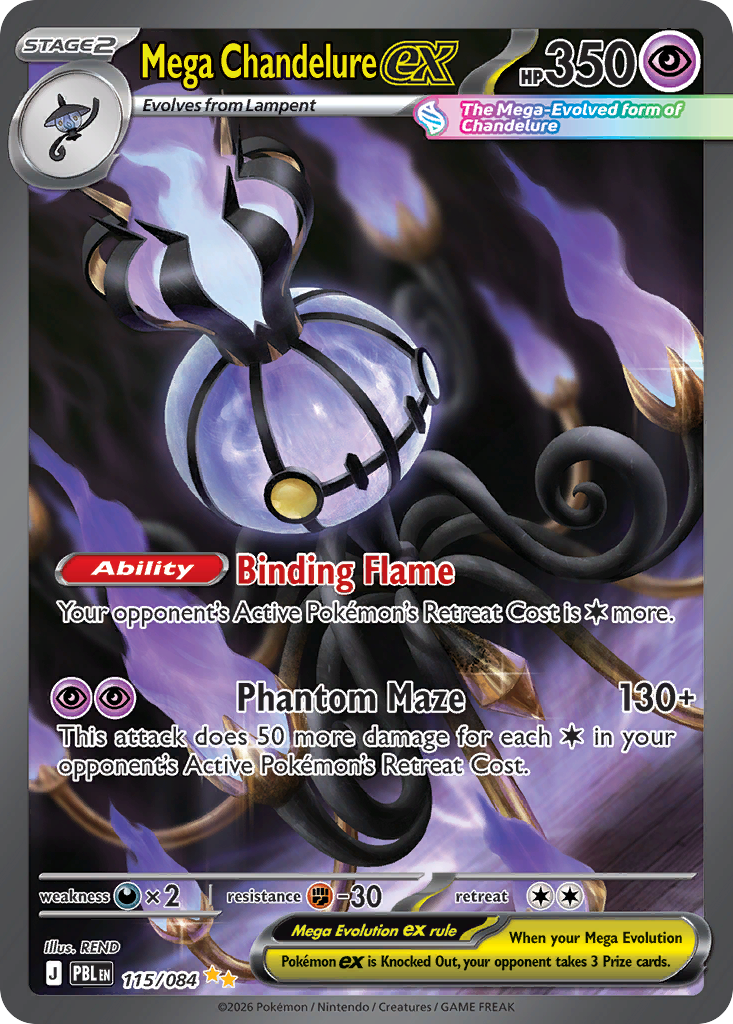
A word of caution before you go hunting: don't assume the card getting the most social media attention this week is automatically the safest long-term buy just because it's expensive right now. Early-release hype has a way of settling once a set has been open for a few months and the actual print-to-demand ratio becomes clear, and at six weeks out, Pitch Black is still early in that process. If you're buying singles specifically as an investment rather than to play or display, it's worth reading our broader piece on the most valuable modern Pokemon cards of 2026 for context on how modern chase cards have actually held value once the initial launch window passes.
Booster Packs vs. Booster Boxes: The Budget Math
The core buying decision for any new set comes down to the same question every time: do you buy loose packs one at a time, or commit to a full booster box up front? Loose packs give you flexibility and let you test the waters without a big outlay, but they also carry the worst odds per dollar, since a single pack is a small enough sample size that you can easily open several in a row without hitting anything above a Double Rare. A booster box, by contrast, guarantees you a much larger sample of the print run in one purchase, which statistically smooths out your chances of landing at least one of the set's better hits — though it's still not a guarantee of anything specific, and Mega Hyper Rares in particular can and do skip entire boxes.
We've laid out the full math on this tradeoff in our general booster box vs. singles budget breakdown, and the logic applies to Pitch Black the same way it applies to any set: if your goal is a specific card, buying that card as a single almost always beats gambling on packs to find it, especially once a set has been open long enough for the secondary market to settle. If your goal is the experience of opening product, or you want a stack of extra singles to trade or sell off, a box is the better unit of purchase than the equivalent spend in loose packs. Pitch Black's booster boxes carry an MSRP of $161.64 for 36 packs — run that ratio against current retail listings before deciding, since actual street pricing can still land below or above MSRP depending on where you shop, and the math shifts again if you're buying off a marketplace instead of a retailer.
Elite Trainer Boxes and Other Specialty Products
Beyond loose packs and booster boxes, modern Pokemon TCG sets typically ship with a tier of specialty products aimed at buyers who want a middle-ground experience — usually an Elite Trainer Box style product bundling a handful of packs with sleeves, dice, damage counters, and a couple of promo cards, plus premium collection boxes built around a single marquee card and its playmat or pin. We haven't independently confirmed the exact lineup or contents for Pitch Black's specialty products at the time of writing, so treat the general pattern above as a guide to what to expect rather than a confirmed checklist — verify the actual contents listed on the box before you buy, since exact promo inclusions vary release to release.
What we can say with confidence is how these products tend to compare on value: an ETB-style box is almost never the cheapest way to get packs, but it's usually the best way to get packs plus the accessories you need to actually play or store what you pull, bundled at a price that beats buying everything separately. If you're deciding between an ETB and a straight booster box for Pitch Black, our dedicated ETB vs. booster box comparison walks through exactly how to weigh pack count against the accessory bundle. And whatever you end up opening, don't let a fresh Mega Hyper Rare sit loose in a binder page overnight — our guide to sleeves, binders, and toploaders covers what to grab before you even open the box.
Rarity Tiers Explained: Why Pull Odds Aren't the Whole Story
The modern Pokemon TCG rarity ladder has settled into a fairly consistent shape over the last several sets, and Pitch Black follows that same structure. Double Rares sit at the bottom of the "chase" tier — common enough that most buyers will see several across a box. Ultra Rares step up from there, followed by Special Illustration Rares, which carry the alternate-art treatment collectors tend to actually display. At the very top sits the Hyper Rare tier, and for this set specifically, Mega Darkrai ex gets its own step above even that: the Mega Hyper Rare, which functions as the set's single hardest pull.
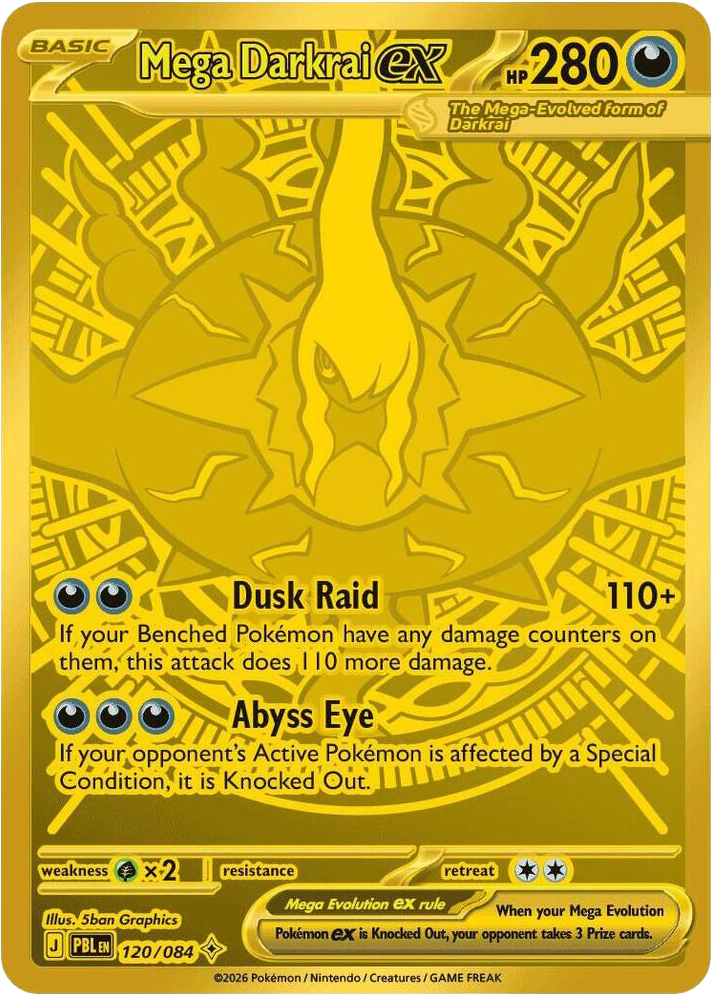
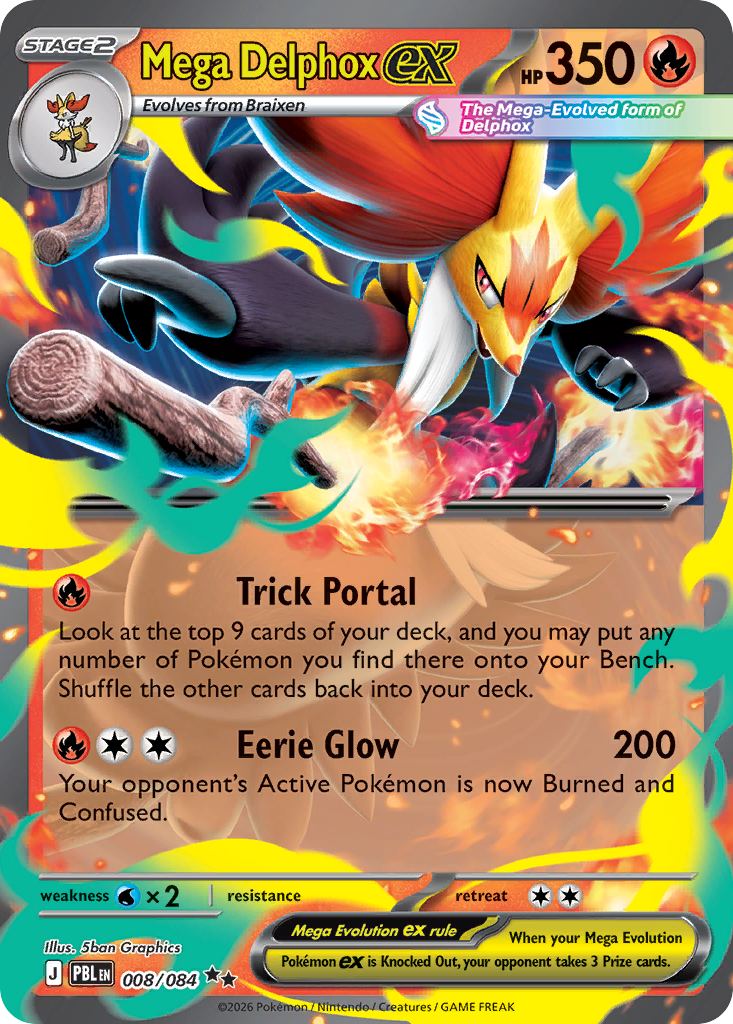
Here's the part that matters more than the rarity names themselves: pull rates for Pitch Black do exist now, but they're community-sourced rather than official. A tracked sample of 753 packs — roughly 21 boxes, combining one detailed 117-pack opening with three additional community openings — puts Double Rares at around 25% of packs (about 9 per box) and Illustration Rares at around 11.6% of packs (about 4 per box). Special Illustration Rares and Mega Hyper Rares tell a different story: the same sample turned up only 6 Special Illustration Rares across all 753 packs (roughly once every 3-4 boxes) and just a single Mega Hyper Rare in the entire sample. That's a real dataset, not a rumor, but it's still a limited one at the top end — treat the Special Illustration Rare and Mega Hyper Rare figures as directionally reliable rather than exact, and expect them to tighten up as more boxes get tracked. We break down the full numbers, and what they mean for your budget, below. Pull rates get repeated so confidently online that isolated numbers start to feel like settled fact — a tracked sample like this one is a far better data point than a single anecdote, but it's still not the same as full print-run data. If pull-rate math actually matters to your buying decision — and for most collectors it shouldn't be the deciding factor — our piece on TCG finance and pull rates covers how to evaluate that kind of claim skeptically rather than taking a forum post at face value.
Buying to Play vs. Buying to Collect
The single biggest factor in what you should actually buy from Pitch Black is which kind of buyer you are, because the two goals pull in almost opposite directions. If you're building a deck for the current competitive format, packs and boxes are close to the worst way to get there — you'll pull plenty of cards you don't need and pay full retail for the handful you do, when buying the specific singles a decklist calls for is both cheaper and faster. Our guide to building your first competitive deck is a good starting point if this is your first time buying with a decklist in hand instead of just opening product for fun.
If you're collecting instead — building out a personal set, chasing a specific alternate art, or just enjoying the process of opening packs — then product purchases make a lot more sense, and the "waste" of pulling cards you don't personally want isn't really waste at all, since that's the point of the hobby for a lot of people. The trick is not letting those two goals blur together without noticing. A lot of buyers tell themselves they're "collecting" a set when what they're actually doing is gambling pack money against the hope of a specific chase pull, which is a fine thing to do with money you can afford to lose, but worth being honest with yourself about before you buy a case. If budget is the real constraint driving your decision either way, our guide to collecting modern Pokemon on a budget is built exactly for this situation.
Where Pitch Black Fits in the Bigger Picture
It's worth stepping back from Pitch Black specifically for a second, because how a set performs long-term rarely gets decided in its first few weeks. Some sets launch loud and fade fast once the initial hype cycle passes; others build slowly and end up mattering more a year or two later than they did on release day. The clearest recent example of the second pattern is the Pokemon 151 set, which turned into one of the defining releases of its era largely on the strength of nostalgia and design rather than tournament relevance. Whether Pitch Black follows that trajectory or settles into a quieter role is genuinely unknown right now, and anyone telling you otherwise with total confidence is speculating.
For collectors thinking about grading anything they pull, it's also worth remembering that a fresh modern chase card and a genuine long-term investment piece are not automatically the same thing. Grading costs money and time regardless of the card, and a Mega Hyper Rare that looks like a smart hold on release week can just as easily be a common sight in population reports a year from now once enough boxes have been opened. If you're weighing whether a Pitch Black pull is worth submitting for grading versus just sleeving and holding raw, our broader slab investment guide covers the general framework for that decision, even though it's written with older cards primarily in mind.
How Much Should You Actually Budget?
Here's an actual number to work with: Pitch Black booster boxes carry an MSRP of $161.64 for 36 packs, and that figure has held consistently across major retailers since release. Specialty product pricing — ETB-style boxes, premium collections — varies more by retailer and isn't worth quoting as a single figure, so check current listings wherever you're actually planning to buy before you commit, since street pricing on those products moves more than box MSRP does.
That MSRP is only half the budget question — the other half is how many boxes it actually takes to land what you're chasing. A community pull-rate sample of 753 packs (about 21 boxes, combining one detailed 117-pack opening with three additional community openings, tracked by a TCG pull-rate site) puts Double Rares at roughly 25% of packs — about 9 per box — and Illustration Rares at around 11.6% of packs, or roughly 4 per box. Special Illustration Rares are noticeably scarcer: only 6 turned up across the full 753-pack sample, or about once every 3-4 boxes. Mega Hyper Rares are scarcer still — just 1 appeared in the entire sample, making it the hardest pull in the set by a wide margin. A single box is a reasonable bet for Double Rares and Illustration Rares, but landing a Special Illustration Rare or a Mega Hyper Rare on box math alone means budgeting for a case or more, not a single box — and since the sample behind those last two numbers is still relatively small, treat them as a useful planning range rather than a guarantee.
Beyond the box math, the other part of your budget is the shape of your goal. Decide up front whether you're a player, a collector, or an investor for this specific set, because that decision should drive whether your money goes toward singles, toward a box, or toward a case — the pull-rate math above tells you what a box is likely to get you, but it doesn't tell you what you actually need. If you end up with pulls or extra product you don't need once the dust settles, our guide to budget tools for TCG sellers covers how to turn that excess back into cash without giving away margin to the wrong platform.
Buy for your actual goal, not for the hype cycle
Pitch Black gives you a real headline chase in Mega Darkrai ex and a genuinely deep supporting cast of Mega ex Pokemon. With a $161.64 box MSRP and real community pull-rate data now in hand, the smartest move is to decide whether you're playing, collecting, or investing before you spend a dollar — then buy the product tier that actually matches that goal rather than whatever's trending this week.