

Stop wasting Resources. The real mechanics behind optimizing your Mobile Suit and Pilot pairings.
In the 2026 Gundam TCG meta, games are decided less by raw combat than by how efficiently you turn Mobile Suits and Pilots into Link Units. The pairing system — placing a Pilot onto a Unit — is the engine that separates Gundam from every other modern TCG, and with Freedom Ascension (GD05) landing July 24, 2026, mastering it matters more than ever as the card pool deepens.
On its own, a Unit (Mobile Suit) is a stat line with maybe an ability, and a Pilot is a small stat boost plus an ability. Paired correctly, they can become a Link Unit: a single threat that can attack the very turn it lands. But pairing commits two cards to one board slot, and doing it carelessly is the fastest way to get out-tempoed by a sharper opponent.
This guide strips away the lore and focuses on the mechanics as they actually work — how pairing and Resources function, how link requirements pay off, and how to dodge the over-investment trap that sinks new players.
The Short Version
Pairing a Pilot onto a Unit adds the Pilot's AP and HP plus its ability — and when the pairing meets the Unit's link requirement, the Unit becomes a Link Unit that can attack the turn it's deployed. There's no separate "link fee" and no pilot backline: you simply pay the Pilot's Level when you play it, placing it under a Unit. Pair for the link and the ability you need, don't sink two cards into one removable slot, and remember that bouncing a Unit to hand brings its Pilot back too.
→ Geeky Domain Strategy Hub
Need the singles to actually execute these strategies? Check out our budget build guides for the current meta.
In This Guide
How Pairing Actually Works
Start with the foundation, because most strategy mistakes trace back to a misunderstanding of it. (New to the format? Our beginner's guide to the meta covers the colors and archetypes first.) To pair, you play a Pilot from your hand during your Main Phase and place it underneath a Unit in your Battle Area — either one already on the board or one you deploy that same turn. You pay the Pilot's Level by resting that many Resources, and that's the entire cost. There is no extra "linking" fee.
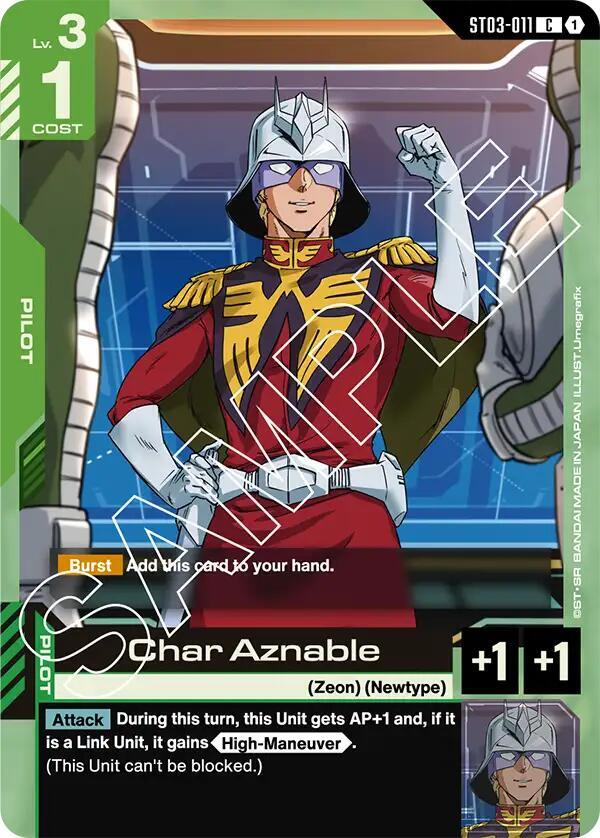
The moment a Pilot is paired, the Unit gains the Pilot's AP and HP and the Pilot's listed ability. Critically, a Pilot can pair with any Unit, and pairing does not change the Unit's color — the color of a Unit in the Battle Area is unaffected by the card paired to it.
Two facts to bank early: a Pilot can't sit on the board unpaired — playing it is pairing it — and most Units still can't attack the turn they're deployed. The exception, and the whole point, is the Link Unit, which we'll get to next.
The Link Requirement: Why the Right Pilot Matters
Pairing always gives you stats and an ability, but the real prize is the Link. Every linkable pairing has a link requirement — usually a matching trait (like [Earth Federation] or [Newtype]) or a specific name. When the pairing satisfies that condition, the Unit becomes a Link Unit and can attack the same turn it's deployed, and many Pilots also fire a 【When Paired】 effect on top.
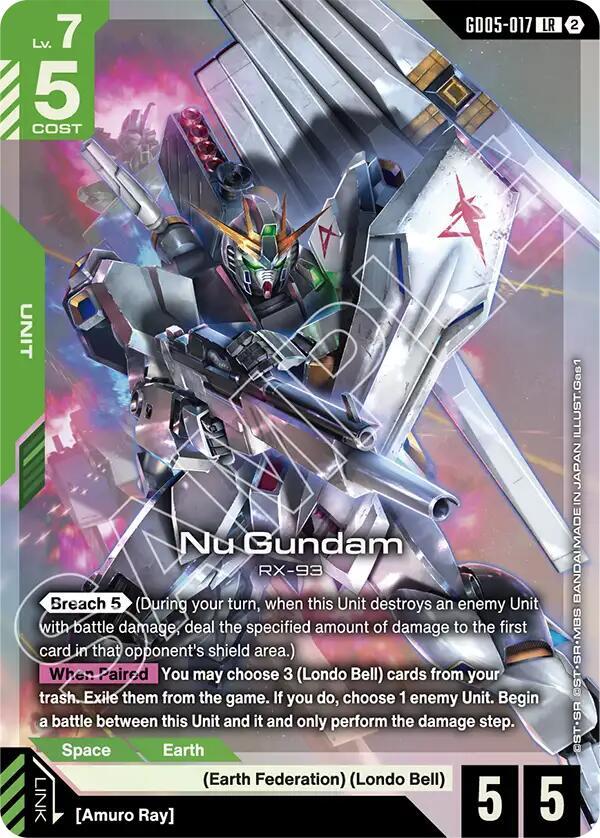
Pair a Pilot that doesn't meet the link condition and you still get the AP, HP, and ability — but you forfeit the Link Unit tempo and any link-gated text. That's the difference between a good crossover and a winning play. Evaluate Pilots by "does this complete a link on the Units I'm running?", not by rarity.
The Right-Pilot Test
Before you pair, ask one question: does this Pilot meet the Unit's link condition? If yes, you've bought a turn of tempo (an immediate attack) plus any 【When Paired】 value. If no, you're paying purely for stats and an ability — sometimes worth it, but never mistake it for a true Link play.
Resource Discipline: Don't Over-Pay a Slot
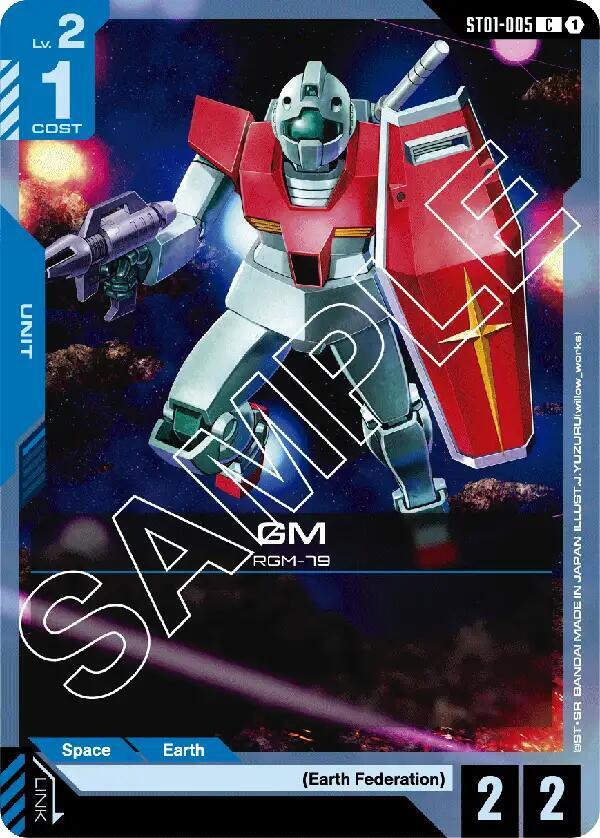
Your economy is tight and predictable. You add exactly one Resource per turn from your separate 10-card Resource Deck, and you pay for any card by resting Resources equal to its Level. (If you're on the draw, you also start with one EX Resource to soften the disadvantage of going second.) That slow, fixed climb means every Level you spend has to earn its place.
So resist the urge to pair a Pilot onto every Mobile Suit. A cheap, unpaired Unit is still a perfectly good Blocker or attacker. Reserve your pairings for the cases that actually pay off: completing a link, unlocking an ability you need this turn, or pushing a Unit's HP just high enough to survive the removal you expect your opponent to be holding. Pairing for a marginal stat bump on a body that dies anyway is how you run out of gas by the mid-game.
The Over-Investment Trap
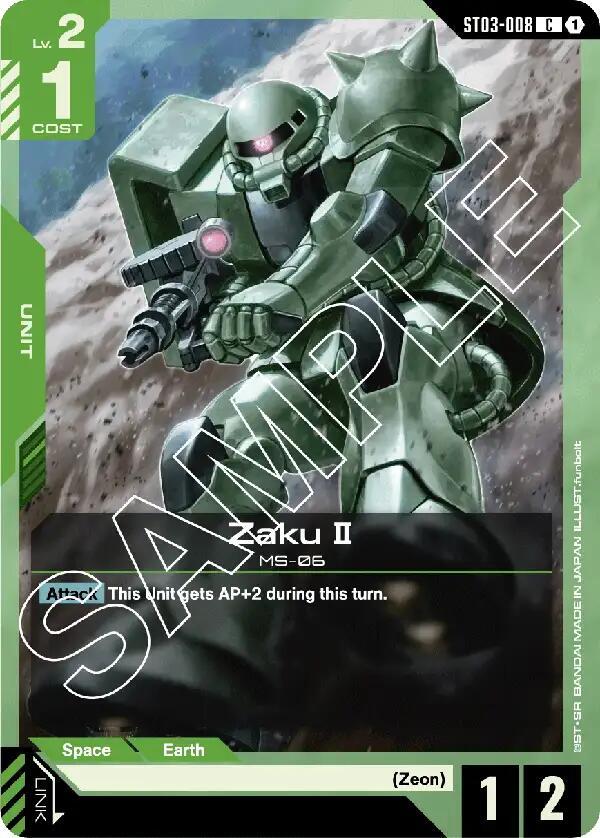
Here's the rule that punishes greed. When a Unit is destroyed, the Pilot paired to it is sent to the trash along with it. A Mobile Suit carrying an expensive Pilot is therefore two cards committed to a single board slot — and a single Blocker trade, a removal Command, or an unlucky 【Burst】 off your attack can take both of them at once, for one card on your opponent's side.
That's a swing you usually can't recover from. The mitigation is simple board management: keep one or two cheap, unpaired Units around as alternative attack targets and Blockers, so your opponent can't cleanly answer your big pairing. Make them spend their premium removal on a body you were happy to lose — the same board-management logic that carries the aggro matchup.
Rescue by Bounce
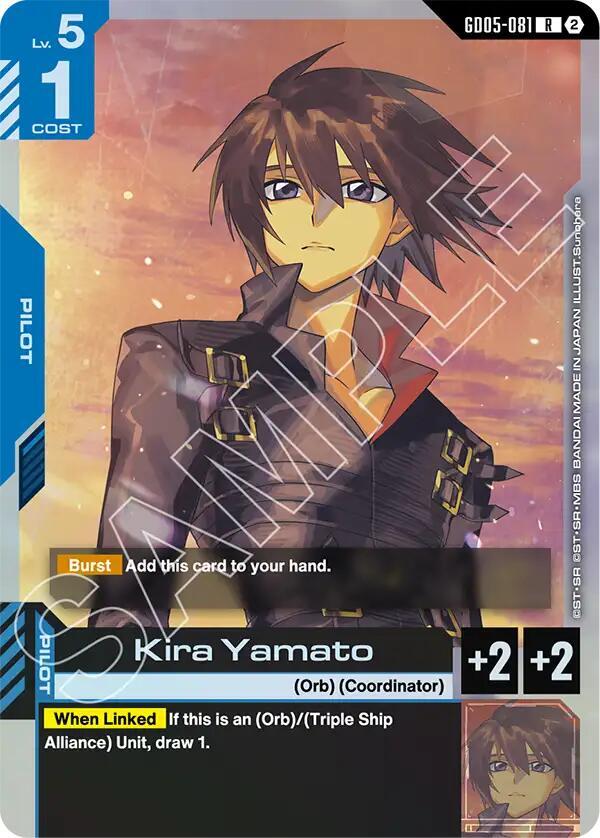
There's no "eject the Pilot" button — but there is a real escape hatch, and it's one of the most underused plays in control mirrors. If a Unit is returned to your hand (bounced) rather than destroyed, the paired Pilot goes back to your hand with it. You keep both cards.
Bounce to Save, Not Just to Disrupt
Blue and White both run return-to-hand effects. Most players think of bounce as offense — resetting an opponent's threat. But pointed at your own heavily-paired Unit that's about to lose a trade, the same effect rescues the whole investment, Pilot included, to redeploy on a safer turn. Recognizing when to bounce defensively is a hallmark of a strong control pilot.
Squeezing Value from 【When Paired】
Not every Pilot is built for sustained combat. Many of the strongest budget Pilots instead carry a 【When Paired】 effect that fires the instant they attach — drawing a card, swinging combat stats, or otherwise generating immediate value.
Bank the Value, Then Spend the Body
The beauty of a 【When Paired】 effect is that the value is locked in the moment of pairing, no matter what happens to the Unit afterward. Pair one onto a cheap, expendable Mobile Suit and you've effectively cashed the effect with a free body attached. If that Unit trades away on the next turn, it's a clean, neutral exchange for you — because the tempo was already secured when the Link formed.
Smart Pairing: Any Pilot, Any Unit
Because any Pilot can pair with any Unit — and the Unit keeps its own color and stats as the base (a nuance our color-pair primer leans on heavily) — you have real flexibility in how you build your threats. Use it deliberately rather than just slamming your most expensive Pilot onto your most expensive Mobile Suit.
Heavy Chassis, Light Driver
A big, durable Unit with strong base AP and HP often doesn't need a combat-focused Pilot. Pair it with a cheap utility Pilot that completes its link or adds a useful ability, and let the chassis do the heavy lifting while you conserve Resources for Command cards.
Ace on a Budget Body
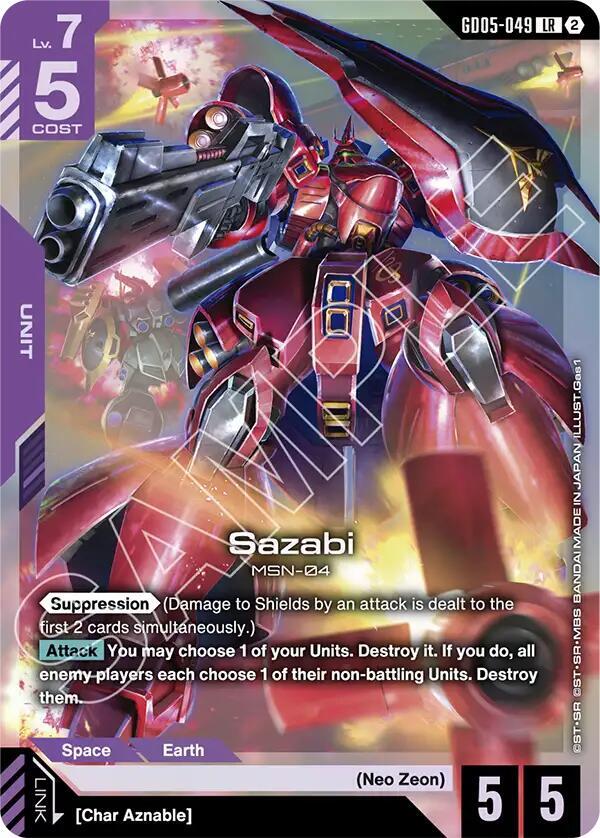
Conversely, if there's a powerful Pilot whose ability you want online early, you don't need to wait for a premium Mobile Suit to host it. Drop it onto a cheap Unit — especially one whose link condition it satisfies — and you've turned a small body into a same-turn attacker carrying an outsized ability. Pair for the link and the effect you need, not for matching price tags.
Sequencing the Main Phase
You can deploy Units, pair Pilots, play Commands, and attack in any order during your Main Phase, so the order you choose leaks — or hides — information. Amateurs dump their whole hand onto the board first, rest all their Resources, and only then attack. That hands your opponent your entire plan and leaves nothing up for a reactive play.
The stronger line: attack first with the Units you established on previous turns, while you still hold Resources active for an 【Action】 Command. Then deploy-and-pair for a same-turn Link Unit strike at the moment it matters most — remembering that a Unit you deploy this turn cannot attack unless the pairing makes it a Link Unit. Keep the opponent guessing about whether your fresh Mobile Suit is about to come online.
Late Game: Trash Recursion & Re-Pairing
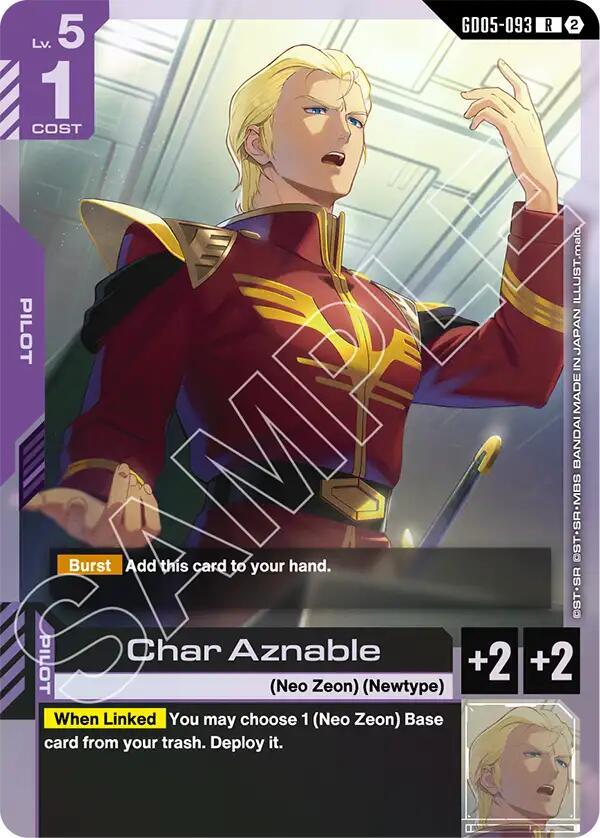
By the mid-to-late game, the board has usually been cleared at least once and the grind is on. The player who squeezes more out of the trash tends to win it. Effects that return Pilots (or Units) from the trash let you re-pair a Pilot you've already used — and if that Pilot has a 【When Paired】 effect, you get to fire it all over again.
- The Re-Pair Engine: A common control finisher is a 【When Paired】 Pilot that you let trade away, then recur from the trash and re-pair to a new Unit, triggering its effect a second or third time across a game. Purple is the dedicated recursion color, but any deck that can rebuy a key Pilot turns one card into repeated value and slowly exhausts the opponent's answers.
- Count Your Outs: Recursion pieces are finite. Track how many you have left in deck and trash so you don't burn them early for marginal value and find yourself empty-handed in the grind.
The Geeky Domain Verdict
Master the Pairing, Win the Match.
The Gundam TCG doesn't reward blind aggression — it rewards players who treat their Resources like a strict budget and understand exactly what a pairing buys. The Link Unit is the central engine of your deck, and every time you pair a Pilot to a Mobile Suit you're making a commitment your opponent will try to punish.
Pair for the link, not the rarity. Don't sink two cards into one removable slot without a backup body to absorb removal. Bank your 【When Paired】 value the moment it's available, use bounce to rescue your best pairings, and re-pair recurred Pilots to grind out the long game. The player who maximizes their Link efficiency dictates the tempo of the board.
Optimize Your Decklist:
© GEEKYDOMAIN.COM | Strategy Powered by Data