

Landfall: How the Engine Works in Commander
Play a land, get rewarded. It sounds too simple to build an entire deck around — until you realize Commander lets you trigger it more times per turn than any other format.
Landfall is one of those mechanics that feels like cheating the first time you see it click. You were going to play a land anyway — that's just what you do every turn. But a landfall deck turns that routine action into card draw, token creation, damage, mana acceleration, or some combination of all four. And because Commander games run longer and ramp harder than any 60-card format, landfall has more room to snowball here than anywhere else in Magic.
The catch is that "play a land every turn" isn't enough. One trigger per turn cycle is fine value, but it doesn't win games. The real power of landfall comes from breaking the one-land-per-turn rule — and green, the color most associated with this mechanic, has a dozen ways to do exactly that on a budget.
This guide covers why landfall is so effective in multiplayer, how to build the engine correctly, the budget pieces that make it work, and the deckbuilding traps that turn a powerful archetype into an aimless pile of ramp spells.
→ Short Version
Landfall rewards you for playing lands — a thing you're already doing. One trigger per turn isn't enough to win; you need extra land drops, fetch effects, or land recursion to multiply triggers. Three pieces make the engine: a payoff (what you get per trigger), a multiplier (extra lands per turn), and enough lands in hand to keep going. Don't just ramp without payoffs — 15 ramp spells and no landfall cards is just a green deck that's slow to do nothing.
→ Sharpen Your Strategy
In This Guide
- → What Landfall Actually Does
- → Why Landfall Is Built for Commander
- → The Three Pieces of the Engine
- → Land Multipliers: Breaking the One-Per-Turn Rule
- → Payoffs Worth Building Around
- → Fuel: Keeping Lands in Hand
- → Budget Commanders That Lead the Engine
- → Common Landfall Mistakes
- → Landfall FAQ
- → The Verdict
What Landfall Actually Does
Landfall is an ability word — a rules label that appears in italics on cards — that means "whenever a land enters the battlefield under your control." It's not a keyword with its own rules baggage (like flying or trample); it's shorthand for a trigger condition. Any time a land hits your side of the board, by any means, every landfall ability you control fires.
That "by any means" is critical. Your normal land play for the turn triggers landfall. So does a land fetched by Cultivate, a land returned from the graveyard by Splendid Reclamation, or a token copy of a land made by some unlikely combo piece. Each individual land entering triggers each landfall ability separately. Play three lands in a turn with three landfall creatures out, and you get nine triggers.
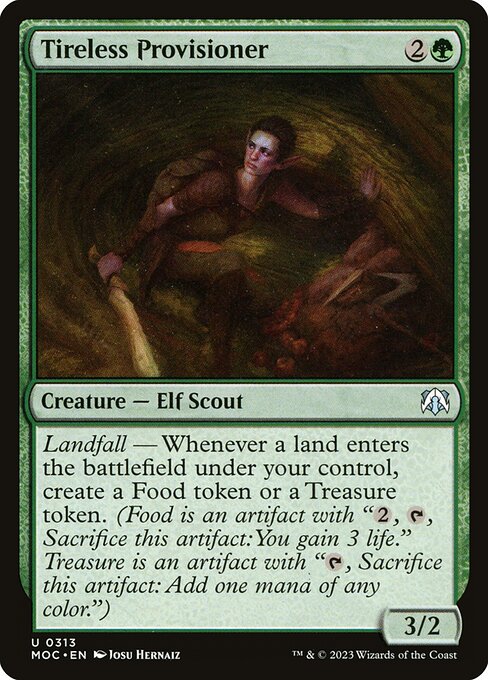
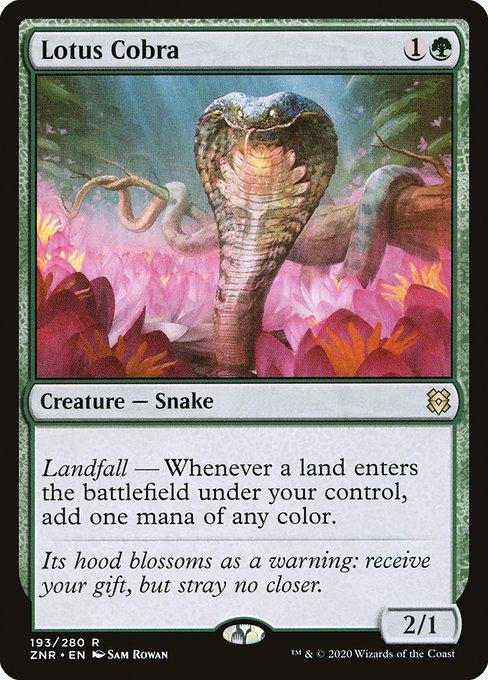
The mechanic debuted in original Zendikar (2009) and has returned several times since, most recently in Zendikar Rising. But you don't need cards with the literal "landfall" label — any "whenever a land enters the battlefield under your control" trigger works identically. Cards like Tireless Provisioner and Lotus Cobra are landfall cards in everything but name.
Why Landfall Is Built for Commander
In a Standard or Modern game, you might play six or seven lands total before the game ends. In Commander, games regularly stretch to turn 10 or beyond, which means more land drops and more time for incremental value to stack up. But the real advantage is structural: Commander wants you to ramp.
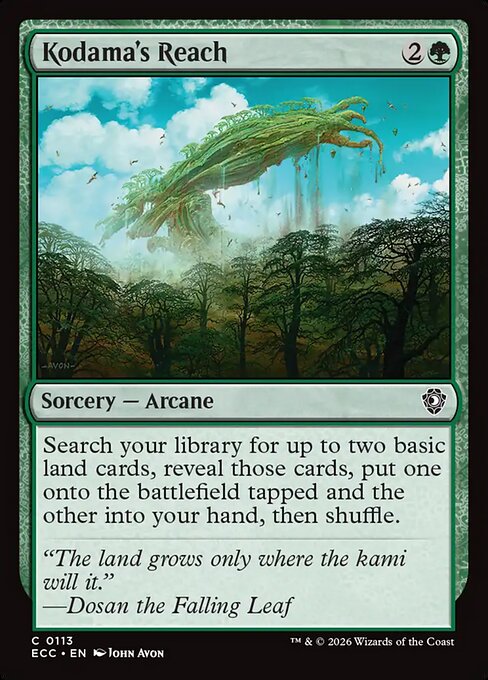
Every Commander deck runs ramp — it's one of the non-negotiable categories in any deckbuilding blueprint. Most decks ramp with mana rocks (Sol Ring, Arcane Signet) or dorks (Llanowar Elves). Landfall decks ramp with spells that put lands onto the battlefield — Cultivate, Kodama's Reach, Sakura-Tribe Elder — because those spells are simultaneously ramp and landfall triggers. You're not adding extra slots for your engine; you're turning your ramp package into a second function.


That dual purpose is why landfall has one of the most efficient deckbuilding footprints in the format. You don't need 20 dedicated slots for "the engine" the way a combo deck does. You need your ramp to put lands on the battlefield (which it was going to do anyway), a healthy land count to keep the triggers flowing, and a handful of payoff cards that convert those triggers into something that wins. The rest of your deck can be removal, card draw, and whatever else you need.
The Three Pieces of the Engine
Every landfall deck — from a casual Tatyova list to a tuned Omnath machine — runs on three interlocking pieces. If any one is missing, the engine stalls:
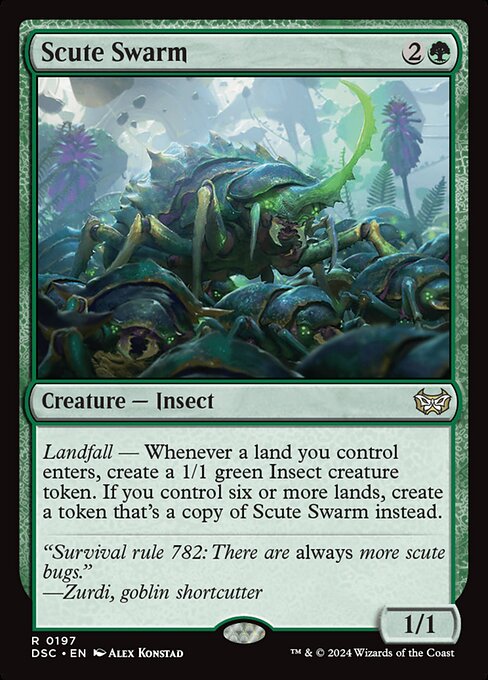
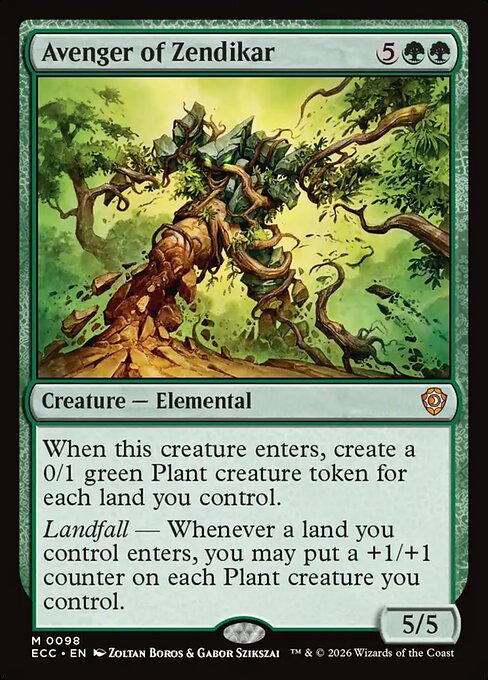
- 1. Payoffs. Cards that reward you per land entering. These are the whole point — Scute Swarm making tokens, Avenger of Zendikar pumping a board, Rampaging Baloths giving you 4/4s. Without payoffs, you're just ramping.
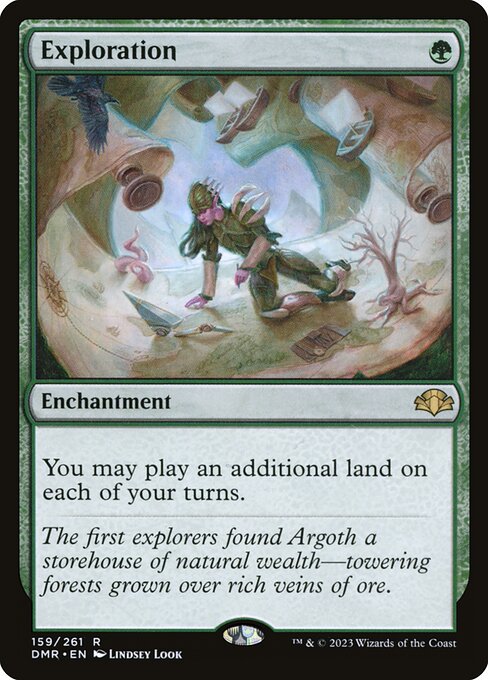
- 2. Multipliers. Cards that let you play more than one land per turn or put lands onto the battlefield outside your normal land drop. Exploration, Azusa, fetch lands, ramp spells — anything that increases the number of triggers per turn cycle.
- 3. Fuel. Ways to keep lands flowing into your hand. If you're playing two or three lands per turn, you'll empty your hand fast. Card draw, land-to-hand tutors, and effects that let you play lands from your graveyard keep the engine fed.
Land Multipliers: Breaking the One-Per-Turn Rule
Your normal land play gives you one landfall trigger per turn. That's baseline. The deck gets dangerous when you start adding extra land drops and land-fetching effects. Here are the main categories:
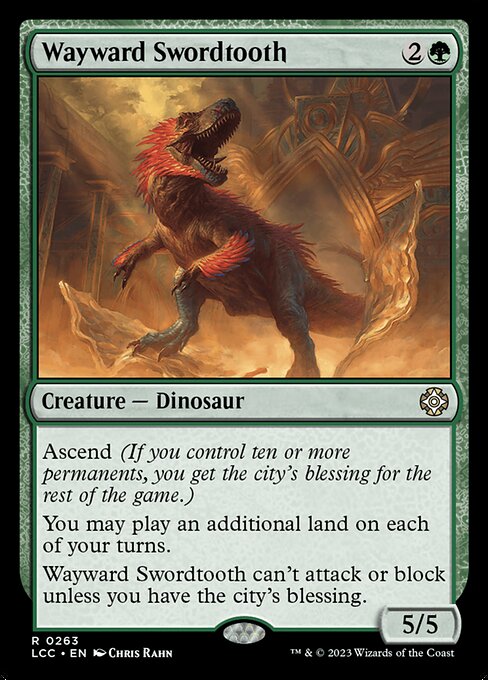
- Extra land drops. Exploration, Wayward Swordtooth, and Dryad of the Ilysian Grove let you play additional lands from your hand each turn. If you have the fuel to keep up, these double or triple your triggers every turn cycle. Exploration in particular is one of the most efficient landfall enablers ever printed — one mana, and it doubles your land plays for the rest of the game.
- Ramp spells that search lands to the battlefield. Cultivate, Kodama's Reach, and Nature's Lore each trigger landfall when the land they find enters. Sakura-Tribe Elder does the same on a creature body. These are your ramp package, but in a landfall deck they're also your trigger package — every ramp spell is functionally a combat trick or value play when a payoff is in play.
- Fetch effects. Evolving Wilds and Terramorphic Expanse give you two triggers for one land slot — one when the fetch enters, one when the basic it finds enters. Budget fetches like these are essential in any landfall deck, and Fabled Passage is a strict upgrade if you own one.
- Land recursion. Ramunap Excavator and World Shaper let you replay lands from your graveyard — meaning your fetch lands become reusable trigger generators. Splendid Reclamation is the haymaker: return every land in your graveyard to the battlefield at once, triggering landfall for each one simultaneously.

Why Fetch Lands Matter More Here
In most Commander decks, Evolving Wilds is fine but unremarkable — a tapland that fixes colors. In a landfall deck, it's a two-trigger land that can be replayed from the graveyard with Ramunap Excavator for two more triggers every turn. Context changes everything. Run every budget fetch available in your colors.
Payoffs Worth Building Around
Not all landfall payoffs are equal. Some gain you a life, some make a 4/4. In Commander, scale and board impact matter most. The budget payoffs worth prioritizing fall into a few categories:
- Token generators. Rampaging Baloths (4/4 Beast per trigger), Scute Swarm (token copies that multiply exponentially after six lands), and Avenger of Zendikar (makes Plant tokens equal to your land count, then pumps them with every trigger). These are your primary win conditions — they create board states that are nearly impossible to answer one-for-one.
- Mana generators. Lotus Cobra and Tireless Provisioner turn each land into immediate mana — Cobra via a floating mana of any color, Provisioner via a Treasure token. These let you chain ramp spells into more ramp spells in a single explosive turn. Provisioner also makes Food tokens if you need life instead, which is quietly strong in multiplayer.
- Card draw engines. Tatyova, Benthic Druid and her spiritual successor Aesi, Tyrant of Gyre Strait draw a card and gain a life per trigger. In a deck built to play three or four lands per turn, that's three or four cards drawn for free. This is what keeps the fuel flowing — the engine feeds itself.
- Direct damage. Omnath, Locus of Rage deals 3 damage to any target when an Elemental (including the tokens he makes from landfall) dies. Tunneling Geopede and Spitfire Lagac deal direct damage per trigger. These give the deck reach past board stalls.

Don't Stack Lifegain Payoffs
Cards like Retreat to Kazandu and Grazing Gladehart trigger on landfall, but gaining 2 life per land doesn't pressure anyone. A lifegain strategy needs payoffs that convert life into something else. In a landfall deck, you'd rather have a payoff that actually advances your board state. One incidental lifegain card (like Tatyova) is fine; four is a trap.
Fuel: Keeping Lands in Hand
The most common way a landfall deck stalls isn't losing its payoffs — it's running out of lands to play. If you have three extra land drops but only one land in hand, two of those abilities are dead. Fuel management is what separates a powerful landfall deck from one that spikes on turn 5 and topdecks for the rest of the game.
- High land count. Most Commander decks run 36–38 lands. Landfall decks should run 40–42. Every land you draw is both mana and a trigger — in this archetype, they're not dead draws.
- Built-in draw engines. Tatyova and Aesi solve the fuel problem by drawing you a card per trigger, but they cost 5 and 6 mana respectively. Before they come down, you need cheaper card draw to keep lands flowing — Harmonize, Rishkar's Expertise, and Coiling Oracle all work.
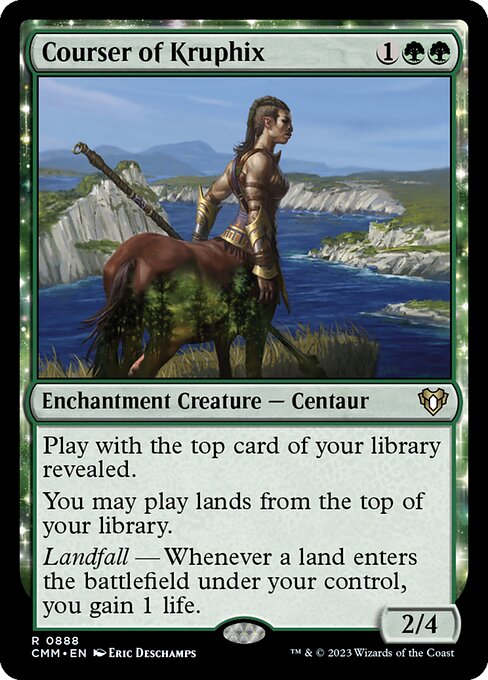
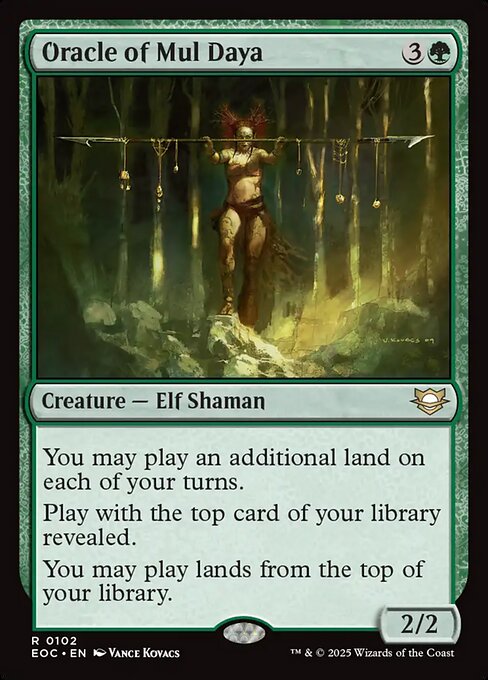
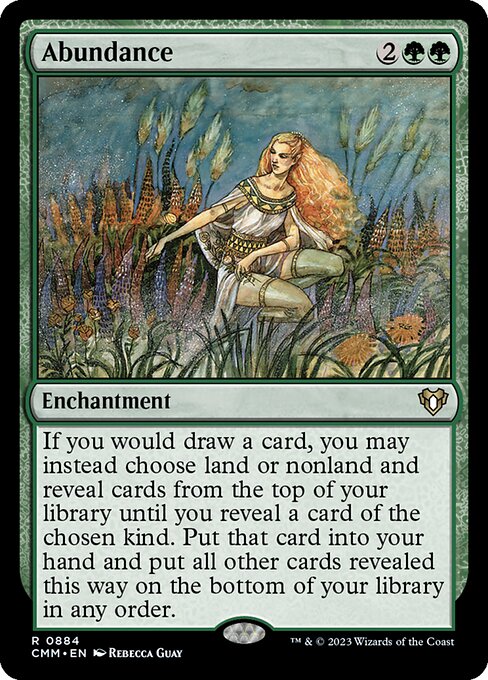
- Land-to-hand effects. Courser of Kruphix and Oracle of Mul Daya let you play lands off the top of your library, effectively giving you extra draws without spending a card. Abundance replaces your draws with guaranteed land or nonland — perfect for finding fuel on demand.
- Graveyard as a second hand. Ramunap Excavator and Crucible of Worlds let you replay lands from your graveyard. If you're cracking fetch lands and using World Shaper, your graveyard becomes an almost inexhaustible supply of triggers.
Budget Commanders That Lead the Engine
Your commander choice determines whether your deck is a value engine, a token army, or a damage machine. All of these are affordable and proven:
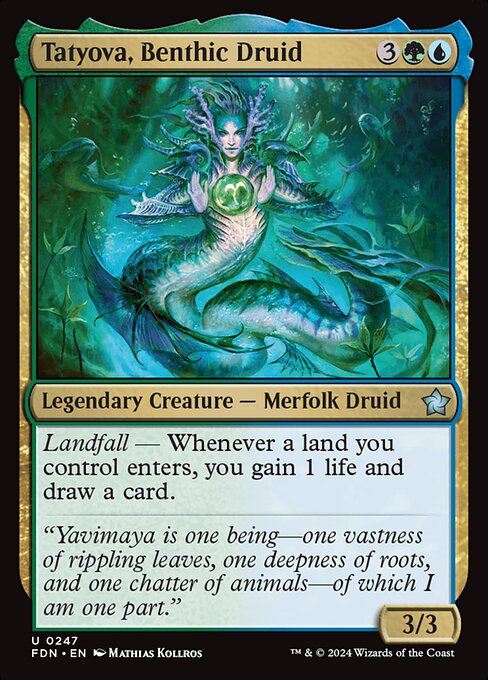
- Tatyova, Benthic Druid (Simic). The best budget entry point. She draws a card and gains a life per landfall trigger, so she solves the fuel problem from the command zone. A Tatyova deck with a few extra land drops and some Simic staples can chain through half its library in a single turn.
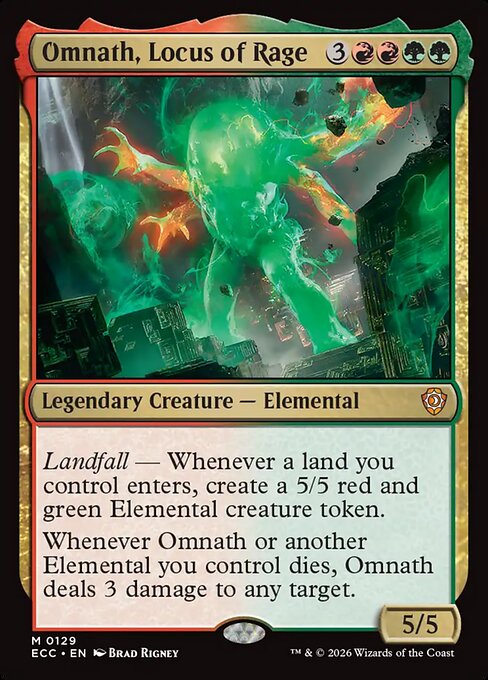
- Omnath, Locus of Rage (Gruul). Every landfall makes a 5/5 Elemental. When those Elementals die, they deal 3 damage each. Board wipe your own tokens and you can kill the table. Omnath costs seven mana, but in a Gruul shell built around ramp, that's turn 4–5.
- Aesi, Tyrant of Gyre Strait (Simic). A bigger Tatyova that also grants an extra land drop each turn. More expensive to cast but eliminates the need for separate multiplier cards — the engine is built in. Excellent if you want to keep the deck simple.
- Obuun, Mul Daya Ancestor (Naya). A different angle — Obuun puts +1/+1 counters on himself from landfall and can animate a land as a massive attacker. Adding white gives you access to better removal and some unique land synergies. Less explosive than Omnath, but more resilient.
| Commander | Colors | Role | Best For |
|---|---|---|---|
| Tatyova | Simic (GU) | Card draw + lifegain per trigger | Budget entry, self-fueling engine |
| Omnath, Locus of Rage | Gruul (RG) | 5/5 tokens + death-trigger damage | Token swarm, wipe-proof damage |
| Aesi | Simic (GU) | Draw + built-in extra land drop | All-in-one engine, fewer moving parts |
| Obuun | Naya (RGW) | +1/+1 counters + land animation | Voltron angle, white removal access |
What About Four-Color Omnath?
Omnath, Locus of Creation (RGWU) is the most powerful landfall commander ever printed, but building a consistent four-color mana base on a budget is a serious challenge. If you're on a tight budget, stick with two- or three-color Omnath variants until your land base can support four colors reliably.
Common Landfall Mistakes
All ramp, no payoffs.
The most common trap. You add Cultivate, Kodama's Reach, Farseek, Nature's Lore, Rampant Growth, and fifteen other ramp spells — but only two actual landfall payoff cards. When those two get removed, you're just a green deck with 12 mana and nothing to spend it on. Your curve matters less than your payoff density.
Running too few lands.
If your engine wants to play multiple lands per turn, you need lands to play. Cutting to 34 lands because "I have so much ramp" defeats the purpose. In a landfall deck, a land in hand is better than almost any nonland card. Run 40 minimum.
Ignoring interaction.
Landfall decks are so fun to pilot when they're going off that it's tempting to cut removal and counterspells for more lands and more payoffs. But if someone plays a Rest in Peace (shutting down your graveyard recursion) or a Torpor Orb (not landfall, but similar ETB hosers), you need answers. Run at least 8–10 pieces of interaction.
Playing mana rocks instead of land ramp.
Sol Ring and Arcane Signet are still auto-includes, but after that, prefer land-based ramp over rocks. A Fellwar Stone doesn't trigger landfall; a Rampant Growth does. In this specific archetype, the opportunity cost of playing a mana rock over a land-fetching spell is real.
Landfall FAQ
- Does a land token trigger landfall? Yes. Anything that enters the battlefield as a land — including token copies — triggers landfall abilities. This is why Scute Swarm gets out of hand so quickly once you pass six lands.
- Do lands played from the graveyard trigger landfall? Yes. Ramunap Excavator lets you play lands from your graveyard, and those lands enter the battlefield normally — triggering all your landfall abilities.
- How many landfall payoffs should I run? At least 6–8 dedicated payoff cards, plus your commander if it has landfall. You want to see at least one by turn 4–5 reliably. If your commander is your primary payoff (like Tatyova), you can shade toward the lower end.
- Is landfall good on a budget? Extremely. Most of the key pieces — Cultivate, Kodama's Reach, Rampaging Baloths, Tireless Provisioner, Ramunap Excavator — are inexpensive thanks to multiple reprints. You can build a functional landfall deck for well under $50.
- What colors are best for landfall? Green is mandatory — it has the most land-fetching effects and the best payoffs. Blue adds card draw (Tatyova, Aesi). Red adds damage (Omnath, Locus of Rage). White adds removal and Obuun. Most landfall decks are Simic (GU), Gruul (RG), or Temur (GUR).
Play Lands, Win Games.
Landfall is the rare archetype that rewards you for doing something you were already going to do. Build with the three-piece model — payoffs, multipliers, fuel — and the engine practically runs itself. Keep your land count high, prefer land-based ramp over mana rocks, and make sure you have enough payoffs that losing one doesn't shut you down.
It's also one of the most satisfying archetypes to pilot. There's nothing quite like cracking a fetch land with three payoffs in play and watching the triggers cascade. Just make sure you can close the game once you're ahead — a board of 30 tokens that never attacks is just annoying, not winning.
© GEEKYDOMAIN.COM | Strategy Powered by Data