

Best Pokemon TCG Products For New Collectors And Players
Elite Trainer Box, booster box, theme deck, or Build & Battle box — here's exactly which one fits your goal before you spend a dollar.
Some links below are affiliate links. If you buy through them, Geeky Domain may earn a small commission at no extra cost to you.
→ Short Version
If your goal is to actually play the game, buy two pre-constructed theme decks — they're the cheapest way to get a full, legal, ready-to-play deck in each hand. If your goal is casual collecting and pack-opening fun, an Elite Trainer Box gives you the best mix of packs and useful accessories for the money. If you're chasing specific chase cards and understand you're gambling on pulls, a booster box lowers your average per-pack cost compared to buying loose packs — but it's still a gamble, not an investment. A Build & Battle box sits in the middle: a smaller, cheaper way to sample prerelease-style product and dip a toe into organized play. None of these are mutually exclusive — most collections end up with a bit of all four over time.
→ Related Reading
In This Guide
- → What's Actually in the Box: The Four Main Product Types
- → Elite Trainer Boxes: The All-in-One Starting Point
- → Booster Packs and Booster Boxes: Pulling for the Chase
- → Pre-Constructed Theme and Battle Decks: The Cheapest Way to Actually Play
- → Build & Battle Boxes: The Prerelease-Style Middle Ground
- → Matching the Product to Your Goal
- → Where and How to Buy Without Overpaying
- → Common Beginner Mistakes to Avoid
Walk into any game store or scroll any big-box retailer's trading card aisle and the Pokemon TCG shelf looks like a wall of near-identical boxes with different art on them. That's confusing even for people who've collected other games, and if this is your very first trading card game, it's worth reading our broader beginner's guide to starting any TCG alongside this one. The good news is that the entire wall breaks down into really just four product categories, and once you know what each one is actually for, picking the right one for your goal takes about thirty seconds. This guide walks through each type in plain terms — what's inside, who it's for, and where it fits if you're trying to learn to play, build a collection, or eventually compete.
Before we get into specifics, it helps to know the basic vocabulary you'll see printed on the boxes themselves and used throughout this site — terms like "pull," "chase card," and "hit rate" all come up constantly once you start comparing products, and we've collected the full rundown in our Pokemon TCG glossary of key terms if any of the language below is unfamiliar.
What's Actually in the Box: The Four Main Product Types
Nearly everything Pokemon TCG sells falls into one of four buckets. Elite Trainer Boxes (ETBs) bundle a curated set of booster packs with accessories in one retail box, aimed squarely at people who want a complete starter kit without hunting down individual pieces. Booster packs and booster boxes are pure randomized product — you're buying a chance at specific cards, with a booster box simply being a sealed case of packs bought together. Pre-constructed theme decks and battle decks are the opposite of random: they're fixed 60-card decks, built and playtested by Pokemon's design team, ready to shuffle and play the moment you open the box. And Build & Battle boxes are a smaller, event-oriented product tied to prerelease releases at local stores, meant to give players an affordable first taste of a new set before it hits general release.
Every other SKU you'll see — collection boxes, tins, blister packs, special sets — is really just a variation on packs bundled with a bit of extra packaging or a promo card. The four categories above are the ones that actually matter for deciding how to spend your first dollars, so we'll take them one at a time.
Elite Trainer Boxes: The All-in-One Starting Point
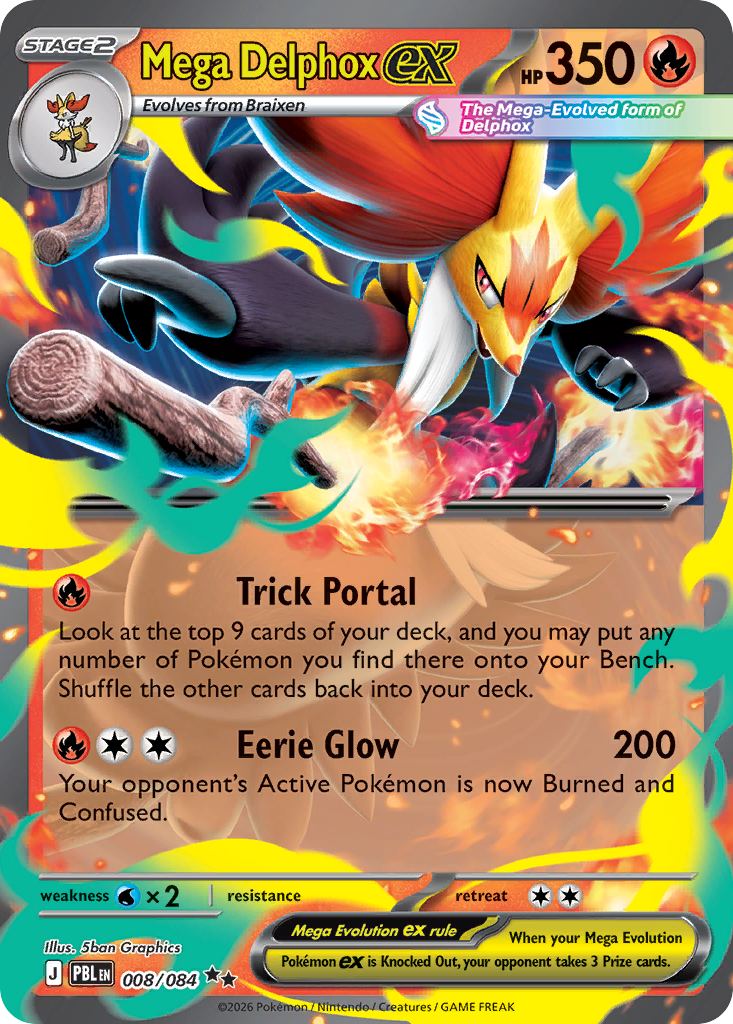
An Elite Trainer Box is a curated retail box built around a specific set. Inside, you'll typically find a handful of booster packs from that set alongside a set of useful accessories — things like card sleeves featuring the set's mascot, playmat-style materials, damage counters and dice for actual gameplay, dividers for organizing your binder or box, and often a promo card or coin exclusive to that ETB. The exact pack count and accessory list varies by set, so always check the current product listing rather than assume it matches a box you remember from a different release.
ETBs tend to be the best-value entry point for someone who wants to open packs for fun and doesn't already own gameplay accessories, because you're effectively getting the packs plus a starter accessory kit in one purchase rather than buying each piece separately. That said, the sleeves and other bundled accessories included in an ETB are usually not the ones serious players or collectors end up using long-term — once you know what you actually need, it's worth reading our guide to the best sleeves, binders, and toploaders for gear built to last. If you're torn between an ETB and just buying a booster box outright, we break down the actual math on that decision in our dedicated ETB vs. booster box comparison, which is worth reading before you commit either way.
Booster Packs and Booster Boxes: Pulling for the Chase
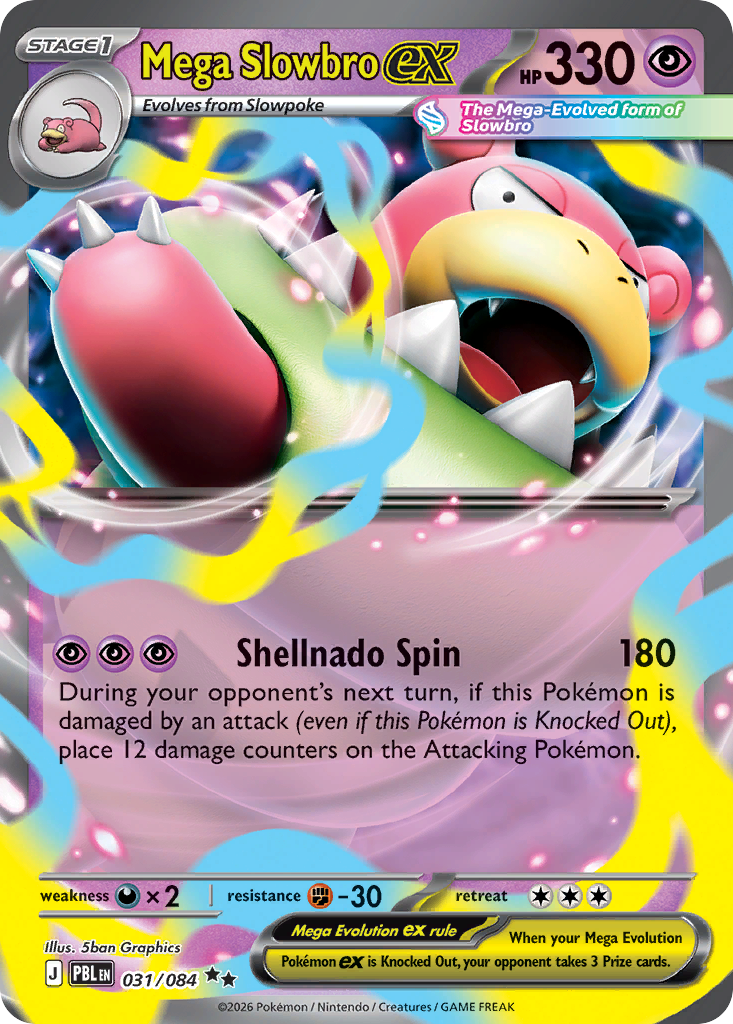
A single booster pack is the smallest randomized unit Pokemon sells: a fixed number of cards from a given set, with rarity and specific card contents left to chance. A booster box is simply a sealed case containing a full run of packs from that set, bought together rather than one at a time. Because you're purchasing in bulk, the per-pack cost in a booster box usually works out lower than buying the same number of packs individually at retail — but you're still buying pure variance, not a guaranteed outcome.
The appeal here is obvious: booster product is how you actually pull the cards that show up on lists like our most valuable modern Pokemon cards roundup. But it's worth going in with realistic expectations about how rare those top-end pulls actually are, and how "hit rate" marketing language on the box can be interpreted — we cover that in more depth in our piece on TCG finance, the "waifu tax," and pull rates. If your actual goal is owning specific cards rather than the experience of opening packs, it's almost always cheaper and far less risky to buy those singles directly instead of gambling on pulling them — we walk through exactly when that math favors singles over sealed product in booster box vs. singles: the budget math.
Pre-Constructed Theme and Battle Decks: The Cheapest Way to Actually Play
If your only goal is to sit down and play a real game of Pokemon TCG as quickly and cheaply as possible, a pre-constructed theme deck (sometimes called a battle deck) is the answer. These are fixed 60-card lists — no randomness involved in what you're buying — designed and balanced by Pokemon's own team so that two decks bought off the shelf can be shuffled up and played against each other immediately. They're consistently the cheapest way to get a complete, tournament-legal deck, which makes sense given they're built as an on-ramp rather than a chase product.
Theme decks are not built to be competitive against tournament-level decks, and that's fine — they're not trying to be. What they give you is a legal, functional deck and, just as importantly, a hands-on way to learn how turns, energy, attacks, and the win conditions actually work, which reading rules text alone never quite teaches. Pair one with our full complete rules guide and you can be playing your first real game within an hour of opening the box. Once you understand the basics and want to see what actual competitive decks look like, our gameplay hub is a good next stop, and when you're ready to start modifying or replacing cards from your starter deck, our guide to building your first competitive deck walks through that upgrade path step by step.
Build & Battle Boxes: The Prerelease-Style Middle Ground
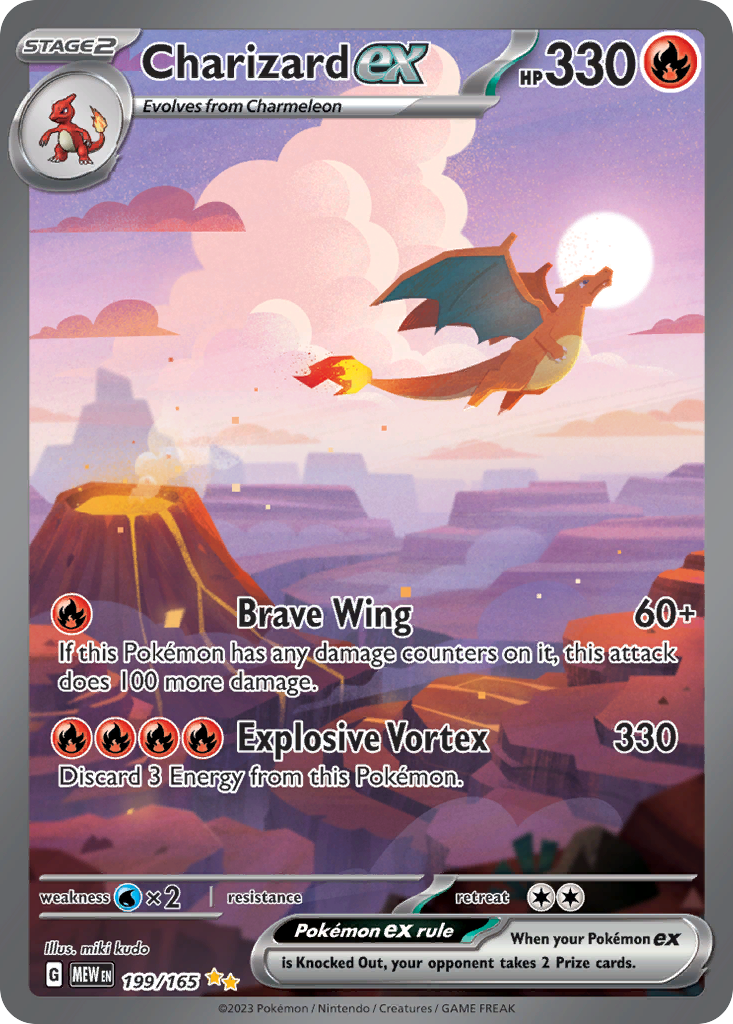
Build & Battle boxes sit in a smaller, more specific lane than the other three categories. They're a prerelease-style product, generally sold in the run-up to a new set's full release, containing a handful of packs from the upcoming set plus a resource meant to help newer players build a legal deck on the spot — often at an organized event at a local game store. They cost less than a full booster box and give you a legitimate reason to walk into a store and play against other people for the first time, which is genuinely one of the best ways to get comfortable with the game socially rather than just mechanically.
Think of a Build & Battle box as the bridge between "I own a theme deck and know the rules" and "I'm buying booster boxes and building competitive lists." It's not the product to reach for if your goal is maximizing collection value or chasing specific chase cards — booster boxes do that job better — but if you're curious about the organized play scene that eventually leads to events like the ones covered in our Pokemon Worlds 2026 recap, a Build & Battle box is a low-cost way to see what that on-ramp actually feels like at the local level.
Matching the Product to Your Goal
The honest answer to "which product should I buy" always starts with "what do you actually want out of this hobby," because the four categories above are optimized for genuinely different outcomes rather than being better or worse versions of each other.
If you want to learn to play and have someone to play against, buy two theme decks — one for you, one for whoever you're playing with — and read the rules guide alongside them. If you want the experience of opening packs without committing to a full case, an Elite Trainer Box gives you the best combination of packs and reusable accessories for a single purchase. If you're a collector more interested in specific cards, art, or set completion than in playing games, it's often smarter to skip sealed product almost entirely and buy singles directly — our guide to collecting modern Pokemon on a budget covers that approach in detail. And if you're specifically trying to understand what's worth buying in the current Scarlet & Violet-era product line as a newer collector, our Scarlet & Violet era collector's buying guide goes deeper on the sets themselves rather than the product categories.
None of these choices are permanent or exclusive. It's completely normal for a collection to end up with a theme deck for game nights, one or two ETBs opened for fun, a handful of singles bought directly, and eventually a booster box once you've got a specific chase card in mind. The mistake to avoid is buying the wrong product for your actual goal — grabbing a booster box when what you really wanted was to learn to play, for example, and ending up with a pile of random cards and no functional deck.
Where and How to Buy Without Overpaying
Pokemon TCG products carry an official suggested retail price, but real-world prices swing depending on where you buy, how in-demand the specific set is, and whether a product has gone out of print. Because those prices move constantly and vary by region and retailer, don't rely on any number you read in an article, including this one — always check current listings at the point of purchase rather than assume last year's price still applies.
Local game stores and major retailers selling sealed product directly from Pokemon's official distribution are the safest sources, since sealed product bought that way carries essentially no authenticity risk the way vintage singles or graded slabs can. If you do end up buying or selling loose cards rather than sealed product — trading with another collector, selling extras you pulled, or picking up a single you didn't get in your own packs — it's worth reading our guide on how to trade and sell Pokemon cards safely before you send money or cards to a stranger.
Common Beginner Mistakes to Avoid
The single most common mistake new buyers make is treating booster boxes as a financial investment rather than what they actually are: a gamble on entertainment and the small chance of a valuable pull. Sealed product can occasionally appreciate over the very long term, but it is not a reliable short-term way to make money, and buying with that expectation almost always leads to disappointment.
A second common mistake is buying booster product before learning the rules, which leaves you with a stack of random cards and no idea how to actually play a game with them — start with a theme deck and the rules guide instead if playing is the goal. Third, once you do start pulling or buying cards worth keeping in good condition, cards left loose in a box degrade and get damaged fast; it's worth reading our comparison of binders vs. boxes for organizing TCG cards before your collection outgrows whatever you're currently storing it in. Finally, resist the urge to chase a hyped new release the week it launches, when secondary-market prices are almost always at their most inflated — waiting even a few weeks after release typically brings prices back down closer to retail as initial demand settles.
Start with your goal, not the shelf
There's no single "best" Pokemon TCG product — there's only the best product for what you're actually trying to do. Theme decks for playing, an ETB for casual pack-opening, singles or a Scarlet & Violet-era buying guide for collecting, and a booster box once you know exactly what you're chasing. Pick based on your goal first, and the right box on the shelf gets a lot easier to spot.