

Aggressive decks win Lorcana games before slower opponents are ready to play their own. Here's how to recognize the aggro plan, neutralize the early pressure, and turn the matchup around without rebuilding your deck.
If you've been playing Lorcana for any meaningful amount of time, you've lost to an aggro deck. Probably more than once. Probably while staring at a hand of expensive characters and Locations and wondering why your opponent already has 14 lore by turn 5. Aggro decks — the ones built to race to 20 lore as fast as possible — punish slow starts, expensive curves, and reactive play. They're some of the most-played archetypes in both Core and Infinity Constructed for exactly that reason: they're consistent, they're cheap to build, and they win when their opponents don't know how to fight back.
The good news: aggro is also one of the most beatable archetypes in Lorcana once you understand what it's doing and what stops it. The principles that work against aggro in Magic, Hearthstone, or any other card game work here too — pressure absorption, efficient interaction, knowing when to race and when to stabilize — but they apply through Lorcana's specific mechanics. Bodyguard, Ward, Resist, Locations, and the right tempo decisions are your tools. This guide teaches you how to use them.
We'll cover what aggro is actually trying to do, the current aggro decks dominating the meta in 2026, the universal principles for beating aggressive opponents, the specific in-game decisions that decide tight matchups, and the deckbuilding adjustments that make your existing deck more resilient against pressure. Whether you're losing to Amber/Emerald aggro at FNM or trying to survive Amethyst/Steel in a competitive event, the approach is the same.
The Short Version
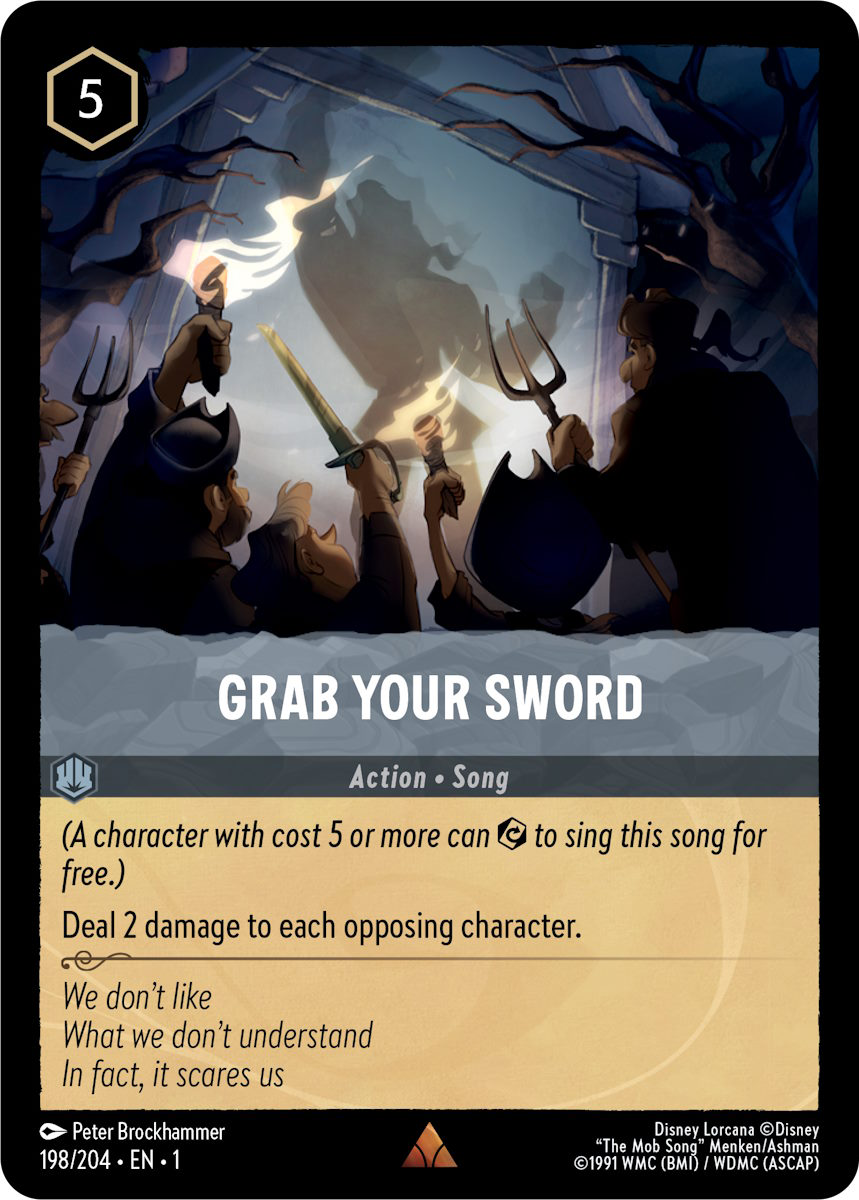
Aggro decks in Lorcana win by racing to 20 lore before their opponent stabilizes — usually with cheap, efficient questers backed by light removal. The way to beat them is not to out-race them (they're built for that) but to absorb pressure, trade efficiently, and seize tempo once the early rush runs out of steam. Your toolkit: Bodyguard to force challenges into specific characters, Ward and Resist to protect key threats, Locations to soak attacks, efficient removal Songs like Be Prepared and Grab Your Sword, and a tight low-curve mulligan strategy. The single most important shift: stop trying to play your deck "fairly" against aggro. Mulligan harder, deploy threats earlier, and trade bodies aggressively even when it feels wrong. Aggro punishes anything that looks like normal play.
→ More Lorcana Guides
In This Guide
What Aggro Is Actually Doing
Aggro — short for "aggressive" — is the archetype name for decks that try to win as fast as possible by applying constant pressure. In Lorcana terms: an aggro deck wants to be questing for lore on turns 2, 3, 4, and 5 with low-cost, lore-efficient characters, ideally reaching 20 lore before its opponent can even start executing their game plan.
The aggro game plan has three load-bearing parts:
-
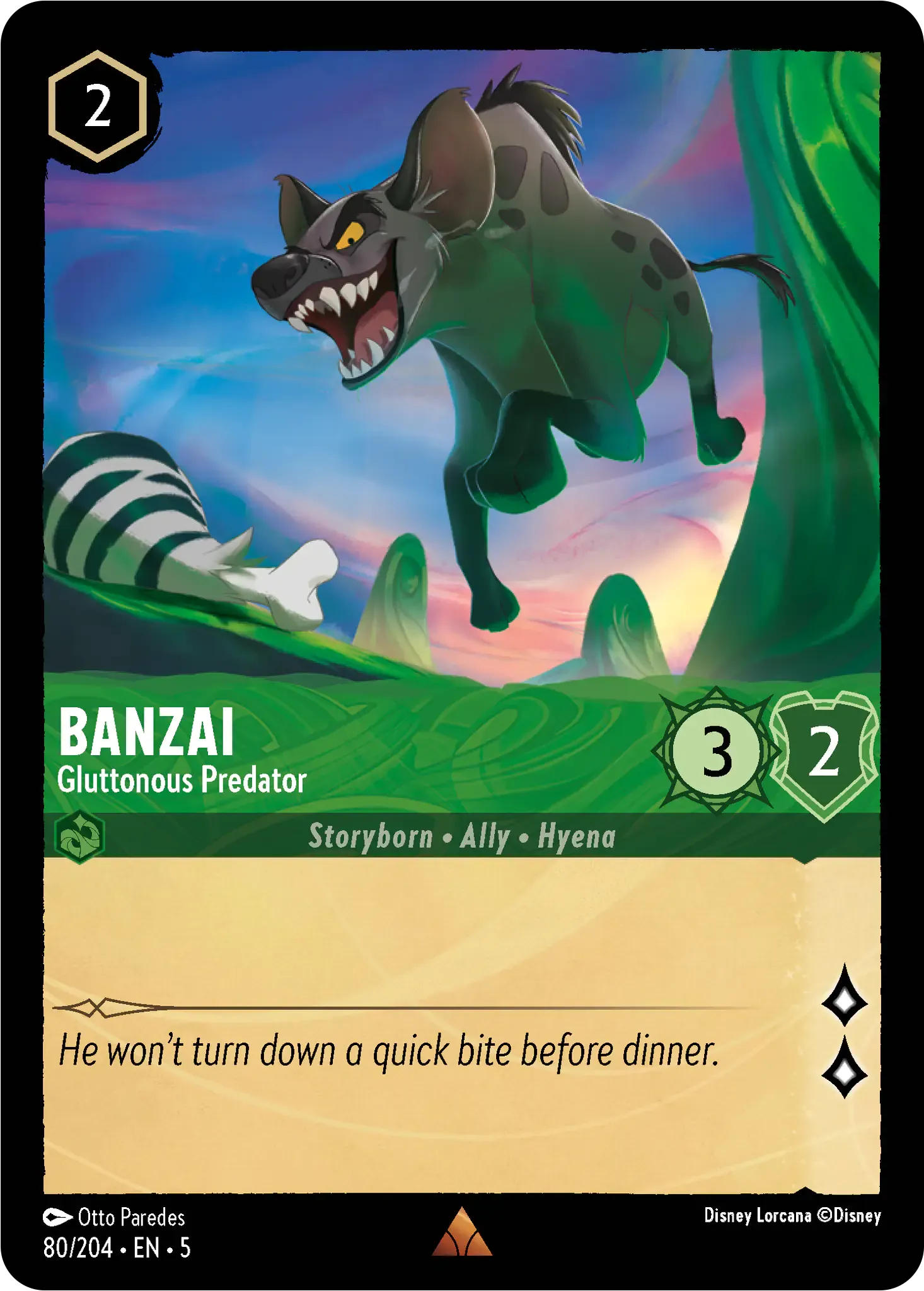
1. Cheap, lore-efficient questers. Most aggro characters cost 1–3 ink and have favorable lore-to-cost ratios. A 2-cost character with 2 lore is the engine: every turn they sit on the board, they gain 2 lore. Aggro decks run a lot of these.
- 2. Pressure that scales with the inkwell. Aggro doesn't slow down at turn 5 the way control does. They're still deploying 2- and 3-drops, often two per turn, and stacking quests. The lore total grows linearly, not logarithmically.
- 3. Light disruption to push damage through. Aggro decks usually run a small package of cheap removal — songs, action cards, or aggressive Challenger characters — specifically to clear blockers and keep their questers safe. They don't run a lot of it; they run just enough.
What aggro is not trying to do: out-resource you, out-card-draw you, or win in the late game. If the game goes past turn 7 or 8 and they haven't won, aggro usually loses. That's the fundamental tension you're exploiting when you build to beat them — you're trying to survive their early turns long enough to reach the part of the game where their deck stops working.
The Current Aggro Decks
As of May 2026 (Wilds Unknown / Set 12 era), two aggro decks define the format:
-
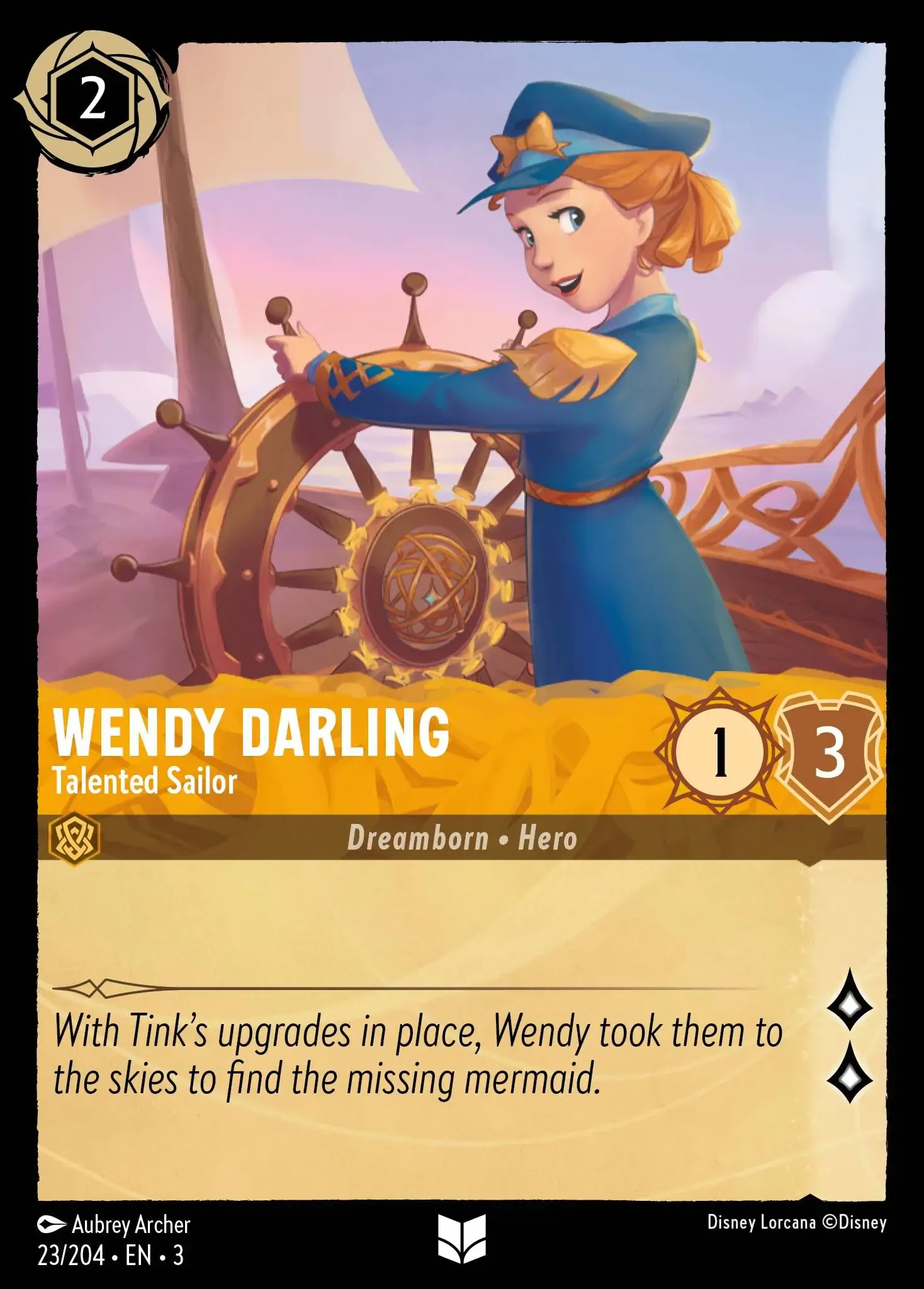
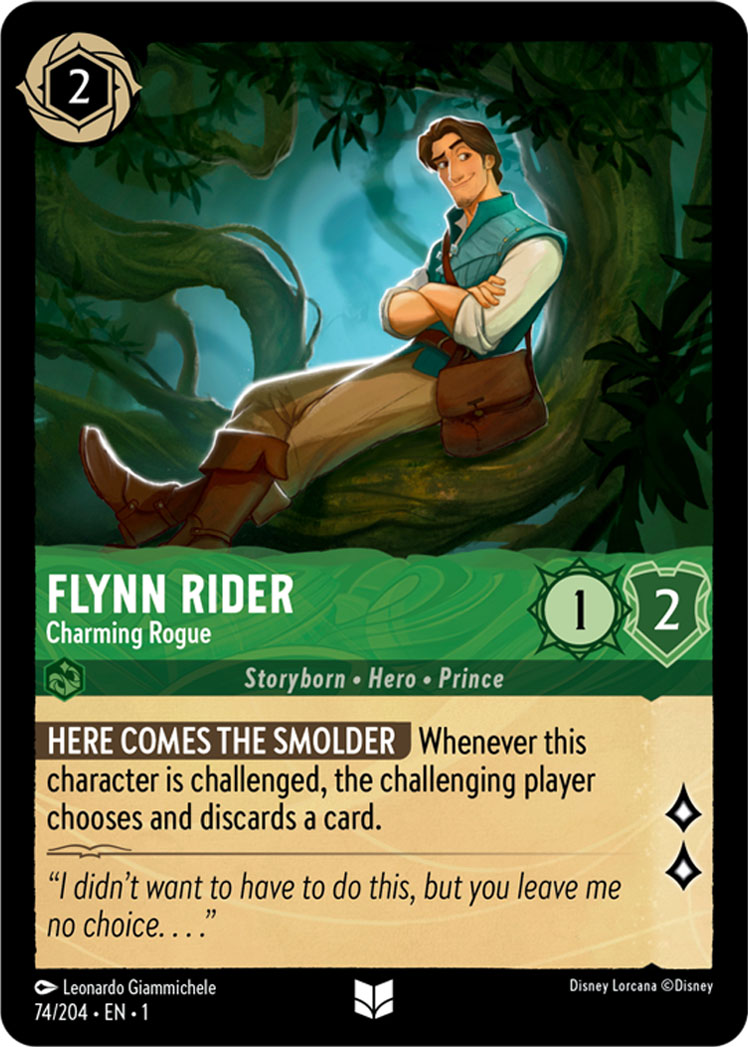
Amber/Emerald Aggro (~11% Core Constructed metashare, ~7% Infinity) — the classic lore-rush deck. Cheap efficient questers, light buff effects, and just enough removal to keep the curve clear. Built around the lore-rate advantages of Amber's small bodies and Emerald's tempo tricks. This is the most-played aggro deck in the format.
-
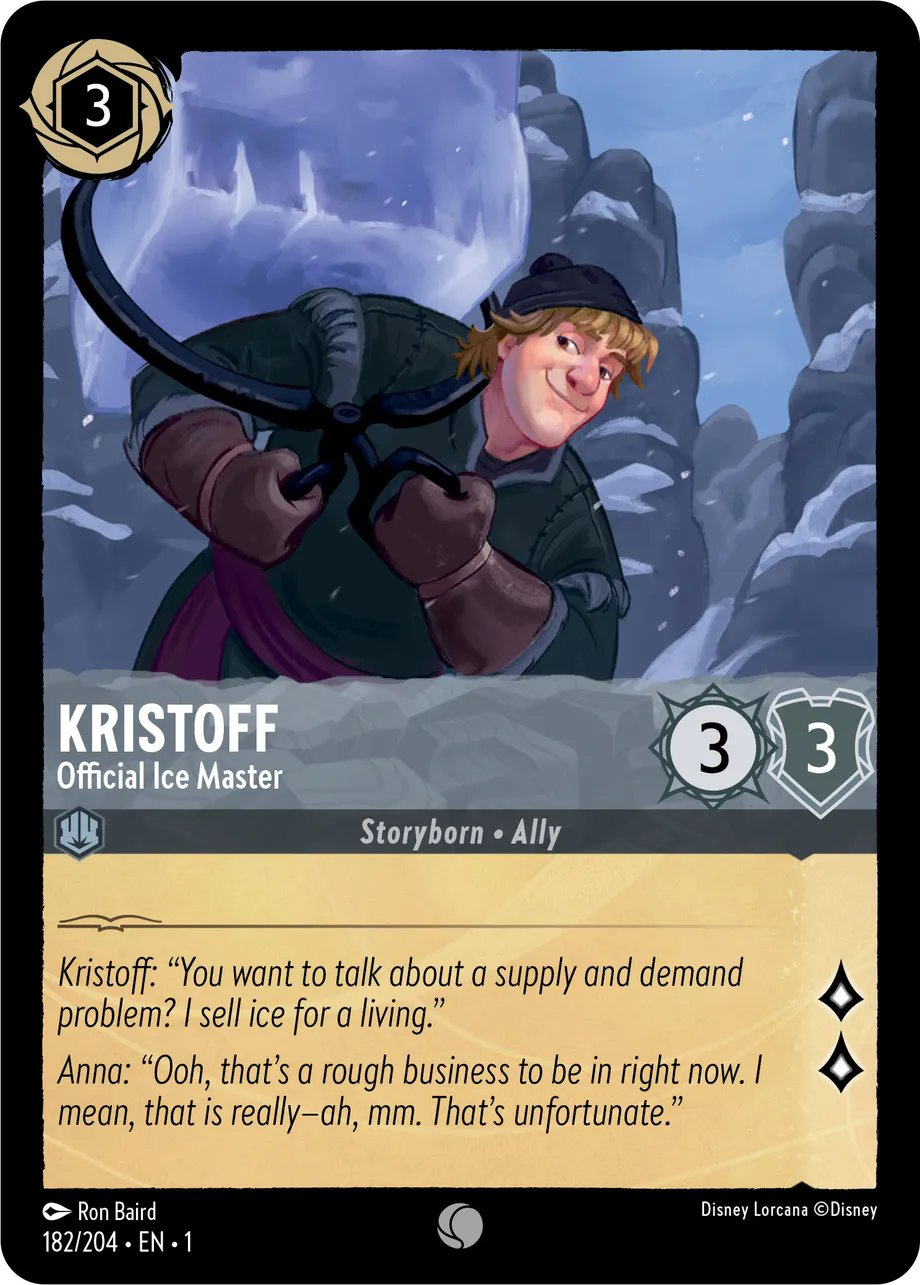
Amethyst/Steel Aggro (~8% Core Constructed metashare) — a more grindy version that pairs Steel's combat efficiency with Amethyst's protective and bounce tools. Slightly slower than Amber/Emerald but harder to disrupt because the threats have more staying power.
- Honorable mentions: Ruby/Emerald aggro (a budget-friendly variant), Amber/Steel "Steelsong" (a tempo-leaning midrange that often plays like aggro), and Amber/Ruby "Damaged" (an Infinity-format aggressive deck that pushes damage through specific synergies). The principles in this guide apply to all of them.
If you're playing in your local store, expect Amber/Emerald or some flavor of Ruby aggro. If you're playing in a higher-stakes event, expect the same plus Amethyst/Steel. The exact decklist varies, but the game plan is identical: deploy early, quest hard, finish before turn 8.
The Math of the Race
Understanding aggro means understanding the lore math. Lorcana wins at 20 lore. A typical aggro deck's path to 20 looks roughly like this:
Aggro lore curve (typical):
Turn 2: +2 lore (one 2-cost quester)
Turn 3: +3 lore (last turn's quester + new 2-drop)
Turn 4: +5 lore (two questers active + new 3-drop)
Turn 5: +6 lore
Turn 6: +7 lore
Total by end of turn 6: ~23 lore.
Unopposed, aggro wins by turn 6. Your job is to remove lore from that math, not to add more lore to yours.
Two important consequences of this math:
- Every aggro character left questing is 2-3 lore per turn. Removing or challenging a single 2/2/2 questing character on turn 3 doesn't just take a body off the board — it removes 6–10 lore from the rest of the game (3-5 turns × 2 lore per turn). That's why interaction wins against aggro: not because individual trades feel impressive, but because the cumulative lore swing is enormous.
- Out-racing aggro is almost never the answer. Aggro's curve compounds faster than yours unless your deck is also aggro. If you're playing a 5-mana-curve midrange or a control deck, trying to "just quest harder" loses every time. You have to interact, or you lose. Period.
The Five Anti-Aggro Principles
These are the universal rules that apply to every Lorcana anti-aggro game, regardless of which deck you're playing or which aggro deck you're facing:
- 1. Trade aggressively, even when it "feels wasteful." If your 3/3/2 trades for their 2/2/2, you're losing a body but stopping a lore engine. New players hate this trade because they see it as even-for-even; in reality you're trading one card for the 6–10 lore that character would have generated. Make the trade.
- 2. Challenge before they can quest. An aggro character that quested last turn is exerted and vulnerable. Use your ready characters to challenge them — banishing an exerted character means they spent that turn questing without payoff, and your character probably survives. This is the single highest-EV play against aggro.
- 3. Don't develop your own board prematurely. Playing an expensive 4-drop on turn 4 is fine in a vacuum. Playing it on turn 4 against aggro when the board has three of their questers is bad — you needed that ink for a 2/3 Bodyguard, a removal Song, or a sweeper-style card. Defensive utility outranks raw value.
- 4. Use Locations as soak. Locations cost ink and don't quest, but many of them have high Willpower and force opponents to attack into them. A 4 or 5 Willpower Location absorbs multiple challenges and ties up aggro's tempo as they bash into it. Locations are some of the most underrated anti-aggro tools in Lorcana.
- 5. Survive to turn 7 and you usually win. Aggro decks run out of gas. Their cheap questers eventually get challenged off, their hand empties, and the late-game power dynamic shifts to whoever has bigger threats. If you're playing a midrange or control deck and you reach turn 7 with characters alive and ink available, the game is yours to lose.
Your Anti-Aggro Toolkit
The mechanics and card types that actually counter aggro in Lorcana. Most of these you can include in any deck regardless of color:
-
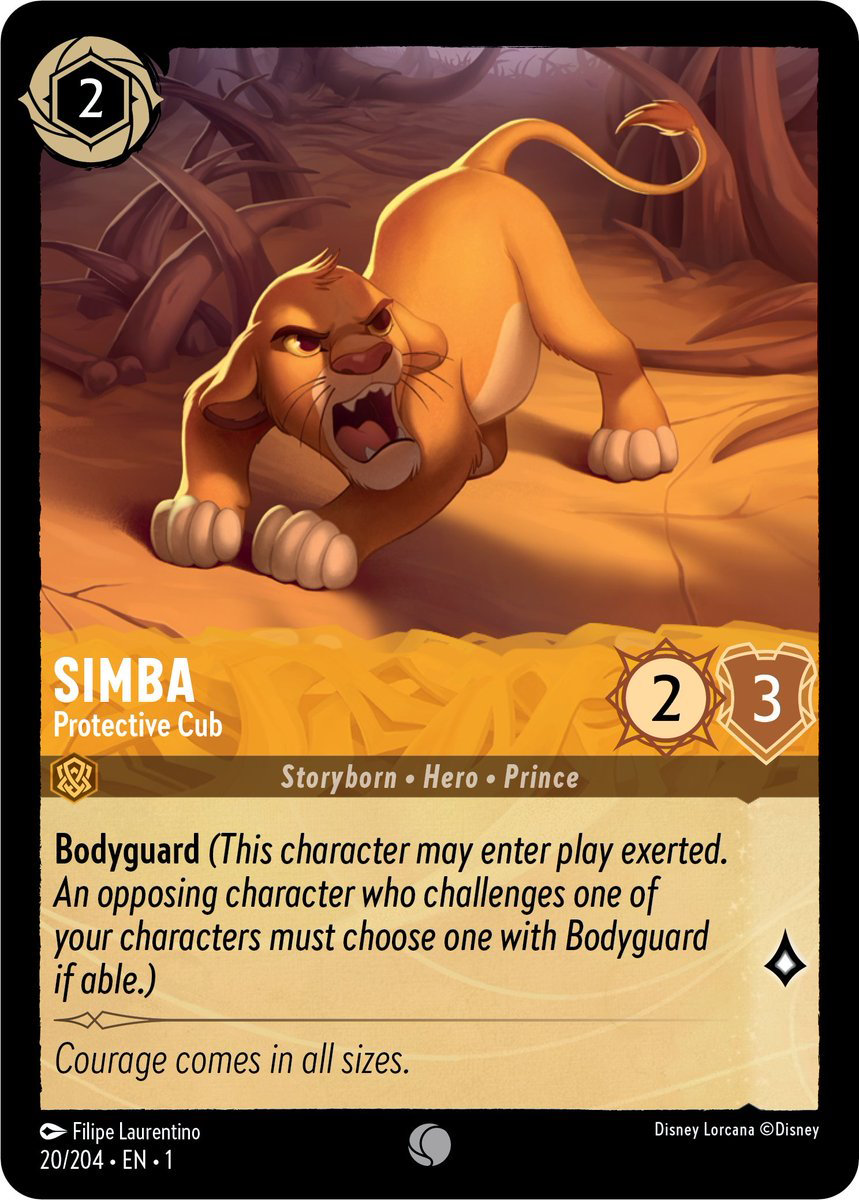
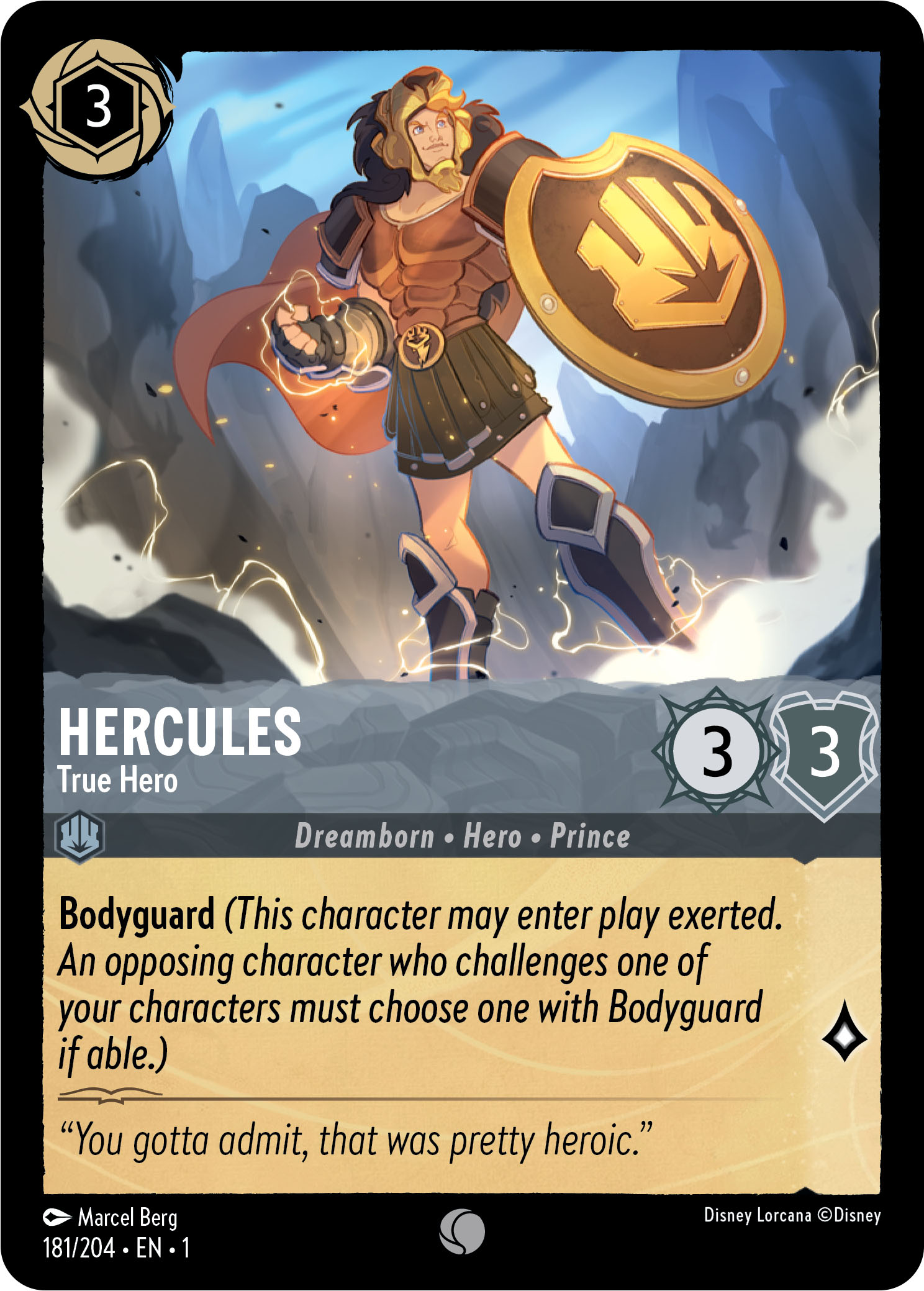
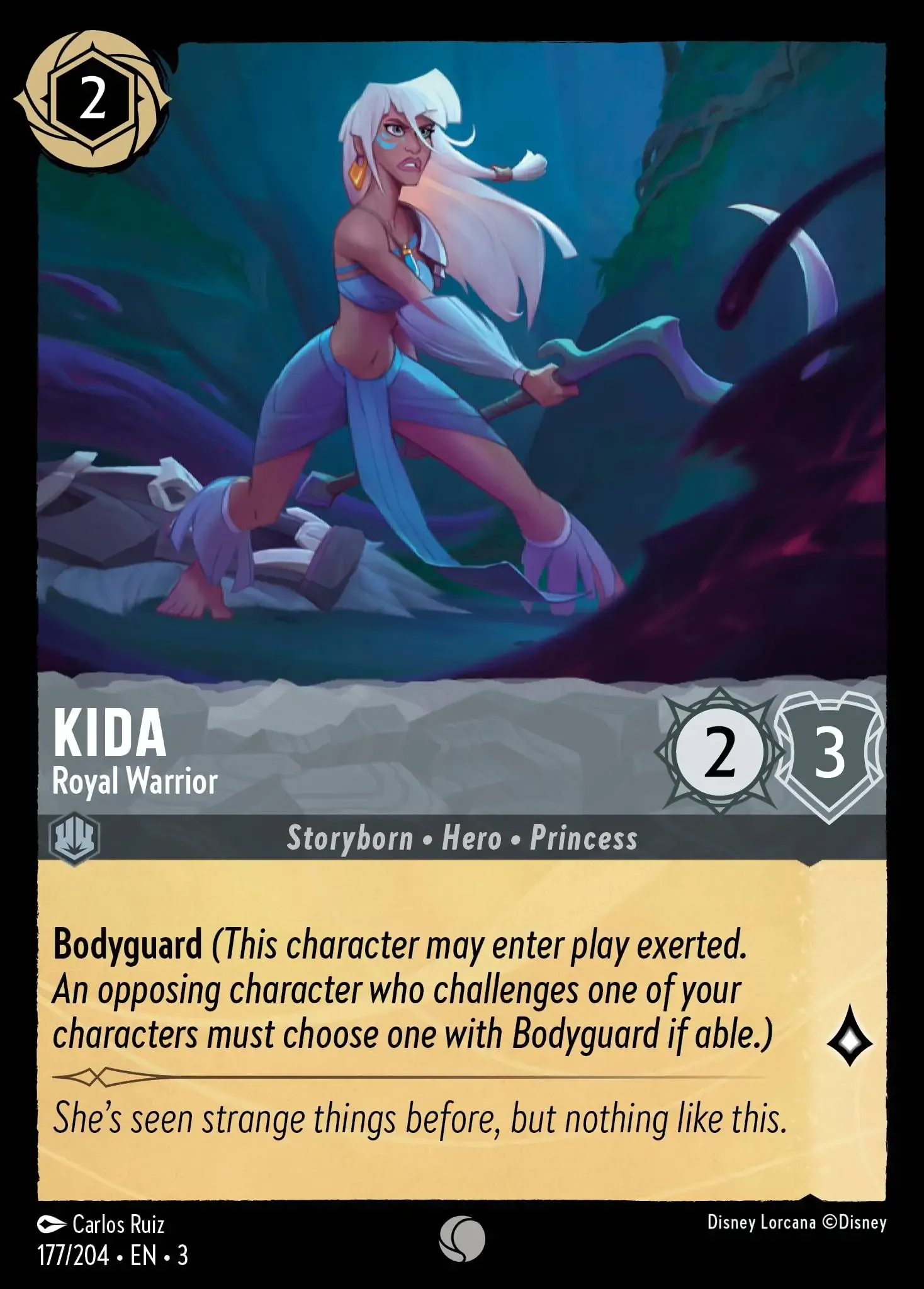
Bodyguard characters. The single most important anti-aggro mechanic. Bodyguard forces opponents to challenge into the Bodyguard character before any of your other characters can be challenged. A well-statted Bodyguard (high Willpower, decent Strength) effectively shields your entire board for one or more turns. Steel and Amber are the strongest Bodyguard inks.
-
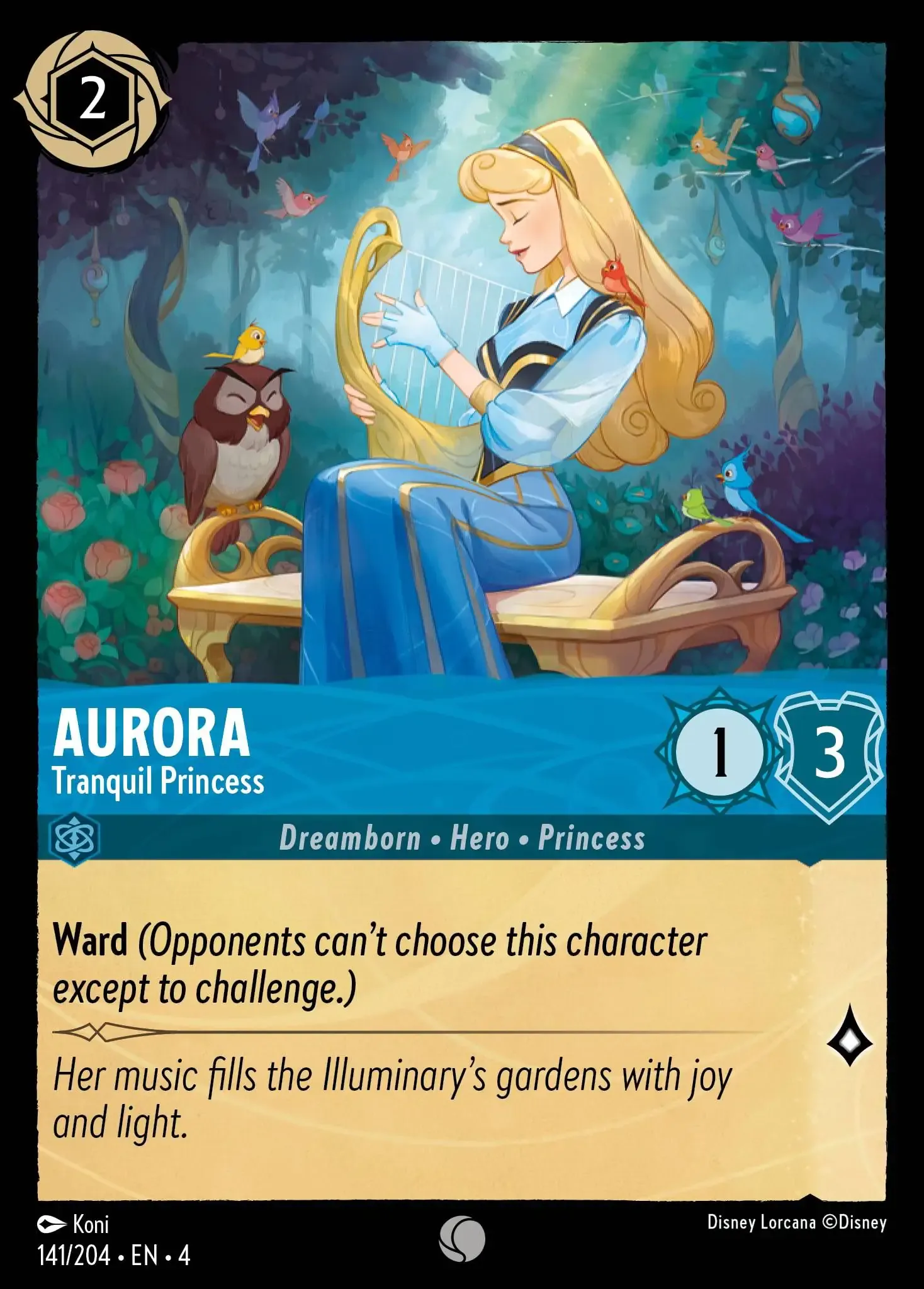
Ward characters. Ward prevents your character from being targeted by opposing abilities — including removal-based actions. Against aggro decks that lean on song or action removal to clear blockers, a Ward character is functionally invulnerable to that path. Sapphire and Amethyst have strong Ward options.
-
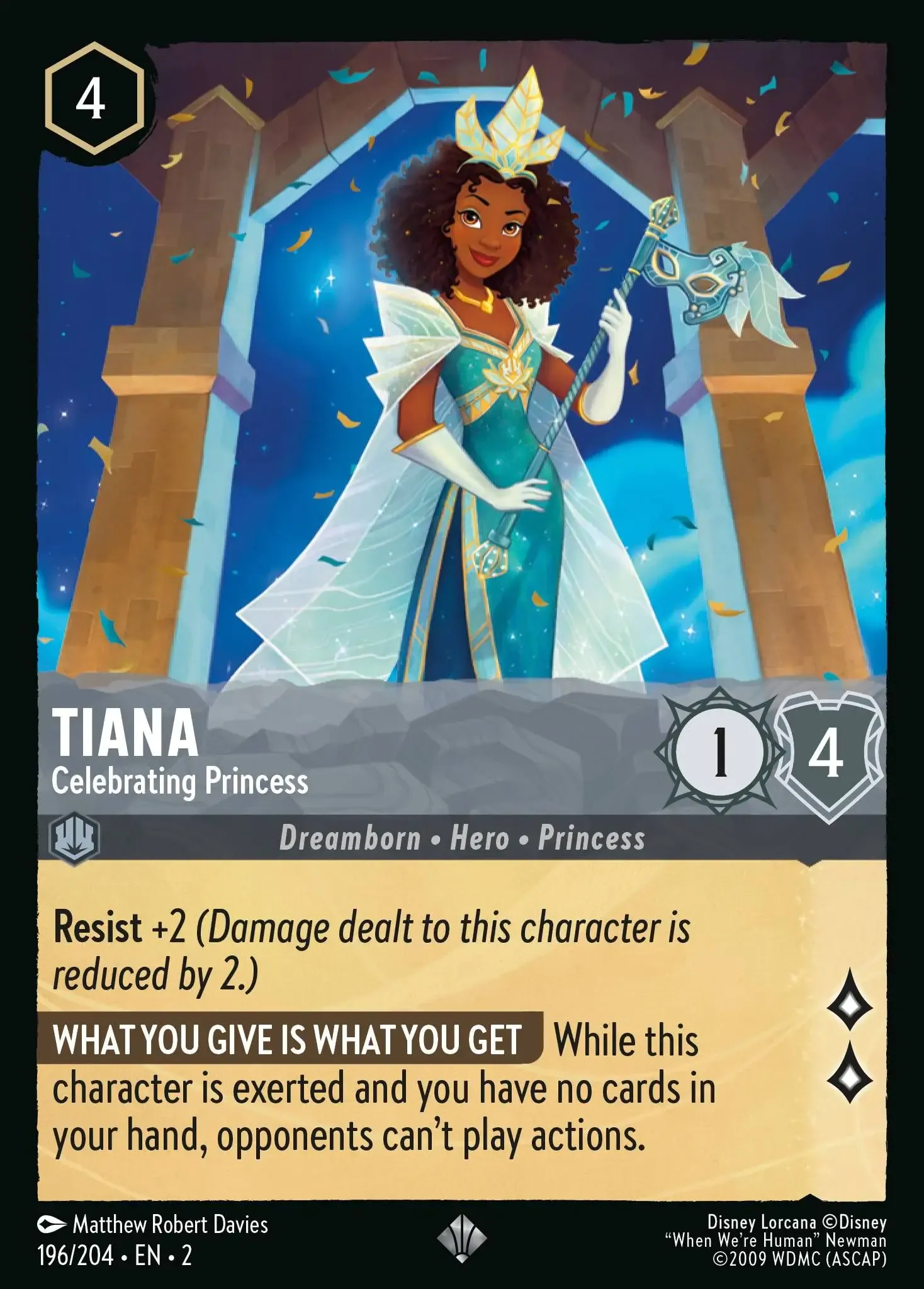
Resist characters. Resist X reduces damage your character takes by X. A character with Resist 2 and 4 Willpower effectively has 6 Willpower against challenges — aggro can't trade efficiently into it. Steel is the home of Resist.
-
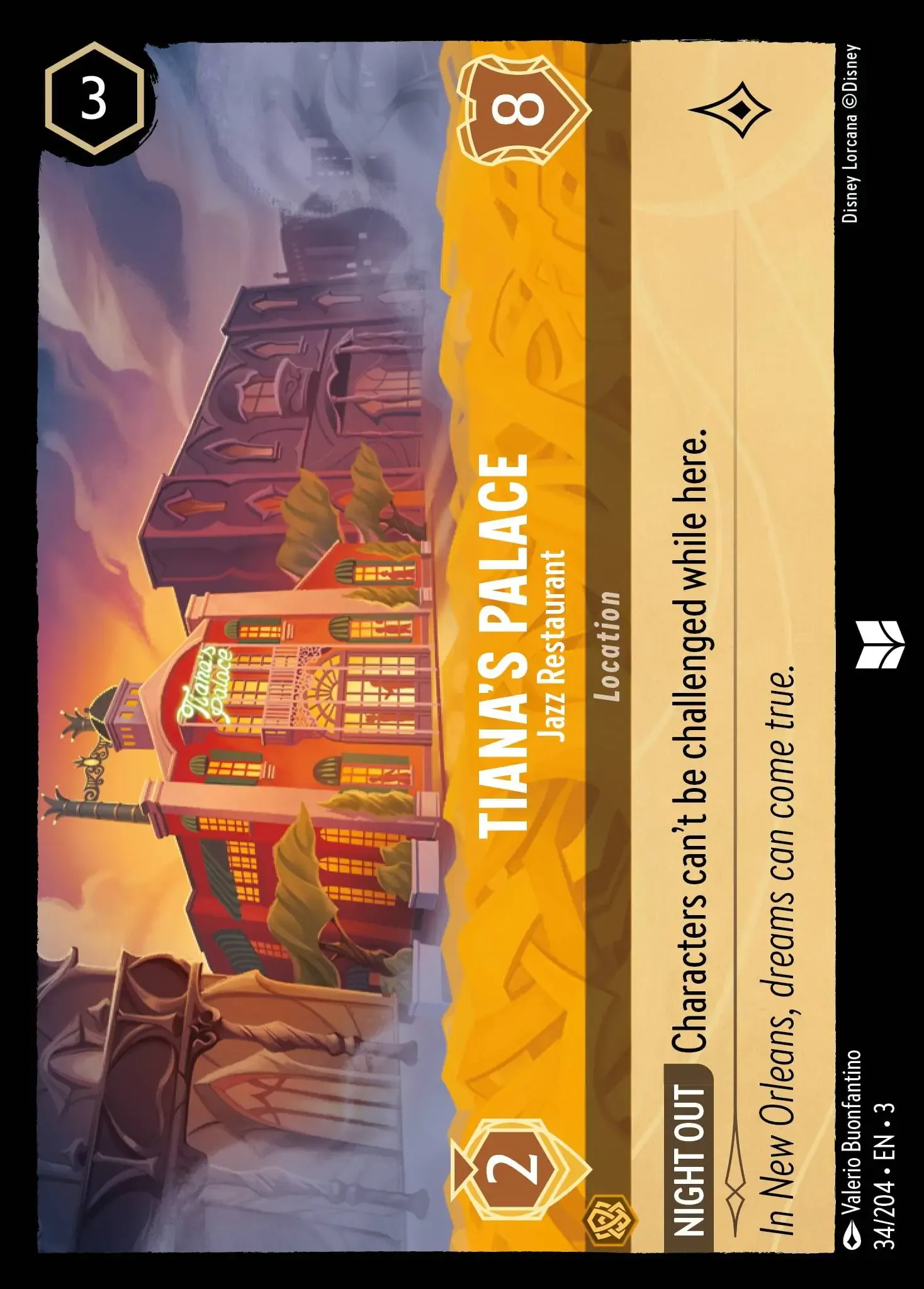
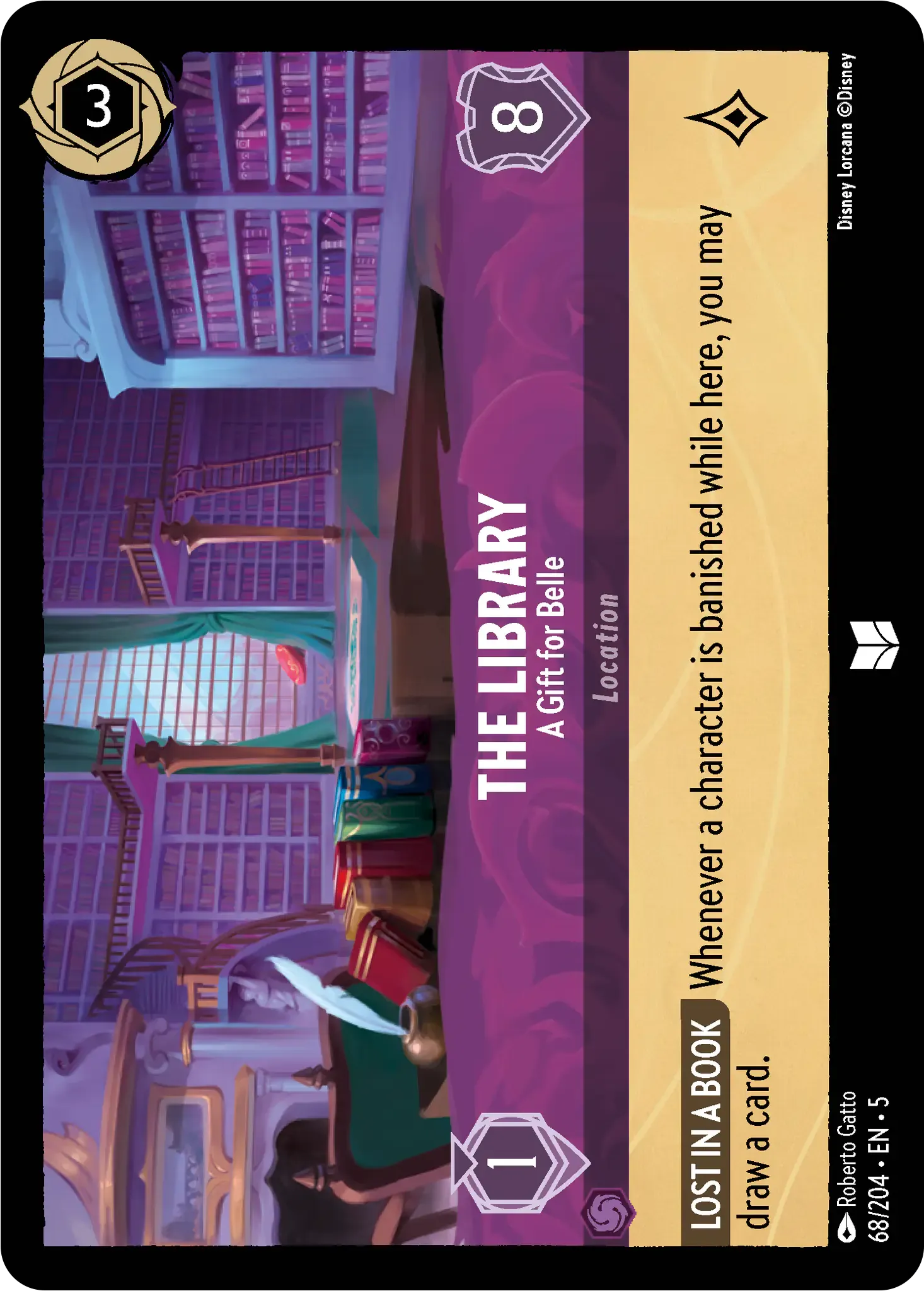
Locations with high Willpower. Locations like Great Stone Dragon, the Cave of Wonders, and various others present high-Willpower targets that opponents have to attack or ignore. Attack them, and they're spending turns not racing you; ignore them, and you may quest at the location yourself for extra lore.
-
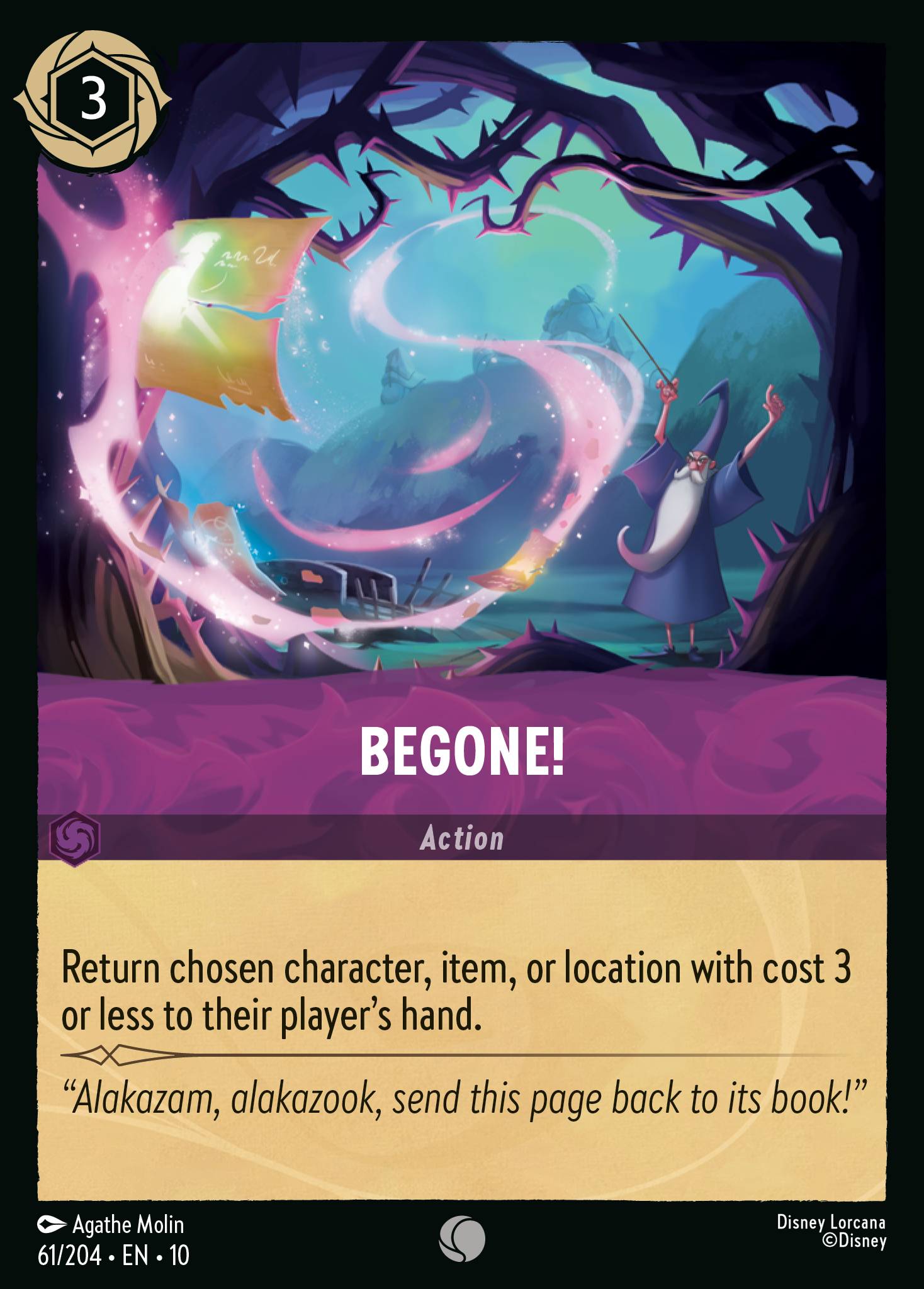
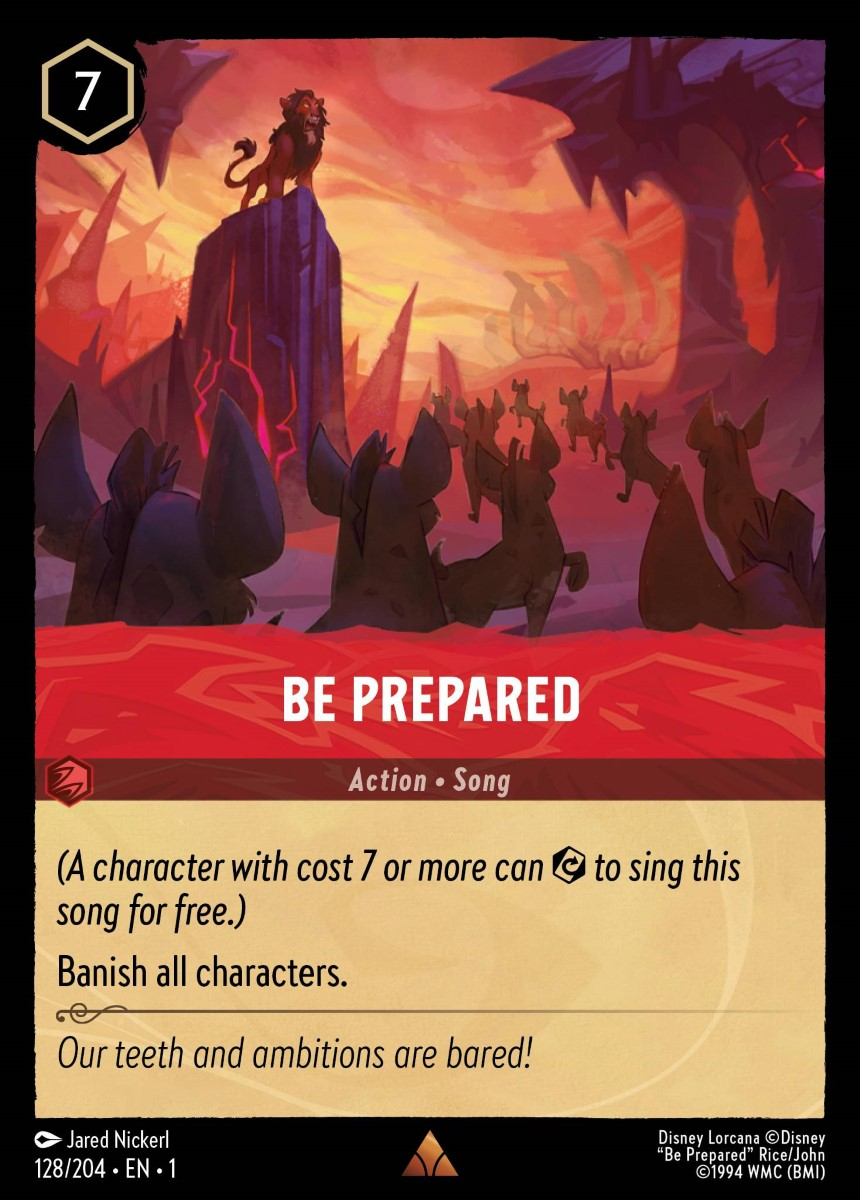
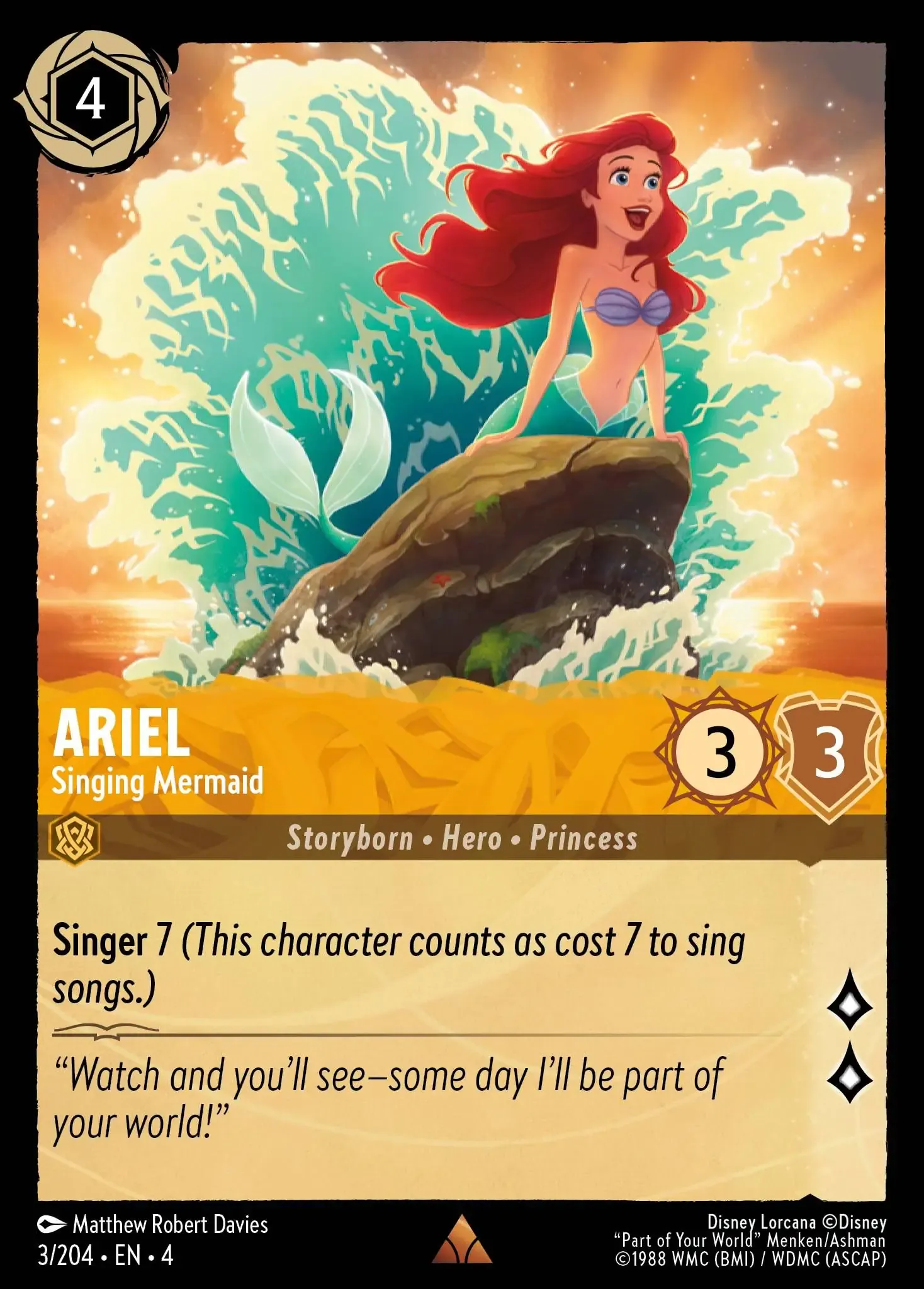
Removal Songs. Songs like Be Prepared (banishes all characters), Grab Your Sword (deals damage to all characters), and various ink-cost-discounted Songs are anti-aggro gold. They cost less than the cards they answer and clear multiple problems at once. Singers (characters that count as having higher cost for Song-singing purposes) make these even more efficient.
- Lifegain... that doesn't exist in Lorcana. Worth noting: Lorcana doesn't have a "life total" you can heal. There's no lifegain mechanic to bail you out against aggro. The closest analogue is character healing — effects that remove damage from your characters — which extends individual bodies' lifespans but doesn't undo aggro's lore total. Don't expect a healing engine to save you; expect interaction.
- Single-target Action removal. Cards that banish or return a specific character. Against aggro, you spend these on whichever questing character is generating the most lore, ideally before they get to quest more than once. Returning a character to hand (bounce) is often as good as banishing it, because the aggro player's hand-to-board pipeline is already strained.
Mulligan: The Most Important Decision
Lorcana's mulligan is generous — you replace any number of cards from your starting 7. Against aggro, you use it ruthlessly:
The Anti-Aggro Mulligan Rule
Keep cards costing 4 or less. Mulligan cards costing 5 or more unless you have a clear early curve and at least one inkable card to fuel turn 4. Your opening hand needs to do something on turns 2 and 3 — if it can't, you're already behind.
Specific things to mulligan for against aggro:
-
An early Bodyguard. A 2- or 3-cost Bodyguard on turn 2 or 3 is the single most valuable card you can have in the matchup. It immediately forces challenges away from your other developing pieces.
- Cheap interaction. A 2- or 3-cost removal Song, a cheap challenger with strong combat stats, or any card that lets you trade efficiently on turn 3.
- Enough ink. You need to be able to ink on turn 1 and turn 2. A hand with no inkable cards is an automatic mulligan. Even a hand with only one inkable card is dangerous — you'll fall off curve immediately.
- A turn-4 anchor. Ideally one mid-cost (4–5) defensive card that stabilizes the board: a high-Willpower character, a sweeper Song, or a Location. Knowing your turn-4 play is locked in lets you commit to interaction in turns 2 and 3.
A hand with three 6-cost cards and no early plays is a snap mulligan against aggro, even if those 6-cost cards are individually strong. You won't live to cast them.
Turn-by-Turn Game Plan
A typical anti-aggro game flow, with the decision tree at each stage:
- Turn 1: Ink and assess. Put your weakest inkable card into the inkwell. If you have a 1-cost character that can quest, deploy it; otherwise pass. The opening turn is rarely decisive against aggro — this is your one "free" turn before pressure arrives.
- Turn 2: Deploy something. Anything. A 2-cost body on turn 2 is mandatory. Even if it's not a Bodyguard, even if it doesn't quest efficiently, you need a body on the table to threaten challenges and absorb attacks. Skipping turn 2 against aggro is essentially conceding the game.
- Turn 3: First inflection point. By now your opponent has 2–3 cheap bodies on the board. You have two choices: (a) challenge one of their exerted questers with your turn-2 body and develop a new threat, or (b) develop a turn-3 Bodyguard or removal piece. Choice (a) is usually correct — trading a body for theirs and keeping pace.
- Turn 4: The stabilization turn. This is where you cast your sweeper Song, your Bodyguard, or your big stabilizer. If your turn 4 doesn't meaningfully slow your opponent down, you're going to lose. Commit fully to defense here; you can always quest more later.
- Turn 5: The pivot. If you've stabilized, this is the turn you start questing yourself. Your bigger characters now outvalue their cheap questers. If you haven't stabilized, this is the last turn you can find a hail-mary removal effect to survive. The next two turns decide the game.
- Turn 6–7: Endgame. If you're alive, the game is yours to lose. Aggro's resources are spent; your bigger characters dominate. Quest, challenge their exhausted board, and close out. If you're dead by now, look back at turn 4 — that's almost always where the game was decided.
Race or Stabilize: Knowing Which
There's exactly one situation where the right play against aggro is to also play aggro: when you're already playing an aggressive deck and your opener is faster than theirs. In every other case, you stabilize.
Race When...
- You're playing an aggro deck yourself.
- Your opener has 3+ early questers and they don't.
- You're ahead on lore by turn 4 and they're tapped out.
- They've used their removal and your remaining characters are safe.
Stabilize When...
- You're playing midrange or control.
- They have 3+ characters on the board and you have 1.
- Your hand contains expensive answers that need time.
- You're behind on lore and the gap is widening.
The mistake new players make is racing in the second column. They see lore on the board and assume they need more lore, when what they actually need is fewer of their opponent's characters questing. Lore your opponent doesn't accumulate is worth twice as much as lore you do accumulate, because it doesn't pull you off your interactive game plan.
Common Anti-Aggro Mistakes
Mistake #1: Trying to out-race aggro with midrange.
If you're playing a midrange deck and you see your opponent questing aggressively, the instinct is to quest harder yourself. This is almost always wrong. Their curve compounds faster than yours; you'll lose the race even if your individual cards are stronger. Stop questing, start interacting, and the game shifts in your favor by turn 6.
Mistake #2: Holding removal for "a better target."
Against control decks, holding a removal spell for the right moment is correct. Against aggro, every turn you don't cast your removal is another 2–3 lore your opponent collects. Cast removal on the most efficient questing target available, even if it's a 2-cost character. Aggro doesn't run threats you should "save for" — every threat is the threat.
Mistake #3: Inking your removal because "it's the best inkable card."
Removal that costs more than its inkable value is still worth more in hand against aggro than in the inkwell. Don't ink a sweeper Song just because it has the highest cost on your inkable list — you need to cast it, not feed it to the inkwell. Ink expensive non-defensive cards instead.
Mistake #4: Forgetting that Locations don't quest themselves.
Locations are great defensive tools, but they don't generate lore on their own — you have to quest your characters at the Location to convert their lore-generation ability. Against aggro, the Location's main job is to soak attacks, but if you have a moment of safety, remember to put a character on the Location to start ticking lore.
Mistake #5: Conceding the race mentally too early.
When your opponent has 12 lore on turn 4 and you have 2, it feels hopeless. But aggro decks routinely run out of steam between turns 5–7, and a well-timed sweeper or a single big stabilizer can reverse a game that looks already lost. Don't surrender mentally before the math says it's over — play to your outs.
FAQ & Quick Reference
- Should I sideboard against aggro in best-of-three? Yes — if your deck has flex slots or you're playing a format with sideboards. Bring in more cheap interaction, more Bodyguards, more sweepers; take out expensive payoff cards and slow card-draw engines that don't matter if you die on turn 6. In best-of-one, you can't sideboard, but knowing the aggro plan still informs how you mulligan.
- What if my deck has zero good anti-aggro tools? Then you're going to lose the matchup more often than you win, and that's a deckbuilding problem, not a play problem. Every competitive Lorcana deck needs at least a small package of cheap interaction and at least one Bodyguard or stabilizing Location. If your deck has neither, add some — or pick a different deck for events you expect to face aggro at.
- Is going second worse against aggro? Slightly, yes. Going second gives you one less turn to develop before their pressure starts. But the asymmetry is smaller than people think — you get to see their turn-1 play before deciding what to ink, which helps your turn-2 development. Don't panic-mulligan a marginal hand on the draw; just accept that you'll be playing tighter.
- How do I know if my opponent is on aggro before seeing all their cards? Several tells: their turn 1 ink was a 1-cost character (or no character at all but they look ready to ink something on turn 2), they play multiple cheap characters per turn, they quest aggressively rather than holding back for blockers, and their color combination matches a known aggro shell (Amber/Emerald, Amethyst/Steel, Ruby splashes). By turn 3 it's almost always obvious.
- What if they're not actually aggro but they look like aggro early? This happens with tempo midrange decks. The early game looks identical — cheap characters, lots of questing — but by turn 5 they transition to bigger threats. The anti-aggro plan still works in the early game; just be ready to switch to a regular midrange game plan if their turn 5+ shows they're not actually aggro. The first few turns of correct play don't punish you against either archetype.
- Aggro's plan: race to 20 lore by turn 6–7 with cheap, efficient questers.
- Don't out-race: their curve compounds faster than yours unless you're also aggro.
- Trade aggressively: every aggro character removed = 6–10 lore removed from the game.
- Toolkit: Bodyguard, Ward, Resist, Locations, removal Songs, single-target removal.
- Mulligan: keep cards costing 4 or less; ditch hands with no early plays.
- Turn 4 = the stabilization turn: if your turn 4 doesn't slow them down, you lose.
- Current meta aggro: Amber/Emerald Aggro, Amethyst/Steel Aggro, Ruby splashes (May 2026).
- If you reach turn 7 alive: the game is yours to lose.
Stop Racing, Start Interacting.
Beating aggro in Lorcana isn't about having more lore than them — it's about letting them have less lore than they planned for. Every aggro character you remove is multiple turns of lore deleted from the game. Every Bodyguard you deploy is a turn of their attacks wasted on the wrong target. Every removal Song you cast is two or three of their early questers vanishing at once. Master those tools, develop the habit of trading aggressively, and you'll find that the matchup people complain about as "unwinnable" is actually one of Lorcana's most rewarding to play correctly.
© GEEKYDOMAIN.COM | Strategy Powered by Data