

Lorcana Grading Guide 2026: PSA vs. BGS vs. The Market
You pulled an Enchanted. Now what? An honest financial breakdown of submission costs, turnaround times, and the real-world liquidity of PSA 10s versus BGS Black Labels — with 2026's grading shake-up factored in.
So you finally beat the brutal pull rates, ripped open a pack of Wilds Unknown, and pulled an Enchanted Woody or Merida in the set's gorgeous Lore Nouveau style. After your hands stop shaking and you double-sleeve it, the inevitable question hits: where do I send this thing to get graded? In the modern Disney Lorcana market, your choice of grading company is the difference between a fast, premium sale and watching your card sit on eBay for months with no bids.
The trading card community has argued PSA (Professional Sports Authenticator) versus BGS (Beckett Grading Services) for decades. Lorcana adds its own headaches: Ravensburger's cold-foil printing is notoriously prone to print lines and edge whitening straight out of the pack. Send a flawless card to a lenient grader and you leave money on the table; send a slightly flawed card to a strict one and you can tank its value entirely.
This guide cuts through the tribalism: the 2026 pricing reality (including PSA's mid-year restructuring), current turnaround times, and the return on investment between PSA's red label and Beckett's coveted Black Label. One important note up front — grading pricing and turnaround are changing fast in 2026, so treat every figure here as a current-as-of-writing snapshot and confirm the latest numbers on each grader's official page before you submit.
2026 Reality Check: PSA Paused Its Cheap Tiers
As of this writing, PSA has paused all four of its Value service tiers (Value Bulk, Value, Value Plus, Value Max) — effective June 2, 2026 — to clear a submission backlog. The cheapest PSA tier currently open is Regular at $79.99 per card. If you read older guides quoting a "$24.99 bulk" tier, that option isn't orderable right now. Plan around the tiers actually available, and re-check PSA's service page before submitting, since they've signaled tiers may reopen as the backlog clears.
→ Related Reading
In This Guide
- → 1. PSA: The King of Market Liquidity
- → 2. The PSA Upcharge Trap
- → 3. BGS: The Subgrade Gamble
- → 4. The 9.5 Purgatory
- → 5. The Black Label: The Multiplier
- → 6. Lorcana Specifics: Cold-Foil Print Lines
- → 7. The 2026 Cost & Turnaround Table
- → 8. PSA Pricing, After the Pause
- → 9. BGS & CGC Pricing
- → 10. Getting It There Safely
- → 11. The Verdict: Where to Send Your Enchanted
1. PSA: The King of Market Liquidity
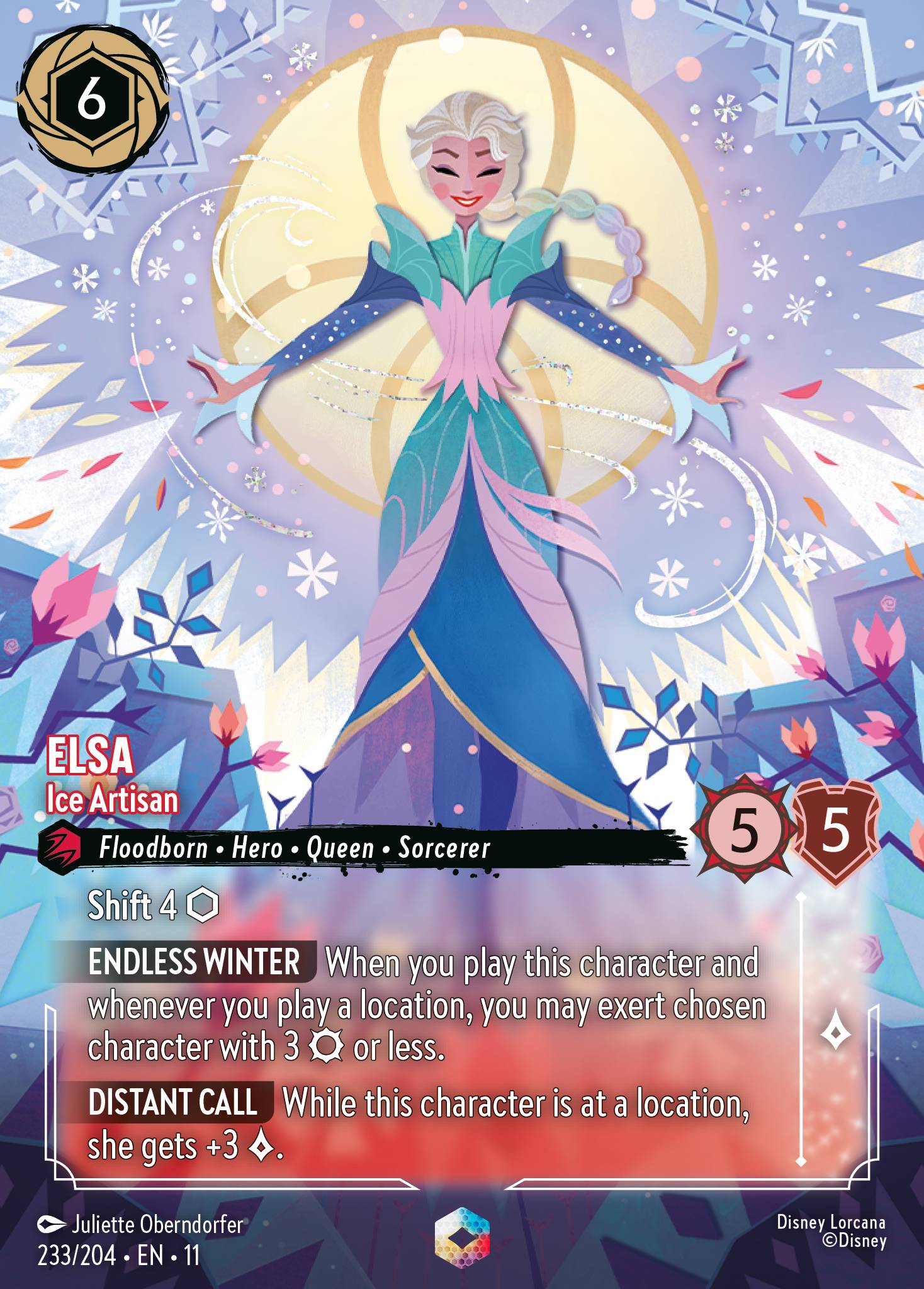
Let's not sugarcoat it: if you want to sell your Lorcana card fast and for a premium, PSA is the default answer. High-end collectors love to debate whether PSA's slabs feel "cheap" next to Beckett's bulky cases, but the financial data doesn't care about aesthetics. PSA 10s move faster, and with less friction, than anything else on the market — though whether the premium justifies the fee is its own question, one we dig into in the Lorcana PSA 10 grading trap.
PSA uses a simple 1-to-10 integer scale — no half-points at the top end. Part of why it's so popular for modern TCGs is a slightly more forgiving path to a "Gem Mint 10" than Beckett's, at least on centering.
Here's the nuance worth getting right, because a lot of guides state it backwards: PSA's published Gem Mint 10 standard is roughly 55/45 centering on the front, while its Mint 9 allows about 60/40 front plus one minor flaw. So a card that's a hair heavy on one border isn't automatically a 10 — but PSA's overall tolerance for a tiny imperfection on an otherwise flawless card is more forgiving than Beckett's four-subgrade microscope, which is the real reason modern submitters lean PSA.
2. The PSA Upcharge Trap
PSA offers the best liquidity, but its pricing model can catch you off guard. PSA charges based on the declared value of the card — your estimate of what it's worth after grading — and each service tier has a declared-value ceiling.
Submit a raw card under a tier with a low ceiling, and if the grader hands it a 10 that spikes the market value past that ceiling, PSA can flag the submission and bill an "upcharge" to move it to the correct tier before releasing your slab. The grade doesn't change — it's strictly a pricing adjustment — but it's a real surprise-cost to budget for on any borderline-valuable card.
The 2026 Upcharge Reality
With PSA's Value tiers paused, the entry point is the Regular tier at $79.99, which carries a declared-value ceiling around $1,500. A single Enchanted from Wilds Unknown that grades a 10 will usually sit comfortably under that ceiling — but a genuine monster hit that clears $1,500 after grading can still trigger an upcharge into Express or higher. The lesson is unchanged even with the new pricing: estimate your post-grade value honestly, and leave room in your budget in case a great grade pushes you up a tier.
3. BGS: The Subgrade Gamble
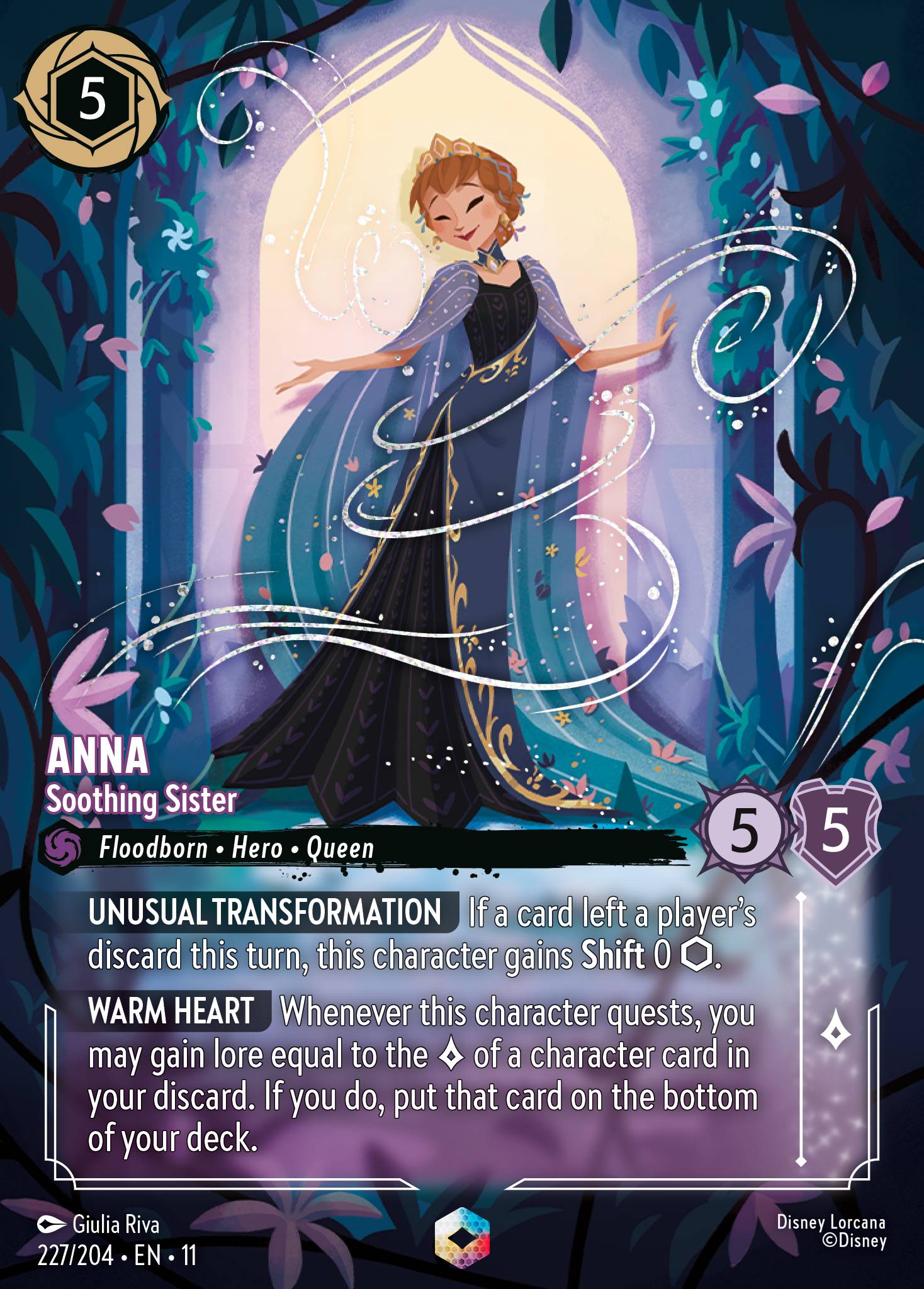
If PSA is a reliable, slow-growth index fund, Beckett Grading Services is high-stakes options trading. BGS is known for two things: thick, premium, UV-resistant slabs, and a brutally strict subgrade system. When you submit to BGS, your card is scored on four separate metrics — Centering, Corners, Edges, and Surface — and the final grade is capped by its weakest link.
That four-subgrade scrutiny is a double-edged sword. On a truly flawless card it produces the most respected slab in the hobby. On a card with even one soft spot, it exposes the flaw in print, right on the label, for every future buyer to see — and that transparency is exactly what makes the middle grades so financially awkward.
4. The 9.5 Purgatory
Here's the financial truth about Lorcana and BGS: the secondary market often treats a BGS 9.5 as a disappointment. The gold label literally reads "Gem Mint," but because a 9.5 implies at least one subgrade came in at a 9 (commonly centering or surface), buyers routinely discount them. You'll frequently see BGS 9.5 Lorcana cards sell for meaningfully less than their PSA 10 counterparts — often in the range of 10–20% depending on the card and demand.
So if you send an Enchanted Cinderella to Beckett, wait two months, and it returns a 9.5, you may have come out behind versus simply sending it to PSA — more grading risk for a worse expected sale price. Which raises the obvious question: why submit Lorcana to Beckett at all? There's one answer that makes the whole gamble worth it.
5. The Black Label: The Multiplier
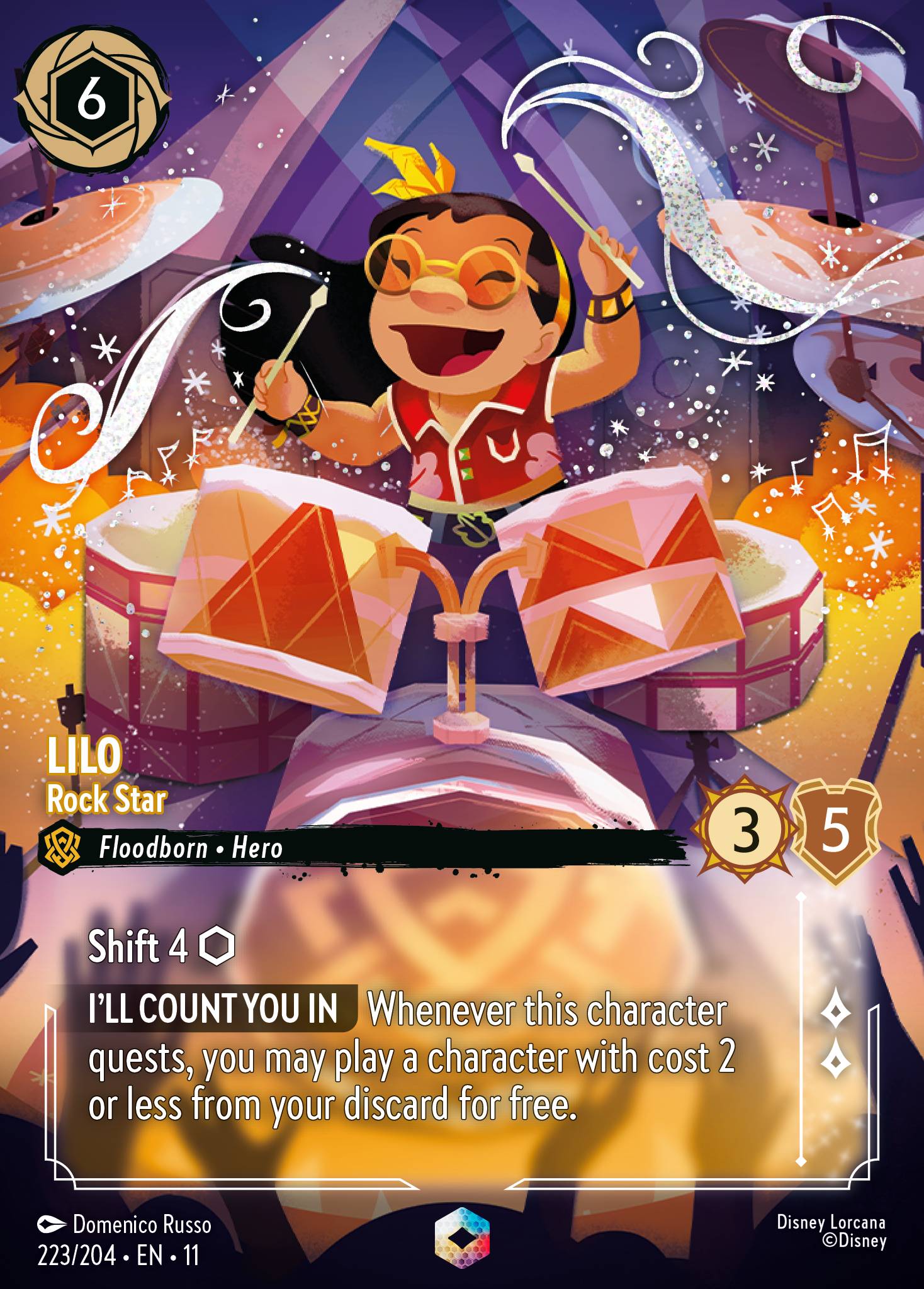
The reason is the BGS Black Label — a pristine 10, meaning a perfect 10 across all four subgrades: Centering, Corners, Edges, and Surface. It's the hardest grade to earn in the hobby, and for a chase card it can command a dramatic premium over an equivalent PSA 10, because the population of true Black Labels on any given card is often tiny.
That's the entire case for sending Lorcana to Beckett: not the 9.5, not the ordinary 9, but the swing for a Black Label on a card you genuinely believe is flawless. It's a high-risk, high-reward bet. Hit it, and you own one of the most desirable versions of that card in existence. Miss by a single subgrade and you're holding a 9.5 that sells for less than the PSA 10 you could have had.
The practical rule: only gamble on the Black Label when a card is, to your honest eye under good light, immaculate — and even then, understand you are paying more and waiting longer for a shot that misses more often than it lands. For anything less than flawless, PSA is the mathematically safer play.
6. Lorcana Specifics: Cold-Foil Print Lines

The biggest obstacle to grading Lorcana is Ravensburger's manufacturing process. To make Enchanted cards pop, they use a cold-foil technique across the whole face of the card. It looks incredible under a ring light, but from a grading perspective it's unforgiving: cold foil is highly sensitive to factory roller marks.
Tilt a fresh Enchanted under harsh light and there's a real chance you'll spot faint vertical or horizontal print lines running through the foil — factory artifacts, not handling damage. PSA will sometimes overlook a very faint print line and still award a 10 if the rest of the card is clean. Beckett shows far less mercy: a single visible print line can drop your Surface subgrade to a 9 and end any Black Label hope on the spot.
Lorcana cards also frequently suffer edge whitening — tiny chips of exposed cardboard on the back borders, straight out of the pack. If you're even considering BGS, examine the back edges under a loupe first — the same close inspection that helps you spot a counterfeit Lorcana card. If you see white, send it to PSA. For a deeper primer on assessing raw condition before you ever pay a grading fee, our card conditions guide walks through what graders actually penalize.
7. The 2026 Cost & Turnaround Table
Here's the current landscape at a glance. These are approximate, current-as-of-writing figures for the cheapest practical entry point at each grader — all three are actively adjusting pricing and turnaround in 2026, so confirm live numbers before submitting.
| Grader | Cheapest Open Tier | Est. Turnaround | Best For |
|---|---|---|---|
| PSA | Regular, ~$79.99 (Value tiers paused) | ~40–50 business days | Fastest liquidity; flipping a 10 |
| BGS | Base ~$18, or ~$22–25 with subgrades | Volatile; often 60+ days | Black Label swing on flawless cards |
| CGC | Bulk ~$14–15 | Historically fast, but backlogged in 2026 | Cost-conscious personal collection |
Approximate figures as of writing. Grading fees, declared-value caps, and turnaround times are changing frequently in 2026 — always confirm current numbers on each grader's official service page before submitting.
8. PSA Pricing, After the Pause
You aren't just paying for a plastic slab — you're paying for the time your money is locked in a warehouse. If a new Lorcana set drops and you pull the chase card on release weekend, waiting months for grading can mean missing the release-window hype spike entirely.
For most of early 2026, PSA's cheap "Value" family (Value Bulk and up) was where bulk Lorcana submissions lived. That changed on June 2, 2026, when PSA paused all four Value tiers to clear a backlog. As of this writing, the cheapest open PSA tier is Regular at $79.99 per card, with a declared-value ceiling around $1,500 and an estimated turnaround in the neighborhood of 40–50 business days — roughly two to two-and-a-half calendar months.
If you need a card back faster, PSA's Express-level service returns slabs more quickly (around 15 business days) at a higher per-card fee and a higher declared-value ceiling — worth it when you're racing a reprint or a hype window on a genuinely valuable hit. The strategic takeaway hasn't changed, only the numbers: at $79.99 as the floor, the math on submitting a borderline card is harsher than it was under the old bulk pricing, so be more selective about what you send. PSA has said it plans to reopen the paused Value tiers as its backlog improves, so check the current service page before you build a submission.
9. BGS & CGC Pricing
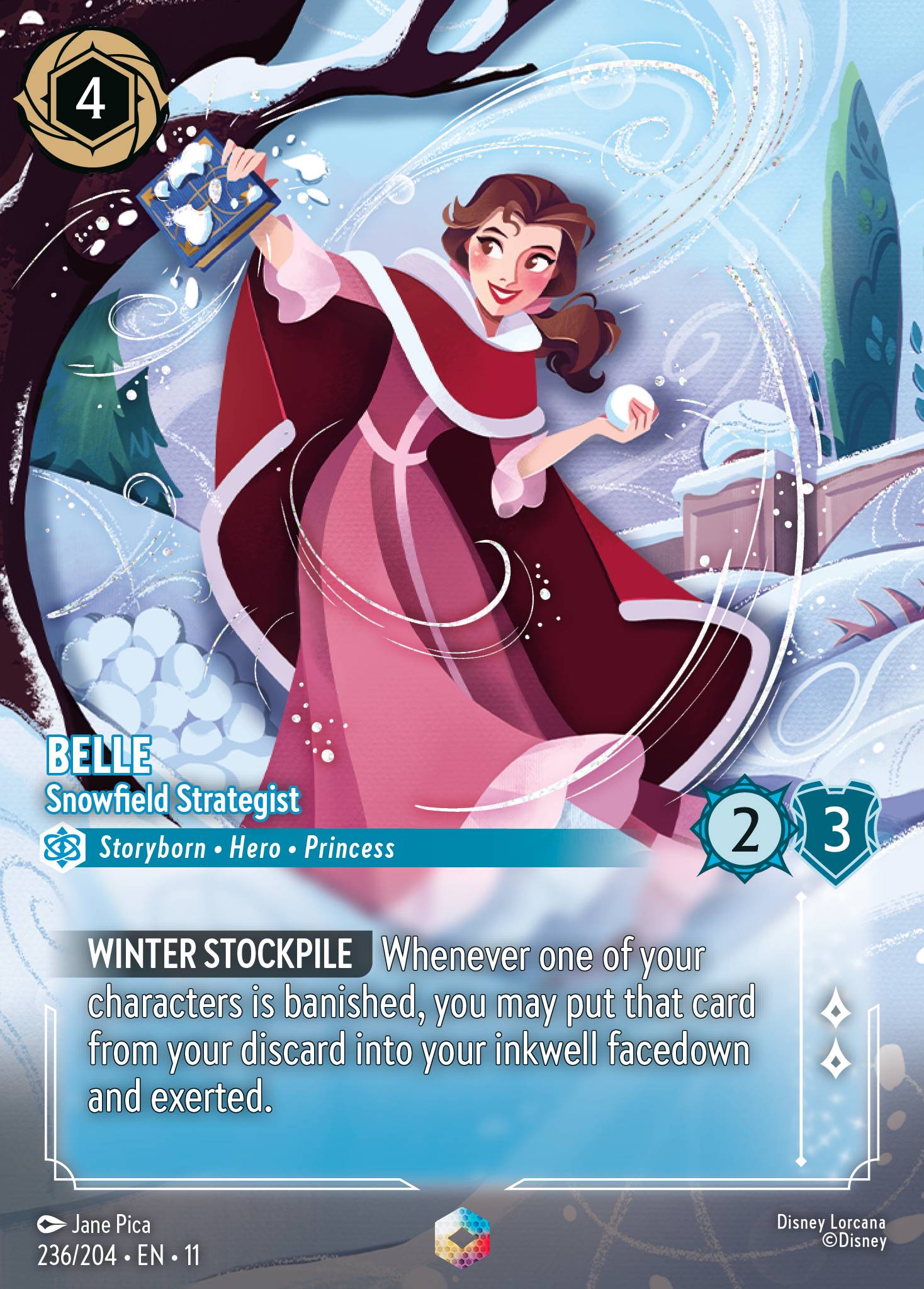
Beckett's pricing has a psychological trap built in. At first glance the Base tier looks competitive — often around $18 per card — but that price does not include subgrades. Submitting BGS without subgrades is usually a mistake: the entire appeal of a Beckett slab is those four visible scores, and a subgrade-free slab makes buyers assume you're hiding a weak number. Once you add subgrades, the Base tier typically climbs to around $22–25 per card, landing in the same neighborhood as PSA's older bulk pricing. BGS turnaround is historically volatile and can easily run 60 days or more, and chasing a fast Black Label return means paying up for a Priority-level service that can run well over $100 per card.
CGC (Certified Guaranty Company) is the third major player and, on paper, the logistics winner: bulk tiers are often the cheapest of the three (frequently around $14–15), and CGC has aggressively modernized its TCG division with sleek black-and-gold labels and crystal-clear slabs. The catch is twofold — market liquidity and, in 2026, turnaround. The Lorcana community still leans on the red PSA label for standard "Gem Mint" sales, so CGC 10s don't always capture the same premium; and CGC's turnaround, historically its selling point, has also come under backlog pressure this year. For a personal collection, CGC is the cost-effective, great-looking choice. To flip into the deepest, most liquid market, PSA is still the safe pick — the market hasn't fully priced CGC at parity for Disney assets yet.
10. Getting It There Safely
Picking the right grader is wasted effort if the card arrives damaged. Everything this guide warns about — edge whitening, surface marks, soft corners — can just as easily happen in transit as at the factory, and a crease that develops in the mail costs you the exact grade you're paying to chase. Packing a submission properly is part of the grading decision, not an afterthought.
The core method is the same one that protects any valuable single, covered in depth in our storage and protection guide, done carefully: penny-sleeve the card first, then seat it in a rigid toploader or card saver, and tape the top of the holder closed so the card cannot slide out if the package is squeezed. For the trip itself, build a "cardboard sandwich" — the sleeved-and-toploaded card between two pieces of rigid cardboard, taped into a bundle so nothing shifts — then into a bubble mailer or, better, a small rigid box. Ship tracked, and insure anything above bulk value — the same tracked-vs-untracked logic from our PWE vs tracked shipping guide applies with even more weight when a slab is on the line. If you're prepping a whole batch, separate each toploader so they can't grind against each other over the journey.
On gear, submitting for grading has different requirements than mailing a single to a customer. PSA and the other graders require cards to ship in semi-rigid card savers (not toploaders) for intake, so a pack of those is the one non-obvious must-have — a 200-count runs about $15. Beyond that: a roll of reliable packing tape, rigid cardboard for the sandwich, a small sturdy box rather than a flimsy mailer, and a full USPS shipping label (a 4×6 thermal label or a half-sheet you print at home) with tracking and insurance selected at checkout. That's the applicable kit — nothing fancy, but each piece is chosen for the submission process specifically, not borrowed from a different shipping workflow.
Before You Ship The Submission
The kit above in one place: semi-rigid card savers for intake (graders will not take a toploader) and the 30x loupe for checking cold foil and back borders before you pay a fee. Add penny sleeves and a 6x9 bubble mailer for the trip out. The eBay search is comps, not a buy button — see what PSA 10 and BGS slabs of Lorcana Enchanteds have actually sold for before you pick a grader.
As an Amazon Associate, Geeky Domain earns from qualifying purchases. eBay links are affiliate links; Geeky Domain may earn a commission at no extra cost to you.
11. The Verdict: Where to Send Your Enchanted
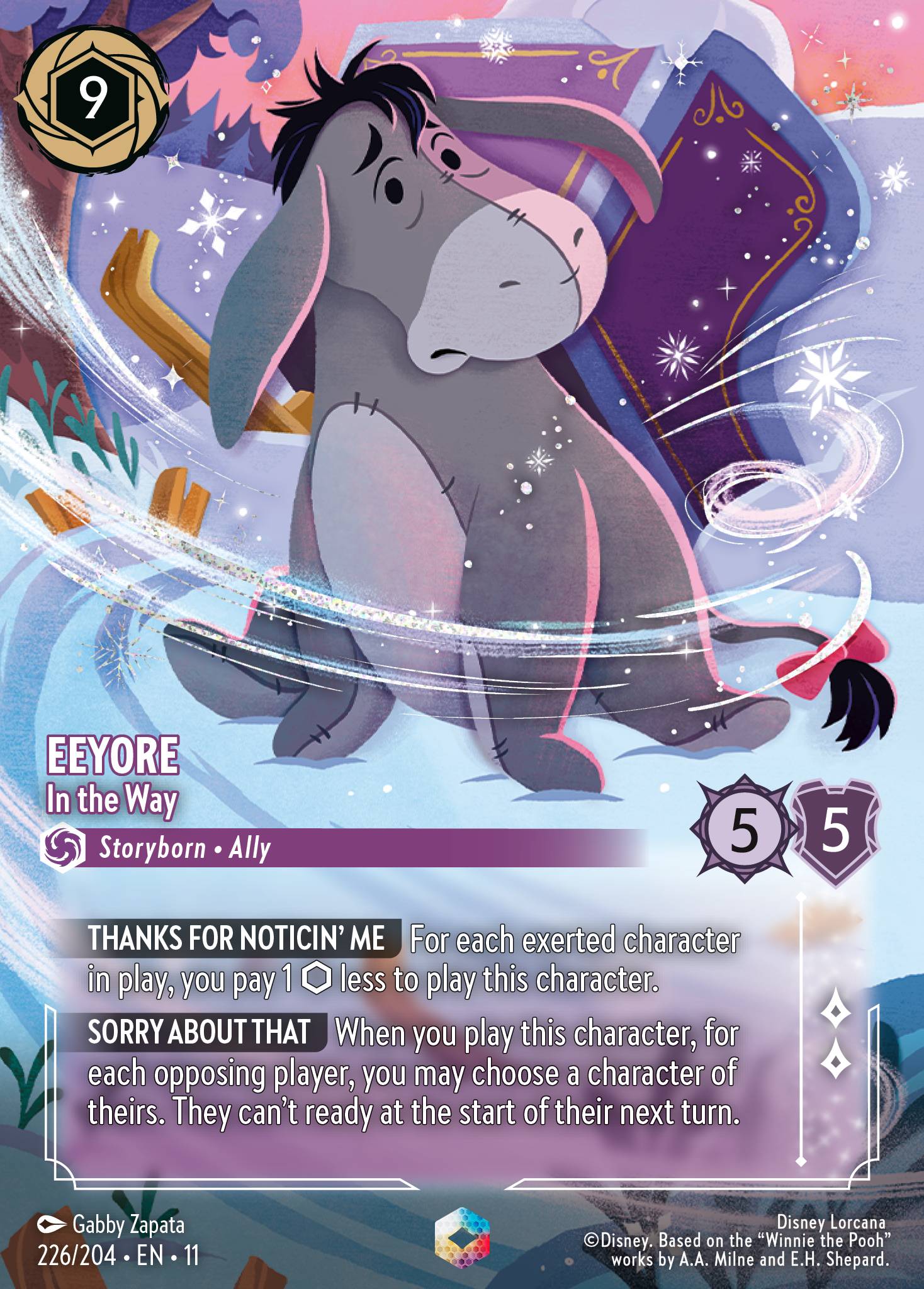
Follow the Money.
Simple version. If your goal is to flip the card to fund your next booster box, send it to PSA. The liquidity of a PSA 10 is unmatched, and PSA's tolerance for a tiny imperfection gives you a strong shot at the 10 even when centering is slightly off. A BGS 9.5 will more often sit while buyers lowball you.
If you pulled an Enchanted that is genuinely flawless under a loupe — no print lines on the cold foil, sharp corners, clean edges, dead-centered — then the BGS Black Label is the swing worth taking. Just respect the odds: one soft subgrade drops you to a 9.5 and erases the premium you were chasing.
And whatever you choose, budget for 2026's reality — PSA's cheap tiers are paused, turnaround is slower across the board, and every figure moves fast. Confirm current pricing before you ship, and never submit a borderline card hoping the fee math works out. For a broader side-by-side beyond Lorcana, see our PSA vs BGS vs CGC comparison.
Master the Lorcana Market:
© GEEKYDOMAIN.COM | Strategy Powered by Data