

Card Conditions Defined: NM, LP, MP, HP & DMG
What the five condition grades actually mean — and why they decide what every ungraded card is worth.
Buy or sell a single online and you'll meet five little abbreviations attached to the price: NM, LP, MP, HP, and DMG. They're not arbitrary — they're a shared language for describing how worn a card is, and they directly determine what it sells for. The same card can swing dramatically in price depending on which of these letters sits next to it, so learning to read them (and apply them honestly to your own cards) is one of the most useful skills a collector or player can pick up.
This guide defines all five grades using the standard the hobby actually runs on — TCGplayer's Conditioning Guide, which most marketplaces and local shops follow. We'll cover exactly what each grade allows, where the lines between them fall, how to grade your own cards without fooling yourself, and how condition translates into price.
One thing up front: this is about raw, ungraded cards — the NM-to-DMG scale marketplaces use for loose singles. It's a completely different system from professional numeric grading (PSA, BGS, CGC and their 1–10 slabs), which we cover separately. Let's define the scale.
The Short Version
NM (Near Mint) = looks fresh out of the pack. LP (Lightly Played) = minor wear, no major flaws — where most played cards land. MP (Moderately Played) = clearly worn but intact, flaws visible to the naked eye. HP (Heavily Played) = heavy wear, still sleeve-playable. DMG (Damaged) = wear beyond all other grades — tears, water damage, ink, severe creasing. Each step down the scale means a lower price, so grading honestly protects both buyers and sellers.
In This Guide
The Condition Scale at a Glance
The five grades form a sliding scale from pristine to wrecked. Here's the whole spectrum in one view — from the full-price NM on the left to the deep-discount DMG on the right:
A useful mental shortcut: NM and LP are the "looks good" tier most buyers want, MP and HP are the "obviously played but usable" tier that players love for cheap deck pieces, and DMG is its own category for cards with real structural problems. Now the details.
Near Mint (NM)
The top raw grade · commands full market price
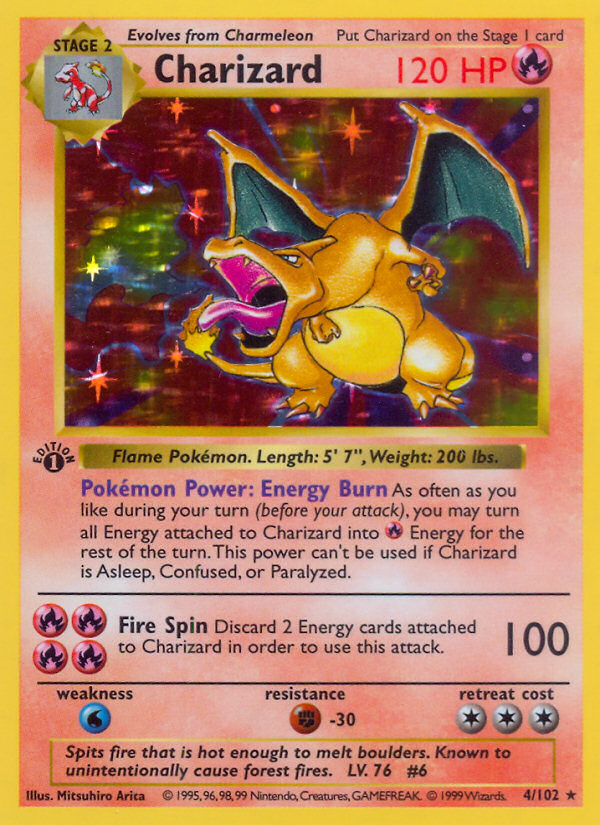
A Near Mint card shows minimal or no wear from play and handling. It looks essentially fresh out of the pack — an unmarked surface, crisp corners, and clean edges. The grade isn't reserved only for flawless cards, though: NM also covers cards with a few truly minor imperfections, like slight edge wear or a couple of small scratches, as long as the card overall reads as nearly unplayed with no major defects.
This is the condition most singles are priced at by default, and it's the benchmark every other grade is discounted against. For collectors, NM is usually the floor of what's worth keeping for the binder; for sellers, it's the grade that earns the listed price.
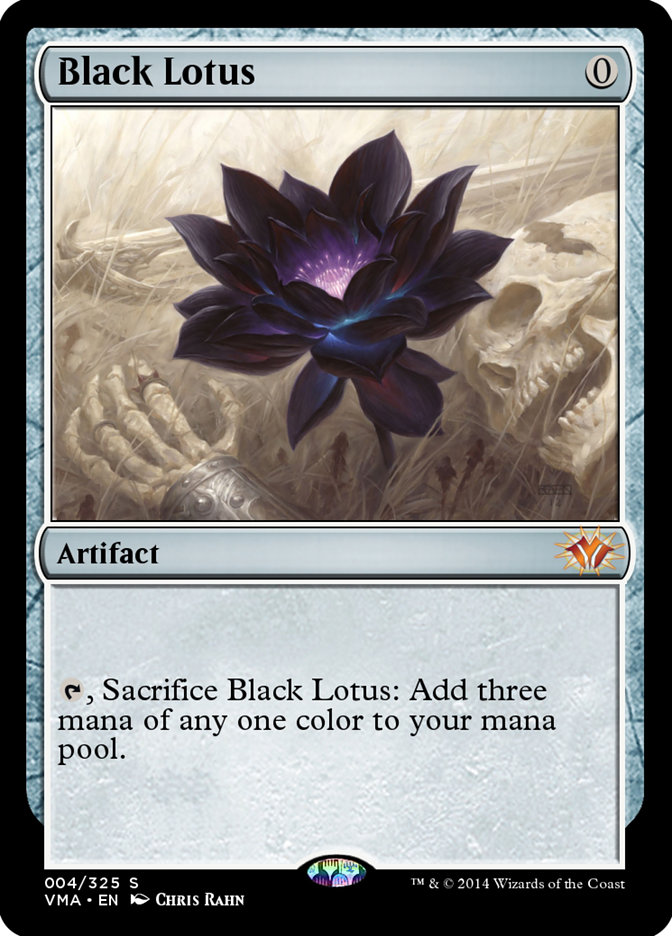
Foil note: foils are judged a little more strictly because they show wear more easily. A foil with visible clouding or fading on the face may drop below NM even if a non-foil with the same handling would still qualify.
Lightly Played (LP)
Minor wear, no major flaws · where most played cards land
Lightly Played cards have minor edge wear, scuffs, or small scratches, but no major defects — no bending, no grime, no structural problems. Noticeable imperfections are fine at this grade as long as none are too severe and there aren't too many of them. In practice, this is where the bulk of normally-played cards live: a card that's been in a deck, sleeved and shuffled with reasonable care, usually grades LP.
For buyers, LP is often the sweet spot — visually clean enough to look great in a deck, but discounted from NM. Many players deliberately buy LP to save money on cards they're going to sleeve and play anyway.
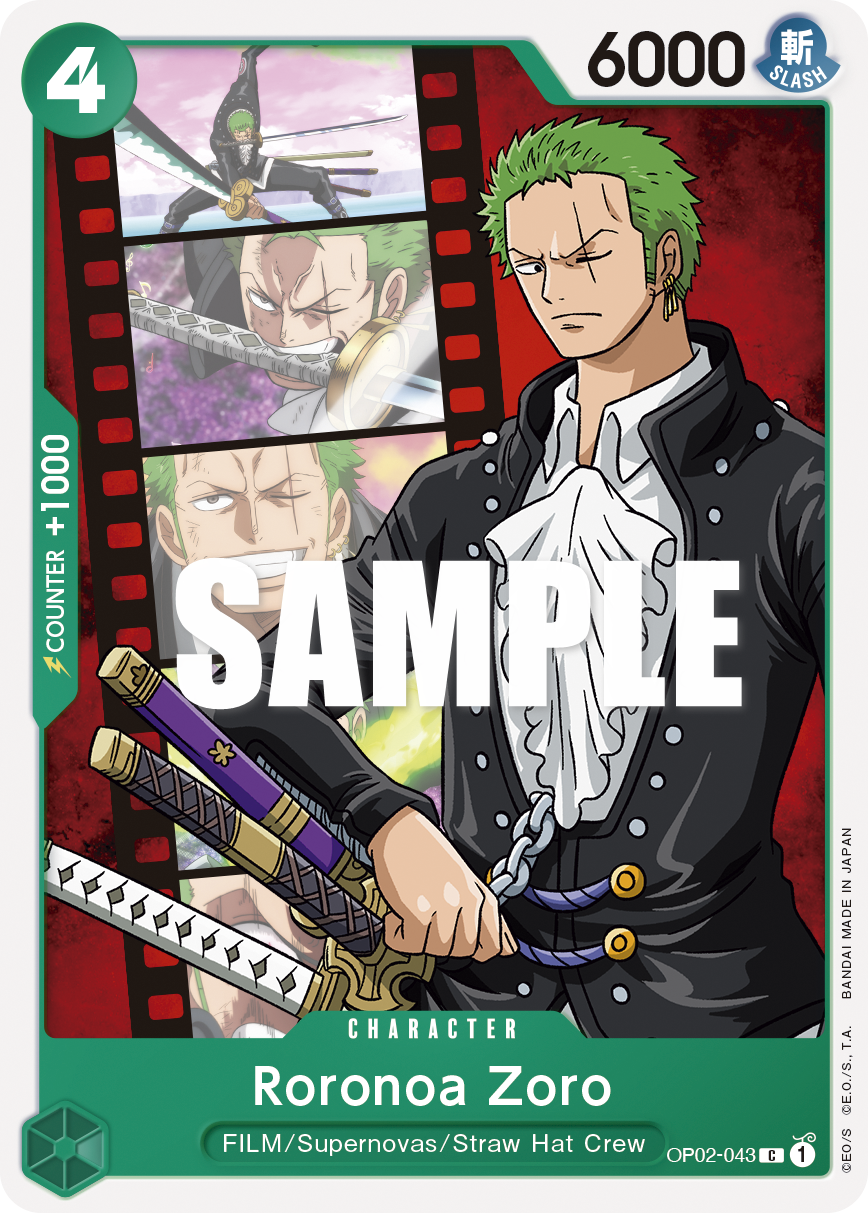
The NM/LP line: the practical difference is whether flaws are "barely there" (NM) or "present but minor" (LP). If you have to tilt the card under light to find the wear, it's likely NM; if the wear is visible at a glance but still small, it's LP.
Moderately Played (MP)
Clearly worn but intact · flaws visible to the naked eye
Moderately Played cards show moderate wear with flaws that are obvious to the naked eye. That can mean moderate border wear, mild corner wear, scratches, light creasing or fading, minor water exposure, light dirt buildup — or any combination of these. The key boundary: an MP card can have a crease or similar flaw as long as it doesn't compromise the card's integrity or how it handles and shuffles.
MP cards are noticeably discounted from NM, which makes them excellent value for players who only care about function. The card works perfectly well sleeved in a deck; it just won't win any beauty contests.
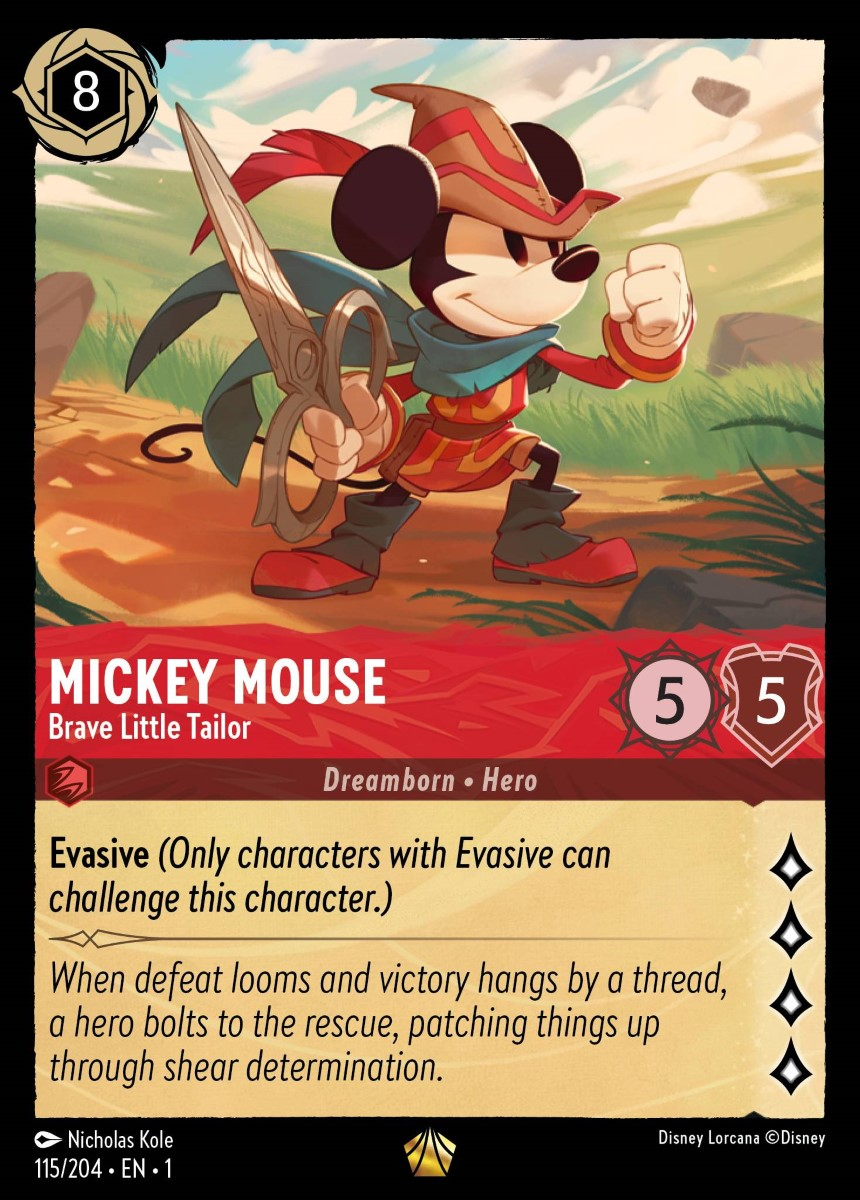
Buyer tip: for expensive staples you only need for play, MP can save you a significant amount over NM. As long as the card is sleeve-legal and not damaged, the discount is essentially free money for a deck-builder.
Heavily Played (HP)
Heavy wear, still sleeve-playable · the bottom of "usable"
Heavily Played cards exhibit extensive wear — frayed edges, heavy whitening, bends, and creasing are all common. An HP card can even have flaws that begin to affect the card's integrity, but the defining line is that it remains sleeve-playable: with a sleeve on, the card can still be used in a deck without standing out or becoming a marked card.
This is the deepest discount you'll find on a card that's still genuinely usable. For budget players chasing an expensive chase card purely to play, HP is often the cheapest legitimate way to get one. For collectors, HP is usually below the keeping threshold unless the card is rare or sentimental.
The HP/DMG line: the question is integrity. If heavy wear stops short of tears, holes, ink, or warping that affects play, it's HP. Once the damage crosses into "this card has a real structural problem," it becomes Damaged.
Damaged (DMG)
Wear beyond all other grades · the lowest condition
Damaged is the catch-all for any card whose wear or imperfections exceed every other grade's standards. That includes — but isn't limited to — tears, holes, major creases, water damage, heavy warping or bends, and any foreign substance or non-manufacturing ink on the surface. Notably, a signature counts as ink: an autographed card is technically Damaged by marketplace standards, even though autographs can add value in other contexts.
There's a second, less obvious path to DMG: certain manufacturing defects, like a bad miscut or significant printing shift, can drop an otherwise-perfect card to Damaged even with zero play wear — though some sellers list these separately as the condition the card would otherwise be.
Still has a use: DMG cards are the cheapest copies in existence, which makes them great budget placeholders for a deck or filler for a bulk collection — just don't expect them to hold collector value.
Why a Shared Scale Exists
It's worth understanding why the hobby standardized these grades, because it explains how to use them. Trading cards are bought and sold sight-unseen all day long — online, across the country, between strangers. Without a common vocabulary for wear, every transaction would be a negotiation about what "good condition" means, and disputes would be constant. The NM–DMG scale solves that by giving both sides the same reference points.
TCGplayer formalized the modern version of this scale, building defined imperfection thresholds with input from high-volume sellers, specifically to reduce subjectivity. Rather than relying on gut feeling, the standard measures the size and number of defects, which is why two careful graders usually land on the same grade for the same card. That consistency is what lets a marketplace price millions of cards fairly and lets you trust a listing you can't physically inspect.
The practical takeaway: when you grade or read a condition, you're not giving an opinion — you're applying a shared rulebook. The closer you stick to the standard definitions above, the more your grades will match what buyers, sellers, and shops expect, and the smoother every transaction goes.
How to Grade Your Own Cards
Grading your own cards fairly is a skill, and the most common mistake is being too generous — we all want our cards to be NM. A few practical habits keep you honest:
- Use good, raw light. Inspect under bright, direct light and tilt the card. Whitening on edges and corners, and scratches on foils, only show up when light rakes across the surface.
- Check all four corners and both surfaces. Corners and edges carry the most telling wear. Flip the card — back whitening is easy to miss and often decides NM vs. LP.
- Grade conservatively. When you're torn between two grades, pick the lower one. A buyer who receives a better card than expected is happy; the reverse gets you a return and a bad review.
- Photograph real wear when selling. For anything below NM or for pricey cards, clear photos of the actual card protect you and set accurate expectations.
Condition is also something you control going forward. Sleeving cards, storing them away from heat and humidity, and handling by the edges all preserve grade — which preserves value. Our storage and protection guide covers how to keep a NM card NM.
Raw vs. slabbed: this NM–DMG scale is for raw, ungraded cards. If a card is valuable enough that you're wondering whether to send it to PSA, BGS, or CGC for a numeric slab, that's a different decision — see Is Card Grading Worth It? and our PSA vs BGS vs CGC comparison.
Condition FAQ
How much does condition affect price?
A lot, and it compounds down the scale. NM sets the full price; LP typically sells at a modest discount, with MP, HP, and DMG dropping progressively further. For high-value cards the gap between NM and DMG can be enormous, which is exactly why honest grading matters.
Is "Mint" the same as Near Mint?
No. Mint and Gem Mint are pristine grades generally reserved for professionally graded cards and aren't sold as raw conditions on the main marketplaces — Near Mint is the top raw grade you'll see for ungraded singles.
Which condition should I buy?
If you're collecting or want the card to look its best, buy NM or LP. If you only need it to play, MP or even HP gets you the same functional card for less — as long as it's sleeve-legal. Match the grade to your purpose.
Shop Singles by Condition
Once you know which grade fits your purpose, you need somewhere to filter by it. The eBay searches below are set to played-condition copies, and TCGplayer labels every seller's copy on this same NM-to-DMG scale, so you can compare a Moderately Played price against the Near Mint one before you buy.
As an Amazon Associate, Geeky Domain earns from qualifying purchases. eBay links are affiliate links; Geeky Domain may earn a commission at no extra cost to you.
Are these grades the same for every game?
Yes — NM through DMG is a universal marketplace standard that applies to Magic, Pokémon, Lorcana, Gundam, Fusion World, and every other TCG. Foils and textured cards are judged a touch more strictly because they show wear more readily.
Is grading subjective?
There's some judgment involved, but far less than people assume — the major standards use defined imperfection thresholds to reduce guesswork. When in doubt, grade down and photograph; consistency and honesty matter more than squeezing into a higher tier.
Speak the Language, Trade Fairly.
Five letters — NM, LP, MP, HP, DMG — carry a surprising amount of weight in this hobby. They tell a buyer exactly what's arriving, tell a seller what their card is worth, and protect everyone from mismatched expectations. Once you can look at a card and place it on the scale honestly, you'll buy smarter, sell more confidently, and never overpay for wear you didn't notice.
And remember the practical edge hiding in the scale: the same card in MP or HP plays exactly as well as the NM copy for a fraction of the price. Condition literacy isn't just protection — it's one of the best budget tools a player has.
Keep Collecting Smarter:
© GEEKYDOMAIN.COM | Strategy Powered by Data