

Just because it's shiny and features Mickey Mouse doesn't mean it belongs in a plastic slab. The mathematical reality of modern grading.
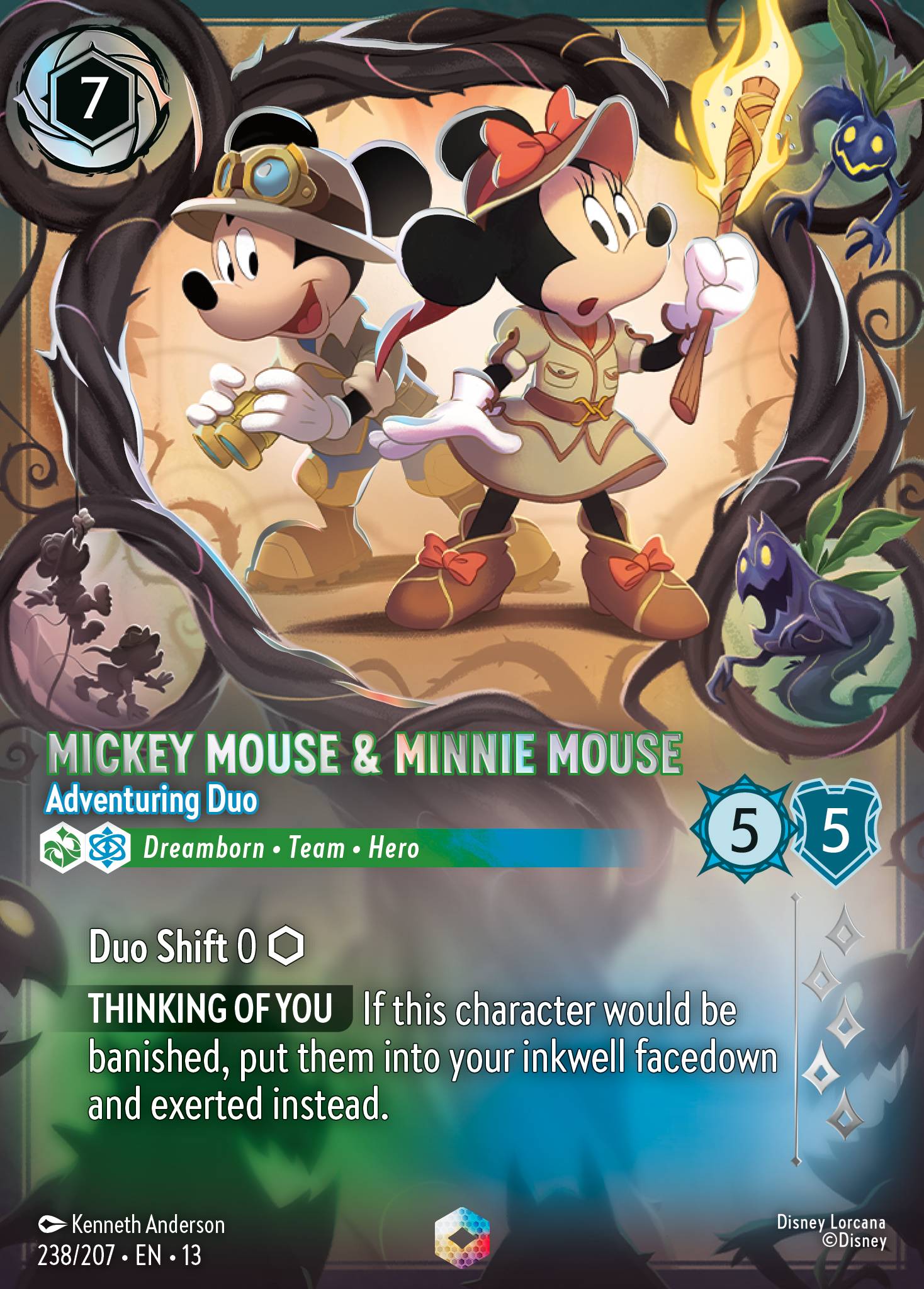
You just ripped a booster pack of the newest Disney Lorcana set. You slide the cards apart, and there it is: an Enchanted rarity pull. The foil gleams, the artwork is breathtaking, and your first instinct—fueled by years of watching TCG influencers—is to immediately put it in a Card Saver and mail it to PSA or Beckett.
Stop. Put the card down, and let's do the math.
The 2026 trading card market is currently experiencing the "Junk Slab" era. Players and "investors" are spending millions of dollars in grading fees to encapsulate modern cards that simply do not hold the secondary market value required to justify the process. Disney Lorcana, with its massive mainstream appeal and premium "Enchanted" tier, is the epicenter of this trap.
→ Geeky Domain TCG Authority Hub
Looking to build a deck instead of gambling on grading? Check out our budget strategy guides.
The Cold Foil Reality: Ravensburger's Print Lines
To understand why grading modern Lorcana is risky, you have to understand how the cards are manufactured. Ravensburger (the publisher of Lorcana) utilizes a "Cold Foil" printing process for their high-end cards. While this creates a stunning, flat, metallic sheen across the entire surface of the card, it is notoriously prone to factory defects.
The most common defect is the horizontal print line. These are faint, microscopic lines running straight across the foil layer, caused by the rollers during the manufacturing process. Because the card is "pack fresh," many players assume it is automatically a Gem Mint 10.
The Grader's Loupe
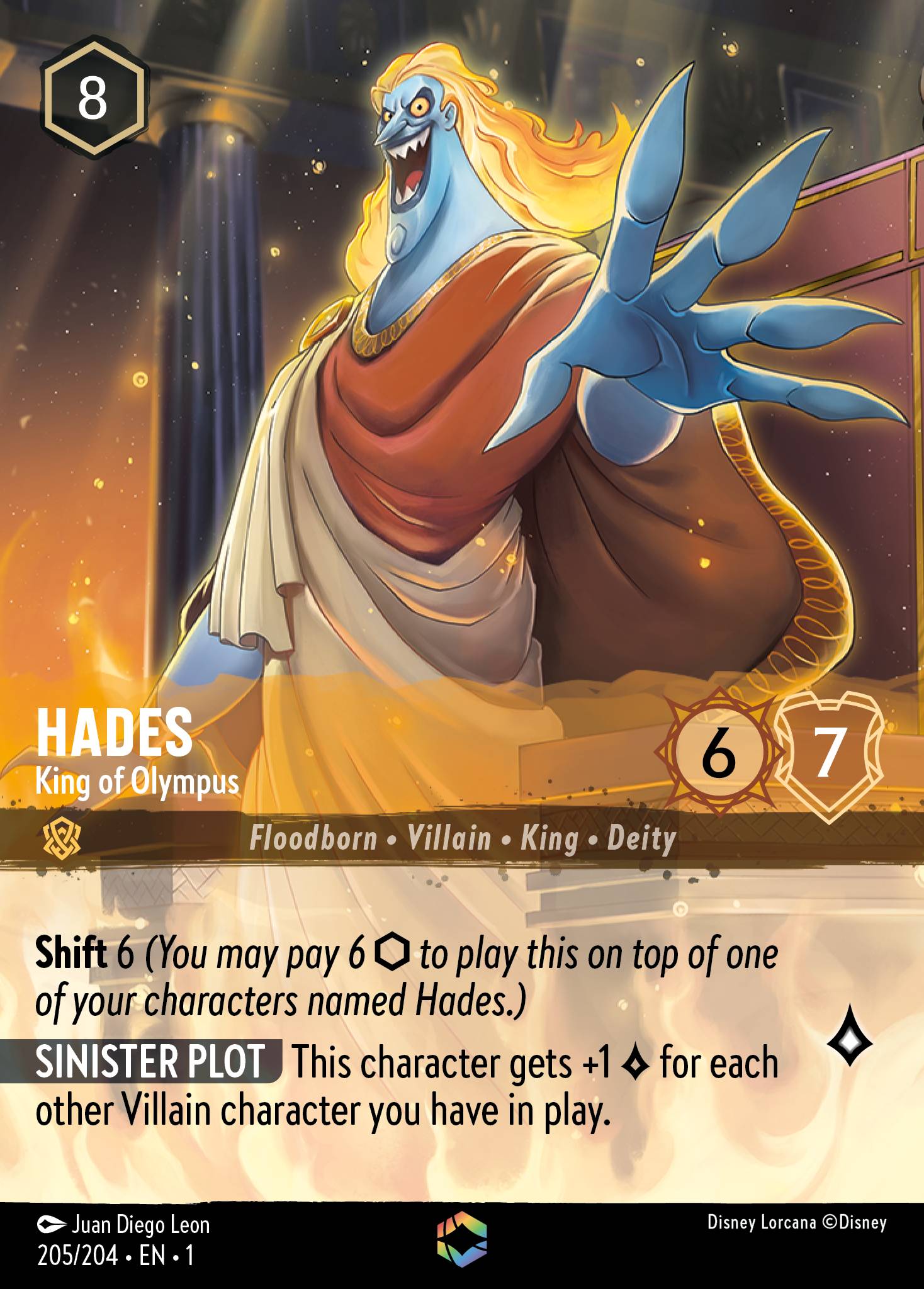
PSA and BGS graders do not care that you just pulled the card from a fresh pack. A factory print line is considered surface damage. If your Enchanted card has even one faint roller line visible under a bright halogen light, its maximum potential grade is instantly capped at a PSA 8 or 9. In the modern market, a PSA 9 often sells for the exact same price as a raw, ungraded card.
The Optical Illusion: Eyeballing Borderless Art
Centering is one of the four main sub-grades (along with Surface, Edges, and Corners) that determine a card's final score. On a vintage Pokémon card, centering is easy to check because there is a massive, thick yellow border outlining the art. You can visually measure the left vs. right thickness.
Lorcana's Enchanted cards are "borderless." The artwork extends all the way to the absolute edge of the cardboard. This makes it incredibly difficult for the naked eye to detect a card that is shifted slightly off-center during the cutting process.
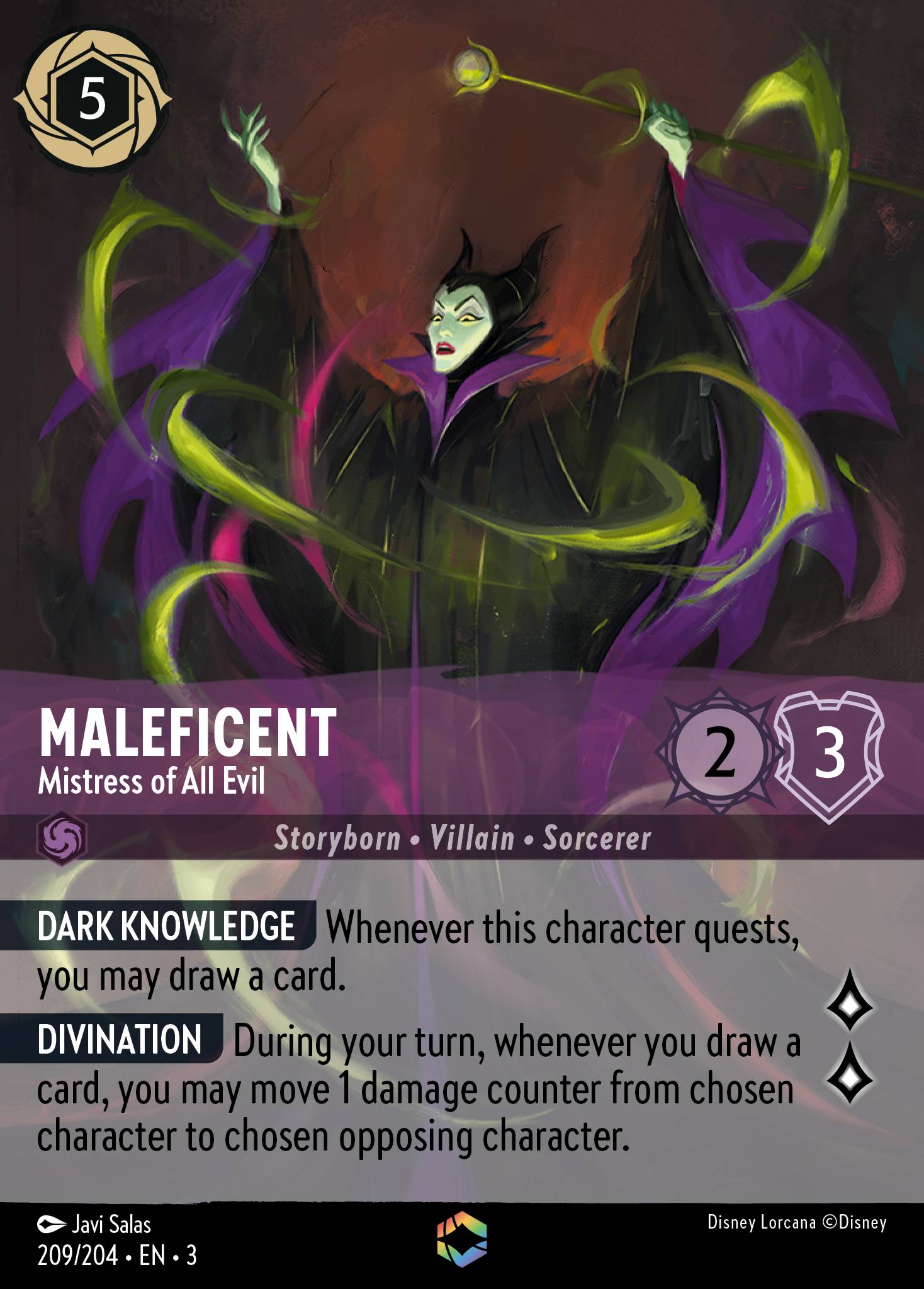
- The Text Box Tell: Do not look at the art to judge Lorcana centering. You must look at the nameplate and the rules text box at the bottom. Measure the distance from the edge of the text box to the physical edge of the card on both the left and right sides. If the spacing is asymmetrical, your "perfect" pull is fundamentally flawed.
The ROI Trap: Grading Mid-Tier Cards
Let us assume your card is perfectly centered and has zero print lines. The final hurdle is pure financial math. The biggest mistake novice collectors make is grading standard legendary foils or low-tier Enchanteds simply because they look cool.
Grading a card through a reputable company costs roughly $20 to $25 in fees, plus the cost of insured shipping both ways. Let's say you invest $35 total to get your card encapsulated.
The Value Collision: If your raw card is worth $40 on the secondary market, and a PSA 10 version sells for $90, it looks like a win. But if that card comes back as a PSA 9 (which happens the majority of the time), it might only sell for $45. You spent $35 in grading fees to increase the card's value by $5. You have actively lost money and locked your capital away for two months.
The Break-Even Math: Three Outcomes
Same $40 card, $35 sunk into grading. What you actually keep in each case:
Grading only beats the raw sale on the PSA 10 — and the 9 is the common outcome. Most of the time, you pay $35 to make your card worth less than it already was.
The Population Menace: Modern Supply vs. Demand
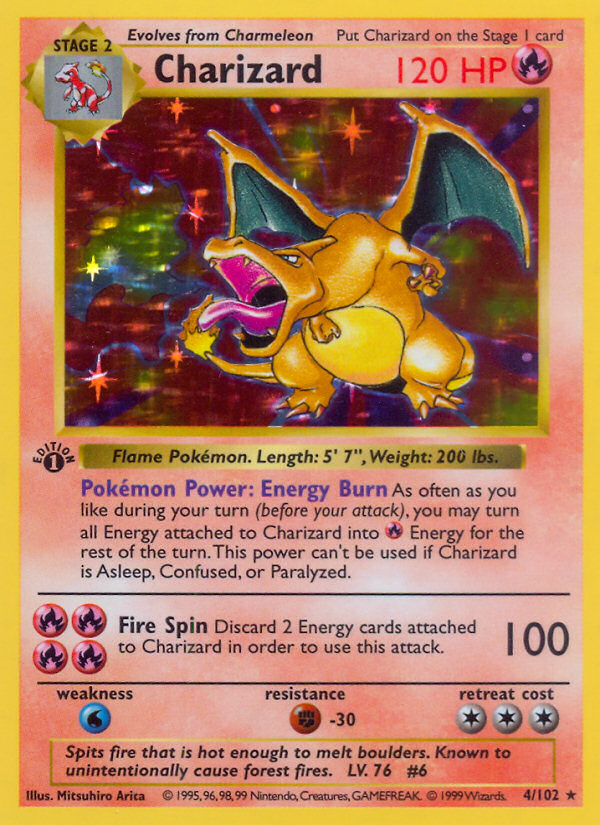
The fundamental reason a vintage 1999 Base Set Charizard PSA 10 is worth a fortune is survivability. Kids put them in their pockets, traded them on the playground, and destroyed them. A pristine copy is a mathematical anomaly. Modern Lorcana does not have this advantage.
Today, everyone over the age of twelve knows that trading cards have value. When someone pulls a highly sought-after Lorcana legendary, it goes from the foil wrapper straight into a penny sleeve and toploader in under three seconds. Because everyone is protecting their cards, the "Population Report" (the public database of how many cards PSA has graded) for modern 10s is astronomically high.
The Rarity Illusion
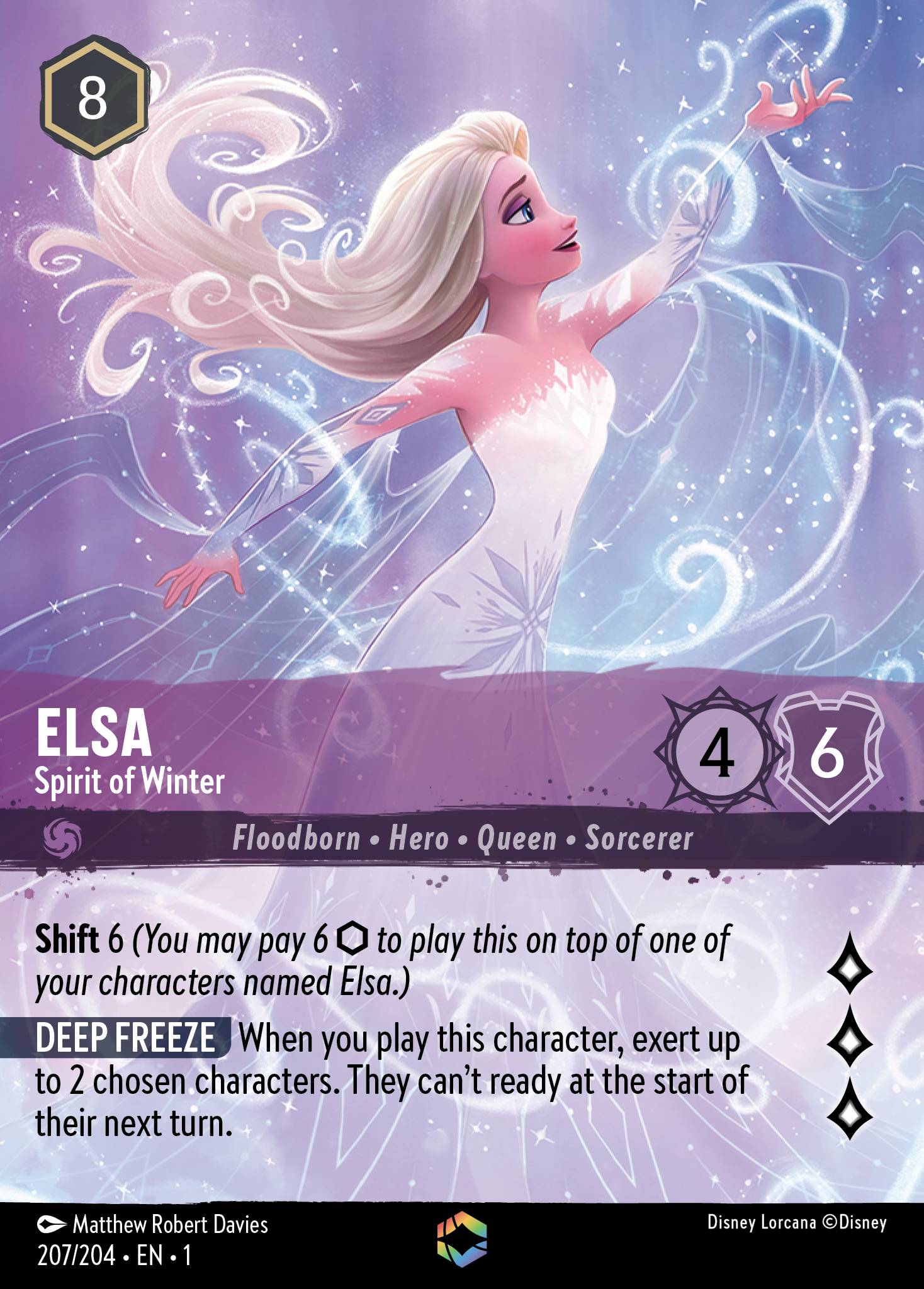
If there are 5,000 copies of an Enchanted Elsa in a PSA 10 slab, the card is no longer "rare." It is simply an expensive commodity. When supply outpaces collector demand, the premium on that PSA 10 rating violently compresses. You are paying grading fees to enter a crowded market where sellers are constantly undercutting each other to liquidate their slabs.
The Liquidity Trap: Players Want Raw Cardboard
Unlike sports cards, which are purely speculative collectibles, Disney Lorcana is an active, competitive tabletop game. The underlying value of 90% of the cards is driven by their "playability" in the current meta. Players need playsets (four copies) of top-tier legendaries to win tournaments.
When you encapsulate a meta-defining legendary card in a sonically welded piece of plastic, you immediately eliminate the largest demographic of buyers: the players. You cannot shuffle a PSA slab into your deck.
- Raw = Highly Liquid: If you list a Near Mint, raw meta staple on TCGplayer or eBay, it will likely sell within 24 hours because a tournament grinder needs it for their deck this weekend.
- Slabbed = Highly Illiquid: If you list a PSA 9 of that exact same card, it might sit on your eBay page for three months. Players don't want it because they can't play it, and high-end collectors don't want it because it isn't an Enchanted 10.
The $150 Threshold: When You Should Actually Grade
We are not anti-grading; we are anti-wasting-money. There is a very specific, mathematically sound time to send your Lorcana pulls to a grading company. It requires you to detach your emotions from the Disney IP and look strictly at the numbers.
The Geeky Domain Grading Checklist
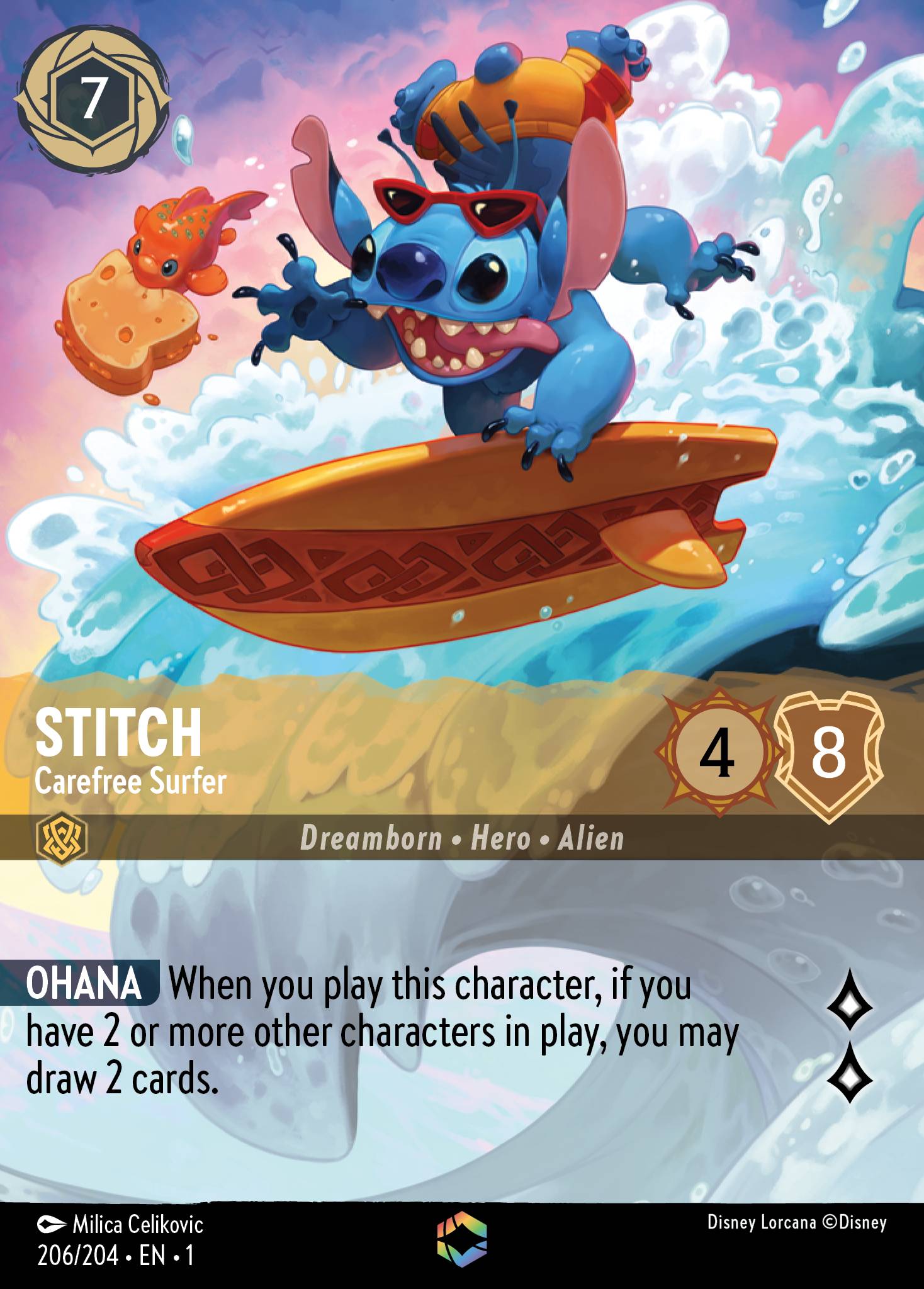
- The Raw Value Test: Is the card currently selling for $150 or more in raw condition? If no, keep it in a toploader. Grading cheap cards is a trap.
- The "Enchanted" Exception: Enchanted rarity cards are the sole exception to the playability rule. Because their pull rates are astronomically low, they are inherently collector-focused. They are prime grading candidates, but only if they pass the physical inspection.
- The Honest Inspection: Use a jeweler's loupe. Check the cold foil for roller lines. Measure the borderless centering. Check the back corners for whitening. If you see a single flaw, it is a PSA 9. Sell it raw.
Tools For The Honest Inspection
Two of those three steps need hardware: a 30x loupe to catch cold-foil roller lines before a grader does, and a penny sleeve and toploader for every card that fails the check and stays raw. Card Savers only matter if a card clears all three steps and is actually going to PSA.
As an Amazon Associate, Geeky Domain earns from qualifying purchases. eBay links are affiliate links; Geeky Domain may earn a commission at no extra cost to you.
Should You Grade It? The Flow
Run every pull down this path. A single "no" sends it back to the toploader.
No → keep it in a toploader or sell it raw. (Enchanted rarity can qualify lower — tiny pull rates make it collector-focused.) Yes → continue.
Check cold-foil roller lines, borderless centering (measure the text box, not the art), and corner whitening. Any flaw → it's a PSA 9; sell it raw. Flawless → continue.
A meta staple can crater during a 45–60 day turnaround. Speculative meta card → sell raw now, at peak. Collector chase or Enchanted → continue.
The Absolute Pinnacle: Chasing the BGS Black Label
If you have pulled an Enchanted card, inspected it under magnification, and truly believe it is physically flawless, you have a massive strategic decision to make: PSA vs. Beckett (BGS).
PSA 10 is the industry standard for liquidity. It moves fast and holds a predictable premium. However, Beckett offers sub-grades (Centering, Corners, Edges, Surface). If a card scores a perfect 10 in all four sub-categories, it receives the mythical "Black Label."
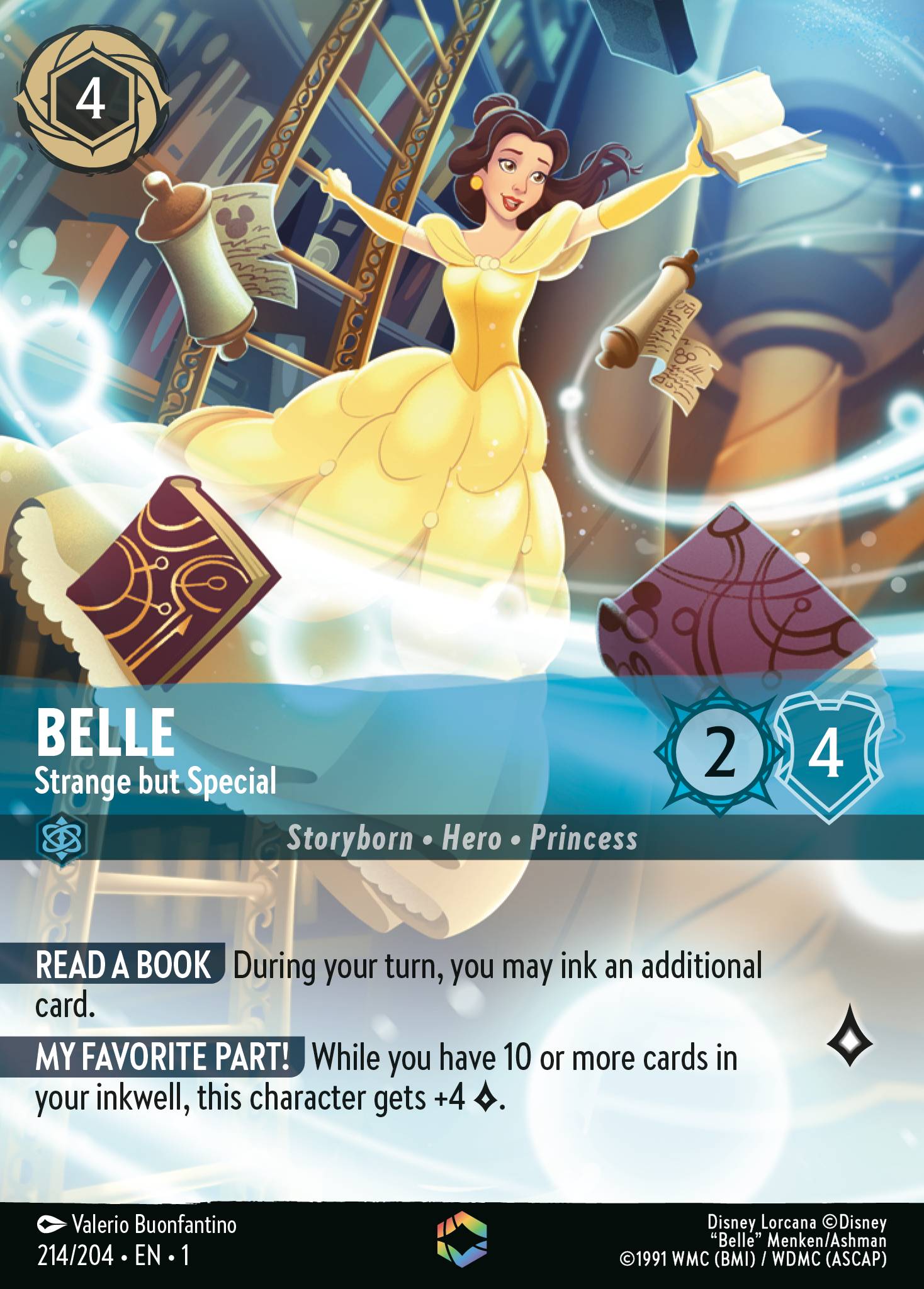
A BGS Black Label Enchanted Lorcana card can sell for three to five times the price of a standard PSA 10. It is the absolute ceiling of the TCG market. However, Beckett's centering and surface grading are notoriously brutal. Chasing the Black Label is a high-risk, high-reward gamble reserved exclusively for cards that genuinely defy modern manufacturing errors.
The Hidden Value: Grading for Authentication
While grading modern, mid-tier cards for a profit is a fool's errand, there is one non-condition-based reason to encapsulate a modern Lorcana card: Authentication.
As the value of high-end Enchanted cards climbs, counterfeiters are deploying increasingly sophisticated printing techniques. If you are trying to sell a raw, ungraded card for $600 to a stranger on the internet, they are naturally going to be skeptical. The friction of that transaction is incredibly high.
Selling the Slab, Not the Grade
When you grade a high-value card, you aren't just paying for a number; you are paying a third-party expert to guarantee the card is legitimate. Even if that $600 Enchanted comes back as a PSA 9, the plastic slab removes all buyer hesitation. It acts as an escrow of trust. In the high-end market, a PSA 9 is often easier to liquidate than a "Near Mint" raw card simply because the buyer knows they aren't getting scammed.
The Meta Clock: Turnaround Times vs. Relevancy
The TCG market is not static. It moves at breakneck speed, dictated entirely by tournament results and new set releases. This brings us to the final, fatal flaw of the modern grading trap: turnaround times.
If you pull a highly sought-after, meta-defining legendary during release week, its value is at its absolute peak. If you choose to send it to PSA using their standard bulk tier to save on fees, that card will be locked in a warehouse for anywhere from 45 to 60 days.
- The Value Crash: In the two months it takes for your slab to return, the competitive meta will have shifted. A new set might have released, or a counter-strategy might have made your card obsolete. You sent away a $100 hot commodity, and you receive back a PSA 9 slab that is now only worth $30 because nobody is playing the deck anymore. You paid grading fees to actively lose money.
The Geeky Domain Verdict
Grade the Exceptions, Play the Rest.
The Lorcana secondary market in 2026 is ruthless. You cannot blindly submit every shiny card you pull to a grading company and expect a return on investment. The cold foil print lines, borderless centering issues, and massive population reports ensure that the vast majority of modern pulls will end up as mathematically unprofitable PSA 9s.
Stop paying the hype tax. Unless you are holding a flawless Enchanted card worth over $150 raw, or grading strictly to authenticate a massive transaction, keep the card in a toploader. If it’s a meta staple, sell it raw to a player who actually needs it, or sleeve it up and dominate your local tournament. Cardboard was meant to be played.
Upgrade Your Deck, Not Your Debt:
© GEEKYDOMAIN.COM | Market Data Powered by Strategy