

You've found a box of cards that belonged to someone else — a sibling, a parent, a friend. Here's how to figure out what's actually in it before you sell, keep, or give any of it away.
Inheriting or discovering a Pokémon card collection you didn't build yourself is a strange position to be in. You don't know the history of the cards, you might not know the hobby at all, and you're often making decisions under time pressure — settling an estate, clearing out a house, or just trying to do right by a collection someone else clearly cared about.
The good news: figuring out what you actually have is a methodical process, not a guessing game. You don't need to be a longtime collector to sort a collection responsibly — you need a system, patience, and the discipline to research before you sell anything.
This guide walks through exactly that process, from initial sorting through getting an accurate value on what's actually worth attention.
→ Short Version
Sort before you research — separate by era (vintage WOTC vs modern) and condition first, since that determines everything else about how you proceed. Most of any large collection is bulk — commons and unremarkable holos worth very little individually, and that's normal, not a disappointment. The handful of cards that matter are usually vintage holos, 1st Edition prints, and anything in genuinely pristine condition. Don't sell anything before you've identified what you have — a rushed bulk sale can give away real value along with the actual bulk.
→ Related Reading
In This Guide
Before You Sell Anything
The single most important rule with an inherited collection is this: don't sell, don't trade, and don't give any of it away until you've gone through it methodically. It's extremely common for a valuable card or two to be sitting in the middle of an otherwise unremarkable binder, and a quick bulk sale to the first buyer who offers cash can hand away real value along with genuine bulk.
This doesn't mean the process has to take forever. A methodical afternoon of sorting is usually enough to separate what's genuinely worth researching from what's safely bulk. The goal is just making sure you look before you sell.
This is also the moment to check for anything sentimental before it disappears into a resale pipeline. Handwritten notes tucked into binder pages, cards with a deceased relative's initials marked on a sleeve, or a specific card you remember them talking about — these have no market value but real personal value, and once a collection is sold off it's gone for good. Set aside anything with that kind of meaning before you start pricing the rest.
Sorting by Era and Condition
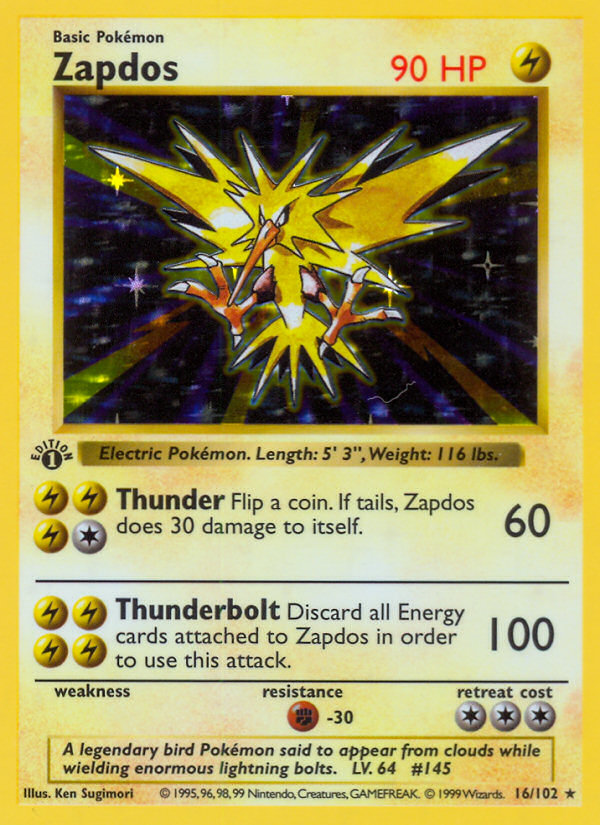
Start by separating cards into two broad eras: vintage WOTC-era material (Base Set through the early 2000s) and modern cards (roughly Diamond & Pearl onward). Vintage cards carry a fundamentally different value structure — scarcity and nostalgia drive their prices — while modern cards are valued more on current playability, print run, and chase-rarity status.
Within each era, separate by condition on sight: cards with obvious whitening, bent corners, or surface damage go in one pile, and cards that look clean and sharp-cornered go in another. You don't need a grading scale at this stage — just enough of a sort to know which cards are worth a closer look and which clearly aren't in shape to matter much regardless of what they are.
Holo and reverse-holo cards, 1st Edition stamps, and anything with unusual card stock or foil treatment should get pulled into their own pile regardless of era — these are exactly the categories where real value tends to concentrate.
| Era | Rough Years | How to Identify | Value Notes |
|---|---|---|---|
| WOTC (Base–Skyridge) | 1999–2003 | Wizards of the Coast logo; classic card layout; 1st Edition stamp on early prints | Highest ceiling — 1st Ed holos can be four figures+ |
| EX Era | 2003–2007 | "EX" in card names; Pokémon-USA copyright; silver borders | Gold Star cards are the standout chase (see our EX era guide) |
| DPPt–HGSS | 2007–2011 | Lv.X cards; updated card stock feel; HGSS-style layout | Moderate collector interest; Lv.X in demand |
| BW–XY | 2011–2017 | Full Art EX/GX cards; textured cards appear; modern borders | Full Arts and Secret Rares hold well |
| Sun & Moon–Present | 2017–now | GX/V/VMAX/ex branding; Illustration Rare tier; modern card stock | Value in top-rarity chase cards only |
Sorting Checklist
| ☐ Separate WOTC-era (1999–2003) cards from everything else |
| ☐ Pull any 1st Edition stamps into their own pile |
| ☐ Pull all holo, reverse-holo, and foil cards aside |
| ☐ Sort pulled cards by condition: clean/sharp vs visible wear |
| ☐ Flag anything you don't recognize (promos, foreign-language, error prints) |
| ☐ Leave remaining commons/uncommons unsorted — they're bulk |
Protecting the Pulled-Aside Pile
Sorting leaves you holding loose holos, 1st Edition stamps and clean-condition vintage with nowhere safe to put them. Penny sleeves and toploaders protect that pile while you research it, semi-rigid card savers are what a grading submission travels in, a storage box keeps the untouched bulk out of the way, and a 30x illuminated loupe covers the print-line checks in the authentication section below.
As an Amazon Associate, Geeky Domain earns from qualifying purchases. eBay links are affiliate links; Geeky Domain may earn a commission at no extra cost to you.
What Actually Drives Value
Most of any inherited collection, no matter how large, will be commons, uncommons, and unremarkable holos — cards worth cents to a few dollars each. That's completely normal and shouldn't be discouraging; it's how card collections actually distribute. The real value in a typical inherited collection concentrates in a small number of specific categories.
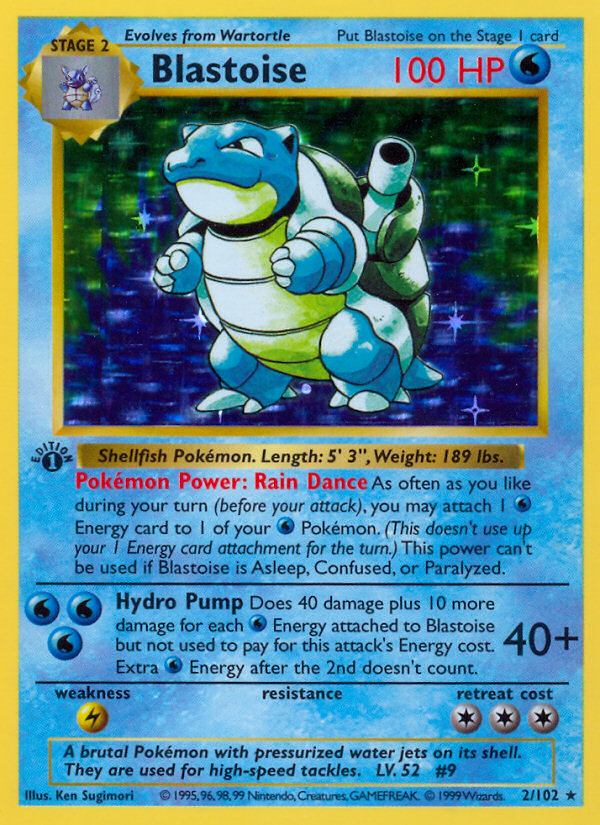
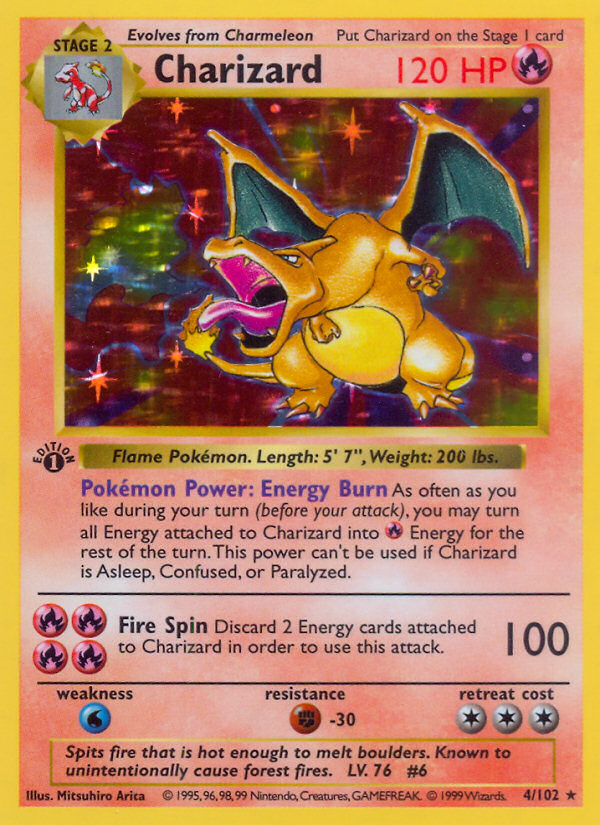
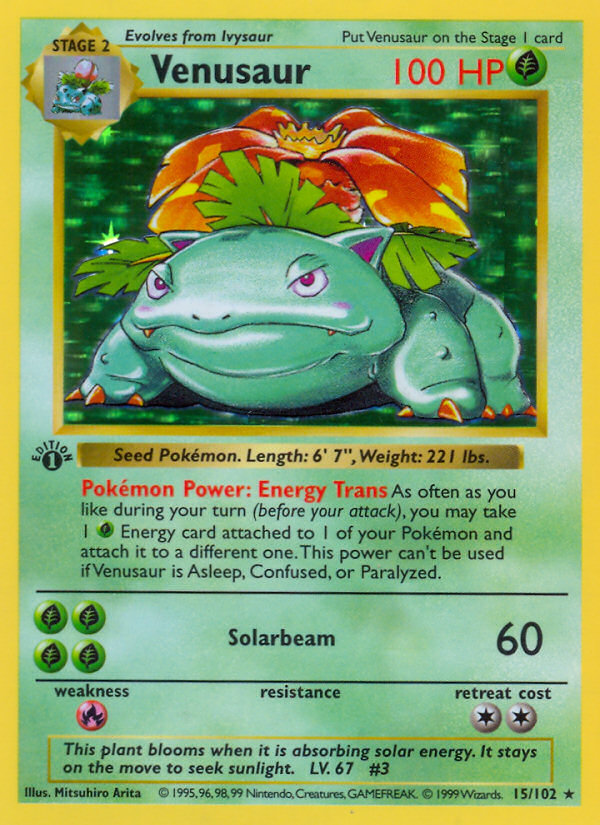
For vintage material, look specifically for 1st Edition prints (a small stamp near the artwork), Base Set holos of popular Pokémon, and anything from the earliest WOTC sets in genuinely undamaged condition. Our Base Set collecting guide covers what to specifically look for from that era.
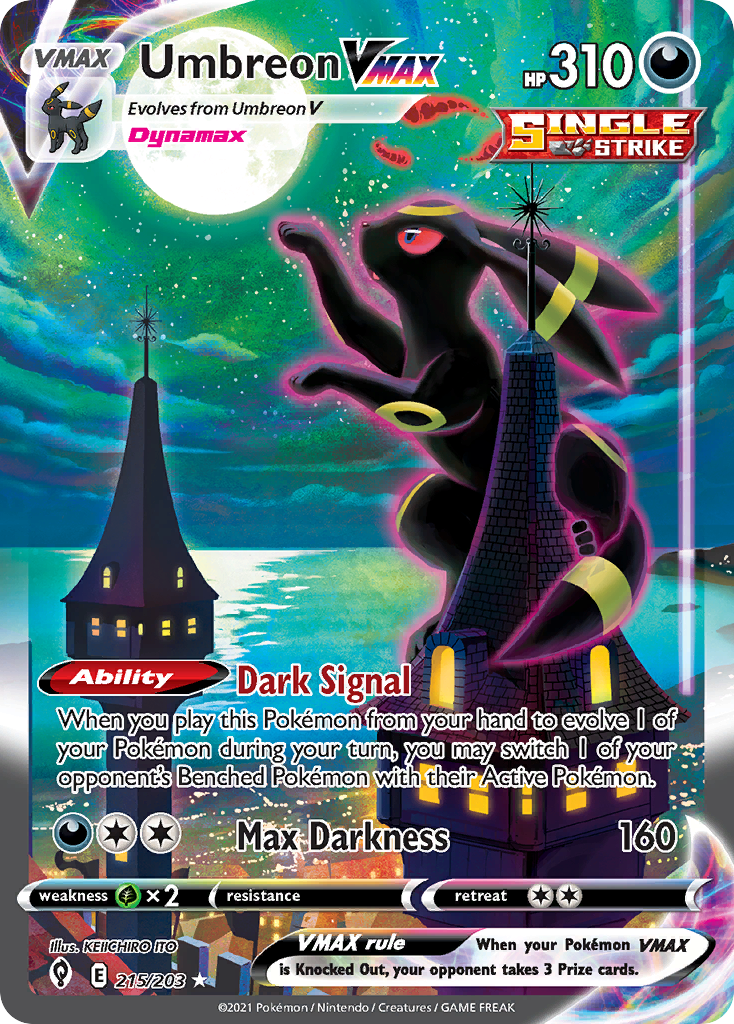
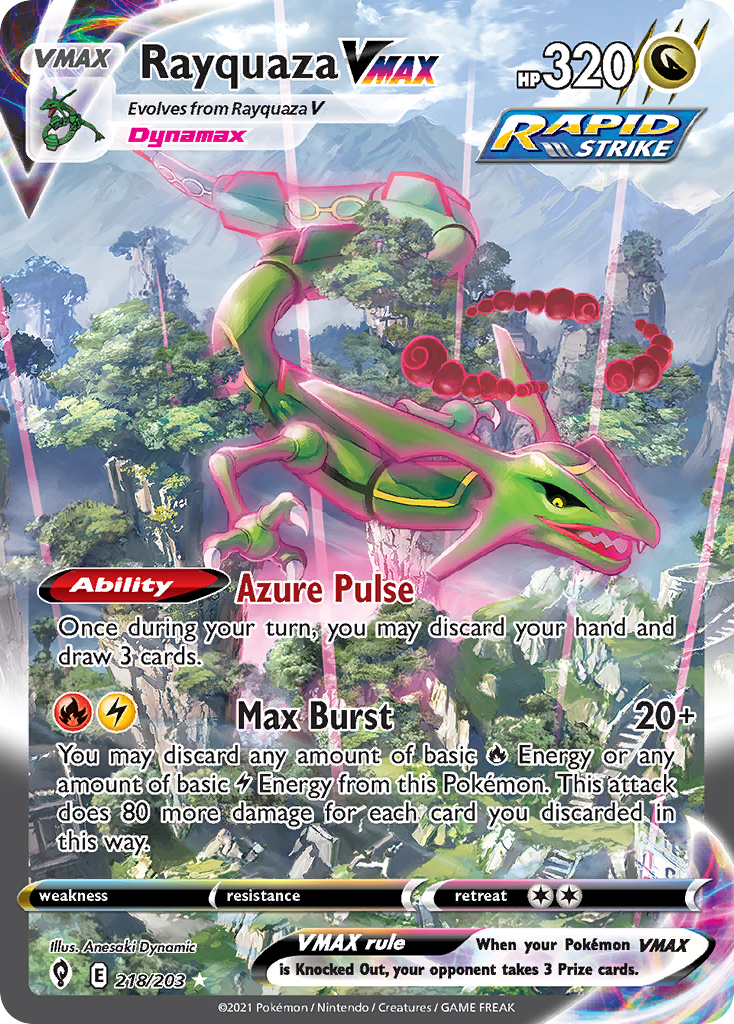
For modern material, the cards worth researching are typically the chase-rarity tiers — Full Art, Secret Rare, Illustration Rare, and similar top-tier treatments — rather than standard holos, which have generally been printed in large enough volumes to keep their individual value modest.
| Value Driver | What to Look For | Impact |
|---|---|---|
| 1st Edition stamp | Small stamp below artwork (WOTC era only) | Very High |
| Holo pattern (vintage) | Star/cosmos holo on the artwork; Base Set holos especially | High |
| Condition (Near Mint+) | Sharp corners, no whitening, clean surface, centered print | High |
| Chase rarity (modern) | Full Art, Secret Rare, Illustration Rare, Special Art Rare | Moderate–High |
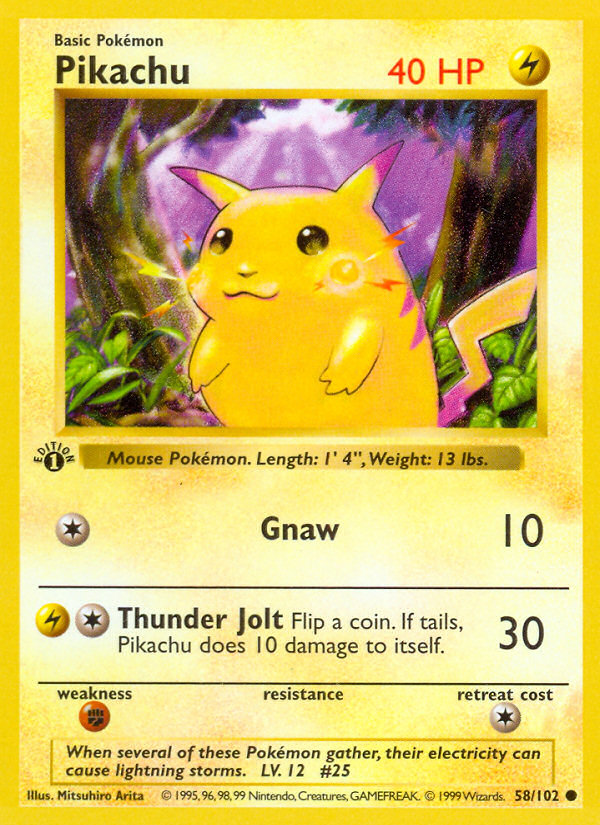
| Popular Pokémon | Charizard, Pikachu, and other iconic characters carry a premium | Moderate |
| Gold Star / promo | Gold Star symbol (EX era); Black Star promo stamps | Moderate–High |
Do This
- Sort the entire collection before selling any of it
- Research completed/sold prices, not listing prices
- Handle clean vintage cards with care — fingerprints matter
- Authenticate any potential four-figure card before assuming it's real
Avoid This
- Selling the whole lot as bulk before sorting — real value hides in bulk
- Trusting the first buyer who says "I'll take the whole thing"
- Assuming modern holos are valuable — most are mass-printed
- Grading everything — only worth it for already-high-value cards
Researching Real Prices
Once you've identified the cards worth researching, look up actual sold prices rather than asking prices — marketplace listing prices are frequently aspirational and don't reflect what a card actually trades for. Recently completed, sold listings on major marketplaces give a far more accurate picture of real value — our marketplace comparison covers where those sales actually happen.
The best approach is to search for the specific card by set name and card number, then filter for completed and sold listings. Compare at least three to five recent sales of the same card in similar condition to get a reliable price range. A single outlier sale — either unusually high or low — doesn't tell you what your card is actually worth; the cluster of typical sales does. If you can't find recent sales of a specific card, that itself is useful information — it may mean the card is rare enough to warrant further research, or simply that demand is low enough that it doesn't trade frequently.
Check condition carefully against your own assessment before trusting a comparable sale — a near-mint sold price tells you very little about what your lightly played copy of the same card is actually worth, and the gap between grades can be substantial for higher-value cards. A Base Set Charizard in genuinely near-mint condition might be worth many times what the same card with whitened edges and surface scratches would bring, so honest self-assessment of condition is critical to accurate pricing — our card conditions guide defines the grades buyers actually use.
When to Worry About Authenticity
If you've found what looks like a genuinely high-value vintage card — a 1st Edition Base Set holo of a popular Pokémon, for instance — it's worth applying basic authentication checks before assuming it's genuine and before you invest time or money in grading it. Counterfeits specifically target the highest-value vintage cards because that's where the incentive to fake is strongest — the general counterfeit-spotting fundamentals apply here too.
Our authentication guide covers the specific checks worth doing before you treat any single card as a confirmed high-value piece.
If you're genuinely unsure whether a card is real after doing your own research, a local card shop or a knowledgeable collector in your area can often give you a quick read in person, sometimes for free. Weigh checks, print-line inspections under a loupe, and side-by-side comparisons with confirmed authentic cards are all things an experienced eye can spot faster than a written guide can teach you to.
Deciding What to Do Next
Once you know what you actually have, the decision about what to do with it becomes much clearer. Bulk material is genuinely fine to sell in bulk lots or donate without much further thought. Individually valuable modern cards can usually be sold directly as singles through an established marketplace. Vintage cards with real potential value are worth a slower approach — verify authenticity, consider grading if the numbers support it, and sell through a venue that reaches serious collectors rather than the first convenient option.
There's no obligation to sell any of it, either. Some people inheriting a collection choose to keep it as a memento rather than convert it to cash — that's a completely legitimate outcome once you actually understand what you're deciding to keep or sell.
FAQ
- How long does it take to properly sort a large inherited collection? It depends heavily on size, but a few focused sessions is typical for even a large collection — sorting by era and condition first is fast, and only the pulled-aside "worth researching" pile needs real time investment.
- Should I get everything professionally appraised? Not necessarily — a self-directed sort and price-research process is usually sufficient for most collections. Professional appraisal makes more sense for genuinely large, high-value estates where the stakes justify the cost.
- Is it worth grading cards I find in an inherited collection? Only for cards where the raw value is already high enough that a grading premium would meaningfully increase what you can sell it for. Grading has real cost and time investment, so it's not worth it for lower-value cards.
- What if I find cards I don't recognize at all? Older or foreign-language cards can be unfamiliar even to longtime collectors. Set them aside specifically for research rather than assuming they're worthless just because you don't recognize them — unfamiliarity isn't the same as low value.
Look Before You Sell.
An inherited Pokémon collection is worth taking seriously even if you have no background in the hobby. Sort by era and condition, identify the small number of cards that actually carry real value, verify authenticity on anything that looks genuinely significant, and research real sold prices before you make any decisions.
Most of what you'll find is bulk — and that's fine. The point of this process is making sure you don't miss the few cards that aren't.
© GEEKYDOMAIN.COM | Strategy Powered by Data