

Control decks win by outlasting you — bouncing your board, answering your threats one at a time, and grinding the game until you run out of gas. Here's how to beat them before that grind ever starts.
Losing to a control deck in Lorcana rarely feels like losing to a better board. It feels like losing to a better clock: you play threats, they answer them, and somewhere around turn seven you look at your board and realize you're the one who's out of resources. That's not bad luck — it's the control player's entire game plan working exactly as intended.
Beating control isn't about playing bigger characters or hoping your removal-proof threat survives. It's about understanding what a control deck is actually trying to do at each phase of the game, and refusing to play into the exact sequence that makes their answers efficient.
This guide covers how Lorcana control decks actually function, the specific mistakes that let them win comfortably, and the concrete adjustments — in deckbuilding and in-game sequencing — that put the pressure back on them.
→ Short Version
Control wins by trading efficiently and running you out of resources — bounce, targeted removal, and card advantage over time. Threat density beats single big threats: control decks are built to answer your best card, not your fifth-best card. Evasive and Ward characters are your best insurance against a deck that wants to remove or ignore whatever you play. Timing matters more than power level — push when their answers are tapped out or exhausted, not when your hand is empty and theirs is full.
→ Related Reading
In This Guide
How Control Actually Wins
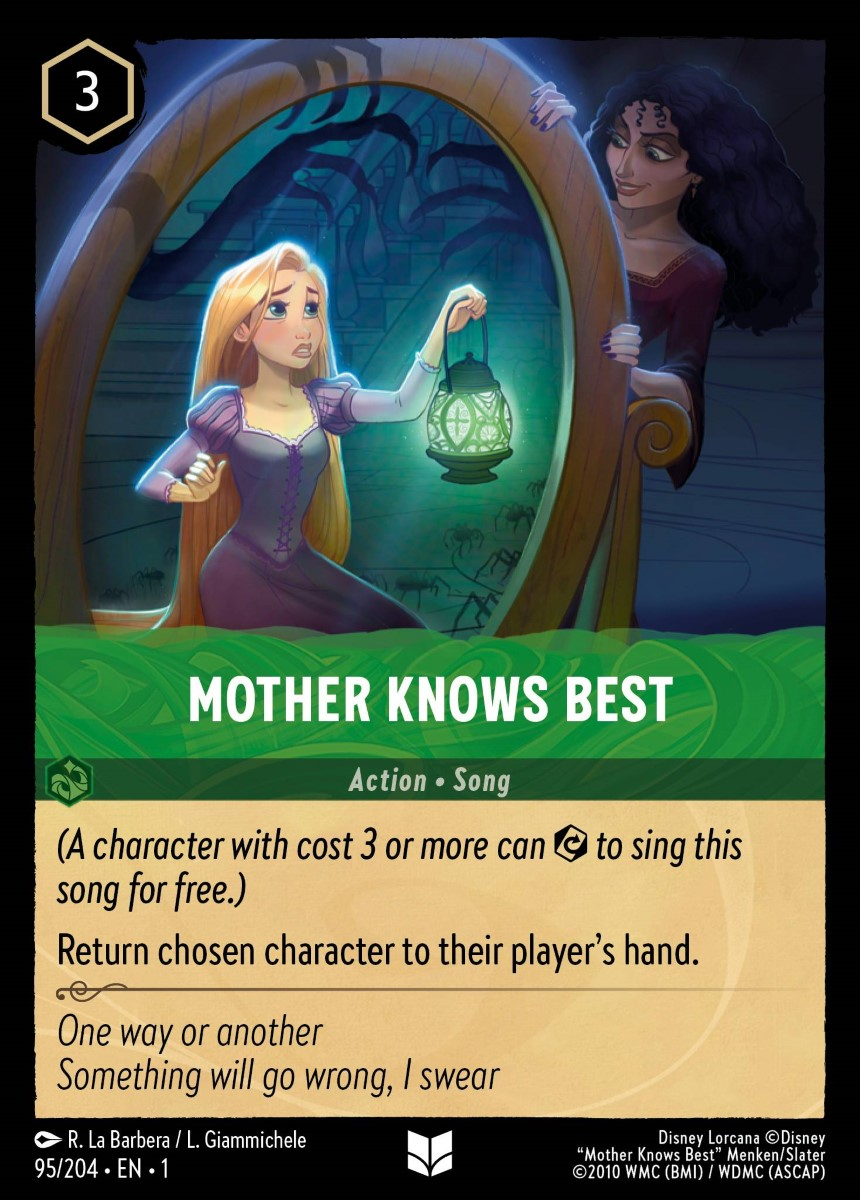
A Lorcana control deck isn't trying to build the biggest board — it's trying to make sure the game goes long enough that its card-advantage engine and removal suite matter more than whatever you deployed in the first few turns. That usually means bounce effects to reset your tempo, targeted removal or banish effects to answer your best character one at a time, and a plan to eventually take over the lore race once your side of the board has been worn down.
The deck is patient by design. It's often willing to take a small amount of lore from you early because it knows the exchange rate favors it later: every card you spend developing your board that gets answered is a card you don't get back, while the control player is accumulating the resources to close the game on their own terms.
Understanding that patience is the first step to beating it. Control isn't invincible — it's efficient. And efficient plans have a specific weakness: they need time, and they need you to keep feeding them one threat at a time.
| Control's Tool | What It Does | Your Counter |
|---|---|---|
| Bounce effects | Returns your character to hand — resets your ink investment and buys a full turn of tempo | Play cheap, re-deployable threats (2–3 ink) so bounce costs them more than it costs you |
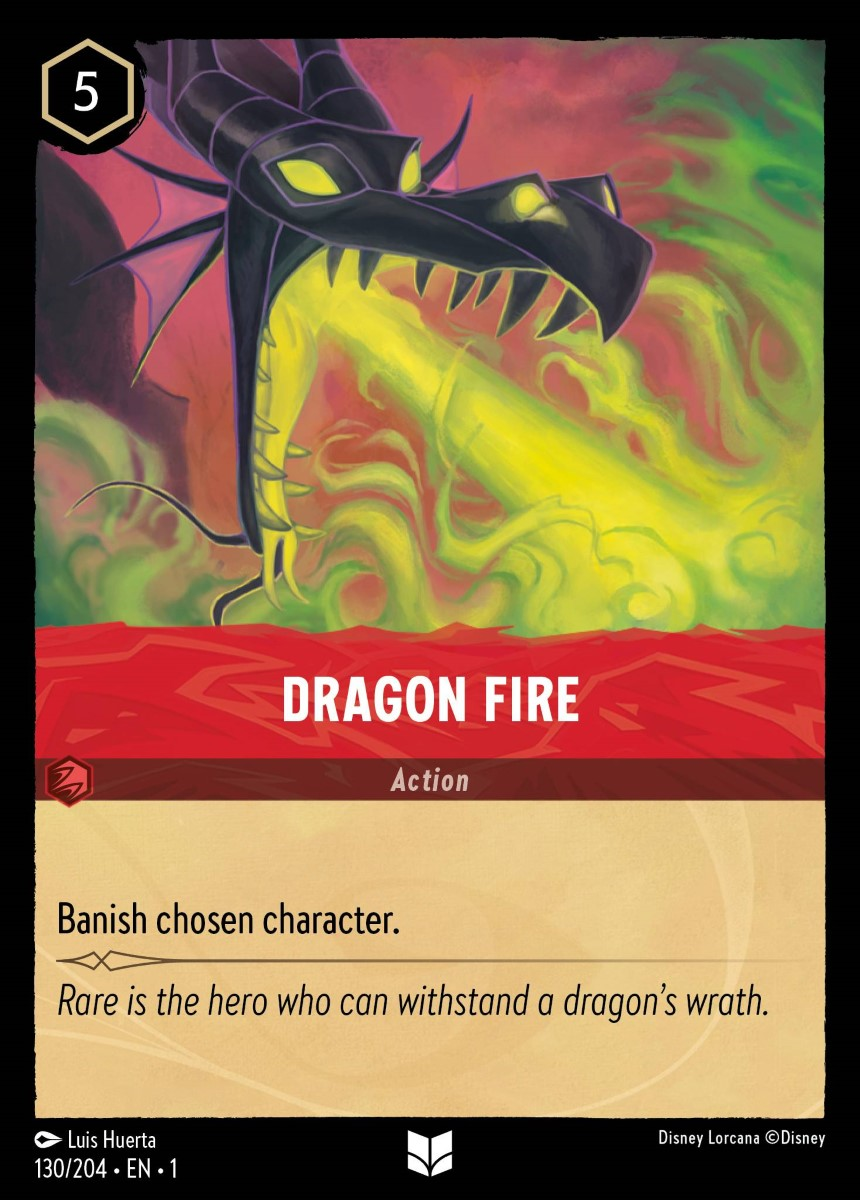
| Targeted removal / Banish | Permanently removes one character — efficient 1-for-1 trades that grind you out | Ward characters dodge most targeted effects; threat density forces them to run out of answers |
| Card-advantage engines | Draws extra cards over time — the longer the game goes, the more answers they hold | Don't let the game go long — apply steady lore pressure so their draw engine doesn't outpace your clock |
| Late-game lore closers | High-lore characters deployed once your board is cleared — wins the race after grinding you down | Be ahead on lore before these arrive; keep at least one threat alive at all times so they can't safely quest |
The Mistake That Loses This Matchup
The single most common way players lose to control is overcommitting to a single strong character and treating it as the plan. You play your best card, it gets bounced or banished, and now you're rebuilding from zero while the control player is still ahead on cards. Repeat that twice and the game is effectively over before turn six.
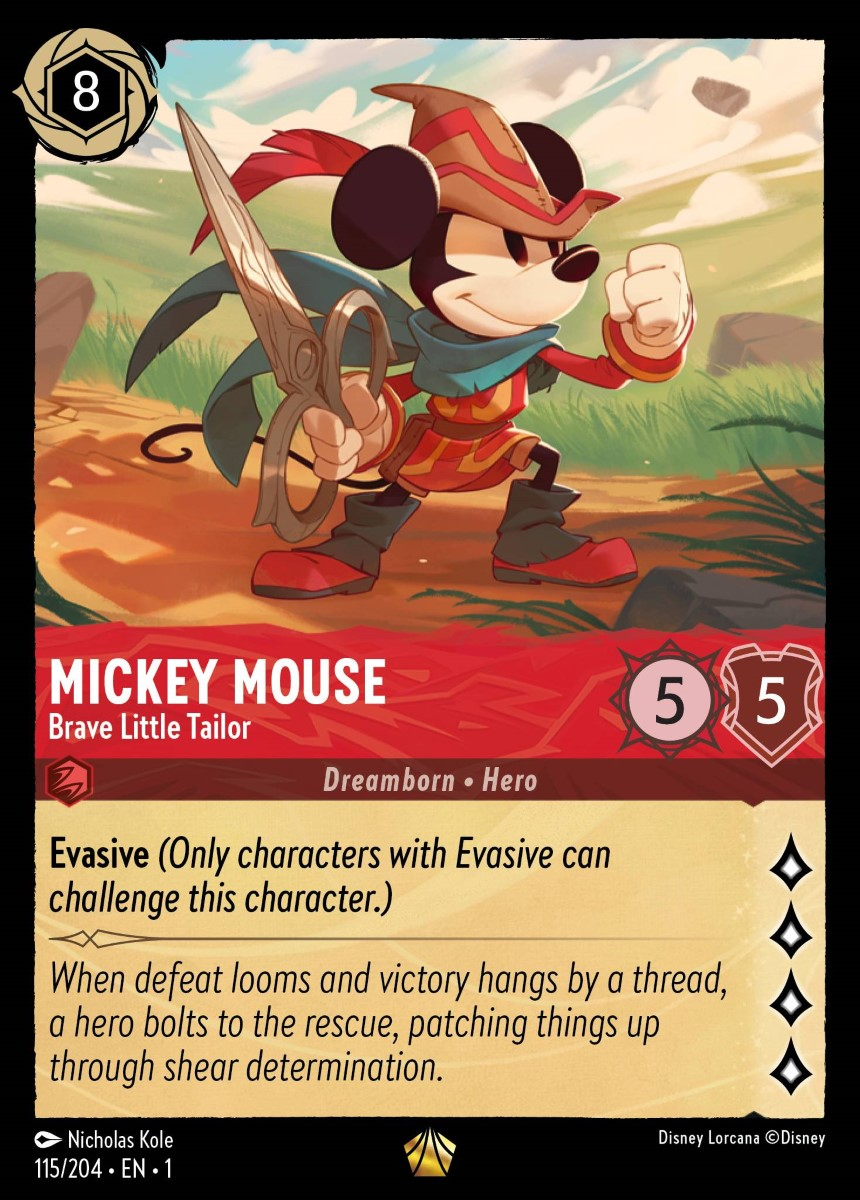
This happens because most other matchups reward exactly that behavior — playing your strongest character and building around it works fine against aggro or midrange, where the opponent doesn't have a clean, repeatable answer to a single big threat. Control decks are built specifically to punish that instinct. If you play into it the same way you would against any other deck, you're playing exactly the game they built their deck to win.
The fix isn't a specific card — it's a sequencing discipline: never let your gameplan hinge on one character surviving.
Threat Density Over Big Threats
The structural answer to a deck built to answer your best card is to stop giving it a single best card to answer. Threat density — running more individually-replaceable pressure pieces rather than fewer high-investment ones — means the control player's removal suite has to work overtime. A deck with six interchangeable threats forces six answers; a deck with two bombs only needs two.
This doesn't mean abandoning strong characters — it means not structuring your whole plan around any single one of them landing and sticking. Spread your lore-gain across multiple bodies on the board rather than stacking it all behind one. If a control deck removes your best character and your gameplan barely changes, you've already won the exchange that matters.
It also changes how the control player has to sequence their own turns. A removal-light hand against a wide, threat-dense board is a losing hand for them — they can't answer everything, and every turn they don't is a turn you're accumulating lore they can't get back.
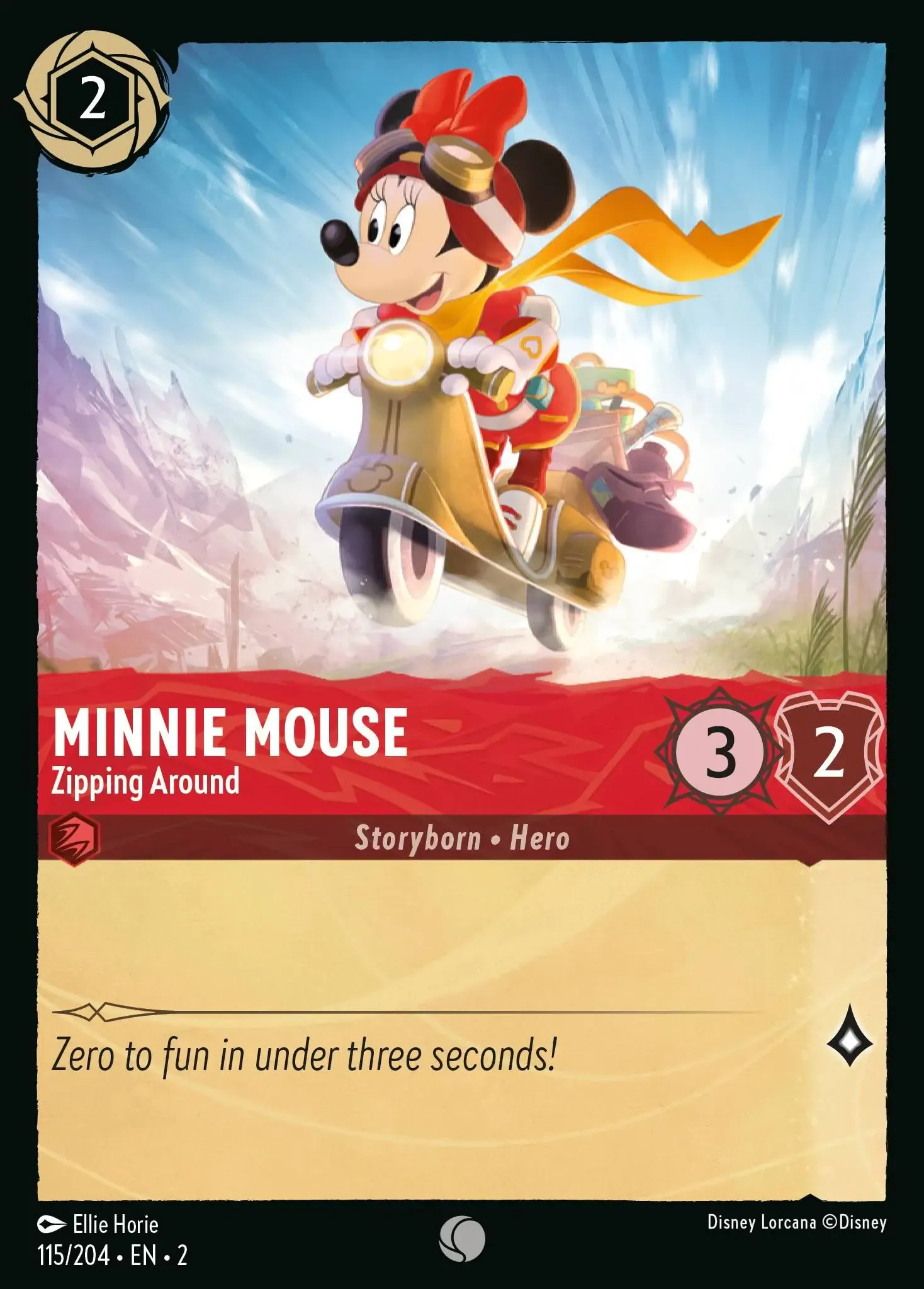
✔ Do This
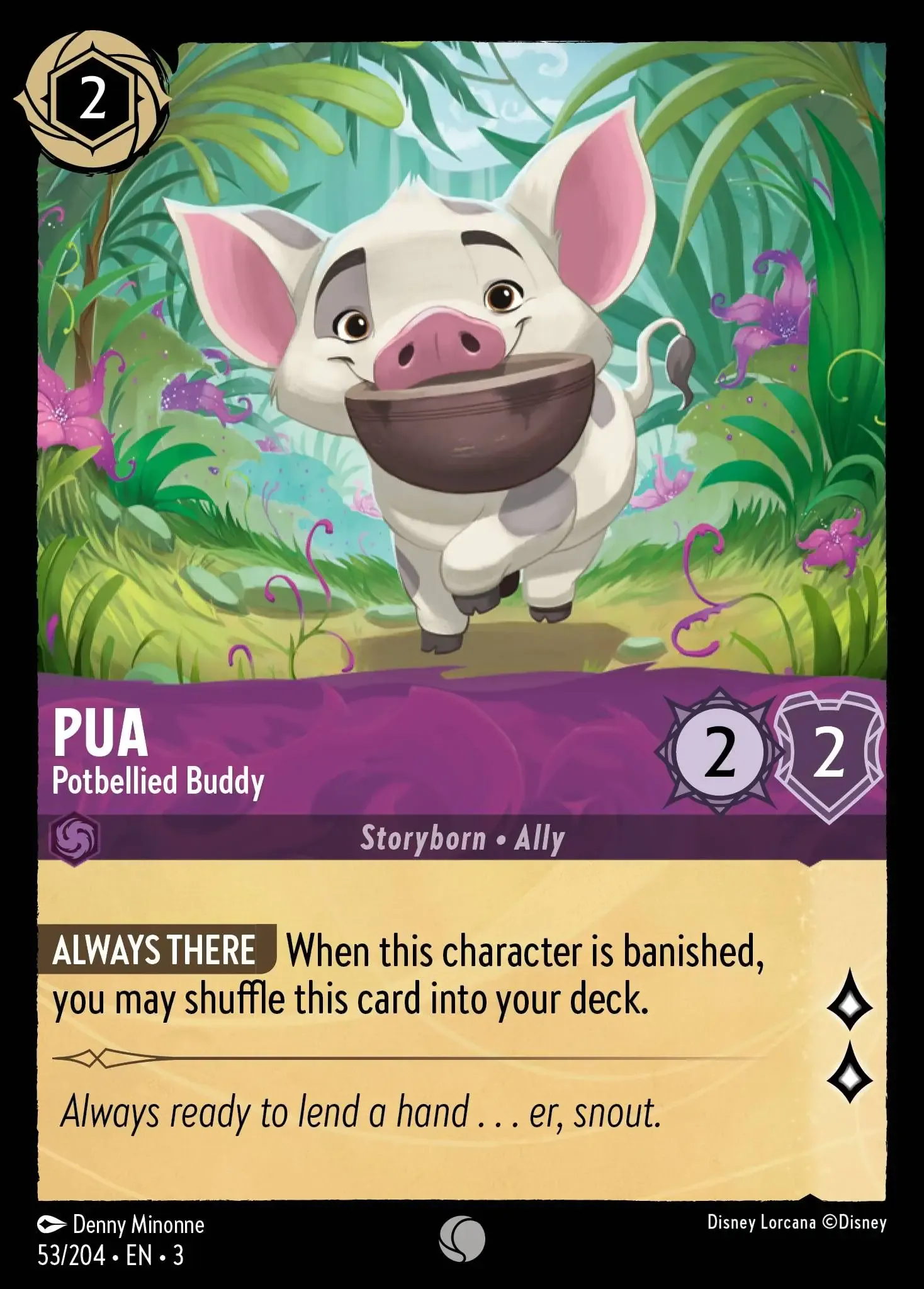
- Deploy 2–3 cheap threats across turns 2–4 — force multiple answers
- Hold your strongest character until they've tapped out or used removal
- Quest with Evasive or Ward characters that are hard to profitably interact with
- Track their ink count and hand size — push when both are low
✘ Don't Do This
- Play one big 5+ ink character and build your whole plan around it surviving
- Dump your entire hand to rebuild after a bounce — that's exactly what they want
- Try to out-grind a deck that's literally built to grind you out
- Ignore their ink and hand size — you're flying blind on when to push
Playing Around Bounce & Targeted Removal
Bounce is the signature tempo tool of Lorcana control — it doesn't permanently answer a threat, but it resets your investment and buys the control player another turn to find a real answer or stabilize. The counter to bounce isn't avoiding it; it's making sure getting bounced doesn't cost you as much as the control player wants it to.
Characters with Ward can't be chosen as the target of most targeted effects, which directly neutralizes a huge portion of a control deck's removal suite. Evasive characters are harder for a control deck to profitably block or race against once they do stick. Neither keyword stops bounce outright, but both reduce the number of clean, repeatable answers the control player actually has available turn to turn.
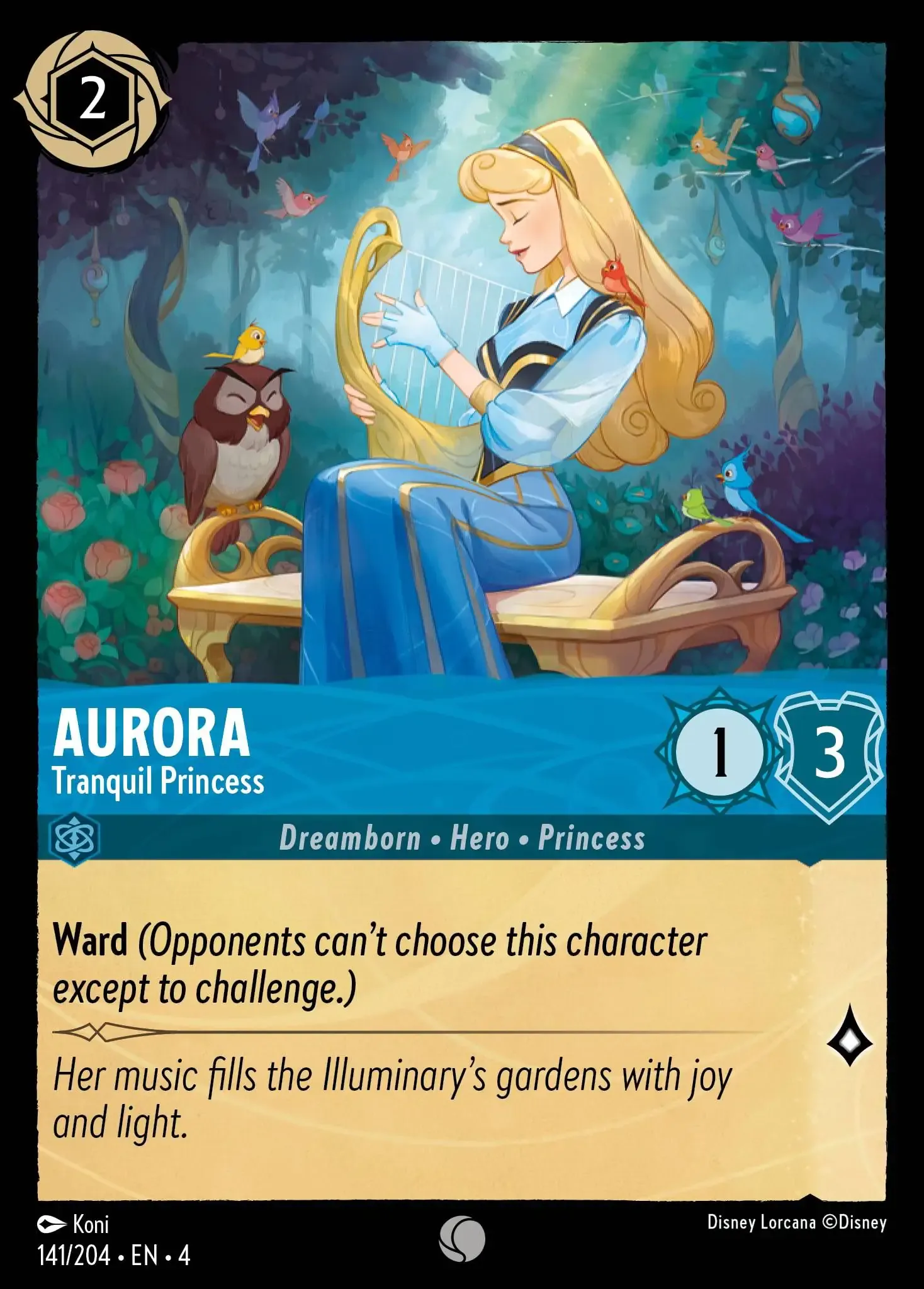
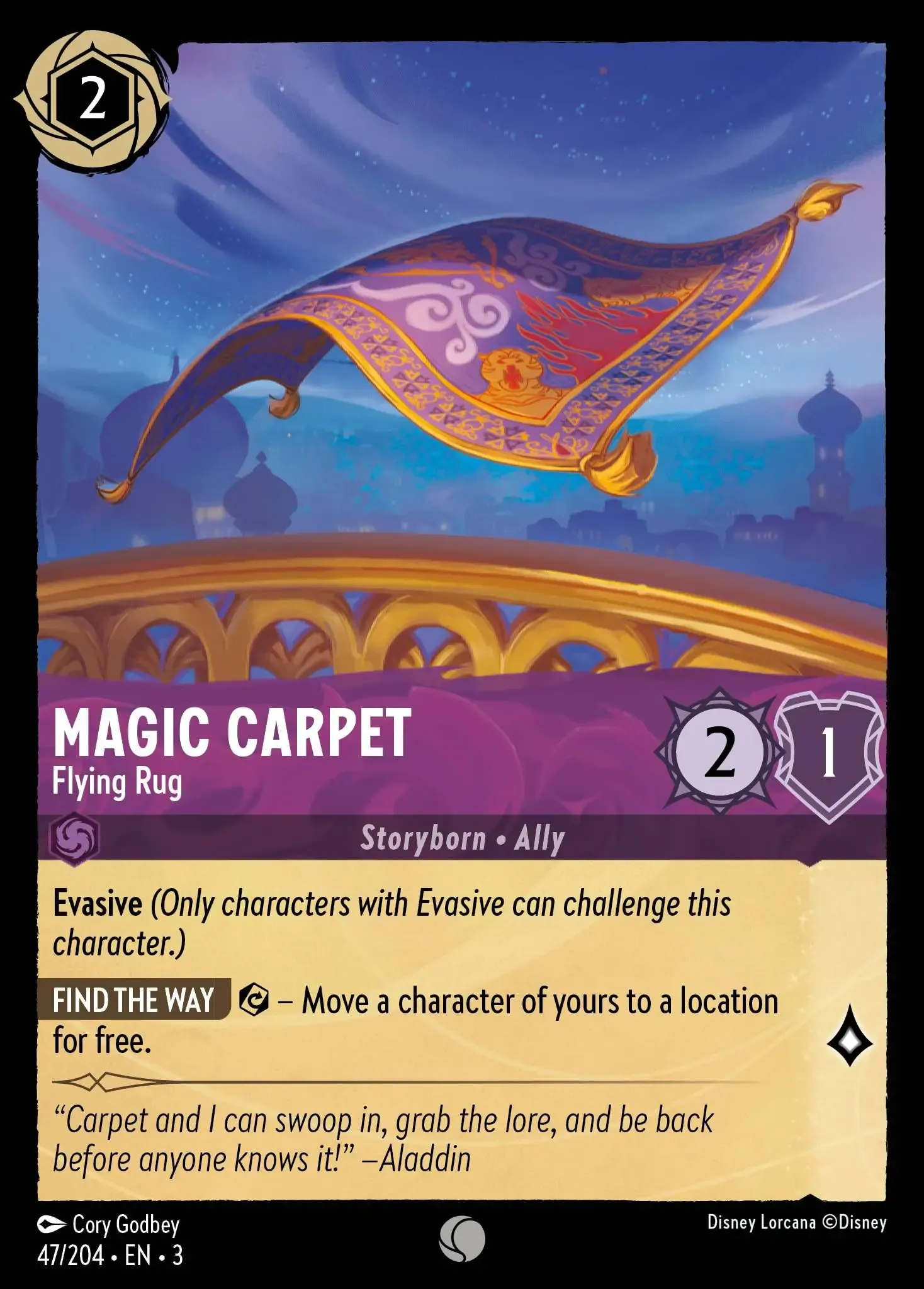
The other lever is simply not overpaying to reinvest in a bounced character. If a two-cost character gets bounced, replaying it is cheap and the control player has spent a card to buy very little tempo. If your five-cost character gets bounced, you're the one paying the tax. Weight your board toward characters that are actually fine to redeploy — that's a direct answer to bounce that doesn't require a specific keyword.
Timing Your Push
Control decks are strongest when they have mana and cards available to answer whatever you play. They're weakest right after they've spent both to deal with a previous threat. The single highest-value moment to commit your best card is immediately after the control player has tapped out or used their removal — not on an empty board where they have every answer sitting untouched in hand.
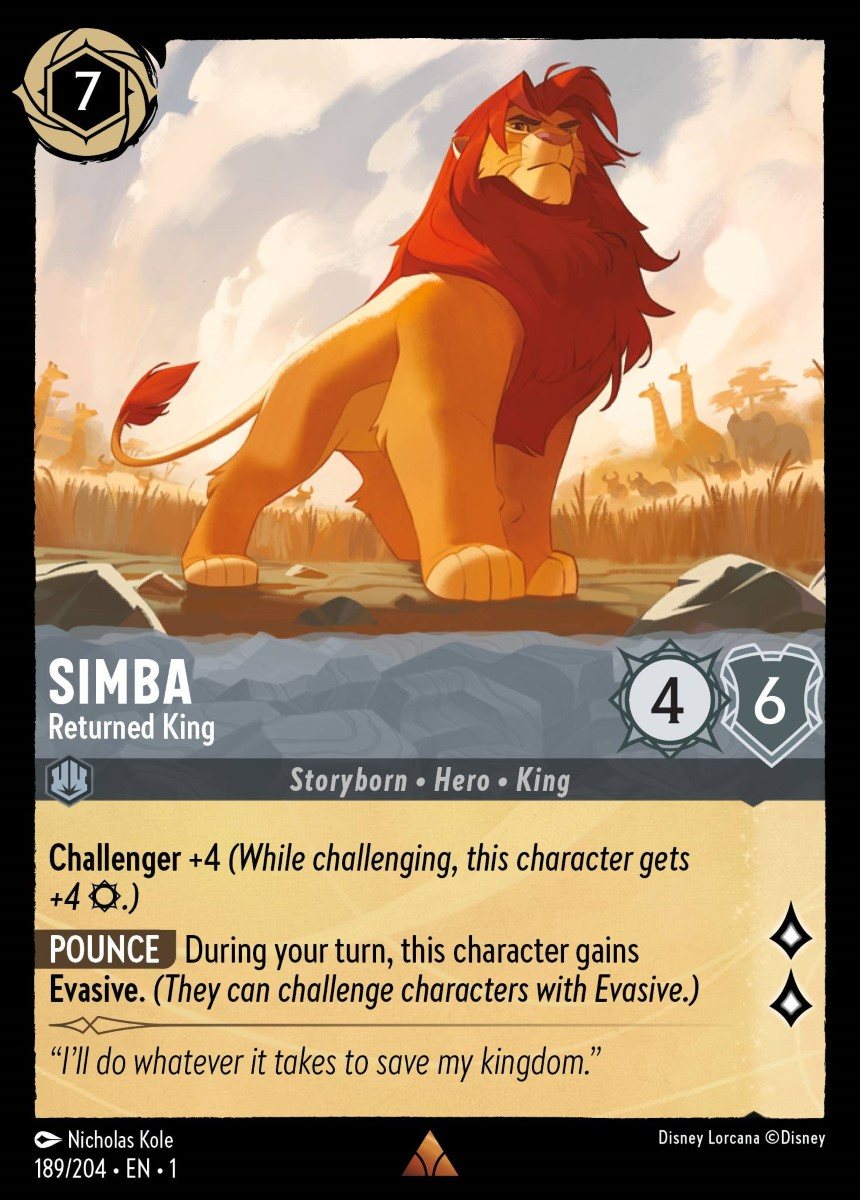
This means resisting the urge to play your whole hand as soon as you draw it. Holding a strong character for one extra turn, waiting to see what the control player does with their ink, costs you tempo in the short term but often wins you the actual exchange — you're playing your threat into a hand that can't answer it instead of one that can.
Pay attention to their ink count and recent plays. A control player who just used two cards to bounce and remove something is far more vulnerable than one sitting on a full hand and untapped ink. Read that window and push through it.
Mulligan & Sequencing Adjustments
Against control, a hand full of your most expensive, most powerful characters is often worse than a hand of cheaper, replaceable ones. You want a start that can apply pressure across multiple turns without depending on any single card resolving — a hand that forces the control player to make several small decisions rather than one big one.
In-game, sequence your cheaper, more expendable threats first. Let the control player spend removal on your two- and three-cost characters if they're going to spend it at all — that's a much better trade for you than having your best card answered on turn four. Save your strongest pieces for the window described above, once their answers have already been spent.
This is the same discipline covered in our deck-resilience guide: don't overcommit, bait removal with your cheapest pieces, and keep your win condition in reserve until the coast is actually clear.
Quick-Reference: Anti-Control Cheat Sheet
| Phase | Your Priority | Key Signal |
|---|---|---|
| Mulligan | Keep 2–3 cost threats; send back expensive bombs | Can this hand apply pressure on turns 2, 3, and 4? |
| Turns 2–4 | Bait removal with expendable characters; build lore lead | Are they bouncing or removing? Good — your cheap pieces cost them premium answers |
| Turns 5–6 | Deploy your real threats into their spent hand/ink | Did they just tap out or use 2+ cards answering something? Push now |
| Turn 7+ | Close or you're losing — their engine outpaces you from here | If their hand is bigger than yours and they still have ink open, the window has closed |
FAQ
- Is it better to race a control deck or grind it out? It depends on your deck's identity, but most decks do better applying steady pressure than trying to out-grind a deck built specifically for the long game. If your deck can genuinely go bigger and longer than theirs, grinding can work — but that's the exception, not the default plan.
- Should I hold my removal-proof characters until late game? Not necessarily until late — until the control player has already spent their answers. Those aren't always the same turn. Read their hand size and ink usage rather than counting turns.
- Does Ward completely solve the control matchup? No — Ward stops most targeted effects but not bounce, board-wide effects, or combat. It's a strong piece of the answer, not the whole answer. Pair it with threat density rather than relying on it alone.
- What's the biggest sign I'm about to lose to control? If your hand is empty and theirs isn't, and your board depends on one character sticking around, you're in the losing position control is built to create. That's the moment to slow down rather than push harder.
Stop Giving Them One Thing to Answer.
Control decks in Lorcana don't beat you with power — they beat you with patience and efficient exchanges. The counter is refusing to hand them a clean one-for-one every turn. Spread your threats, protect what you can with Ward and Evasive, and time your best cards for the moment their hand is empty, not yours.
This matchup is winnable on pressure and sequencing alone. You don't need a bigger bomb than theirs — you need to stop playing the game they're built to win.
© GEEKYDOMAIN.COM | Strategy Powered by Data