

The two free tokens every Gundam game starts with — what they do, who gets which, and the small rules around them that quietly shape your opening turns.
Set up your first game of the Gundam Card Game and, before a single card is played, two tokens are already on the table: an EX Base guarding your Shields, and — if you're going second — an EX Resource sitting in your Resource Area. They're free, they're not part of your deck, and it's easy to treat them as background furniture. That's a mistake: both quietly shape your early game, and understanding them is part of playing your opening turns well.

The two tokens solve two different problems Bandai built into the game's setup. The EX Base gives everyone a small amount of starting defense so the very first attacks don't land straight on your Shields. The EX Resource is a targeted bonus that goes only to the second player, softening the disadvantage of acting second. Neither is complicated, but each has a couple of rules worth knowing exactly.
This guide explains both tokens in full: their stats, who places them and when, how they behave during play, and the small wrinkles — the spend-once rule on the EX Resource, the no-spillover rule on the Base — that decide how much value you actually get. For the wider economy these plug into, pair this with our Resource Deck guide and our Shields & Burst guide.
The Short Version
The EX Base is a Base token with 0 AP and 3 HP that both players place in their Shield Area's base section at setup. It's a plain Base with no abilities: an attacker must destroy it before touching your Shields, and damage beyond its 3 HP does not spill onto a Shield. The EX Resource is a single token that only the player going second places in their Resource Area at setup, active and ready to use — a one-level head start to offset going second. It pays for cards like any Resource, but it's removed the moment it's used to pay for anything, so it's a one-time boost. Both are free token cards, not part of your 50-card deck. Green decks can generate extra EX Resources later, but you can never have more than five EX Resource tokens at once.
→ More Gundam Guides
In This Guide
What "Tokens" Are Here
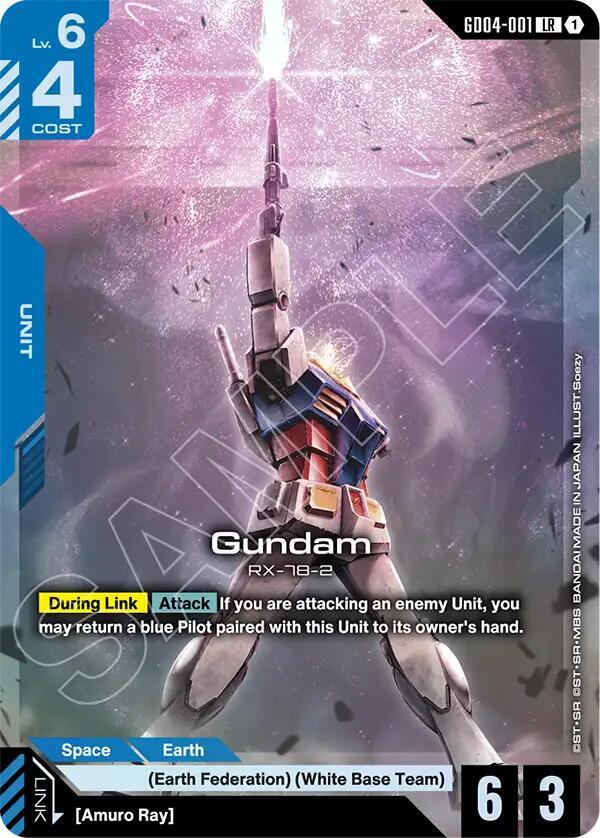
Before the two specific tokens, one quick bit of grounding. In Gundam, token cards — the EX Base, the EX Resource, and Unit tokens created by card effects — are not part of your 50-card main deck or your 10-card Resource Deck. They live separately, off to the side, and come into play through setup or card effects rather than being drawn.
Because they aren't deck cards, the usual construction limits don't apply to them — there's no "four copies max" concern, and (a handy practical detail) token cards are exempt from same-language requirements at sanctioned events, so a token in any language is legal regardless of your deck's language.
The EX Base and EX Resource are the two tokens that appear automatically at the start of every game, before anyone takes a turn. Everything below is about those two.
The EX Base: Free Starting Defense
The EX Base is a Base token with 0 AP and 3 HP, and both players place one in the base section of their Shield Area during setup. It's a completely plain Base — no abilities, no text — there purely to give everyone a small cushion of starting defense.
Here's how that cushion works. When an opponent attacks you directly, the hit lands on your Base first, if you have one, before it can touch your Shields. The EX Base has its own 3 HP, so it can absorb incoming attacks until that HP is used up, then it's destroyed and removed. Only once your base section is empty do attacks start breaking Shields.
EX Base = 0 AP / 3 HP, no abilities.
It takes hits before your Shields — and excess damage does NOT spill onto a Shield.
That no-spillover rule is the detail people miss. If an attacker deals more damage than the Base's remaining HP, the excess is wasted — it does not carry over to a Shield behind it. So a single big attacker swinging into your EX Base destroys the Base but doesn't also crack a Shield in the same hit. That makes even a humble 3 HP Base surprisingly good at buying you a turn against a hard hitter.
A few more things the EX Base can and can't do. It can't attack or block — it just sits and absorbs. It can be targeted by effects like any Base. And you may only have one Base at a time: if you later deploy a stronger Base card from your deck, it replaces the EX Base (you don't stack them). Many deck Bases bring useful abilities on top of their HP, so trading up from the freebie EX Base is often worthwhile — just remember it's a one-Base slot.
For how the Base interacts with the rest of your defensive layer — Shields, Burst triggers, and the order damage resolves — see our Shields & Burst guide.
The EX Resource: The Second-Player Bonus
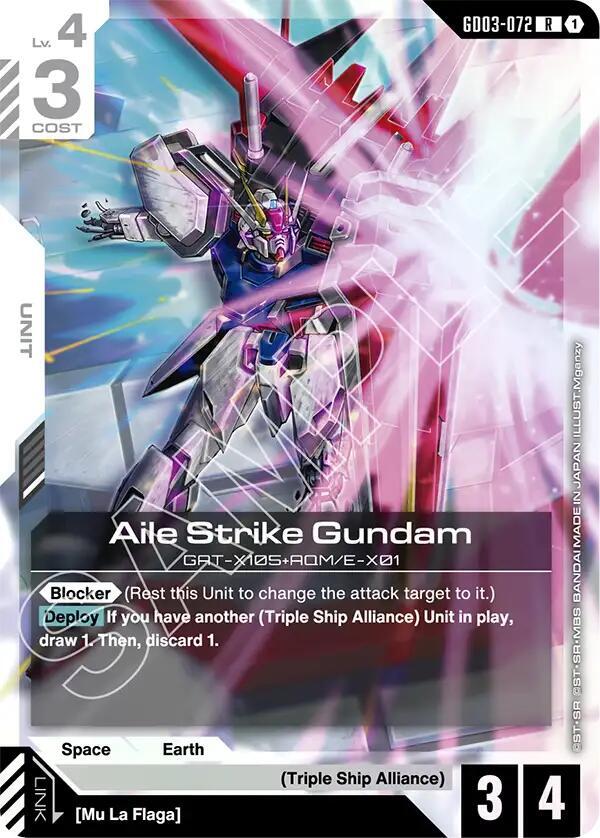
The EX Resource is where the two tokens differ most: unlike the EX Base, only the player going second gets one. At setup, after first player is decided, the second player places a single EX Resource token into their Resource Area in the active (upright) position, ready to use immediately.
Why only the second player? It's Gundam's fix for first-player advantage. The player going first acts first and applies pressure first; to compensate, the second player effectively starts with one extra level of resource available. On their opening turn they'll add their normal Resource for the turn and still have this EX Resource, giving them a brief economic head start to keep pace.
A Note on First-Player Advantage
Gundam is relatively even-handed about who goes first — both players draw on their first turn (some card games deny the first player their opening draw instead). Because the first player keeps their draw, the EX Resource is the main lever balancing the two seats. It's a modest edge, not a game-winner, but over a full game that one extra early level genuinely matters — which is exactly why it's worth spending well rather than reflexively.
The Spend-Once Rule & Smart Timing
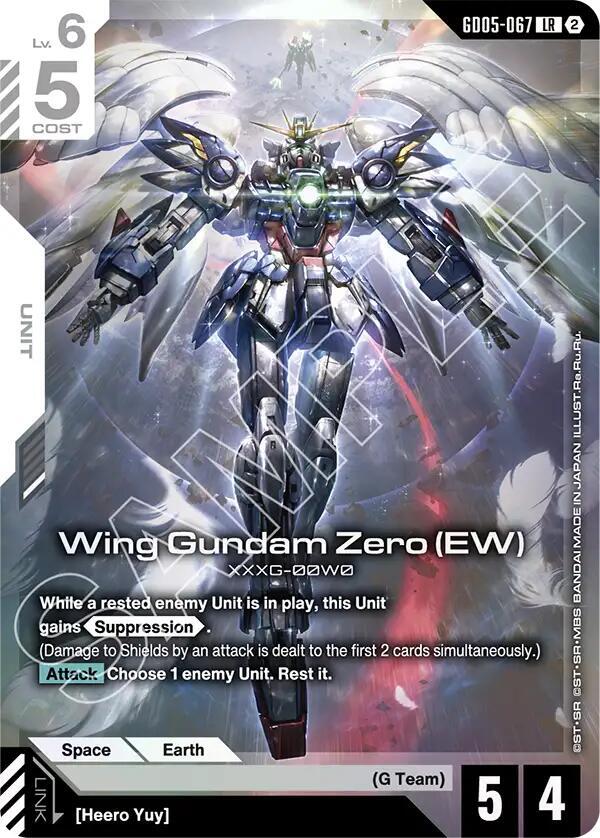
Here's the single most important rule about the EX Resource: it's removed the moment it's used to pay for anything. It funds a cost exactly like a normal Resource — you can rest it as part of paying for a card — but once it contributes to a payment, the token is gone for good. It does not refresh at the start of your next turn the way your real Resources do.
The EX Resource is a one-time boost.
The instant you spend it on a cost, it's removed — so spend it on something that matters.
That changes how you should think about it. Because it vanishes once spent, the EX Resource is really a one-time extra level you get to deploy whenever it does the most good — not a permanent part of your economy. Burning it on turn one out of habit, just to play a slightly bigger turn-one card, often isn't the best use.
The skill is timing. A common strong line is to hold the EX Resource until the turn where that one extra level lets you do something you otherwise couldn't — deploying a key Unit a full turn ahead of schedule, or paying for a Unit and still leaving real Resources up for an 【Action】 Command. Used on the right turn, it can steal a tempo lead the first player can't match; spent carelessly, it's just a slightly bigger opening that fizzles.
One practical reminder: it only does work if you remember it's there. Plenty of newer second-player pilots forget the EX Resource entirely and play as if they have one fewer level than they actually do. Before each of your early turns, count it in.
Extra EX Resources & the Five Cap
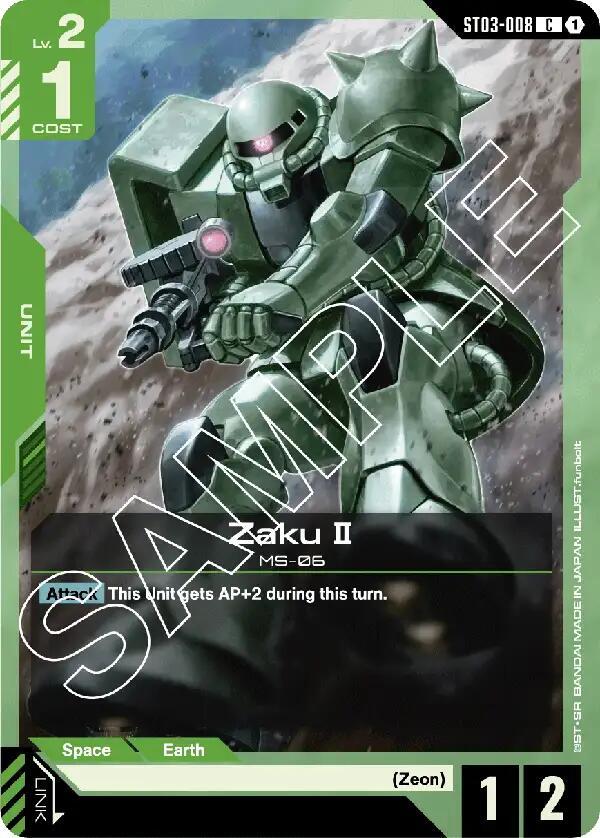
The second-player setup token isn't the only way an EX Resource can appear. Some cards — most notably in Green, the game's acceleration color — can generate additional EX Resources during the game as a form of ramp, putting you ahead on levels to deploy bigger Units early.
Two rules keep that in check. First, there's a hard ceiling: you can have no more than five EX Resource tokens at any one time. Second, the spend-once behavior still applies to every one of them — each EX Resource you generate is likewise removed as soon as it's used to pay a cost. They're burst fuel for a big turn, not a permanent resource-engine upgrade.
If you're playing Green ramp, the EX Resource stops being a one-off second-player perk and becomes a recurring tool: you're repeatedly converting card effects into temporary extra levels to outpace your opponent's curve. The same timing logic applies, just more often — bank them for the turns where the extra levels translate into a real board advantage.
Common Mistakes
Mistake #1: Reflexively spending the EX Resource on turn one.
It's a one-time boost that disappears once used. Spending it for a marginally bigger opening play often wastes it — hold it for the turn where the extra level genuinely unlocks something, like deploying a key Unit ahead of curve.
Mistake #2: Forgetting the EX Resource exists.
Going second, it's easy to plan your early turns as if you only have your normal Resources. Count the EX Resource in — it's a whole extra level of plays available when you need it.
Mistake #3: Expecting Base damage to spill onto a Shield.
It doesn't. Damage beyond the Base's remaining HP is wasted, not carried through. A big attacker destroys your EX Base but won't also crack a Shield in the same swing — which is exactly what makes the Base good at buying a turn.
Mistake #4: Trying to keep the EX Base when deploying a better one.
You only get one Base slot. Deploying a Base from your deck replaces the EX Base rather than adding to it. That's usually a fine trade — deck Bases often carry abilities — just go in knowing you're swapping, not stacking.
Mistake #5: Assuming the first player gets an EX Resource too.
Only the second player does — that's the whole point of it. Both players get the EX Base; only the player going second gets the EX Resource.
FAQ & Quick Reference
- What are the EX Base's stats? 0 AP and 3 HP, with no abilities. Both players start with one in their base section. It absorbs direct attacks before your Shields and can't attack or block.
- Who gets the EX Resource? Only the player going second, as a single token placed active in their Resource Area at setup — the game's offset for first-player advantage.
- Does the EX Resource come back after I use it? No. It's removed the moment it's used to pay for anything — a one-time boost, not a recurring Resource. Spend it on a turn where the extra level matters.
- If an attack overkills my Base, does the extra hit a Shield? No. Excess damage beyond the Base's HP is wasted; it doesn't spill onto a Shield. The Base is destroyed, your Shields stay intact that swing.
- Can I have more than one EX Resource? Yes — some Green cards generate extra ones as ramp — but never more than five at a time, and each still vanishes once spent.
- Are these tokens part of my deck? No. Token cards are kept separate from your 50-card deck and 10-card Resource Deck, and they're exempt from deck-construction limits.
- EX Base: 0 AP / 3 HP, no abilities; both players start with one.
- Base behavior: takes direct hits before Shields; excess damage doesn't spill; can't attack or block; one Base slot only.
- EX Resource: second player only, one token, placed active at setup.
- Spend-once: removed as soon as it's used to pay a cost — a one-time level.
- Extra EX Resources: Green can make more; hard cap of five total.
- Both: free token cards, separate from your decks, no construction limits.
Small Tokens, Real Tempo.
The EX Base and EX Resource look like setup formalities, but they're doing real work. The EX Base gives both players a 3 HP buffer that absorbs the first hits and — thanks to the no-spillover rule — reliably buys a turn against early aggression. The EX Resource hands the second player a single extra level that, spent on the right turn, can pull a tempo lead the first player can't answer. Learn the two small rules that govern them — damage doesn't spill past the Base, and the EX Resource is gone once spent — and you'll squeeze every bit of value out of the free help the game hands you before turn one.
Keep Exploring:
© GEEKYDOMAIN.COM | Strategy Powered by Data