

Song decks like Steelsong win by getting powerful effects for free, over and over, until you drown in value. Here's how the engine actually works — and how to break it before it buries you.
If aggro is the deck that beats you with speed, Singer decks are the deck that beats you with efficiency. The Amber/Steel "Steelsong" archetype — and its many Song-based cousins — has been a top-tier classic since Lorcana's very first set, and it wins by doing something that feels almost unfair: casting expensive, game-warping Songs for free by having a character sing them. Board wipes for no ink. Card draw for no ink. Removal for no ink. Played correctly, a Song deck generates so much value so efficiently that slower opponents simply run out of resources trying to keep up.
But Singer decks have a specific engine, and engines can be disrupted. The whole archetype rests on a small number of load-bearing pieces — the Singer characters that enable the free Songs, the card-draw Songs that refuel the deck, and the tempo math that lets them do two things in a turn instead of one. Attack those pieces, play around their board wipes, and the "unfair" deck becomes a beatable one. This guide shows you exactly how.
We'll break down what Singer decks are actually doing, the current Steelsong builds you'll face in 2026, the engine pieces that make them tick, the counter-strategy that breaks them, and the turn-by-turn decisions that turn the matchup in your favor. Whether you're losing to Steelsong in Infinity or facing a Song-lite build in Core Constructed, the approach is the same: break the engine, not the symptoms.
The Short Version
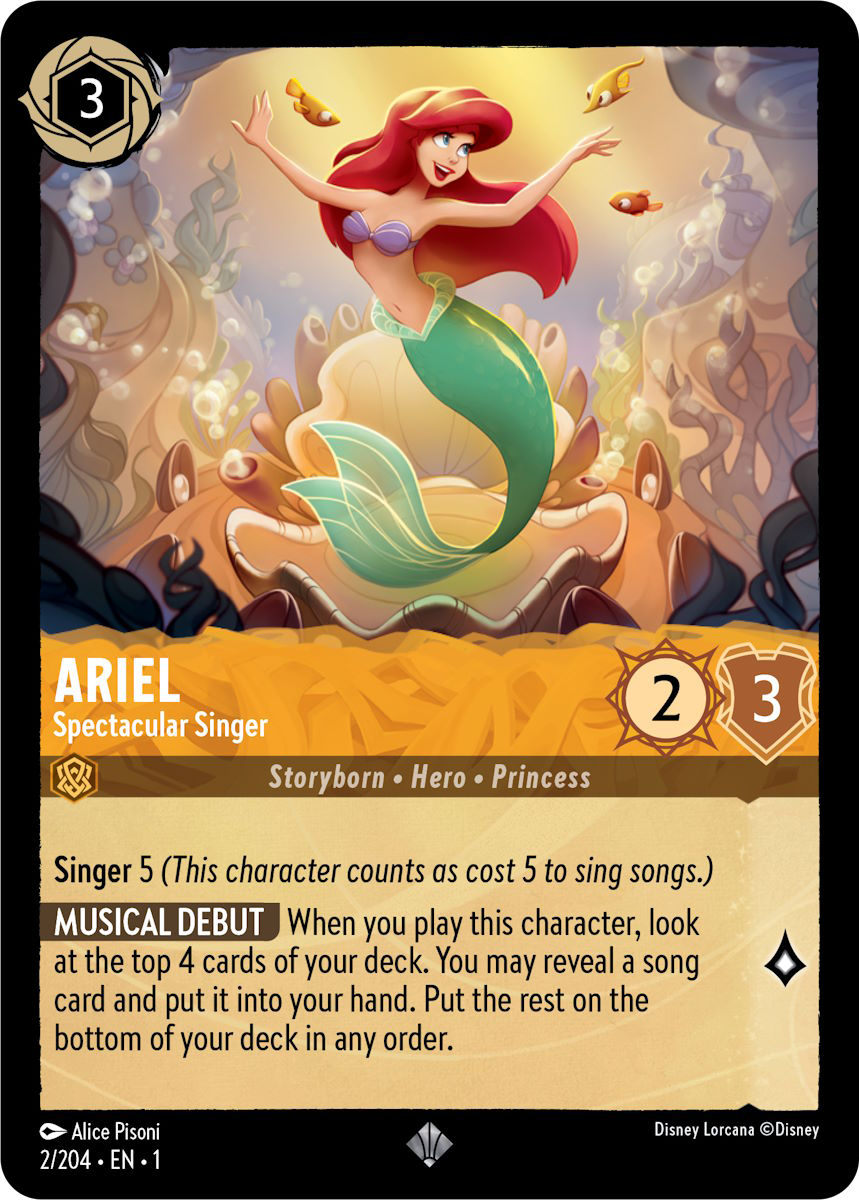
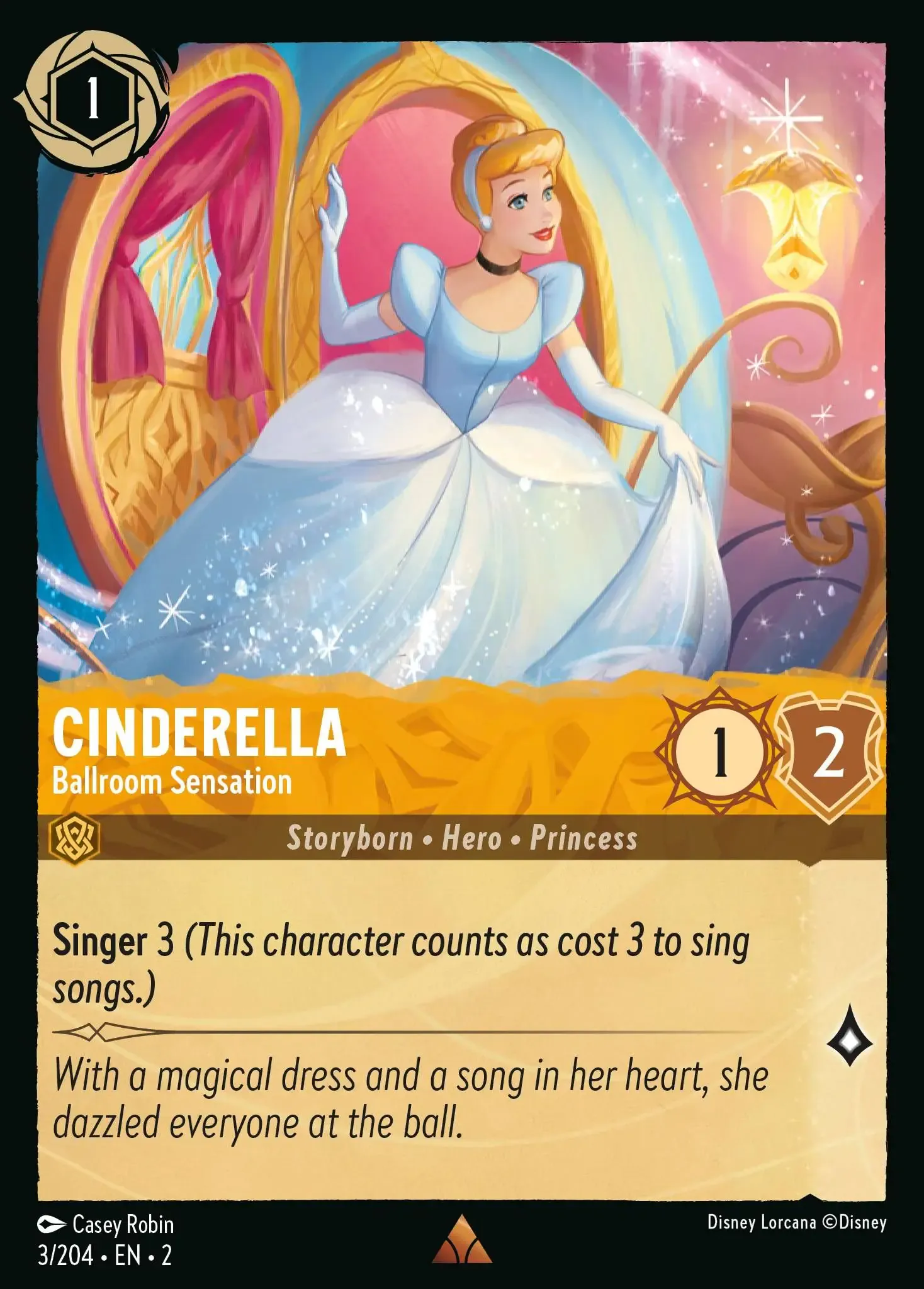
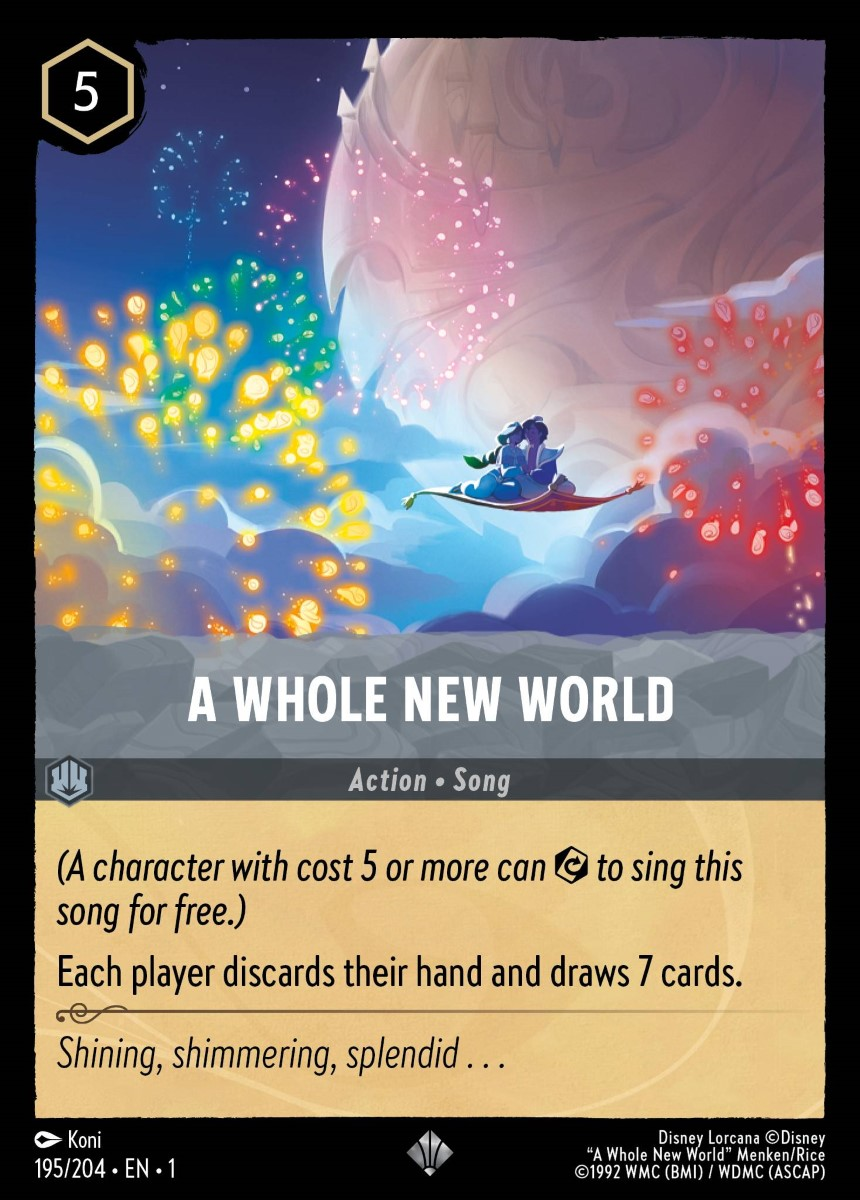
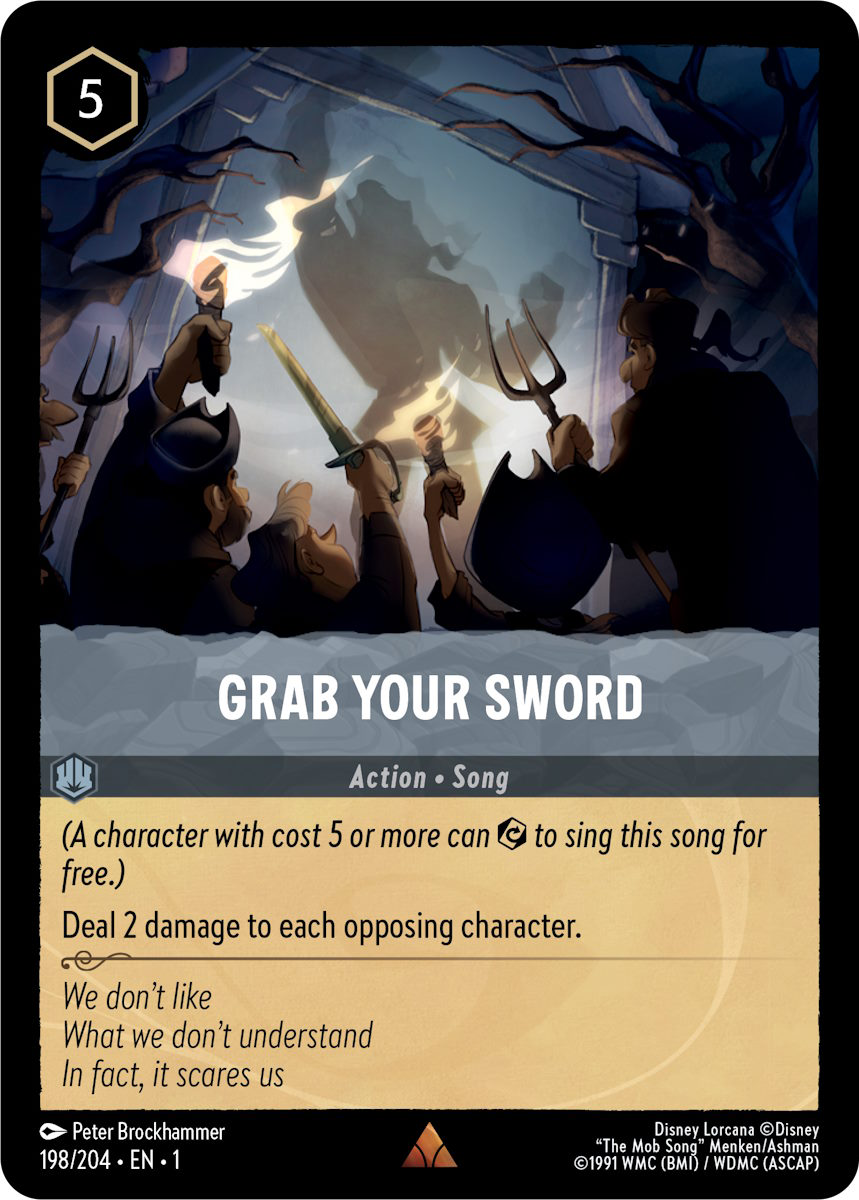
Singer decks (the classic being Amber/Steel "Steelsong") win by singing expensive Songs for free — resting a character of sufficient cost instead of paying ink — which lets them do two impactful things per turn while you do one. Their engine rests on three pillars: Singer characters (like Ariel — Spectacular Singer and Cinderella — Ballroom Sensation, who sing above their cost and tutor Songs), card-draw Songs (A Whole New World is the strongest draw effect in the game), and board-control Songs (Grab Your Sword and Be Prepared as AOE). To counter them: kill the Singers to choke the engine, play around the AOE by not overextending, punish their rested characters (a character that sang is exerted and can't block), use Ward to protect your threats from Song removal, and apply fast pressure before their value snowballs. They're midrange — race them early or out-grind them late, but never let them set the tempo.
→ More Lorcana Guides
In This Guide
What Singer Decks Are Doing
First, the mechanic. Songs are a special card type in Lorcana. Normally you pay a Song's ink cost to play it, just like any card. But the Singer mechanic offers an alternative: instead of paying ink, you can rest (exert) one of your characters whose cost is equal to or greater than the Song's cost, and play the Song for free. The character is "singing" it.
That sounds like a fair trade — you're spending a character's action instead of ink. But here's the catch that makes Song decks so strong: you got to do something impactful without spending ink, which means you still have all your ink for the turn to do something else. A Song deck casts a board wipe by singing it, then spends its ink developing the board the wipe just cleared for them. They do two things; you did one.
Layer on top of that the specific Songs available — the strongest card-draw effect in the game, efficient AOE removal, tempo-positive bounce — and you have an archetype that out-values almost everything if you let it operate on its own terms. The Steelsong deck is classified as midrange: it's not racing you to death like aggro, and it's not durdling forever like pure control. It establishes board control through Songs, then closes to 20 lore once it's firmly in command.
The Three-Pillar Engine
Every Singer deck rests on three categories of card. Understanding them tells you exactly what to attack:
-
Pillar 1: The Singer characters. Characters like Ariel — Spectacular Singer and Cinderella — Ballroom Sensation are the engine. They "sing above their cost" — meaning a relatively cheap character can sing an expensive Song — and some, like Ariel, also tutor (search out) the specific Song the deck needs. Without these characters in play, the free-Song engine grinds to a halt. This is the pillar you attack.
-
Pillar 2: The card-draw Songs. A Whole New World is widely considered the strongest draw card in Lorcana — it refills the singer's hand, ensuring they never run out of gas. This is what makes the deck a value engine rather than a one-shot combo. If you let them resolve A Whole New World repeatedly, you cannot out-resource them.
-
Pillar 3: The board-control Songs. Grab Your Sword (AOE damage) and Be Prepared (AOE banish) are the deck's board wipes, sung for free. Combined with single-target removal Songs, these let the Steelsong player keep your board clear while developing their own. These are why you can't just overextend into them.
The Engine Insight
A Singer deck without its Singer characters is just a deck full of overcosted Songs it has to hard-cast. The entire archetype's efficiency comes from Pillar 1. If you can consistently remove or pressure their Singers — forcing them to pay full ink for their Songs — you've turned a tempo-positive value deck into a clunky, ink-starved one. Kill the singer, silence the song.
The Tempo Math That Beats You
To understand why Singer decks feel so oppressive, look at the per-turn action economy:
A normal turn vs. a Singer turn:
You (turn 5): play one 5-cost character. One action, all your ink spent.
Them (turn 5): sing a board wipe (free, rest a character) + play a 5-cost threat with ink. Two impactful actions, board cleared, threat deployed.
Every turn they sing, they get a "free" action. Over a game, that's a mountain of extra value — unless you make the singing cost them something.
The key realization: the "free" Song isn't actually free — it costs them a rested character. When a Singer rests to sing, that character is now exerted: it can't quest that turn, it can't challenge, and most importantly, it can't block. The cost is hidden, but it's real, and it's the seam you pry open.
A rested Singer is a vulnerable Singer. If you have a ready character that can challenge it, you banish their engine piece while it's tapped out from singing. That single exchange — your challenge for their Singer — can swing the whole game, because they lose the character that was generating all that free value.
What You'll Face in 2026
As of 2026, the Singer archetype shows up in a few forms depending on format:
- Amber/Steel Steelsong (Infinity Constructed). The classic, full-power version — one of the top decks in the Infinity format, recently sitting around a 17% metashare. It runs the full suite: Ariel and Cinderella singers, A Whole New World draw, Grab Your Sword and Be Prepared AOE, often around 14 Songs total (roughly a quarter of the deck). This is the version that leans hardest on the engine and the one this guide is primarily written against.
- Core Constructed Song variants. Because rotation removed several classic Steelsong pieces (some of its best Songs and singers came from rotated Year-One sets), the Core version is leaner and less explosive than its Infinity counterpart. It still uses the Song mechanic for tempo, but with a smaller, newer card pool. Treat it as a midrange tempo deck rather than the full value engine.
- Song-splash midrange decks. Many non-dedicated decks splash a few key Songs (especially AOE and draw) even if they aren't "Singer decks" proper. The anti-Singer principles still apply — respect the AOE, watch for the free tempo — just at a lower intensity.
The Five Anti-Singer Principles
The universal rules for the matchup, regardless of which deck you're piloting:
- 1. Prioritize their Singers above all other targets. When you have removal or a profitable challenge, point it at Ariel, Cinderella, or whatever Singer is enabling their free Songs — not at a random body. Removing the engine piece is worth more than removing a bigger but less important character. The Singer is the deck.
- 2. Punish rested Singers. A character that sang this turn is exerted and can't defend itself. Keep a ready challenger available specifically to banish a Singer the turn after it sings. This is the single highest-value play pattern in the matchup.
- 3. Never overextend into open mana. If your opponent has a Singer untapped and cards in hand, assume a board wipe is coming. Don't commit your entire hand to the board — deploy enough to pressure them, but always keep a threat or two in reserve so a single Grab Your Sword or Be Prepared doesn't blow you out.
- 4. Protect your key threats with Ward. Ward stops targeted removal Songs cold. A Warded threat the Singer deck can't answer with a single-target Song forces them to spend an AOE (which also hits their own board) or simply take the damage. Ward characters are gold in this matchup.
- 5. Deny them the long game. Singer decks win games that go long, because their value engine compounds. Either close the game fast (before A Whole New World snowballs) or, if you're a control deck, attack their card advantage directly so the value engine has nothing to refuel. The one thing you can't do is play a slow, fair game on their terms — they win that every time.
Playing Around Their Board Wipes
The board wipes — Grab Your Sword (damage-based AOE) and Be Prepared (banish-based AOE) — are the cards that punish you hardest for playing into them. Playing around them is a learnable skill:
- Deploy in waves, not all at once. Commit enough characters to apply pressure, but hold reserves. If they wipe, you rebuild immediately from your held cards while they're tapped out from singing the wipe. Overcommitting and getting two-for-one'd (or worse) by a single Song is the classic way to lose this matchup.
- Know the difference between the wipes. Grab Your Sword deals a fixed amount of damage to all characters — high-Willpower characters survive it. Be Prepared banishes outright regardless of Willpower. Against a damage-AOE deck, big-Willpower threats are resilient; against a banish-AOE deck, they're not. Build and sequence accordingly.
- Bait the wipe with a partial commit. Sometimes the right play is to deploy two or three characters — enough to look threatening — specifically to bait out their AOE, then unload your real threats the following turn into an empty board. You're trading a small commitment for their expensive answer.
- Use Ward and Resist to dodge the damage AOE. A high-Willpower or Resist character shrugs off damage-based wipes. Ward doesn't stop AOE (it's not targeted), but Resist directly reduces the damage. Against a Grab-Your-Sword-style deck, Resist characters are some of the stickiest threats you can deploy.
Mulligan & Game Plan
What to look for in your opening hand against a Singer deck depends on which side of the race you're on:
The Anti-Singer Mulligan Rule
If you're the aggressor: keep fast, evasive threats and anything that pressures them before turn 5. If you're the controller: keep cheap removal for their Singers and at least one card-advantage engine of your own. Either way, prioritize interaction that hits their Singers and threats that dodge their removal (Ward, Resist, or evasive characters).
The general game plan, turn by turn:
- Turns 1–2: Develop, but watch their singers. Get onto the board, but note when they play Ariel or another Singer. That character is your priority target the moment you can profitably remove or challenge it.
-
Turn 3: The Singer-removal window. This is often when they deploy their key Singer (and try to tutor a Song). If you can remove or challenge that Singer on turn 3 or 4, you choke the engine before it gets going. Hold cheap removal specifically for this.
- Turns 4–5: Don't walk into the wipe. This is when their AOE Songs come online. Deploy in waves, keep reserves, and force them to spend their board wipe inefficiently — ideally on a board you can rebuild instantly.
- Turns 6+: Close or grind. If you're the aggressor and you've pressured them throughout, close the game before A Whole New World fully stabilizes them. If you're the controller, keep attacking their card advantage and singers until their engine sputters, then take over with your own threats.
Race or Grind: Which Angle?
Because Steelsong is a midrange deck, it's vulnerable from both ends — but you have to pick one and commit. The worst thing you can do is play a fair midrange game in the middle, which is exactly where Steelsong is strongest.
Race Them When...
- You're playing aggro or fast tempo.
- You can reach lethal lore before turn 6-7.
- You have evasive or Ward threats they can't easily answer.
- Your clock is faster than their stabilization.
Grind Them When...
- You're playing dedicated control.
- You have your own superior card-advantage engine.
- You can repeatedly remove their Singers.
- You out-value them in the very long game.
The deadly middle ground is the fair midrange game: trading one-for-one, developing slowly, letting them sing value every turn. That's the game Steelsong was built to win. Be faster than them or grindier than them — never just even with them.
Common Anti-Singer Mistakes
Mistake #1: Removing the wrong character.
Spending your removal on the biggest character on their board instead of their Singer is the most common error. The 7-Willpower threat isn't what's beating you — the cheap Singer quietly generating free Songs every turn is. Always ask "which character is the engine?" before you point removal anywhere.
Mistake #2: Dumping your whole hand into a board wipe.
Seeing an empty board and unloading five characters feels great — right up until they sing Be Prepared and banish all of them for free. Against Singer decks, deploy in waves. The discipline to hold back reserves is what separates winning this matchup from getting two-for-one'd into oblivion.
Mistake #3: Playing a fair, grindy midrange game.
If you trade resources evenly and let the game go long, the Singer deck's free value compounds and you lose. You must be either faster (race) or grindier with a better engine (control). The even midrange game is Steelsong's home turf — don't meet them there.
Mistake #4: Ignoring that singing exerts their character.
New players treat a sung Song as if it were free with no downside. It isn't — the Singer is now rested and defenseless. Failing to punish a rested Singer with a challenge is leaving the matchup's best play pattern on the table. Watch for the rest, and pounce.
Mistake #5: Letting A Whole New World resolve uncontested all game.
Their card-draw Song is what keeps the engine fueled. If you can't interact with it directly (few decks can), the answer is to end the game before it snowballs — or to have your own card-advantage engine so you don't fall behind on cards. Letting them draw a fresh hand repeatedly while you topdeck is a slow-motion loss.
FAQ & Quick Reference
- Can I just play more removal to beat Singer decks? Removal helps, but only if you point it at the right targets — their Singers, not their biggest bodies. A deck overloaded with removal that all gets spent on non-engine characters still loses. Targeted, engine-focused interaction beats raw removal quantity.
- Is going first or second better against Steelsong? Going first is generally better if you're the aggressor — you want to apply pressure before their engine comes online. If you're the control deck, the extra card from going second can matter more. Either way, the matchup is decided more by whether you attack their engine than by the die roll.
- What if they don't draw their Singers? Then they have a hand full of Songs they have to hard-cast for full ink, and the deck plays much worse — clunky and slow. If you notice they're paying full price for their Songs, they're engine-light this game; press your advantage hard, because their deck isn't functioning as designed.
- Does this apply to Core Constructed too? Yes, but with less intensity. Rotation removed several classic Steelsong pieces, so the Core version is leaner. The same principles apply — attack the singers, respect the AOE, don't play fair — just against a weaker engine. The full-power version lives in Infinity Constructed.
- How is this different from beating aggro? Against aggro, you stabilize and survive to the late game where you out-power them. Against Singer decks, the late game is their strength — so you do the opposite: either end the game fast or attack their value engine so the long game never materializes for them. The two matchups call for nearly opposite instincts, which is why players who are good against one are often bad against the other.
- Singer plan: sing expensive Songs for free, doing two things per turn while you do one.
- Three pillars: Singer characters, card-draw Songs (A Whole New World), board-control Songs (Grab Your Sword, Be Prepared).
- Attack Pillar 1: kill the Singers and the free-Song engine collapses.
- Punish the rest: a Singer that sang is exerted and can't block — challenge it.
- Respect the AOE: deploy in waves, never overextend into open mana.
- Protect threats: Ward dodges targeted Song removal; Resist shrugs off damage AOE.
- Pick an angle: race them or out-grind them — never play the fair midrange game.
- Format note: full-power Steelsong lives in Infinity; Core runs a leaner Song variant.
Silence the Song.
Singer decks feel unbeatable when you let them operate on their own terms — free board wipes, free card draw, two actions a turn while you scrape by with one. But the whole archetype hinges on a handful of fragile engine pieces. Remove the Singers, punish them when they rest to sing, play around the board wipes, and refuse to play the slow fair game they want, and the "unfair" deck reveals itself as a collection of overcosted Songs with no one left to sing them. Attack the engine, not the symptoms, and this matchup flips from frustrating to favorable.
© GEEKYDOMAIN.COM | Strategy Powered by Data