

The Combo System, Explained
Combo is the beating heart of Dragon Ball Super: Fusion World — and the source of its hardest decisions. Here's exactly how it works, and how to wield it well.
Almost every meaningful decision in Dragon Ball Super: Fusion World runs through one mechanic: Combo. It's how you defend a leader from a knockout blow, how you punch an attacker through a wall of blockers, and — most importantly — how you decide whether to spend your hand or take the hit. Master Combo and you understand the game; misunderstand it and you'll lose battles you should have won and burn cards you should have kept.
On the surface, Combo is simple: you play cards to add power to a card in a fight. Underneath, it's a constant tug-of-war between three resources — your hand, your life, and your leader's Awaken — that makes Fusion World's combat far deeper than the numbers suggest.
This guide covers how a battle resolves, exactly how comboing works, where combo cards come from, the resource economy that makes the system tick, and how to use it well at the table. Everything here follows Fusion World's official rules — and a card's own text always overrides the defaults.
The Short Version
During a battle, either player can place Battle Cards into the Combo Area to add their Combo Power (the number on the card's left side) to a card in the fight. Comboing costs no energy — the cost is the card itself, and after the battle every combo card goes to the Drop Area. Combat is one-directional: the attacker wins if its power is greater than or equal to the defender's, and a failed attack simply fizzles. The deep part is the economy — comboing from your hand drains it, while taking damage to your leader refills your hand (the top Life card goes into it) and can push you toward Awakening. Every block is a choice between cards, life, and tempo.
→ Master Fusion World
In This Guide
How a Battle Works (First)
Combo only makes sense inside a battle, so start here. On your turn, you attack by switching a Leader or Battle Card from active to rest mode and declaring a target — your opponent's Leader, or one of their rested Battle Cards. Then both players get a chance to combo, and finally the powers are compared.
Resolution is refreshingly clean, and it runs one direction:
- The attacker wins on greater-than-or-equal-to. If the attacking card's power is at least the defending card's power, the attack succeeds. Ties go to the attacker — a detail that decides a surprising number of games.
- Beating a Leader deals 1 damage. The defending player takes the top card of their Life Area into their hand. (Yes — into their hand. Hold that thought; it's the key to everything.)
- Beating a Battle Card KOs it. The defeated Battle Card is knocked out and sent to the Drop Area.
- A failed attack just fizzles. If the attacker's power ends up lower than the defender's, the battle simply ends — the attacker isn't destroyed. Unlike games with two-way combat damage, attacking into a bigger number costs you nothing but the attack.
You win by reducing your opponent's Life from its starting eight down to zero, or by milling them out so they can't draw. With that frame in place, Combo is simply the tool that lets you change the power comparison before it's settled.
What Combo Actually Is
Every Battle Card has two power numbers. The big one in the corner is its Power — what it fights with when it's the attacker or defender. The smaller number on the left side of the card is its Combo Power — the amount it adds to another card when you play it as a combo.
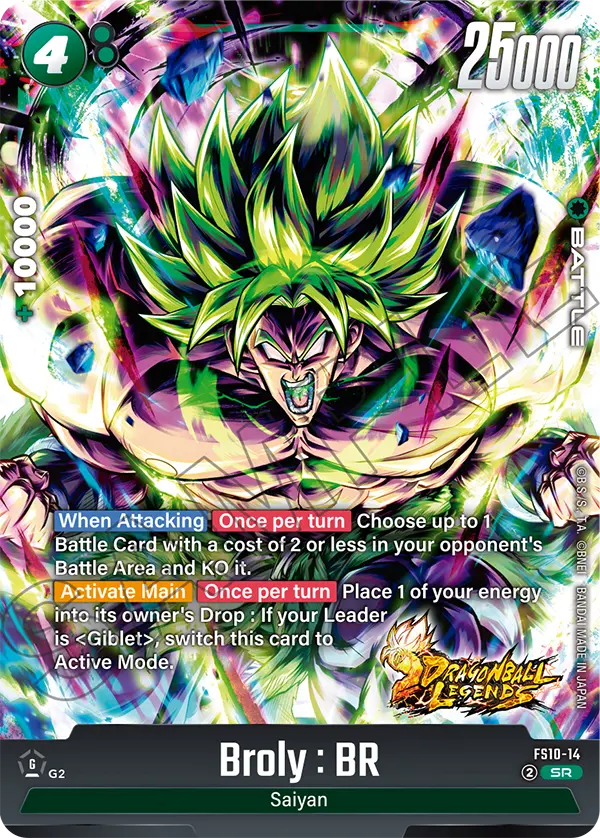
During a battle, before powers are compared, you can place one or more Battle Cards into the Combo Area and add each card's Combo Power to a card in the fight. A few rules make this powerful:
- Both players can combo. The attacker can combo to push their attacker's power higher; the defender can combo to lift their leader or battle card out of range. It's a back-and-forth, with the non-turn player typically responding to the threat.
- You can stack as many as you like. There's no hard cap — pile three or four cards into a combo if you need the power. The only limit is how many cards you're willing to spend.
- It costs no energy. Comboing doesn't tap your energy at all. The price is the card itself — which is exactly why it feels cheap in the moment and expensive over a game.
- Combo cards are spent. After the battle resolves, every card in the Combo Area moves to the Drop Area. A combo is a one-time burst, not a lasting board presence.
So the basic loop is: someone attacks, the defender decides whether to combo to survive, the attacker may combo back to push through, and then the final numbers settle the battle. Whoever is willing to invest more cards usually wins the individual fight — but "winning the fight" and "winning the game" are not the same thing, as the economy section will show.
Where Combo Cards Come From
You can feed the Combo Area from two places, and the difference matters:
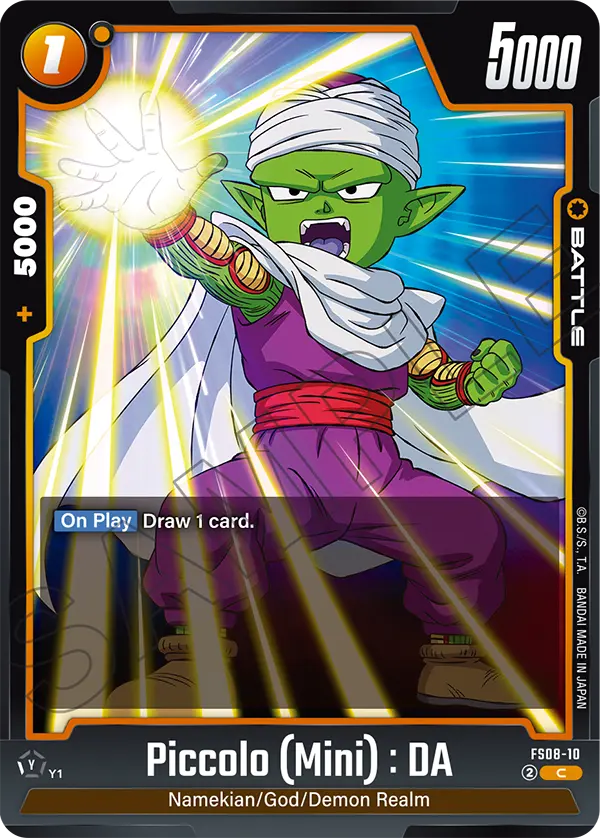
- From your hand (the standard). Reveal a Battle Card from your hand and place it in the Combo Area for its Combo Power. This is how most combos happen — it spends a card you were holding, costing you hand size but nothing on the board.
- From your Battle Area (the sacrifice). You can also take an active Battle Card already on your field and move it into the combo. Since combo cards go to the Drop afterward, this effectively sacrifices that card for its Combo Power. It's costly, but it can be the right call to push through a critical attack or save your leader when your hand is empty.
Most of the time you'll combo from hand and leave your board intact. Sacrificing field cards is a finisher's tool — something you reach for when the game is on the line and an extra few thousand power decides it.
The Heart of It: The Hand-and-Life Economy
Here's the idea that turns Combo from a simple power-boost into the soul of the game. Two facts sit in direct tension:
- Comboing drains your hand. Every card you spend defending a battle is a card you no longer have to play, attack with, or combo with later.
- Taking damage refills your hand. When your leader takes a hit, the top card of your Life goes into your hand. Losing life literally hands you fresh cards — and fresh combo fuel.
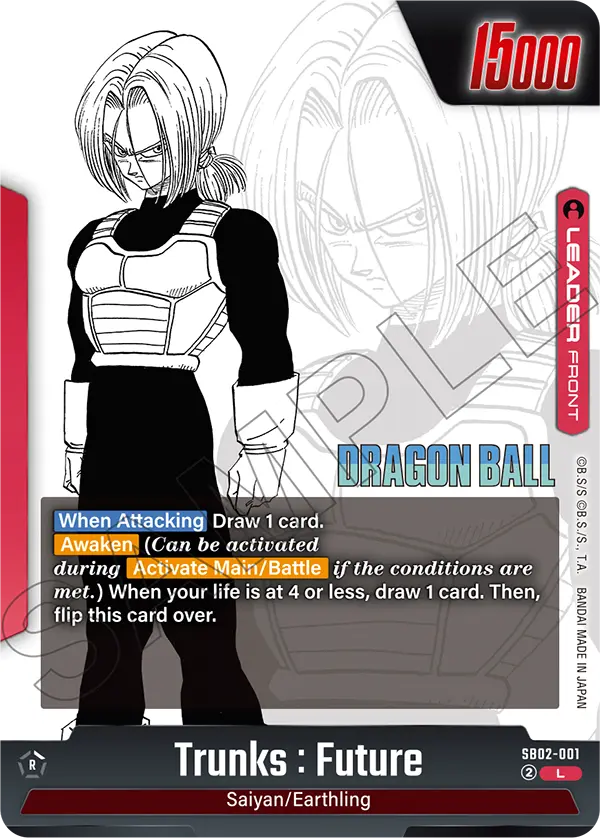
Put those together and every defensive decision becomes a genuine dilemma. Combo to block an attack and you protect your life total but spend cards to do it. Let the attack through and you lose a point of life — but you gain a card, and you're one step closer to the threshold where many leaders Awaken into a stronger form. Sometimes taking the hit is the better play: you refill your hand and power up your leader at the same time.
The Three-Way Tug-of-War
Hand, life, and Awaken all pull against each other. Spending cards to combo preserves life but starves your future turns. Taking damage feeds your hand and advances your Awaken, but each point brings you nearer to losing. The best Fusion World players aren't the ones who block everything — they're the ones who know which hits to take and which to refuse, turning their own life total into a resource rather than just a clock.
Combo in Action: A Worked Example
Numbers make the back-and-forth concrete. Imagine your opponent attacks your Leader, which has 15,000 power, with a Battle Card that has 20,000 power. As things stand, 20,000 beats 15,000 — the attack succeeds and you'd lose a point of life.
You decide your leader is worth defending, so you combo. You reveal a Battle Card from your hand with 10,000 Combo Power and place it in the Combo Area, lifting your Leader to 25,000. Now 25,000 is comfortably above the attacker's 20,000 — the attack would fail. But the turn player isn't done: they respond by comboing a card of their own with 5,000 Combo Power, pushing their attacker to 25,000. Both sides now read 25,000 — and because ties go to the attacker, the attack succeeds again.
This is the exact moment Fusion World lives for. You have a choice. Combo a second card from hand — say another 5,000 — to shove your Leader to 30,000 and finally survive, spending two cards total to deny one point of damage. Or you let it through: you take the hit, the top card of your Life slides into your hand, and if that drop pushes you under your leader's Awaken threshold, you flip to a stronger form in the bargain.
Notice that "winning" this single battle cost you two cards, while "losing" it gained you one card and possibly an Awaken. Early in the game, taking the hit is often correct. Late, with a near-empty Life total, those two cards are well spent. Same numbers, opposite right answers — that's the system working as intended.
How to Use Combo Well
Translating that economy into good play comes down to a handful of habits:
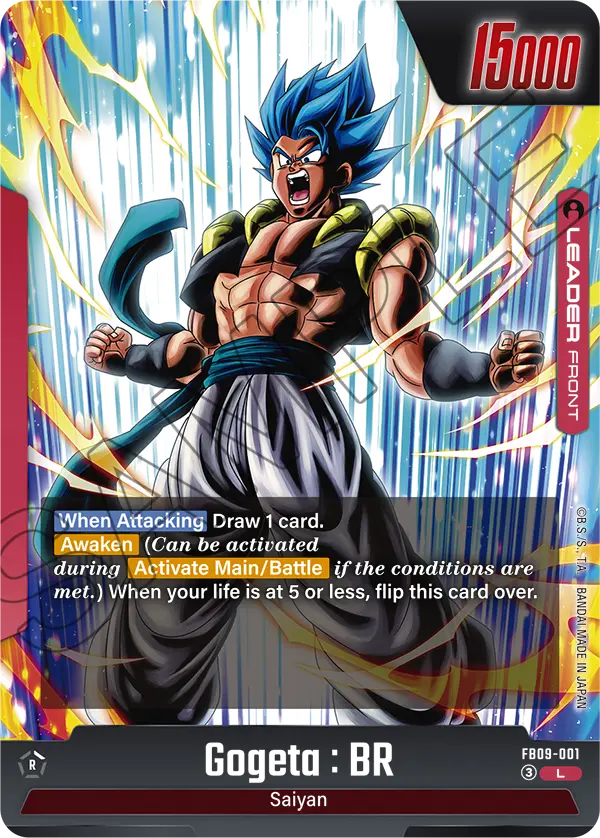
- Don't over-combo early. When your life is high, individual points are cheap. Spending two cards to save one early life point usually loses you the long game. Let early hits land, bank the cards, and save your combos for when they matter.
- Block the hits that actually count. Combo to deny a lethal attack, to keep your leader off a dangerous Awaken threshold you don't want, or to save a high-value Battle Card from a KO. Spend cards where they change the game, not where they only change the scoreboard.
- Math the block exactly. Remember ties go to the attacker, so to survive you need your defender's total to come out strictly higher than the attacker's final power. Combo just enough to clear it — overspending by a card is wasted fuel.
- Use Combo on offense, too. As the attacker, a combo can lift your attacker over a blocker or a defending leader and force damage through. Just account for the defender's likely combo response before you commit — you may need more than the visible numbers suggest.
- Weaponize the threat of your hand. A full hand quietly warns your opponent that any attack might get comboed away, which can deter them from swinging at all. A near-empty hand invites aggression. Manage that perception, and bluff when the read is right.
Common Mistakes
- Defending everything. Burning your hand to protect early life leaves you empty-handed when the real pressure arrives. Life is a resource — spend some of it.
- Blocking a hit you wanted to take. Comboing away a point of life that would have triggered your Awaken — and handed you a card — is a double loss. Know your leader's threshold.
- Under-defending the killing blow. The flip side: don't let a lethal or game-swinging attack through to save a card. When it's the last point of life or a key board piece, spend whatever it takes.
- Forgetting combos are one-and-done. Cards you combo go to the Drop. They don't come back to your hand or board, so treat every combo as permanently spending that card.
Quick Reference
- Combo Power — the number on a Battle Card's left side; added when you combo it.
- Both players combo — attacker to push through, defender to survive.
- No energy cost — you pay with the card, not with energy.
- Stack freely — no cap on how many cards you combo into one battle.
- From hand or field — hand is standard; sacrificing an active Battle Card is the finisher option.
- Spent afterward — all combo cards go to the Drop Area after the battle.
- Ties go to the attacker — defenders must come out strictly higher to survive.
- Damage refills your hand — a hit on your leader sends the top Life card to your hand.
- Life feeds Awaken — taking damage can power up your leader, so some hits are worth taking.
Win the Right Battles, Not Every Battle.
Combo looks like a math problem — add enough power to win the fight — but it's really a resource problem. Cards spent defending are cards gone forever, while damage taken hands you new ones and feeds your Awaken. The players who climb are the ones who treat their life total as fuel, refuse the hits that don't matter, and unload their hand only when a battle truly decides the game.
Learn that rhythm and Fusion World's combat opens up — every attack becomes a question, and you'll start answering it better than your opponent.
Build a Better Deck:
© GEEKYDOMAIN.COM | Strategy Powered by Data