

Two quiet skills decide more Dragon Ball Super: Fusion World games than any flashy combo: a sharp mulligan, and the psychological warfare that follows. Here's how to master both.
Every game of Fusion World begins with a decision most players make on autopilot — keep this opening hand, or ship it back? And every game that follows is a long series of bluffs, reads, and resource gambles built on top of the combo system. Get good at those two things and you'll win games against opponents with stronger decks, simply because you played the cards in your hand — and the cards in their head — better than they did.
The mulligan is pure evaluation: can this hand actually do something in the early turns, and does it point toward my game plan? The mind-games are pure psychology: your hand size, your open energy, and your willingness to take a hit all leak information your opponent is reading — and that you can manipulate.
This guide covers the exact mulligan rule, how to judge an opening hand, how your seat changes that math, and the bluffing layer that turns the combo system into a battle of wits. The mechanics here follow Fusion World's current rules; a card's own text always overrides the defaults.
The Short Version
You draw 6 cards and may mulligan once — shuffle all six back and redraw six, with no penalty. Because it's free and all-or-nothing, ship any hand that can't make plays in the first couple of turns, but don't break a workable hand chasing perfection. Keep a sensible curve with early plays and some combo fuel. After that, the game becomes mind-games: your hand size signals your combo threat, taking damage refills your hand and feeds your Awaken, and the best players bluff, bait, and force their opponent to spend combos on attacks that don't matter.
→ Master Fusion World
In This Guide
The Mulligan Rule, Exactly
Fusion World's mulligan is refreshingly simple. After determining who goes first, you draw six cards for your opening hand. You may then choose to mulligan once: shuffle all six cards back into your deck and draw six new ones. That's the entire rule — and three details about it matter.
- It's all-or-nothing. You can't keep your good cards and swap the rest. It's the whole hand back, or none of it. So you evaluate the six as a package, not card by card.
- There's no penalty. You redraw the same six cards' worth — you don't lose a card for mulliganing, unlike some other games. A bad hand costs you nothing to ship.
- You only get one. The new six are blind and final. There's no second mulligan, so you can't keep digging for the perfect hand.
Once both hands are set, each player places the top eight cards of their deck face down as their Life Area, and the player going second places a single Energy Marker in their energy area — a one-time resource that can pay for one cost in their leader's color before being removed from the game.
One Turn-Order Note
Under the current rules, both players draw on every turn, including the first player's opening turn (this was changed in mid-2024 — older guides may say the first player skips it). However, the first player still cannot attack on their very first turn — attacks begin from the first player's second turn onward. The second player can attack on their first turn and holds that energy marker. Keep this in mind; it shapes which opening hands are good from each seat.
How to Read Your Opening Hand
Because your deck is built around a single color and leader, you're not worried about drawing the wrong colors the way you might be in a multi-color game. The question that matters is simpler: can this hand actually do things, in the right order, over the opening turns? A keepable hand usually has most of the following:
-
A workable curve. You want low-cost plays to start developing your board and energy early, then mid-cost cards to follow up. A hand full of only expensive cards sits dead while you slowly build energy — and you'll fall behind before you ever play them.
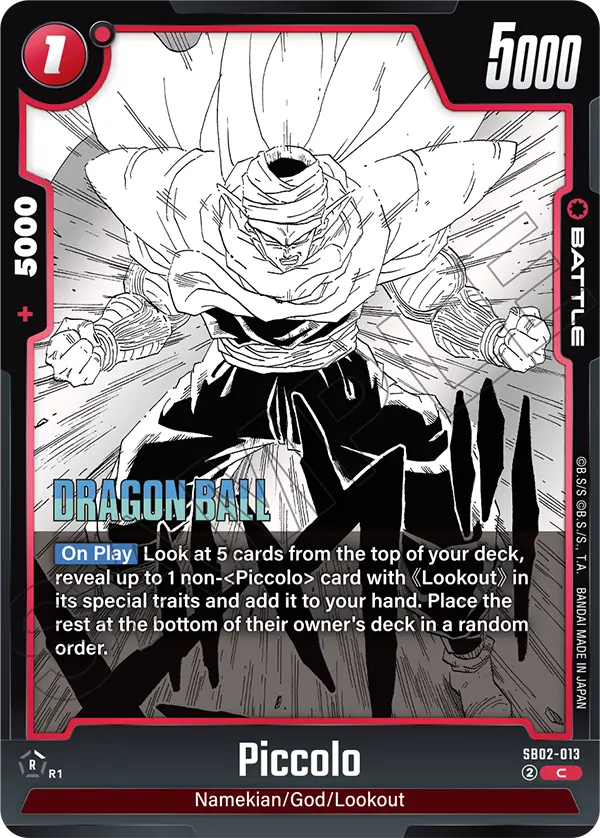
- Things to place as energy. Each turn you can put one card from hand into your energy area. A hand with cards you're happy to "burn" as energy early — without gutting your game plan — develops far more smoothly than one where every card is too precious to charge.
- A mix of board and combo fuel. You want bodies to play and cards you can later commit to combos. An all-board hand has no defensive reach; an all-combo hand never establishes a board to defend. Balance is what you're after.
- A path to your plan. Does the hand move you toward your leader's Awaken condition and your deck's win route? A hand that develops and sets up your power spike is a strong keep.
You don't need all four boxes ticked. A hand with a clean curve and a couple of useful cards is a fine keep even if it isn't dazzling — consistency beats greed.
When to Mulligan
The free, no-penalty nature of the mulligan should make you bolder than in games that punish you for it. If a hand fails the basic test — "can I make meaningful plays in my first two or three turns?" — send it back. Specifically, ship hands that are:
- Top-heavy. All high-cost cards and nothing to do early. You'll spend several turns just charging energy while your opponent builds a lead.
- All fuel, no board. A hand of combo cards and energy fodder with no real threats to deploy. You'll defend well for a turn or two and then have no way to actually win.
- All board, no follow-up. A clump of threats you can't realistically cast in sequence, with nothing to hold back for defense. Tempo without staying power.
The One-Mulligan Trap
Because you only get one mulligan and the new hand is blind, don't ship a perfectly functional hand because it isn't ideal. Mulliganing a "fine" hand is a gamble that can easily hand you a worse one with no way back. Reserve the mulligan for hands that genuinely can't function — keep the ones that simply aren't perfect.
Two Sample Hands
The keep-or-ship logic clicks faster with examples. Picture your opening six described purely by what the cards do:
Hand A — Keep
A low-cost battle card, two mid-cost battle cards, a slightly bigger threat, and two cards you're happy to commit to combos or charge as energy. This is an easy keep: you can place energy and start developing immediately, you have a curve of plays for the next few turns, and you're holding defensive fuel. It does something every turn and points toward your game plan — exactly what you want.
Hand B — Mulligan
All high-cost cards — nothing you can meaningfully play for the first three or four turns while you slowly charge energy one card at a time. Strong cards in a vacuum, but you'll be buried under early pressure long before they come online. With no penalty to ship it, send it back without hesitation.
The borderline case sits between them: a couple of cheap plays plus several combo cards but no real follow-up threats. You can develop a little and defend well, but you risk stalling without a finisher. Lean toward keeping it on the draw — where the energy marker and an early attack help — and remember that taking a hit or two will refill your hand toward the threats you're missing. When it's truly a coin flip, keep the functional hand rather than gambling your one mulligan on a blind redraw.
On the Play vs. On the Draw
Your seat should nudge your keep decision, because the two positions reward slightly different hands:
- On the play (going first): You can't attack on turn one, so your early turns are about development — charging energy and building a board. Value hands that let you deploy efficiently and set the pace, since you're investing in a head start rather than immediate damage.
- On the draw (going second): You hold the energy marker, which effectively lets you reach a cost a turn early once, and you can attack on your first turn. Hands that exploit that tempo burst — landing a threat ahead of curve or pressuring immediately — gain extra value from this seat.
It's a subtle adjustment, not a wholesale change: a good hand is good from either seat. But when a hand is borderline, let your position break the tie — keep developmental hands on the play and tempo-aggressive hands on the draw.
The Mind-Games: Your Hand Is Information
Once the game is underway, Fusion World becomes a contest of hidden information — and the combo system is what makes it one. Because either player can combo cards from hand to swing a battle, every card you hold is a potential trick, and your opponent is constantly guessing how many you have and whether you'll use them. Here's how to win that guessing game.
- Your hand size is a threat. A full hand quietly warns your opponent that any attack might get comboed away, which can stop them from swinging at all. A near-empty hand invites them to push damage freely. Manage that perception — sometimes holding cards is valuable purely for the threat they imply.
- Bluff in both directions. You can hold cards to imply a big combo you don't actually have, deterring an attack. Or you can look weak — let your hand thin out — to bait an opponent into attacking into a combo you're holding. The best players make a full hand look empty and an empty hand look loaded.
- Attack to drain their combos. Sometimes the point of an attack isn't to win it — it's to force the opponent to spend cards from hand defending. Even a "failed" attack that costs them two combo cards can be a profitable trade if it empties their defensive reserves before your real push.
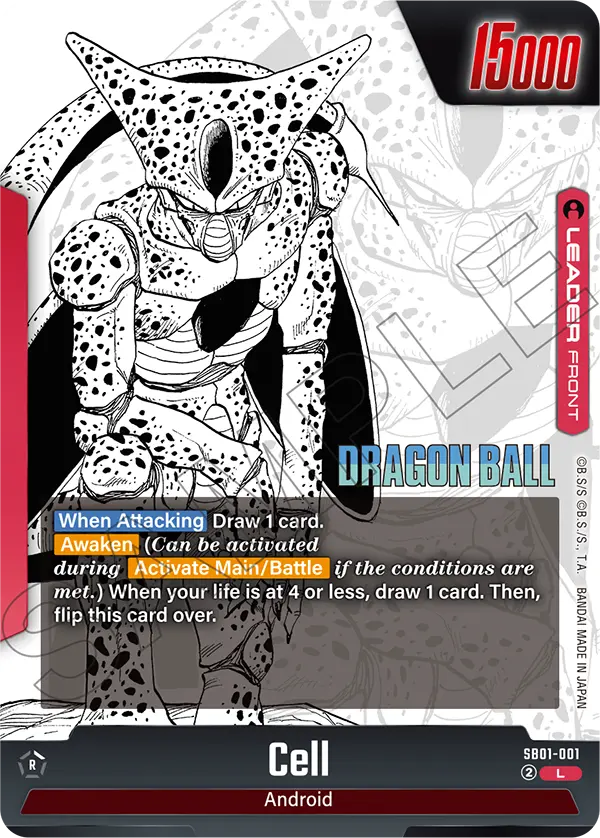
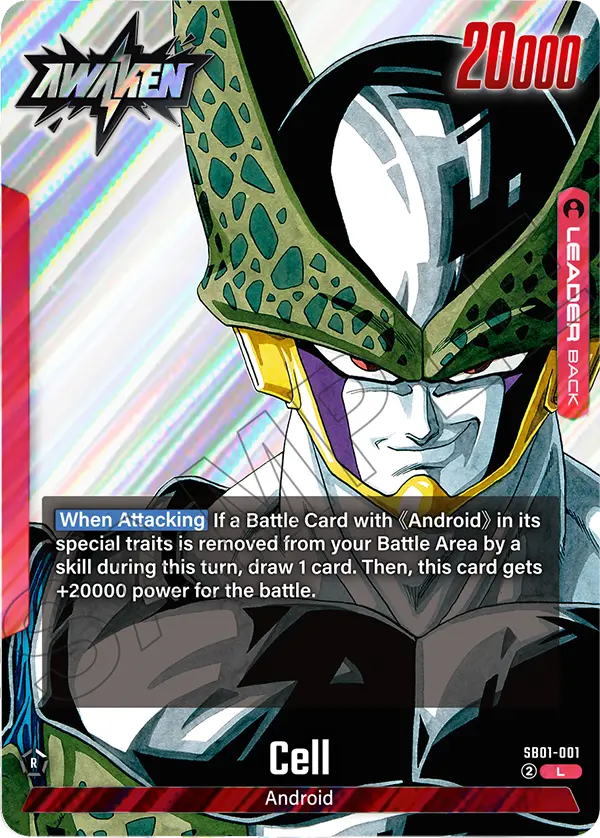
- Weaponize the take-the-hit option. Remember that taking damage sends the top Life card to your hand and can push you toward Awakening. A savvy opponent knows you might want a hit, which makes their attacks a guess: will you block and burn cards, or take it and come back stronger? Keep them guessing.
- Leave energy up as a question. Open, active energy implies you can play an Extra card or activate a battle skill in response. Even when you're holding nothing, untapped energy makes a careful opponent play around tricks that may not exist.
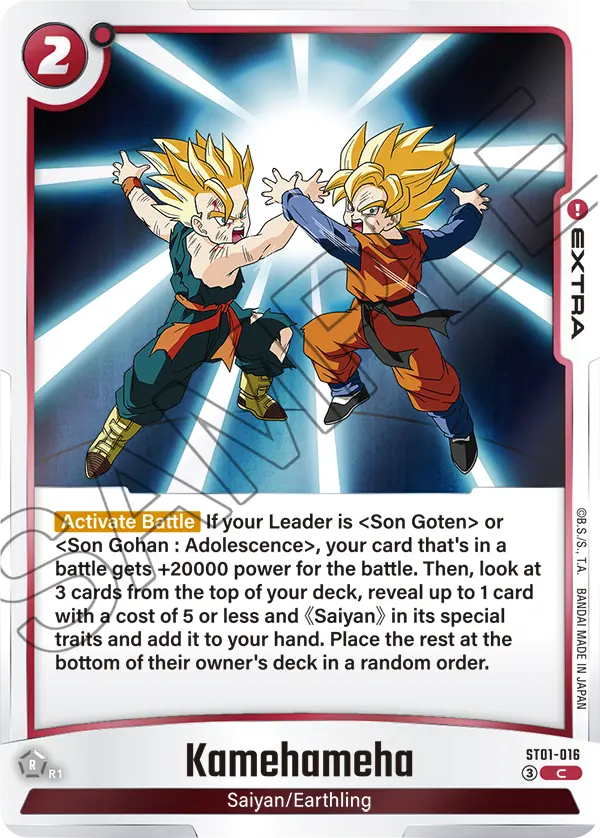
Tie it together and a healthy Awaken threat looms over all of it: as your life drops toward your leader's flip condition, your opponent has to weigh every point of damage against the power spike it might trigger. The whole match becomes a negotiation conducted entirely through attacks, blocks, and the cards neither of you can see.
Common Mistakes
- Keeping a greedy hand. Holding an all-high-cost or all-combo opener because the individual cards are strong. If it can't function early, it's not a keep — the cards' quality doesn't matter if you can't play them.
- Over-mulliganing. Shipping a fine hand for a blind one and landing somewhere worse, with no second chance to fix it.
- Telegraphing your hand. Dumping every card early advertises that you have no combos left, inviting a free assault. Pace your plays and keep some ambiguity.
- Comboing on autopilot. Reflexively defending every attack burns the very cards — and the bluff potential — you need for the battles that decide the game. Spend combos with intention.
Quick Reference
- Draw 6, mulligan once — shuffle all six back, redraw six, no penalty.
- All-or-nothing — judge the whole hand, not single cards.
- Mulligan boldly, but once — ship hands that can't act early; keep "fine" hands.
- Keep a curve — early plays, energy fodder, board, and combo fuel.
- First player — draws turn one but can't attack until turn two.
- Second player — gets the energy marker and can attack first turn.
- Hand size = threat — full hand deters attacks; empty hand invites them.
- Bluff both ways — fake a combo, or bait one.
- Damage refills + Awakens — sometimes taking the hit is the play.
- Spend combos with intent — don't auto-defend every attack.
Win Before the First Card Hits the Table.
A good mulligan stacks the odds in your favor before the game even starts: keep hands that develop and hold a plan, ship the ones that can't act, and let your seat break the close calls. From there, play the information war — your hand size, your open energy, and your willingness to take a hit are all signals you control. Read your opponent's, disguise your own, and spend your combos only where they decide the game.
Decks win games, but reads win matches. Master these two layers and you'll beat opponents who never realized the real battle was happening in their head.
Sharpen Your Deck:
© GEEKYDOMAIN.COM | Strategy Powered by Data