

Sleeves, Toploaders & Penny Sleeves: A Buyer's Guide
Protecting your cards is the cheapest insurance in the hobby — if you use the right supplies the right way. Here's every protection product explained, and exactly when to use each.
Disclosure: This article may contain affiliate links. If you buy through them, we may earn a small commission at no extra cost to you. We only point you toward gear that fits the advice above.
Every card you own — from a bulk common to a chase rare worth hundreds — is one careless moment away from a bent corner or a scratched surface. The good news is that protection is astonishingly cheap and effective, once you understand what each product actually does. The bad news is that most new collectors use the wrong supply for the job, or skip the most important step entirely.
Here's the single most important idea in this entire guide: card protection is a layered system, not an either/or choice. A penny sleeve and a toploader aren't competing products — they're two layers that solve completely different problems. The sleeve stops the microscopic surface scratches that quietly ruin a card's grade; the toploader stops the bends and impacts that destroy a card instantly. Think of it like a phone: the screen protector and the case do different jobs, and you want both.
This guide walks through every supply — penny sleeves, deck protectors, toploaders, semi-rigid holders, magnetic one-touches, and team bags — what each protects against, and which combination to use for storage, play, grading, display, or shipping. It applies to every TCG, from Lorcana to Magic to Pokémon.
The Short Version
Always sleeve a card before putting it in anything rigid — the penny sleeve is the critical first layer. Use penny sleeves (acid-free, non-PVC) for bulk storage; thicker deck protectors for shuffling and play; double-sleeving (perfect-fit inner + deck protector outer) for valuable playable cards; toploaders for protecting and shipping single valuable singles; semi-rigid Card Savers (never toploaders) for grading submissions; and UV-blocking magnetic one-touch holders for displaying high-value cards. Match the setup to the job and your cards stay mint for the cost of a few cents each.
→ More Collector Reading
In This Guide
The Golden Rule: Always Sleeve First
Before any other advice: never put a raw card directly into a rigid holder. Toploaders and magnetic holders are made of rigid plastic, and sliding a bare card in and out of one scratches the surface — exactly the kind of damage that tanks a card's condition. The penny sleeve is the clean, low-friction barrier that prevents it.
This is why the protection system is layered. The soft sleeve handles surface contact; the rigid holder handles structure. Each solves a problem the other can't: a sleeved card with no toploader still bends, and a toploadered card with no sleeve still scratches. You need both layers for full protection on anything valuable.
One more universal rule: if you have to force a card into a sleeve or holder, it's the wrong size — stop immediately before you damage a corner. The fit should be snug but never tight. With those two principles internalized, the rest is just choosing the right products.
Penny Sleeves
The humble penny sleeve is the most important supply in the hobby. It's a thin, clear polypropylene pouch — named for the fact that it costs roughly one cent each in bulk 100-packs — and it's the first layer for virtually every card you want to protect.
Best for: bulk storage and organization, providing surface protection at scale, sitting inside a toploader for shipping or trading, and grading preparation. They're cheap enough to sleeve an entire collection without thinking about it.
Not ideal for: frequent gameplay or shuffling — they're thin and a little roomy, so they wrinkle, split, or feel slippery in a deck you're actively playing. For that, you want deck protectors (below).
What to look for: acid-free, non-PVC polypropylene. Acid-free materials won't yellow or degrade over time, and they won't leach chemicals that could damage your card's surface during long-term storage. Ultra Pro and BCW are widely recommended, reliable choices.
Deck Protector Sleeves
Deck protectors — also called play sleeves or premium sleeves — are the thicker, more durable sleeves built for cards you actually play with. They have reinforced seams and often a textured or anti-glare back, designed to survive thousands of shuffles without splitting or peeling.
Best for: any deck you're shuffling and playing regularly, and required for tournament play, where opaque, uniform backs prevent cards from being identifiable. Brands like Dragon Shield, Ultra Pro, and KMC are the standards, with matte finishes generally preferred for smoother shuffling.
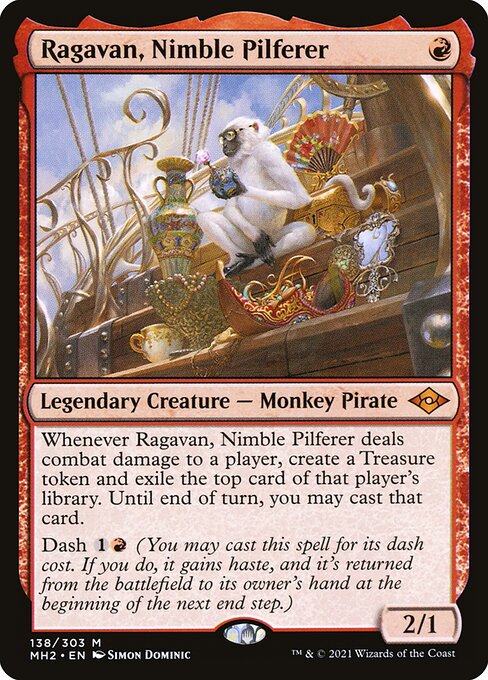
One practical note: play sleeves wear out. Frequent shuffling eventually splits seams and clouds the plastic, and in tournaments a damaged or marked sleeve can be a problem. Replace your deck's sleeves periodically rather than playing them until they fail.
Double-Sleeving
For valuable cards that you also want to play, double-sleeving is the gold standard. The technique pairs a snug "perfect fit" inner sleeve (which seals the card against dust and humidity) with a standard deck protector on the outside. Together they give a playable card near-maximum protection.
The inner sleeve goes on first — many players seal it at the top by inserting the card upside down relative to the outer sleeve, so neither opening lines up and dust can't get in. KMC Perfect Fit sleeves originated in competitive gaming for exactly this purpose; they're precision-cut, tournament-legal, and run around four dollars per 100-count pack.
Double-sleeving adds a little thickness and cost, so it's overkill for bulk cards — but for the expensive chase card you're running in a deck you shuffle every week, it's the difference between a pristine card and a slowly degrading one.
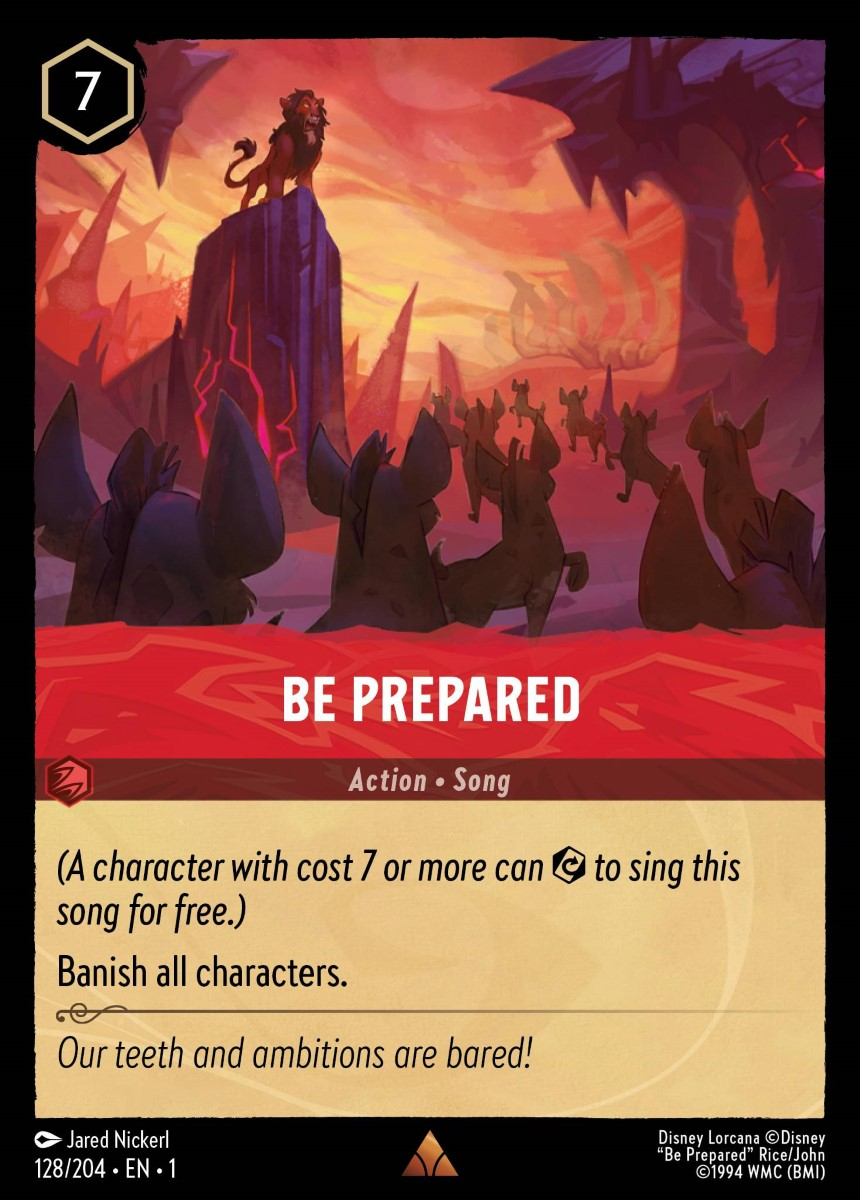
Acid-free penny sleeves for storage, thicker deck protectors for play, perfect-fit inners for anything you double-sleeve. A few cents a card, and surface wear simply stops happening.
As an Amazon Associate, Geeky Domain earns from qualifying purchases. eBay links are affiliate links; Geeky Domain may earn a commission at no extra cost to you.
Toploaders
Toploaders are the rigid plastic holders you've seen single valuable cards displayed in. You slide a sleeved card in vertically from the top, and the rigid shell protects against the macro-level threats sleeves can't: bending, corner crushing, and impact.
Best for: protecting individual valuable singles, shipping and trading cards safely, post-grading transport, and display. Not for: gameplay — they're rigid and bulky and obviously can't be shuffled.
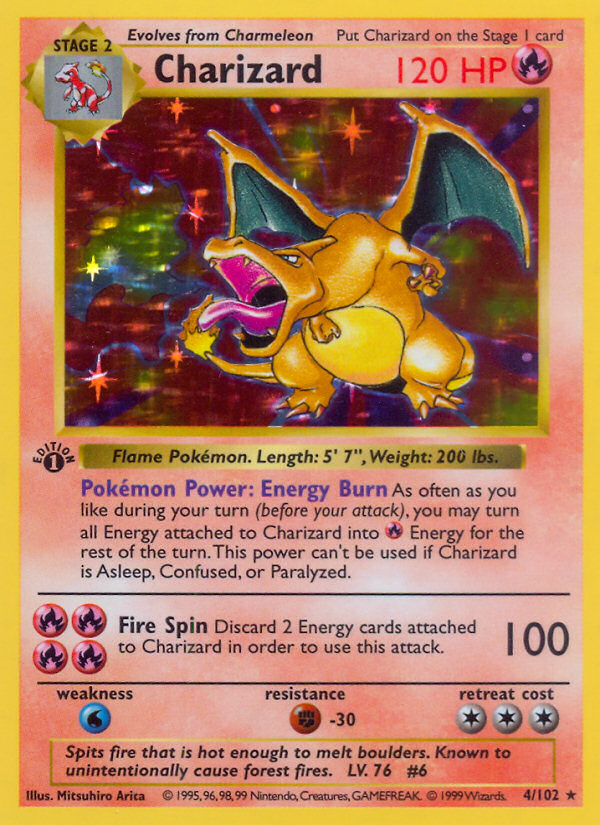
Two important details. First, always sleeve the card before it goes in: toploaders are made of rigid PVC, and a bare card sliding against PVC will scratch. Second, toploaders come in different thicknesses measured in points (pt) — a standard card needs roughly a 35pt loader, while thick cards (relics, patches, heavy foils) need 55pt, 75pt, 100pt, or larger. Match the loader to the card so it's snug without rattling.
One caution: because toploaders are PVC, they're best for protection, transport, and display rather than decades-long archival storage of your most precious cards — for true long-term archival storage, acid-free materials in a cool, dry, dark environment are the priority.
Semi-Rigid Holders (Card Savers)
Semi-rigid holders — best known by the brand name Card Saver — look like a flexible, firmer cousin of the toploader. And for one specific job, they are essential: grading submission.
If you're sending cards to PSA, BGS, CGC, or SGC, the universal recommendation is a penny sleeve inside a Card Saver 1 — not a toploader. Grading companies prefer semi-rigid holders because their flexible construction lets graders extract the card without risking damage. Submitting in a hard toploader forces staff to transfer your card by hand, adding handling risk, and some grading services won't accept toploaders at all.
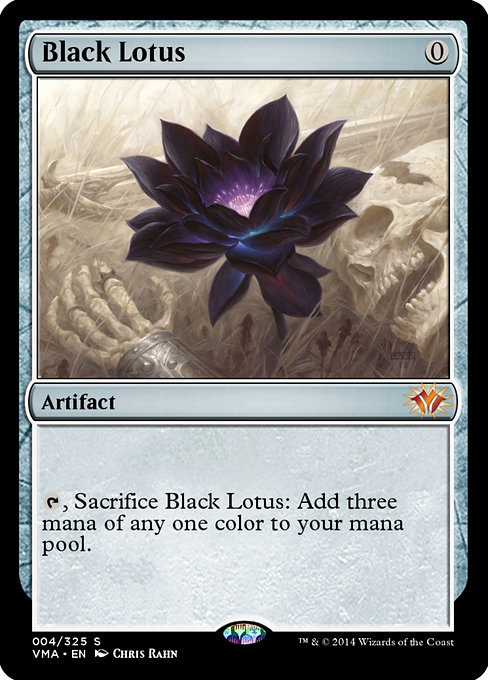
So the rule is simple: toploaders for protecting, displaying, and shipping; Card Savers for the grading submission itself. Keep a stack of Card Savers on hand specifically for cards you intend to grade. (If you're weighing whether a card is worth submitting at all, our guide to whether grading is worth it walks through the math.)
Magnetic One-Touch Holders
Magnetic one-touch holders are the premium display option — two rigid pieces that snap together around a card with a magnetic closure, creating a clean, frameless display. They're the nicest way to show off a card, and the best ones offer UV protection to prevent sunlight from fading the art over time.
Best for: displaying high-value cards — the common rule of thumb is to reach for a UV-blocking one-touch for any card worth around $50 or more. They're sturdier and far more attractive than a toploader for anything you want on a shelf or wall.
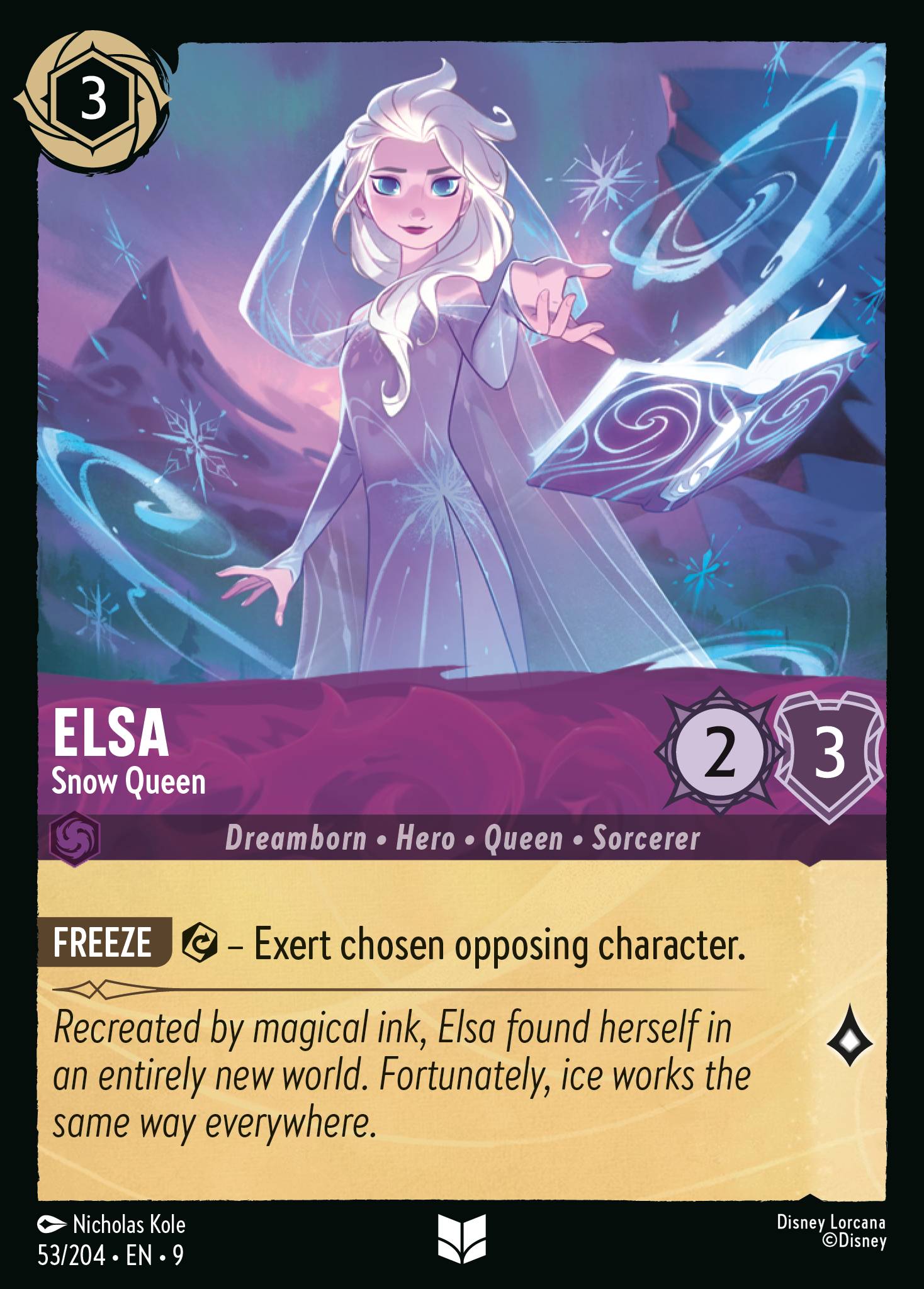
A nuance worth knowing: some one-touch holders are designed for a bare card, while newer "exact fit" or Pro-Mold magnetic holders are sized to hold a card that's already in a penny sleeve — the safest option, since it keeps that soft first layer between the card and the rigid holder. Check the holder's sizing before assuming a sleeved card will fit. And remember a one-touch alone isn't full UV protection on a lit shelf — our display guide covers safe showcasing in detail.
35pt toploaders for standard cards, semi-rigid Card Savers for grading submissions, UV-blocking one-touch holders for display. Using the wrong one is how cards get damaged.
As an Amazon Associate, Geeky Domain earns from qualifying purchases. eBay links are affiliate links; Geeky Domain may earn a commission at no extra cost to you.
Which Setup for Which Job?
Put it all together and the right combination falls out of your goal:
| Job | The Setup |
|---|---|
| Bulk storage | Acid-free penny sleeves in acid-free boxes; add toploaders for the better cards |
| Playing a deck | Thicker deck protector sleeves; double-sleeve the valuable cards |
| Protecting a valuable single | Penny sleeve + toploader, or a magnetic one-touch |
| Submitting for grading | Penny sleeve + semi-rigid Card Saver — never a toploader |
| Displaying a chase card | UV-blocking magnetic one-touch |
| Shipping or trading | Penny sleeve + toploader, sealed in a team bag, in a padded mailer or box |
A Note on Team Bags
Team bags are slightly oversized resealable sleeves with an adhesive strip. They aren't used on the card directly — instead, you place your toploader (with its sleeved card inside) into the team bag and seal it. This keeps dust out of the toploader and stops the card from sliding out during shipping. Cheap, and the finishing touch on any card you're mailing. (For the full shipping workflow, see our guide on shipping cards safely.)
Common Mistakes
Mistake #1: Putting a raw card in a toploader.
The single most common mistake — the rigid plastic scratches the bare surface. Always sleeve first. It costs a fraction of a cent and prevents the exact damage that drops a card a full grade.
Mistake #2: Submitting cards for grading in toploaders.
Use a penny sleeve and a semi-rigid Card Saver instead, or you'll add handling risk and may have your submission rejected. Grading companies want the flexible holder so they can extract the card safely.
Mistake #3: Forcing a card into the wrong-size supply.
If it doesn't slide in easily, it's too small. Thick cards (relics, patches, heavy foils) need thicker-point toploaders; standard cards want ~35pt. Never force it — a crushed corner is permanent.
Mistake #4: Using cheap PVC sleeves for long-term storage.
Non-acid-free materials can yellow and damage cards over years. Use acid-free, non-PVC sleeves for anything you're keeping, and store them properly — see the storage guide for the full archival setup.
Mistake #5: Playing with worn-out sleeves or storing in sunlight.
Replace split deck sleeves before a tournament flags them, and keep stored cards cool, dry, and out of direct light to prevent fading and warping. Light is cumulative — the damage builds invisibly until it shows.
Supplies FAQ
- Do my bulk commons really need sleeves? Not necessarily. Protection is about value and the cards you care about — bulk you'll never play or sell can live loose in a box. That said, penny sleeves are cheap enough that many collectors sleeve everything anyway. Spend your effort where the value is.
- Are premium sleeves worth it over cheap ones? For playing, yes — premium deck protectors shuffle better and last far longer, and a split sleeve mid-tournament is a real headache. For pure storage, basic acid-free penny sleeves do the job perfectly well. Match the spend to the use.
- Can I reuse sleeves? Penny sleeves can be reused until they show wear. Play sleeves wear out with shuffling and should be replaced once they split or cloud over — never trust a visibly damaged sleeve on a card you value.
- What sleeve size does my game need? Most modern TCGs — Lorcana, Magic, Pokémon, Gundam, and Fusion World — use standard-size cards (about 2.5″ × 3.5″), so standard sleeves and toploaders fit them all. A few games use smaller "Japanese-size" cards, so double-check the size if you're buying for one of those.

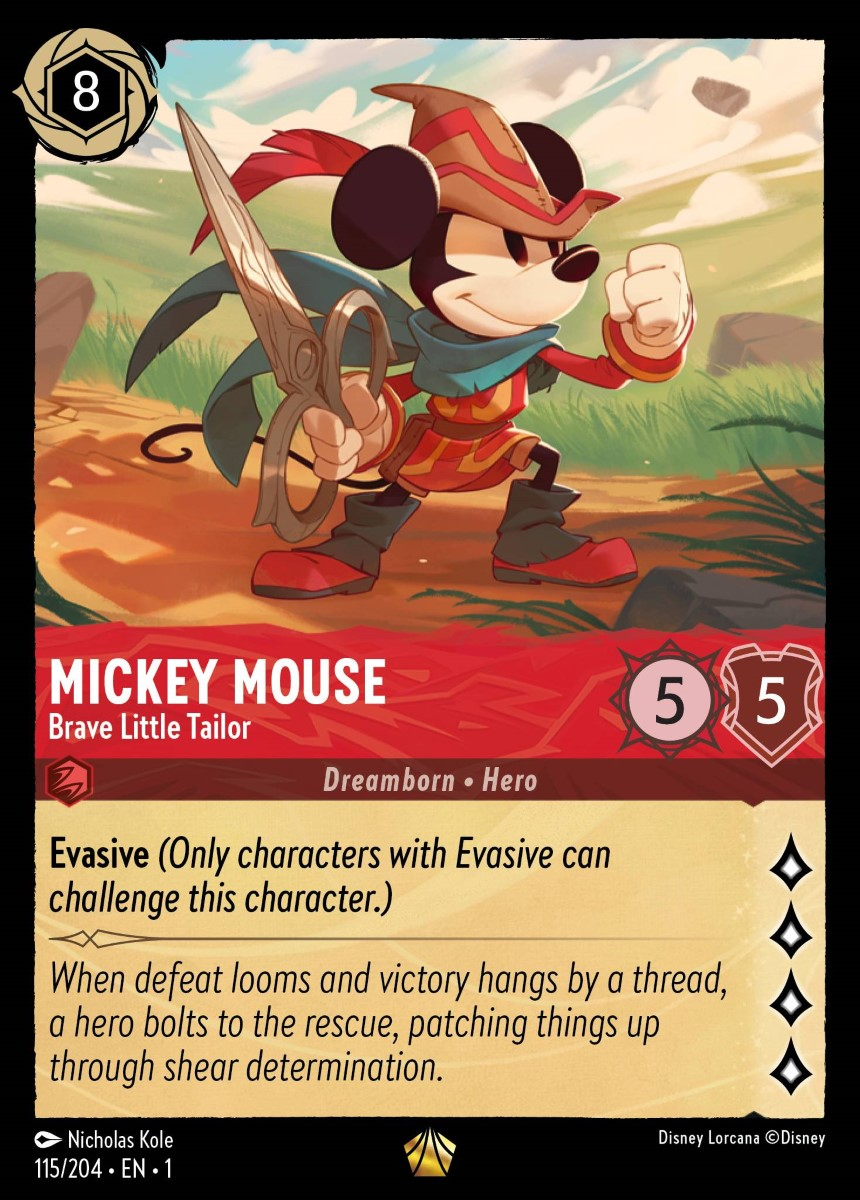

Cheap Insurance for a Lifetime Collection.
For the cost of a few cents per card, the right supplies keep your collection mint for decades. Sleeve everything first, layer up your valuable singles, double-sleeve the cards you play, reach for Card Savers when you grade, and display your best pieces in UV one-touches. None of it is complicated — it's just a system, and now you know it.
Stock up on the basics, protect what you love, and play with confidence.
© GEEKYDOMAIN.COM | Strategy Powered by Data