

Booster draft is the most fun you can have opening Lorcana packs — and one of the easiest events to host. Here's everything you need to run a great draft night.
Some links below are affiliate links. If you buy through them, we may earn a small commission at no extra cost to you. We only recommend products we'd use ourselves.
A draft night is the perfect Lorcana event: everyone opens fresh packs, builds a deck on the spot, and plays on a totally level field — no one's grinding a netdecked constructed list, and a brand-new player has the same shot as a veteran. It's social, it's a little chaotic, and it's the single best way to fall in love with a set. The best part for a host: it's genuinely easy to run. You need packs, a few friends, and about an hour.
Draft is also one of Lorcana's three official Limited formats, so the rules are well-defined — and they suspend a few of the constructed deckbuilding rules in ways that surprise new drafters. This guide walks through exactly how to host: what to buy, how the draft itself works step by step, the deckbuilding rules that change in Limited, and how to keep the night running smoothly.
We'll also cover Sealed as a lower-prep alternative, so you can pick the format that fits your group. New to the game's vocabulary? Keep our keyword guide handy — reading cards quickly is a real draft skill.
The Short Version
In Booster Draft, each player opens 4 booster packs — one at a time, picking a single card and passing the rest around the table — then builds a deck of at least 40 cards from what they drafted. Limited suspends three constructed rules: you may use any number of inks (not just two), play any number of copies of a card (not max four), and your deck minimum is 40, not 60. To host: get enough packs (4 per player), seat 4–8 players in a pod, draft, build for ~20–30 minutes, then play rounds. Short on time or teaching new players? Run Sealed instead: 6 packs each, no passing, build a 40-card deck.
→ Helpful Before You Draft
In This Guide
What You Need to Host
Draft has a short shopping list, and the math is simple: four booster packs per player.
- Booster packs — 4 per person. A pod of four needs 16 packs; a pod of eight needs 32. A booster box covers a typical group with room to spare, which makes a box the natural unit to buy for a draft night.
- 4–8 players. Draft works best with a full table. Four is the practical minimum for a good pass; eight is a comfortable maximum for one pod. More than eight? Split into two pods.
- Lore trackers and damage counters. Each player needs a way to track lore to 20 and mark damage — dice, a notepad, or a tracking app all work.
- Table space and about an hour. Drafting takes 20–30 minutes, deckbuilding another 20, then you play. Budget a full evening if you want multiple rounds.
One pick to make as host: which set to draft. A single recent set is the cleanest, most balanced choice and the easiest to teach. Drafting a brand-new set the week it releases is a blast because nobody knows the cards yet — everyone's on equal footing.
How the Draft Works, Step by Step
The draft itself is a passing game. Here's the full loop:
- 1. Everyone opens their first pack. All players open pack one of their four at the same time and look at the cards privately.
- 2. Pick one card, pass the rest. Each player takes a single card from their pack and keeps it face-down in their pile, then passes the remaining cards to the player on their left.
- 3. Keep picking from the packs you receive. You'll receive the pack passed from your right; take one card, pass the rest left again. Repeat until every card from that first round of packs has been drafted.
- 4. Open the next pack — and reverse direction. Open pack two and repeat the whole process, but pass the other way (if you passed left for pack one, pass right for pack two). Alternate direction with each new pack.
- 5. Repeat through all four packs. After all four packs are drafted, each player has a personal pool of a few dozen cards — that's what you build from. Nothing leaves your pool; everything you picked is yours.
The skill of drafting lives in those picks: you're reading what's coming around, committing to inks that are "open" (flowing to you), and balancing the best card in a pack against the card that fits your developing deck. That tension — best card vs. best fit — is the whole game-within-the-game, and it's why drafters love it.
The Rules That Change in Limited
This is the part that trips up players used to constructed Lorcana. In Draft and Sealed, three core deckbuilding rules are suspended:
Any Number of Inks
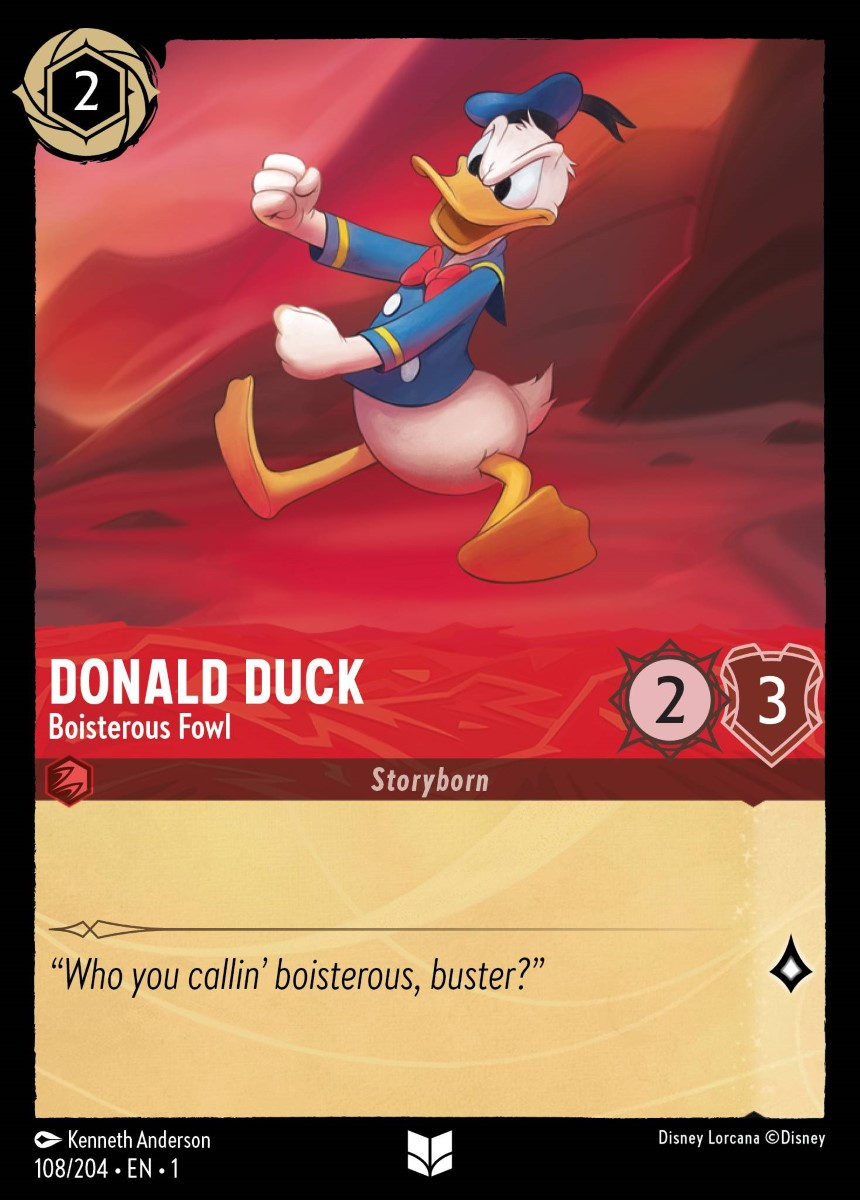
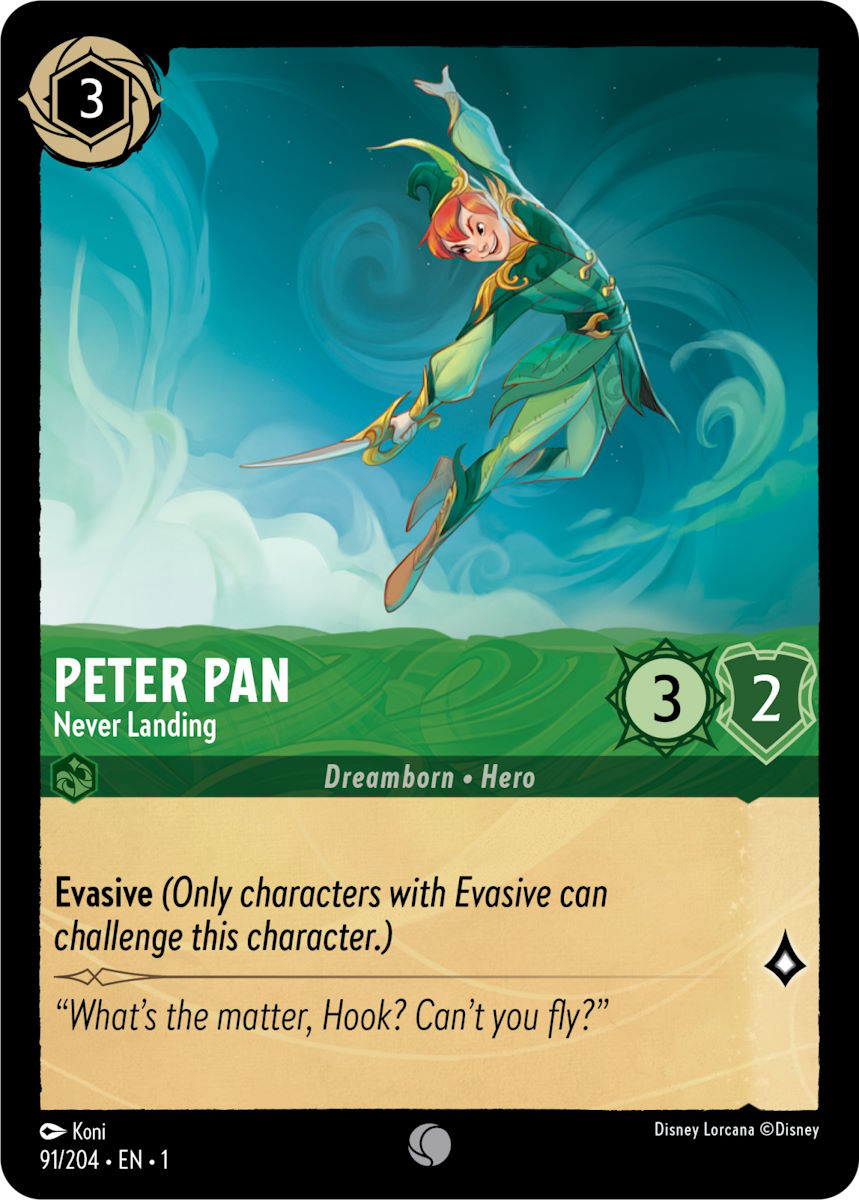
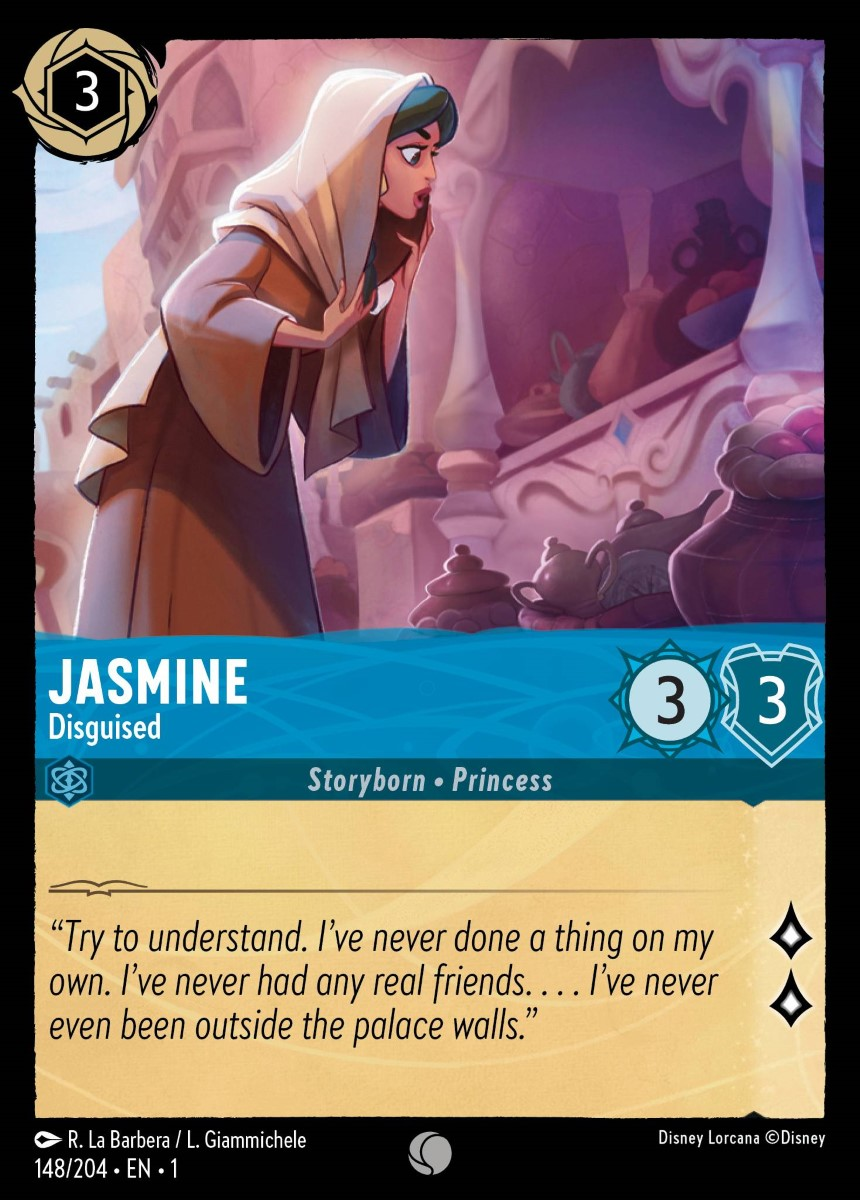
Constructed caps you at two ink colors. In Limited, there's no cap — play three, four, even all six if your pool supports it (though most good draft decks settle into two or three for consistency). You build with what you opened, not a pre-planned color pair.
Any Number of Copies
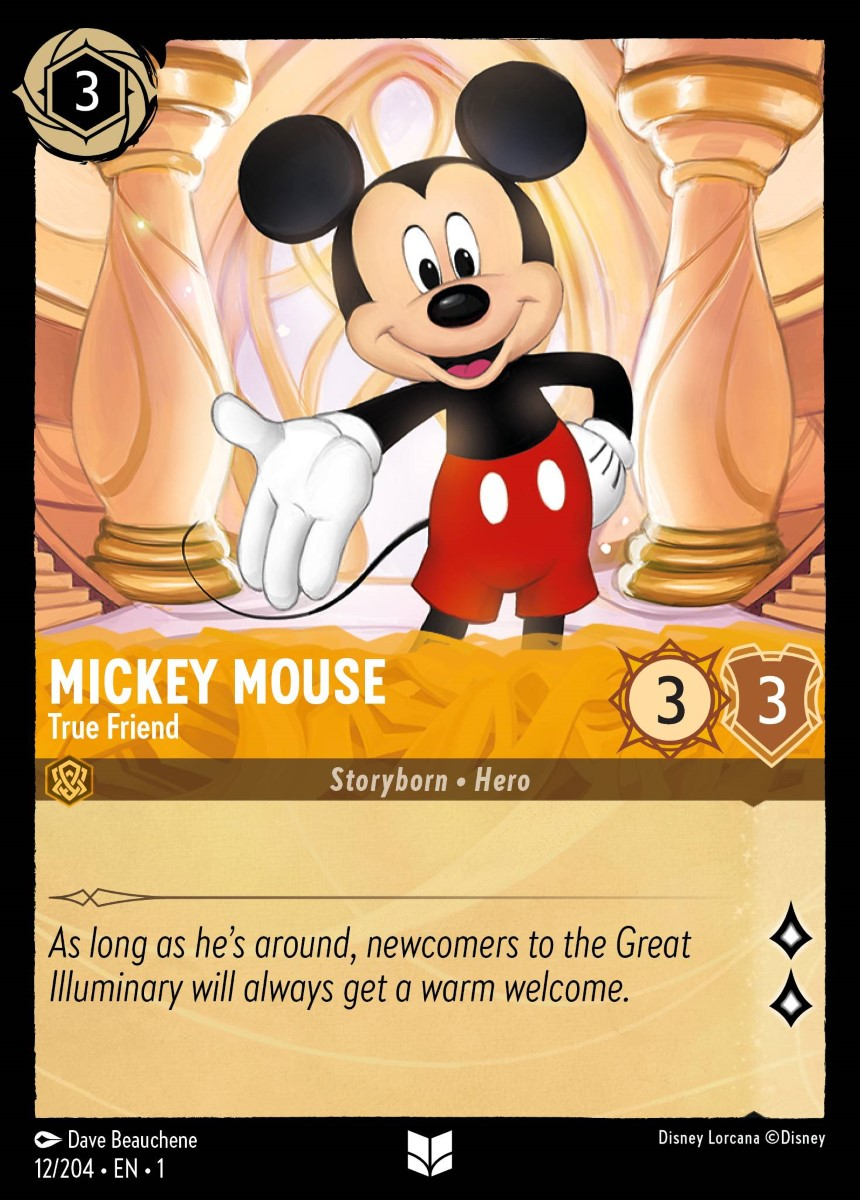
Constructed limits you to four copies of a card. In Limited, you can run as many copies as you drafted — if you somehow end up with six of the same uncommon, all six can go in your deck.
40-Card Minimum
Constructed decks are 60 cards minimum; Limited decks are 40. There's no maximum beyond your pool size, but 40 is both the floor and the target — a tighter deck is more consistent, so don't pad it.
Building Your 40-Card Deck
Once the draft's done, players build from their pools. A few quick principles to share with the table, especially newer players:
-
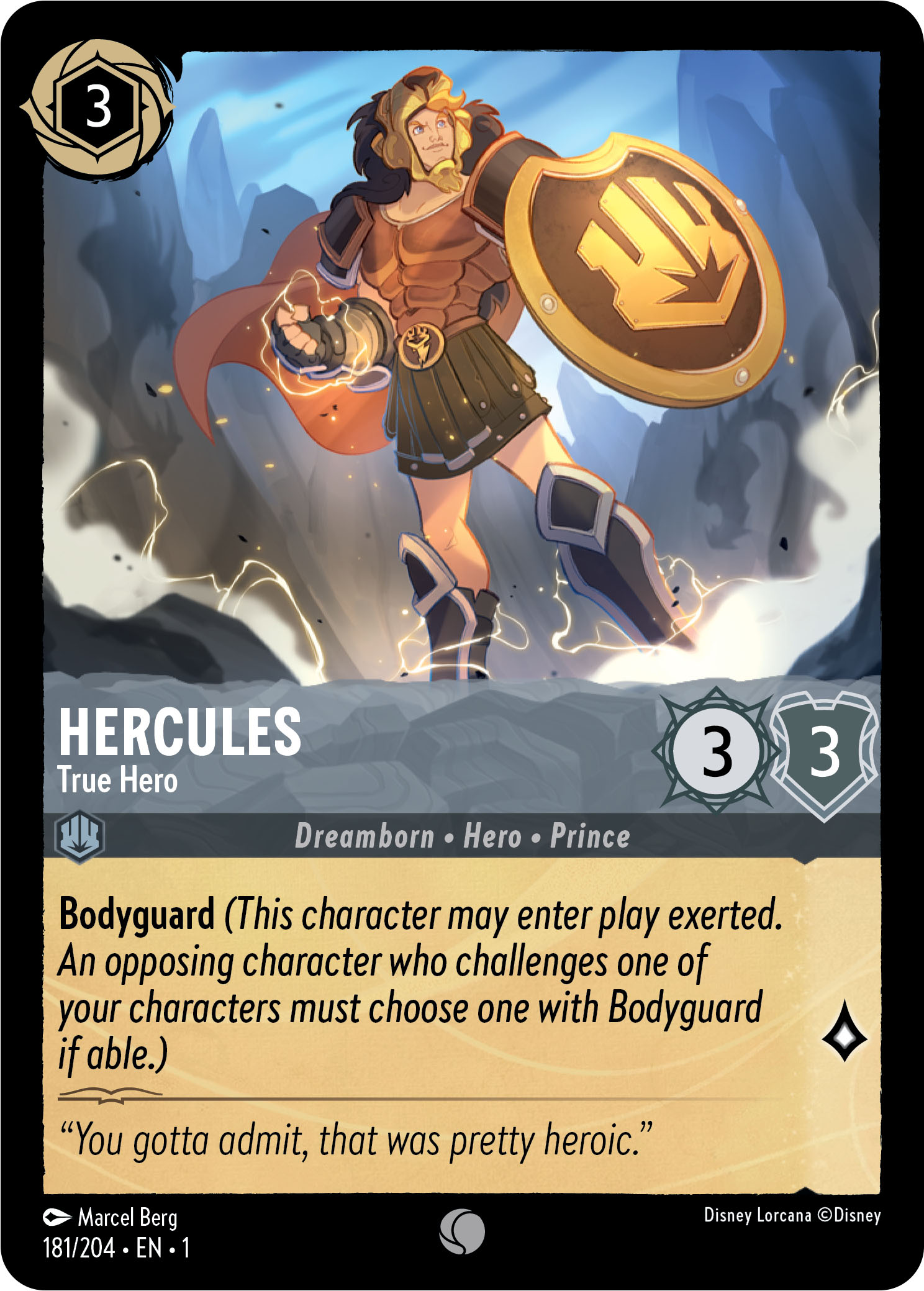
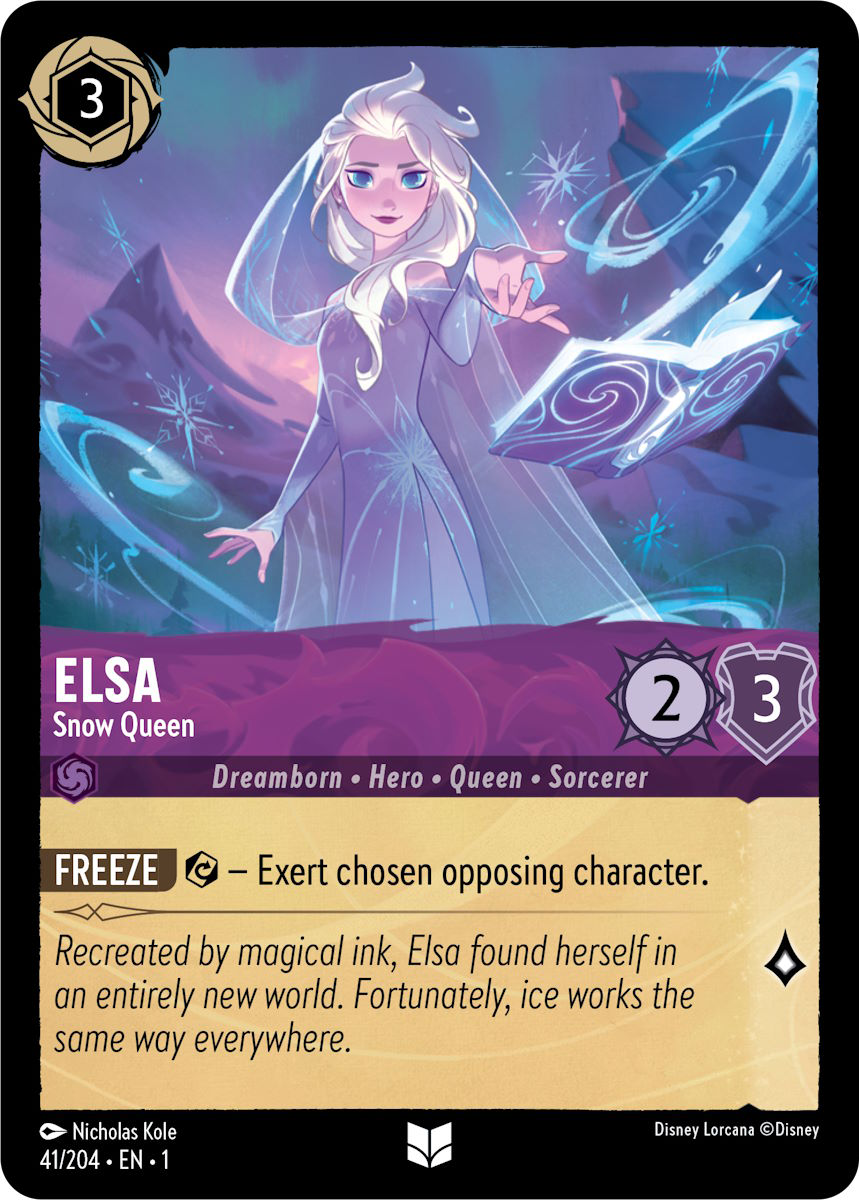
Pick two inks and commit. Even though you can run more, the most consistent draft decks usually settle on the two inks you drafted most heavily. Splashing a third for a bomb is fine; four-color soup usually isn't.
-
Aim for a smooth curve. A spread of cheap, mid, and a few expensive characters plays better than a pile of bombs you can't cast. Lots of 2- and 3-cost characters keep you in the game.
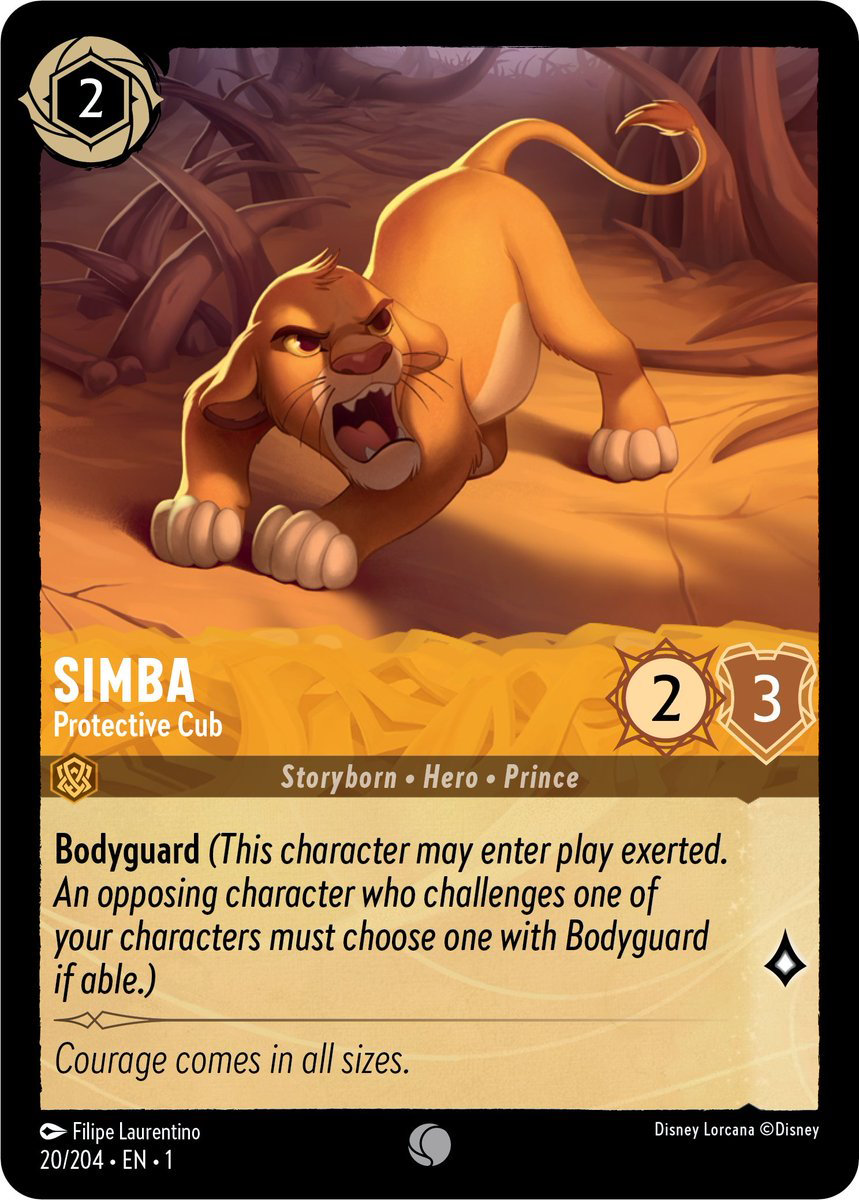
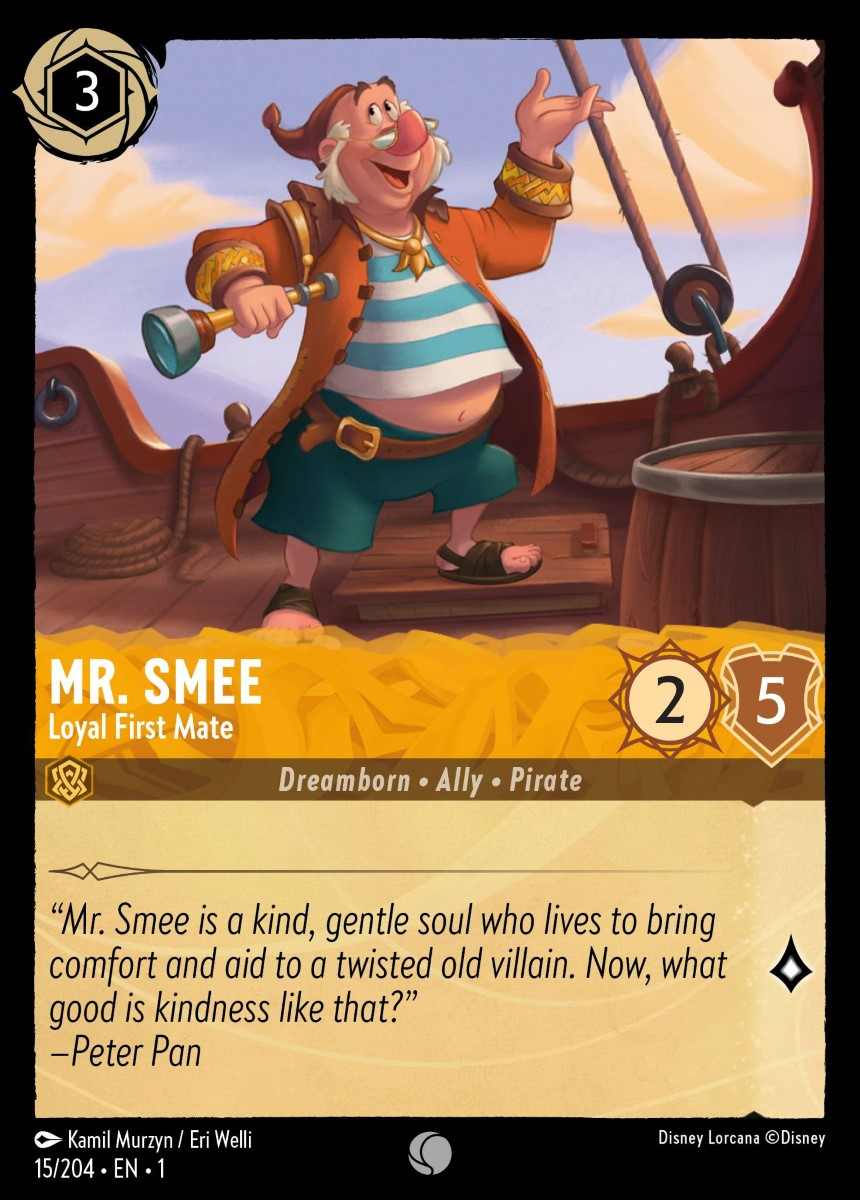
- Lean on characters. Limited is a creature-driven format — you win by questing and trading with characters. Prioritize a solid count of them over too many situational actions.
- Build to exactly 40 (about 17 cards of ink-worthy filler aside). Keep it tight. Every card over 40 slightly dilutes your best cards. Most pools comfortably make a focused 40.
Running the Night
With decks built, you're just running games. To keep it smooth as host:
- Set a round structure. A common casual setup: everyone plays a few rounds against different opponents, best-of-one or best-of-three, and you tally wins. With a four-person pod, a simple round-robin is perfect.
- Let players keep their cards. In casual draft, everyone keeps everything they opened — part of the appeal. Make that clear up front so nobody's precious about a pick.
- Have the rules handy. Mixed-experience tables will hit edge cases. Keep a phone open to the keyword reference so a question doesn't stall the night.
- Keep it light. Draft night is social first, competitive second. Snacks, music, and a relaxed pace make it the kind of event people come back for.
The Easier Alternative: Sealed
If your group is new, short on time, or you just don't want to teach the passing mechanics, run Sealed instead. It's the same Limited spirit with less overhead:
- 6 packs each, no passing. Every player opens six booster packs and builds a 40-card deck from their own pool — no drafting, no passing around the table.
- Same suspended rules. Any number of inks, any number of copies, 40-card minimum — identical to draft.
- Best for newcomers. With no passing to learn, players just open, build, and play. It's the gentlest on-ramp to Limited — though it needs more packs per person (6 vs. 4), so it's a touch pricier per head.
Where to Buy Packs
A draft needs 4 packs per player and Sealed needs 6, so a booster box is the most economical way to stock a draft night — one box covers a typical pod. Amazon and eBay are your best stops for sealed boxes and pack lots; buy a recent set for the most balanced, beginner-friendly draft. Prices vary by set and seller, so compare before buying.
Common Host Mistakes
Under-buying packs.
Four per player for draft, six for Sealed — do the headcount math before the night, not during it. Running one short means someone sits out.
Mixing sets in one draft.
A single set drafts cleanest and most balanced. Mixing sets makes the card pool lopsided and harder for newcomers to read. Pick one set and stick to it.
Forgetting the rules change.
Players new to Limited will try to build a 60-card, two-ink deck out of habit. Remind the table up front: 40 cards, any inks, any number of copies.
No time budget.
Draft plus deckbuilding plus multiple rounds is a full evening. Set expectations so people don't have to leave mid-event — or run Sealed if your window is tight.
Quick Reference
- Draft packs: 4 per player; Sealed: 6 per player.
- Draft procedure: open a pack, pick one card, pass the rest; alternate pass direction each pack.
- Deck: minimum 40 cards (the target, not just the floor).
- Suspended rules: any number of inks, any number of copies, 40 not 60.
- Pod size: 4–8 players; split into pods above 8.
- Build tips: two inks, smooth curve, character-heavy.
- Host tip: one recent set, keep it casual, budget a full evening.
Crack Packs, Build, Quest.
A draft night is the easiest great event to host in Lorcana: grab a box, gather four to eight friends, and let everyone build something nobody's seen before. It levels the field, it teaches the set faster than anything else, and it turns a stack of booster packs into a whole evening. Remember the format's quirks — 40 cards, any inks, any number of copies — and you're set.
Pick a set, do the pack math, and host the night. It's the most fun way to play Lorcana, full stop.
Keep Playing:
© GEEKYDOMAIN.COM | Strategy Powered by Data