

Best Jund (BRG) Budget Commander Staples Under $5
Black-Red-Green is the wedge of sacrifice, removal, and grindy value — the original "good cards, no theme needed" pile, and a budget all-star for over a decade.
Some links below are affiliate links. If you buy through them, we may earn a small commission at no extra cost to you. We only recommend cards we'd run ourselves.
The Short Version
Jund's best budget Commander staples are its removal, its sacrifice payoffs, and its ramp-and-recursion core — and every one of them is bulk-to-a-few-dollars. Removal is Jund's birthright — Putrefy, Terminate, and Abrupt Decay answer nearly anything for two or three mana. Sacrifice payoffs like Blood Artist, Mayhem Devil, and Bastion of Remembrance turn your dying creatures into a win condition. Cultivate, Sakura-Tribe Elder, and Eternal Witness keep a greedy three-color manabase honest and the card advantage flowing. That's a core nine, with Dreadbore, Night's Whisper, and Bedevil as the next picks up — and not a chase card in sight.
In This Guide
Jund doesn't do subtlety. You kill their stuff, eat your own stuff for profit, and bury the table in two-for-ones until somebody concedes out of exhaustion.
That's all cheap, because Jund's best tools are commons and uncommons: efficient multicolor removal, cheap sacrifice payoffs, and the ramp and recursion that keep the gas flowing. Below are the staples that make it tick, grouped by job. We've kept prices qualitative throughout, since card values move constantly — verify before buying.
Jund has been a Constructed and Commander staple for so long that almost everything in its core has cycled through multiple reprint sets. That's good news for your wallet — the cards that defined the archetype in 2009 are the same ones doing the job today, just a fraction of the price. It's also a forgiving deck to learn on, since there's rarely a single "correct" line — most turns boil down to "kill the scariest thing" or "develop your board," and either is usually fine.
The Top 3 Removal Staples
Three colors of removal means Jund rarely meets a permanent it can't deal with. These three are the cheapest, most reliable picks.
Putrefy
{1}{B}{G} — Instant. Cheap.
Why it wins: Destroy target artifact or creature, no regeneration. Three mana to cleanly answer two of the most common threat types at instant speed — the dependable backbone of Golgari-into-Jund removal, and a card that's never a blank in any matchup you'll actually face.

Terminate
{B}{R} — Instant. Cheap.
Why it wins: Two mana, destroy any creature, no regeneration. There's no cheaper, cleaner creature kill in Jund's colors — an auto-include in every Black-Red deck, and the card you cast first when you don't know what else to do with your turn.
Abrupt Decay
{B}{G} — Instant. Inexpensive.
Why it wins: Destroy any nonland permanent with mana value 3 or less — and it can't be countered. Brutal against mana rocks, cheap engine pieces, and pesky enchantments, and it walks right through control. Tremendous value for two mana, and one of the few removal spells that dodges a counterspell war entirely.
The Top 3 Sacrifice Payoffs
This is the part of Jund that turns a midrange pile into an actual win condition. None of it requires combo pieces — just bodies and a way to sacrifice them.
Blood Artist
{1}{B} — Creature. Inexpensive.
Why it wins: Whenever any creature dies, drain one. With a sacrifice outlet and tokens, it turns a board wipe — yours or theirs — into a game-ending life swing. The cornerstone of budget aristocrats, and a card that gets better the longer the game goes.

Mayhem Devil
{1}{B}{R} — Creature. Near-literal bulk.
Why it wins: Deal one damage whenever any player sacrifices a permanent — including Treasures. In a sacrifice shell it pings the table to death almost incidentally. Near bulk for a genuine engine, and it triggers off opponents' sacrifice effects too, not just your own.
Bastion of Remembrance
{2}{B} — Enchantment. Cheap.
Why it wins: A Blood Artist effect you can't easily kill, stapled to an enchantment. Running both means every creature death drains the table for two — redundancy that makes aristocrats consistent, since losing one copy to removal doesn't shut the plan off entirely.
The Top 3 Ramp & Recursion Pieces
A three-color deck needs fixing, and an attrition deck needs to keep refilling its hand. These cards do both jobs for less than a dollar each.
Cultivate
{2}{G} — Sorcery. Near-literal bulk.
Why it wins: Ramp a land to the battlefield and fix your three colors in one card. Jund's mana is greedy; this near-bulk staple keeps it honest, and the card to hand smooths whatever color you're missing next.

Sakura-Tribe Elder
{1}{G} — Creature. Near-literal bulk.
Why it wins: Blocks an attacker, then sacrifices for a fetched basic — ramp, fixing, and a body to feed your sacrifice outlets. It does three Jund things at once for next to nothing, which is about as efficient as a single card gets.
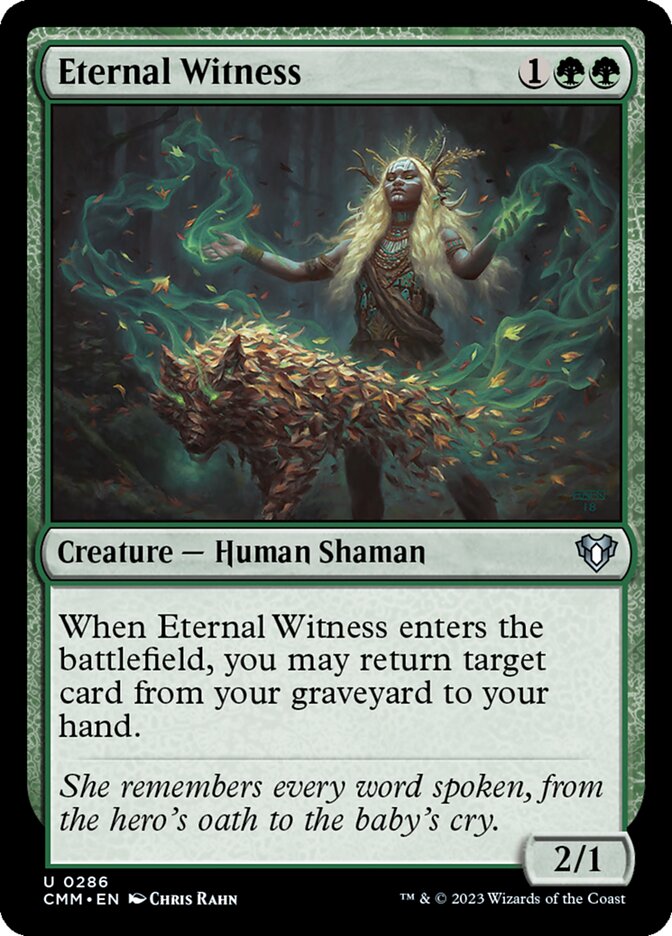
Eternal Witness
{1}{G}{G} — Creature. Inexpensive.
Why it wins: Return any card from your graveyard — usually your best removal spell or sacrifice payoff. On a recurring, sacrificeable body, it's the engine that lets Jund grind forever, and it's a fine sacrifice fodder itself once its job is done.
Honorable Mentions
Once the core nine are in place, these three deepen the removal suite and the card-advantage plan without crowding the budget — strong fourth and fifth picks rather than must-haves.
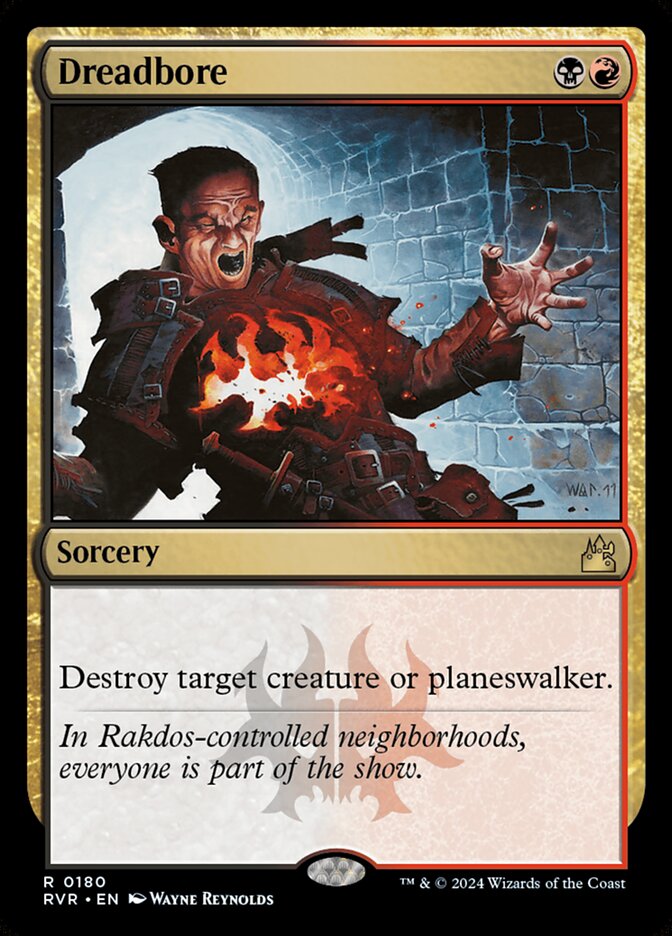
- Dreadbore. Sorcery-speed kill for a creature or planeswalker, near bulk.
- Night's Whisper. Cheap raw card advantage to refuel the grind.
- Bedevil. Flexible removal for artifacts, creatures, and planeswalkers.

Grab the removal and sacrifice payoffs above as cheap singles or a bulk lot, or start from a Commander precon that already runs several of them.
As an Amazon Associate, Geeky Domain earns from qualifying purchases. eBay links are affiliate links; Geeky Domain may earn a commission at no extra cost to you.
Budget Deckbuilding Mistakes
A few traps catch budget Jund builders. Avoid these and the deck plays well above its price:
Sacrifice payoffs with no outlet.
Blood Artist and Bastion of Remembrance only do work when something dies on demand. Without Mayhem Devil's trigger condition or a dedicated outlet, you're relying entirely on combat and opposing removal — pair every payoff with a way to make it trigger when you need it.
Underrating the manabase.
Jund's removal suite wants black and red and green all online early. Don't let a thin manabase be the reason your three-color removal sits stranded in hand — prioritize Cultivate and Farseek-style fixing alongside the answers.
Trading too slowly against faster decks.
Jund's grind plan assumes the game goes long. Against a fast combo or aggro table, hesitating to commit removal in hopes of a "better" target can cost you the game — sometimes the right play is just to kill the threat in front of you now.
Where to Buy the Pieces
A Jund shell is built from singles, so a singles marketplace is the way to assemble it affordably. TCGplayer and Card Kingdom are the go-to stops for the cheap removal and sacrifice payoffs that make up this list — buy the Blood Artist effects and a sac outlet first, since those define whether the deck actually closes games. eBay is useful for bulk lots, and Amazon carries sealed precons that often include several of these staples. Prices vary, so compare carts before checking out.
Jund Budget FAQ
Is Jund beginner-friendly? Yes — "kill their stuff and grind value" is an easy plan to pilot, and the cards are cheap and forgiving.
Sacrifice or midrange? The staples here support both. Aristocrats leans on the payoffs; a "good-stuff" build leans on removal and recursion. Most budget Jund blends the two.
Do I need a dedicated sacrifice outlet? If you're leaning aristocrats, yes — a free or cheap outlet (like Goblin Bombardment) turns Blood Artist from a passive trigger into an active kill switch.
What's the ideal creature count for an aristocrats-leaning build? Aim for a healthy mix of cheap, expendable bodies and a couple of payoffs — 18-22 creatures is typical, with token generators counted separately since they multiply your fodder.
Do prices move? Yes. Verify before buying.
Grind Now, Pay Never.
Jund is the most beginner-proof value pile in Commander, and it's gloriously cheap. Answer everything, sacrifice your own board for profit, recur your best pieces, and let Blood Artist do the math. There isn't a chase card in sight — just a wedge that grinds the table into dust for pocket change. Ready to assemble it? Start with the $50 Commander blueprint.
What makes Jund age so well as a budget shell is that none of its core appeal depends on a single card staying cheap. Reprints come and go, but the archetype's identity — answer the board, sacrifice for profit, refill your hand — is built entirely from roles that have a dozen interchangeable fillers at any given time. Lose access to one staple and there's always another waiting to slot in.
© GEEKYDOMAIN.COM | Strategy Powered by Data