

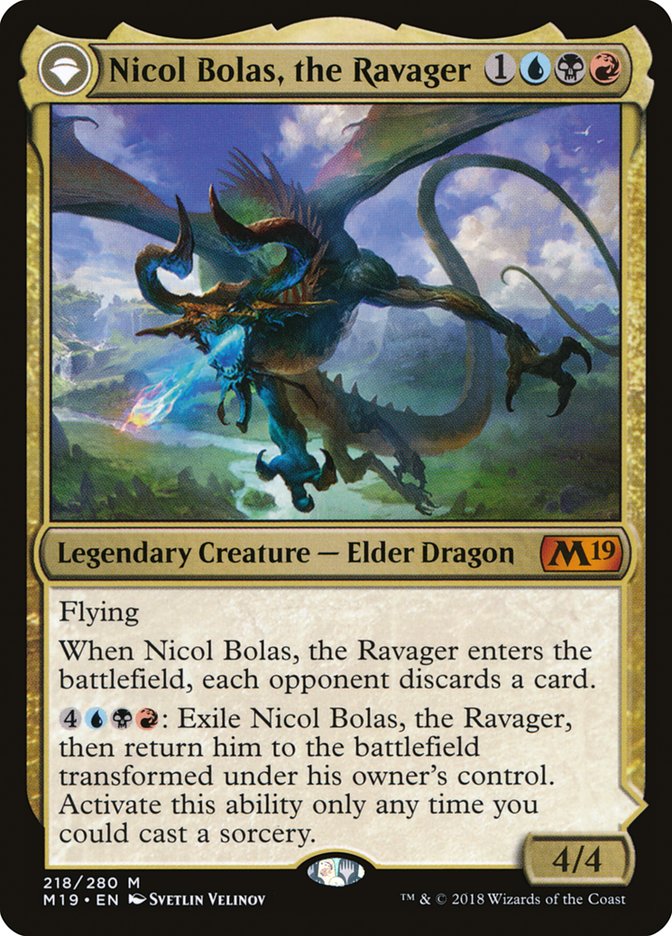
Blue-Black-Red is the wedge of villains — cheap removal, cheap card filtering, and budget reanimation that all feed each other. None of it costs a fortune.
Some links below are affiliate links. If you buy through them, we may earn a small commission at no extra cost to you. We only recommend cards we'd run ourselves.
Grixis is what happens when you decide the graveyard is just a second hand and other people's creatures are just your creatures that haven't switched sides yet. Blue draws and counters, black kills and reanimates, red burns and digs. It plays like a villain: reactive, greedy, and full of two-for-ones.
It's also surprisingly cheap, because Grixis is built on spells, and efficient spells get reprinted forever. Below are the staples that make it tick, grouped by job. We've kept prices qualitative throughout, since card values move constantly — verify before buying.
The trap with Grixis is treating reanimation as the whole plan. The actual engine is the loop — discard a fatty, dig for the reanimation spell, kill whatever's threatening you along the way — and that loop runs almost entirely on cards under two dollars. Think of the deck in three layers: removal keeps you alive, filtering finds and fuels the plan, and reanimation cashes it all in. Skip a layer and the other two stop supporting each other.
The Short Version
Every staple that makes budget Grixis work sits under $5, and the whole deck is built from three cheap layers. Removal is the floor — Terminate and Bedevil kill almost anything for two or three mana. Card filtering is the engine: Faithless Looting and Frantic Search dig and fuel the graveyard cheaply. Reanimation is your payoff, and the budget options — Dread Return, Blood for Bones and Reanimate — are genuinely good. A couple of counters keep combo decks honest. Build all nine core staples first, then add the honorable mentions.
In This Guide
→ Expand Your Arsenal
The Top 3 Removal Staples
You can't dig for your payoff if you're dead. Grixis answers threats efficiently so it has time to assemble its actual game plan.
Terminate
{B}{R} — Instant. Cheap.
Why it wins: "Destroy target creature. It can't be regenerated." Two mana, no conditions — it kills the thing. The cleanest multicolor removal a budget deck can ask for, and a fine target to discard and reanimate around if you ever draw it dead.

Bedevil
{B}{B}{R} — Instant. Inexpensive.
Why it wins: Destroy target artifact, creature, or planeswalker. The flexibility to point the same card at a mana rock, a threat, or a superfriends commander makes it one of the best three-mana answers in the format, and it covers the gaps Terminate leaves open.
Go for the Throat
{1}{B} — Instant. Cheap and abundant.
Why it wins: Two-mana "destroy target nonartifact creature" with no real downside in most pods. Reliable, always castable, and dirt cheap — the backbone of any black removal suite, and a card you're happy to draw in any matchup.
The Top 3 Card-Filtering Engines
This is the part of Grixis people skip on their first build, and it's the part that actually makes the deck work — filtering finds your reanimation spell and stocks the graveyard at the same time.
Faithless Looting
{R} — Sorcery (Flashback). Near-literal bulk.
Why it wins: Draw two, discard two — then do it again from the graveyard. It smooths your draws and ditches fatties you'd rather reanimate than hardcast. The cheapest enabler a graveyard deck can run, and the card most worth resolving on turn one.

Frantic Search
{2}{U} — Instant. Cheap.
Why it wins: Effectively free: draw two, discard two, and untap three lands. It loots, fills the yard, and doesn't cost you tempo — a perfect Grixis enabler that often replaces itself for nothing, leaving your mana exactly where it was.
Night's Whisper
{1}{B} — Sorcery. Inexpensive.
Why it wins: Two cards for two mana and 2 life — raw, unconditional card advantage. In a deck happy to spend life as a resource, it's the cheapest "just draw cards" button there is, and it doesn't care whether you're digging for a reanimation target or an answer.
The Top 3 Budget Recursion Spells
This is the payoff — turning a discarded fatty back into a battlefield threat for a fraction of its hardcast cost.
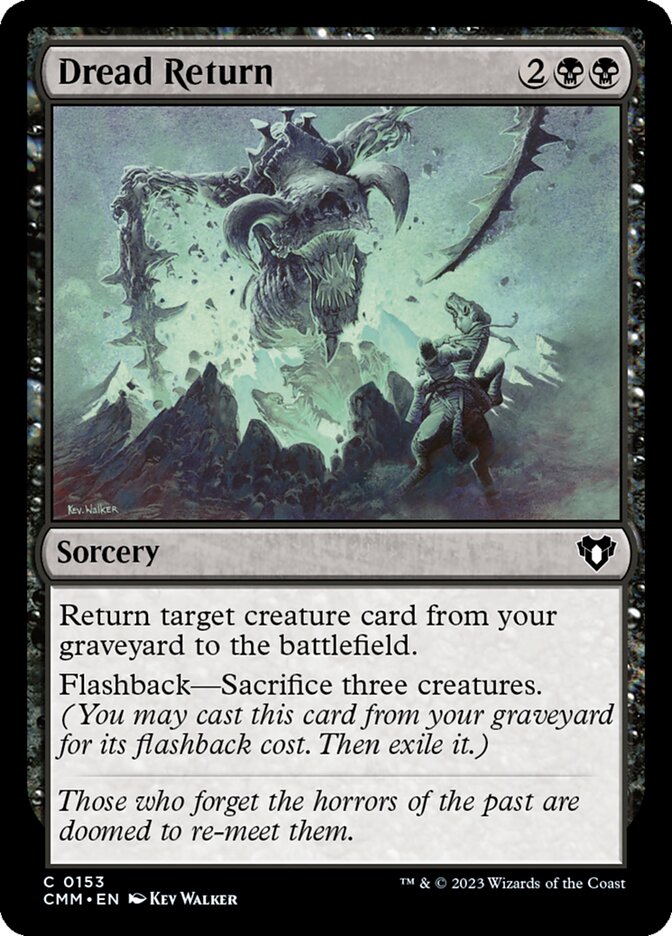
Dread Return
{2}{B}{B} — Sorcery (Flashback). Near-literal bulk.
Why it wins: Return a creature from your graveyard to the battlefield, then cast it a second time straight out of the yard — its flashback cost is sacrificing three creatures rather than paying mana. That makes it live the moment you loot it away, so a copy discarded to Faithless Looting is never a dead card, and the encore costs you no mana at all. Mono-black, so it slots into any Grixis list without straining the colors.
Blood for Bones
{3}{B} — Sorcery. Near-literal bulk.
Why it wins: Sacrifice a creature, return two from the graveyard (one to the battlefield, one to hand). It fuels and pays off the same engine, turning a chump blocker into a haymaker plus value in hand — a two-for-one disguised as a one-for-one.
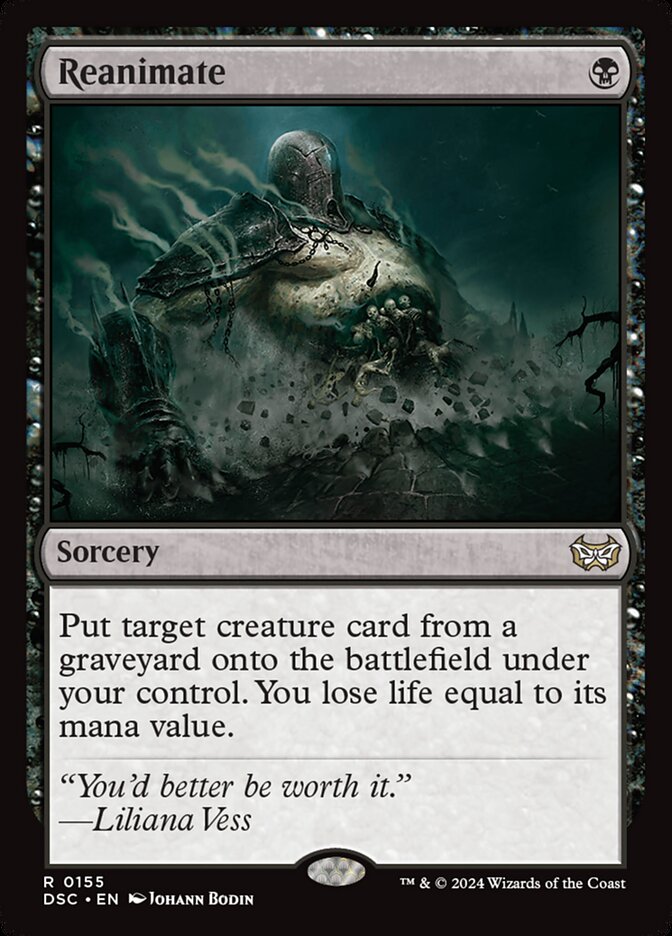
Reanimate
{B} — Sorcery. Reprinted into budget range — just confirm you're buying a cheap printing, since older copies carry steep collector premiums.
Why it wins: One black mana to put any creature from any graveyard onto the battlefield. The life loss is the price of cheating out something enormous on turn two.
Honorable Mentions
Once the core nine are in place, these three round out the deck's resilience and consistency without crowding the budget — solid additions rather than essentials.
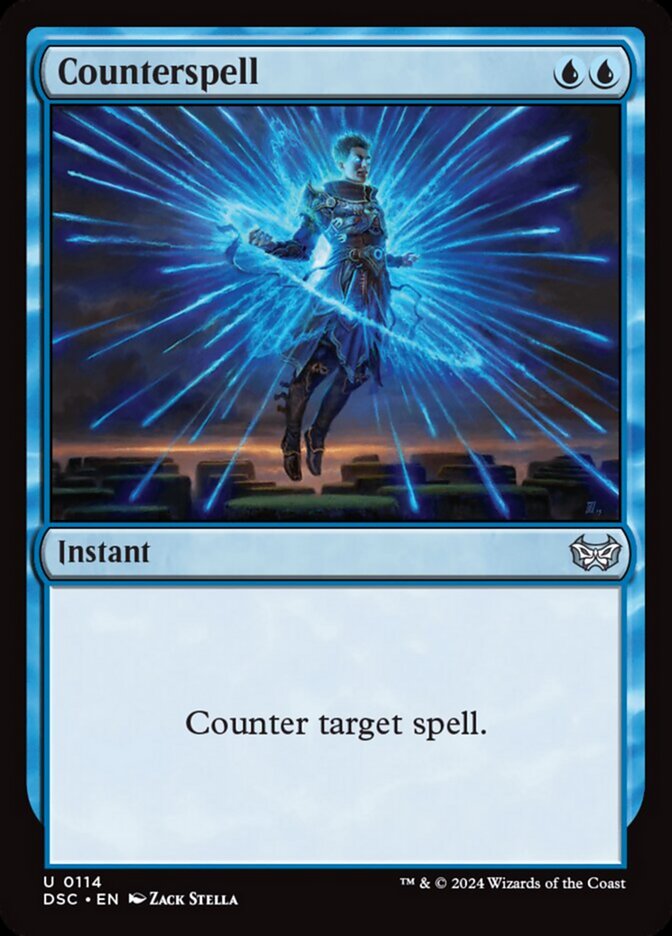
- Counterspell. The cleanest answer to the spell that ends the game.
- Dreadbore. Sorcery-speed kill for a creature or planeswalker, near bulk.
- Sign in Blood. More cheap card draw to keep the gas flowing.
Terminate, Faithless Looting and Dread Return are all cheap singles — grab them in one order, and sleeve the finished deck up on a mat built for long Commander games.
As an Amazon Associate, Geeky Domain earns from qualifying purchases. eBay links are affiliate links; Geeky Domain may earn a commission at no extra cost to you.
Budget Deckbuilding Mistakes
A few traps catch budget Grixis builders. Avoid these and the deck plays well above its price:
Running reanimation with nothing big to reanimate.
Dread Return and Reanimate are only as good as what's in your graveyard. Make sure you're actually running a few high-impact targets worth cheating into play — reanimation spells with nothing worth reanimating are just expensive cantrips.
Skipping the filtering for more payoffs.
It's tempting to load up on reanimation targets and skimp on Faithless Looting and Frantic Search. But without the filtering, you're just hoping to draw your payoffs naturally — the loot effects are what make the plan consistent.
Discarding removal you'll need later.
Faithless Looting feels great until you've thrown away the Terminate you needed two turns later. Discard redundant lands and reanimation targets before you discard your only answer to the table's scariest threat.
Where to Buy the Pieces
A Grixis shell is built from singles, so a singles marketplace is the way to assemble it affordably. The big marketplaces are the go-to stops for the cheap removal and filtering that make up this engine — buy the looting and recursion pieces first, since they're inexpensive and define how the deck actually wins. eBay is useful for bulk lots, and Amazon carries sealed precons that often include several of these staples. Prices vary, so compare carts before checking out.
Grixis Budget FAQ
Is Grixis hard to pilot? It's more reactive than most wedges — you're holding up removal and counters and digging for your payoff. Fun, but it rewards practice.
What should I buy first? Removal and card filtering. The engine that finds and protects your payoff matters more than the splashy reanimation targets.
What creatures should I reanimate? Anything with a big enters-the-battlefield effect or a huge body — the point is to cheat out a card you couldn't otherwise afford to hardcast, not to reanimate something small.
How many lands should a graveyard-focused Grixis deck run? A touch lower than a typical 37-38 is fine if your filtering count is high, since Faithless Looting and Frantic Search effectively replace land drops you'd otherwise need — 35-36 plus solid ramp is a reasonable default.
Do prices move? Yes — especially reanimation spells with many printings. Verify before buying.
The Villain's Deck, Built Cheap.
Grixis is the budget graveyard player's dream: cheap removal, cheap filtering, and cheap recursion that all feed each other. Loot away your fatties, kill what threatens you, and reanimate your way to a board nobody can match — all without a single chase card. Pair it with a tight removal suite and you'll out-grind the table for the price of lunch.
It's also one of the more forgiving wedges to pilot under pressure, since so many of its cards double as answers to bad situations — a discarded creature becomes a reanimation target, a dead removal spell becomes graveyard fuel, and a flooded hand becomes fewer cards to worry about losing. Almost nothing you draw feels truly wasted.
© GEEKYDOMAIN.COM | Strategy Powered by Data