

One of Lorcana's fastest, cheapest, and most beginner-friendly decks: flood the board with evasive questers, race to 20 lore, and win before your opponent sets up. Here's how to build it on a budget.
If you want to win games of Lorcana quickly and cheaply, aggro is the answer — and Ruby/Emerald is one of its classic homes. The plan is brutally simple: deploy a swarm of cheap characters that quest for a lot of lore, keep them safe behind the Evasive keyword, and reach 20 lore before your opponent can stabilize. Games can end as early as turn five or six.
It's also a perfect first competitive deck. Aggressive Lorcana decks are consistently the most affordable archetype in the game — built from cheap one- and two-cost commons and uncommons rather than expensive bombs — and an evasive-based shell is unusually resistant to rotation, since the core idea never goes away. That makes Ruby/Emerald Aggro a genuine "learn the game and still win" choice for under $50.
As with any deck tech, one honest note: this guide gives you the verified strategy and the core roles to build around, not a fabricated locked list. Lorcana's card pool, prices, and Core legality shift over time, so pick your format, pull a current list from a deckbuilder, and validate before you buy. Let's race.
The Short Version
Ruby/Emerald Aggro wins by reaching 20 lore fast: a swarm of cheap, high-lore characters quests every turn, the Evasive keyword keeps them un-challengeable by most of the board, and Ruby's removal plus Emerald's disruption clear blockers and protect your clock. The engine is cheap commons and uncommons, which is why it lands comfortably under $50, and the evasive core resists rotation. Build around the roles below — evasive questers, lore generators, protection, interaction, and a little card draw — then validate the exact list and prices for your format on a deckbuilder.
→ Sharpen Your Lorcana Game
In This Guide
The Game Plan: Race to 20
Lorcana is won by reaching 20 lore, and aggro is the strategy that gets there fastest. Ruby/Emerald Aggro essentially ignores what the opponent is doing and races its own clock. The math is the whole deck: if you can reliably generate four to six lore per turn starting around turn three, you cross the 20-lore finish line by roughly turn six — often before a slower deck has assembled its game plan.
To make that math work, an aggro deck wants four things, in order of priority:
-
Cheap, high-lore characters — one- and two-cost bodies that quest for two or more lore, so every turn adds up fast.
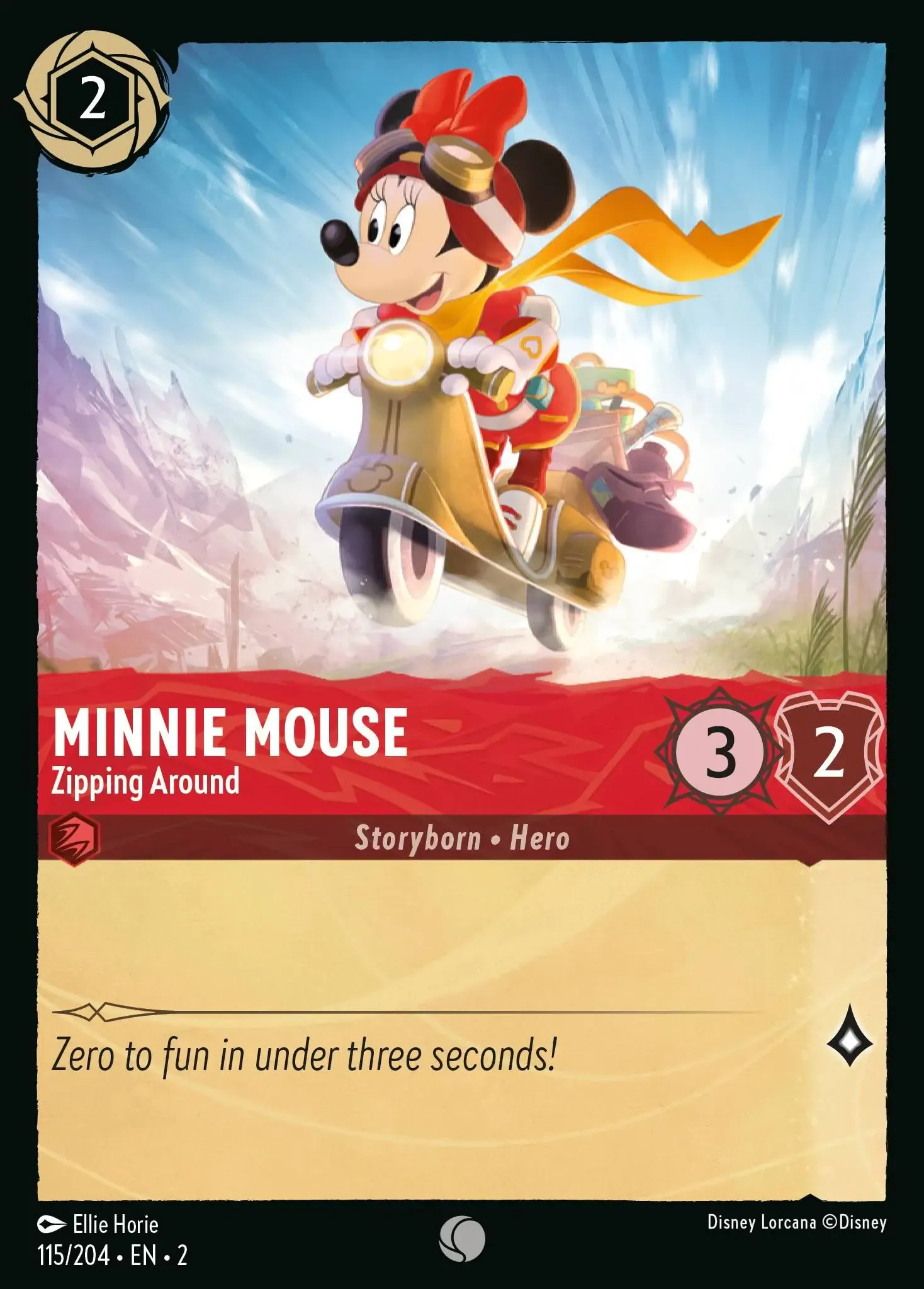
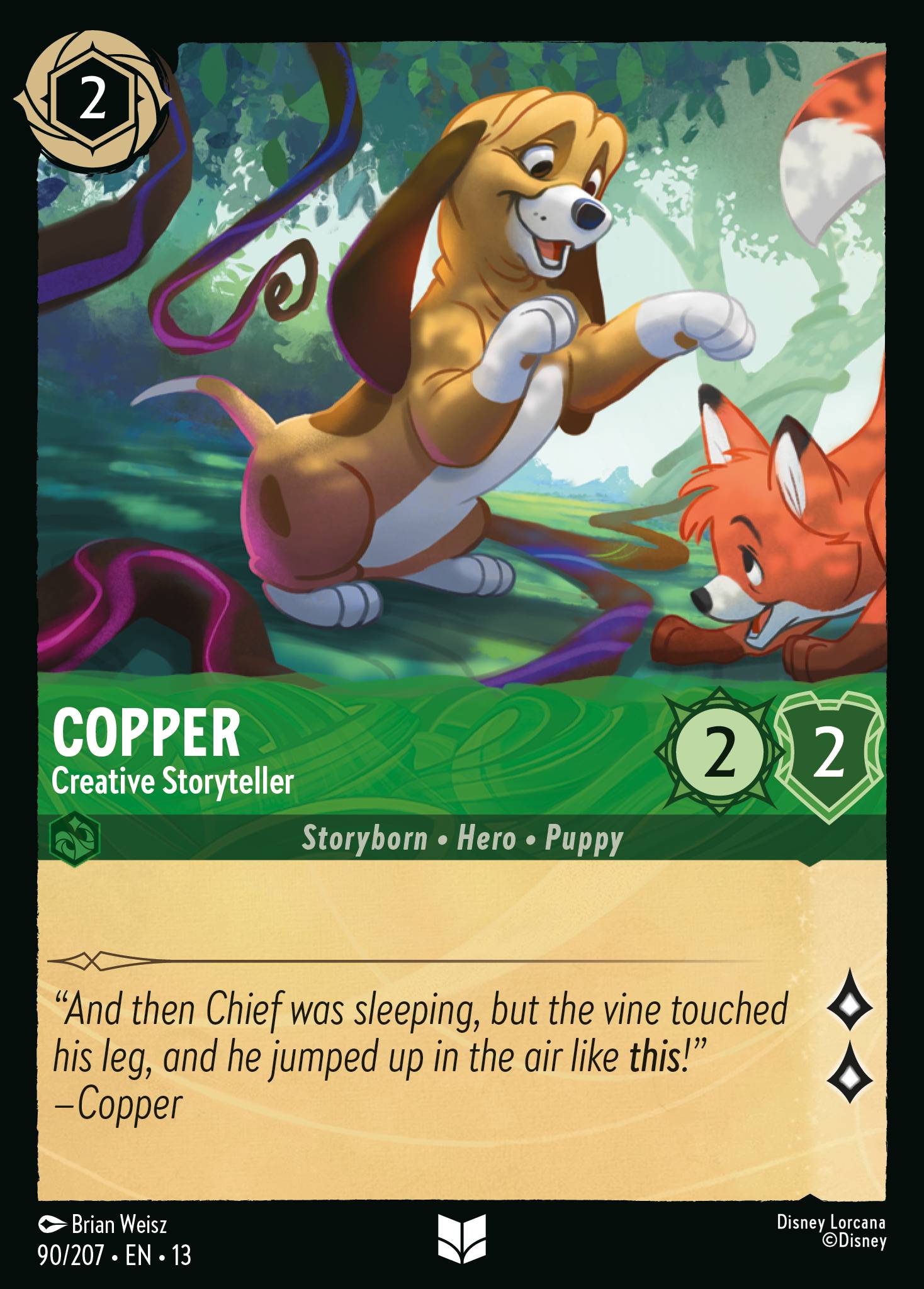
- Protection for those characters — ways to keep your questers alive and questing, chiefly the Evasive keyword.
- A little interaction — enough removal or disruption to clear a key blocker or slow the opponent's defense.
- A bit of card draw — so that if the opponent answers your first wave, you can refuel and keep the pressure on.
Get those four ingredients right and the deck practically pilots itself toward the finish line. The art is in the sequencing and knowing when to push versus protect.
The Engine: Evasive
Evasive is the keyword that makes this deck tick. A character with Evasive can only be challenged by other characters that have Evasive (or the newer Alert ability). Against a board full of ordinary characters, your evasive questers simply can't be touched — they quest turn after turn, completely safe, while the lore piles up.
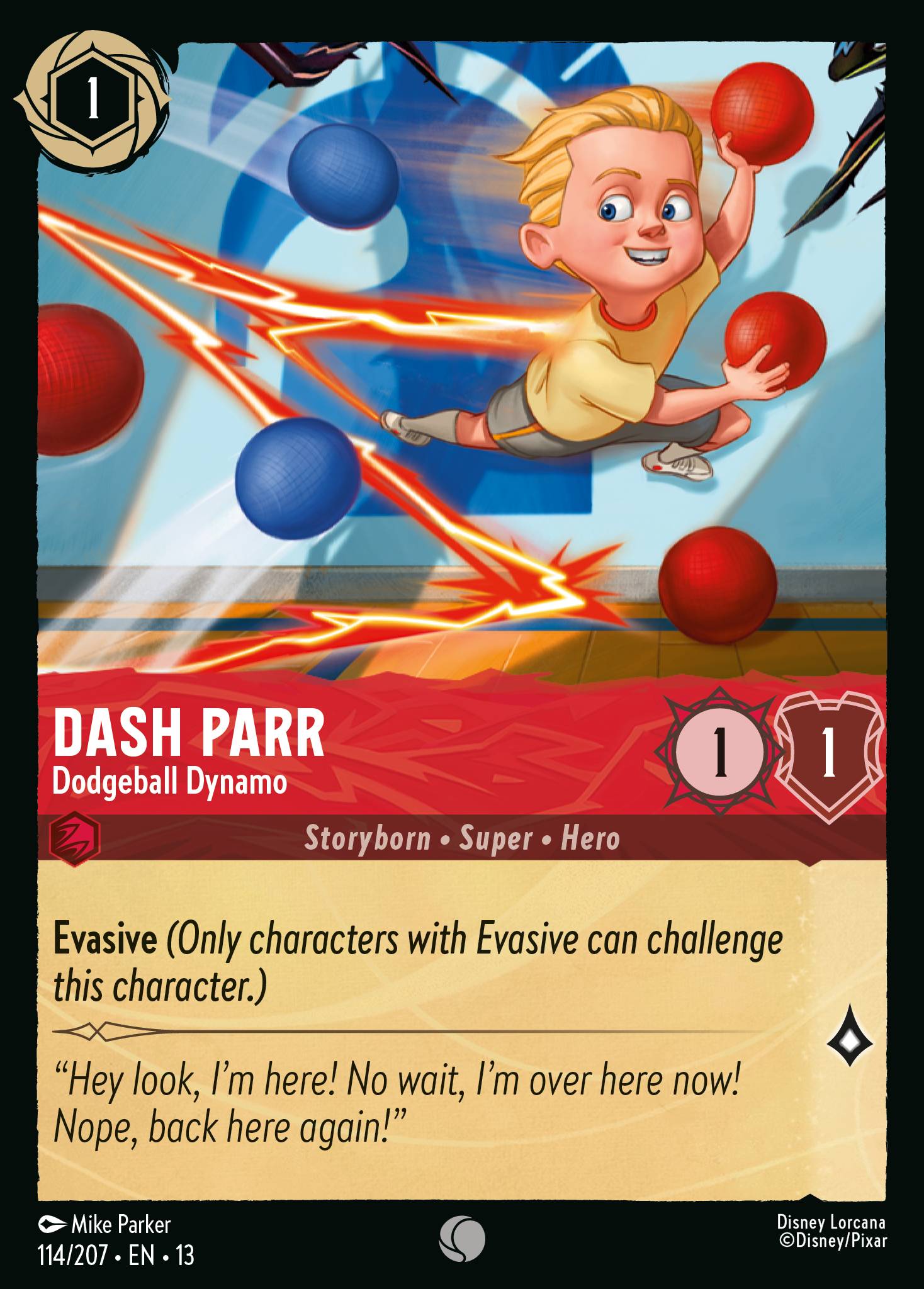
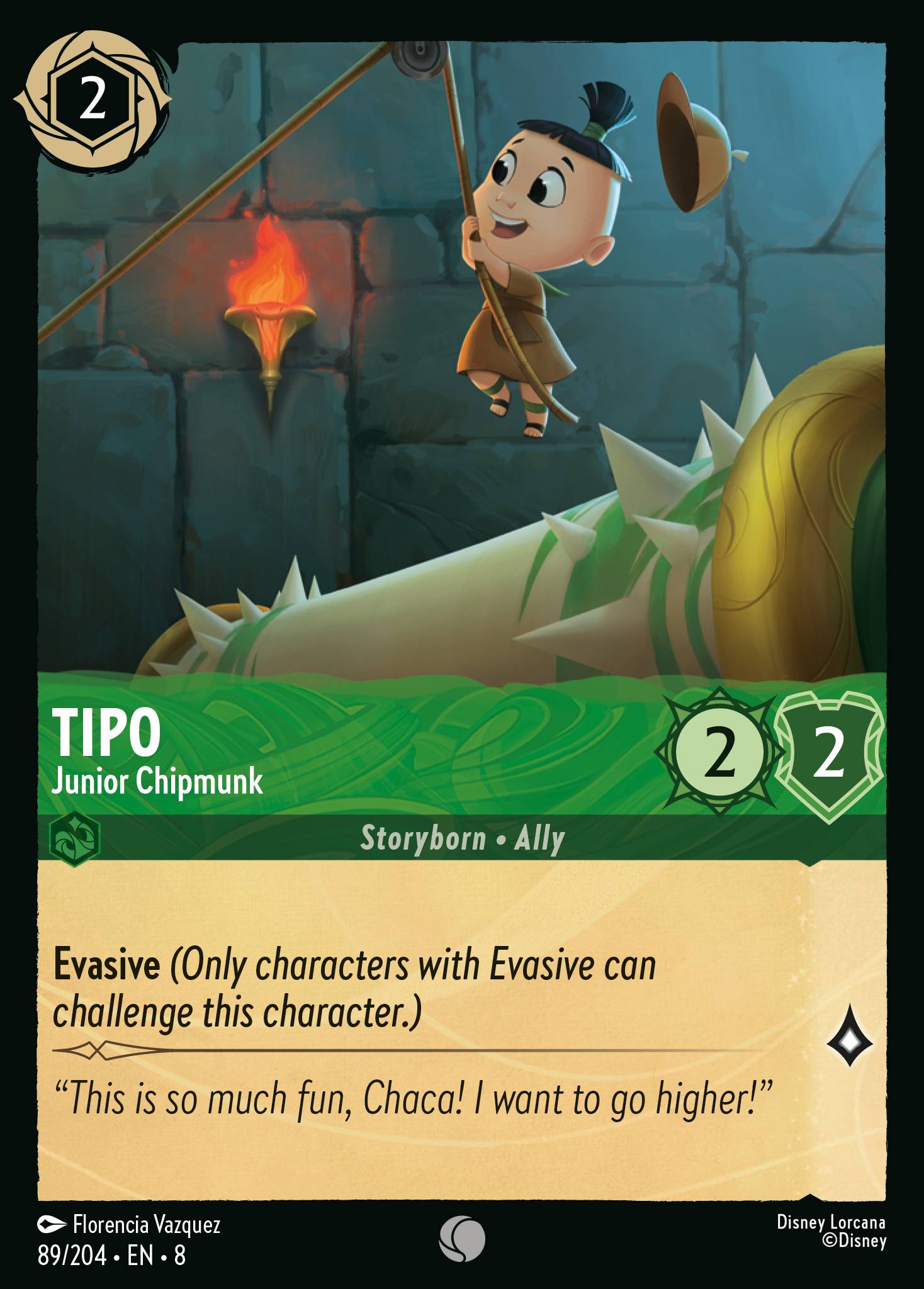
That's the core engine: cheap evasive characters that the opponent has no way to interact with on the board. Where most decks have to choose between questing and defending, your evasive threats do both — they rack up lore and stay alive — which is exactly why an evasive shell races so much faster than a normal creature deck.
It's also why this archetype is so durable. Evasive has appeared in set after set across multiple inks, so even as cards rotate, there's always a fresh crop of cheap evasive questers to slot in. Learn the evasive game plan once and you can keep playing it for years. (For a full rundown of Evasive, Alert, and the other keywords, see our keywords guide.)
What Each Ink Brings
The Ruby/Emerald pairing isn't arbitrary — each ink contributes a distinct piece of the aggro puzzle:
Ruby — Aggression & Removal
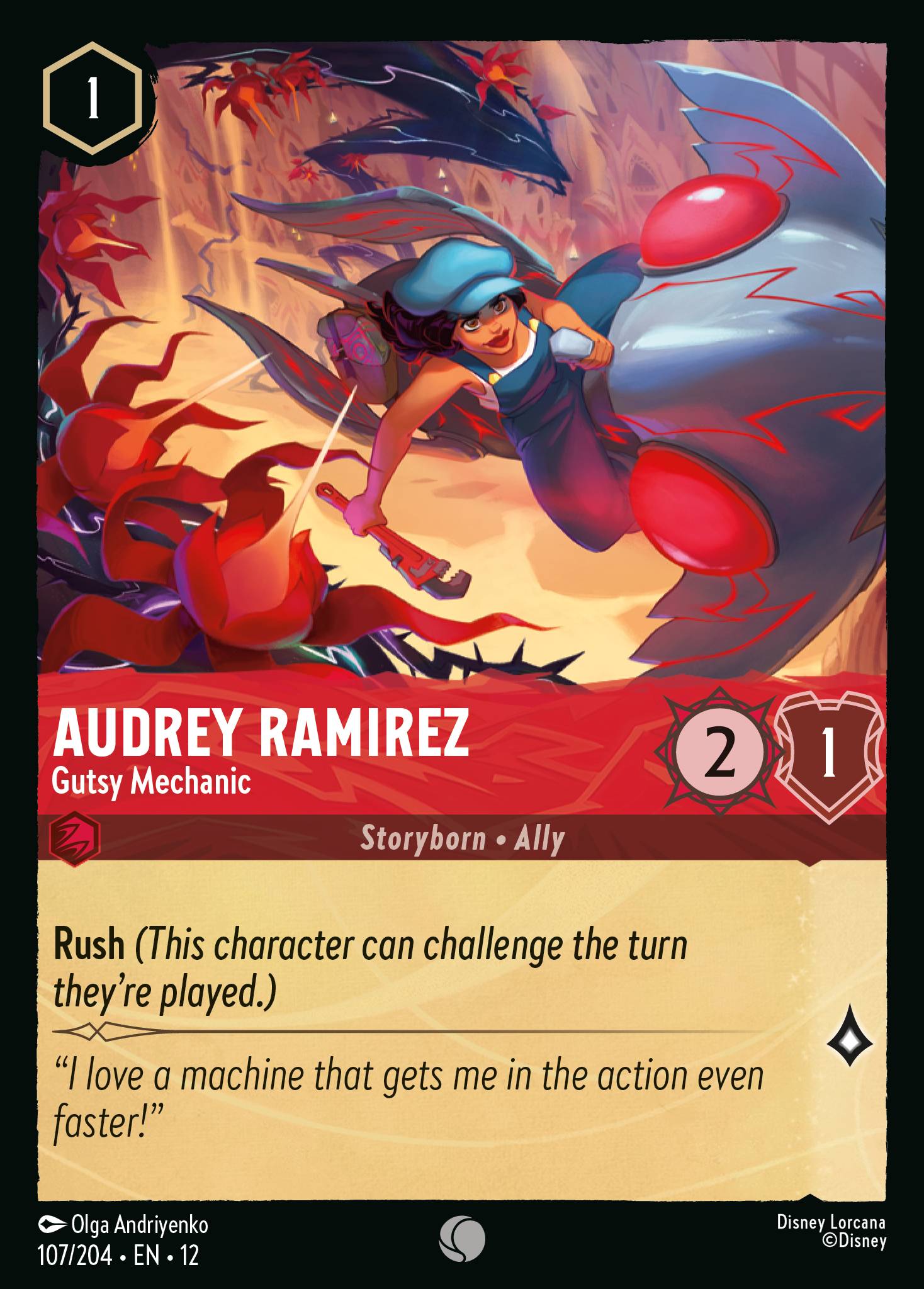
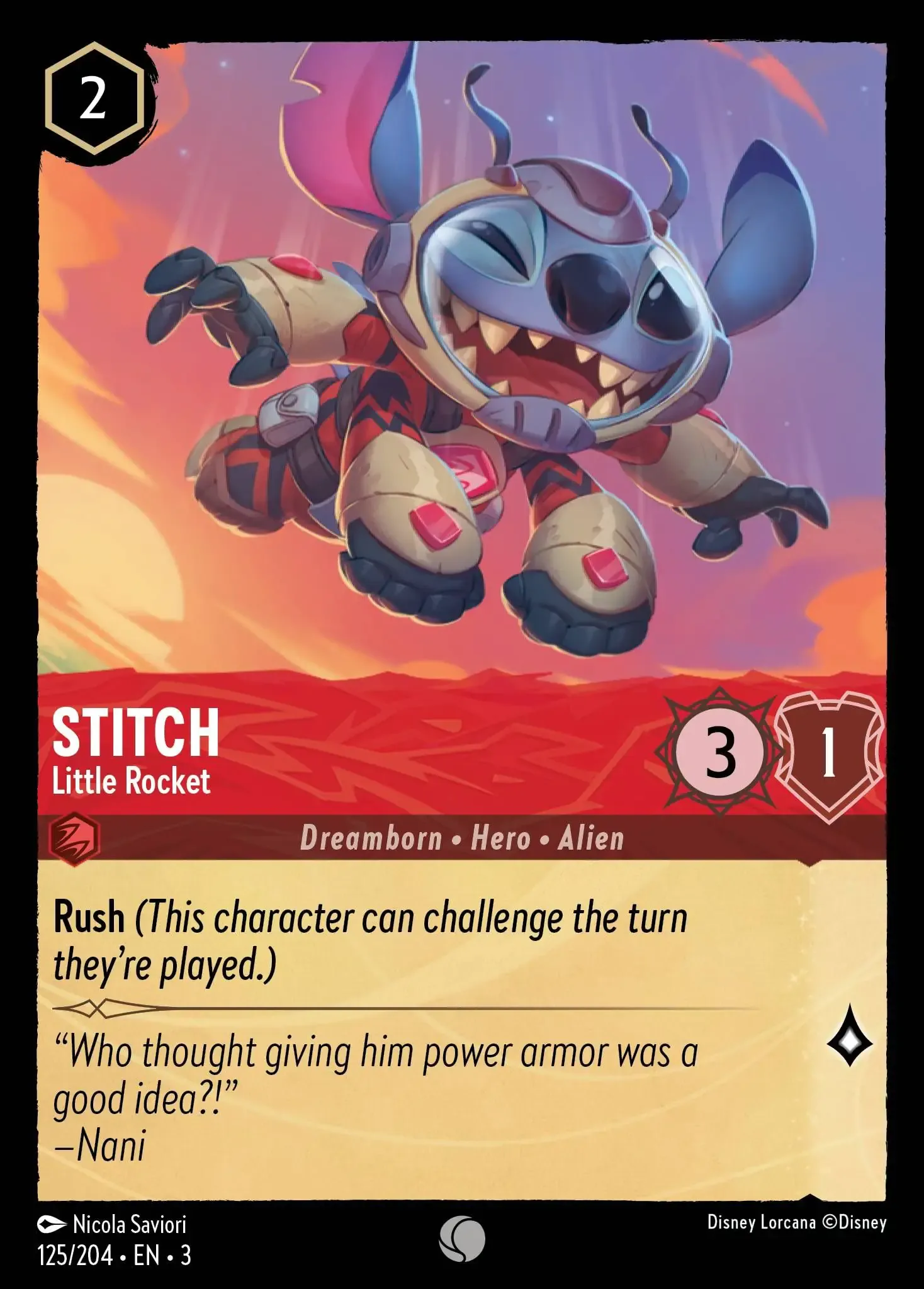
Ruby supplies the teeth: aggressive bodies, challenge support, and damage-based removal to clear the blockers that would otherwise wall your questers. When the opponent does manage to put up a defender, Ruby is how you knock it down and keep the race going.
Emerald — Evasion & Disruption
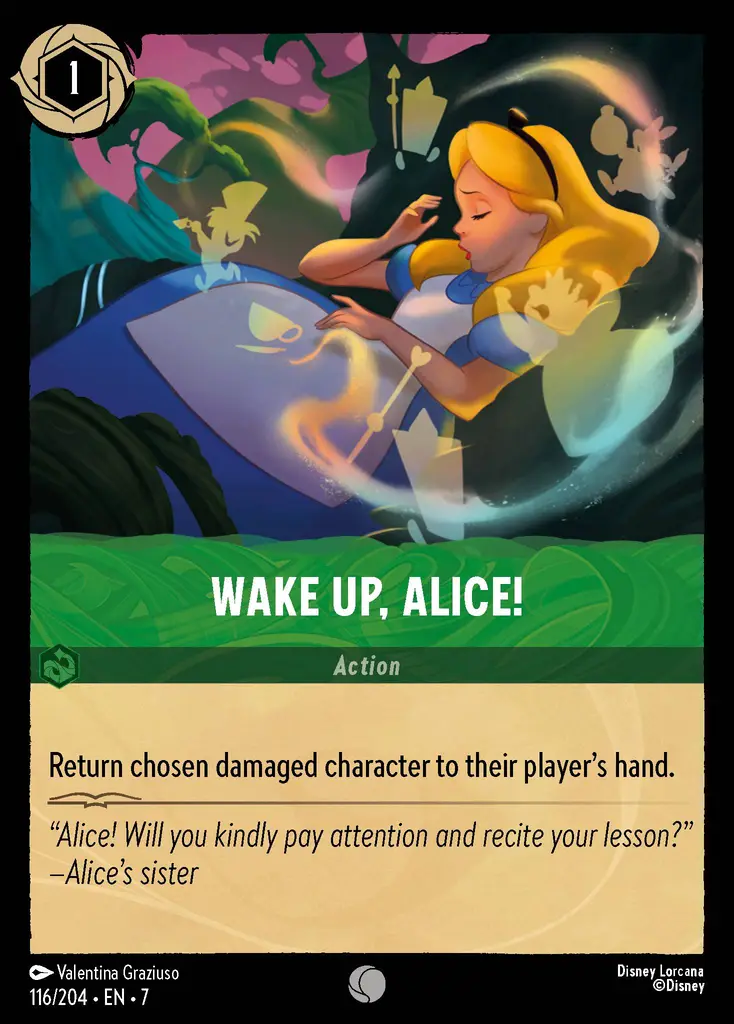
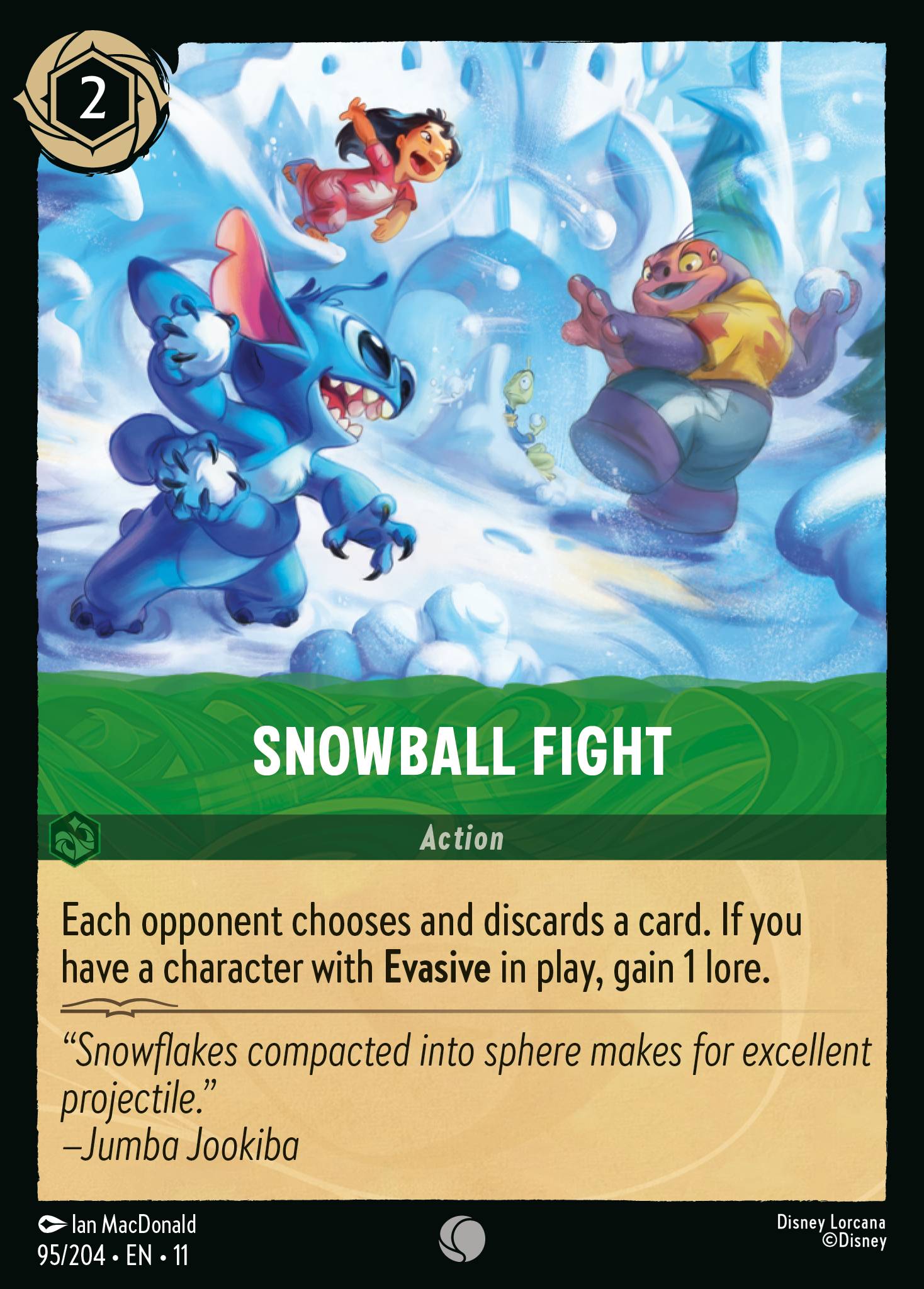
Emerald is the home of cheap evasive questers and disruption. It provides the bulk of your safe, lore-generating bodies, plus bounce and hand disruption to break up the opponent's defense or strip an answer before they can use it.
Together they form a complete aggressive package: Emerald races and disrupts, Ruby removes and pressures. Neither ink alone is as fast as the two combined.
The Core by Role
Rather than a fixed 60 that may be off-legal or mispriced by the time you read this, here's the role-based skeleton the archetype is built on. Fill each role with the cheap, current cards your format offers — a deckbuilder will surface today's best options instantly.
Evasive Questers (the core)
The largest slice of the deck: cheap one- and two-cost characters with Evasive that quest for two or more lore. These are your engine — run as many efficient ones as your format offers.
Non-Evasive Lore Generators
A few extra cheap, high-lore bodies to flesh out the early curve, even without Evasive, so you're never short of something to quest with on turns one and two.
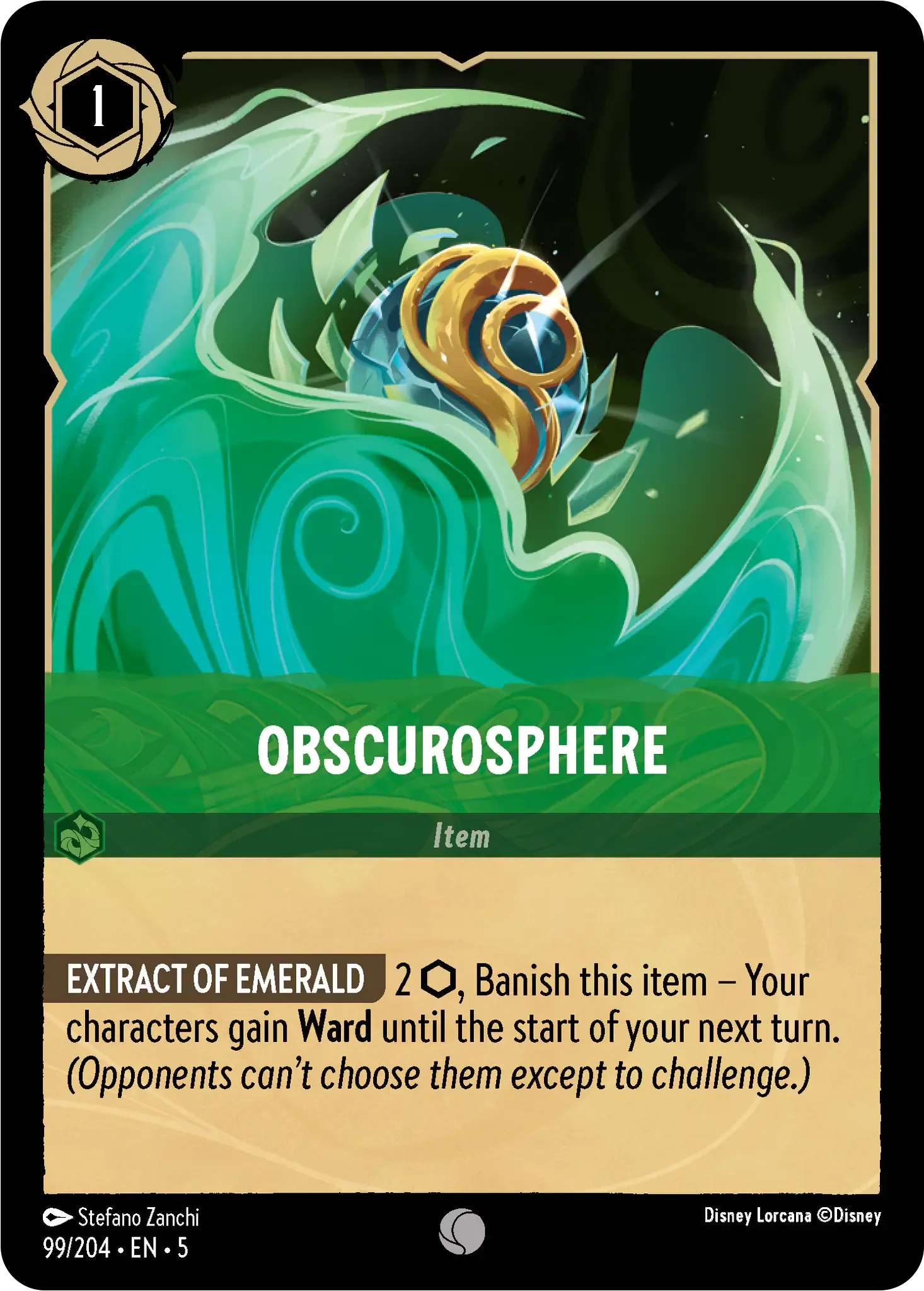
Protection
Cheap ways to keep your clock alive — effects that ready an exerted character, grant Ward or Resist, or otherwise shield your questers from the opponent's removal.

Interaction (Ruby + Emerald)
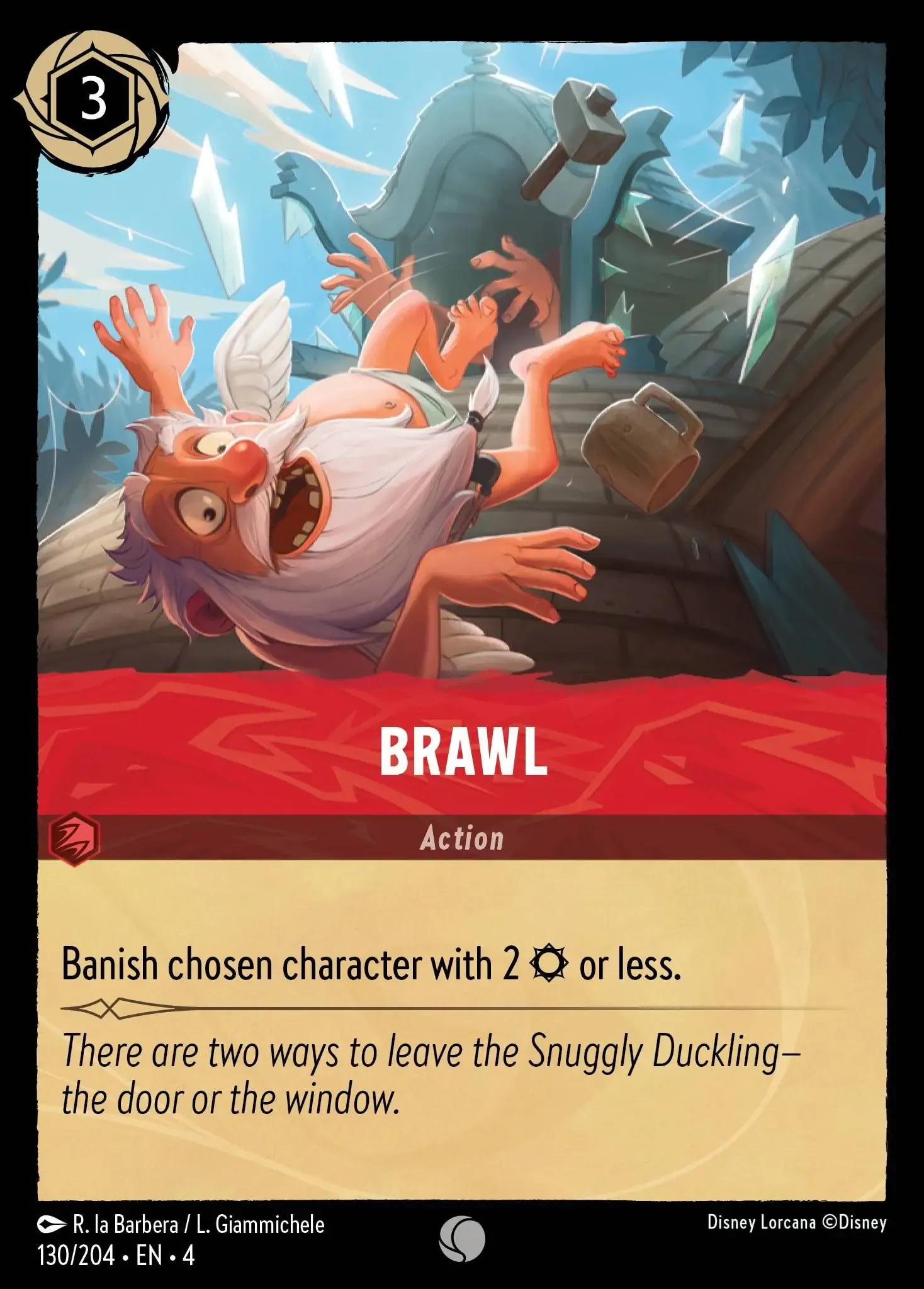
A modest package of Ruby removal/challenge support and Emerald bounce or hand disruption to clear blockers and break up the opponent's defensive plan.
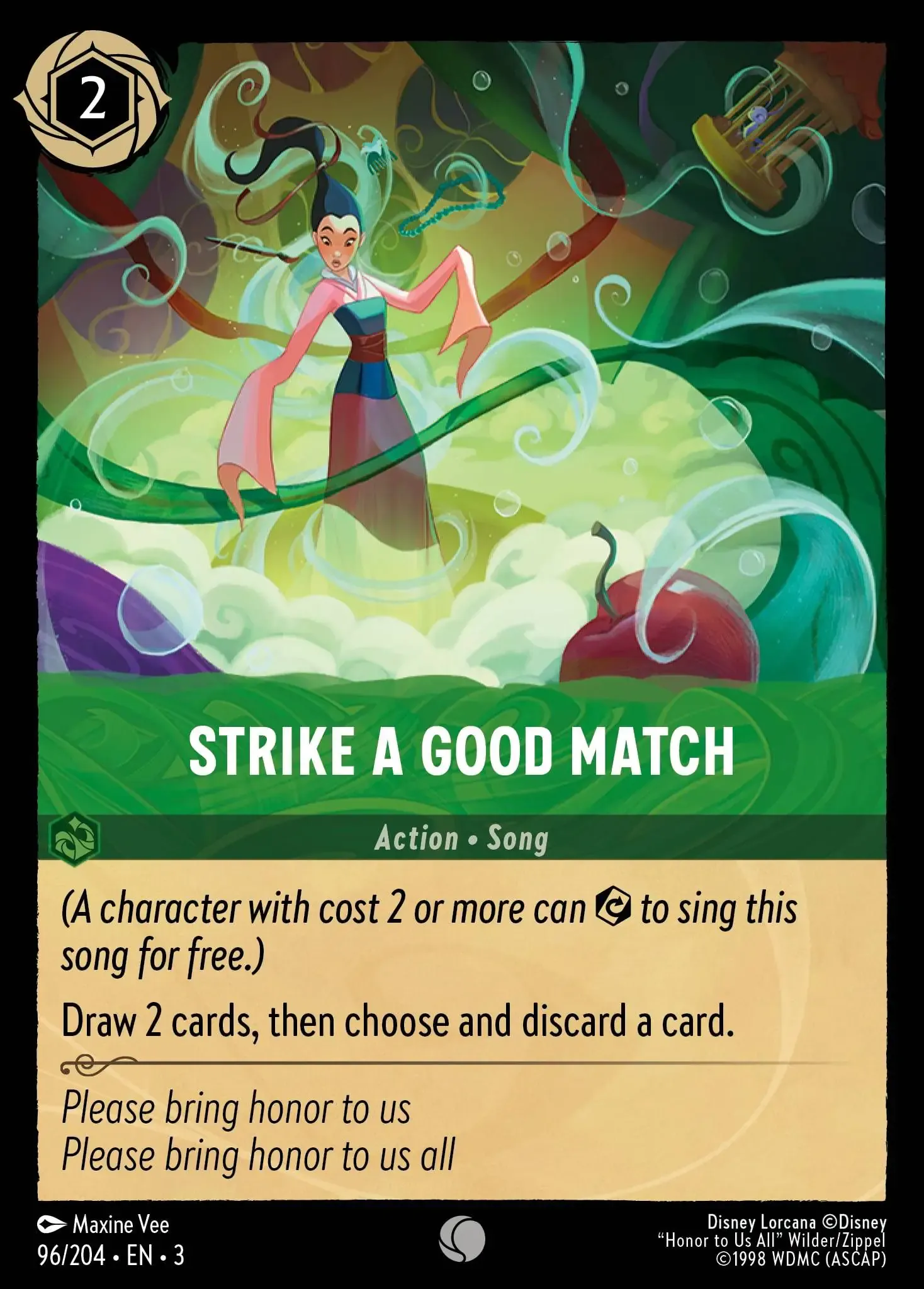
Card Draw
A small amount of cheap refuel so that if your first wave gets answered, you can reload and keep pressuring rather than running out of gas.
*This is a verified role skeleton, not a complete list. Pull a current Ruby/Emerald aggro decklist from a deckbuilder such as Dreamborn or inkDecks, confirm legality for your format, and price it before buying.*
Building It Under $50
Aggro is the most budget-friendly archetype in Lorcana, full stop. Its power comes from cheap, efficient commons and uncommons played in bulk, not from a handful of expensive legendaries — competitive aggressive lists routinely cost a fraction of what control and combo decks demand. An under-$50 build is not a compromise here; it's the natural price of the strategy.
- Run four-ofs of your cheap questers. Consistency is everything in aggro — you want to draw a quester every turn. The good news is those cards are cheap, so maxing out copies barely moves the price.
- Don't overspend on interaction. A few efficient removal and disruption pieces is plenty; aggro wins by racing, not grinding. Skip the pricey toolbox cards and put that money into a clean, consistent curve.
Validate Before You Sleeve
Prices and Core legality shift over time, and the best evasive questers change with each set. Before buying, build your list on a deckbuilder (Dreamborn or inkDecks), confirm every card is legal in your chosen format, and price it against current market data. Treat any figure — including "under $50" — as a target to verify, not a promise. The evasive core makes this deck unusually rotation-resistant, but always check the specifics.
Sourcing the Cards
This list is cheap Ruby and Emerald commons and uncommons, so price it slot by slot before you buy. TCGplayer is where to check the current market price on each card; eBay bulk lots often work out cheaper per card if you don't mind sorting.
As an Amazon Associate, Geeky Domain earns from qualifying purchases. eBay links are affiliate links; Geeky Domain may earn a commission at no extra cost to you.

How to Pilot It
Aggro looks simple but rewards disciplined, decisive play. A few habits separate a fast win from a fizzle:
- Mulligan for a curve. You want one- and two-cost questers in your opening hand. A hand with no early plays is a mulligan — your whole plan depends on doing something every turn from turn one.
- Quest first, challenge second. Your default action is to quest for lore. Only challenge when you're removing a blocker that's actually slowing your clock — trading your evasive quester away to kill a body is usually a mistake.
- Develop before you quest. Play your characters first, then quest with the ones already on board, so you never waste a turn — and so your new bodies are ready to quest next turn.
- Count the clock. Always know how many turns you are from 20 lore and play to that number. Take the line that wins fastest, even if it means leaving yourself a little exposed — you're the aggressor, and the game ending is your defense.
A Sample Fast Start
Here's the rhythm you're chasing. Turn 1: ink, then play a one-cost evasive quester. Turn 2: quest with it (lore on the board), then deploy a two-cost quester or a second evasive body. Turn 3: quest with everything — now you're banking four-plus lore a turn — and add another threat. Turn 4 onward: keep questing, use a piece of Ruby removal only if a blocker is actually slowing you, and ride your evasive characters across the finish line around turn six. If every turn adds lore and your questers stay safe, you're piloting it right.

Matchups
Knowing who you beat and who you race tells you how hard to push:
- vs. Control: Your best matchup. Control decks want a long game; your job is to end it before they stabilize. Apply maximum pressure early, play around their board wipes by not overcommitting, and close before they take over.
- vs. Other Aggro: A pure race — usually decided by who curves out cleaner and whose evasive threats stick. Prioritize your own lore over interacting, and only spend removal when it directly speeds your clock or stops theirs.
- vs. Evasive Mirrors: When both decks have evasive questers, your evasive characters can challenge theirs — so the interaction opens up. Decide each turn whether trading evasive bodies or simply out-questing is the faster path to 20.
- vs. Go-Wide & Lifegain-style Decks: Your tougher matchups are decks that gum up the board or gain tempo faster than you can punch through. Lean hardest on your evasive questers (which they often can't block) and use Ruby removal to clear the one or two defenders that matter.
Common Mistakes
Aggro punishes a handful of predictable errors more than any other archetype:
- Playing reactively. The biggest trap. Aggro wins by advancing its own plan, not by answering the opponent's. If you're spending turns reacting instead of questing, you've already lost the race.
- Challenging when you should quest. Trading an evasive quester away to kill a body usually slows your own clock more than the opponent's. Challenge only to remove something that's actively blocking your lore.
- Overcommitting into a wipe. Against decks with board-clearing damage, dumping your whole hand can hand them a blowout. Keep enough back to rebuild and still close.
- Keeping a slow hand. A hand with no turn-one or turn-two plays is a mulligan, every time. Consistency in the early curve is worth more than any single powerful late card.
Upgrade Path & Verdict
As your budget grows, the upgrades are modest: the newest premium evasive questers, a slightly sharper protection package, and one or two efficient legendaries that fit the curve. Because the engine is so cheap to begin with, the gap between the budget build and a tuned one is smaller here than in almost any other archetype — you're already most of the way to a competitive deck.
Fast, Cheap, and Rotation-Proof.
Ruby/Emerald Aggro is the ideal first competitive Lorcana deck: it costs little, it's simple to learn, and it punishes anyone who plays too slowly. The evasive engine keeps your questers safe while the lore stacks up, Ruby and Emerald give you just enough interaction to clear the path, and the whole strategy survives rotation because cheap evasive characters never go out of style. Race to 20, and let your opponent figure out their game plan from the losing seat.
Build around the verified core, validate the list and prices for your format, and start counting down to 20.
Build Your Aggro Deck:
© GEEKYDOMAIN.COM | Strategy Powered by Data